Food — the primary reason to cruise?

Okay, so taking a cruise isn’t all about the food — sunsets, entertainment, and destinations play a large part in the selection of itineraries. Luxury service, creature comforts, pools and hot tubs, spa treatments, and a variety of tantalizing activities appeal to young and old alike, But unlimited drink packages and specialty dining venues clinch the deal for a growing legion of cruise-ship passengers each season. Major cruise lines are quick to recognize that they must cater to the diverse needs and preferences of both veteran cruisers and first-timers, so options vary considerably from one line to another. They also may be quite different from the choices that existed just a few years ago.
Recent passenger statistics point to a cruising resurgence. Numbers are back to pre-pandemic levels, and passenger volume for 2023 is expected to reach 106% of the 2019 level, to a total of 31.5 million passengers, according to Cruise Lines International Association (CLIA), and some ships now report sailing routinely at 100% capacity. Passenger totals dropped to less than five million in 2021 at the height of the pandemic, but 2024 numbers are projected to reach 36 million! That’s good for the cruise lines, and for the economy, but it means that travelers must make their plans earlier, particularly if they’re seeking bargain fares and any offered perks.

If you step back in time, transatlantic voyages were a means of getting from one continent to another, albeit in luxurious fashion. Today, a cruise is about a great deal more than getting somewhere. Trans-ocean itineraries now whisk cruise passengers in high style not only to and from Europe and America but from the West Coast to the Orient, from Asia to Africa, or to circle the globe on itineraries that stretch across months and seasons. The onboard experience is all-important.

One can traverse the Panama Canal as well as the Suez, cross the equator or the International date line, or drift lazily along the rivers in a score of different countries, sometimes even captaining your own vessel. Expedition cruises that package sightseeing with high-adventure experiences are growing in popularity.

It all makes me a little envious — how about you?

What about the food?

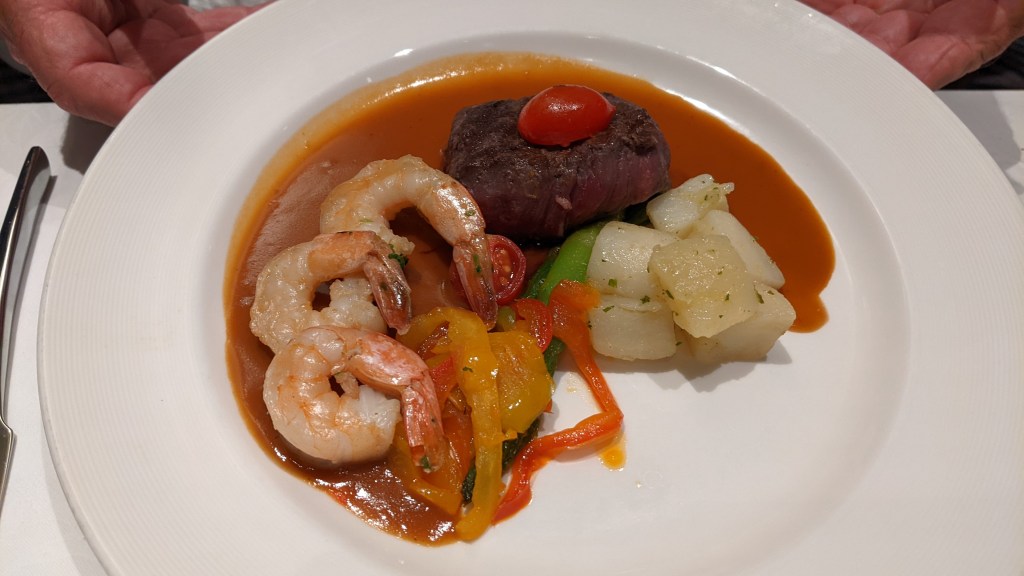
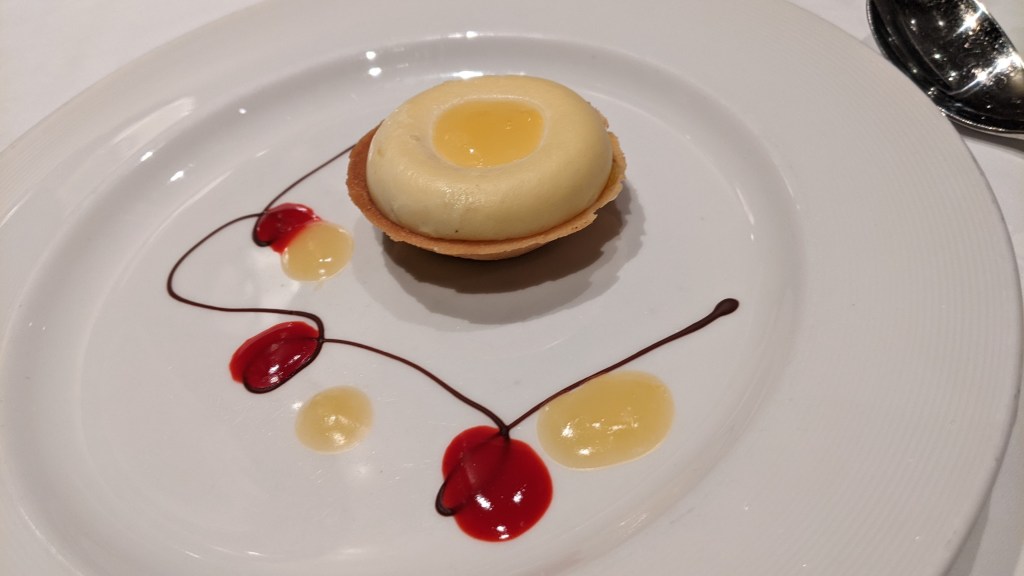
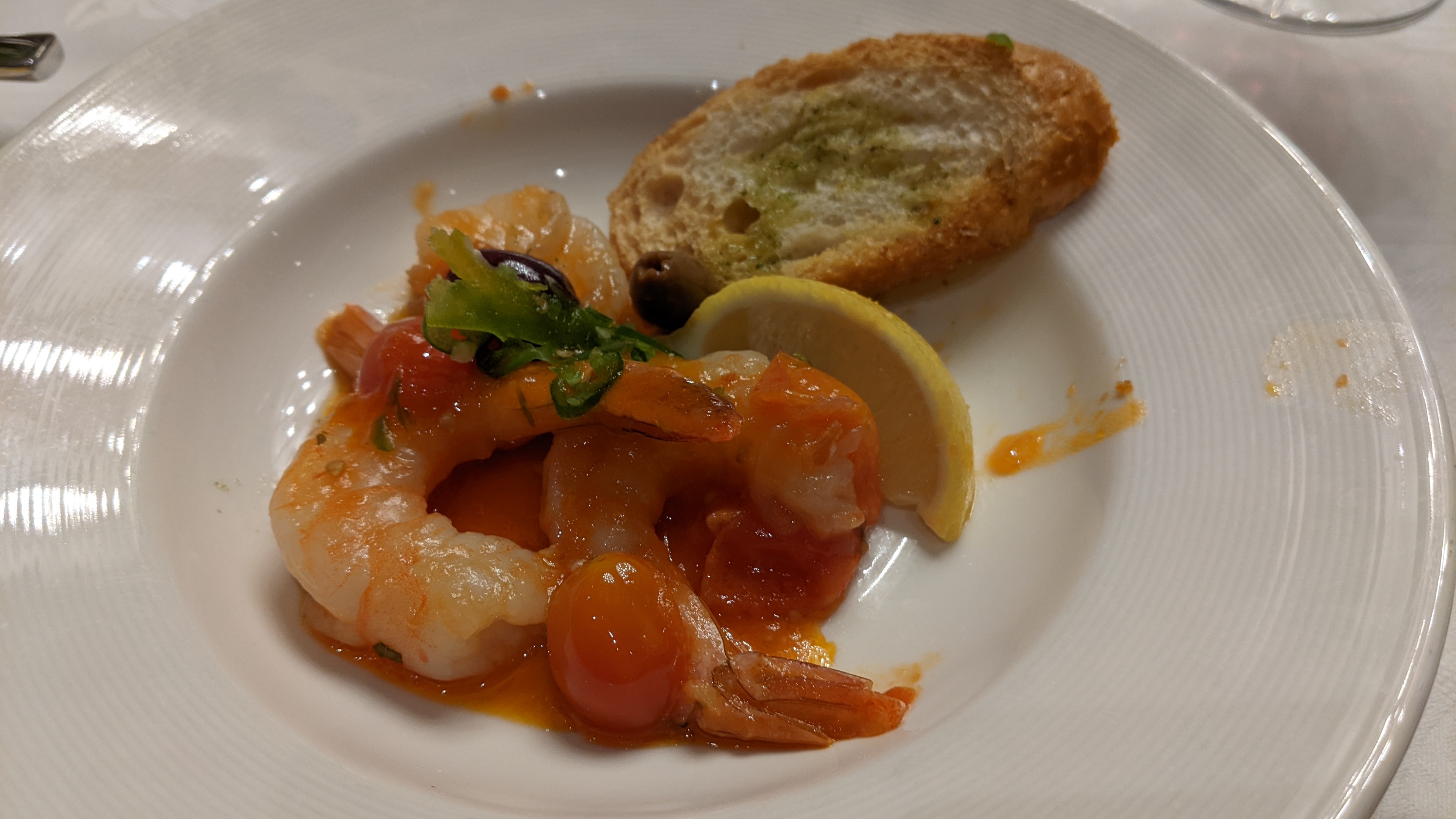
Yes, there certainly have been changes — but, for the most part, the elegance of cruise ship menu choices and the excellence of the food offerings remain! Even though midnight dessert buffets have almost universally disappeared, there is no shortage of food options on contemporary cruise ships. And lavish buffets offer a visual treat as well as wonderful food. Most offer the availability of food and drink from early morning to late at night — sometimes on a 24-hour basis!
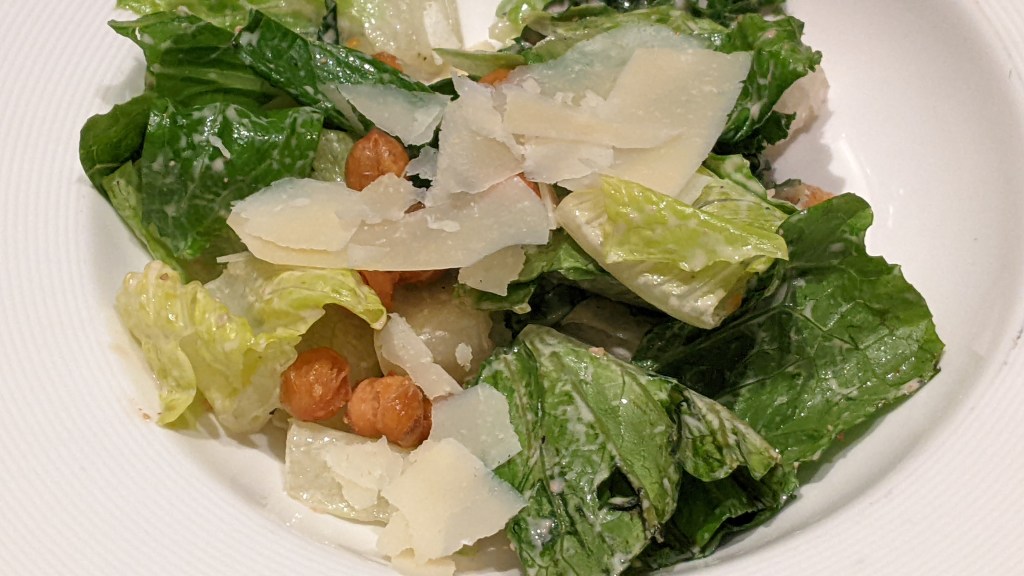
Choose to take all your meals in your ship’s main dining rooms, or opt instead for lavish upper-deck buffets, specialty restaurants, or room service. For the most part, traditional dinner “seatings” are no longer specified. It’s all about choice, and the choices are extensive. Ships are getting larger, and on larger ships, passengers may not even have time to sample all the options! Early reports are that a new Royal Caribbean ship expected to debut in 2024 will feature at least 40 different dining venues.

Personalize your cruising experience

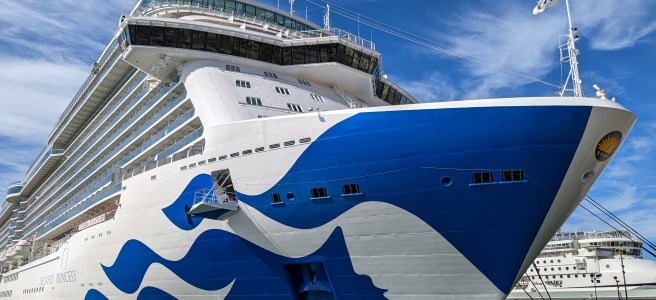
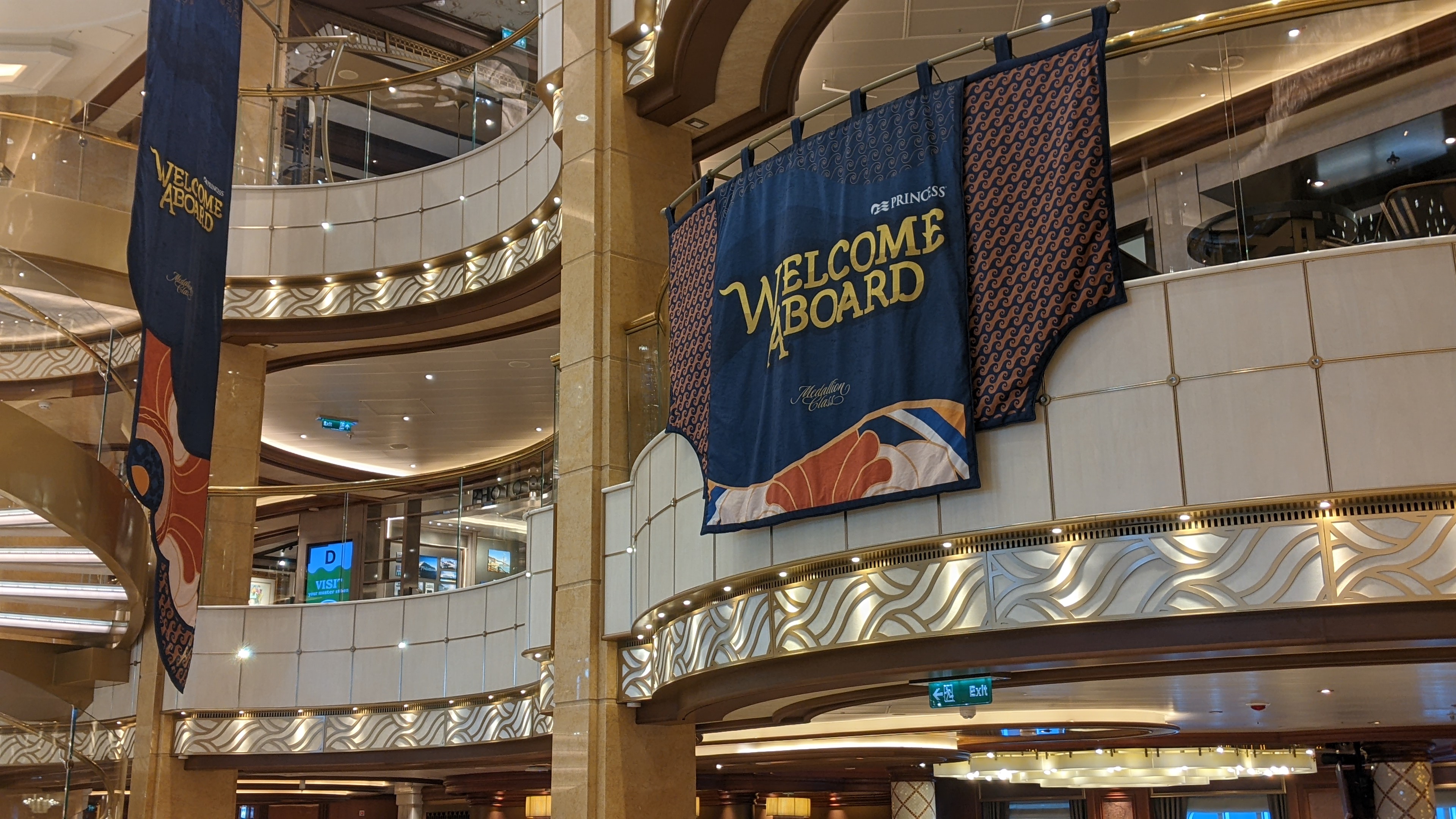
Last fall, on a brief round-trip sailing from Los Angeles to San Diego and Baja California aboard Discovery Princess, we enjoyed an abundance of tasty treats — from made-to-order hand-tossed pizza at Gigi’s Pizzeria at the heart of the ship’s three-level piazza, to loaded hot dogs and fries from the Salty Dog Grill adjacent to Deck 16’s pools. We even ordered a selection of street tacos via room service to consume on our private balcony!

We did not make it to the Salty Dog Gastropub that features gourmet burgers on Deck 5, but we met friends and enjoyed pre-dinner cocktails at Good Spirits at Sea, a lively bar and favorite gathering spot just across the Piazza. The International Cafe is just next door, and it was hard to resist sampling a sandwich with a cocktail. It became even more difficult to refuse a pastry treat with a mid-morning latte or a late-night espresso. As is our tradition aboard ship, we were awakened each morning — at a time of our choosing — by a knock on our stateroom door signaling the arrival of a pot of coffee, sometimes accompanied by a selection of croissants and pastries! Isn’t that the height of personal pampering? On Princess Line ships, it’s just one of the complimentary amenities.

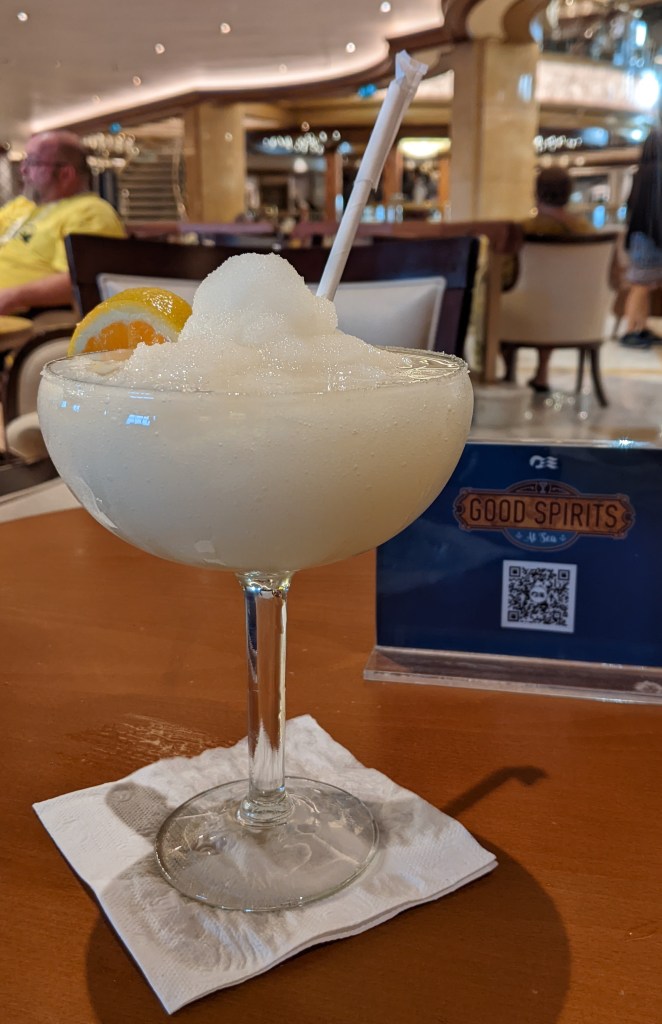
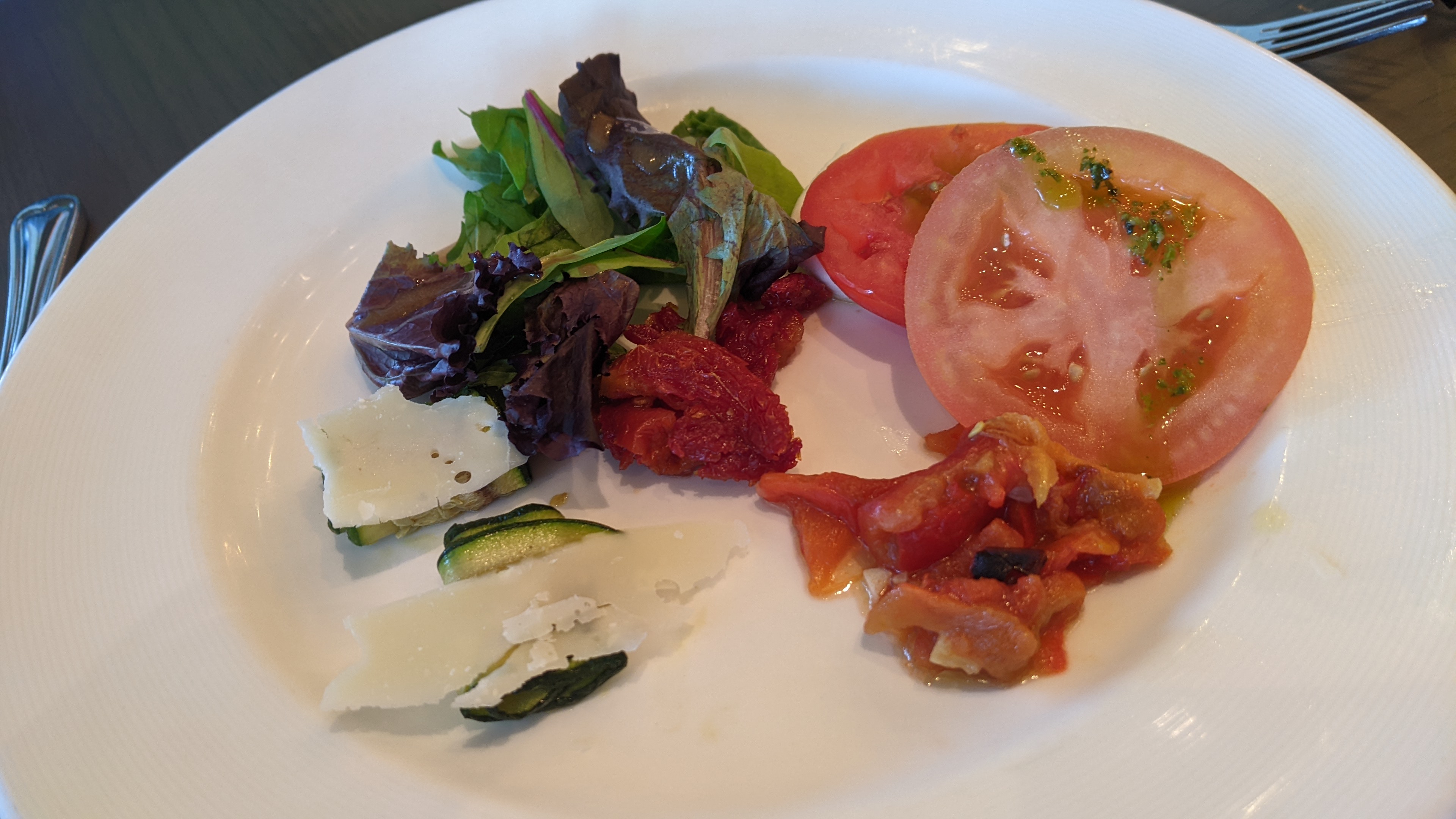
While we chose to enjoy a leisurely dinner in one of the ship’s superb dining rooms most evenings, after a busy day of sightseeing in San Diego, we opted for lighter fare when we returned so we could watch our sailaway from the upper deck. Another evening, we indulged in a multi-course dinner at the Crown Grill before moving on for evening entertainment at the nearby Princess Live! lounge. With all the different options available, we did not want for food at any time of day!
What to expect on your cruise vacation?

The dizzying number of options means that you must do some initial homework even before you shop for a ship. The increased popularity of river cruising adds another dimension. Today, you can opt for a laid-back, relatively casual three-day excursion out of Florida to a Caribbean island, a week-long cruise in the Mediterranean or a cruise that circles Australia, Japan, or the Hawaiian Islands. Alternatively, you can explore Alaska, Antarctica, the South Sea Islands, or the great rivers of Europe and the Americas, including the Nile, the Amazon, or the Mississippi. Combine a pre-or-post cruise land tour, and your choices are multiplied.

Choosing to cruise typically means that you pay for your vacation in advance, often including the port excursions that interest you. You unpack when you arrive at your port of embarkation with no need to pack up again for the duration of the cruise, be it seven days, three weeks, or more. Still, cruising is not for everybody. If you haven’t cruised before, it’s wise to dip your toes in the water, so to speak, on a three or four-day sailing combined with a visit to the port or a nearby beach. Also, be sure to investigate thoroughly the options and packages available from the various international cruise lines.

Not only have itineraries and destinations changed over the decades but so have cruising traditions. Where, in the past, formal attire — even ball gowns and tuxedos on occasion — were proper for dinner — the emphasis today is on informal. Some lines recommend “country club casual” with slightly upscale dress expected in the evening, and many ships still specify a formal night or theme party as part of each itinerary, usually with advance notice. Most travelers, however, don’t even pack multiple bags; sometimes a carry-on and a backpack will suffice, even for a week or longer, with laundry services available to passengers.

If you choose to join the millions of people who plan to cruise in 2023 and 2024, whether you cruise as a solo passenger, as a couple, or as part of a larger group of family or friends, Bon Voyage! Enjoy both sea days and port visits to the fullest, and don’t forget to take plenty of pictures! Most of all, savor the food!
Times beyond forgetting . . .

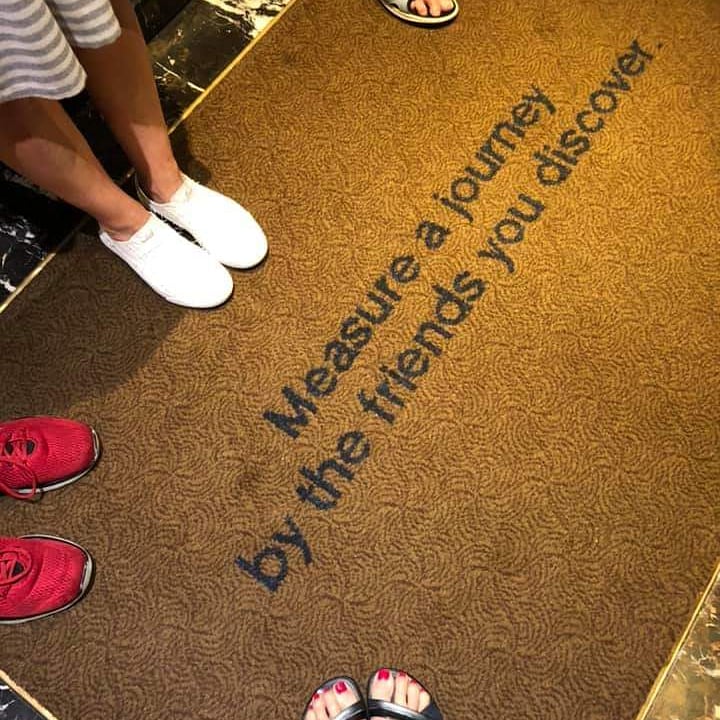
Striking up a conversation with a stranger, especially when one is away from home turf — in another state or halfway across the globe — always leads to new insights. Somehow, sharing seems easier, and there is a double-edged desire to understand one another. Talking about history and the past, hopes and dreams for the future, life, expectations, favorite places, fears and hardships, war and peace, children and ancestors, puppies and good food — it seems easy to cross cultural borders in those times. Such encounters happen quite naturally while waiting for a flight, browsing a bazaar, standing on a cruise ship deck, or sitting in a crowded cafe almost anyplace in the world. It’s real, easy, and spontaneous.

The truth is that people throughout the world are eager to talk about all of these things — to me and to you. And we’re all eager to talk about our homes and our families. We form quick friendships with others we have just met. Sometimes they are short, quick encounters, and they end just as quickly. Occasionally, those chance meetings lead to lasting memories. They can also foster new friendships that easily survive decades and distances. There is promise in that fact.

So, because travel has once again become a welcome reality, I look at the empty pages of my desk calendar for the coming year, thinking about the destinations that will be penciled into those pages. I cannot help but think of the people I might meet in those faraway places. And I think of the trip from which I recently returned. For nearly three weeks, I was a solo traveler. It was not my first trip alone, but it was a uniquely fresh adventure. For many years, I have enjoyed the company of a willing travel partner. When my spouse and I each had busy and fulfilling careers, we were not infrequently apart due to work schedules and business trips. We sometimes enjoyed the company of individual friends and family members on our travels, but we traveled as a couple for most of our most memorable vacations.

Booking a solo cruise for May of 2023, followed by attendance at a professional conference, was in many ways new territory for me at this stage of my life. And, I must report that it was better than I had hoped. I also have to say that, for me at least, it was nice to return home and resume my by-now-familiar pattern of life. Will I leave again as a solo traveler? At this point, I am not certain that I will, but I would not hesitate should the right opportunity present itself.

That’s the joy of traveling. The art and the architecture, the vistas and the crowded piazzas, the food and the wine, the excursions and the unexpected experiences all may be the stuff of dreams, but nothing beats the privilege of sharing “quality time” with real people, no matter how fleeting that time might be.

That’s what I missed most during the pandemic. Interacting with real people is the one thing that makes travel so enjoyable, so unforgettable, so necessary, to my mind. That’s what I anticipate most with each trip I take. My recent journey seemed almost like too much frosting on the cake. It included another chance to step across the latitude line in northern Alaska that allows me to say that I have been north of the Arctic Circle once again. The first time was a Nordic cruise to “the top of the world” last September. Coupled with a trip to Antarctica in January of this year, this time was a new thrill.

Where to next? At this point, I have no idea. Much to our disappointment, a planned February 2024 cruise that we had booked with a sizable group of friends and family was just canceled by the cruise line due to ship redeployment. But, I am sure we will find another journey that lures us to “take flight.” Once again, it will mean a potential to meet and interact with interesting people in addition to a distinctive itinerary, that will lead us to book another trip.

Looking forward also entails looking back.

Several years ago, my husband and I had a free afternoon in a Mediterranean port city. We had seen enough churches and museums, eaten enough lunch, walked too much. We found a cabbie near the port who, for a set fee, was willing to take us on a drive around “his” city. We wanted to visit a market to buy some fresh fruit, perhaps some cheese and olives, and a local bottle of wine. We wanted to see the view from the bluffs above the city. Most of all, we wanted to relax and hear about life in a unique and beautiful part of the world.

We got all of that and more. Our congenial driver spoke in halting English about his family, his wife, his life. He told us how proud he was of his children, a son studying medicine in London; a daughter pursuing dreams of her own in America. He told us how much he missed them, and what he wished for them in the future. We practiced our Italian, asking about the cost of living, about the political situation in his country and throughout the EU, about the past and the future, about the weather, and about the cost of gasoline and the price of olives.

He brought us to a favorite lookout with an incredible view of the sea, where we stood in the wind and drank in the beauty of the setting. And then he brought us to a small cafe where we drank small cups of strong coffee as a fitting end to our excursion. He dropped us back at the dock and we re-boarded our ship, knowing that we would never see him again but that we would never forget him. The world grew just a bit smaller that afternoon, and our hearts were full.

It is experiences like that that will keep me on the road as long as I am able.

Follow me here @goodfoodandfarwayplaces.com to learn more about strangers I have met and befriended across the globe and through the years. Read more stories about travel, history and my random musings about life in today’s world @rightoffmain.com, follow me at facebook.com/cohenadrienne/ and on Instagram @adriennecohen221.

Polar Opposites

71-10-21 and 64-89-??

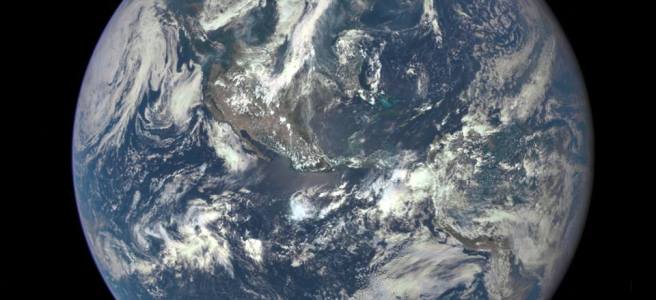
Points on a compass have little meaning to most people. Schoolchildren learn about the north and south poles, that the earth is tilted on its axis as it travels around the sun, and that the globe is divided into latitude and longitude lines. Most come to know that the equator separates northern and southern hemispheres, and that the latitude lines defining Arctic and Antarctic circles are set at 66 degrees thirty minutes north and south of the equator which is at zero. But it’s a fact long forgotten by most adults. In truth, there’s little reason to know exactly where one is on the globe at any given point in time, unless you have a precise need to navigate to a destination. Airline pilots and ship captains need that knowledge, but casual travelers really do not.

For what it’s worth, however, the coordinates of Hot Springs Village are 34.6720 degrees N, 92.9988 W. It won’t replace a street address, but if you’re interested in little-known facts, make a note! I once was tempted to have the coordinates of the tiny train depot in my favorite little village in Maine printed on a t-shirt, just to see if anyone would ask what the numbers meant. I didn’t.

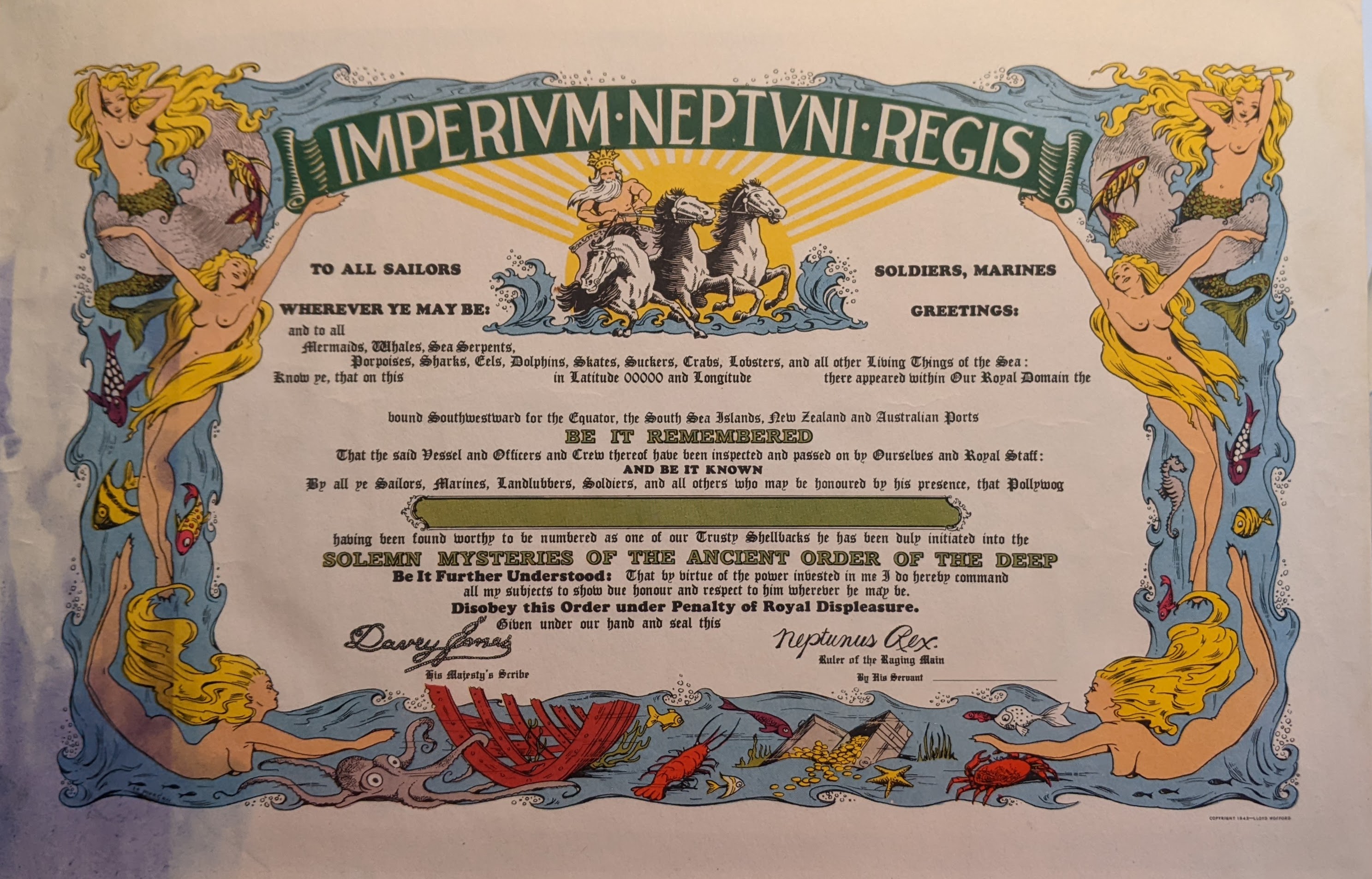
Ancient mariners noted the crossing of that zero latitude line regularly, and it is an honored tradition still practiced by sailors today. If you have been lucky enough to sail across the equator, you may know about the good-natured and sometimes raucous festivities that mark that passage. Read about the Royal Navy’s Crossing the Line ceremony aboard the aircraft carrier HMS Queen Elizabeth on the ship’s first equator crossing in 2021. I also have a certificate of passage across the equator. It is colorful and ornate, and it is not mine, but it is part of my family history.

The latitude is noted as 0000 — the equator. The longitude is left blank, as are other blanks for the name of the ship, the name of the sailor, and the date and time. On the back, however, is this handwritten note:

Longitude “Secret.” USS Admiral Benson. Destination: “On a Mission of War” Date: “Secret 1945.”

I find it fascinating that some traditions were kept even during wartime. Celebrations take place aboard modern cruise ships, to the delight of most passengers. And crossing the International Date Line can be a bit disorienting. At basically 180 degrees longitude, or half the globe away from Greenwich, England, at Longitude 0, the date line was only designated as such in 1884, to make timekeeping more consistent. The line, which designates the change of calendar dates, sometimes follows a zigzag path around political boundaries, as between eastern Russia and the Aleutian Islands of Alaska. Gaining or losing an entire day in an instant while crossing the International Date Line must be disorienting as well as exciting. Crossing from east to west means that travelers “lose” an entire day! You can gain that day back if you return later to your starting point. That must be disorienting as well as exciting. I don’t know if a certificate exists for that or not!

Some airline pilots will also announce the crossing of the equator, or the time-altering effects of crossing the International date line.

Breaking the Barriers

Tourists can easily venture north of the Arctic Circle on Scandinavian itineraries, whether on land, sea or in the air. Travel to Antarctica typically requires a sea voyage, and is only possible during the height of the southern hemisphere summer. A commemorative certificate is commonly awarded to passengers, denoting the actual southern latitude a vessel reached, but traditions vary. Most visitors to Antarctica do not actually cross into the Antarctic Circle. Most don’t get even to 65 degrees south latitude — the passages are too treacherous for all but sturdy scientific vessels with ice-breaking ability. There are no scheduled flights to the seventh continent from either South America or Australia. Scientists and researchers most often arrive by air at their remote research stations in late spring and depart the same way prior to the onset of the long Antarctic winter.

The earth’s magnetic poles continue to shift slightly, and the imaginary lines that describe the polar regions also vary somewhat. The boundaries of the polar circles are typically noted as 66-33-39 degrees North or South latitude. They are sometimes said to be situated at 66.5 degrees. There are only about 69 miles between degrees of latitude, so the difference is truly miniscule.

When my husband and I cruised along the coast of Norway in 2022, we entered into the Arctic Circle, according to our certificate, at 12:12 a.m. on June 17, at Latitude 66-30.1 N Latitude and Longitude 009-26.3 E. We continued north to Nordkapp, or the North Cape, at 71-10-21, the northernmost point of the European continent, and also to Skarsvag, a Norwegian fishing village with a population of 60, at latitude 71-06-47 N.

Approximately seven months later, we sailed from Ushuaia at the southern tip of Argentina across Drake Passage and along the Antarctic Peninsula, achieving a “most southerly latitude of 64 degrees 58 minutes.” The date and time are not noted on that certificate.

Next month, I will travel along the Dalton Highway, which runs north from just outside of Fairbanks to end at Deadhorse, Alaska, close to the Arctic Ocean. There’s a simple wood sign at about milepost 115 on the roadway, at which vehicles traditionally stop for photos. The sign, depicting the earth as viewed from the North Pole, simply reads “Latitude 66 33”. The 414-mile highway, some of it still only hard-packed gravel, was built to facilitate construction of the Trans-Alaska Pipeline. The pipeline itself stretches for 800 miles, from Prudhoe Bay in the north to Port Valdez, where the oil is loaded onto tankers for shipment to market.

Why do I do these things?

Well, for one reason, like Captain Kirk, I like to go where few other people have been. Secondly, I am especially fond of quirky destinations, and I will go out of my way for the photo ops and the unique experiences they provide. I like to stand at points where the land ends and the sea begins, and imagine what lies beyond. Many of these “furtherest” points fill me with a sense of wonder that past explorers, sailors, and adventurers stepped out into the unknown not knowing where exactly their journeys would take them, when they would end, or if they would ever return.

Just for the fun of it while we were boating in Maine, my husband and I visited Lubec, Maine, the easternmost point of the continental United States. Nearby are the distinctive red and white striped West Quoddy Head Light in Maine, and the historic East Quoddy Head Lightstation which stands at the most northern point of Campobello Island, New Brunswick, Canada. The names confused us until we consulted our navigational chart and realized that they designate opposite sides of Quoddy Narrows, and make perfect sense to local mariners, as they have for nearly two centuries.

We have returned to Key West many times to stand at the southernmost point buoy. Just for reference, latitude and longitude readings there are 24.5465 N, 81.7975 W. The northwesternmost and most western points of the contiguous 48 states are near Cape Flattery on the Olympic Peninsula in Washington state. Despite living in Washington for many years and boating in the waters around Puget Sound and the peninsula, I have not been there. Maybe someday.

Trips to Gibraltar give us reason to look longingly across the Staight that separates Africa from Europe — a mere eight miles. A trip to Portugal several years ago found us enthralled with the lighthouse at Cabo Sao Vicente, the southwesternmost point of Europe. It is said that it can be seen from 60 miles out to sea. And, yes, I have an ongoing fascination with lighthouses!

It is at these times, as I stand in these faraway places, I realize anew just how vast and beguiling this earth we call home truly is, and just how many places remain for me to discover.

Note: If you’re interested in random facts, have time on your hands that invites mindless armchair exploration, or are in need of trivial conversation starters, visit Wikipedia’s List of extreme points of the United States.

Surprise in a crystal glass . . .

The bottle was not particularly distinctive. I took little note of the winery name and there was no reason to pay attention to the vintage. My husband and I were waiting for friends in the comfortable lobby lounge of our hotel in Santiago, Chile, before venturing out to a nearby casual eatery for dinner.

Our trip, which had begun the morning before in Little Rock, AR, had been long, though exciting, and our arrival in Santiago had not been without an unfortunate attempt at credit card fraud by a cab driver. We had been cautioned, but even advance warnings, unfortunately, do not always protect foreign travelers. (See my related piece about travel precautions.)

However, we had arrived and been welcomed at the charming Hotel Ismael in the vibrant Lastarria District, put the weariness of a long flight, airport lines, and transport frustration behind us, and were planning how to best take advantage of our time in Chile.

A quiet aperitif morphed into a group sampling as we were joined by others in the lobby. I had asked for a glass of a pleasant local red wine, ready to accept what our server chose. My husband ordered a white variety, and we talked about our fresh impressions of the city that we had arrived in only a few hours earlier.

At first sip, I was intrigued by the rich, smooth, deep red of this wine I had never heard of. We quickly learned that the Carmenere is sometimes known as “the lost grape of Bordeaux,” a variety that was nearly destroyed by Phylloxera plague that devastated European vineyards in 1867. It was virtually “extinct” for nearly 100 years. Rediscovered by accident in 1994, the grape had been mistaken for Merlot until a Chilean vintner noticed that some vines took longer to ripen than normal Merlot grapes. Upon investigation, it was determined that they were actually Carmenere, and production in Chile took off.

Our visit to Chile brought us to the heart of the Maipo Valley, not far where the river of the same name flows out of the Andes Mountains. Several of our traveling companions scheduled winery tours during our two days in Santiago. They were captivated by the variety and the quality of local wines produced, the reasonable prices, and the beauty and appeal of the Chilean countryside, seemingly perfectly suited to support a growing winemaking tradition. Participants in one such winery tour brought back a quartet of partially-consumed bottles, which we willingly sampled in the lobby with the blessings of hotel staff.

Today, Chile is home to 90% of the world’s production of Carmenere, and a wide variety of wine is produced along Chile’s sinewy landscape from the far north to the extreme south. Some grapes are exported to other areas, and replantings of Carmenere vines are currently underway in other parts of the world. Wine produced from these grapes may be difficult to find at my home in Arkansas, but the market is growing, and its future is almost assured.

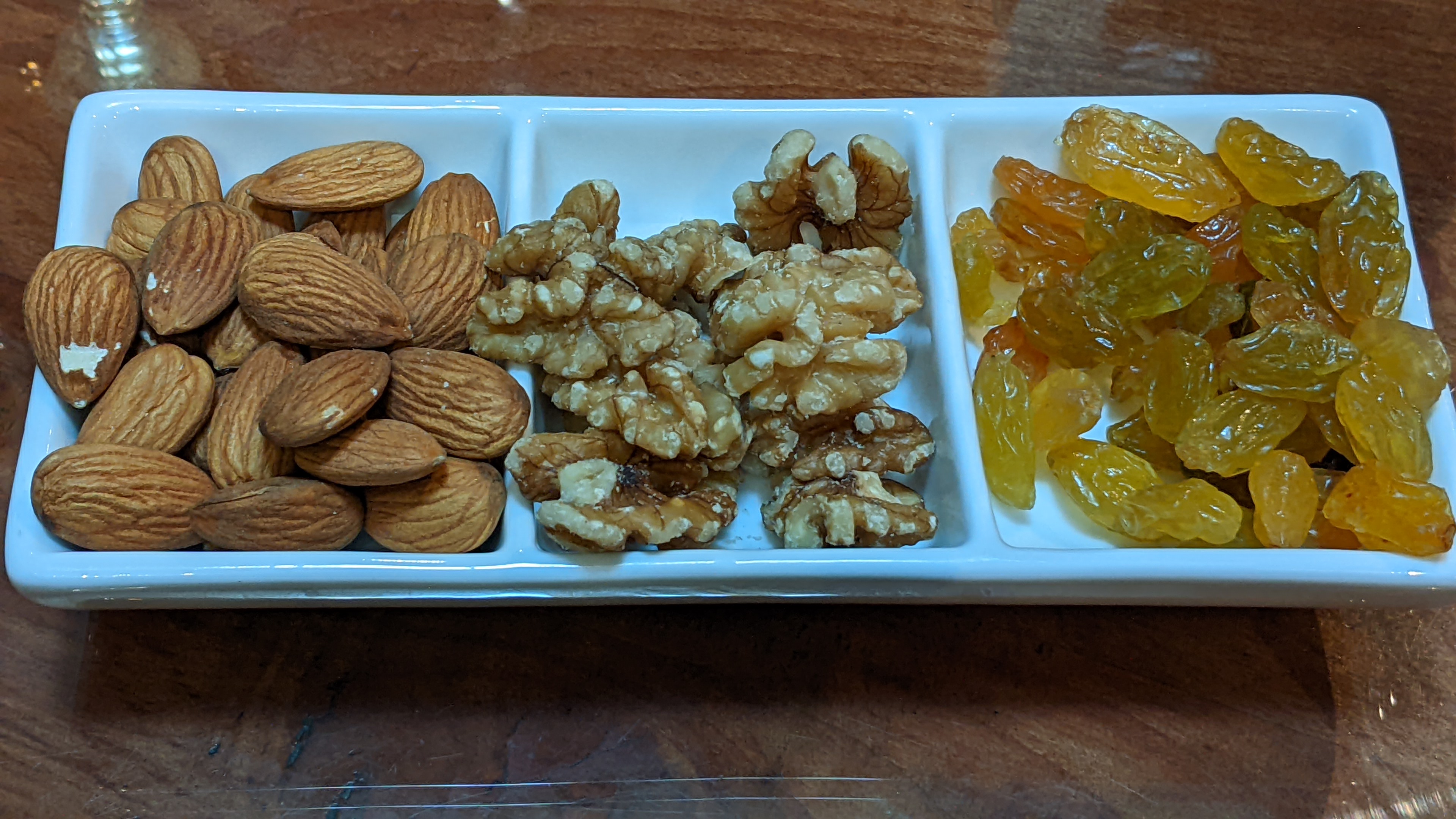
The combination of ripe and spicy fruit flavors, rich texture, soft tannins, and some notes of black or green pepper, herbs and cacao add to its unique character. I must say that is a wine critic’s description; all I can attest to is that I found it very pleasant and I immediately liked it. It is a wine that can hold its own with beef dishes and with vegetables as we learned when we later ordered a bottle with dinner, but we found it an exemplary choice with almonds, walnuts, and raisins — the snacks that appeared in tandem with our glasses that first afternoon in the hotel lobby.

It was a wine I found easy to sip and easy to savor, so much so that we purchased two bottles from the hotel stock to bring aboard our cruise ship when we sailed two days later from Valparaiso. We were pleased as well by the other Chilean and Argentinian wines we sampled in South America. During a port stop in Montevideo, Uruguay, we toured an up-and-coming young vineyard to learn more about production and the demand for fresh, new wines from other regions in South America. The varieties and the vintages are notable and worth sampling.

Sadly, Vines Wine Bar aboard Sapphire Princess had sold out of its stock of Chilean and Argentinian wine halfway through our voyage, proving just how interesting and drinkable these varieties really are! But, one of the onboard activities was a wine tasting that was well attended and highly informative.

Now back home, I will be checking with local wine importers to determine what’s available in my area. I am hoping to find Carmenere, but I will also be on the lookout for other South American wines. My husband and I look forward to sampling some, and we are eager to visit the Argentinian Coffee and Wine Bar in Hot Springs. I can testify that South American wines are a great choice for good times with friends.

Salud!

Want to learn more about Carmenere, the grapes that were misclassified for decades as Merlot? Check out these articles: https://winemakermag.com/article/1142-south-american-grapes; and https://www.winemag.com/2022/09/13/rediscovering-chilean-carmenere/

A dose of good cheer . . .

There’s something about Americans.

They are everywhere, it seems. Sometimes by choice; sometimes by happenstance, often on orders and sometimes unwillingly. Americans travel the globe. Occasionally, they’re “ugly.” Almost always, when Americans “discover” a place, it is changed. And many would argue that change, though inevitable, is less than desirable.

There are other nationalities that also travel the globe; many of them English-speaking — Brits, Canadians, Australians. But there are French-speakers, Spanish-speakers, Scandinavians, Asians, and Africans. In fact, today, all nationalities travel extensively. Most travel rather inconspicuously.  Americans tend to stand out and are occasionally the brunt of jokes and the subject of pervasive and less-than-flattering stereotypes. 

But, there’s something about Americans.

On Christmas Day morning, on a beach in Puerto Vallarta, Jalisco, Mexico, a group of Americans gathers to hang stuffed animals, matchbox cars, soccer balls, footballs, Barbie dolls, and an assortment of other toys from the palapas and beach umbrellas of a local hotel. They wear Santa hats, blinking reindeer noses and silly, floppy reindeer antlers, candy cane shirts, and an assortment of other red and green attire with their swimsuits and shorts.

The beach chairs and lounges are circled to keep the public at a distance. No one really seems to be in charge. At 8:30 am on Christmas Day, it is quiet on the beach. And then more people arrive, some with armloads of stuffed animals, some with plastic bags from the Walmart on the other side of the Mexican city. Some come with one or two toys. Many dropped off their “goodies” earlier in the week. Word spread about the event, and the crowd steadily grew larger.

Volunteers bring ribbons and scissors. There is a festive spirit. Onlookers gather.

Soon, a group of children begin to form a line, off to one side. Quiet, and well-behaved, they stand with their parents and older siblings. They watch. They wait.

This ritual began more than 20 years ago. On Christmas Day 2004, I was on that beach that Christmas Day. A woman named Marge from Nashville, TN, one of the original group of Santa’s helpers, asked volunteers to walk down the beach to find more children. “This is the best year ever,” she said, “and I’m not sure we have enough children for all the gifts.”

There is no publicity. This is not an organized effort. There is no tax deduction attached to these gifts. There were lots of pictures taken. There are big smiles on the faces of the adults. The children look on with wide-eyed wonder. There are tears. There are hugs. There is a sense of excitement. There are cookies and soft drinks and music on a beach in Puerto Vallarta on Christmas Day. And there is a sense of community.

Even though most of the children speak no English, and most of the adults speak little Spanish, there is no language barrier.

One man with a distinctively British accent and a camera pauses to ask what is happening. When it is explained, he makes no comment. But he remains to take pictures, staying on the fringes but joining in the palpable spirit of goodwill.

At precisely 11 am, four Mexican children are allowed to enter the “garden” of hanging toys, each one accompanied by an adult American volunteer with a small pair of scissors. As each child walks through, he is allowed to take his time to look, and then his selection is snipped from its ribbon hanger and handed to him. It is almost silent. There is no screaming, no running. There is a sense of reverence as the child clutches his selection to his chest and then is escorted to the other edge of the toy-filled enclosure.

Children of hotel employees, youngsters whose parents are beach vendors, and children who have come to the beach for a day near the water and the sun with their extended families are the honored guests. They are all Mexican children. That is the only requirement.

It is not their tradition. Christmas, in Mexico, is a deeply religious holiday, with a family-oriented emphasis. Santa Claus does not visit most Mexican children.

But where there are Americans, there are some traditions that are hard to break. In the United States, there are toys for children. So, where Americans gather at Christmas, there will invariably be toys.

There is something about Americans.

Note: I first wrote this nearly two decades ago for an online publication that no longer exists. I was thinking today about that long ago Christmas on the beach, and it seemed appropriate to repost this piece this year, at a time when the world seems to need a large dose of goodness and cheer. I don’t know if the tradition continues in Puerto Vallarta. I hope it does. But, whether the beach party is still held or not, it is a wonderful memory. I wish Happy Holidays to all, no matter what holidays you celebrate or where you celebrate them. And may 2023 be a good year for us all!

Where dreams and reality meet . . .

I must confess that the 1962 red Corvette convertible I once owned spawned dreams of taking the ultimate Route 66 road trip. The car didn’t come into my life until years after the TV show ended, but both were classics. And, as they say, old dreams die hard. Sadly, that car and I shared memorable times on other highways and byways, but the cruise along Route 66 never happened. The Corvette was a part of my automotive “stable” for about 15 years, and I fondly remember that first sports car.

I later learned, to my disappointment, that the car used in the television show wasn’t even red. Even so, it was easy to fall into the rhythm and excitement of traveling along the Mother Road, on a press trip in September with fellow travel journalists.

Route 66 was just about 2,450 miles long. It began in Chicago and meandered through eight states on its way to Los Angeles. Only 13 miles were in Kansas, but much of the original Kansas highway remains. What was America’s “first superhighway” opened in 1926 between Illinois and California, and it became a primary “escape route” for those who fled middle America during the Dust Bowl days. It was, at the same time, a symbol of opportunity and the sign of a country that changed rapidly following the war years.

The Way It Was

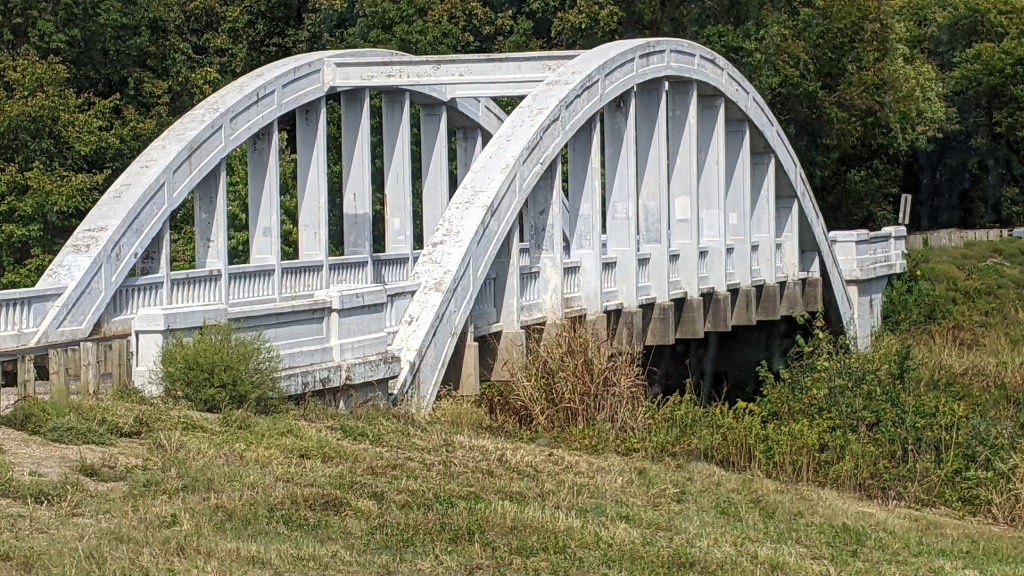
One can still drive across the last surviving Marsh Bridge over Brush Creek, one of three concrete and steel rainbow bridges that once traversed Kansas creeks along Route 66. The bridge now is on a loop road off the thoroughfare, and it’s a favorite destination for photos, picnics, and an occasional wedding. The Route was officially “decommissioned” only in 1985, and it is no longer the highway of choice for modern travelers, other than those who are seduced by its history and its television fame.

Kansas, at least this portion of it, hasn’t changed much visibly over the past several decades, but its people have. Modern highways move vehicles and people faster and more efficiently, but traveling the short stretch of Route 66 is definitely more fun! It’s clear that this section of the historic highway still does what it was designed to do — it “connects the main streets of rural and urban America.” The best part? There are ample opportunities to pull off the road and explore Kansas communities!

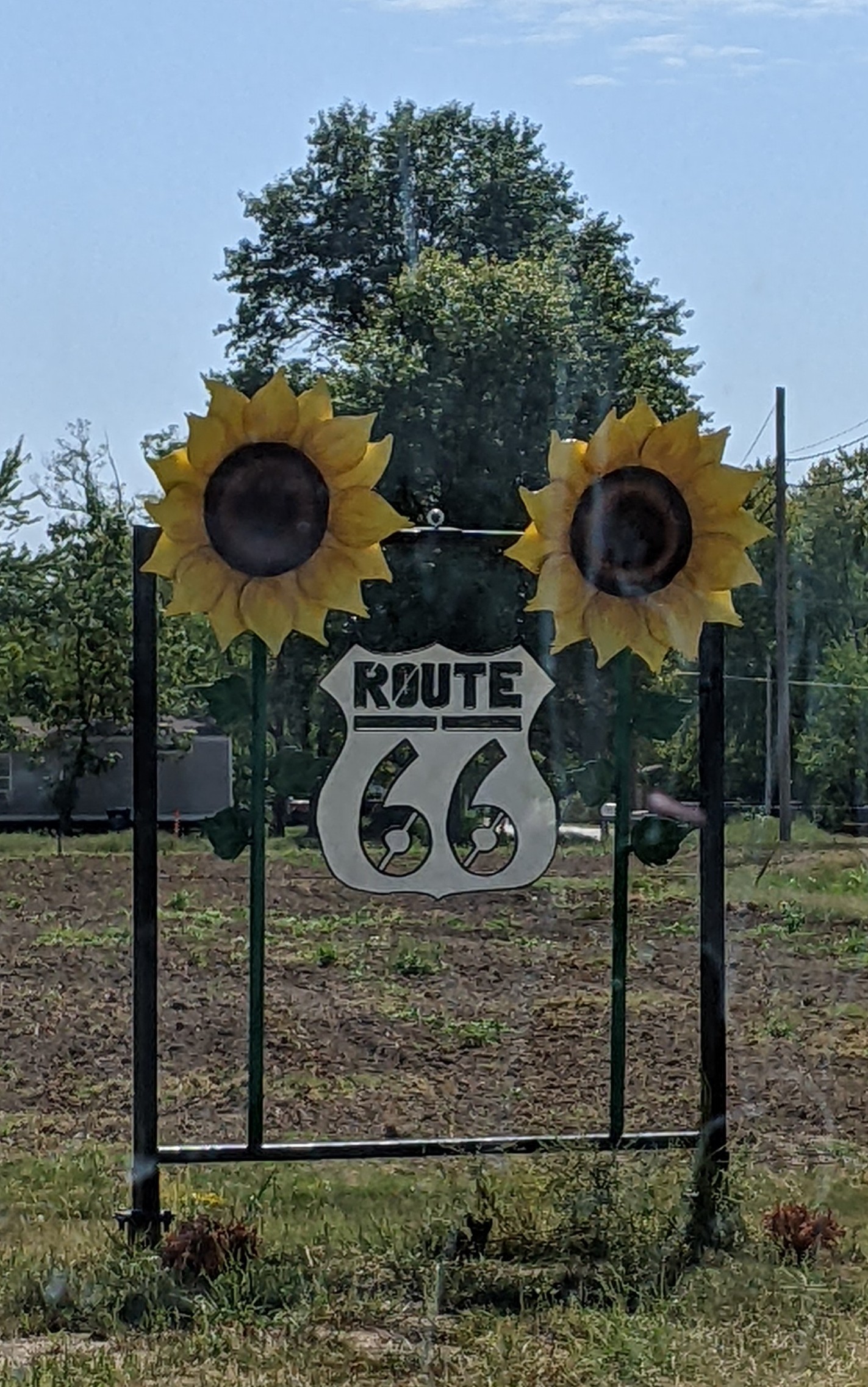
Nostalgic reminders of a very different past are evident along the way. History comes alive when the Route 66 signs appear.

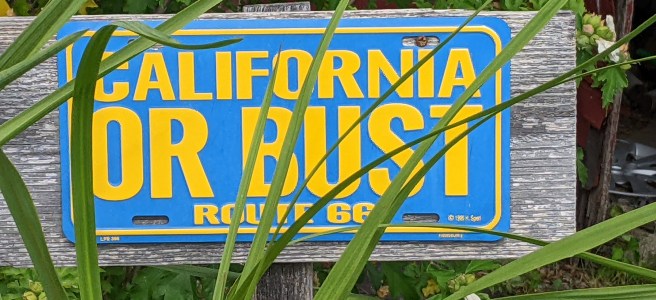
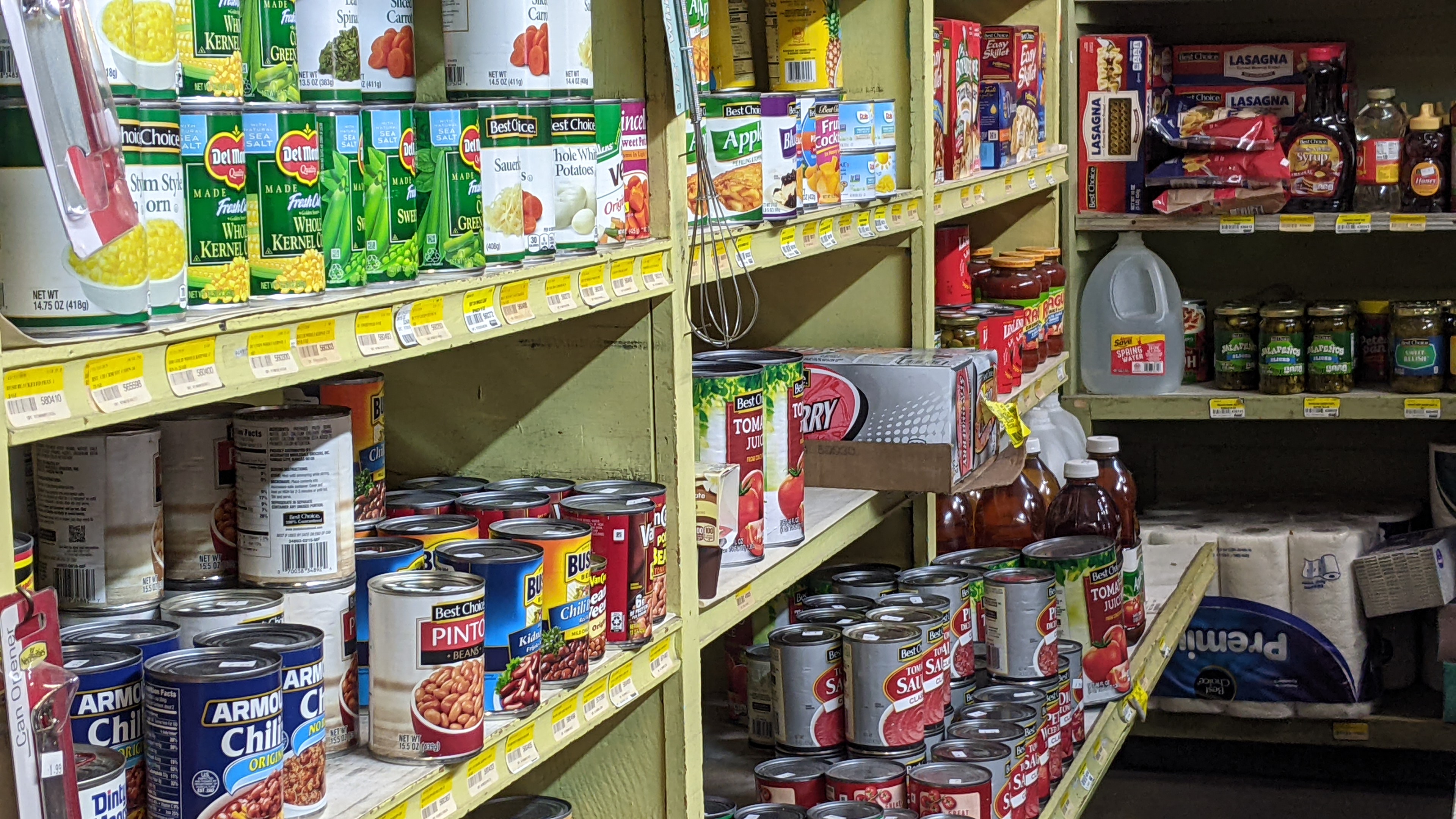
Nelson’s Old Riverton Store has been in continuous operation since 1925. Today, it looks much as it did then, and operates similarly, welcoming locals and tourists alike. It’s worth a visit – try a beet-juice pickled egg or purchase kitchy Route 66 magnets, ball caps, license plates and t-shirts. Why? Just because!

Locals still come to buy a loaf of bread or a can of beans, grab a soda and a sandwich, or just while away the time with friends. It’s that kind of place. It appears to be decades ago that any repairs were made to the building. Wildflowers grow up along the fence line and hanging baskets add color to the scene. Shopkeepers are welcoming and only too willing to share stories with visitors. It’s like stepping back in time.

It’s impossible to escape the influence of the Route in this part of Kansas.

Cars on the Route

Fans of Disney’s “Cars” are in for a treat at Cars on the Route in Galena. Visit the old Kan-O-Tex station and get up close to the rusty boom truck that was the inspiration for Tow Mater in the movie.

Walk down a dusty stretch of road and around a corner to enjoy a sack lunch at rustic picnic tables in the shade of a ramshackle lean-to. Snap some shots of the quirky old photo boards before moving on.

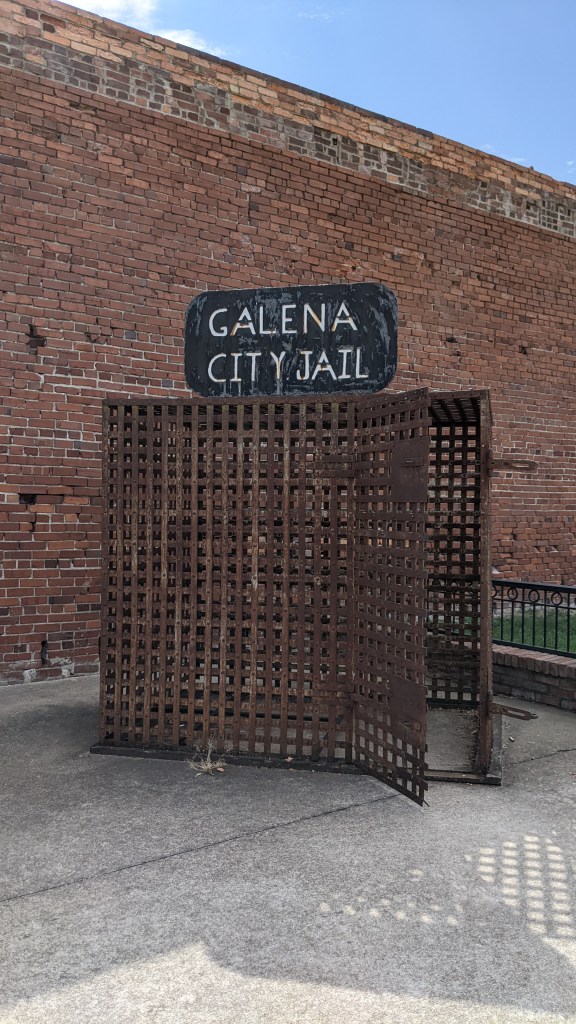
Other attractions in Galena include outdoor art and murals, a Texaco station turned curio shop on Main Street, complete with pumps set to recall the low gas prices of the time. There’s also a rusty old “jail” near the city’s square that provides an irresistible photo op!

We broke for lunch at Bricks & Brews in Baxter Springs, and what a treat that was, with a menu to satisfy any palate and attentive service accompanied by big smiles. We also stopped for an all-too-brief visit at the Baxter Springs Heritage Center and Museum. We had only limited time to spend, but it is a treasure trove of information about the town, the history of Cherokee County and southeast Kansas, the Civil War, and Route 66.

Nature and More

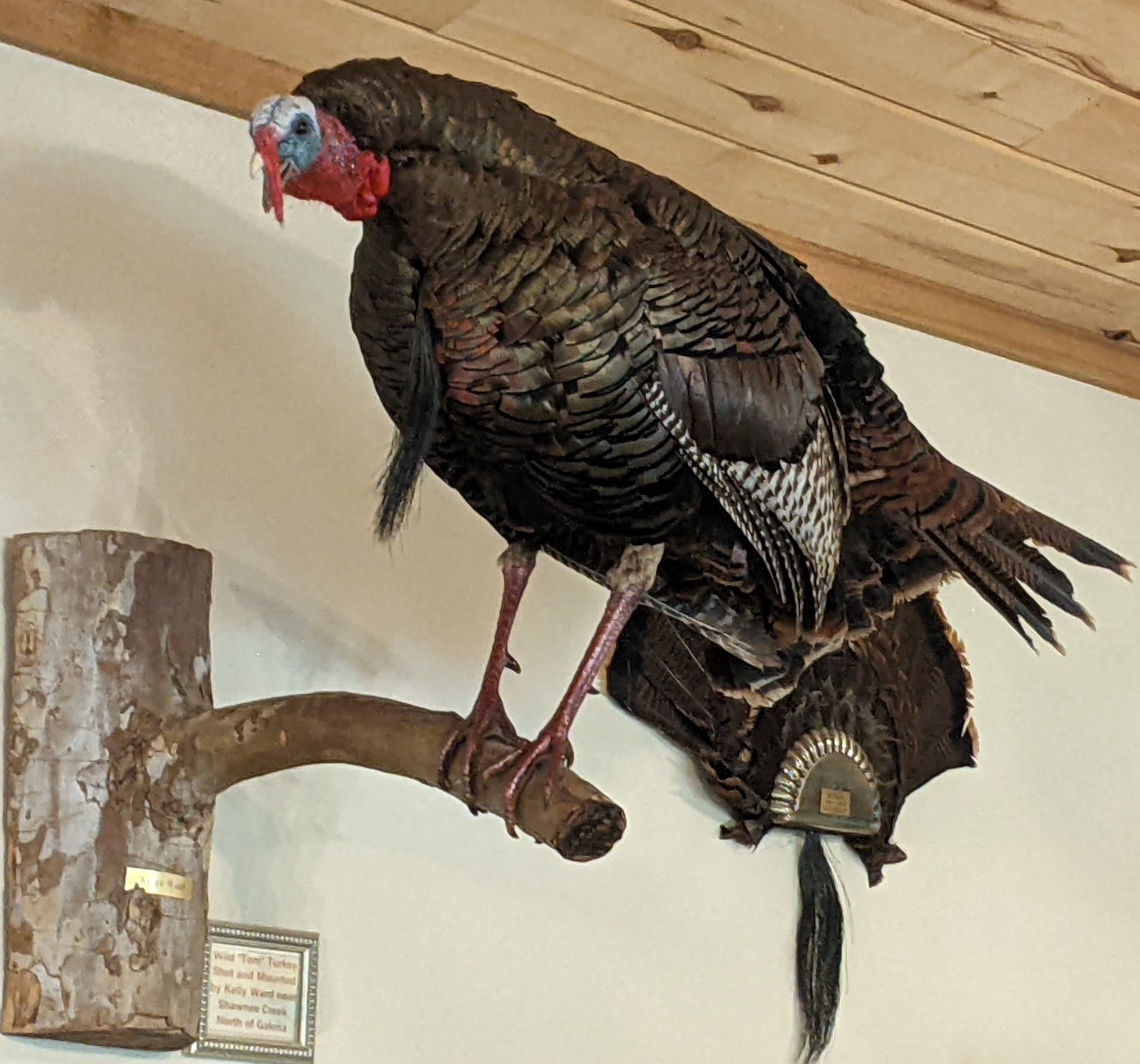
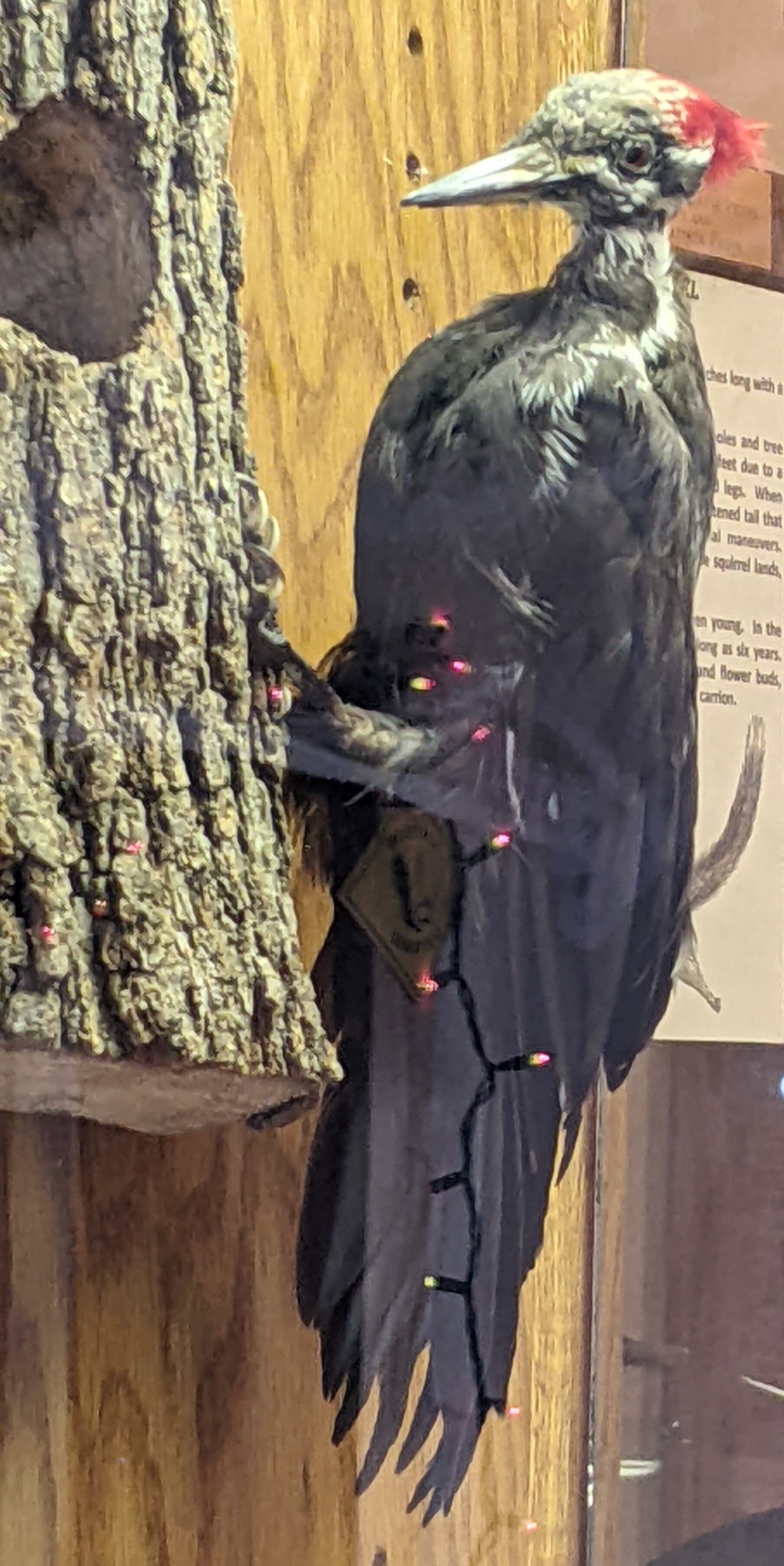
We pushed on to the Southeast Kansas Nature Center/Schermerhorn Park, near Galena. Admission is free, and the hilltop site acts like a magnet for anyone interested in visiting the 32-acre Shoal Creek Wildlife Area. There are wooded hills, streams, and caves to explore; dedicated anglers can even drop lines along a ¼-mile stretch of the creek. Indoor exhibits include live snakes, exploration drawers, plant, animal, and history exhibits, educational films, and the attention of a knowledgeable curator/guide. A bonus was a squirrel that visited the feeding station just outside the one-way glass!     

Add in a visit to Big Brutus, standing tall and proud at an old coal mining site on the Kansas prairie, and we were ready to sample Kansas comfort food — fried chicken with all the fixins at not one, but two, local restaurants with long histories in Pittsburg, Kansas.

I’ll fill you in on the food — and there was lots of it — next time. Our group sampled both downhome dishes — some with a new twist — and culinary delights for sophisticated palates.

Planning a road trip to this part of Kansas from the neighboring states of Missouri, Oklahoma, and Arkansas, or from farther afield, is easy. It seems appropriate to leave the Interstates behind and enjoy the miles of farmland punctuated by picture-postcard views of old barns, fields filled with growing crops that stretch towards the sun, and animals lazily passing the time doing what farm animals do. The route stretches on with gentle curves; small towns are not far apart and each promises a unique and unusual experience.

Be sure to request your Kansas map and state travel guides in advance of a road trip to Kansas. Knowing where you’re going and what there is to see makes a driving trip so much better!

Full Disclosure: This trip was sponsored by Kansas Tourism, and the itinerary was prearranged. But the impressions are mine alone. I want to return, and it’s an easy road trip from my home base in Arkansas. I’ll be writing more about Kansas as well as about other travel to new destinations abroad in 2023. Subscribe to my blog here, or follow me on Facebook and Instagram.

The Lowell Milken Center: Recognizing Unsung Heroes

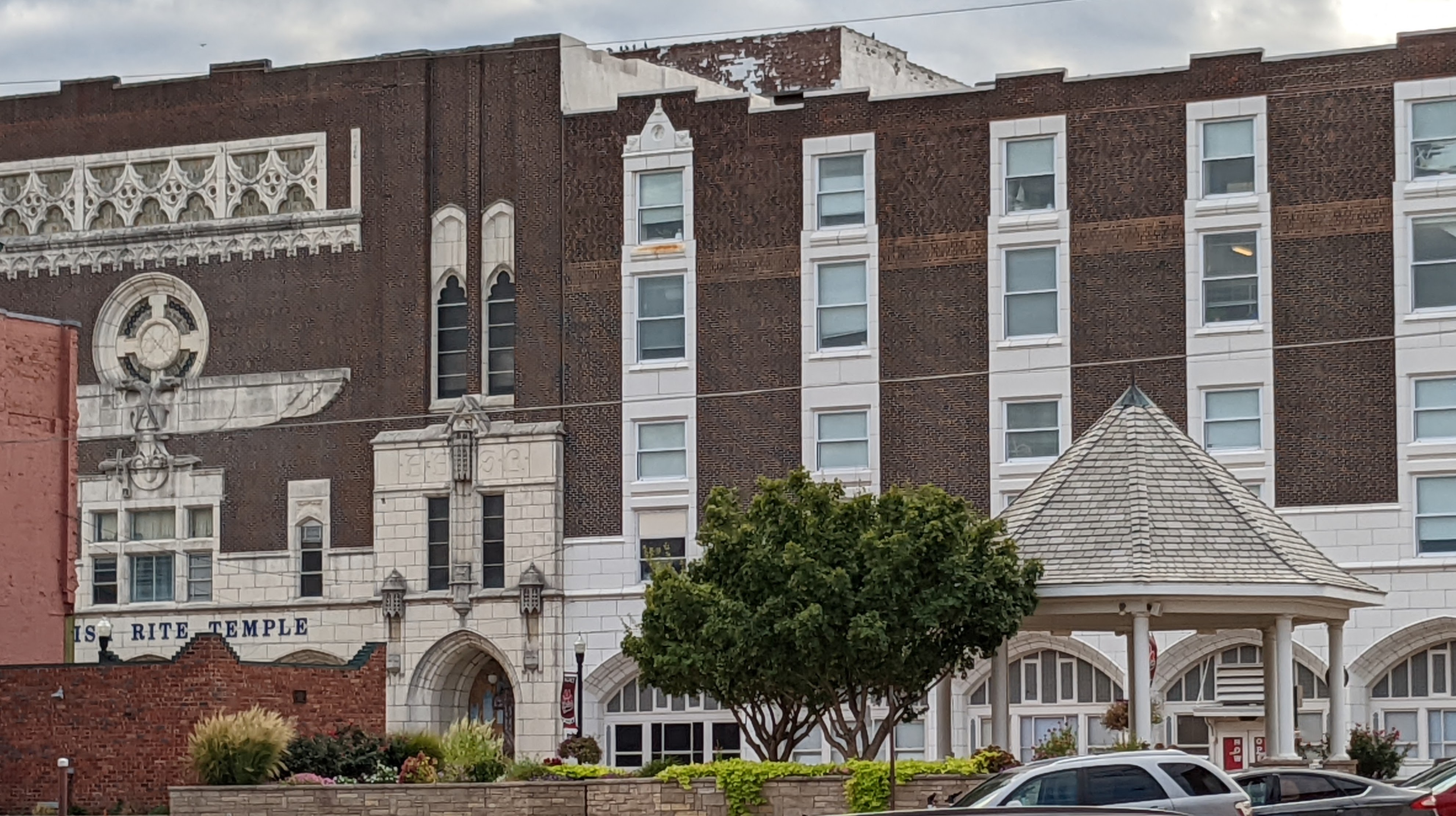
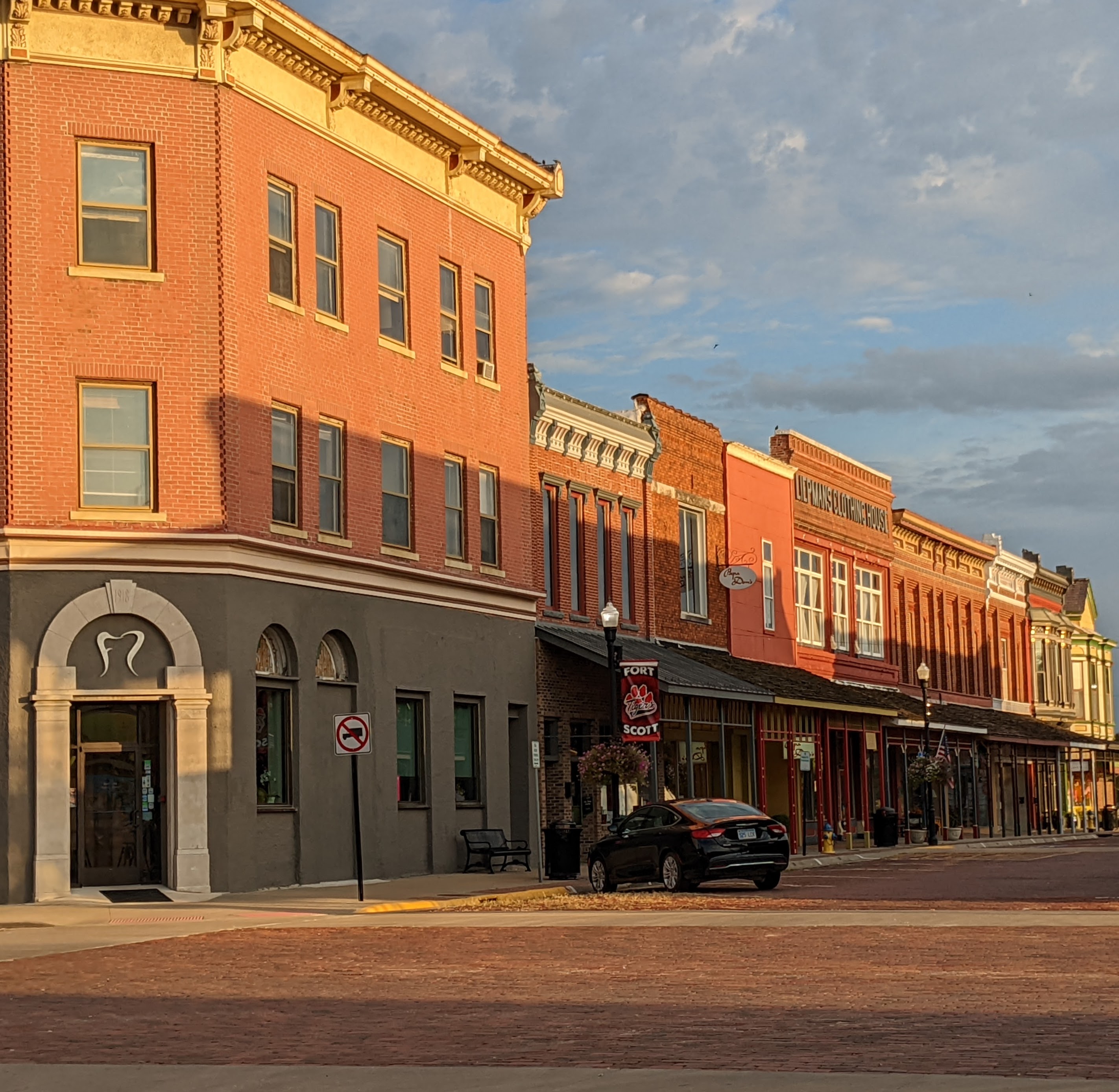
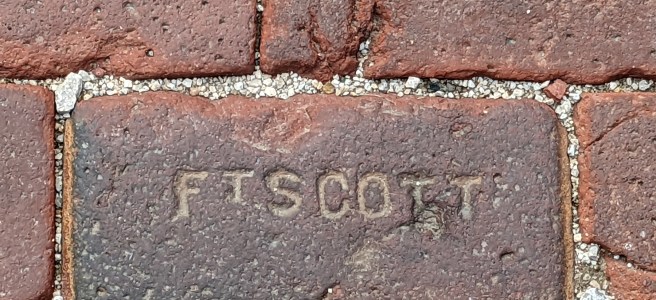
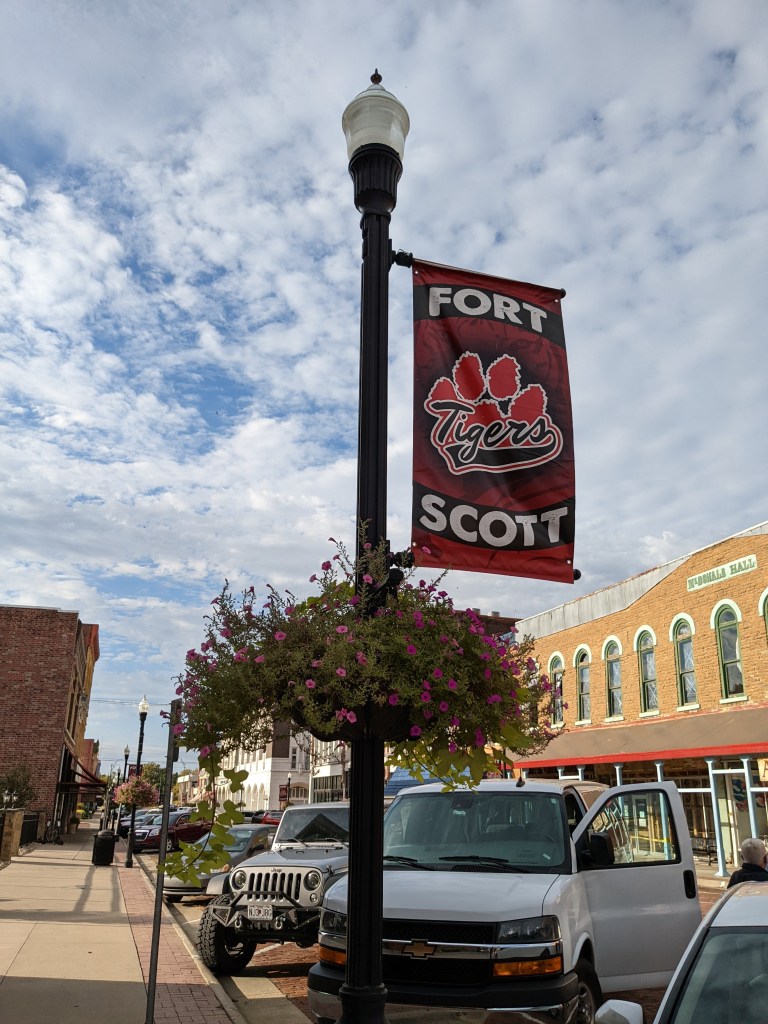
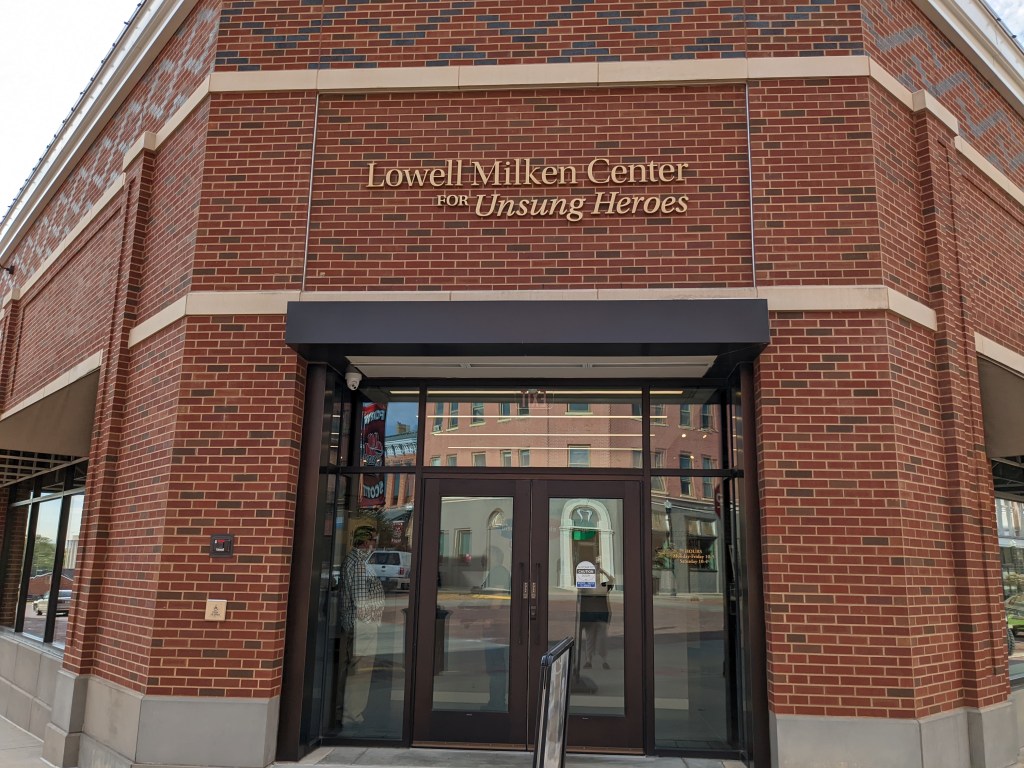
The Lowell Milken Center for Unsung Heroes occupies one of the newer buildings in Fort Scott, Kansas, situated across the street from its original location. Several century-old historic buildings in downtown Fort Scott, Kansas, were destroyed by fire in 2005 and have since been rebuilt. An adjacent outdoor park opened earlier this year and is a contemporary urban delight. The downtown still retains its former character, with traditional brick buildings and brick-paved streets, but the city’s history is being written with renewed vigor.

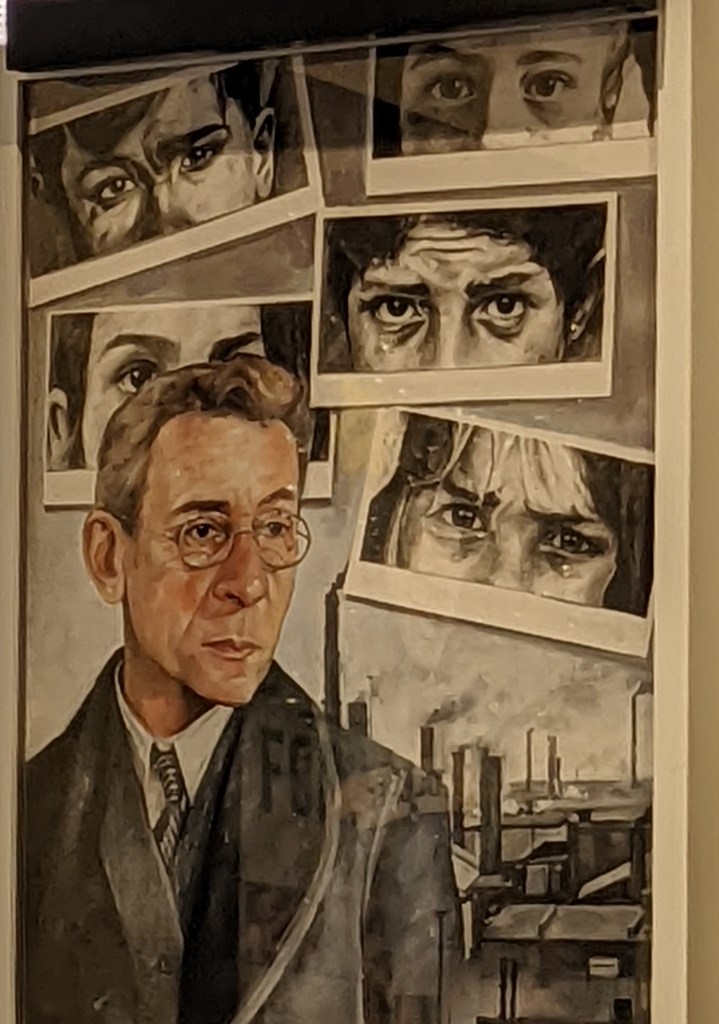
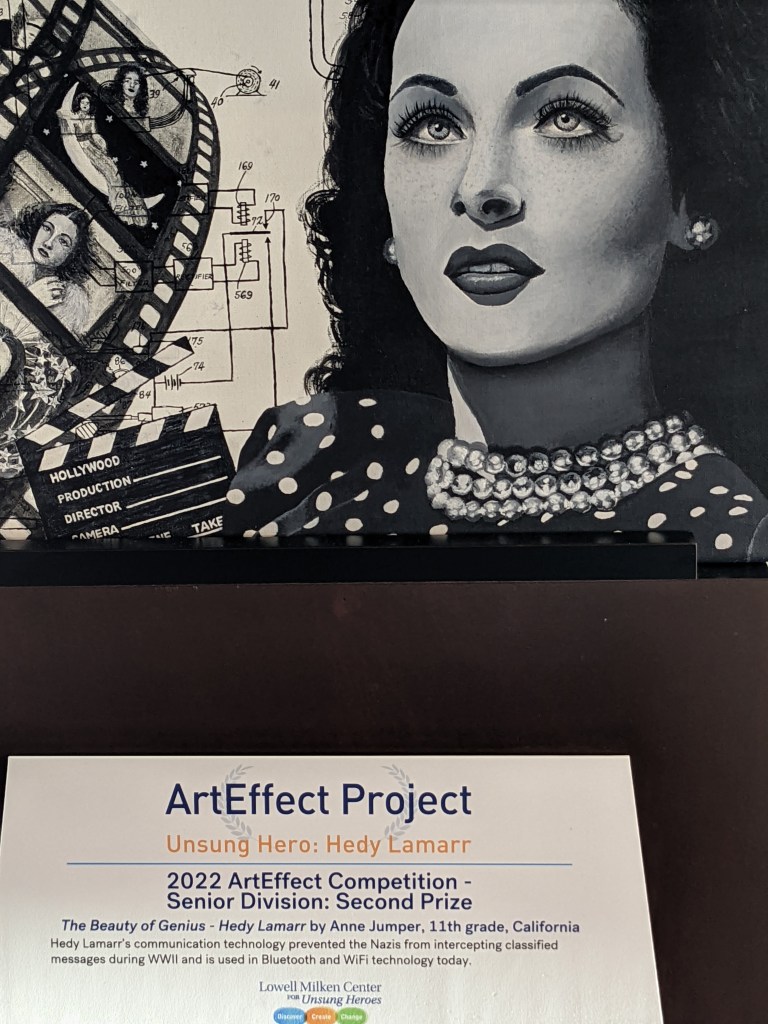
Stories told at the Center are larger than life, brought to life in a way that is truly remarkable. The history of the Milken Center is as awe-inspiring as the lives of the featured heroes. Visitors are introduced to real people who lived seemingly ordinary lives, playing largely unknown and unrecognized roles in history. Their stories have been uncovered, researched, and retold by students, through art and drama, photographs and videos, essays and interactive displays. Their truths are as thought-provoking as they are disturbing. The history of the Milken Center is as awe-inspiring as the lives of the featured heroes.

In 1999, Norm Conard was a social studies teacher at Uniontown High School in rural Kansas. He had given his class a History Day assignment. One of his student teams learned of Irena Sendler, a Polish Catholic social worker who was instrumental in rescuing children from the Warsaw Ghetto during World War II. She buried the names of rescued children in milk jars hidden under a tree. It was, and still is, quite a story. Read a more detailed account here. The students found that Sendler was alive and living still in Poland. In 2001, Conard accompanied a group of students to Poland to meet with her. Several other trips followed, until she passed away in 2007. The student-written play about her deeds, “Life in a Jar,” has been performed more than 350 times, and it continues to be be staged in the U.S and Europe.

During his tenure at Uniontown High School, Conard’s students created more than 85 projects, telling the stories of other common people who performed uncommon acts. Those stories are now the focus and backbone of the Center for Unsung Heroes. New heroes continue to be identified by groups of students — from fourth grade through high school — who have been inspired to dig deep into history and to move far beyond the obvious.

Today, Norm Conard serves as chief executive officer of the Center and is also the director of the Life in a Jar Foundation. It was, after all, his classroom motto for the History Day project in 1999 that gave birth to the idea. That motto? “He who changes one person, changes the world entire.” The Lowell Milken Center was founded with the goal of creating ripples of influence that will engage even more educators and students in an effort to change the world. Megan Felt, one of the students who first identified Irena Sendler, is the center’s program director.

Plan to spend longer than you may originally intend at the Milken Center. It is no ordinary museum. It’s a place to discover the true meaning of heroes in a time when that word is often overused. It’s mesmerizing and unforgettable.

But the Milken Center isn’t the only reason to visit Fort Scott.

Before Kansas was even a territory, Fort Scott was a military outpost. It was established on the frontier in 1842 but the Army abandoned the garrison in 1853. The city was chartered in 1860, one year before Kansas became a state. Today, it’s the only such town to survive. Its military cemetery, one of 12 originally designated by President Abraham Lincoln, is listed as U.S. National Cemetery #1.

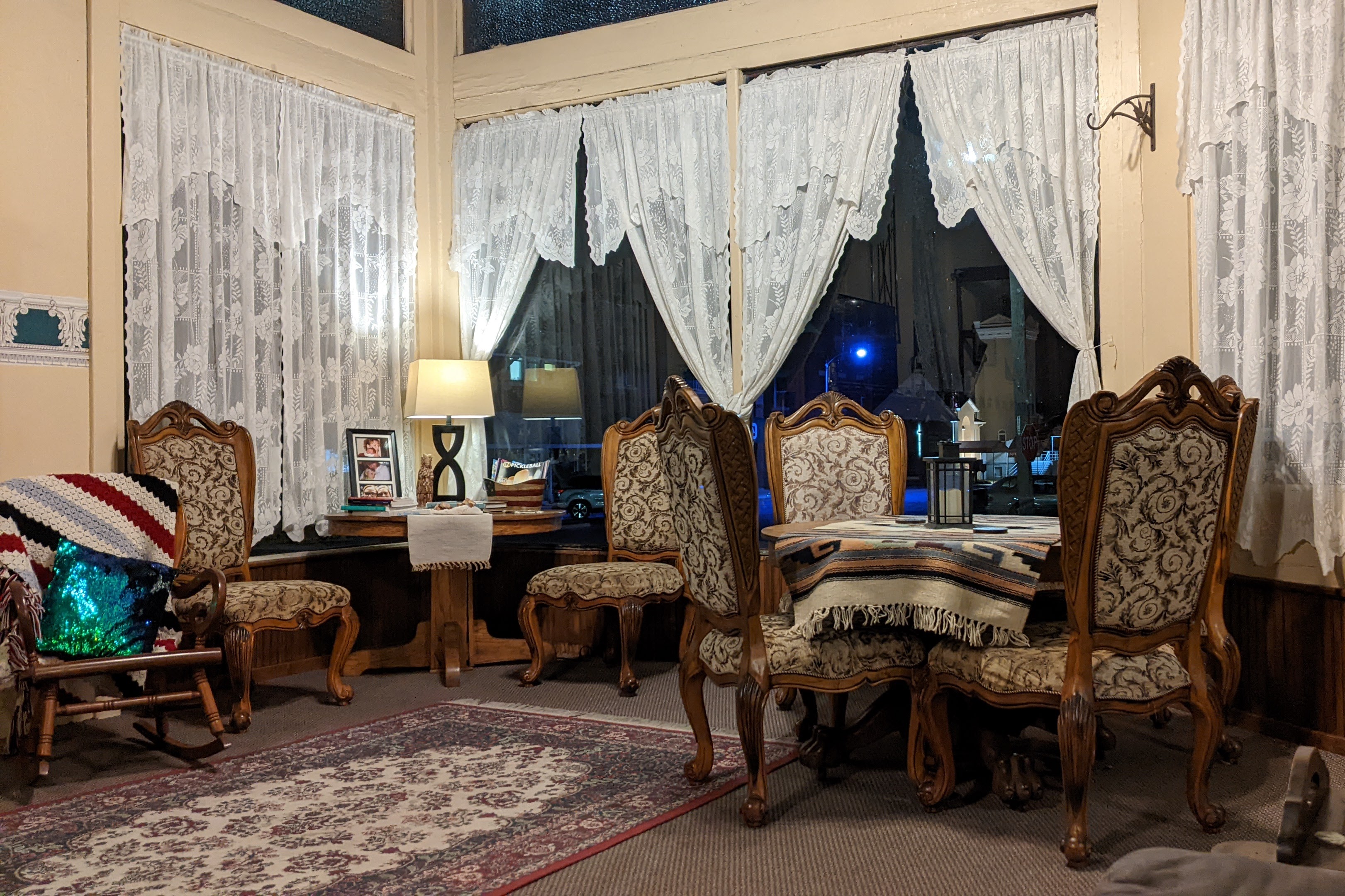
Our group spent that first night in Kansas at the Courtland Hotel and Day Spa. Situated in a building that dates to 1906, it was once a bustling laundry with a boarding house on its upper level. Proprietor Frank Adamson, a Fort Scott native, is only too happy

to offer insights into city history! He and his wife, a massage therapist, purchased the building as a location for her to open a day spa. They remodeled a portion of the main floor for the spa, with refurbished guest rooms on the second floor. Today, each room in the hotel is distinctive, filled with antiques and period decor to complement the architecture and honor the building’s history. A main floor lobby, office area and dining room retain the period charm of the past, and serve as a gathering spot where Adamson regales guests with stories of Fort Scott’s past.

A center of pre-Civil War turmoil between slavery proponents in nearby Missouri and local anti-slavery forces, this part of of the state was known as “Bleeding Kansas” until the end of the Civil War, even though Kansas entered the union as a free state in late January 1861, before the war began. As the U.S. Army’s district Headquarters, Fort Scott was a quartermaster supply depot, training center, and recruitment station.

At one time, it was a noted frontier city, one of the largest in eastern Kansas, and it rivaled Kansas City as a railroad center. All that now remains of that time is the original, restored Old Fort building, now relocated to the town square. But the stories that date to those times are fascinating, and visiting Fort Scott is like stepping back in time to a simpler era. Brick-paved streets, sturdy brick buildings, and stately period lamp posts reflect its history, but its people have their sights set on the future, and they’re doing their best to integrate the two.

We left Fort Scott and headed for Route 66 — The Mother Road. Only 13 miles of the unique highway traversed a corner of the state, but it’s impossible to escape the influence of the Route in this part of Kansas. Come along next Wednesday as we recreate a legendary road trip. We had great fun along the way and discovered more unique attractions in Southeast Kansas!

Kansas Part 2 — Comfort food and much more

I first met two of my traveling companions for this trip at the Kansas City Airport. We had arrived at approximately the same time from our starting points in Arkansas, Boston and Michigan. We did the only thing possible: we found a comfortable table in an airport eatery and proceeded to get to know one another until our host could pick us up.

After ordering coffees and ice water, we browsed a menu of mostly uninspired airport dining options. We did not know when we would rendezvous with our other four traveling companions, nor did we know exactly what our schedule had in store for later in the afternoon. However, we did know that we were destined for dinner at a barbecue restaurant in Fort Scott that evening. After some discussion, we decided to try the airport version of local barbecue. And we were pleasantly surprised! The three of us shared an order of barbecue pork sliders — one for each of us — ample small bites that were quite tasty.

If there’s a single universal impression of Kansas food, it’s probably of “comfort food,” and what’s more comforting to a Midwesterner than barbecue and fried chicken? More about that later.

Following an Uber ride and another round of introductions, our group was complete. We settled into our rental van for the drive from Kansas City to Fort Scott.

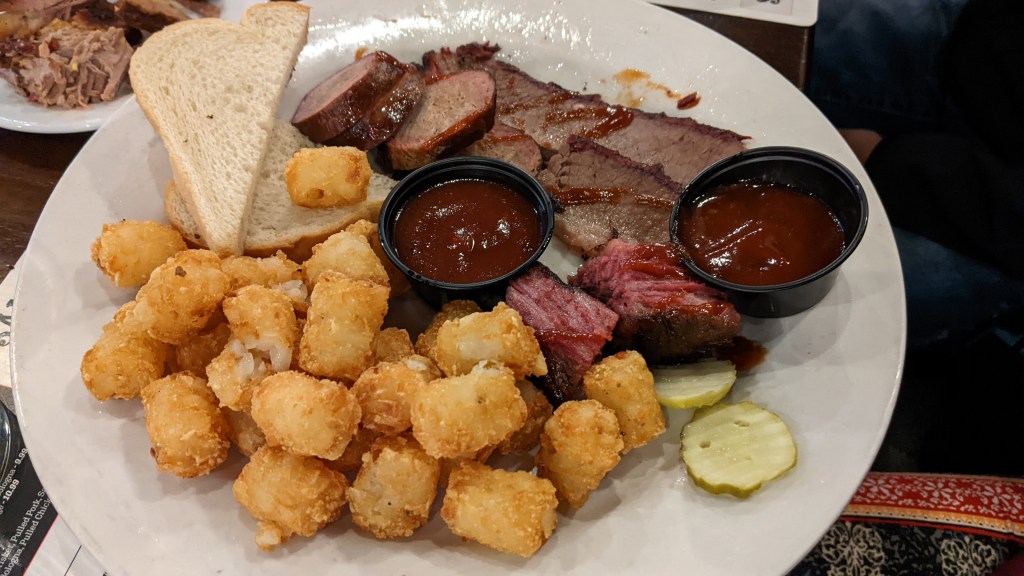
It was at dinner that first evening in Fort Scott that we were introduced to a great variety of barbecue options. The tagline on the menu at Luther’s BBQ, which opened in 2019 just prior to the pandemic, was “good food and plenty of it!” We were to find that could well be a statewide slogan.

The restaurant, housed in an historic brick building in the heart of Fort Scott, offered an extensive menu with much to sample — all simple food as it turned out. We enjoyed tasty deviled eggs and a variety of meats and cheeses — the best kind of finger foods, and delightful drink options, including a Bloody Mary that exceeded all expectations and was “write-home-about-good!”

Sadly, I must end my report about the meal we had at Luther’s, because a message on my computer lists the restaurant as “closed permanently.” I believe that Fort Scott residents were hoping it would be another success story in the city’s planned rejuvenation. Maybe it still will be. But, for now, the website is down, and the phone goes unanswered.

The only thing I regret? I didn’t get a “doggie bag” to take with me.

We spent the night at the historic Courtland Hotel in Fort Scott. My plate was full again the next morning with oversized breakfast burritos and specialty coffees from Common Ground Coffee Co., served picnic-style at the Lowell Milken Center for Unsung Heroes. It was another treat in the lineup of Kansas attractions that awaited our group.

The second full day in Kansas was jam-packed with new sights and experiences.

It began at the Milken Center and continued with a drive along the stretch of historic Route 66 that still runs through the state. Kansas, at least this portion of it, hasn’t changed visibly over the past several decades. In many ways, that’s comforting. You know what they say — “The more things change . . . ” Well, yes, much does remain the same.

But change is in the air and there’s a lot more to come!