

Magnetic North, the point on the globe where all other locations lie to the south, is commonly known as the North Pole. But it’s moving, sometimes pretty rapidly, according to scientists.
Despite romantic notions to the contrary, the North Pole is not a physical point on the planet, but it’s also not a figment of the imagination.
It’s not where Santa Claus hangs out. It’s not a very hospitable place. And, no, I have not been there. In fact, I haven’t been even close. But, last summer I crossed into the Arctic Circle as a passenger aboard a lavish modern cruise ship, Princess Cruise lines Island Princess. It was a unique adventure, and the trip is spectacular. My husband and I were there during “polar day,” which lasts from about the time of the Spring Equinox in late March through late September. During those days the sun never completely falls beneath the horizon and one can read at midnight with no need for a lamp.

At 66 (plus a little bit) degrees north latitude, the Arctic Circle forms a ring around what is known as the Earth’s North Pole. The certificates we received to commemorate the crossing, signed by Ship’s Captain Paul Slight, attest that on “Friday, June 17, 2022 at 12:12 am,” we crossed that fabled line. In our minds, we had become Arctic explorers.
We traveled further north. Nordkapp lies at Latitude 71°10′21″ N, a high plateau on a spit of land that rises almost 400 feet above the swirling Arctic Ocean below. It is cold, windy and forbidding on the best of days. In the winter, the road to Nordkapp is often impassable, and not even reindeer remain on the surrounding fields.
The nearest town is approximately 22 kilometers distant. Oslo, Norway’s capital, lies about 2000 kilometers to the south, and the North Pole is about the same distance further north. At the easternmost end of the virtually uninhabited land, there is a 121.6-mile land border with Russia, established by treaty in 1826. But few travelers cross at the single border station, and the boundary between the two countries continues through the Barents Sea and the Arctic Ocean. As the furthest north point of land in continental Europe, Nordkapp attracts visitors who harbor the same dreams that have lured explorers to points unknown over the centuries. Their stories are captivating.
Early visitors had to arrive by boat on the sea below. They scaled steep, rocky cliffs to reach the point above. There was no visitor center then, and the path back down the cliff had to be even more difficult than the climb up.

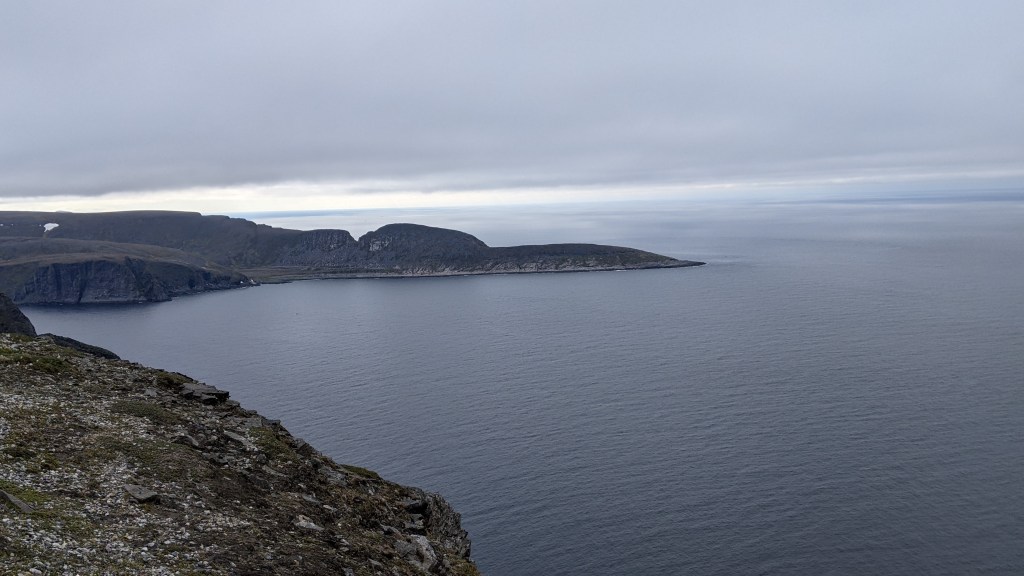


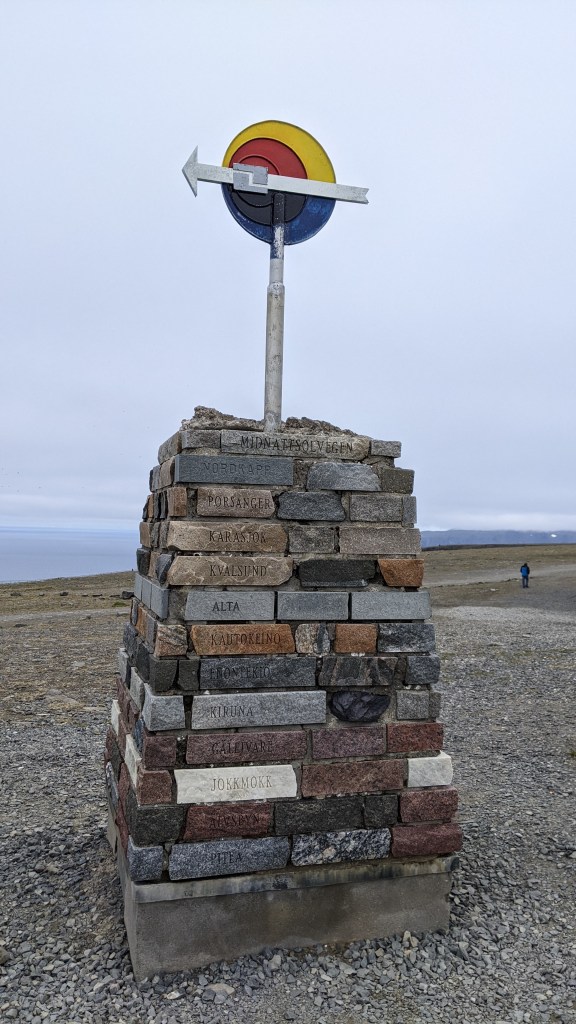
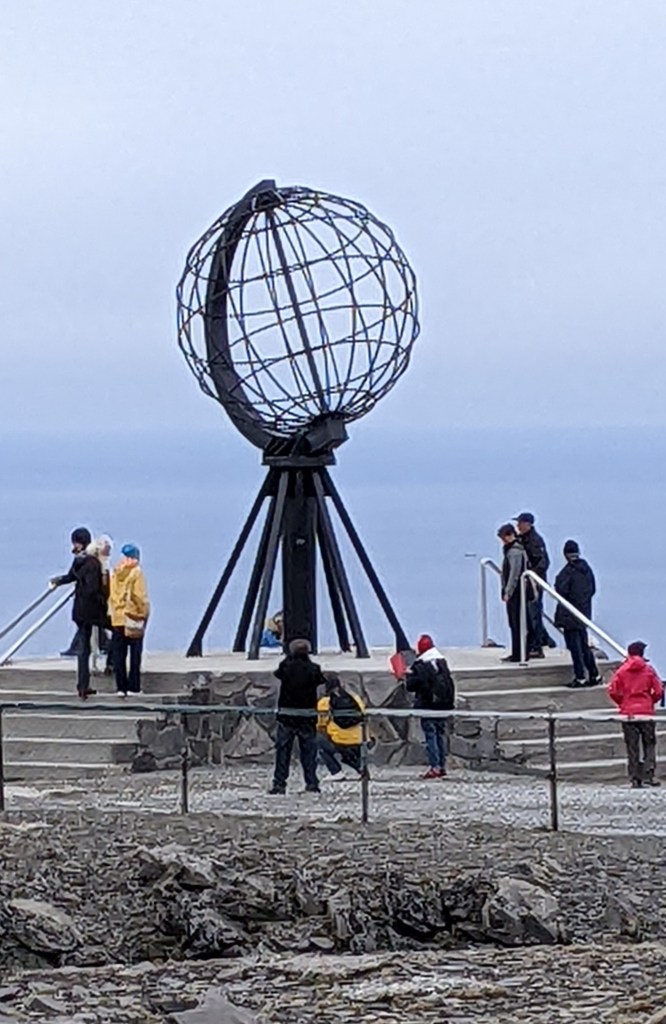


Today, the draw of this stunning promontory is so powerful that tourist buses sometimes follow snowplows to bring visitors to the point. Our trip in June, however, entailed a pleasant drive along modern roadways, punctuated by native Sami settlements and the sight of reindeer grazing on the barren windswept land. They and their Sami masters invariably return to the mainland in the fall, prior to “polar night,” when the sun does not rise above the horizon for a period of months. We also visited a northern fishing village, which must feel terribly isolated during the winter.
Another northern port, sadly, was canceled. We had been scheduled to call at Svalbard, the island that houses the Svalbard Global Seed Vault, an underground facility that stores millions of crop seeds from throughout the globe, protecting them against disasters of all kinds, including global warming. We had anticipated visiting Longyearbyen, the largest settlement with a population exceeding 1,000 in the Arctic region, but the visit was canceled at the 11th hour.
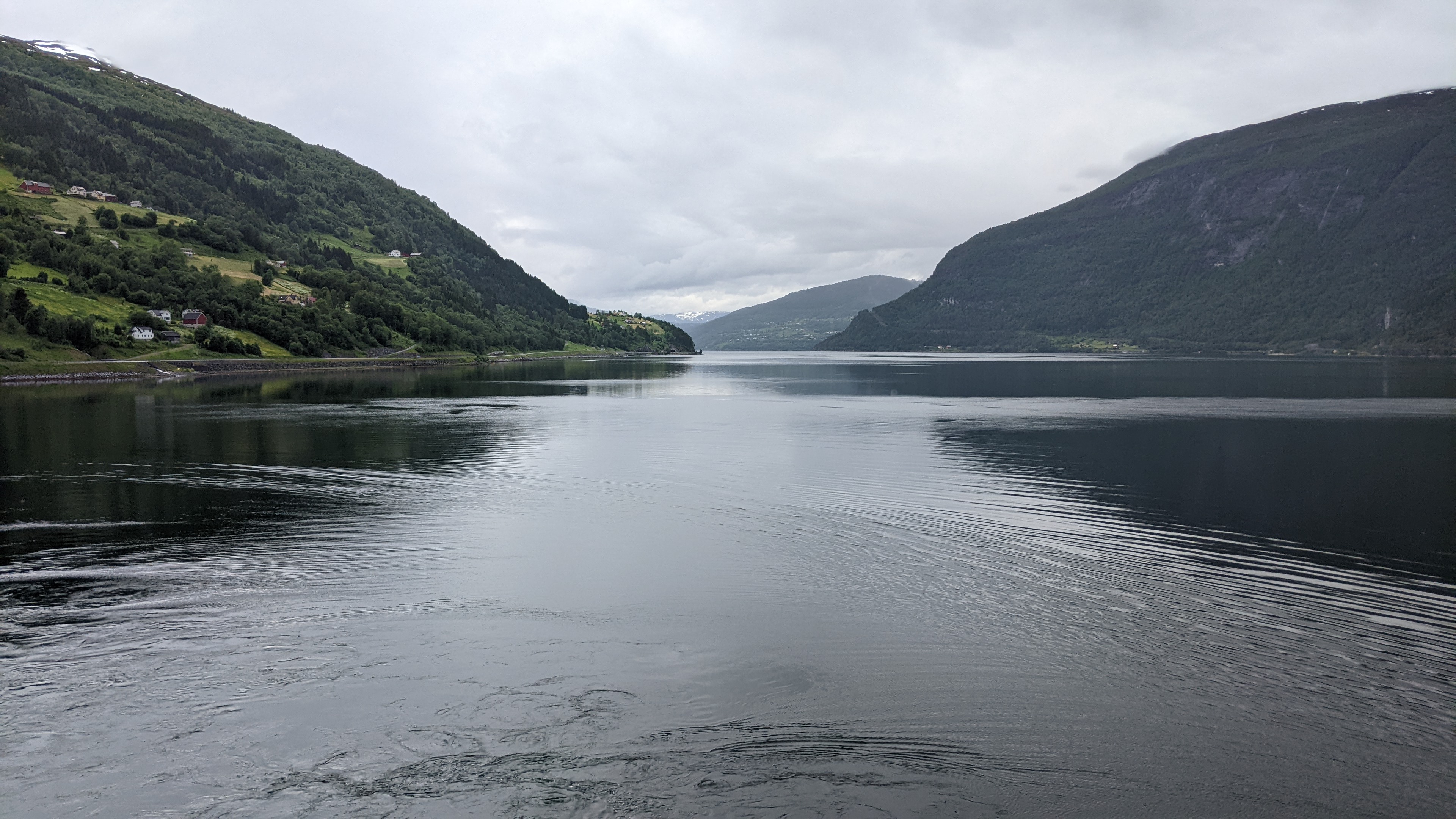
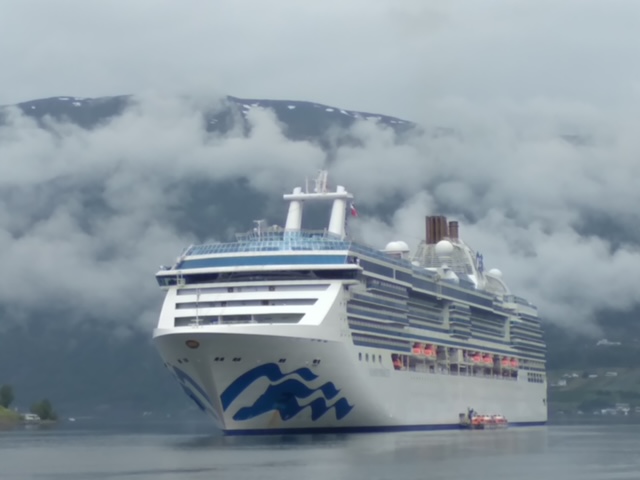

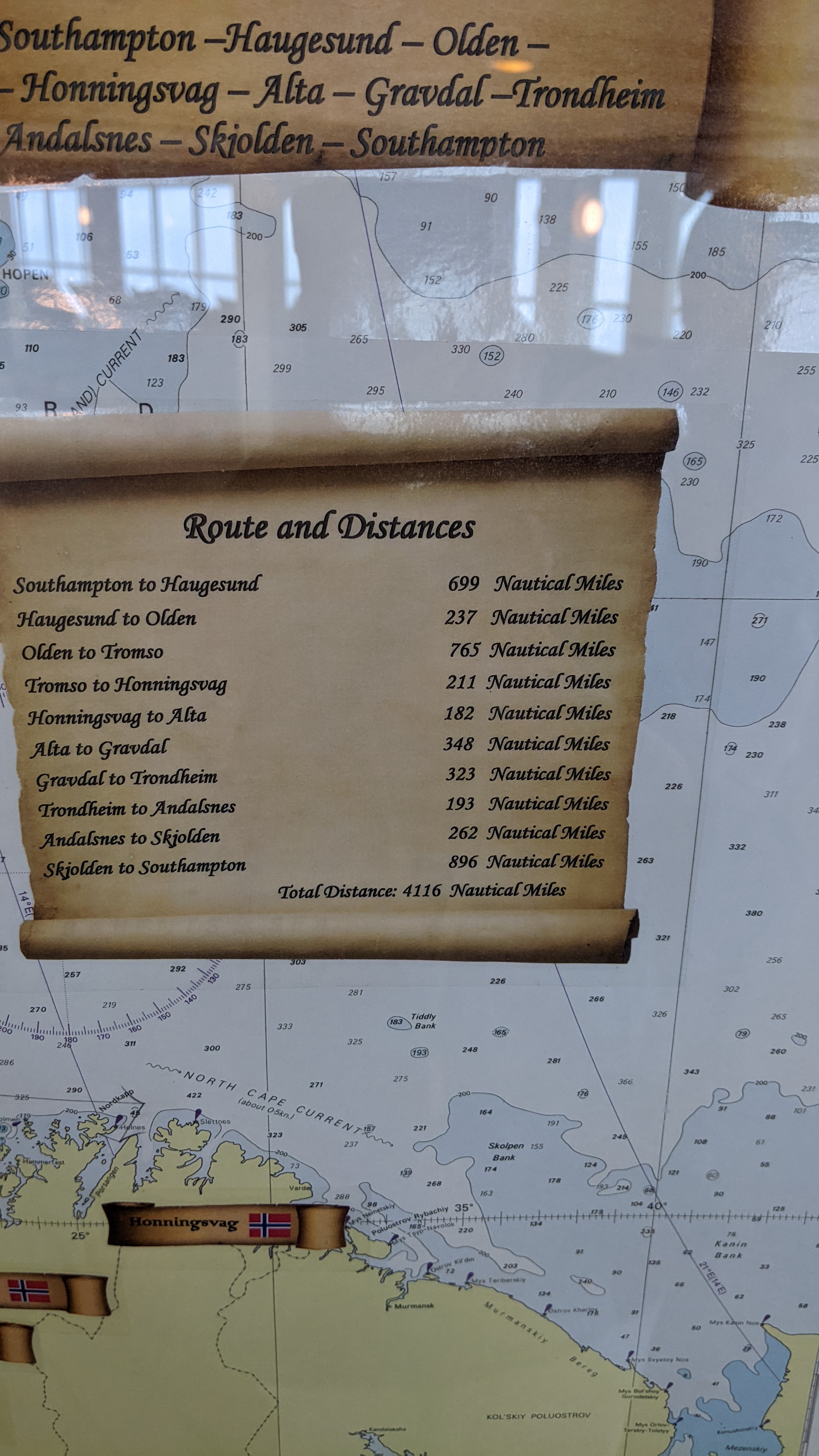
Our trip through the coastal fjords was spectacular, relaxing and enlightening. We are grateful to have had the opportunity to visit a far-away landscape that is awesomely beautiful, to drink in the natural beauty of the far North, and to meet the people who inhabit this extraordinary landscape. Those who live here are accustomed to strangers, but no one remains a stranger for long!
Now, another adventure awaits . . .
In January 2023, my husband and I — barring unforeseen circumstances — will experience another polar day. We will reach approximately 65 degrees south of the Equator and cruise among the ice shelves and along the shoreline of this unique continent. Our 16-day itinerary with the Sapphire Princess promises to be a unique adventure. We are not likely, given the size of our ship and current regulations, to cross Latitude 66°33′49.3″ which is the official Antarctic Circle. Only smaller expedition ships and scientific teams routinely venture further into this ice-covered environment.
We are scheduled to fly into Santiago, Chile, and embark from the port of Valparaiso for a journey that will take us to the southern reaches of Patagonia, and to Ushuaia, “the southernmost outpost in the world” at the tip of Argentina. We expect to sail in Beagle channel, as did Charles Darwin, and round Cape Horn just as previous generations of seafarers did on their voyages to the new world. Then, we look forward to spending four full days cruising the waters of the Antarctic Peninsula, leaving Ushuaia at the southern tip of Argentina and traversing Drake Passage, hopefully without incident, and with minimal turbulence from notoriously rough waters where the currents of three oceans collide. It’s a voyage I have long envisioned!
Just days ago, however, on December 2, 2022, I learned of the rogue wave that struck the Viking Polaris in nearby waters, resulting in the death of a passenger, injuries to four others, and damage to a well-equipped modern cruise ship. I realized once again that we humans have little control over the forces of nature, much as we would like to be the “powers that be.”
Does it concern me? Not enough to change our existing plans, but I cannot claim it didn’t give me pause. This trip to the bottom of the world, just as our trip to the Arctic Circle, will be during a polar day (or summer season) due to the inclination of the earth in relation to the sun. When my husband and I travel in late January to the southern reaches of the globe, will it be calmer in those waters? I do not know.
There are no permanent settlements in Antarctica, and the various research stations are located further south than our journey will take us. We will not set foot on Antarctica, the seventh of earth’s continents, but to gaze out at the barren expanses of snow-covered terrain and cruise past glistening icebergs, larger even than the ones we encountered in Alaska, will be enough. I, for one, am enthralled by the thought of being (relatively) close to another of earth’s legendary places — the South Pole. Like the North Pole, it is not a fixed point — it, too, shifts, even though there is a land mass below. If we are fortunate enough to spy seabirds, seals, penguins, albatross, and other wildlife in their natural habitat, we will count it as a bonus.
And, if our travel through Drake Passage is a calm one, I am certain we will be forever grateful. This trip to the “bottom of the world” is not only the culmination of a long-held dream, it also seems a fitting “second act” to last summer’s Arctic adventure.











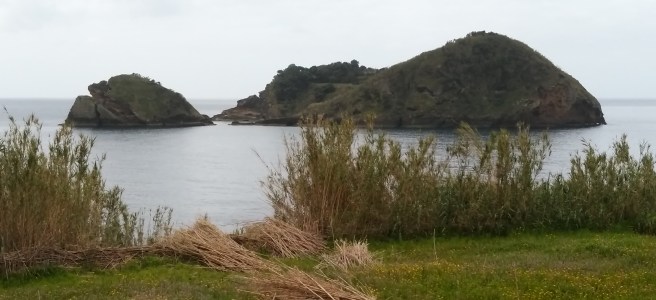


 blankets on the lawn to watch fireworks explode over the water. It was a place for all seasons, and during the heat of summer we occasionally slept in hammocks and deck chairs. Occasionally the allure of the place meant we packed up our sweaters and boots, and brought lots of hot chocolate just so we could watch migrating ducks and angry skies. In the winter, we slept soundly under warm quilts, lulled by the sound of lapping waves.


 It was almost a physical pain: My husband and I exchanged glances, without speaking. We, both of us, took slow steps onto the lot, walking with a hesitant, measured pace to where our house once stood.


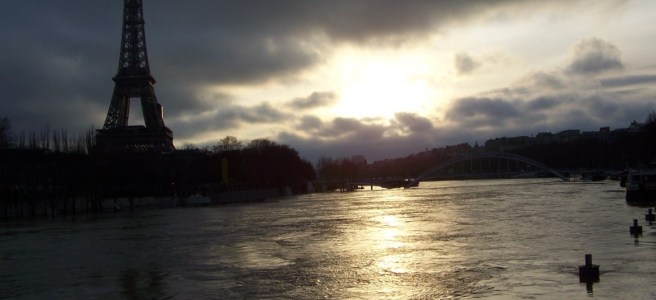



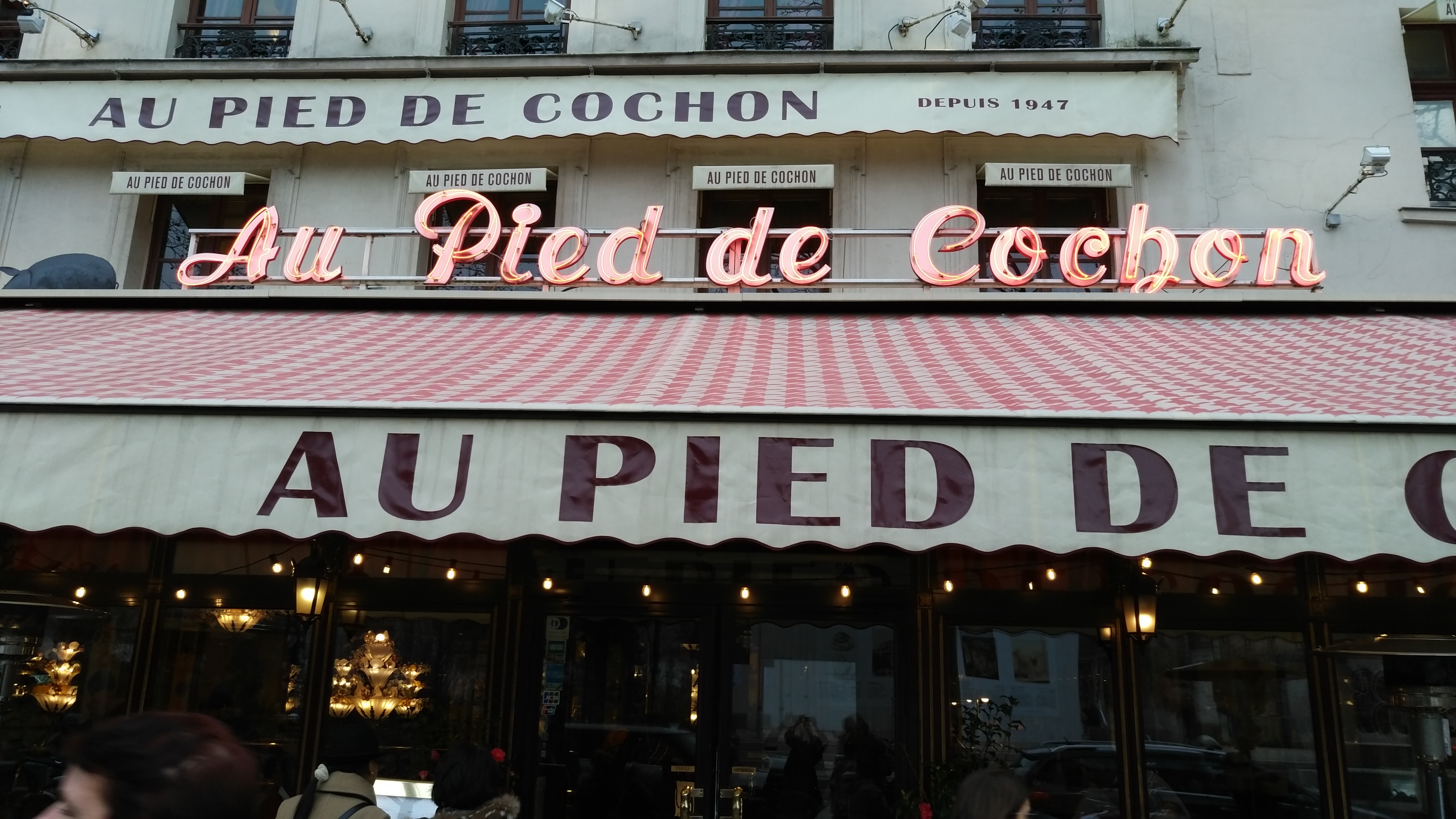 It was once a regular late night gathering spot, and it has been open 24-7 since 1947. Onion soup and moules with frites are still good, but perhaps no better than at a local bistro. What is worthy of note is the
  We enjoyed a simple dinner and a sinfully rich dessert at a small neighborhood eatery, charmed by the friendliness of everyone there: Italian chef, attentive server and fellow patrons alike. A couple at a nearby table could not fathom why we chose to stay away from Paris for 50 years. In the warmth of the moment, we didn’t understand it either.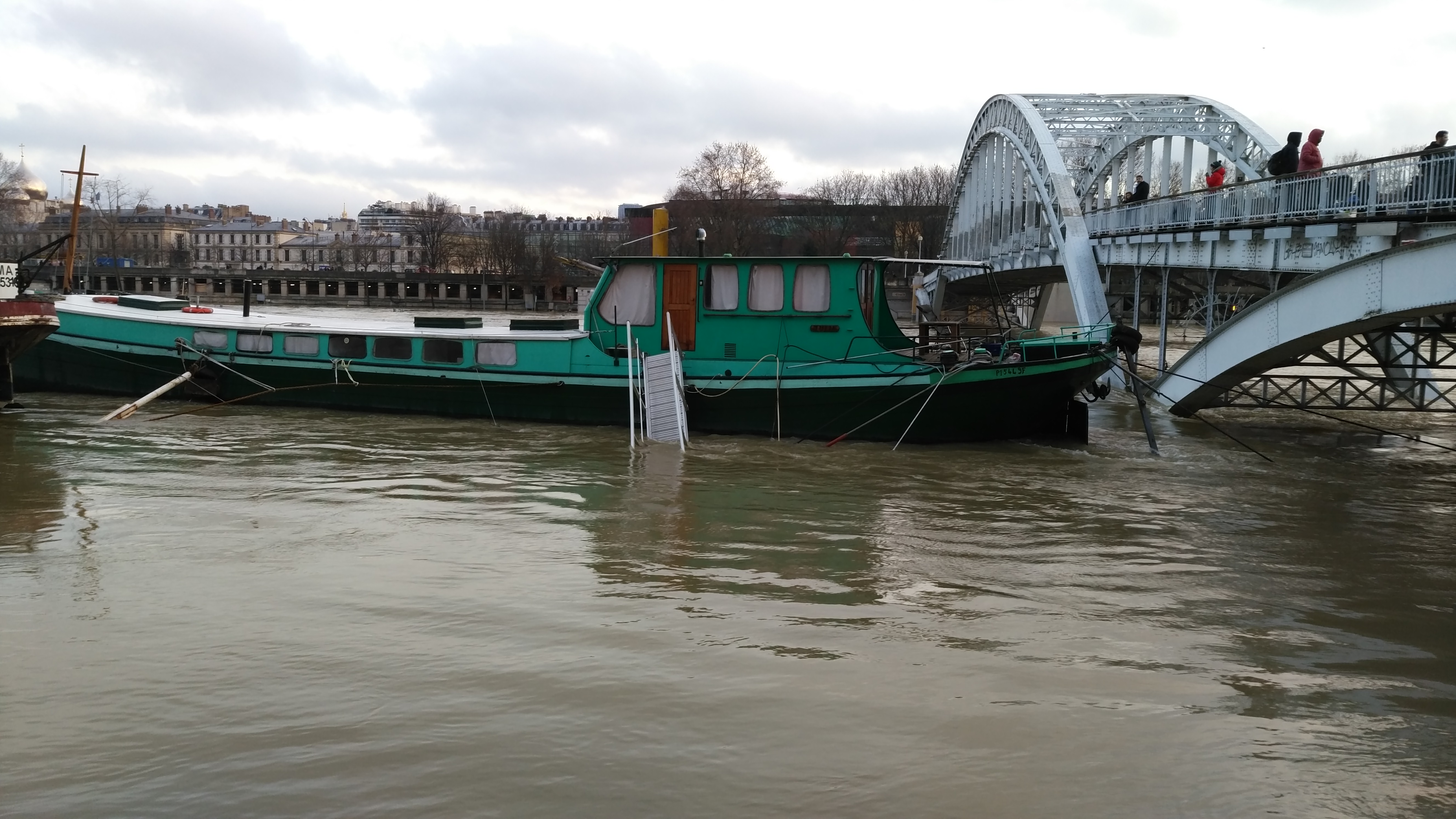

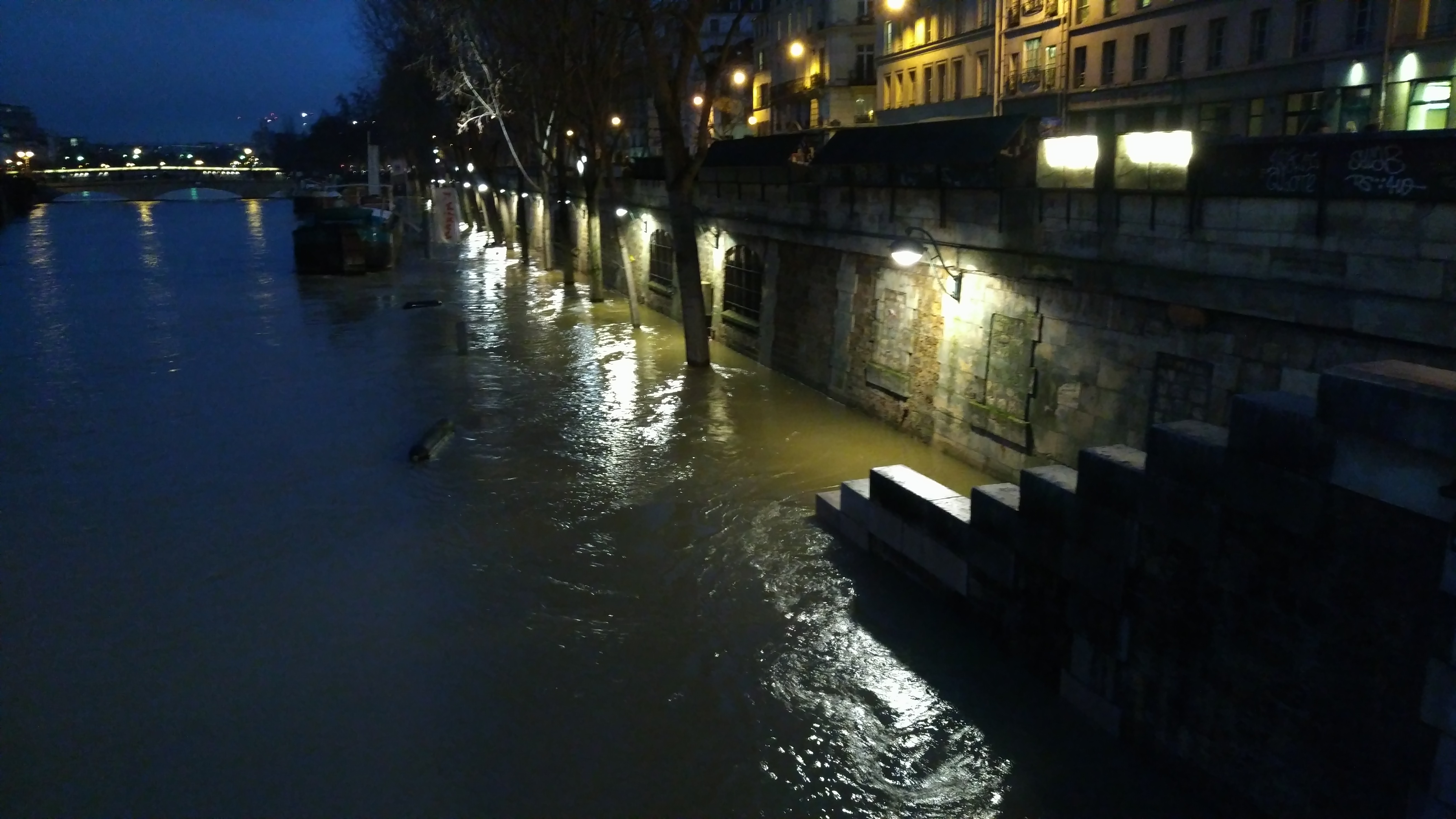
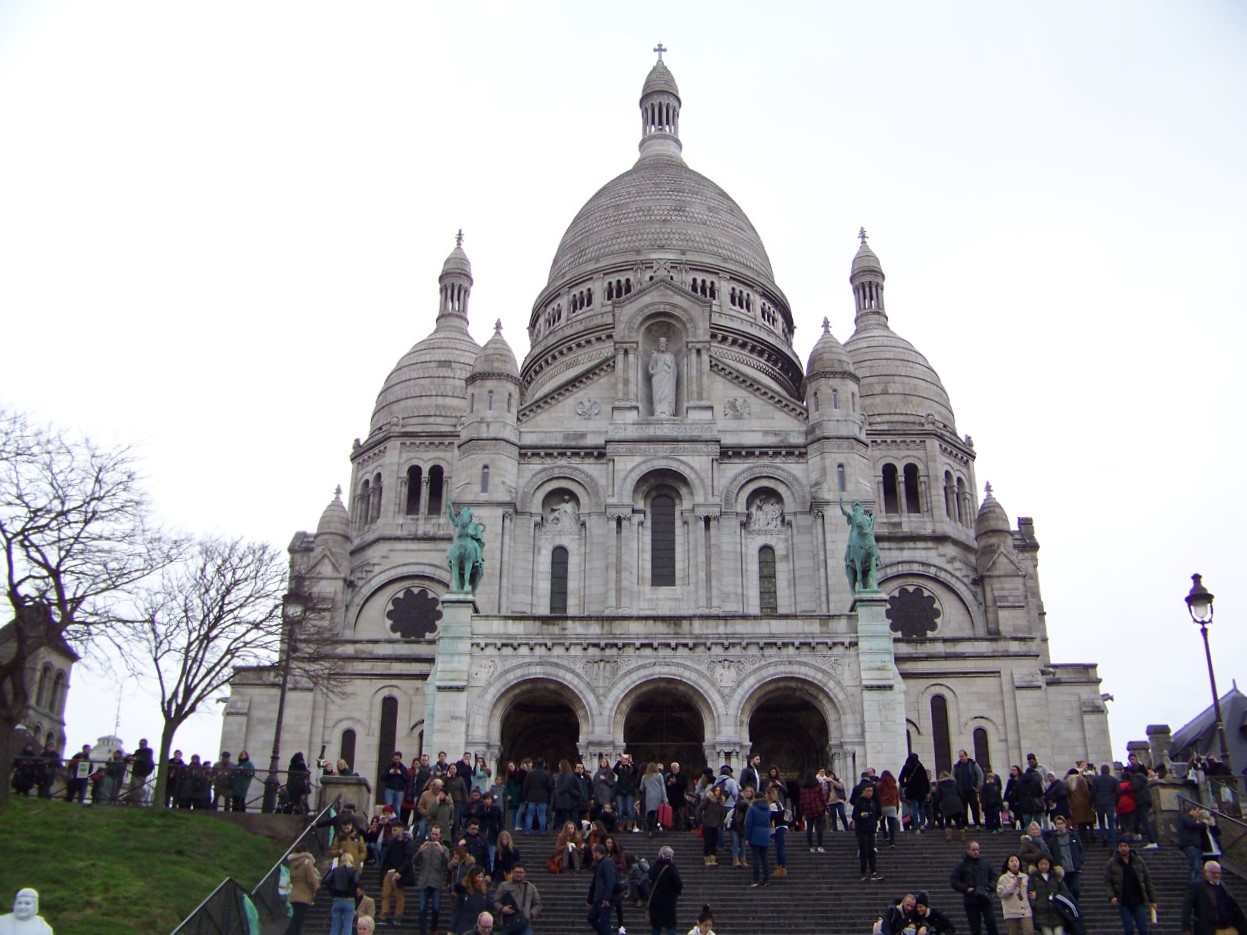
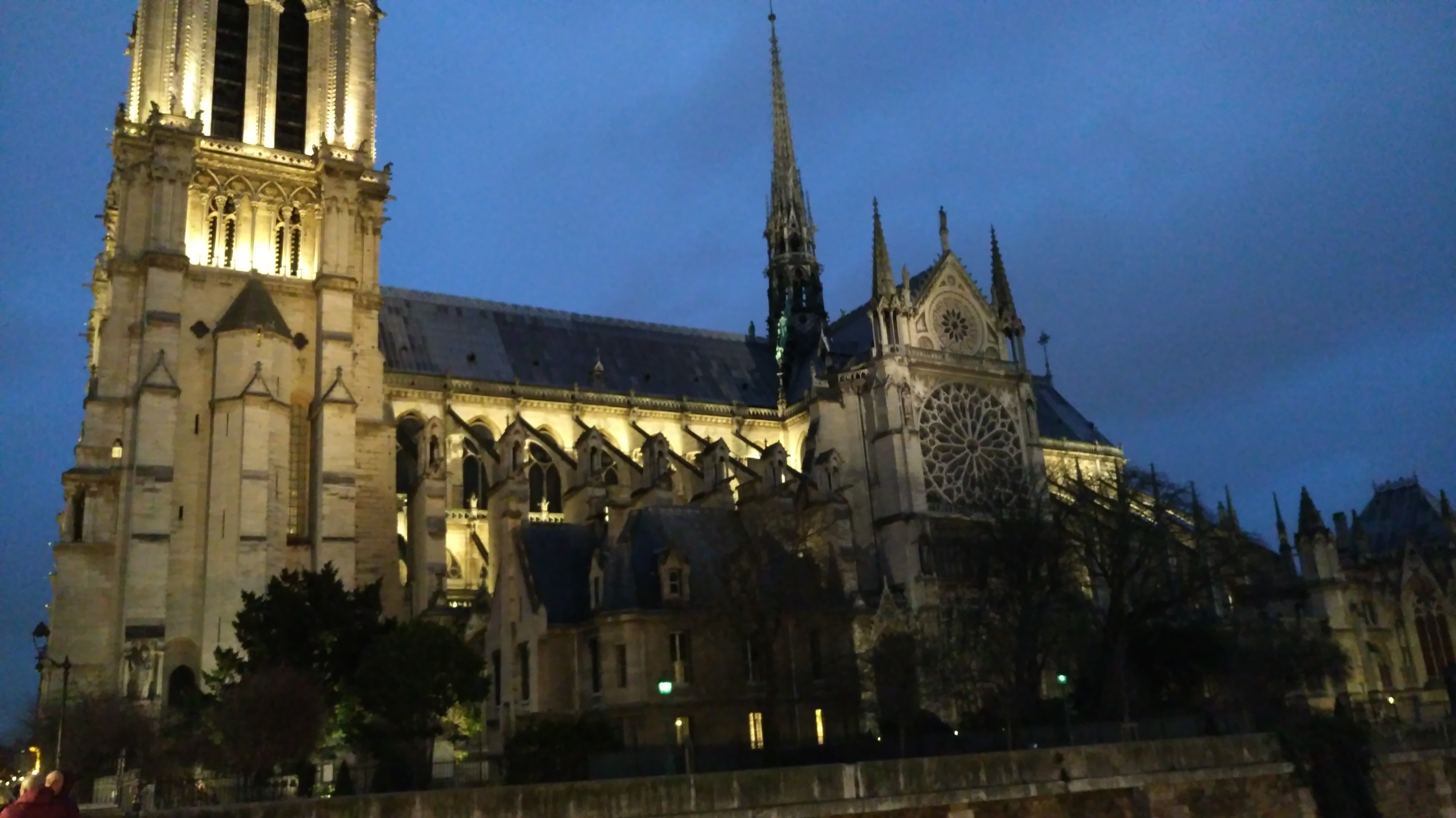
 We visited the artists still painting caricatures and uniquely original art at Place du Tertre in Montmartre; the paintings we bought 50 years ago still hang in our home. We ducked out of the drizzle and into out-of-the-way brasseries for a warm cafe creme or a quick aperitif. The weather was damp, the skies were mostly grey. We were cold. And we loved every minute of the time we spent in the City of Light.
 Wars VIII scenes. Croatia as a nation has existed on maps with its current boundaries for scarcely more than a decade, after years of ongoing struggle for sovereignty and independence. The city, though, is solid, ancient and unforgettable, picture postcard worthy.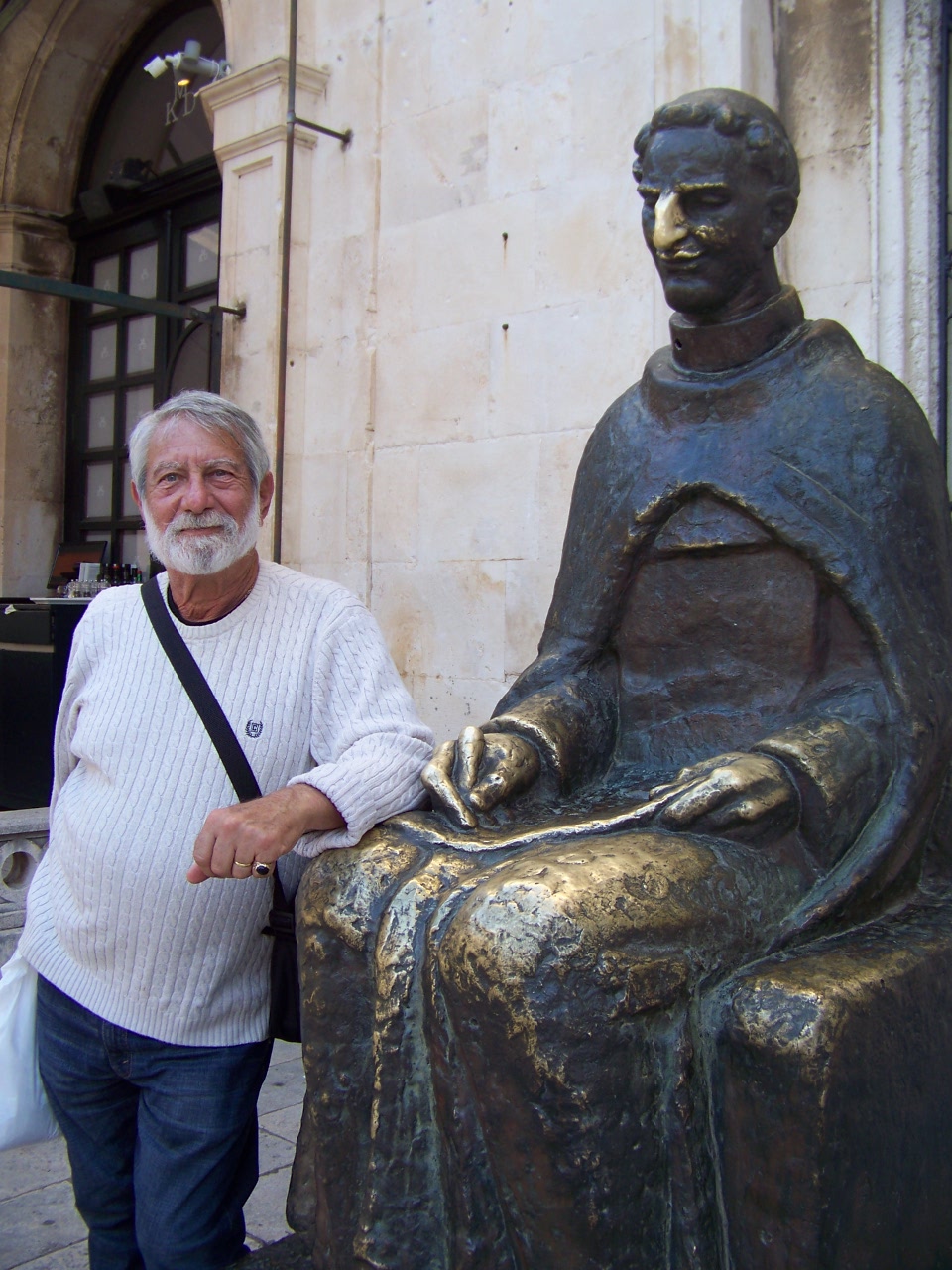
 “It’s the end of the season,” we were told. All large cruise ships depart by the end of October, and the cadence of life changes. Locals live quietly, or leave on vacation, even though the local weather remains pleasant throughout the winter.
 Good Food and Faraway Places