

It’s called the Natural State, or sometimes the Diamond State. After moving to Arkansas in the midst of the pandemic, my husband and I have now been residents of this state for a full year. We have settled into a new routine, and now we’re more than ready to venture out to see what prompted those labels for Arkansas. Within minutes of our home are both a national park and a national forest. Numerous state parks, mountains, lakes, rivers and historical sites are not much further afield. Getting to them is easy by car, and we have already enjoyed quick road trips on back roads to learn the lay of the land, as they say.
We like what we see.
We also just acquired a “new to us” vehicle, purchased with the sole intent of having fun as we explore some of the interesting highways and byways of our adopted home state. It’s a convertible, so we can feel the wind in our hair on pleasant drives when weather permits. As anyone who knows me knows, I typically try to avoid interstate highways, much preferring back roads and curvy lanes where it’s easy to catch a glimpse of wildlife, wildflowers in the fields, odd signs and old buildings.

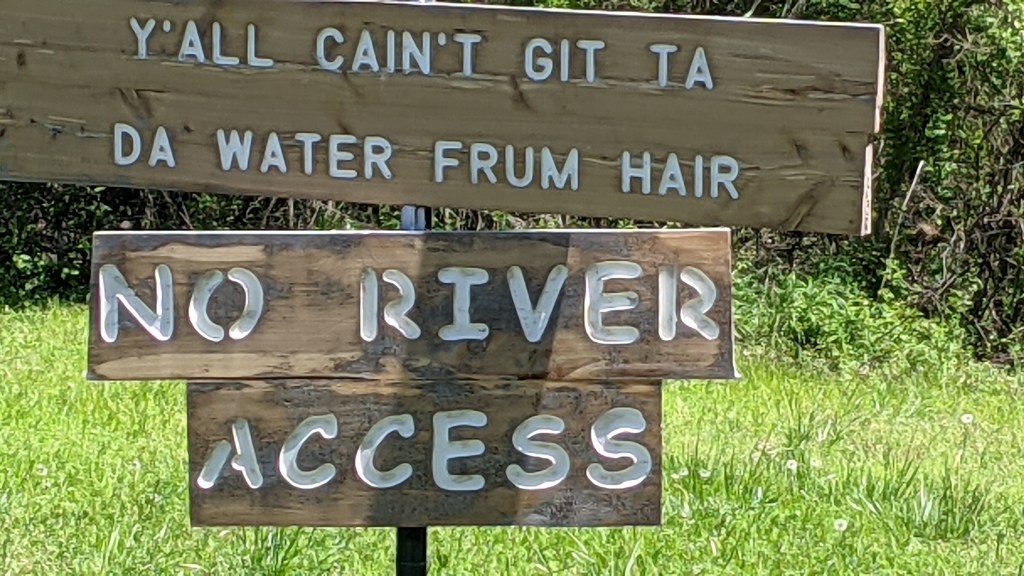

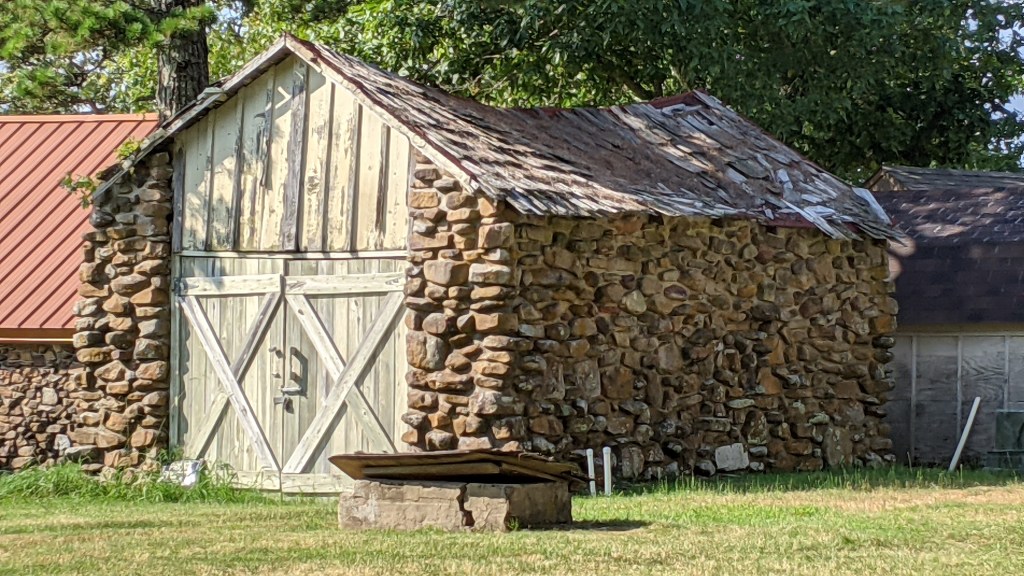
We like pulling off the road to have a closer look if we see something interesting, and we have been known to follow hand-lettered signs to classic car shows, country stores, out-of-the-way fudge shops, charming churchyards and old battlefields. Bear that in mind as I take you to some unique destinations. We have found also that there are plenty of friendly folks in smaller towns, folks who, for the most part, are only too willing to stop whatever it is they’re doing and tell us about what we’re about to discover.
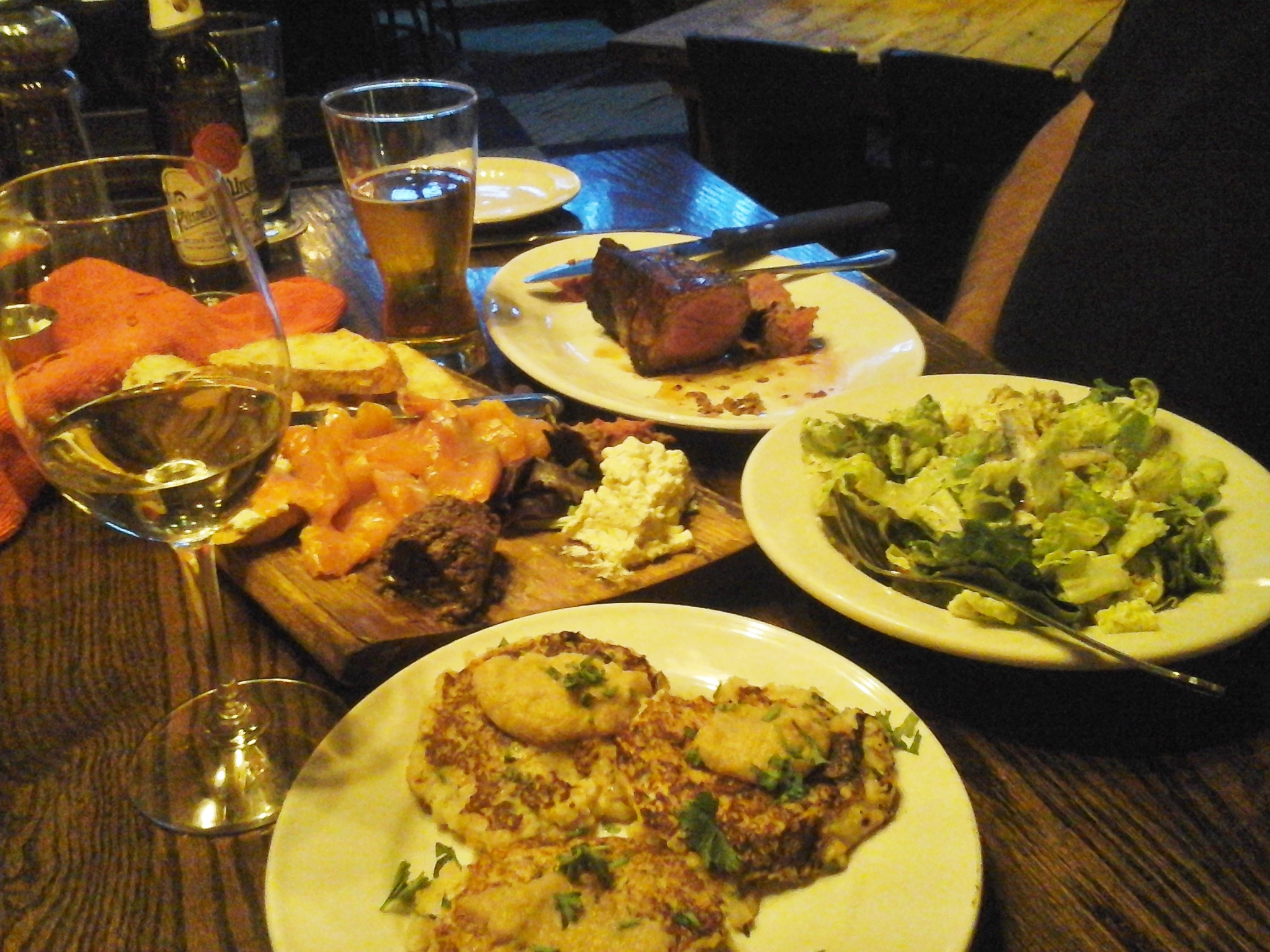
Sometimes we pack a picnic, or we’ll stop for a quick bite and a cool drink anyplace that seems a little quirky. We might look for a quaint B&B or a rustic cabin, but many of our jaunts don’t require an overnight away from home. Most of the time we don’t make reservations. We are footloose and fancy free at this point in our lives. Until we are free to travel globally again without restrictions, warnings (or masks) we will probably stay closer to home. We have decided that’s okay for now, so we’re busy planning more regular getaways. I hope you’ll come along.
Here’s a peek just to whet your appetite for what’s to come. I take lots of pictures, so they’re the focus right now — the stories will come later; I’m saving my words for later and longer trips. For now, I’ll just share some Hot Springs sights, beginning with random shots around Hot Springs and the home turf that we have come to love.


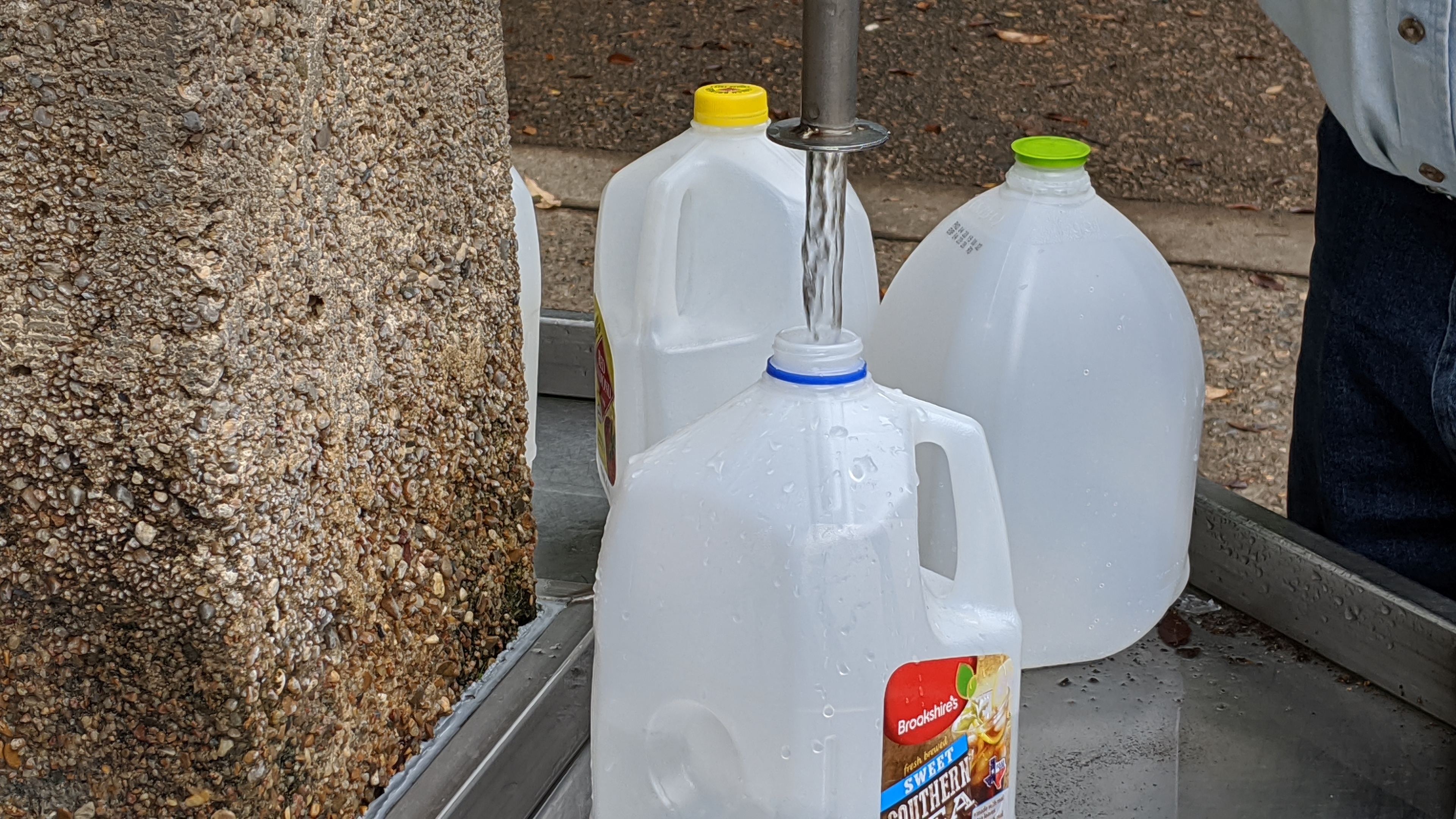


In case you’re wondering, the hot springs still flow . . . and, like many other locals, we make a weekly trip to the city’s free spigots to fill our water bottles. It’s nature’s gift to us, and it’s really good water!
We want to explore Hot Springs more fully, and we will do that this winter, when it becomes somewhat quiet again after summer tourists leave. The National Park that encompasses the city just celebrated its centennial. Land that contains the natural thermal springs was set aside as Hot Springs Reservation in 1832, but the area was mapped initially under an order to explore the southern Louisiana purchase, issued by President Thomas Jefferson in 1804.
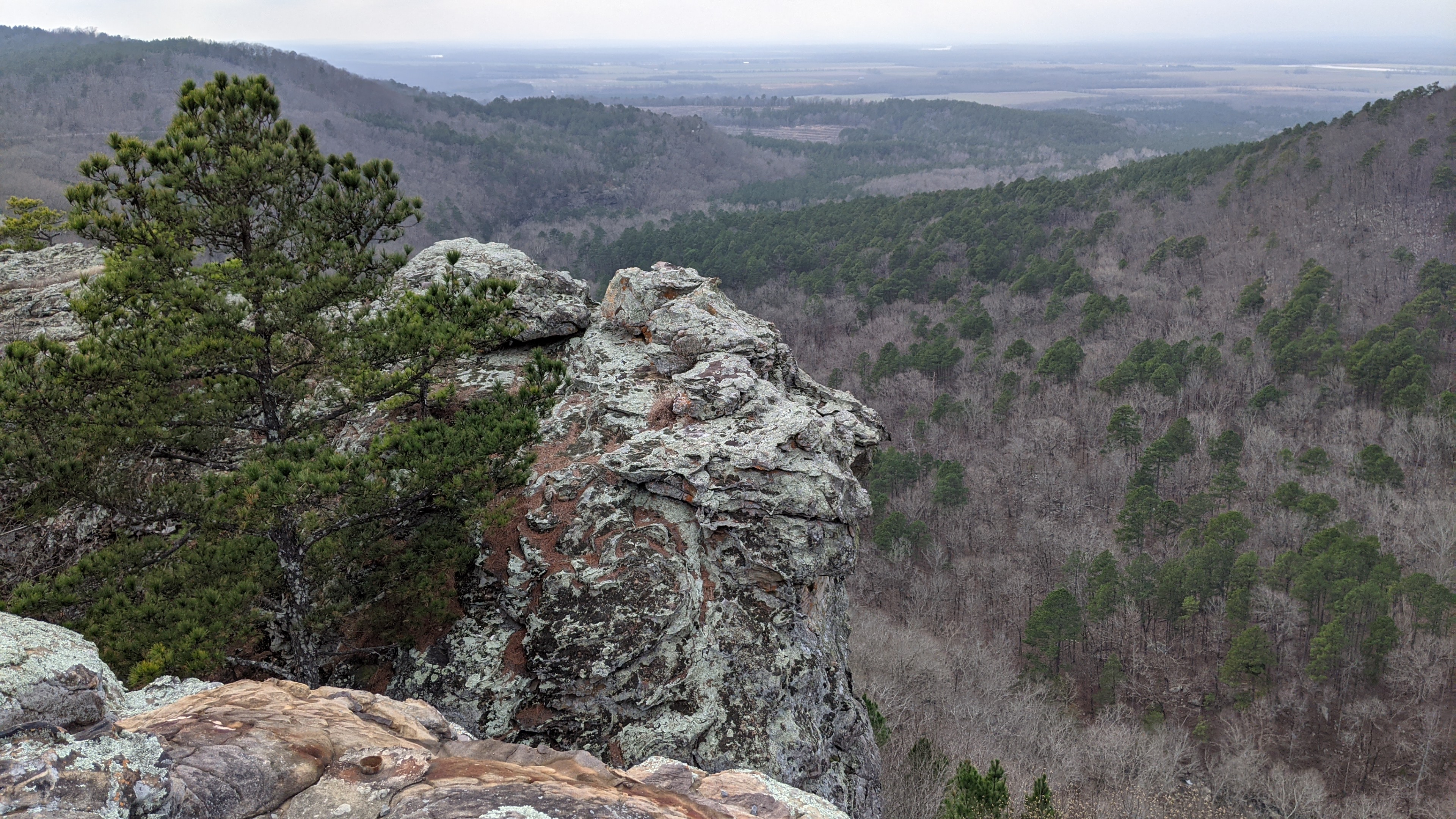
The sprawling Ouachita National Forest extends westward from the Hot Springs area throughout much of Arkansas and into eastern Oklahoma, and it too is only minutes away, with all its natural beauty. We want to get out to the forest more as well. And Arkansas state parks, judging by Petit Jean where we spent a wonderful couple of hours not long ago, is not only delightful, but it’s an easy day trip!
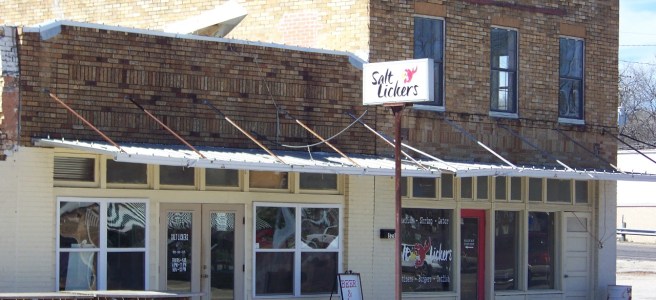
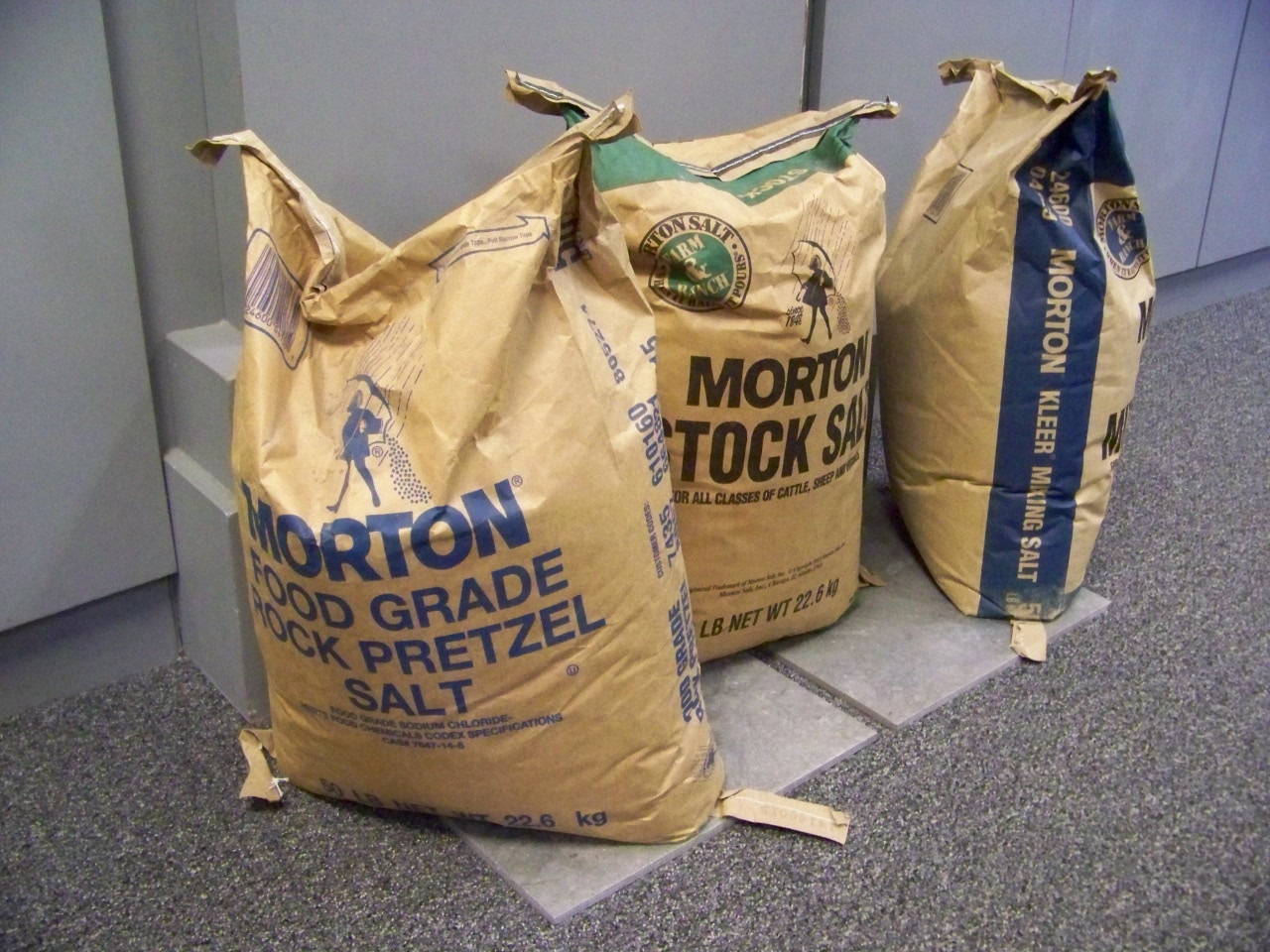
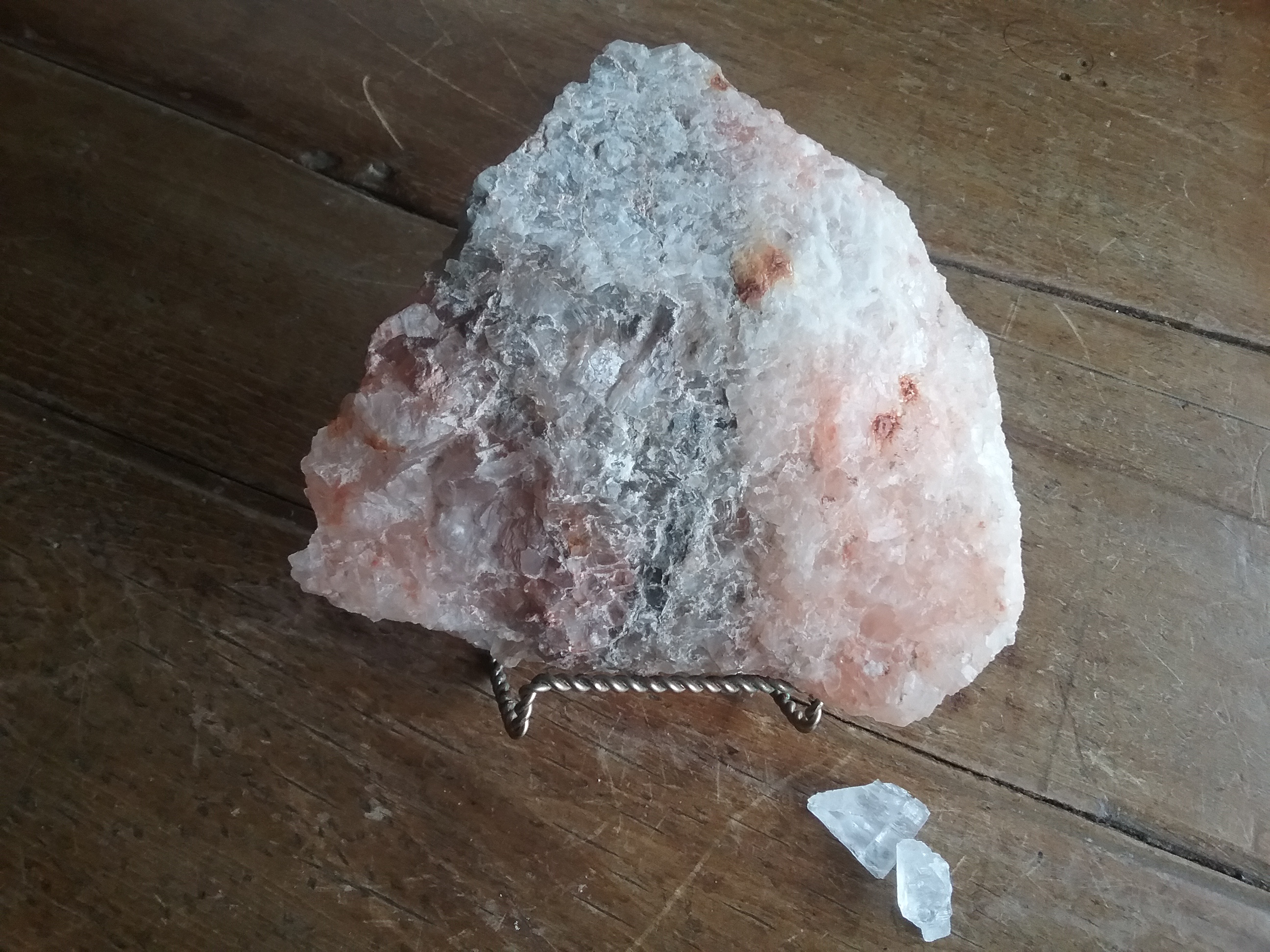

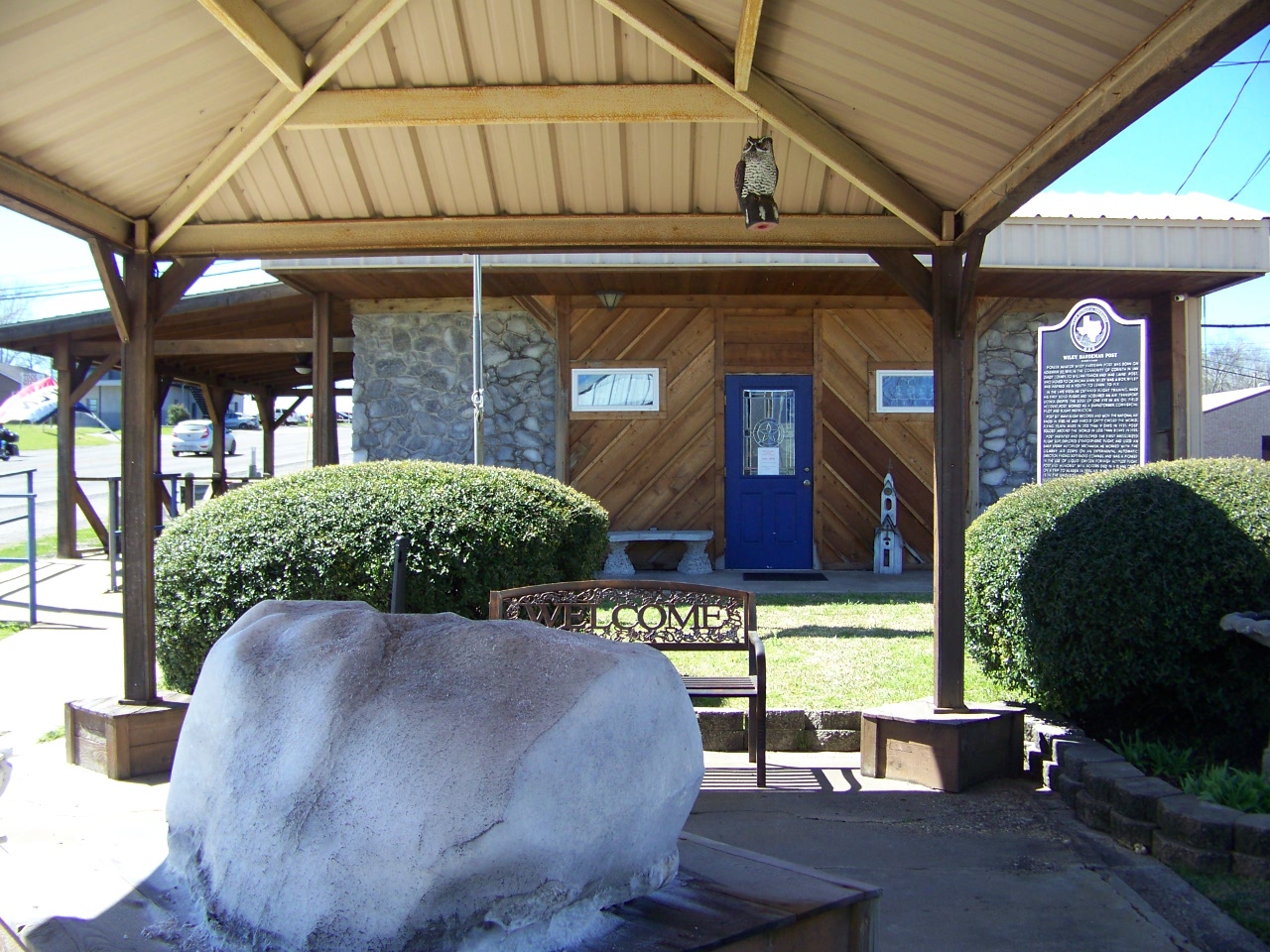
 operations take place today, the salt dome measures approximately 1.5 miles in diameter. The “mother bed” of salt is said to be a remnant of an ancient sea. Underground temperature is a constant 75 degrees.
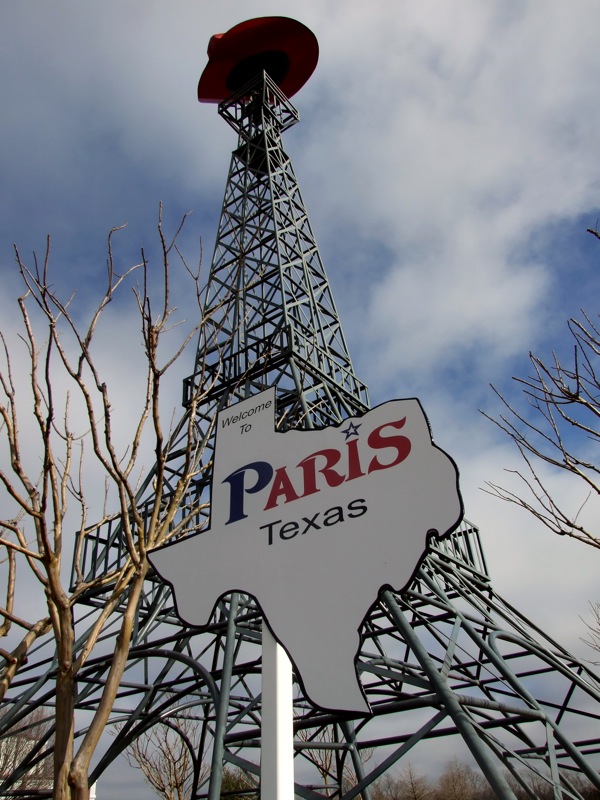

 Then we clung to the seacoast to reach Camden, where Mount Battie stretches to the sky along one side of scenic Route 1 and the surf crashes against the rocks on the other side.

 We even found ice cold Moxie for sale by the bottle. Yes, it still has a medicinal taste, but apparently it has never lost its appeal.


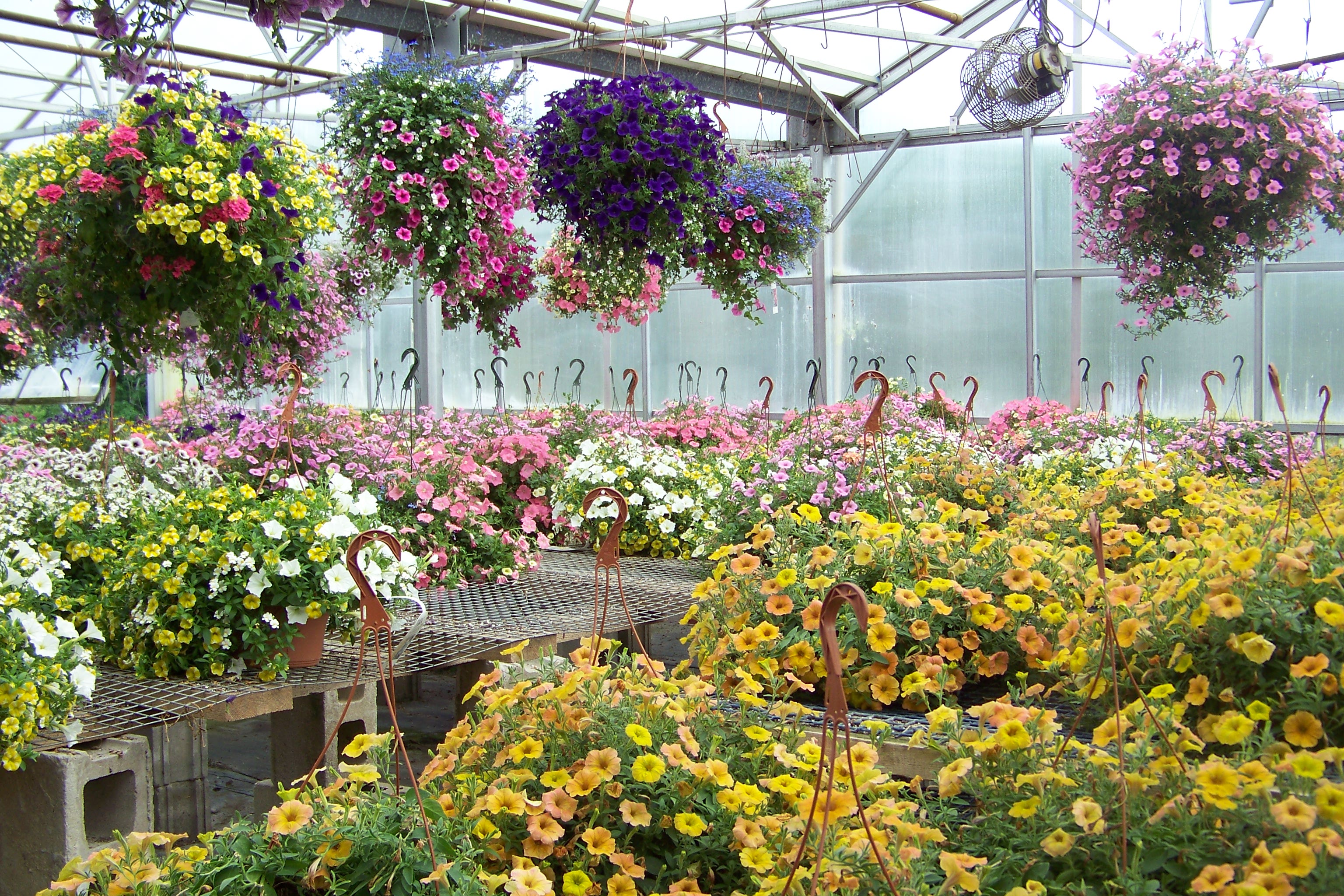 center today, full of fine restaurants, hotels, shops, museums and galleries.
 Fast food isn’t particularly good for the waistline or the pocketbook! And, no matter how familiar, most of it is nothing to write home about.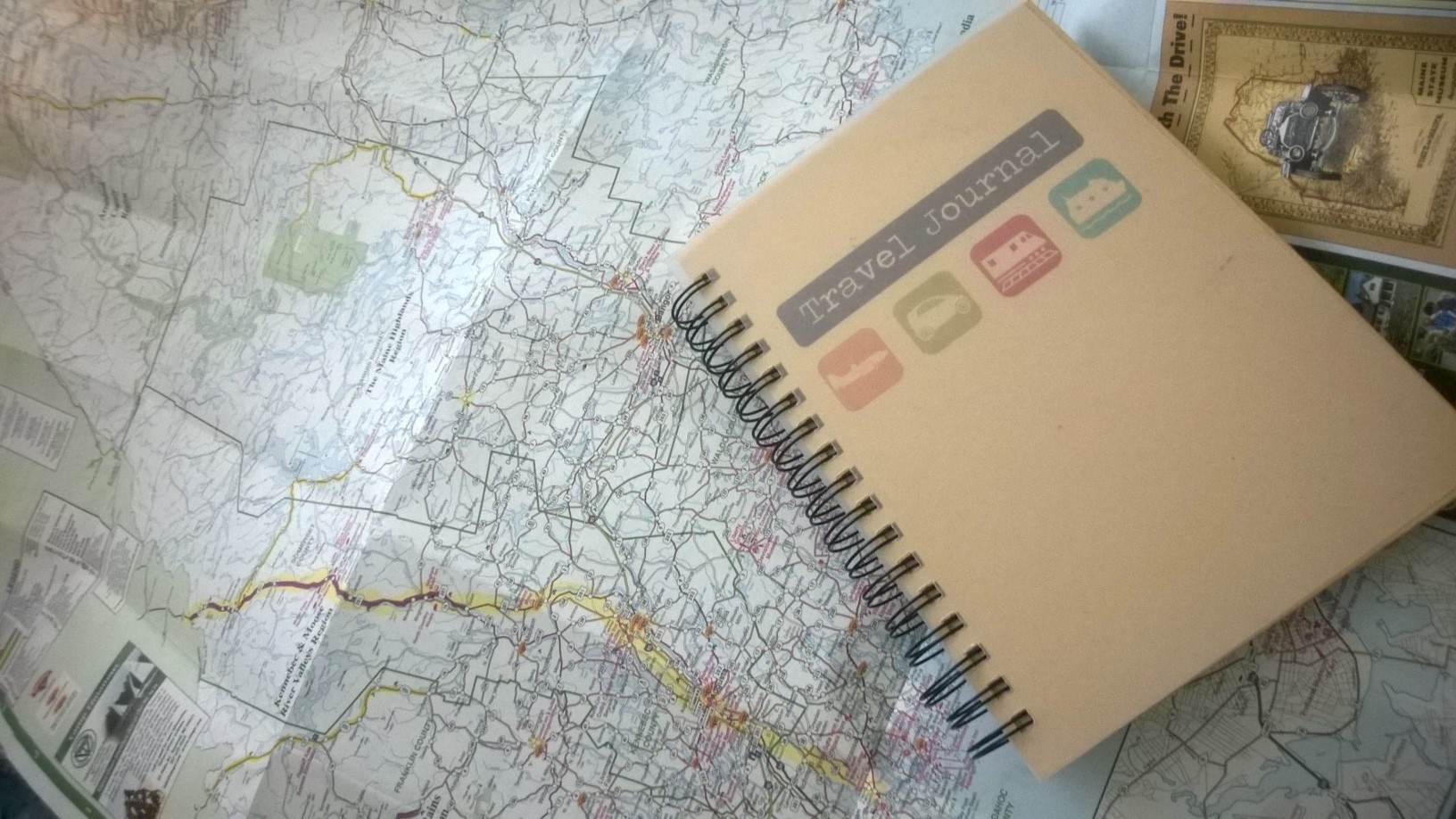
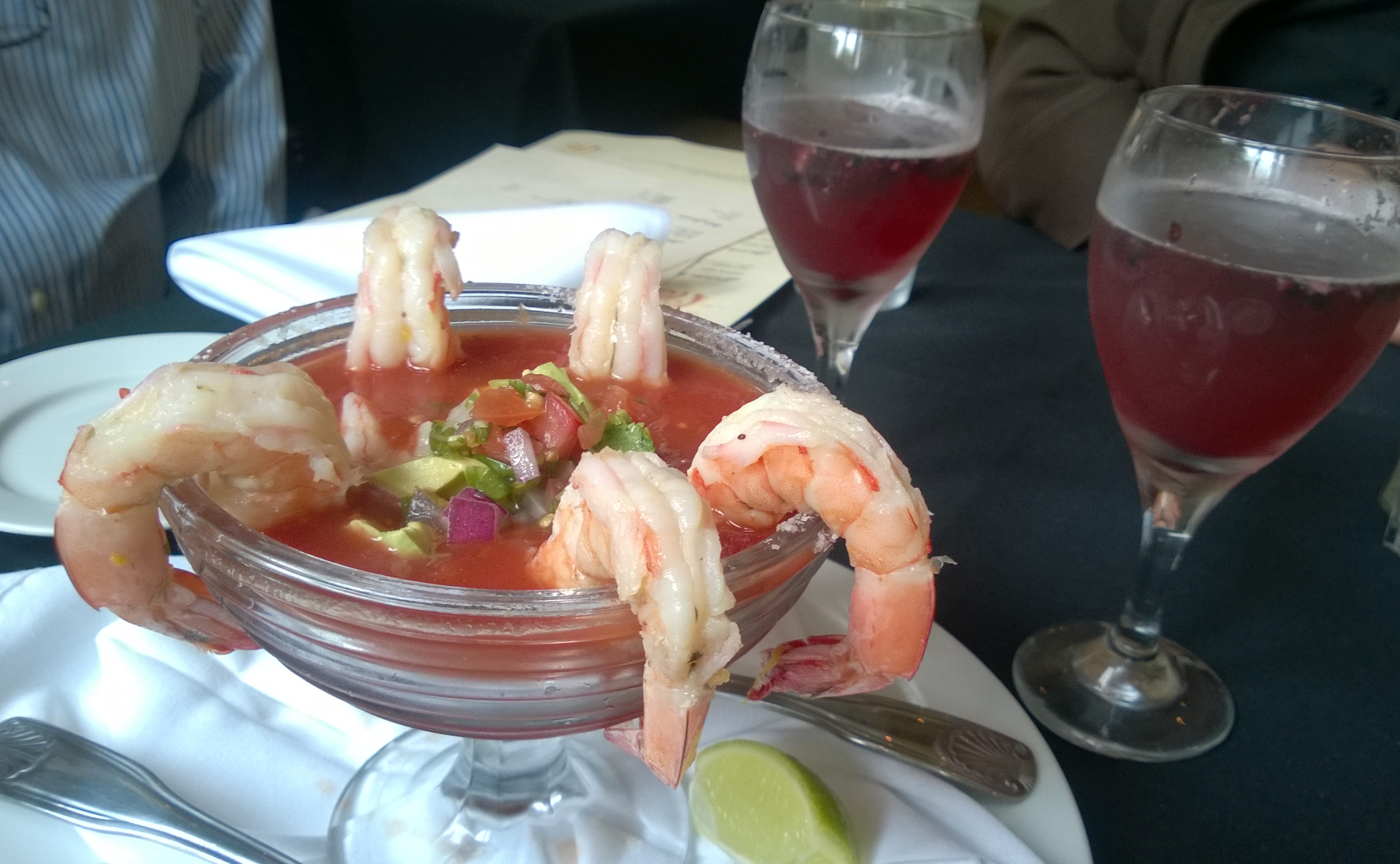
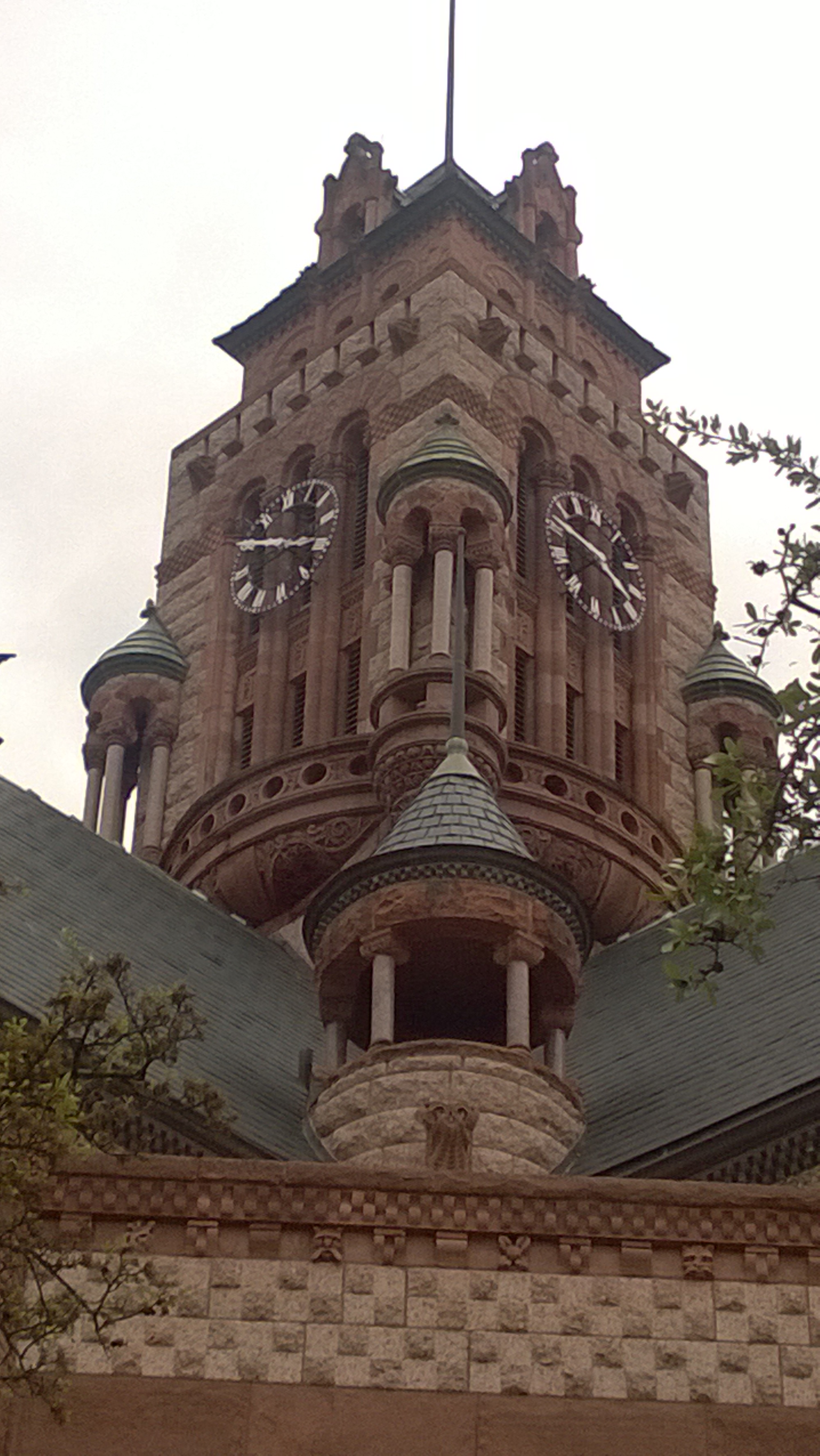

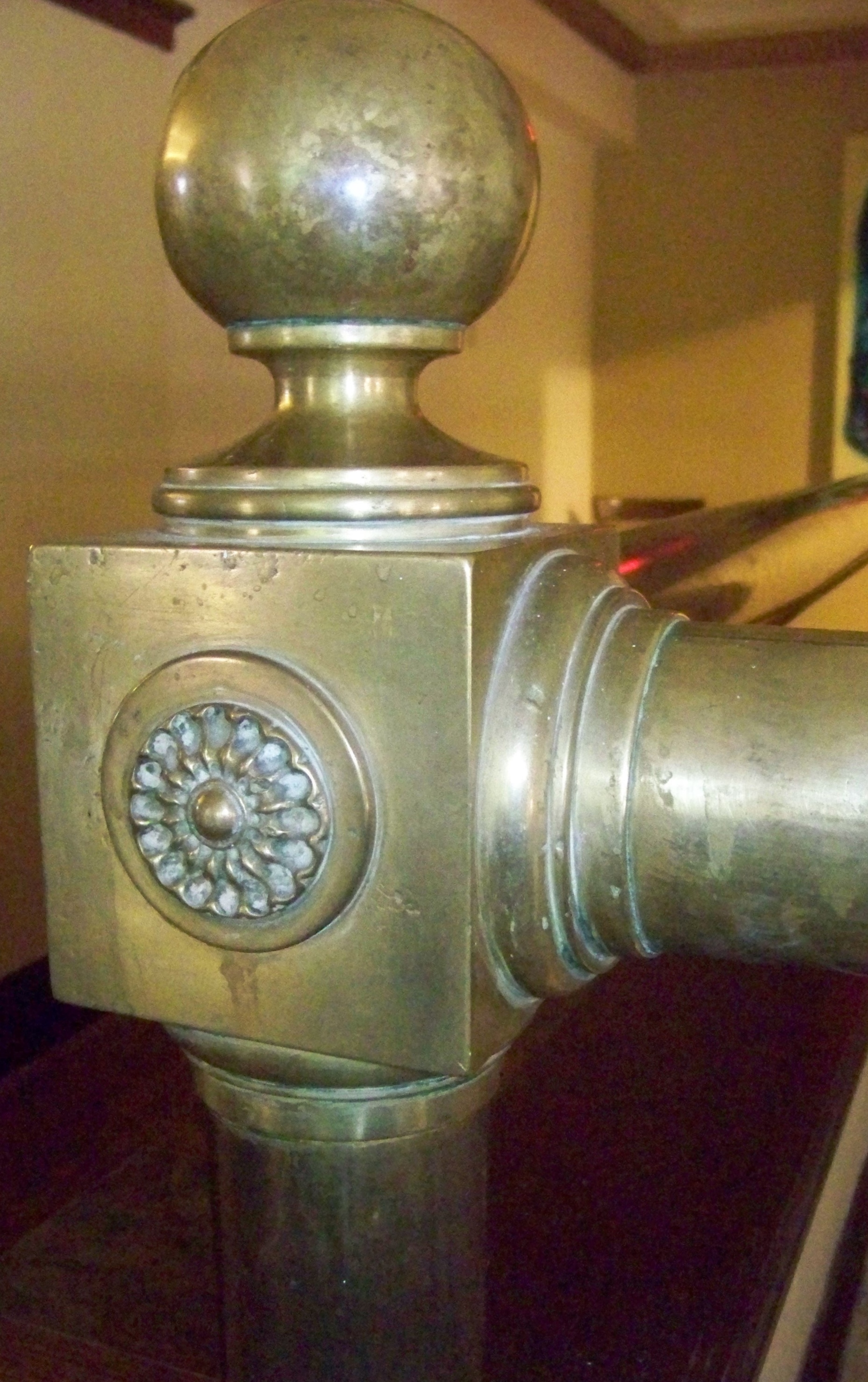 handrails, stunningly detailed wall and ceiling medallions, and native stone inserts in polished wood floors. A mezzanine and upstairs bar offer patrons spectacular views of the stately courthouse and other historic buildings.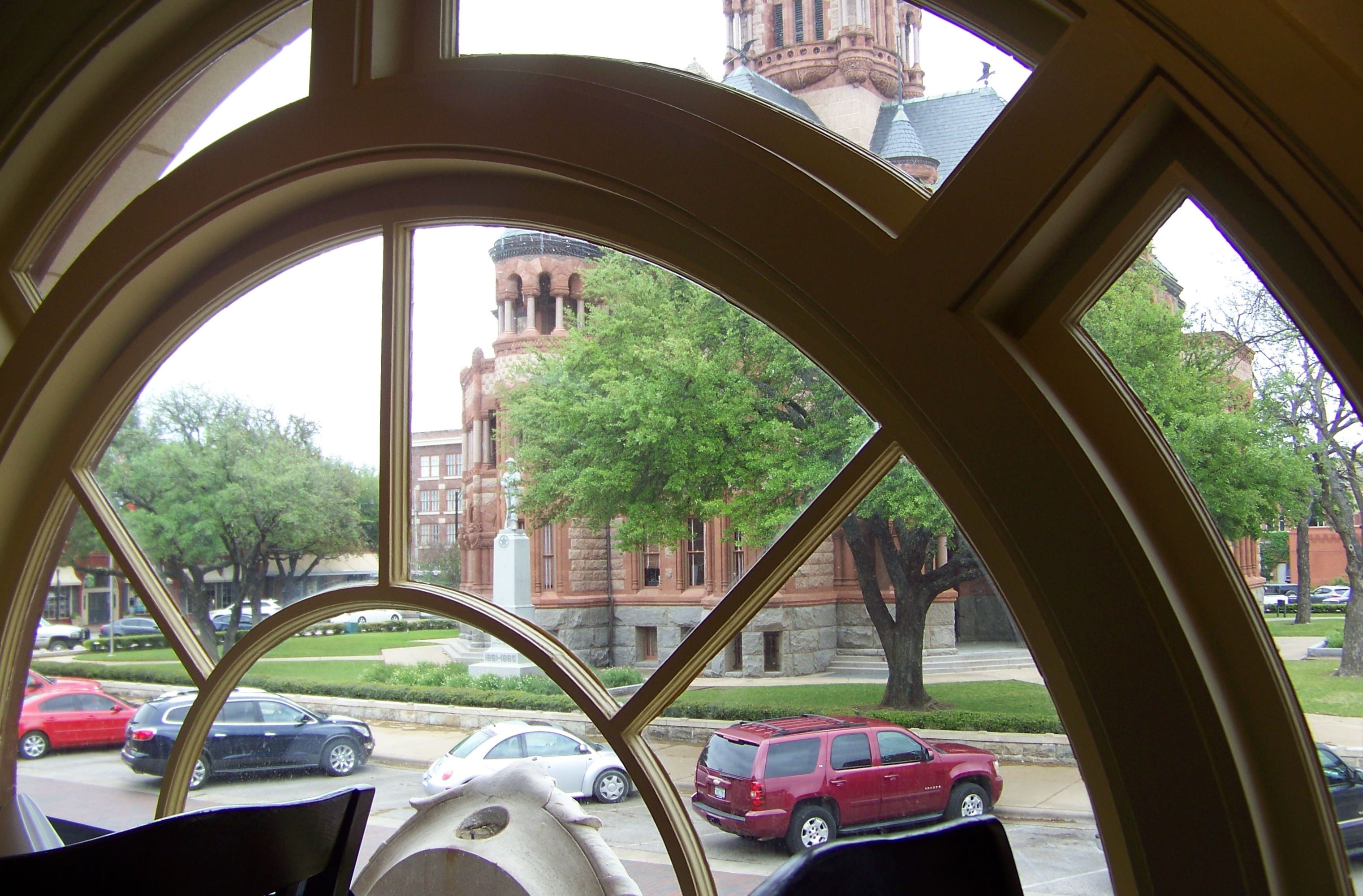


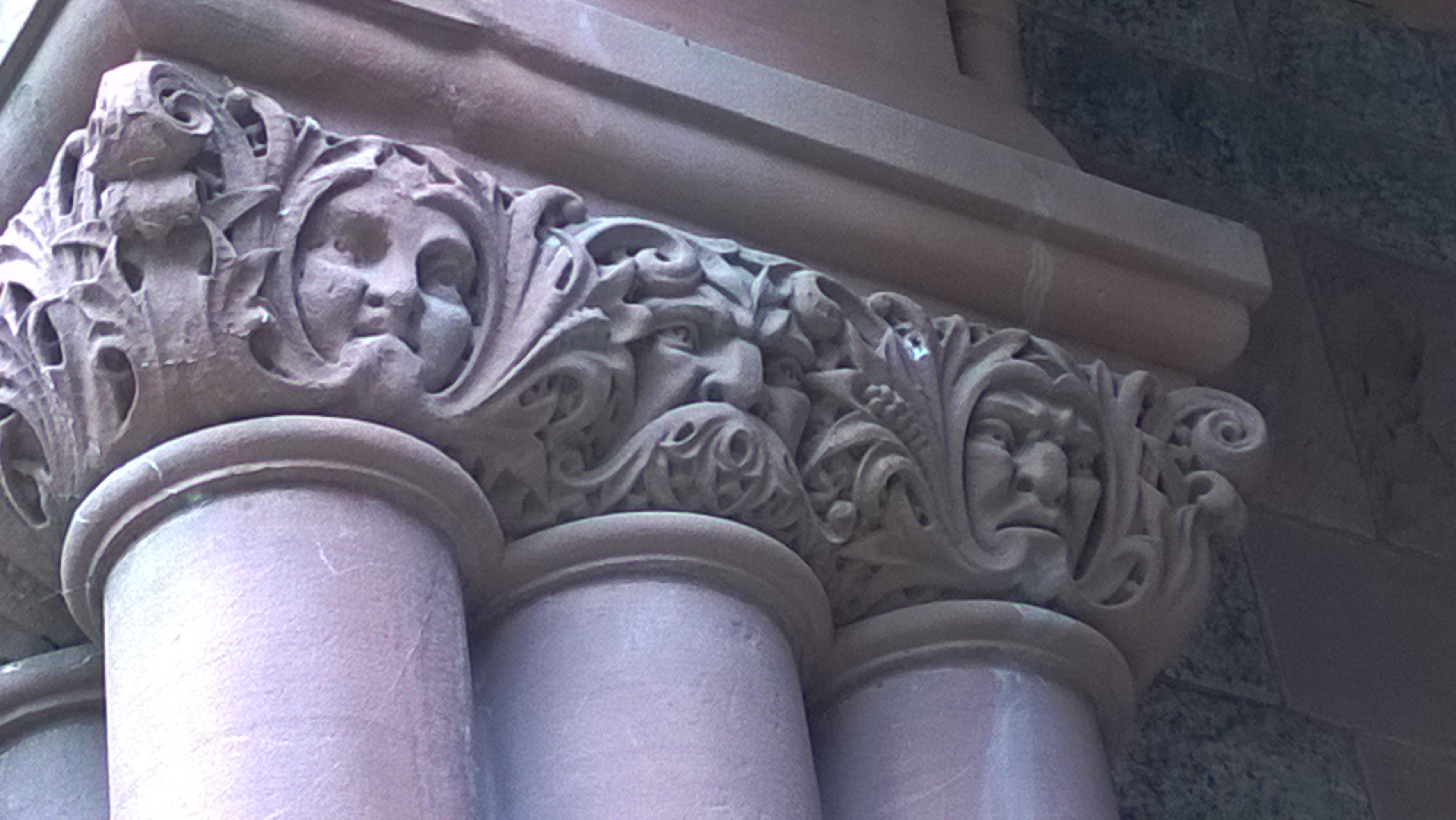 the abundant antique shops on the square and its adjacent streets, and a leisurely drive past the impressive gingerbread homes that characterize this town. Waxahachie obviously takes pride in its past and looks toward its future. It has the feel of a gracious, cultured college town; actually it was once the home of Trinity University, but that’s another story.


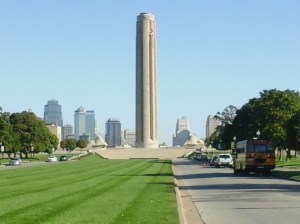 oupled with its simplicity and its symbolism, combine to make it one of the most impressive monuments I have ever encountered. Visitors to the underground museum enter over a glass bridge spanning a field of red poppies — 9,000 of them, representing one flower for every 1,000 deaths in the “world war.” It boggles the mind. Visitors can also ride an elevator to the top of a 217-foot memorial tower for a spectacular view of the city and surrounding plains.
 Good Food and Faraway Places