A time to be silent . . .

When the tourist buses leave, quiet descends and shadows begin to fall over the battlefields. A hush falls over the land, and it’s hard not to speak in whispers. It is also difficult to fight back the tears. Gettysburg is a stark reminder of another time, when the air was filled with smoke and cries echoed on the wind.

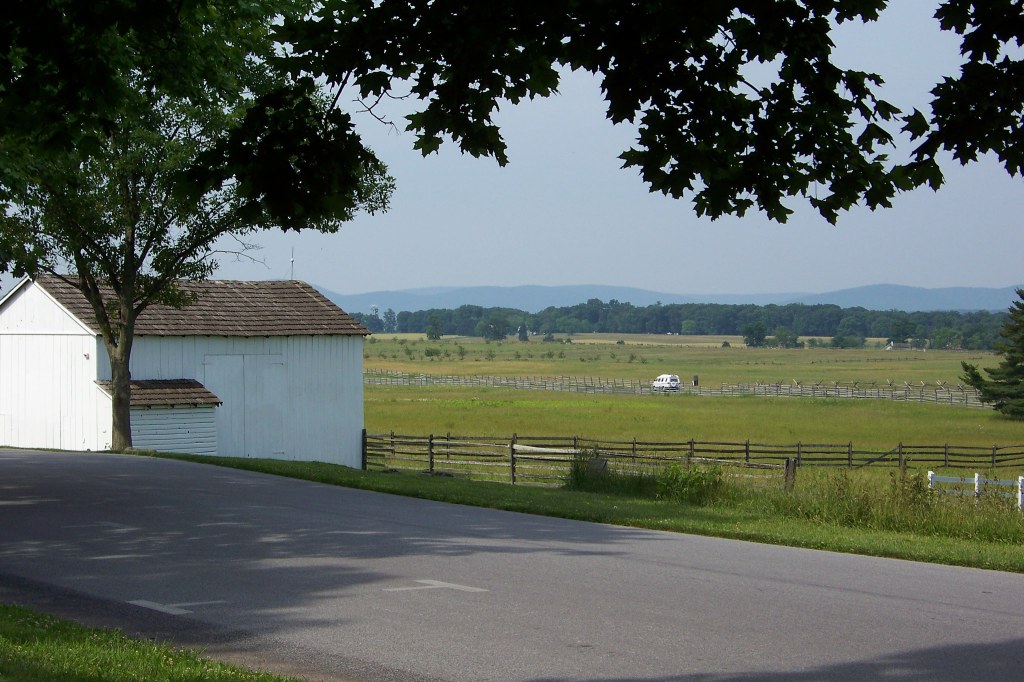
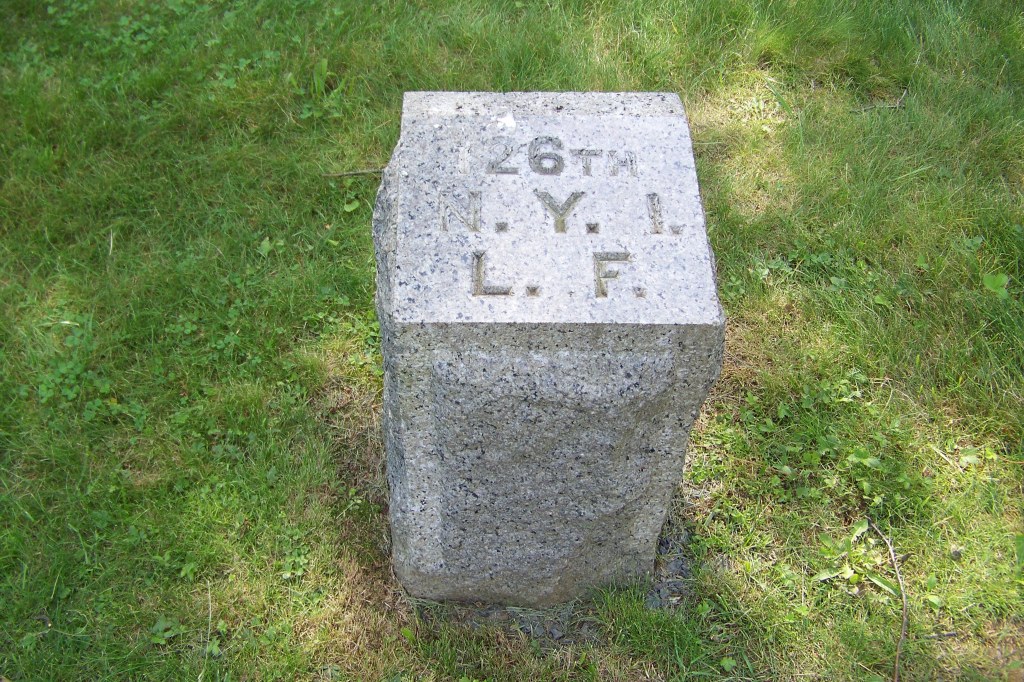
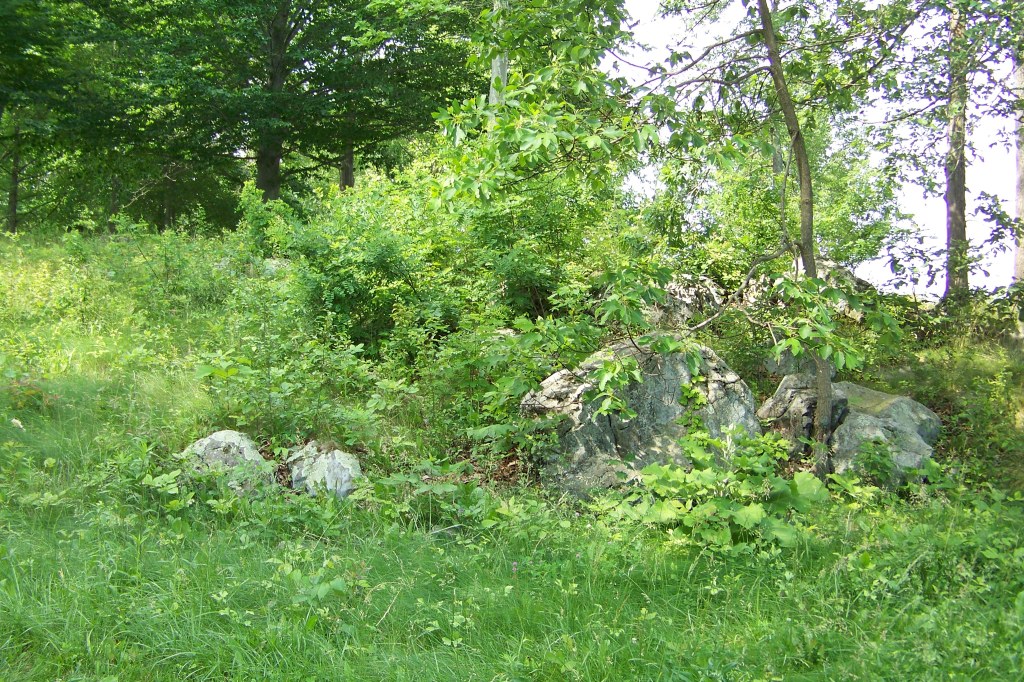
At least that’s how I imagine it. And those were my feelings last year in Gettysburg. The land was beautiful then, alight with the new growth of young grasses waving in the breeze and flowers blooming in the sun. And monuments. The monuments are both small and grand, sited haphazardly, it seems, on plots of ground that must have great meaning to the survivors of the men who fought here.

It’s a somber place in the late afternoon as the sun begins to move low over the western horizon. Battlefields are always somewhat difficult to visit. Civil War battlegrounds are especially sobering. They are smaller than expected, making it easy to imagine facing an enemy up close and personal and terrible to think about that reality.

The fields of Gettysburg, though, are expansive; the hills roll on into the distance; split timber fences delineate the fields, defining various encounters between Union and Confederate forces, and even driving through the area takes time. I felt compelled to walk among the monuments, to read the inscriptions, to wonder about the units they honored, and to think about the men who died on that ground.

Battlefields have a peculiar pull, no matter where I encounter them, and I have walked silently among the ghosts on battle plains across the globe, from the Little Big Horn to the beaches of Normandy, from the Golan Heights to Glorieta, New Mexico. I have also meandered among the headstones of military cemeteries in this country and in other nations, wondering about the lives of the men buried there, and about their survivors.

I always come away from battlefields with a sense of wonder that no matter how bloody the battle, the earth itself recovers from war relatively quickly. It is much more difficult for the people.

So today – Decoration Day was first celebrated on May 30, 1868 – at 3 p.m., the traditional hour of remembrance, I remember that battle fought long ago in Pennsylvania, and all the other battles of the Civil War and the wars that followed. Whether it’s now called Memorial Day or Remembrance Day or Poppy Day, I like to think that we are moving toward a time when battles will no longer be the way to resolve differences, when our children’s children can walk confidently into a future that only honors servicemen and women who died long-ago.
I thought about all of that yesterday as I enjoyed burgers and bratwurst, potato salad and apple pie with a small group of friends. It was a long weekend, after all, and it’s always good to be with friends and to share good food.

But today, because this is the real Memorial Day, I once again remember the fallen soldiers and those members of the armed services who still are called to give their lives in the service of their country.

The Civil War took more lives than any other this country has fought. We can debate, from the comfort of our time a century and a half removed, the issues that led to that war and that provoke other wars, but we cannot deny the consequences. And we must not forget that good and noble men fought on both sides. Warriors have left grieving families in all the battles since. It is good to pay homage to sacrifice like that.

Now, more than ever before, it seems imperative that we learn from our past. We can then move on to the task of writing the future the way we want it to be.


Good food is all about . . .

100_5366 (2)

I met a 10-year-old a couple of weeks ago who told me in all seriousness that if he were offered a choice between doughnuts and salad, he would have to go with salad. He volunteered that tidbit after telling me that he liked all vegetables, especially salad greens. I had asked about his favorite lettuce, and he answered “Romaine” with no hesitation.

We were standing in the demonstration greenhouse of DFW Aquaponics Farms in Burleson, Texas, where I was photographing lettuces, chives, kale, Swiss chard and tomatoes in various stages of development. I had heard the young boy talking with his dad about how delicious the produce looked, even though many of the plants weren’t yet mature and the tomatoes were still green.

I’m not sure that at age 10 I even realized that there were different varieties of lettuce. I ate salad, I think, because at that age I ate most of what was put in front of me. It was simple food. I grew up during the days of family meals served at home, punctuated by an occasional sandwich at the downtown drug store soda fountain as a Saturday treat.

I vividly remember the taste of those sandwiches, and the special delight of a fountain Coke! To this day I occasionally long for a real fountain drink, rich with syrup and bubbly from the seltzer.

I also remember that home-cooked food varied by the season. Winter brought soups and stews, spring and summer were filled with fresh salads, bright peas and juicy watermelon, and fall was full of crunchy apples, and tasty pumpkin, squash and spices.

Because I was a city girl, I knew little about growing food. But I knew that when the right season rolled around, there were ways to judge the ripeness of fruit and vegetables.

However, had I been given a choice, I am certain I would have opted for a chocolate chip cookie, a scoop of ice cream, or even a just-picked strawberry over a ripe carrot or a stalk of fresh romaine, no matter what the season.

Today, like that 10-year-old, I too prefer salad over doughnuts, although ice cream is still as tempting as that fountain Coke.

I have learned what I am sure my farm-raised grandparents knew: Freshly-picked and locally-harvested food tastes good. It’s that simple. It’s immensely satisfying to create a salad or an entire meal from what one has grown.

This slideshow requires JavaScript.

Today, because of greenhouses and modern technology, it’s possible to grow fresh food — including salad greens and seasonal produce, year-round in many different locales.

I am not still not committed to growing my own food, but I certainly understand the motivation. Luckily, at least in my area, farm stands, local markets and community-supported agriculture (CSAs) are increasingly popular. Fresh, seasonal, locally-grown, non-processed food is available. It’s a good time to experience the joy — and the flavor, texture, color and fun — of good, fresh produce any time of year. It’s simply better.

I am delighted when spring arrives and local farmers markets spring to life with colorful carrots, new potatoes, bulbous onions, butterhead lettuce and showy Swiss chard. Later I wait for the melons to ripen and still later I search out the most beautiful eggplant and squash — as much for their vibrant color as for their taste!

Food is always an adventure — whether picked from the garden and prepared at home, created by an award-winning chef at a renowned restaurant, or purchased from a trendy food truck at a community festival. I continue to learn new things about food and about people, no matter what the occasion or where in the world.

It was here at home that I learned another lesson about food. Kudos to my 10-year-old “teacher,” and to his dad for showing him the way.

Teach them young, they say . . .

9-11-2001: Years removed in time, but etched indelibly into our psyche . . .

Fifteen years: It’s the span from birth to teenager; young adult to middle age; active working adult to “old.”

It’s difficult to look 15 years into the future with any degree of accuracy, but looking back takes little effort. And, in some cases, 15 years — or 50, or only two  — disappear in an instant and we, in our minds, are returned to a time so hard to comprehend, so impossible to understand, so devastatingly brutal in memory that it brings us up short. The best we can do is retreat into our own silence, finding what solace exists with the passage of time.

Today is one of those days.

Fifteen years ago on a clear morning full of promise, the world was forever changed. For those of us old enough at the time to be aware of what happened in our world, it is a moment, a day, an era still frozen in time. There are other such days for many of us; actually, there are too many of those moments for some of us.

On days like this one, at a specific hour, whether the flag is lowered to half staff or we observe a moment of silence, whether there is a public ceremony or not, we cannot help but take a deep breath, suffer feelings of deep regret, and remember. Sadly, the list of those remembrances grows longer.

It is said that adversity make us strong. I wonder.

It is said that we must learn from the past. I am not certain we ever do.

It is said that we must not allow such things to happen again. Is that possible?

9-11-2001

Fifteen years ago.

Yes. I remember.

But I also remember other things about that day.

I recall standing silently with a group of coworkers, tears streaming down our cheeks, eyes trained on the television. I remember the need to talk with distant family members, to hear the voices of loved ones even though there were no words to soften the blow of that day. I remember the anguished — and accented — question of a recent immigrant: “How could they do this to our country?”

I have to think that Americans were one on that day, united in shock, and determined to face an uncertain future together.

Today, 15 years later, that oneness is no longer evident.

I wonder why we as a people are always at our best in crisis?

Actually, maybe that is the hope we should cling to.

No matter what our differences, no matter how much we disagree on most days — in thought and action and the ongoing exercise of our freedoms — maybe we can once again stand together when the next crisis occurs.

Not that I look forward to that day.

Also read my thoughts about a chance encounter on 9-11-2014.


The dream dies hard, but the memories live on

It looms large on the horizon, the hulk of the S.S. United States, as she lies in port in Philadelphia. Her stacks rise above the neighboring dock buildings, and it’s possible to use them as landmarks rather than following GPS directions as you chart a course to see the once grand ship in her current forlorn and decrepit state.

This ship — and the search for a traditional Philly cheesesteak — took us to the city of brotherly love this summer.

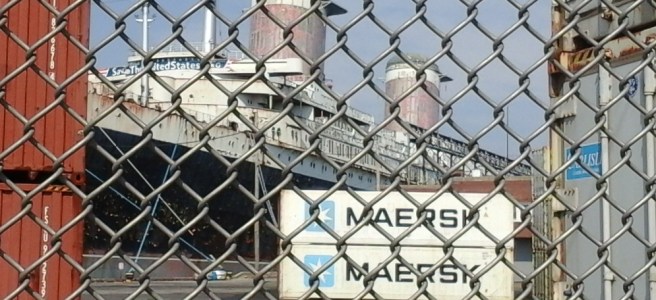
We found our ship with ease, and we lingered there. Remembering our first encounter with this vessel, my husband and I didn’t speak. We just gazed through the chain links at this once gleaming passenger liner with a history that is irrevocably intertwined with ours.

We met the S.S. United States, and one another, on the same day in August 50 years ago at the port in Le Havre, France. The ship was just a teenager at the time. We were young as  well, and impressionable.

She was a looker, massive and shiny and silent, but aswarm with crew going about their duties. We were impressed by her presence and by her glamor; she took our breath away. We had some other experiences with her, but her days at sea came to an end barely three years later.

Our story continues.

This summer, as we mapped our road trip north, it became a priority for us to see the grand old ship. Philadelphia was miles out of the way, but we took the detour. Our hearts were in our throats as we first spied those distinctive smokestacks. We were buoyed by the hope that this old lady might actually sail the seas once again.

Unfortunately, early this month, we learned that the plan to refurbish her as a cruise ship is not feasible. The S.S. United States has been out of service for 47 years; she has languished at the dock in Philadelphia for more than 20 years now, longer than she sailed! And, though she is deemed still structurally sound, the dream that she might again carry passengers has died.

There is still some hope that the S.S. United States will be saved from the scrap heap and turned into a floating “history book.” She is, after all, an engineering marvel; this last American flagship set a world speed record on her maiden voyage. It has never been broken. Is it so hard to believe that others could be inspired by looking up at her towering stacks, standing at her railing, or exploring her labyrinthian interior? Not for us.

The experience certainly stayed with me and my husband throughout our years!

As we again gazed at her with awe, she sat behind locked gates, no longer shiny and glamorous, but impressive nonetheless!

We left the docks finally, and found a Philly cheesesteak at a tiny Tony Luke’s on Oregon Ave., almost in the shadow of Interstate 95 South. There were only seven or eight tables inside, but the line snaked through the building and extended into the parking lot beyond. It took some time to reach the order window, but not long at all for our traditional beef and melted cheese sandwiches to be ready. Miraculously, there were two seats at a table. The wait was worth it; Philadelphia’s signature food treat was the second delight of the day!

We had come to Philly for the memories. And we left well satisfied.

There are many ways, and many reasons, to celebrate Thanksgiving

Chasing Sunsets 056

It’s a community of sorts. Loosely knit, perhaps, but the armada of sailors and cruisers that descends on St. Mary’s towards the end of November each year is every bit as much a family as most of those with blood ties.

It’s Thanksgiving that brings this maritime family together in a little town on the river between Georgia and Florida. It’s a time to share stories, good times and good drinks. They arrive each year. They come “home” for the holiday.

St. Mary’s residents have been hosting this gathering for Intracoastal Waterway voyagers since 2001. This year, it begins the Saturday before Thanksgiving, and ends with a pancake breakfast the following Friday. There are other events over the weekend and some of the vessels stay on for a few days. Cumberland Island is nearby; there is much to see and do.

Gypsy Cold - Winter 2010-11 086

Newcomers are welcomed by the old-timers with warmth and good cheer, greeted as new friends and immediately inducted into the “family.”

There is a camaraderie that is natural and unforced. The week’s activities center around the Riverside Hotel and its Seagle’s Restaurant and Saloon.  Boaters and townspeople mingle at happy hour, enjoy a chili cook-off  and consume dozens of oysters at a Wednesday afternoon free roast. They drink coffee and other libations, exchange anecdotes and tell tall tales.

Townspeople come to the harbor to meet the “boat people.” They offer “restocking” rides to nearby grocery stores and gift shops and they renew old acquaintances. They come to ask questions about the boats, to hear stories of adventure, to marvel at the hardiness (or the folly) of those who choose the sea over the comforts of land-based homes. Children view the boats with wide-eyed wonder.

Those who arrive early find dock space. Those who come later pick up moorings or drop anchor. There seems always to be enough room. Those who travel the Intracoastal Waterway routinely plan their voyages with a St. Mary’s Thanksgiving in mind. Others happen on the celebration by chance. Still others hear of it, and can’t resist the urge to see if it’s true.

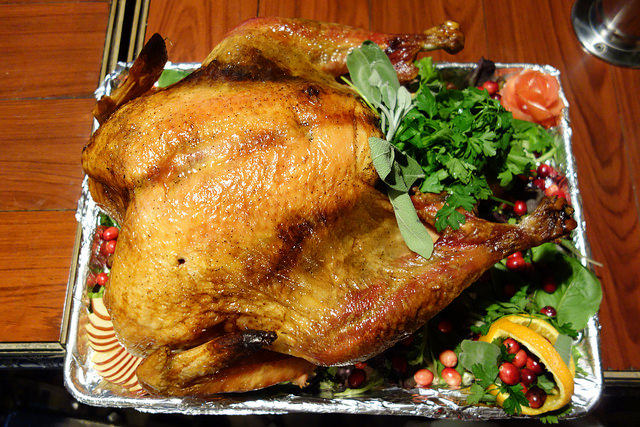
Photo by Tony Alter/Flickr15714052278_913ff71a3c_zIt does not disappoint. Thanksgiving festivities begin along the docks, and drift into town each day. On Thursday, local resident volunteers arrive in the morning with home-cooked turkeys and hams. Side dishes, salads and desserts appear as if by magic, contributed by the boating community. Dinner is served buffet style, beginning just after noon, and it continues until the food disappears. There always seems to be more than enough — of food and friendship.

We pulled in at dusk:  It had been a long and chilly journey.  But fellow cruisers along the waterway had told us it was worth the effort. November is somewhat late for pleasure boats to be traveling on the Intracoastal Waterway, but 2008 was relatively mild, and we encountered few problems other than the loneliness of being alone for Thanksgiving.

How quickly that changed. Although we have not returned, we think of that special Thanksgiving often. It was, indeed, memorable — an event out of all proportion to the size of the town. We filled our stomachs. The experience filled our hearts.

Even old salts find solace in planting their feet firmly on the ground on occasion. This holiday in this town, with these special people, is a unique and lasting gift.Chasing Sunsets 054

All boaters travel on, but they leave satisfied, awed and thankful.

For more information on St. Mary’s, visit the city’s official website.

Pleasures and Pitfalls of Olive Oil

Recently, at a local farmers market, I stopped at an olive oil display and was transported – in memory – to my first encounter with the mystique of locally-produced olive oils. I learned that today, in Texas, there is not a “lone olive ranch” in the Lone Star state, but several. It seems this state is better suited for black oil than olive oil, but with time, luck and persistence, some olive ranchers are making a go of it. Texas A&M explains that climate is a limiting factor.

The oil pressed from trees has a long, rich history, and was commonly known as the “gift of the gods” by ancient civilizations. There is a bit of doubt about which gods first introduced olive oil to humans, and where exactly, but no doubt at all about its continuing popularity among Mediterranean peoples. That’s how I first was introduced to its wonders.

It was decades before the Mediterranean Diet became codified; EVOO, at the time, was not in the vocabulary of most chefs. But, even then, olive oil was something special among the “initiated.”

Photo by Adrienne Cohen

I have written about olive oil in terms of its natural properties, and as a regional, historical and cultural component of diet and tradition. The following piece first was published on Yahoo Contributor Network March 3, 2013. It was prompted by a news story confirming the health benefits of olive oil.

I’d like to share it again (with minor changes and updates):

Eating Well, Staying Healthy Are Not Mutually Exclusive

Many years ago, while vacationing at a Caribbean Island resort, my husband and I met a vivacious Italian couple at dinner. They were older, by decades, than we were at the time, but just as active, full of curiosity and fun to be with. They were swimmers, reef explorers and divers, and had come to enjoy the beautiful waters of the Caribbean. We met and talked, and because we had lived in France and traveled in Europe, we shared our experiences with them; they asked us about our life in the United States. We found we had much in common, despite the differences in age and geography.

One night at dinner, we tasted what that Italian gentleman called his “secret of long life.”

Olive Oil

Pressed from olives grown on his trees on his land, and carried from his home in travel flasks, he passed it around the resort’s community table for all to sample, and to savor, with our bread. I still recall the color, the scent and the flavor of that olive oil. The couple was justifiably proud of the golden elixir.

As “20-somethings,” we were enthralled. We were captivated by the setting; by the sun and the sea, by the activities and the bountiful food. We were charmed by the company. This pair

Olive Grove, Tuscany' Photo by Davide Rizzo via Flickr
Olive Grove, Tuscany’
Photo by Davide Rizzo via Flickr

of free-spirited, fit, fun grandparents enjoyed life every bit as much as we did. They were only too happy to meet new friends and share good times, good conversation, good food and abundant wine.

This incident occurred before the current popularity of all things Mediterranean, including the diet. On vacation, we two laid aside moderation: We overdid the activity as well as the food, the sun and the drink; and we paid the price upon our return home.

Not so our Italian friends. They maintained their routine. A simple breakfast of bread, with the requisite olive oil, and cheese; perhaps a soft-boiled egg, and black coffee. For lunch, a simple salad, with fish or fresh vegetables, fruit and bread, with olive oil. Whole olives, too, if they were available.

They walked, they swam, they dove; they relaxed.

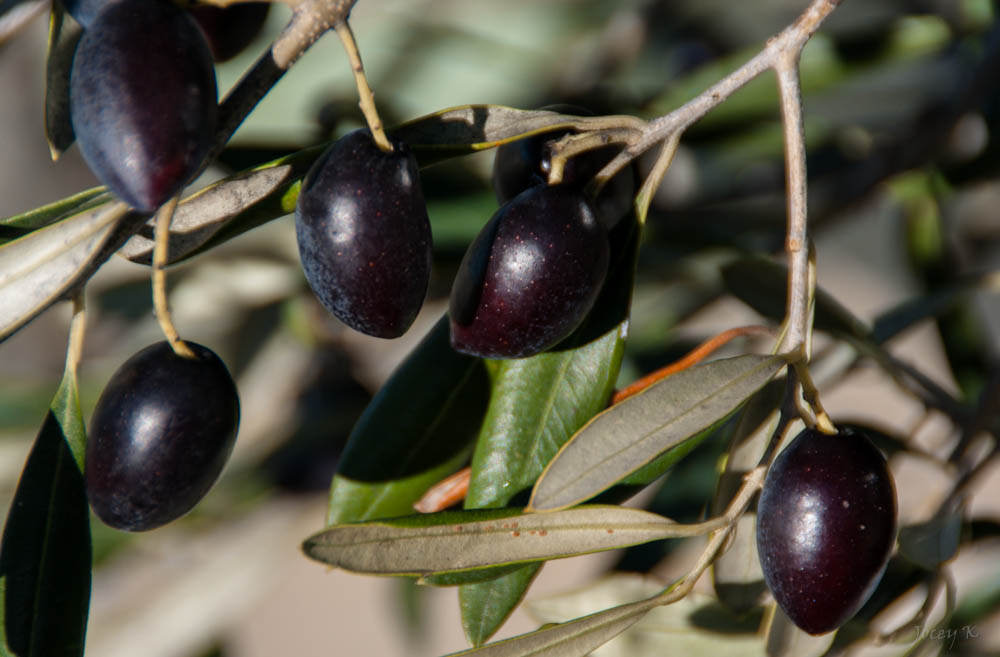
Olives ready to pick Photo by Jocelyn Kinghorn, Flickr
Olives ready to pick
Photo by Jocelyn Kinghorn, Flickr

And then dinner — long, multi-course dinners. Soup, appetizer, entrée, roasted vegetables, salad — and bread. Always with the olive oil. Good conversation, much laughter. Much wine. And then dessert.

No, we never saw them again. But we never forgot that olive oil.

When I heard on ABC News that new findings confirm that the benefits offered by the “Mediterranean Diet,” in particular its emphasis on daily consumption of olive oil, include an astounding 30 percent reduction in heart attack risk, I thought of those Italian friends from long ago. I doubt that they are traveling this earth still, some 30-plus years later. But I would wager that they did so for many years following our meeting, always with enthusiasm, with smiles and laughter, and with olive oil.

Note: Now that I have discovered, and confirmed, that olive trees grow in Texas, I am planning an upcoming visit to the groves. I’m really looking forward to exploring the modern process of producing that “divine” oil.

How to know if you’re a food snob

 . . . and what to do about it!

Some people celebrate their snobbery, of course, by reading restaurant reviews before making a reservation, cultivating their knowledge of the proper wine to accompany a rare steak or a traditional Welsh rarebit, diligently identifying every ingredient and perfecting the most unusual preparation techniques.

That’s okay — absolutely! The joys of cooking and eating are individual pursuits.

But good food is found in unusual places and, at least sometimes, under the oddest of conditions — on street corners, in out-of-the-way neighborhoods, in unexpected circumstances. Good food is also found, commonly and abundantly, around a simple family dinner table, whether it’s a hearty soup, a warm casserole, a generations-old treat, or a weeknight family get-together. Good food does not have to be fancy, and it can also be fast.

Food, at its best, is a celebration. Breaking bread together is an honorable tradition in every culture around the globe. It’s not in a literal sense that sharing food is so important, but in the wider sense of sharing a small slice of life with other people, be they family members or strangers, along with the slice of beef, the slice of pizza, or the slice of pie.

It’s the connection that matters; food is the glue that binds us together.

I happened to catch the last few minutes of a Jacques Pepin cooking show recently on PBS and was transported back to the time I spent in Paris as a young woman. French food was so good; learning how to prepare it properly seemed so unattainable. And then I learned.

What I learned is that French cuisine, at its heart, is simple food. It’s crafted from simple ingredients, picked fresh from the garden, or purchased fresh from the market. It’s peasant food and, as such, often there are no recipes, just general guidelines. It’s meant to be shared, with friends and family, both the preparation of it and its consumption. It evolves naturally from what’s available.

Iconic French onion soup illustrates the point — humble onions and a bit of butter combined with dry bread and a some leftover cheese! It’s a classic. But, at its heart, it is simply a “make do” meal for times when no meat is available.

Although I never met him, I feel as if I know him. Jacques Pepin’s brand of kitchen reality resonates with me; he is the chef I would most like to spend time with in the kitchen, or have as a guest at my dinner table.

Yes, I know that he once prepared dishes for the presidents of France. I know that he’s a renowned chef, and that he has written cookbooks and mastered all the fancy kitchen techniques. I know all that, but as I watch his shows, and see him interact with his family and friends, I can’t help but appreciate how this 80-year-old chef views food, with a sparkle in his eyes, and a smile on his lips. It’s always a celebration.

“The love of food, and cooking, is passed down from generation to generation, with favorite recipes at the heart of every family. What do you say to that? Happy cooking!” Jacques Pepin.

I am convinced again that this is the way we all ought to approach food — in our own kitchens, laughing and sampling and experimenting — tasting as we go along — just the way Jacques Pepin does. My grandmothers did that too. They sampled food with their fingers, added a “bit of this and a pinch of that,” rarely followed a recipe exactly, and always let the “young’uns” lick the spoon and sample the pie crust tarts hot from the oven. They also learned to “make do” when necessary.

PBS stations around the country air a final 26-week series on Jacques Pepin, “Heart and Soul,” this fall. Check local stations for scheduling. Segments from a previous series, entitled “Jacques Pepin: fast food my way,” are available to watch online.

SOS — Saving a Grand Old Ship

By Frederic Logghe [GFDL], via Wikimedia Commons

A long-ago time, and in faraway places, the S.S. United States was a bright and shining example of American ingenuity, achievement and spirit. She is still grand and imposing, but her shine has given way to age; her paint is peeling, her interiors are empty; she has suffered greatly from years of sitting still.

There are those of us who would dearly love to see her live on, to enjoy another incarnation so that present and future generations could be awed by the sight of her — her size, her beauty and her story.

But, I fear that is not to be.

Three news networks this week have told her story. Those who are desperately trying to save her say that the deadline is near – maybe less than two weeks away – when they will be forced to give up the fight. Rent alone at her dock costs $60,000 a month, and before Christmas this year, the money will have run out.

Susan Gibbs, executive director of the conservancy that is seeking a benefactor, says the end of October marks the deadline. After that, she notes, negotiations with a “responsible recycler” will begin. This is not a new development, but it is no less disturbing. The ship has faced the wrecking ball before. But she has, in the past, been granted a “stay.”

For Ms. Gibbs, it’s personal. She is the granddaughter of the ship’s designer, naval architect William Francis Gibbs.

It’s personal for me too.

In a very real sense, the U.S. United States was a matchmaker; she was the reason I met my future husband almost 50 years ago.

At that time, she had been called into service to help move American servicemen and their families out of Europe, and specifically to move them home from France. She was still carrying paying passengers as well, but in some cases, American military families made a five-day passage to New York aboard this swift liner. They ate in the elegant dining rooms, were served by impeccably uniformed staff, and experienced a lifestyle that only a few tourists of the time shared. Luxury ocean liner travel then was the domain, for the most part, of the rich and famous.

But when General DeGaulle of France decreed on March 10, 1966, that foreign military in his country must withdraw or submit to French control, a massive logistical effort began almost immediately to relocate military families. The one-year deadline loomed large; time was of the essence. Even though air travel could accommodate the humans, shipment of household goods and automobiles had to be by sea. At the time, utilizing available staterooms and the cavernous below-deck holds of this great ship made a lot of sense.

So it was that the paths of one young U.S. Army lieutenant and one young working journalist converged one day on a dock in Le Havre, France. He was newly-assigned to help meet the deadline, charged with the responsibility of scheduling military travel and moving belongings. I had a story to write about the huge effort.

No, it wasn’t romantic; we were not her passengers. But she loomed large on the docks in Le Havre as we looked along her more than three-football-fields length and up at her 12-stories above-the-water countenance.

Just a little more than one year later, when there were no military personnel left in France, it was largely due to the S.S. United States and the numbers of people and tons of belongings that she transported back to American shores.

Yes, she was impressive then.

She is still impressive now. Her peeling paint and her empty decks do not detract from her presence and her lines. She still looms larger than life, even though she has sat silent far longer than she ever plied the seas. She was in service only from 1952 through 1969, silenced when she was only 17.

My personal story continues with her. In another tale of endings, my parents considered themselves fortunate to be among her passengers on a scheduled North Atlantic crossing in November 1969. They enjoyed the experience immensely, and they disembarked in New York. The ship was bound for Newport News and a refurbishing “furlough,” but she never returned to service. My father thought it ironic, in his later years, that he had sailed on one of the last troop-carrying voyages of Cunard’s Queen Mary, as it ferried American servicemen home after World War II, as well as on the final crossing of the S.S. United States.

S.S. United States, Philadelphia, 2005

The rebirth of cruising vacations came too late.

Today, the irony is that more people than ever before take to the sea for vacations. Cruising ships have grown larger, accommodations more deluxe, and onboard amenities overwhelming. The S.S. United States was the last American-flagged passenger vessel afloat. She was also the largest ship ever to be built in the United States. She is substantial even by today’s standards, although her passenger load was not quite 2,000 in 692 staterooms, with a crew of just over 1,000. But, she had a distinctive look about her, with two stacks towering almost 65 feet above her decks. And she was fast. She remains the Blue Riband-Hales Trophy winner. She set the speed record for crossing the North Atlantic on her maiden voyage in 1952, snatching it away from the Queen Mary. It has not since been broken!

Both Cunard’s Queen Mary and the S.S. United States were known for elegance and speed. Both were designed for passenger comfort, but built to carry troops in case of need. Both served well. Both today are listed on the National Register of Historic Places.

View a slideshow of the S.S. United States.

There the similarities, unfortunately, end. The Queen Mary is now a popular hotel and tourist attraction in Long Beach, Calif. The S.S. United States rots at the dock in Philadelphia.

Surely, she too has value as a destination resort, a museum, an office building, a shopping center, or a funky condominium development. Or, am I just out of touch with reality?

As Susan Gibbs and others have stated in recent news interviews, “We have never been so close to saving her; and we have never been so close to losing her.” Save Our Ship (SOS) efforts are ongoing. But, hopes are beginning to fade.

I will continue to hope. Yes, it’s very personal.