An escape from quarantine

The hills and valleys of central Arkansas seem an unlikely location for the largest gated residential community in the United States, but that’s exactly what Hot Springs Village is. Stretching across two counties and encompassing just over 53.5 square miles, this unique development was begun in 1970, a vision of developer John A. Cooper Sr.

Since then, it has mushroomed into a thriving “small town” with a population exceeding 13,000, characterized by individual communities that center on a network of lakes and golf courses. Hot Springs Village has the feeling of a leisure-oriented community, but it is not age-restricted. Indeed, yellow buses transport approximately 1,000 children to one of two school districts outside the gates during a normal school year.

One enters the village, situated approximately 16 miles from historic Hot Springs, through one of two main gates. Visitors are issued temporary dashboard permits, and are immediately introduced to another world. Tall pines, lush greenery and an abundance of birds and wildlife dwell here in the Ouachita National Forest. There are deer, squirrels and chipmunks, occasional bears and red fox, and a resident bald eagle. Humans live in harmony with the creatures, and fishermen routinely pull large fish from the recreational lakes. It seems far removed from touristy Hot Springs.

Hot Springs Village is an incorporated township with paved streets, city sewers, dedicated water supply, its own police and fire departments, and many of the advantages of an urban lifestyle. However, within its gates, it has a distinctly rural feeling and an ambience all its own.

Churches, banks, restaurants and a handful of small businesses exist within the gates, along with healthcare offices and other signs of modern life, but they do not scream their presence. There is no neon. Residents can gather for morning coffee and doughnuts, but must venture outside the gates to shop for groceries. However, a thriving farmers’ market operates during the season, and additional commercial development is part of the master plan for the community.

My husband and I had an opportunity to visit old friends in Hot Springs Village for two brief days last week. Both Texas and Arkansas have begun to relax the Coronavirus quarantine procedures somewhat. We did not know what to expect, but a break from “stay-at-home” orders was in order.

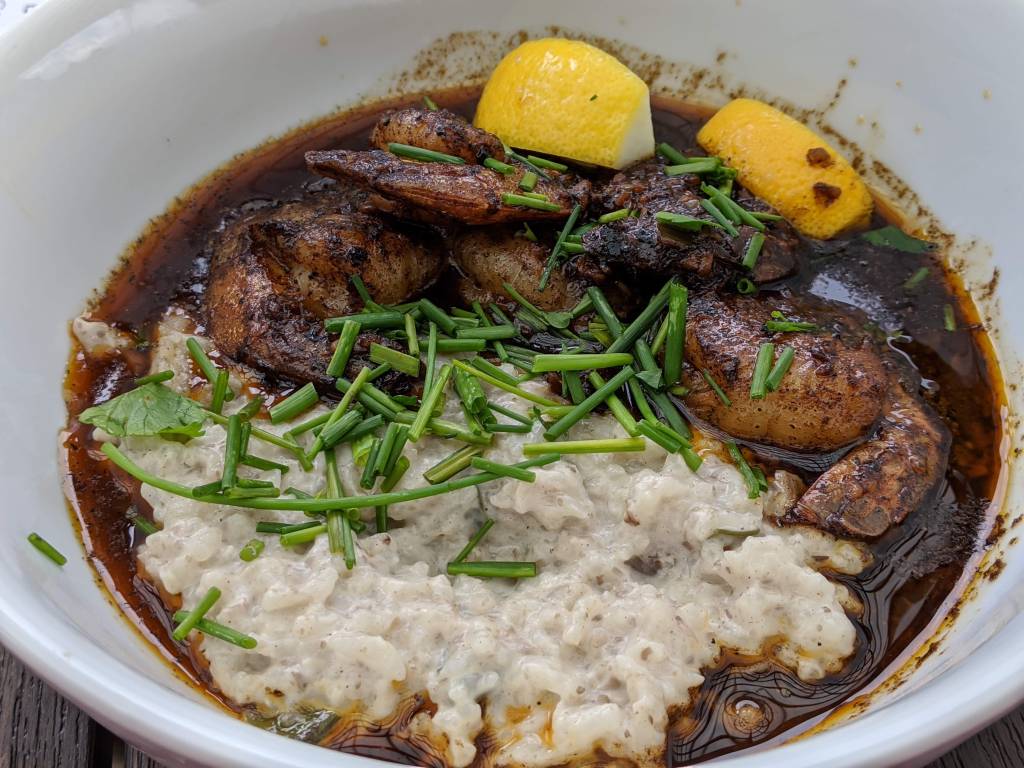
We drove our own car, booked two nights in a thoroughly sanitized condo, wore masks in public, toured the village, and enjoyed our meals at properly-spaced tables on outdoor decks, attended by congenial masked and gloved servers.

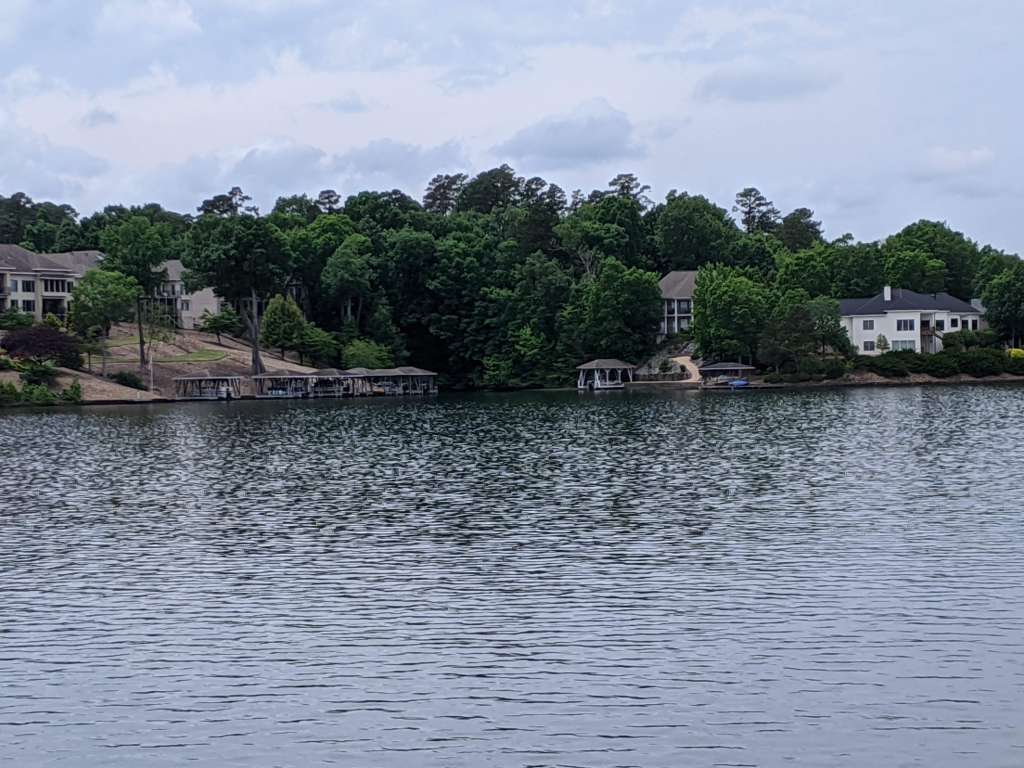
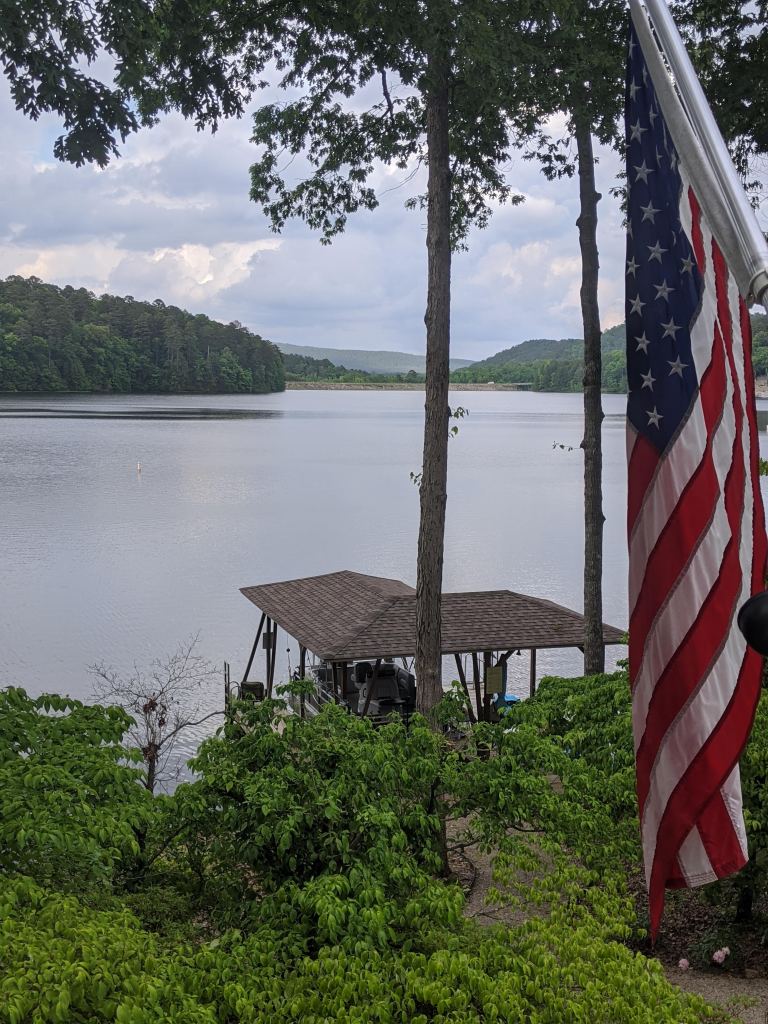
We had wonderful meals, reminisced about old times with our friends, enjoyed a leisurely pontoon boat ride around the perimeter of Lake Cortez, one of 11 within the boundaries of Hot Springs Village. We shared our concerns and perspective about Coronavirus recovery, and acted somewhat like children on holiday.

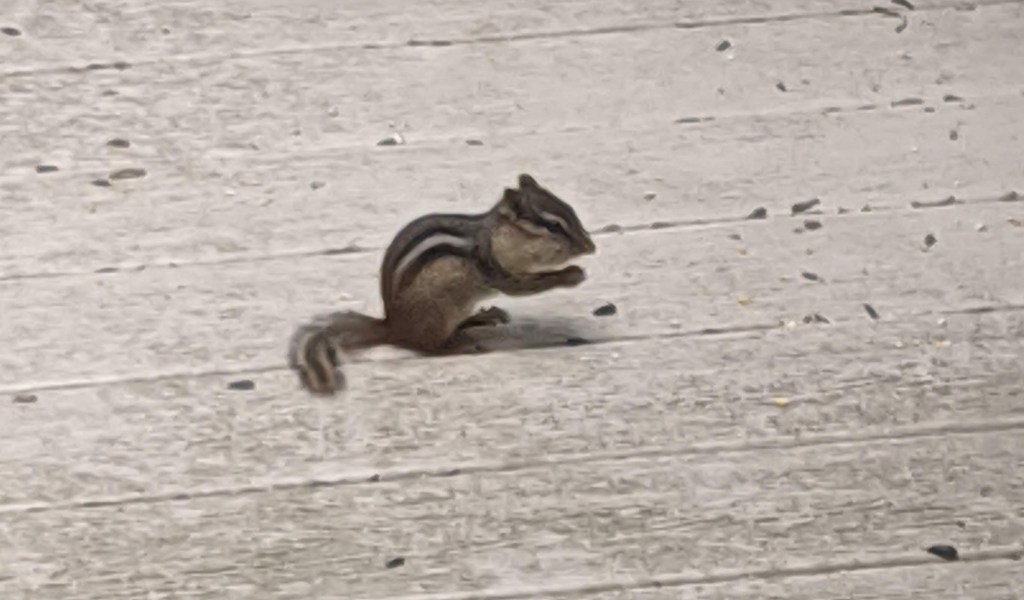
We visited golf courses and watched socially distanced players practicing their swings , drove past now-mostly-empty tennis and pickleball courts, watched the antics of friendly chipmunks and listened to birdsong. The community’s indoor pool and fitness center, library and performance venue are still closed, and the restaurants that have reopened are limiting hours as well as patrons.

It was a much needed break from the quarantine routine, and a temporary glimpse of “almost normal” lifestyle. Normal is still unattainable in the here and now, but it seems even more vital now to move beyond the fear. Back in Texas, we are again aware that these are unusual times for everyone, but the reality of the past two months has begun to feel overly restrictive.

We learned, once again, that faraway can be a matter of mindset as well as distance, and that two days spent in an out-of-the-ordinary manner can be a much-needed tonic. We both look forward to scheduling that first haircut, and to more excursions to places both near and far. We returned home with a sense of hope and a renewed purpose.

Hopefully, the time is not too far away that we can travel unrestricted, give family and friends real hugs, and get on with the business of living well.
Ode to February

Saturday, in north central Texas, my day began grey and chilly, with a temperature reading just below freezing. The sun appeared later in the afternoon, but I never warmed up. Sunday was sunny and the temperature hovered in the mid-70s. By midweek, another dip into the 30s, with possible snow, was expected. That may be the norm this time of year, but I was happy to hear that Punxsutawney Phil didn’t see his shadow Tuesday, giving me hope that soon I can put away my fleece-lined moccasins and go back to flipflops!

My husband and I did just that the end of January as we snuck off for a few days of R&R. I feel as if I’m still playing catch up from November’s travels, but that didn’t keep us from running away to the sea and sun south of the border. Five days aboard Royal Caribbean’s Enchantment of the Seas, sailing out of Galveston, were a tonic that let us return home refreshed and renewed, even if we did return to cold.

A getaway trip to sun and warmth

It was another of those whims when I booked the cruise several months ago — a deal just too good to refuse, with the benefit of an easy drive to the port rather than the hassle of a flight to a distant coast.

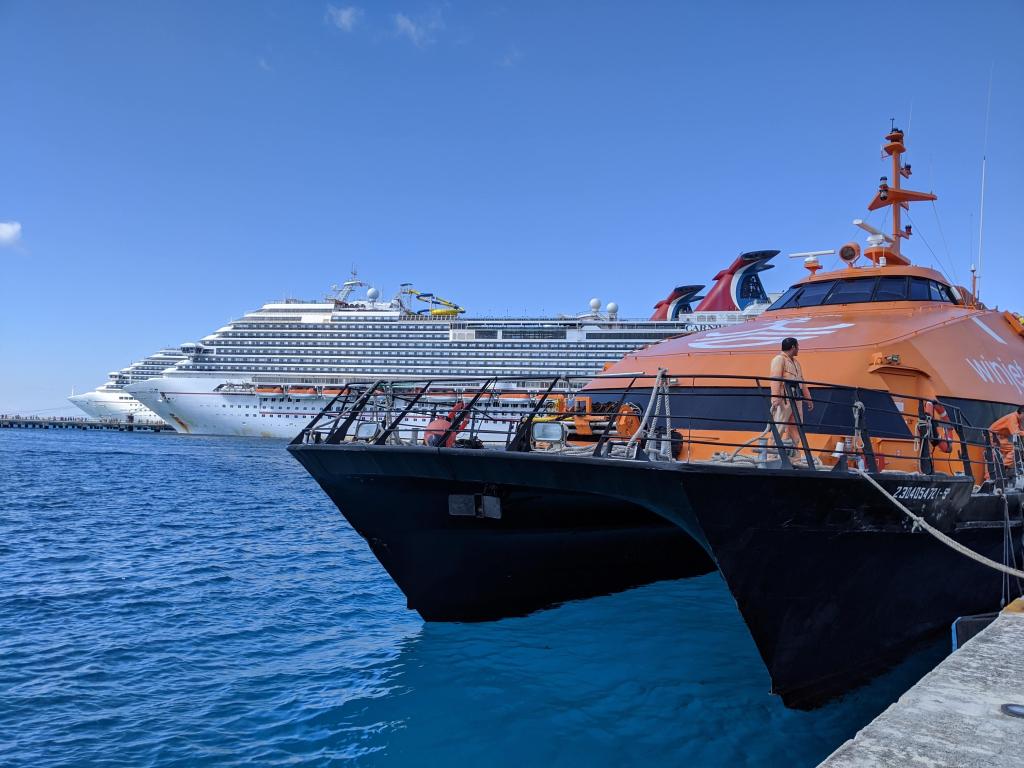
Our quick getaway to Cozumel and Progreso was not timed for lazy days on the beach, but a pampering routine aboard a mid-size cruise ship, Enchantment of the Seas, felt good. We came home with a fresh outlook and boundless appreciation for the cruising lifestyle, as always. However, in tiny Cozumel, we were certain that tourists outnumbered residents. There were seven ships in port the day we called at the island! Ours appeared to be the small one!

We delighted in the lack of schedule. We took full advantage of the “luxuries” offered: A dedicated staff to cook and serve, no alarm clock, afternoon naps, and plenty of time to do absolutely nothing. We enjoyed the food, the shipboard shows, and simply walking around the ports. We finished a book each, started reading new ones, and engaged in lively conversation with fellow cruisers. I even squeezed in a few hours of work!

Keeping busy on board

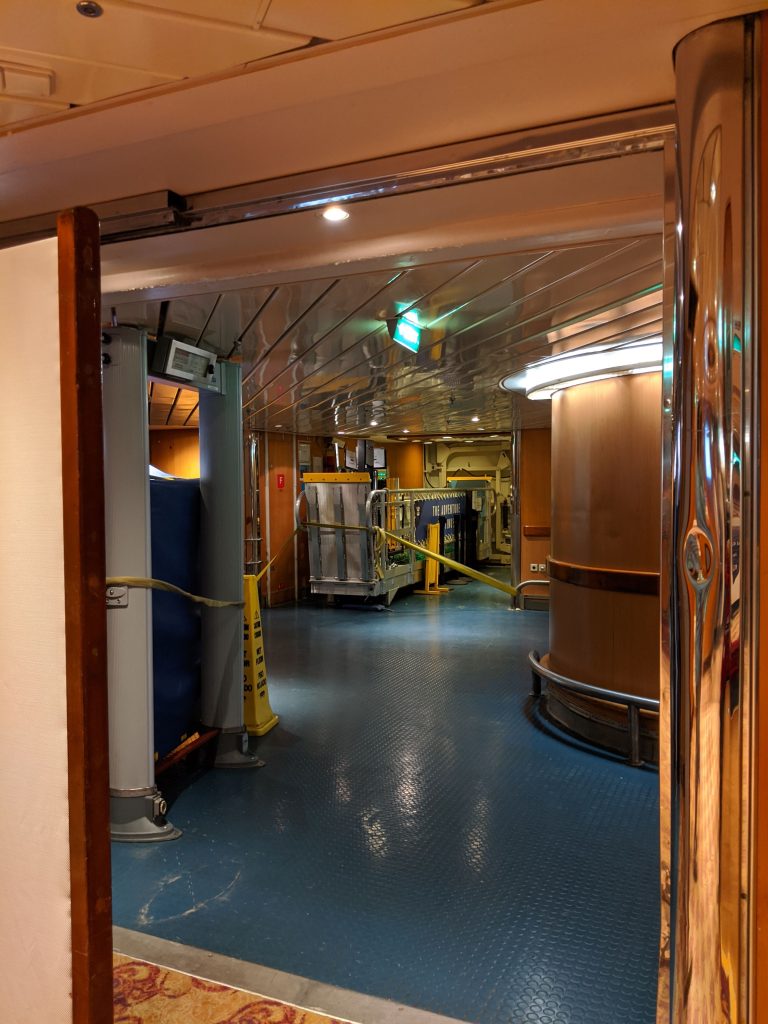
We participated in a sushi-making class offered on board, and enjoyed sampling our efforts for that day’s lunch. We participated in an All-Access ship’s tour another day, relishing a walk through the “belly of the vessel.” The behind-the-scenes activity and inner workings of a large cruise ship are captivating. We learned that there are four full decks below the water line, with ample food and drink stores on board to serve the 3,000 plus passengers and crew for an additional seven days, should it ever become necessary.

In view of the current news about passengers quarantined aboard another cruise ship off the coast of Japan, that becomes an important fact.

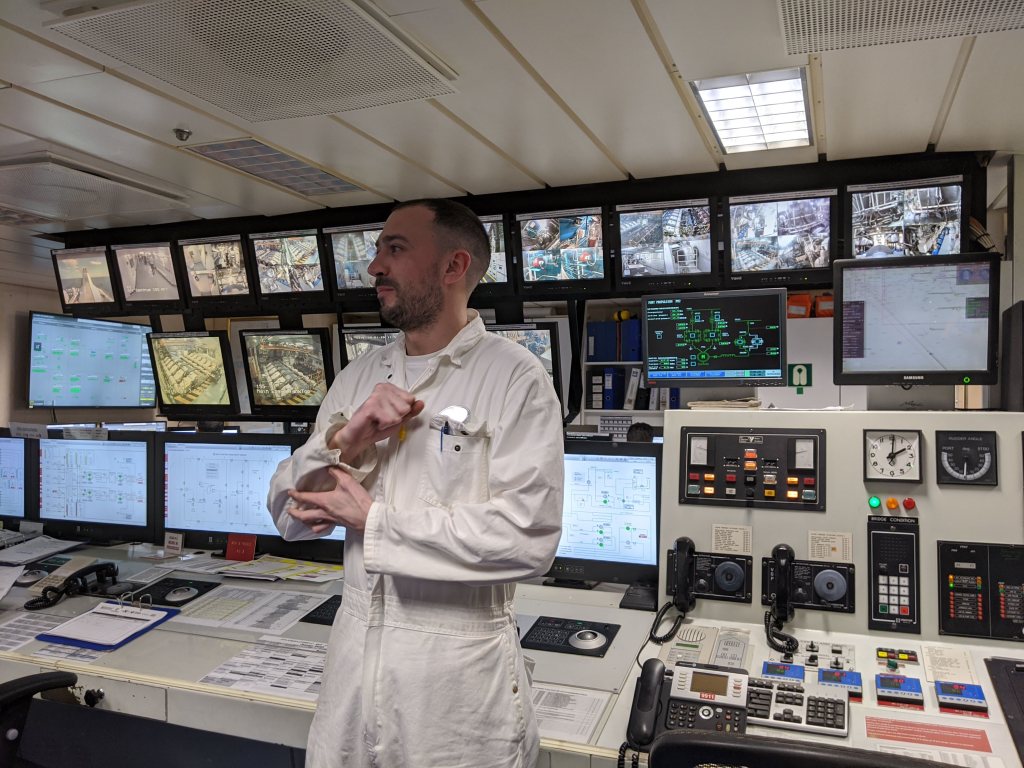
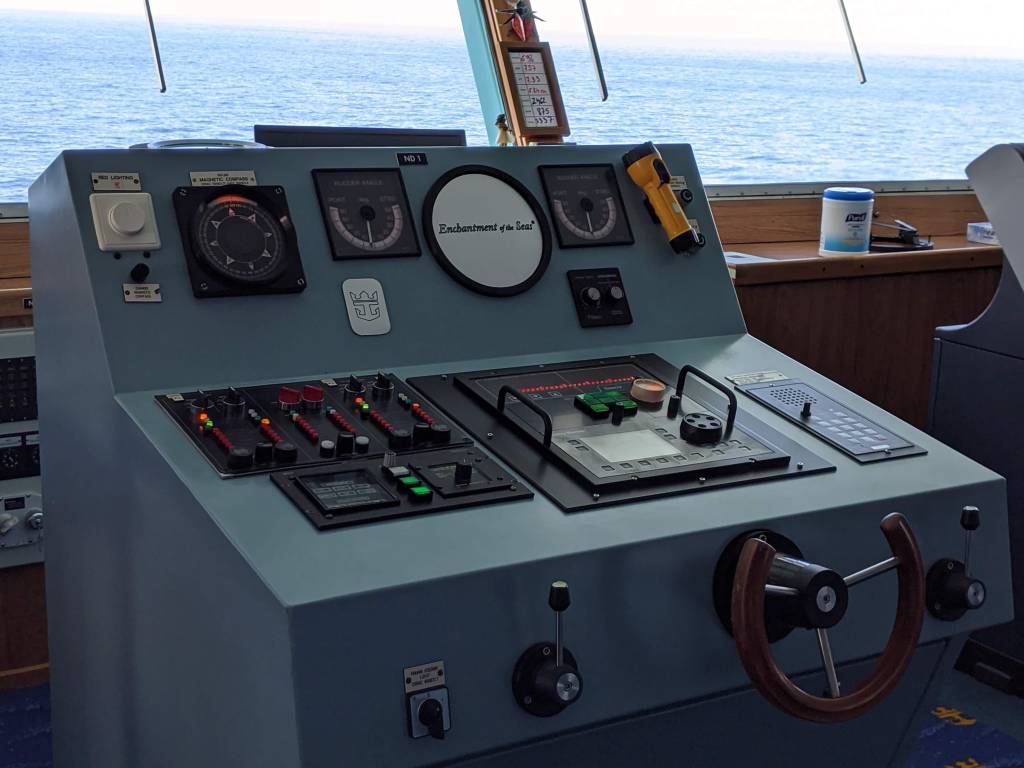
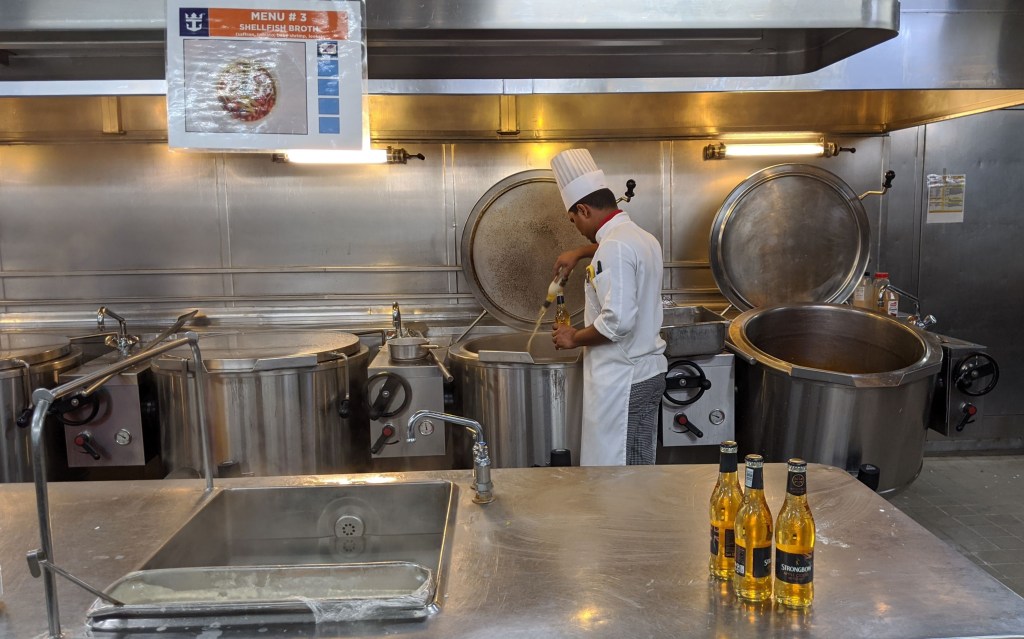
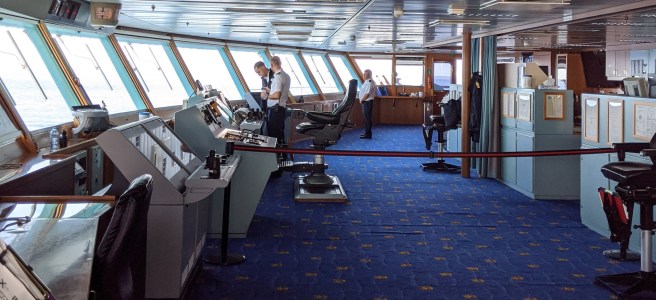
We were duly impressed with the high-tech engine control room, the procurement and storage areas, and the ship’s systems, including a busy laundry and highly-orchestrated kitchen. We visited the bridge, where ship’s officers on duty around the clock stand watch, monitoring the course as well as the weather.

The effort expended to make cruising an enjoyable experience for all passengers is truly impressive. Every aspect of cruise ship operation is superbly planned and executed, and it reinforces the value of this kind of vacation.

Looking to the future

Perhaps soon the temperatures will cease pingponging between seasonal norms and unwelcome cold. All too soon, I may once again complain about Texas heat and reset the air conditioning.

I have not forgotten the stories I promised to tell about our November trip to the Mediterranean and the Adriatic. I realized that the days have flown by when I looked over a post I began on December 1. We arrived home on Thanksgiving Day, and somewhere between the pumpkin pie and New Year’s Eve toasts, I got lost.

January passed all too quickly, as had December.

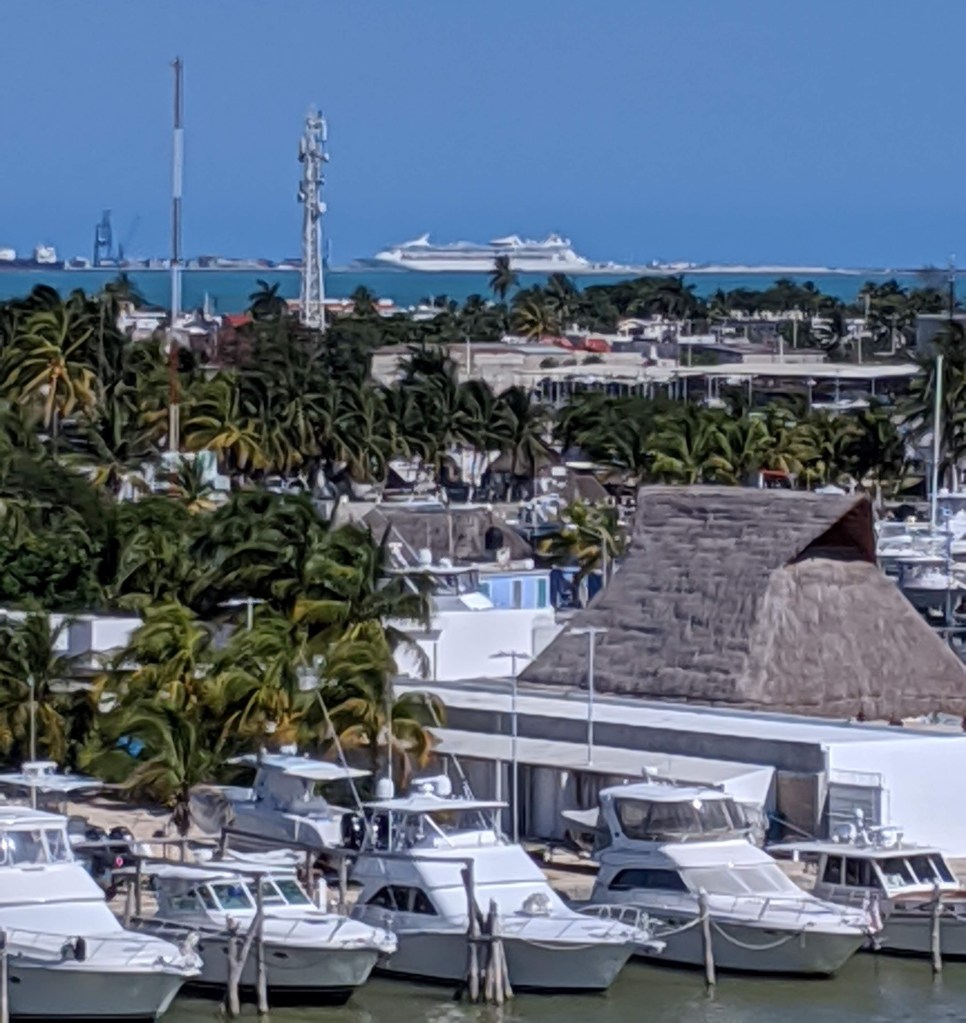
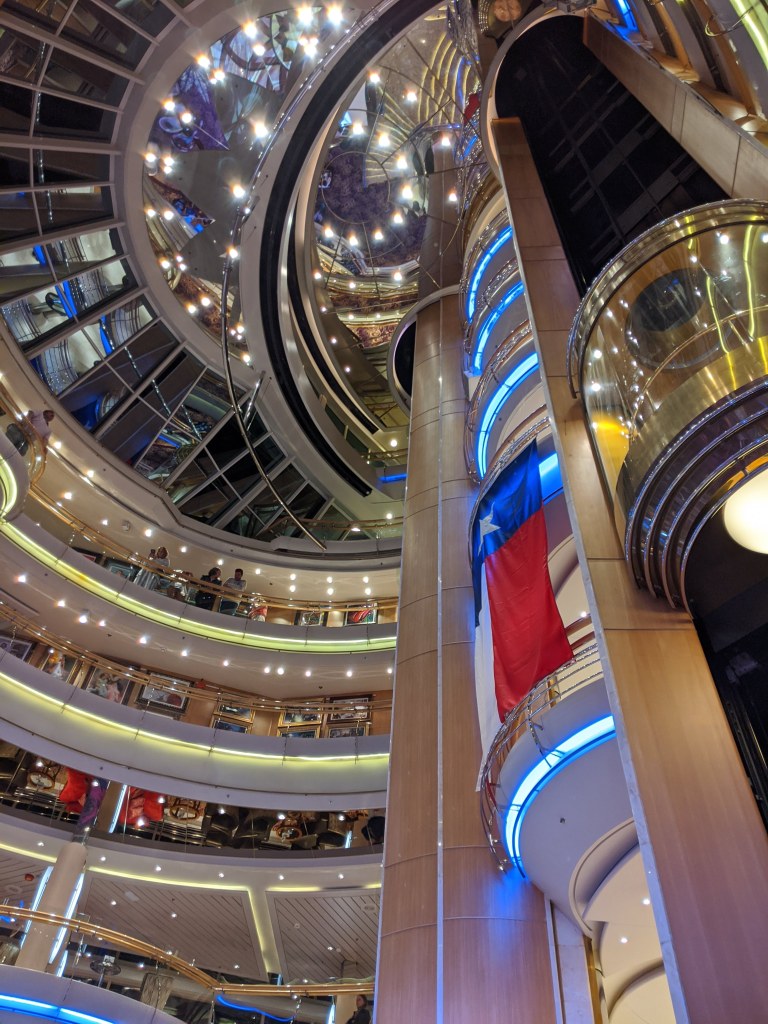
So, to whet the appetite for what is to come, I’ll just post a handful of photos from last week. And then I plan to get busy writing all those other stories, and looking forward to upcoming adventures.

Come along, won’t you? Follow me to receive email notifications of each new post, and visit me on Facebook and Instagram.

The gift of the unexpected

Call it grit. Call it fortitude. Call it experience, acceptance, resignation — any number of descriptive terms can be applied. The truth is that every one of them is appropriate.

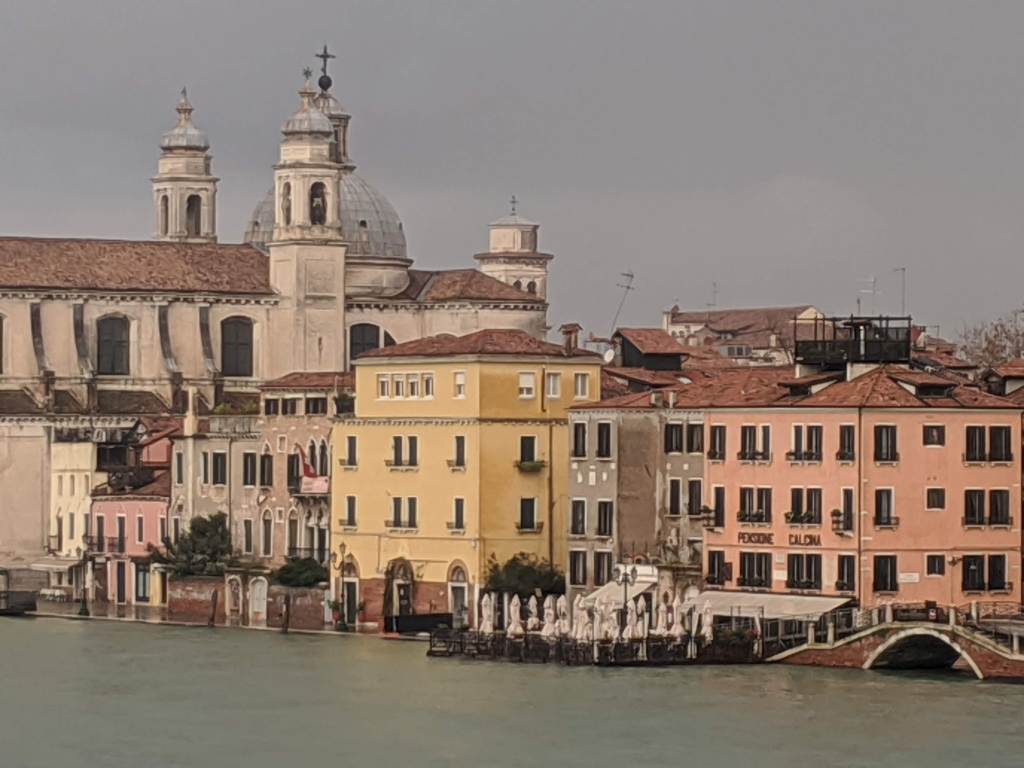
We were witness to the pluck and determination exhibited by Venetians during the recent record-setting rainfall, flooding and tides that washed over the lagoon and gained worldwide attention in late November.

Daily life and commerce were affected, to be sure. But daily life and commerce continued apace. Much seemed normal to a casual observer during a time when conditions were anything but normal.

Planes, trains and buses ran on time, waterbuses continued their scheduled routes, and other boats, including barges filled with building and clean-up materials, plied the canals, supplying goods and services to residents, hotels, restaurants and shops. Most gondolas and their gondoliers seemed at rest, waiting for sun and more forgiving water.

Portable boardwalks were repeatedy set up and subsequently removed along the busiest pedestrian thoroughfares. Christmas lights and decorations were much in evidence, and shoppers toted bags along with umbrellas, testimony that seasonal spirit and daily life intertwined.

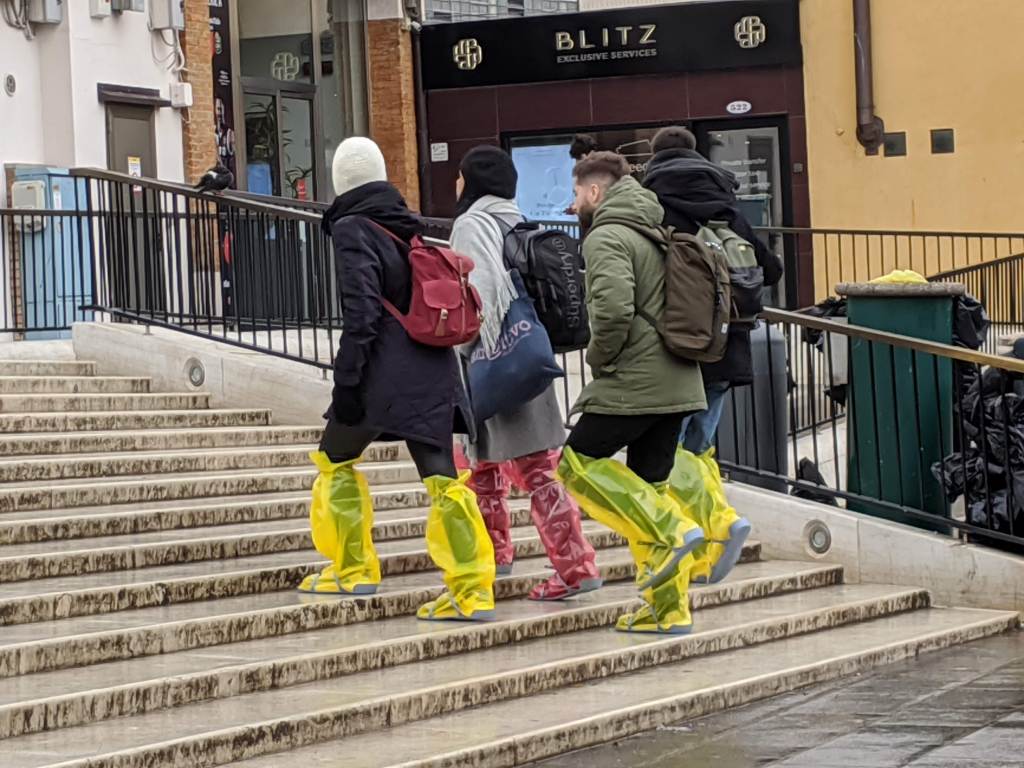
Venetians donned their “Wellies” and rain hats and went about their business. Shopkeepers placed heavy mats inside their doors. Tourists snapped up “fluorescent-colored “cellophane boots with no quibbling over the 10 euro price, pulling them on and wearing them with no embarrassment.

Venice has a full-time population of only slightly more than 50,000, but up to 30 million tourists visit annually. We purposely chose an end-of-season cruise, hoping to encounter fewer crowds at every port, especially in Venice. We succeeded, but the city was by no means deserted!

Through it all, there was a pervasive air of unexpected good humor.

Venice was the last planned port of our 12-day cruise itinerary. Until almost the last moment, we were uncertain whether the call in Venice, scheduled as a three-day visit, might be canceled. When the captain announced that the water levels were receding and lower tides were predicted, we all breathed a sigh of relief. Disappointment turned to anticipation, even as we were advised that although St. Mark’s Square had reopened, the renowned basilica would remain closed.

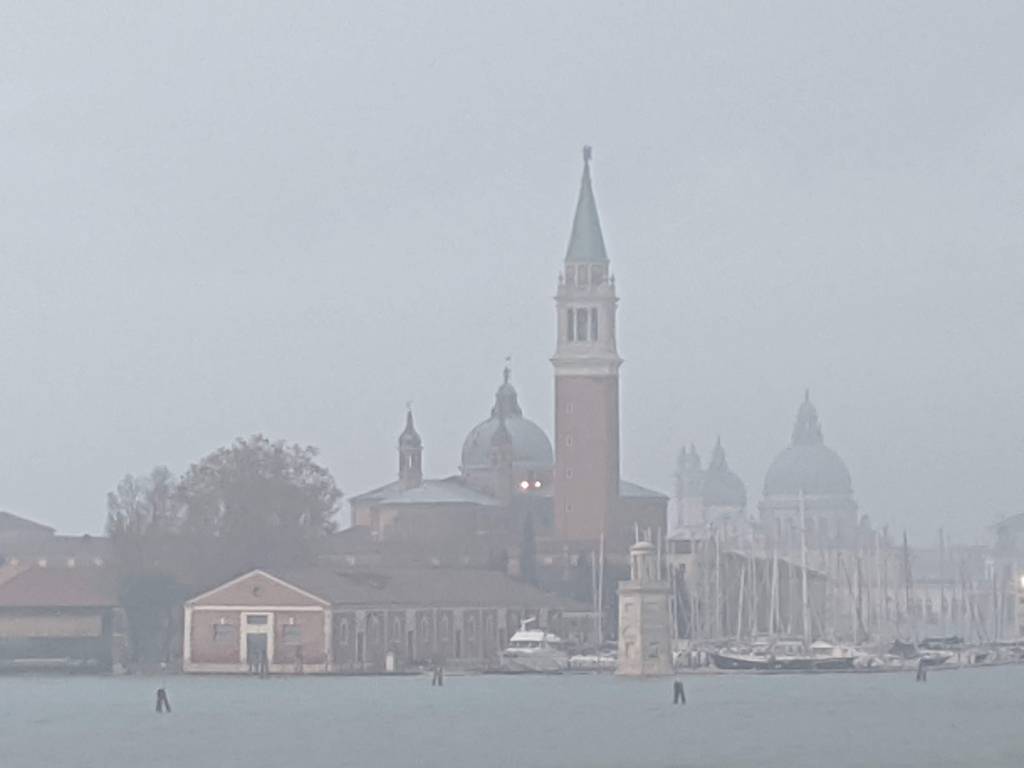
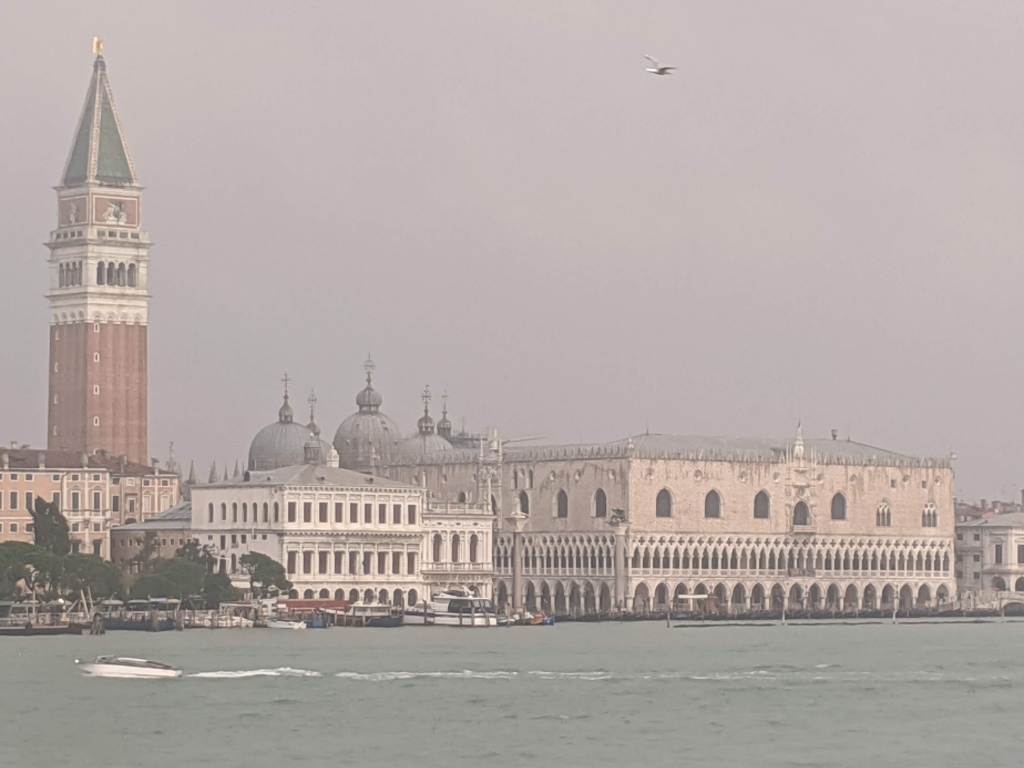
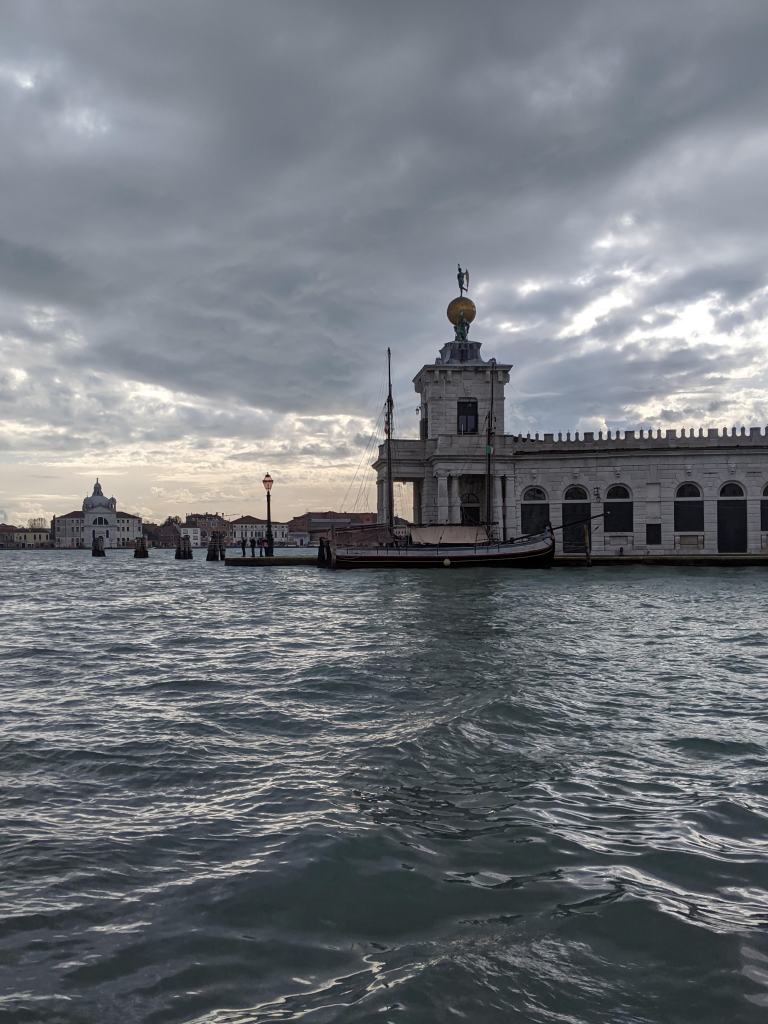
Our arrival in the city was delayed by morning fog, with canal-hugging buildings shrouded in mist as our ship slowly made its way to its designated dock. It made for mystical photo opportunities. Ship stewards passed coffee and pastries in the early dawn light to awed passengers pushing against deck rails even as the drizzle turned to pounding rainfall. The panoramic windows of interior lounges were equally crowded. The day dawned grey and chilly, but then a rainbow appeared. We had arrived in Venice.

Getting to the heart of Venice

From the port, the trip to the heart of the city involved a journey on foot to the modern tram known as the “People Mover.” Later we transferred to a waterbus where we joined other people — commuting businessmen, shopkeepers, local residents, office clerks, laborers, shoppers, students and visitors of many different nationalities — bound for stops accessible only by water.

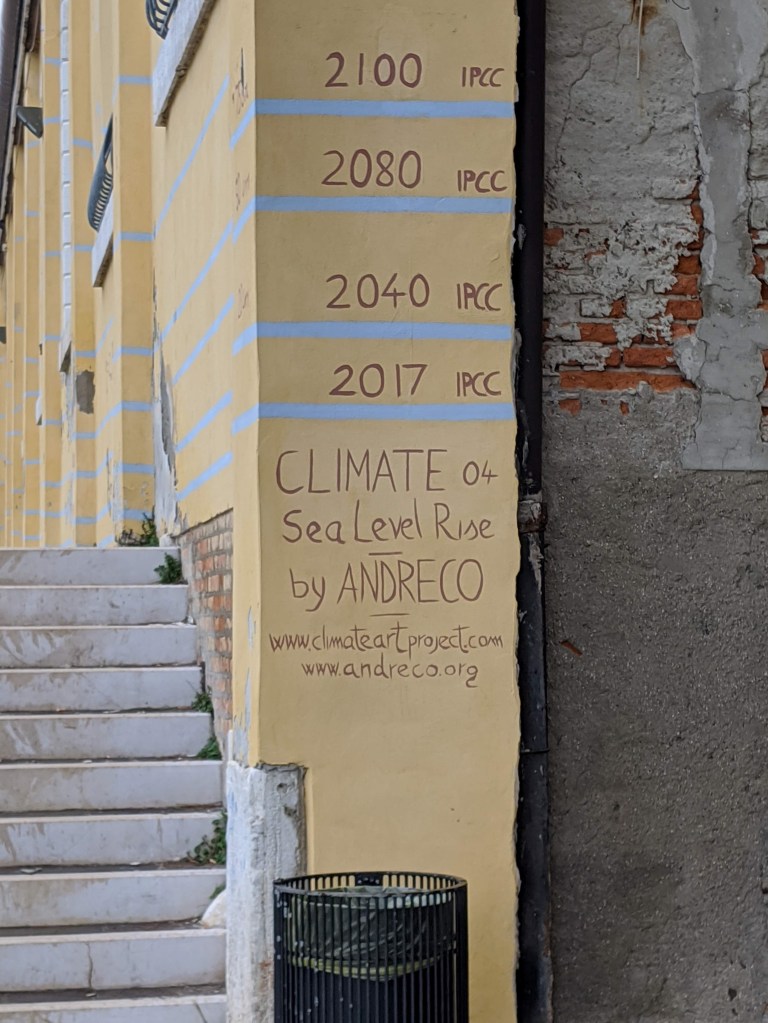
The journey was instructive. We were surprised at how high the water was, still lapping at building doorways and bridge foundations. We were astounded at the visible watermarks that confirmed how much higher it had been in recent days. We remarked on the efficiency of the still-operating pump systems that continued to drain standing water from lower levels of Venetian buildings. We arrived at San Marco station in light drizzle.

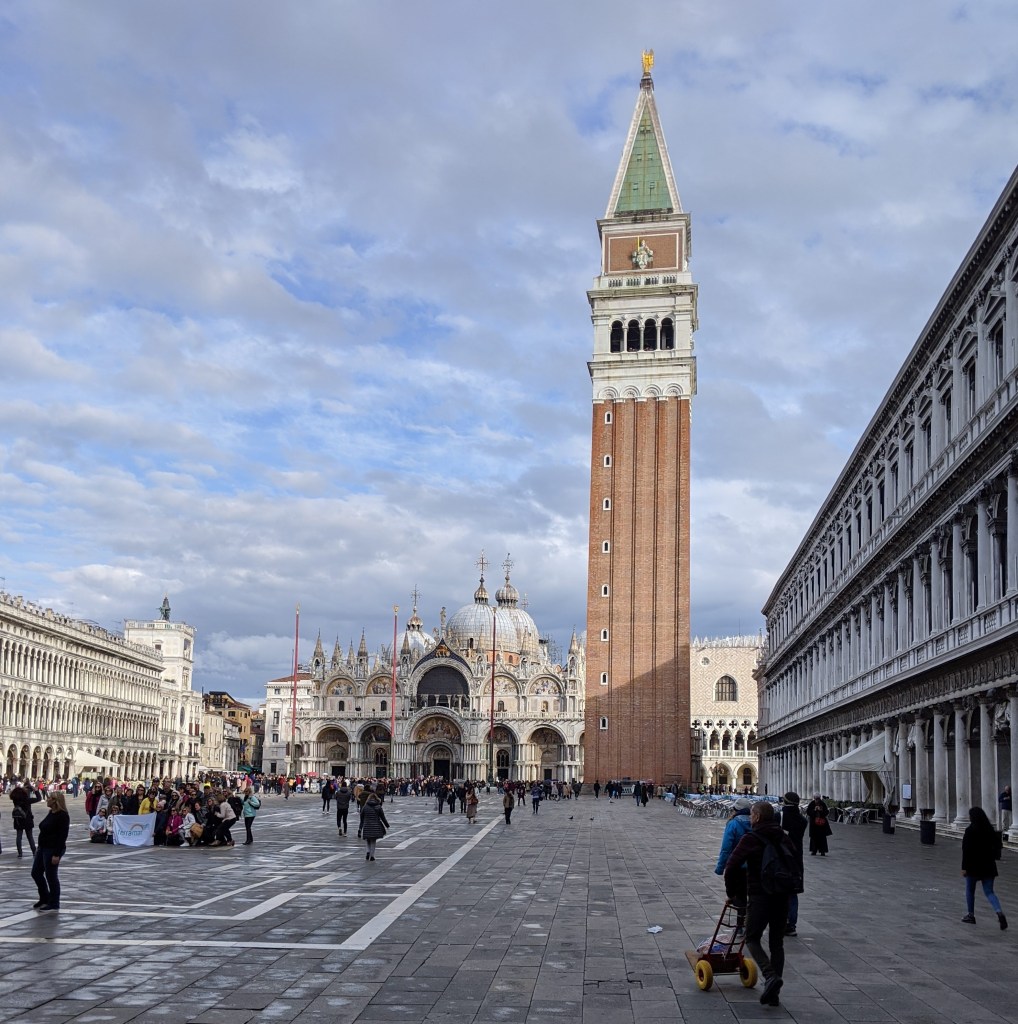
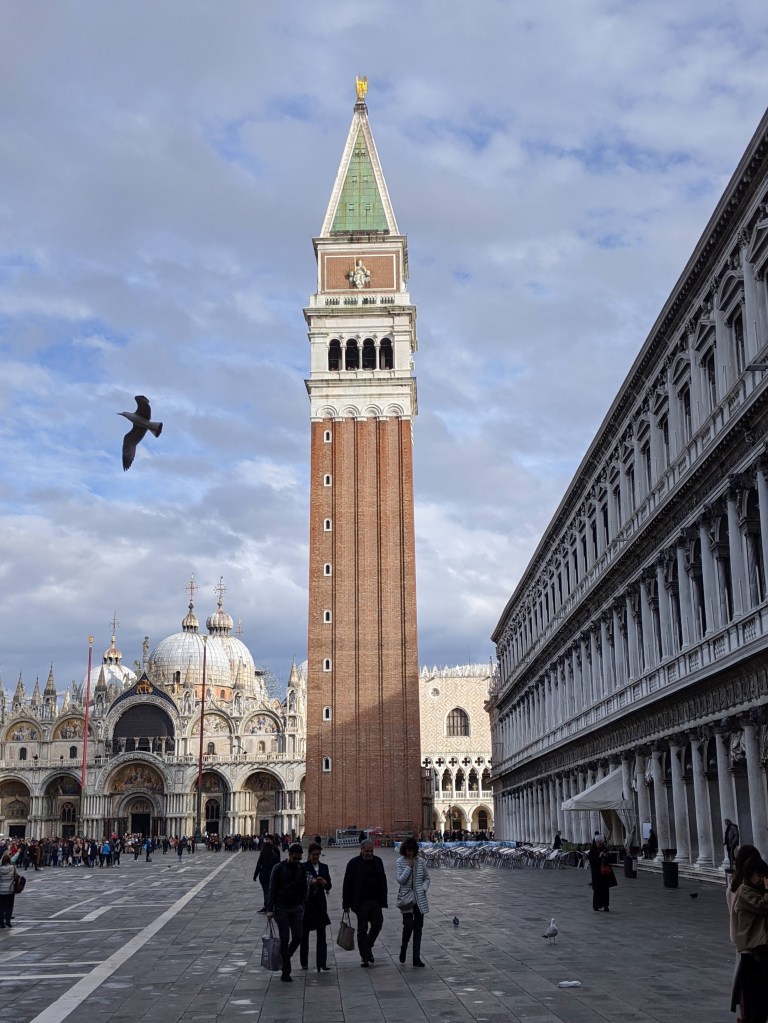
As it turned out, the sun emerged as we made our way to St. Mark’s square. This was my first trip to Venice. I was not prepared for the sensory overload of entering the square. Any description seems quite inadequate. I can only imagine how it must feel when crowded with tourists. I am so happy to have had the chance to see it in its stillness.

I was — I still am — spellbound.

Sign up to Follow Me and receive email notices of each new post.

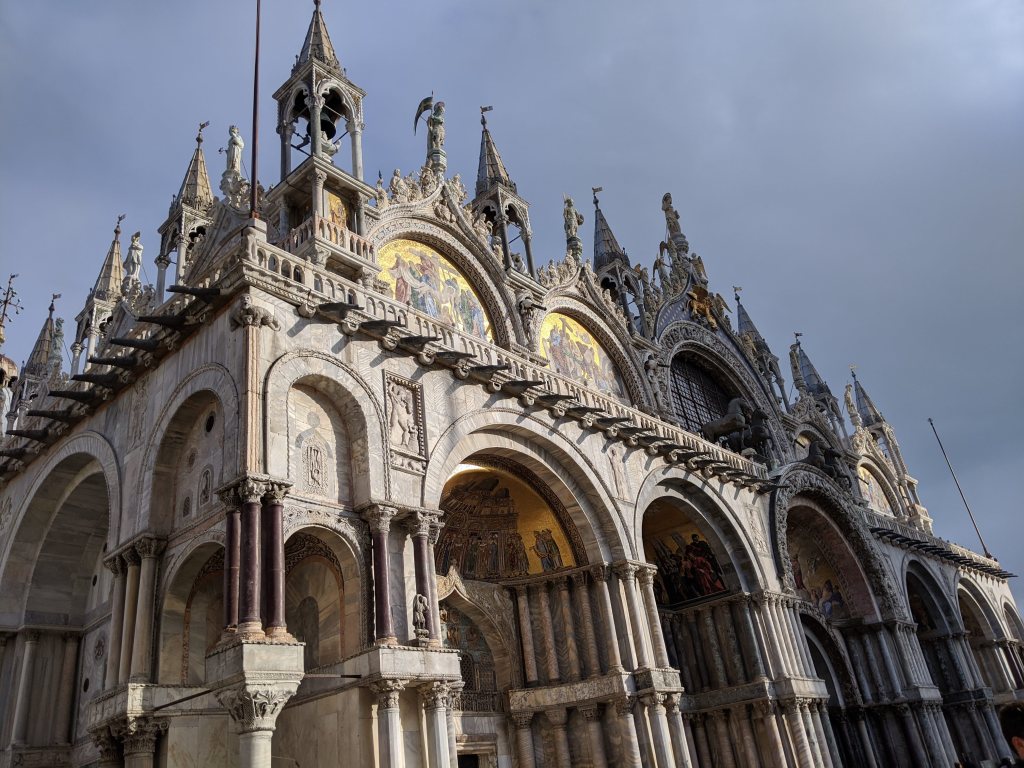
The Basilica defies description

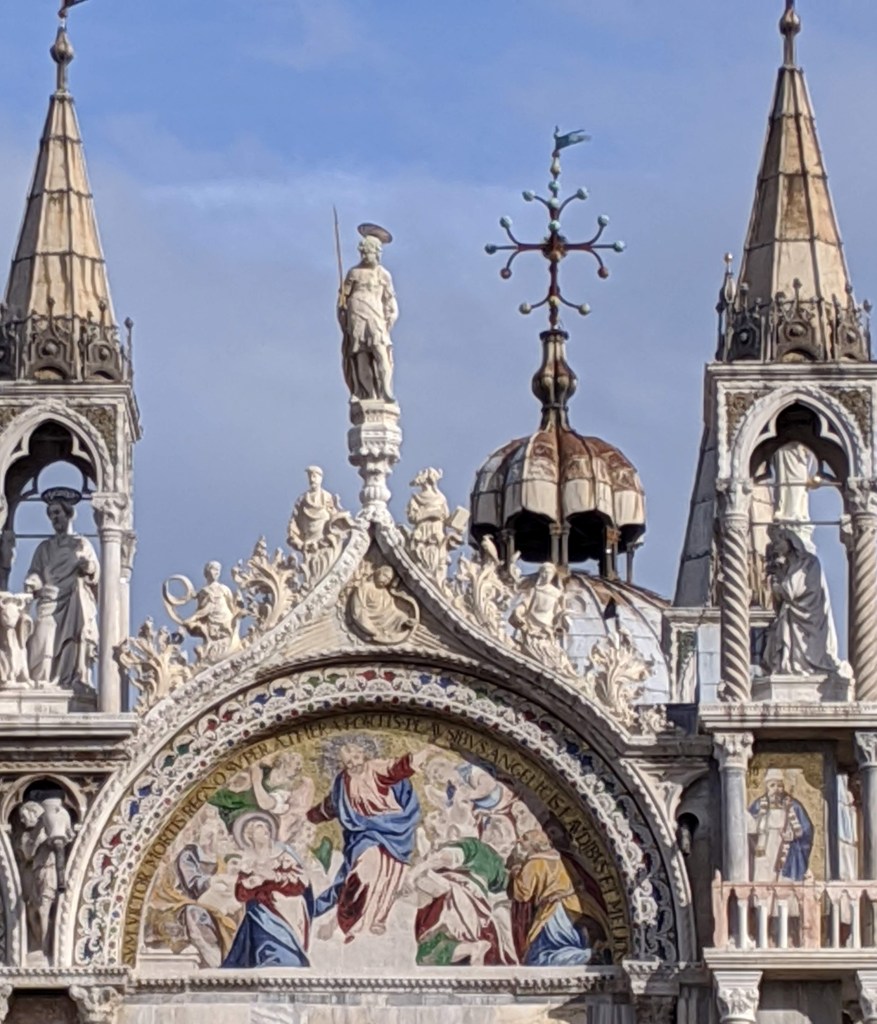
I don’t know how many photos I snapped. Everywhere I looked, from ground level to soaring roofs, held a view I wanted to remember. I stood in the center of this vast square and was completely captivated. I still have difficulty comprehending the size of the plaza, the opulence of each building’s architecture, and the magnificence of every vista.

And then, the final wonder of the day: Visitors were being welcomed into St. Mark’s Basilica. I am overwhelmed by my overwhelming emotional reaction. I honored the posted signs that prohibit photographs and videos of the interior, although I was sorely tempted to sneak at least one cell phone shot.

However, although many others did grab their shots, I hold only my vivid mind pictures of the mosaics, the glistening gold ceilings, the tapestries and the carvings. I also have a sense of how the musty, damp odor combined with the scent of candle wax to heighten the aura of sacred mystery. I am certain that this incredible structure will once again dry out, continuing to inspire future generations of faithful worshippers and curious visitors.

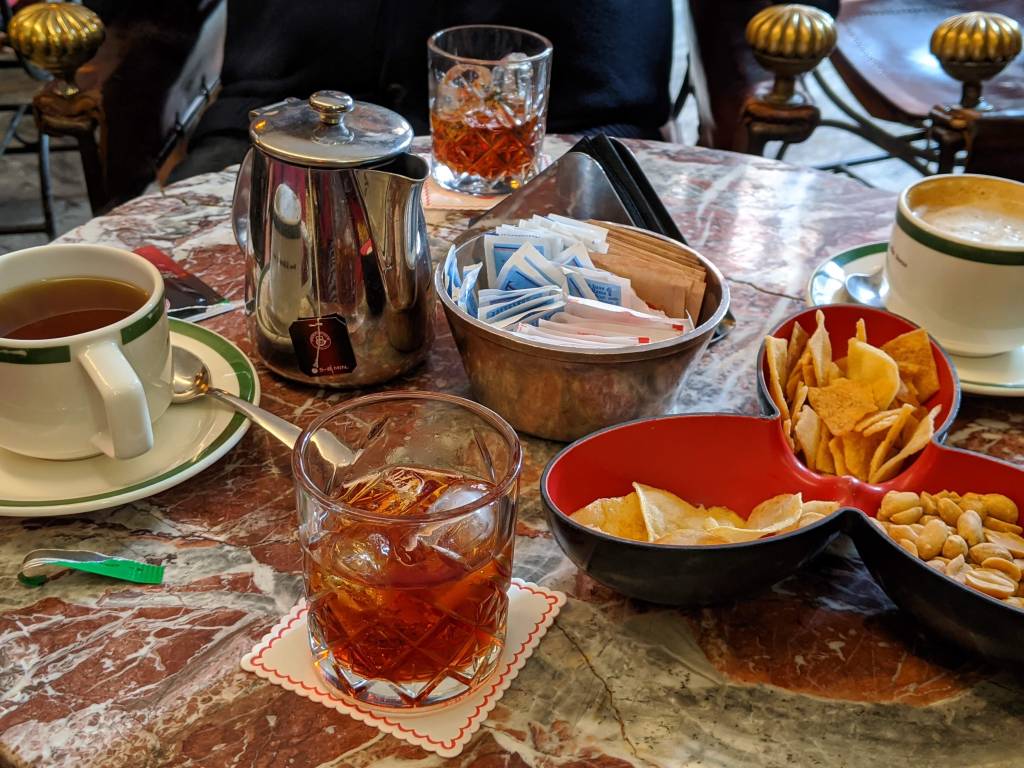
We wandered along the city’s uneven paving stones for a time, stopping for a late lunch at an inviting restaurant. Then, in the late afternoon, we found our way back to our starting point, boarded a waterbus, and settled in with Venetian commuters for a winding canal journey to Plaza Roma. We transferred once again to the train for a quick ride back to the port and our waiting cruise ship, our floating “hotel.”

My husband and I would disembark the next day. Our plans called for us to pick up a rental car and spend a few days exploring Croatia, before returning to Venice.

The introduction to Venice was not at all what we had expected. It was more than we had hoped.

Surprises in the off-season

The experience was reminiscent of our trip to France in late January and early February of 2018. That year we flew into Paris at a time when the Seine was flooded, and departed two weeks later with snow blanketing the city after a paralyzing blizzard. It was a memorable time, for some of the same reasons.

Paris and Venice. Though distinctly different, both cities boast an abundance of architecture, art, history, culture, food and drink — enough to satisfy the appetite of any traveler. But to experience the cadence of life during imperfect times is an opportunity that not every visitor receives. My husband and I treasure that gift.

Coming posts and photos will chronicle our all-too-short visit to Croatia, as well as the “small-ship experience” aboard Pacific Princess, and our impressions of other ports along the Mediterranean and Adriatic coasts.

Please join me for the journey.

After the storm . . .

Our Boater’s Diary, dated Sunday, April 12, 2009, contains the following entry:

We did 512 [nautical] miles in the Abacos from the time we left here — quite something! We’re back where we started one month and two days ago — oh, the stories we can tell.

The “here” in that entry was Old Bahama Bay Marina, West End, Grand Bahama Island, then a frequent first stop for Bahamas-bound boaters. Our journey had begun in Palm Beach on March 10, as we set a course east across the Gulf Stream at 7:30 a.m. and left the beachfront high-rise condos of Palm Beach behind. We arrived a little after 3 p.m., and our adventure in a completely different world began.

It has been more than a decade now since my husband and I cruised the northern waters of the Bahamas. Our history with the island chain extends back further than that, however, and our memory bank is full of the good times we had, the places we traveled, the people we met.

And then Dorian pummeled those places that we enjoyed so much and remember so well.
I cannot even imagine the force, power, and destructive energy that accompany a Cat 5 hurricane. We were there during some heavy rainstorms; we weathered some rough seas, with stronger winds than were really comfortable, even on a sturdy motoryacht. But never did we face hurricane force gusts; no storms pounded us with heavy rain for more than 30 hours without a break, nor did we encounter flooding.

I have never personally experienced a major disaster, natural or otherwise. But over the course of many years spent on the water, in vessels small and large, I have seen weather in many forms, and I know how quickly conditions can change. I have known fear, and weathered unexpected squalls with high winds, rough seas and accompanying discomfort. But I have never experienced raw terror.

The sparsely populated, small northern islands of the Bahamas are isolated and uniquely beautiful. Surrounding seas have unpredictable currents, and are generally shallow. Boaters must be diligent when plotting courses, selecting anchorages, and navigating shoals. And then there is the weather. Squalls form quickly in the islands. Typically, they pass quickly as well, but not always.

And, sadly, islands have distinct limitations for leaving quickly when weather conditions turn threatening.

Today, hearing the names of the cities and towns, cays and harbors that have been largely destroyed brings tears: Green Turtle Cay, Treasure Cay, Great Guana Cay, Baker’s Bay, Hope Town, Marsh Harbour, Freeport, West End. And then there are the outlying islands whose names I did not note in the log. Which, if any, of those have survived unchanged?

The wonder of it all is that other islands of the chain suffered minimal damage. Nassau, the capital and currently the staging center for evacuation, damage assessment and recovery efforts, was spared the brunt of the storm. The world is responding to the need for assistance.

Chef Jose Andres has set up shop in Nassau to prepare meals needed by survivors and rescuers. As we have witnessed following other natural disasters, generosity is once again apparent], with private vessels, individuals, governmental agencies, and non-profits all offering aid in diverse forms and limitless amounts.

The U.S. Coast Guard, as always, is on the scene, and major cruise lines have pledged not only money, but ships and crew to help deliver relief supplies, food and medical necessities.

As news photos of the destruction become available, I cannot help but review some of my pictures of the time we spent cruising those waters. The sadness grows as I realize that my images reflect a time that may never come again. But, Bahamian citizens are strong and resilient and I am certain that, in time, the cities and towns will be rebuilt. I look forward to the time when, once again, marinas will be filled with private vessels and smiling people enjoying life and good times in one of the most beautiful places on earth.

In the meantime, donations to agencies offering aid are welcomed.

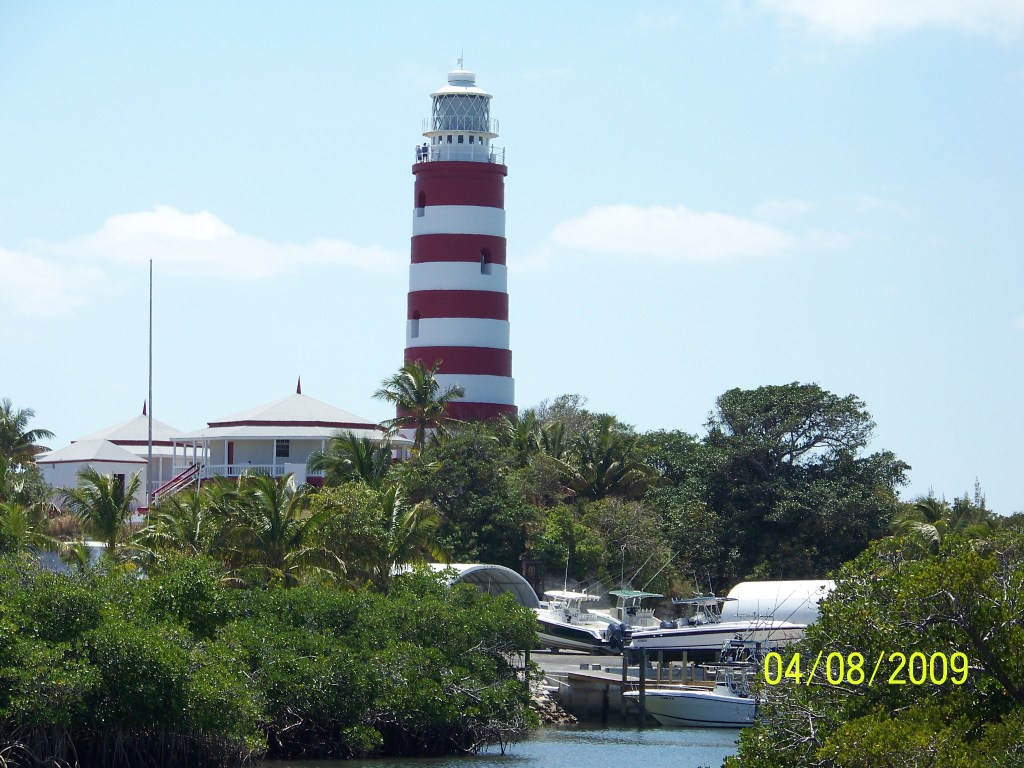
I understand the sun is shining once again in Marsh Harbour on Great Abaco Island, and that tiny Hope Town once again may live up to its name. I have not learned the fate of the red and white lighthouse that has stood there since 1862, one of the last kerosene-fueled, manually-operated navigational lighthouses in the world. I climbed to the top of it 10 years ago and savored the view surrounding Elbow Cay. I hope it will still be there if, and when, I am lucky enough to return.

Prime Minister Hubert Minnis expects the death toll to rise over the coming days, and notes that up to 60 percent of the homes in Marsh Harbour, the largest city in the area, have been destroyed. Airports are unusable and life will not return to “normal” for a long while, if ever.

And now, the massive, slow-moving hurricane has turned toward the Outer Banks along the eastern shore of the United States. We can only hope that residents heeded the calls to evacuate and that damage will not be as extensive as currently feared.

Just as a postscript, our return to Florida 10 years ago was delayed for three full days because of stormy weather. We were relatively comfortable at Old Bahama Bay Marina, surrounded by other mariners who also longed to set sail for other places. Finally, on April 15, we did just that. On the crossing, we were boarded by the U.S. Coast Guard; but that’s another story entirely.

The log notes:

“It was quite a crossing. After last night’s storm, it was a bit nervewrackng to check the weather forecast this morning and find that the prediction was for stronger winds from a different direction and more chop than we would have liked. But the weather is supposed to deteriorate again for the next several days, so we are taking our ‘window’ and leaving — as are most other boats, whether they’re heading east or west. We made the cabin secure and watched the power boat ahead of us bob and sway — and we followed.”

Our journey back to Florida spanned eight full hours, until we dropped anchor in the calm waters of Manatee Pocket in Stuart.

We remember it well.

Excursions to the ends of the earth . . .

There is something infinitely exciting — energizing and dream-worthy — about standing on those spots that have been associated with the ends of the known world, the jumping off places for exploration, or the remote repositories of forgotten knowledge.

There are enough of those sites on our globe to satisfy even the most inveterate traveler; I confess that I harbor a penchant for visiting those spots. I especially like standing by the sea and looking into the distance, imagining what it must have been like to step into a journey beyond the boundaries of existing knowledge.

Finding the faraway

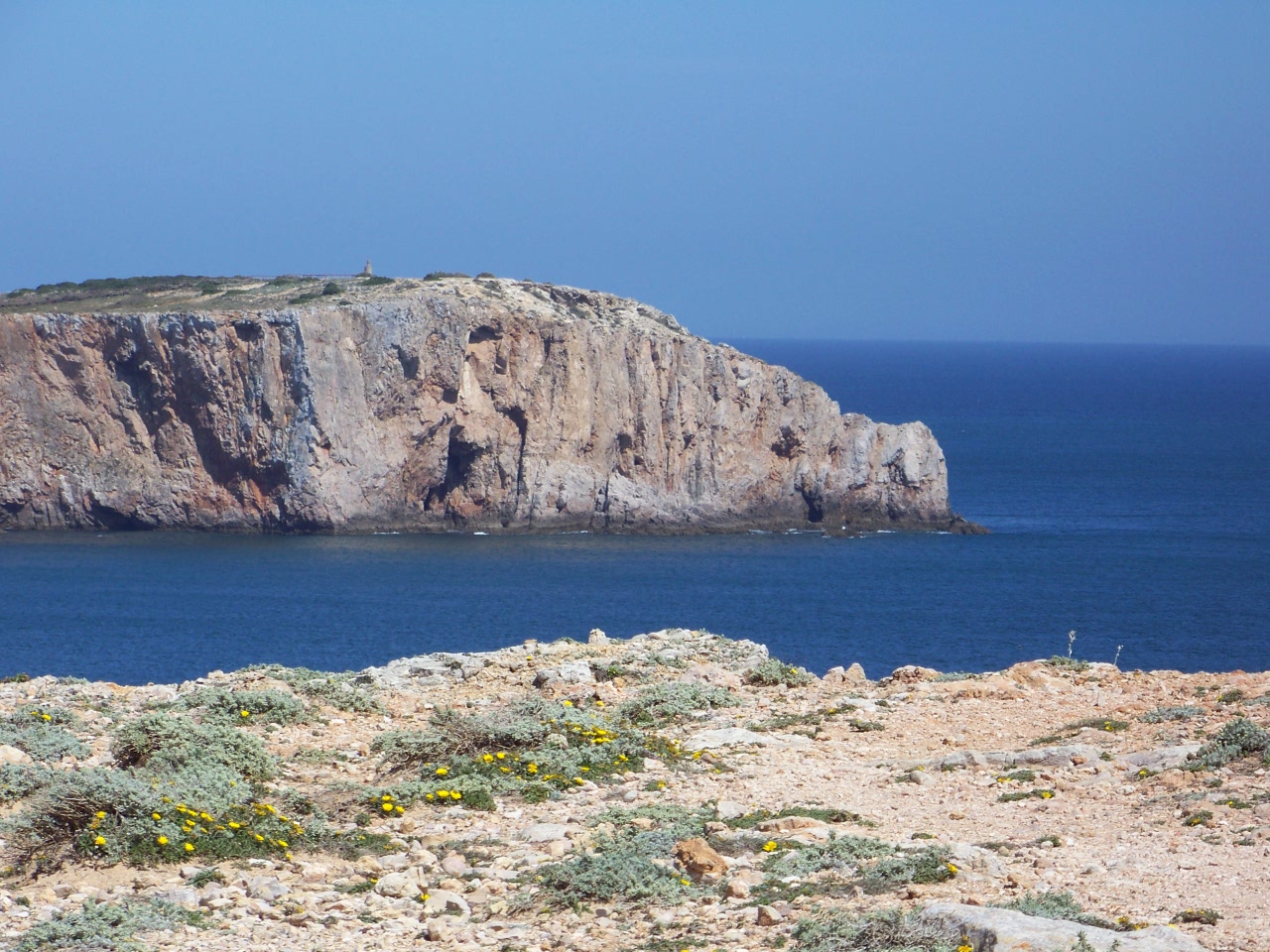
It was with that in mind that our group set off from our rental villa in Albufeira, Portugal, to visit the small town of Sagres. Located at the very tip of the Iberian peninsula, Sagres is a storied gateway to the beyond. Once home to a school run by Prince Henry the Navigator, a lighthouse now operates on a nearby point that is the most southwestern tip of land in all of Europe. In Prince Henry’s day, the navigational guiding light was still far in the future; at the time, there was a Franciscan monastery.

It’s my my kind of place, and I can imagine all the voyages, and voyagers, who have passed by over the centuries. As the waves of the Atlantic far below pound the cliffs, I thought of the dreams those early explorers must have held, and the motivation that propelled them to sail on.

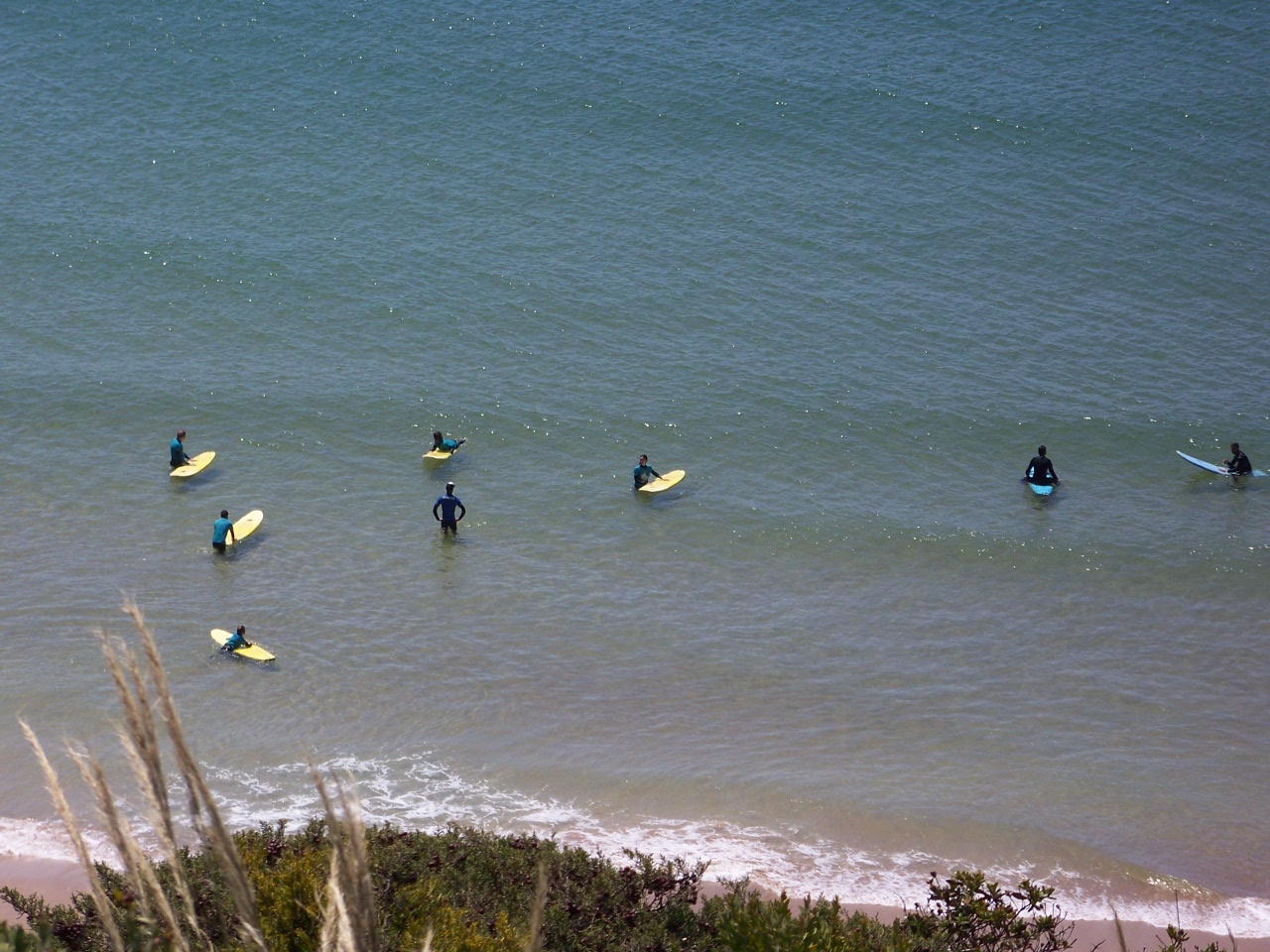
The drive from Sagres to the lighthouse is a short one, and there are throngs of visitors, even on windy days. Enthusiastic, able-bodied adventurers make their way to the bottom of 60-foot cliffs to surf the crashing waves. There is little else to see, except for the crumbling walls of a long-abandoned fortification. Near the lighthouse, souvenir sellers set up temporary booths to hawk key chains, postcards, t-shirts, pottery, bottle stoppers, sweaters, baseball caps and assorted “end of the earth” souvenirs. It’s quite a spectacle.

Cabo Sao Vicente

As the travel brochures attest, the spit of land where the lighthouse sits is wild and windswept, and high above the sea. Views are mesmerizing. Built in 1846 on the lonely promontory, it is said that the light itself can be seen from approximately 50 kilometers out to sea. Today, it is automated, and the beacon still guides commercial tankers, shipping vessels, cruise ships and fishermen arriving from far away, those who travel the coastline of Europe and Africa, and those bound for Gibraltar and the Mediterranean. The former monastery was badly damaged by earthquake in 1755 and never rebuilt.

It was chilly and breezy the day we visited, but we gazed in every direction out to sea, before taking our leave. Somehow, it felt as if we had actually arrived at one end of the world!

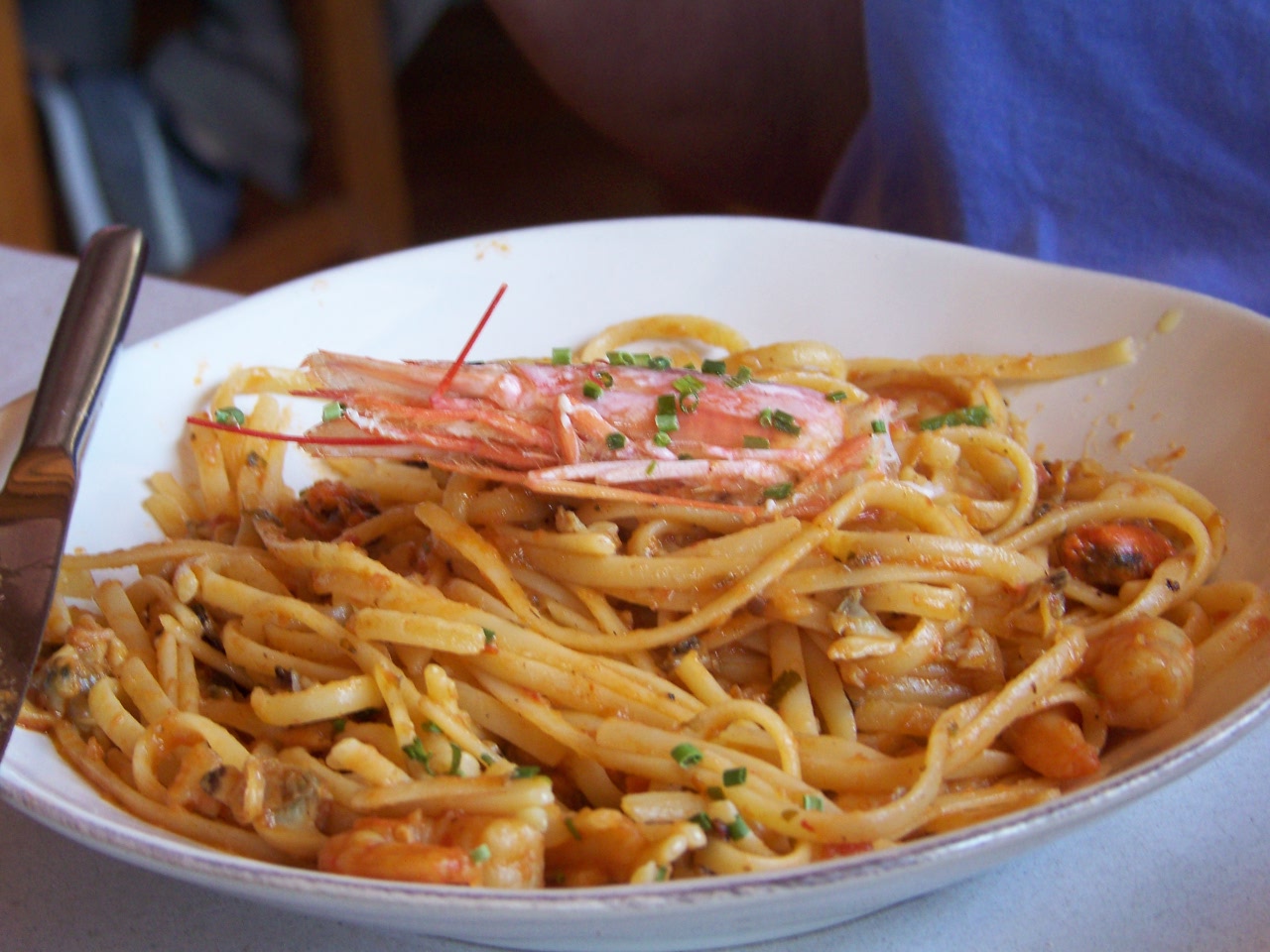
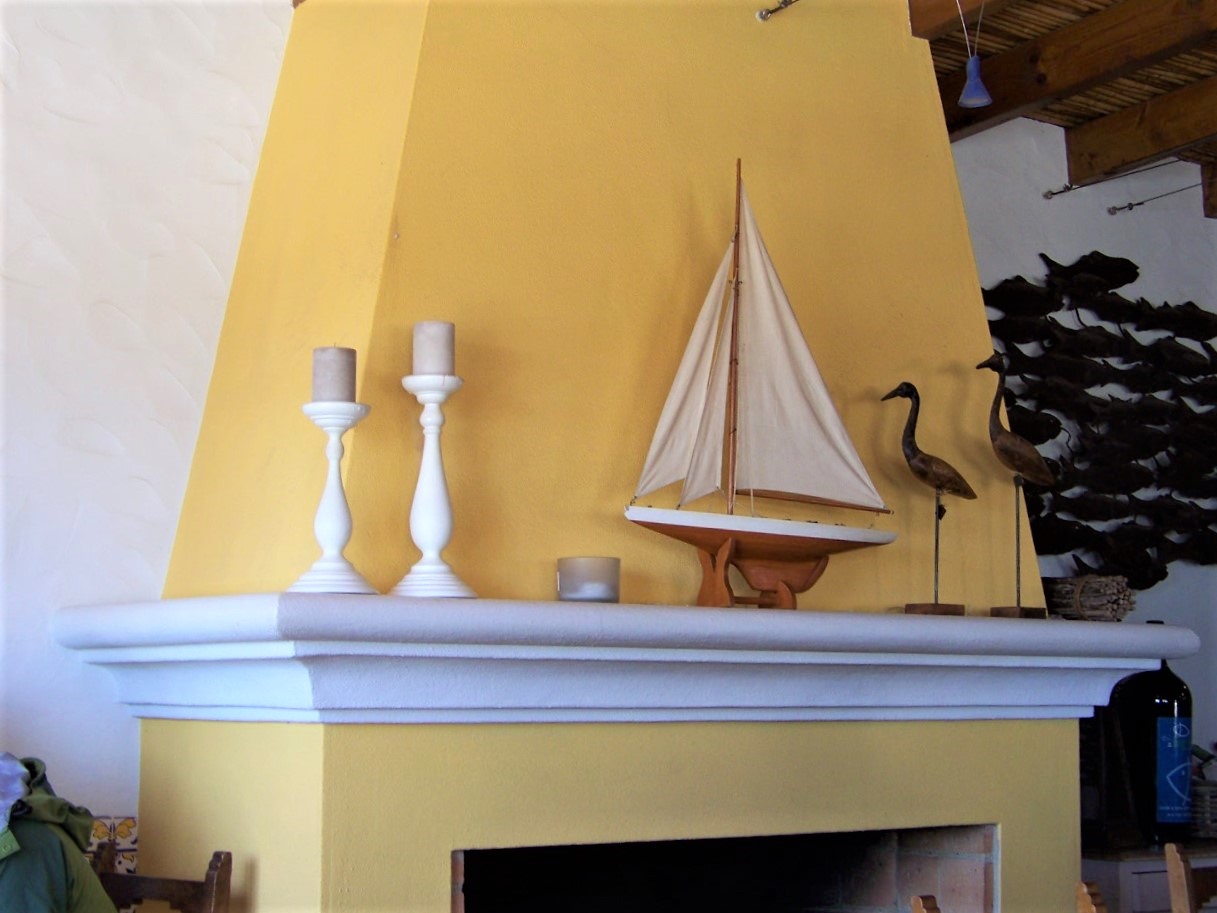
Back in Sagres at midday, our hunger demanded that we seek out a local eatery. Once again, as always in Portugal, we were in no way disappointed by our choice! ASagres Restaurante offered just the right kind of welcome, with a casual ambience, smiling proprietors, delicious food and a friendly mix of locals and tourists. We sampled local wines, filled up on fresh-caught seafood, and had a wonderful time, perfectly happy to let lunch go on for hours!

Afterward, we wandered the small town for a bit, before heading back to our temporary home base in Albufeira.

Cabo da Roca

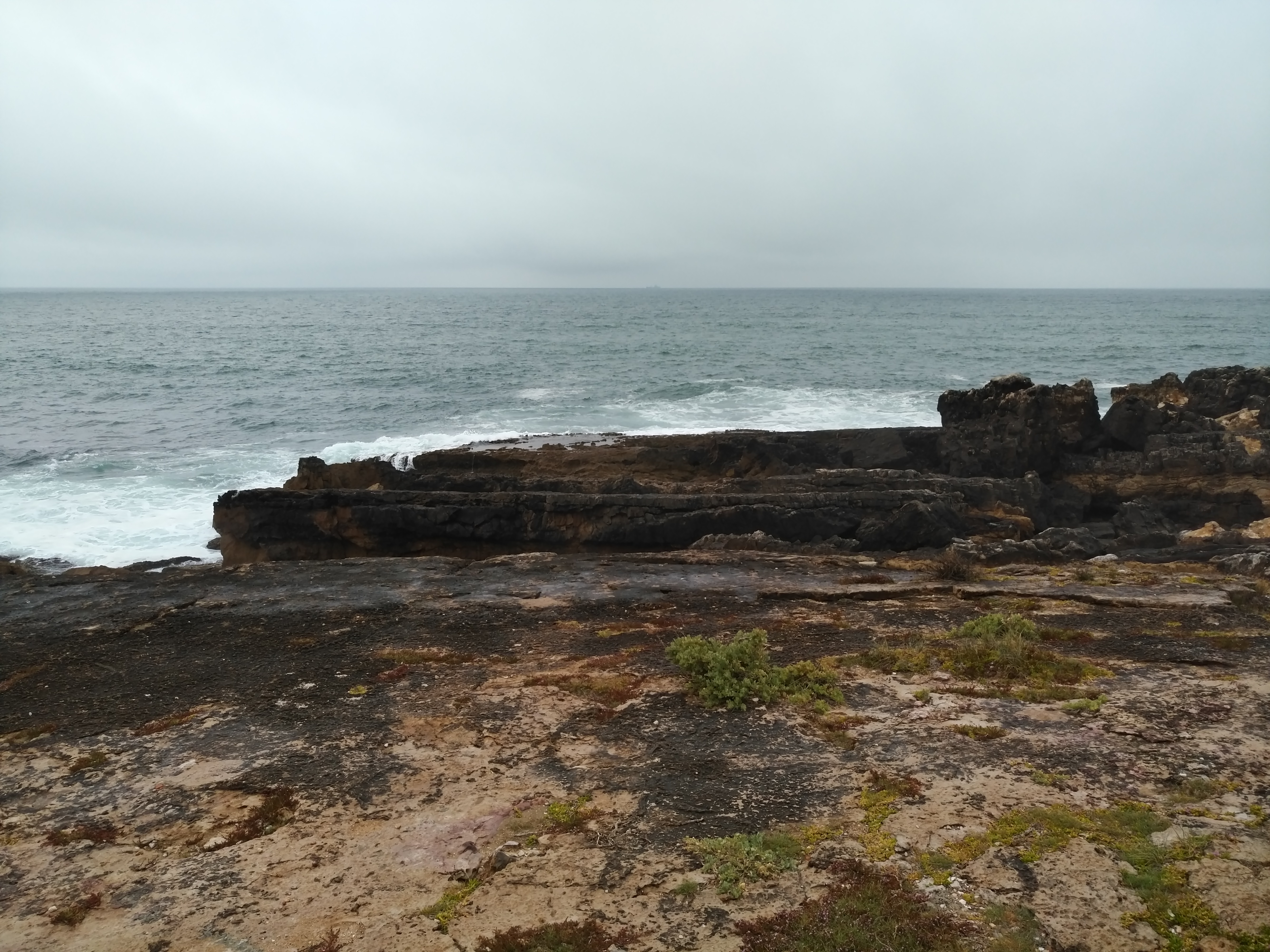
Later in our journey, and further north in Portugal, west of Lisbon, we had another occasion to venture out from Cascais to a different edge-of-the-world location. We went with the intent of visiting Cabo da Roca, the westernmost point of continental Europe. Unfortunately, the day was cool and drizzly. By the time we made our way along the narrow, winding coastal road, the fog was so thick we could barely see 20 feet in front of our vehicle.

We did see the sign pointing to the lighthouse and the Cape, but because we were unfamiliar with the road, and because we knew the point lay on another high headland above the sea, we decided to forego that particular adventure. Instead, once again, we were drawn to a tempting small cafe situated right on the highway. Again, we made a fortuitous choice. At 3 Gomes Restaurante, we enjoyed a longer-than-planned lunch, warmed by a blazing fire and a roomful of people enjoying good times and good food together.

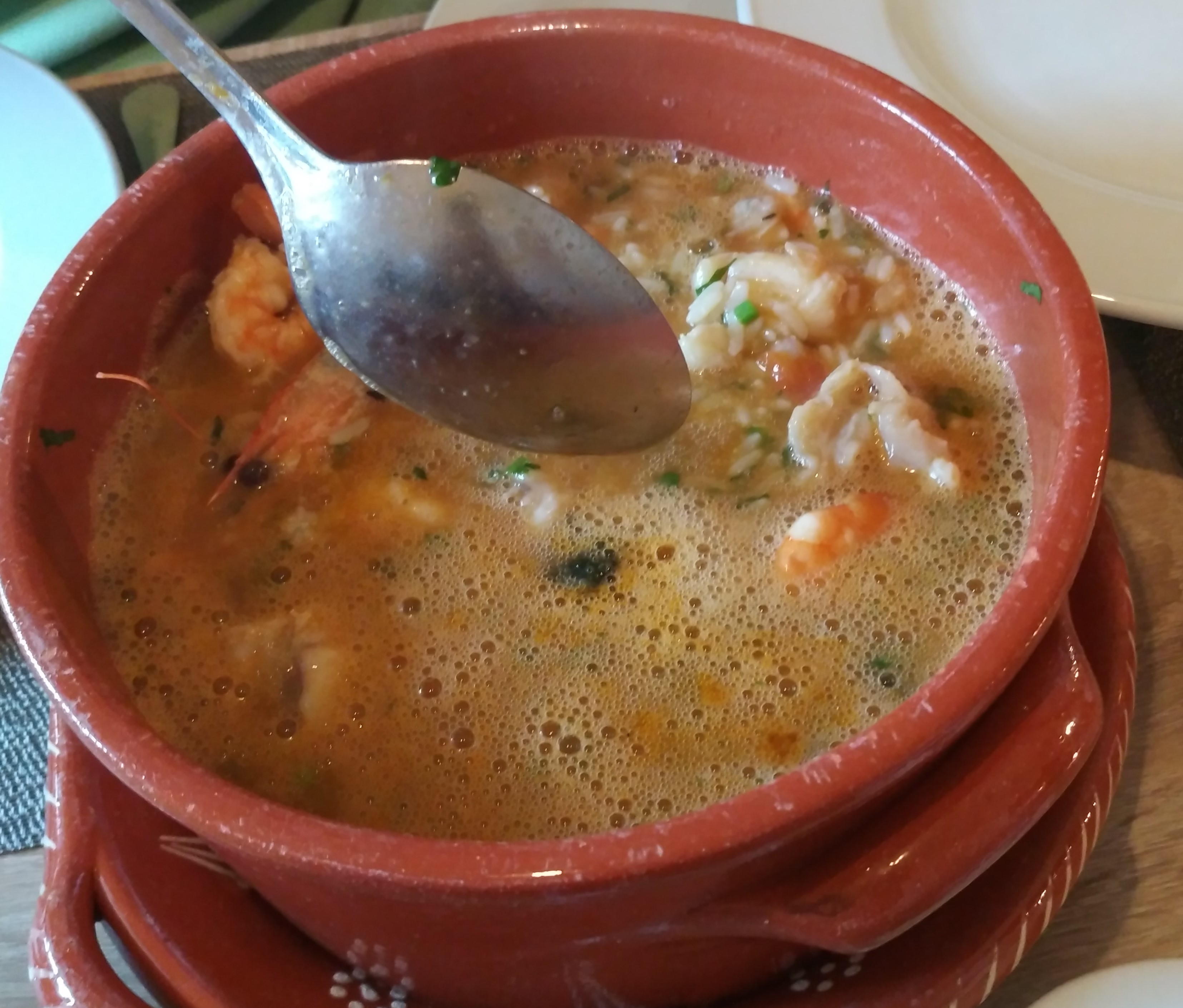
Often, it’s the unexpected choices that are, by far, the most memorable. I had a chance to sample fresh-caught octopus, and traded bites for samples of the grilled lamb and seafood stew that my traveling companions had ordered. It was actually another perfect day, despite the fog. And it was another time we felt no need for dinner!

Portugal: Uniquely artistic

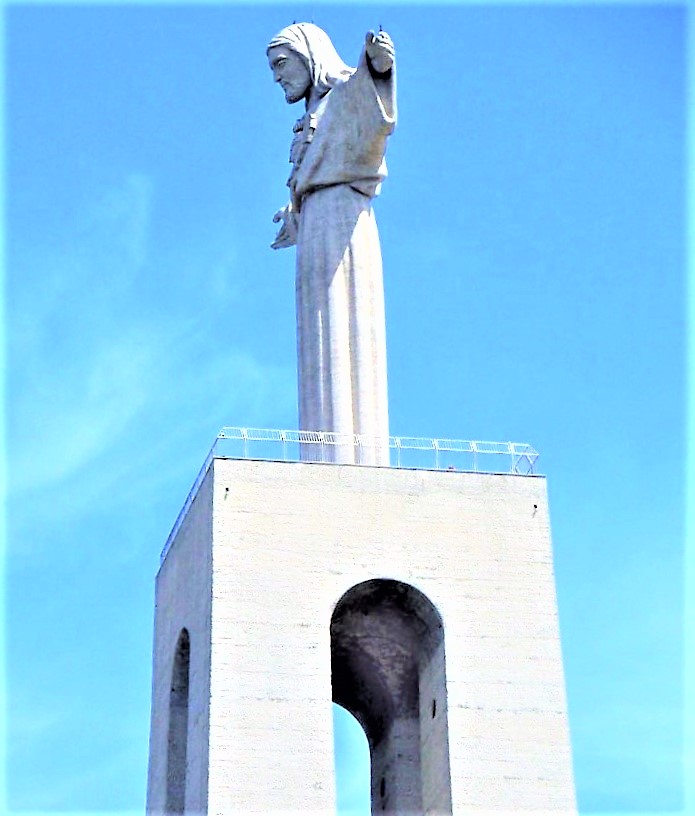
Lisbon’s enormous statue of Christ, standing 18 meters tall atop a square base that soars to a height of 82 meters, is impressive from the air. With arms outstretched toward the city, the figure stands adjacent to the beautiful red suspension bridge that spans the River Tagus.

100_2563 (3)

The National Sanctuary of Christ the King took more than a decade to build, and was initially dedicated in May 1959, although it was first conceived in 1940 as a supplication to keep the country out of World War II. Inspired by the similar Christ the Redeemer Statue in Rio de Janeiro, Brazil, the shrine was completed following the war to express Portugal’s gratitude at being spared the devastation that war brought to other countries.

On the shrine’s 25th anniversary, the first of two chapels housed within its base was dedicated. Since the beginning of the 21st Century, restoration and additional improvements have been made, and a second chapel was dedicated in 2008. From the viewing platform at the base of the statue, visitors get a panoramic view of the city and surrounding countryside.

100_3366 (4)

Flying into the city on a clear day, I was awed to immediately recognize it as our plane made a turn over the river, bringing both the statue and the bridge into clear focus. But the modernist concrete statue looms even larger as one traverses the river by car.

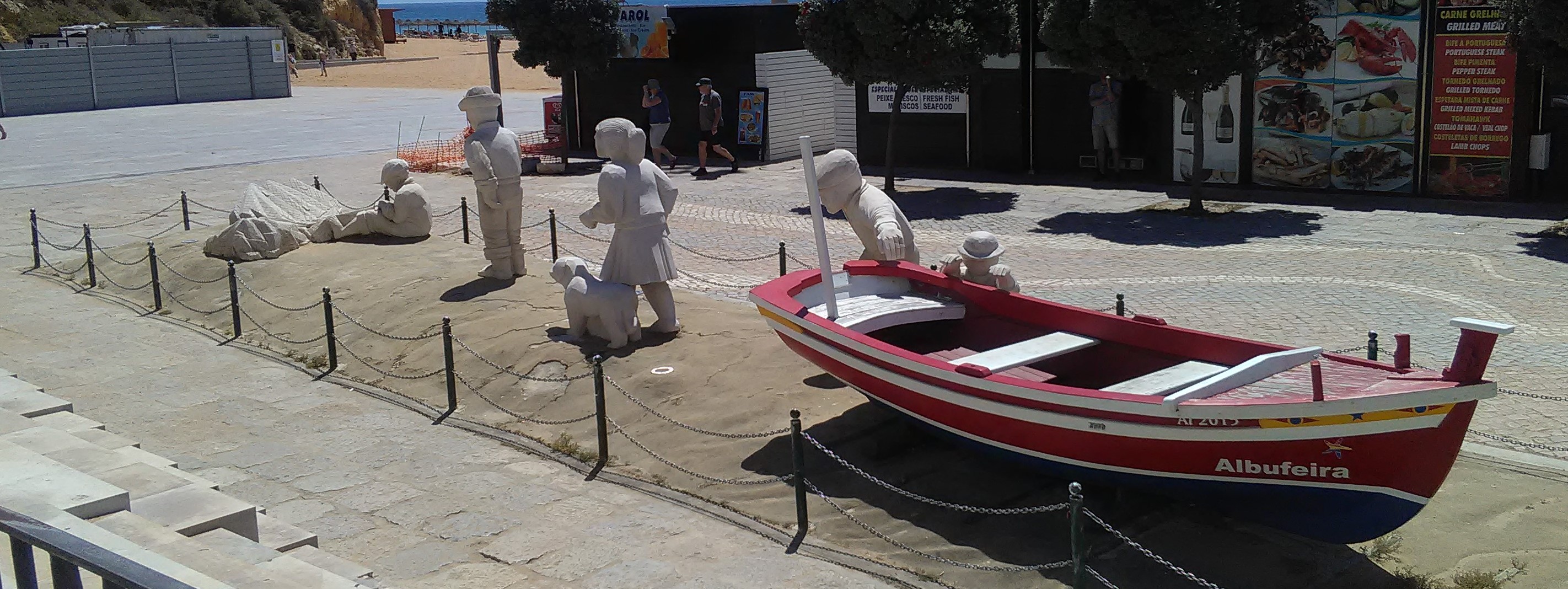
Portugal surprises in many different ways, with much to enchant the traveler, and the scale of public art is one of the more obvious ways. The art that’s free for viewing is as exciting as it is available.

Here is a sampling:

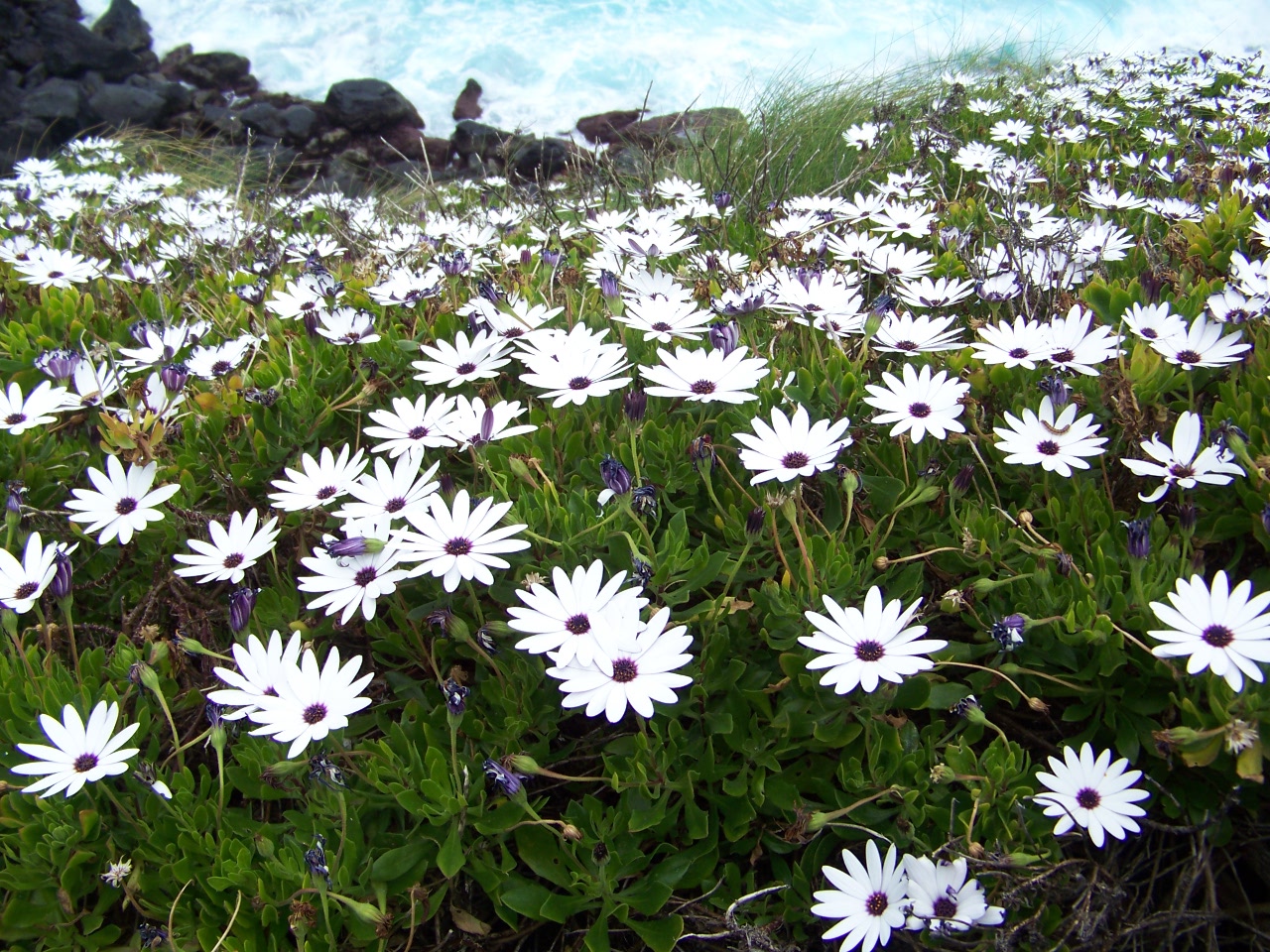
Flowers, too, qualify as art: In public squares and private gardens, the natural and the manmade coexist for the delight of both local residents and visitors. It may be an expectation that greenery and vibrant color will punctuate the landscape, but the same plantings bring color and natural beauty to town squares, narrow streets, cafe interiors and marketplaces, even highways.

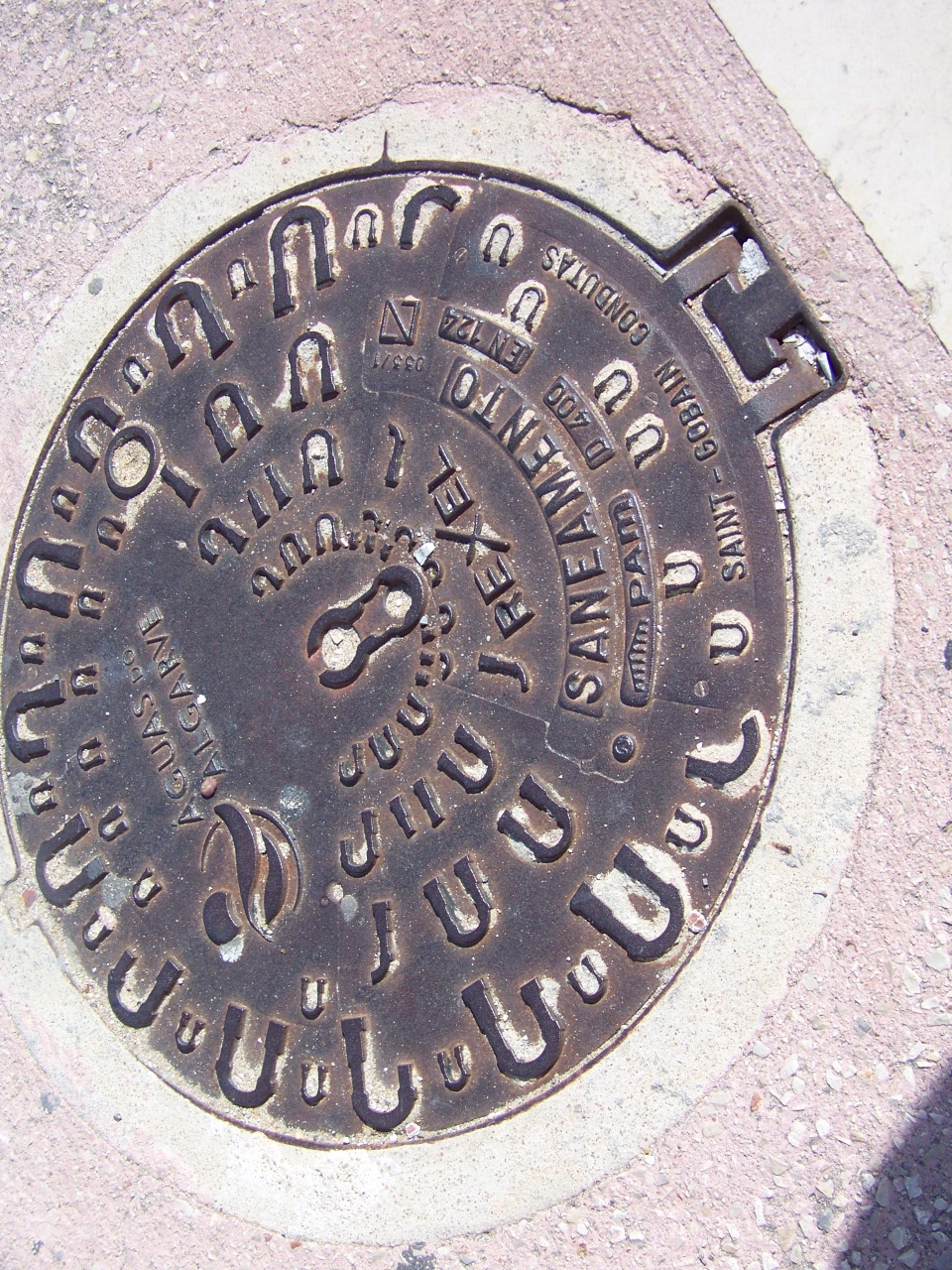
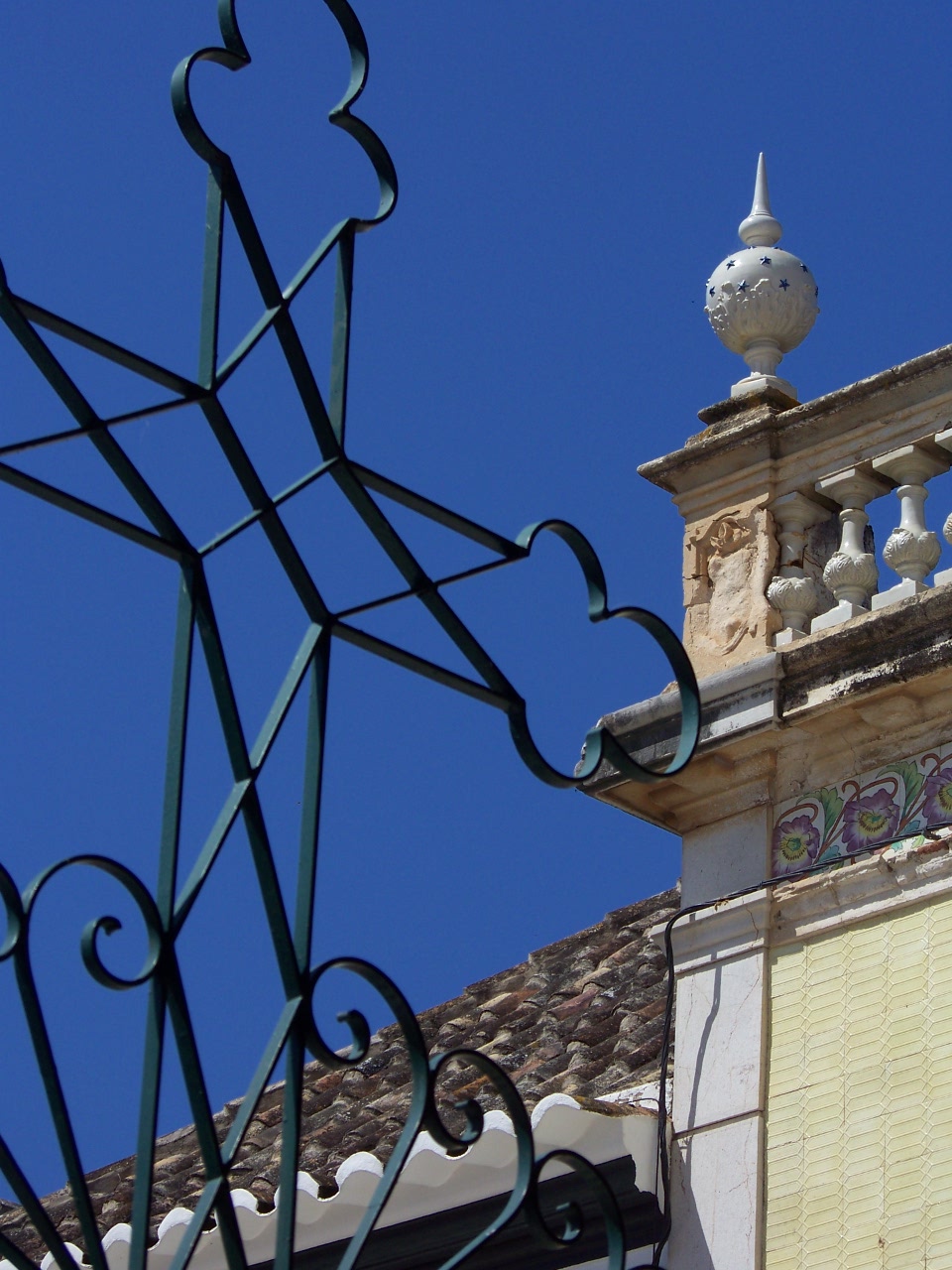
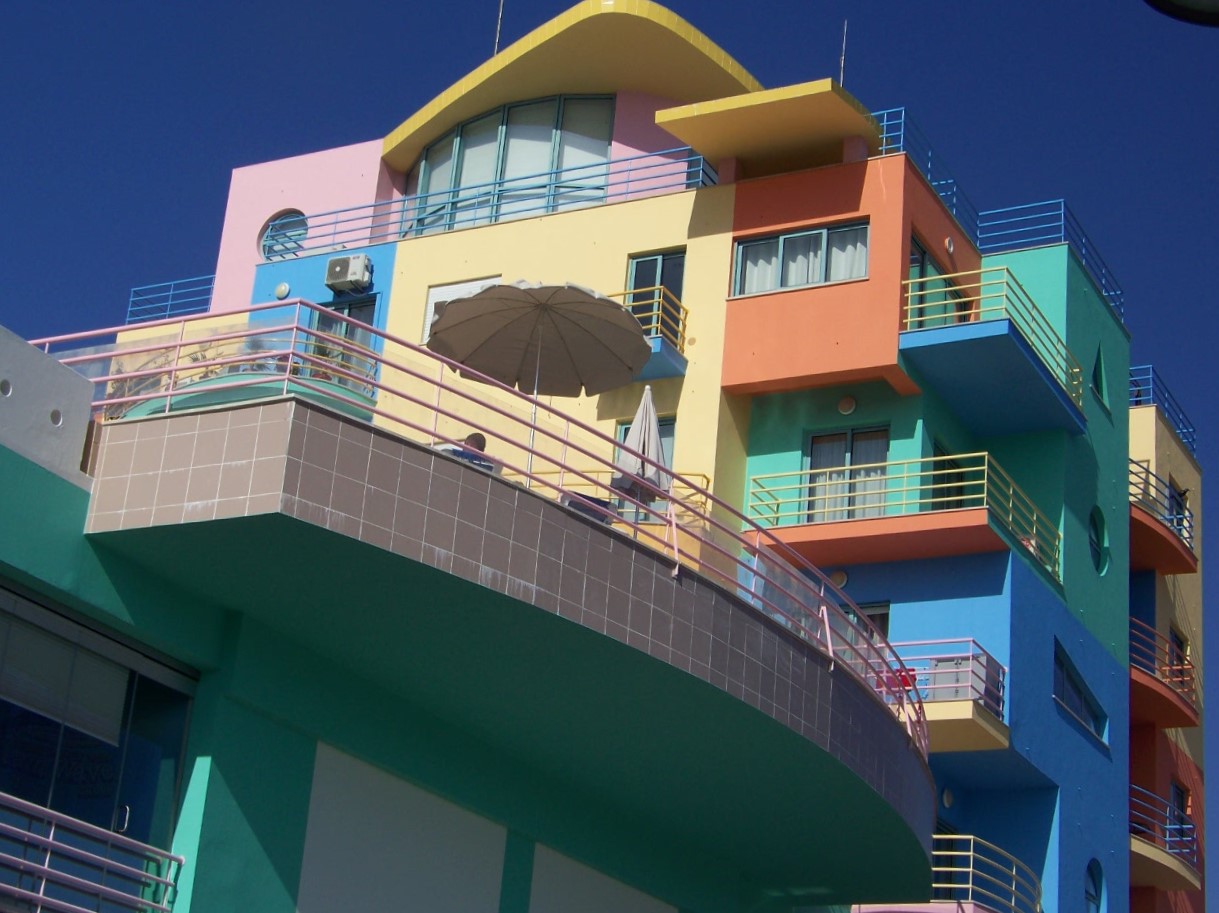
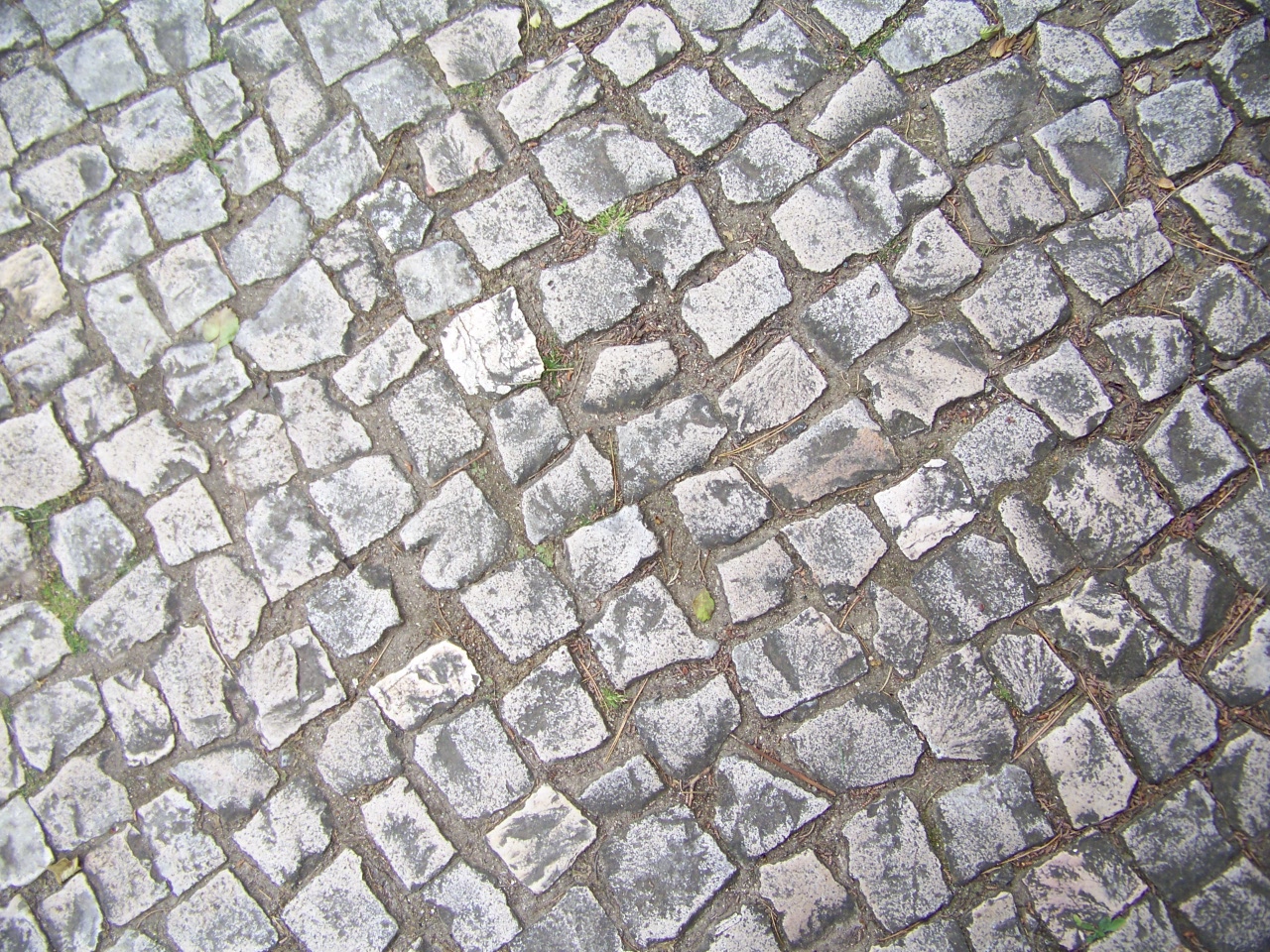
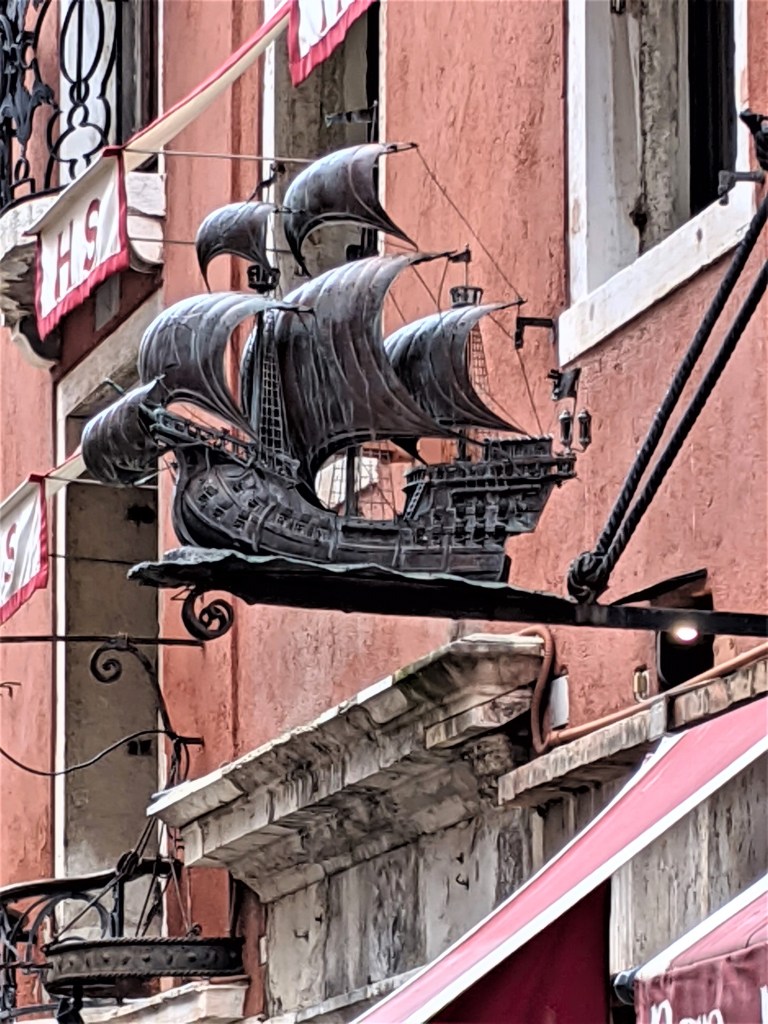
Art adds to the enjoyment of life. Art stands as a tribute to the human need for beauty. It celebrates history, encourages joy, adds meaning, can be quirky and irreverent or breathtakingly realistic. It transcends place and time. It exists in many forms: Architecture and massive sculpture, religious and military statuary, landscaped parks, graffiti and street art, sidewalks and plazas, decorative address tiles, lacy bridge railings, unique street lights, utilitarian manhole covers, multi-colored buildings, and signs.

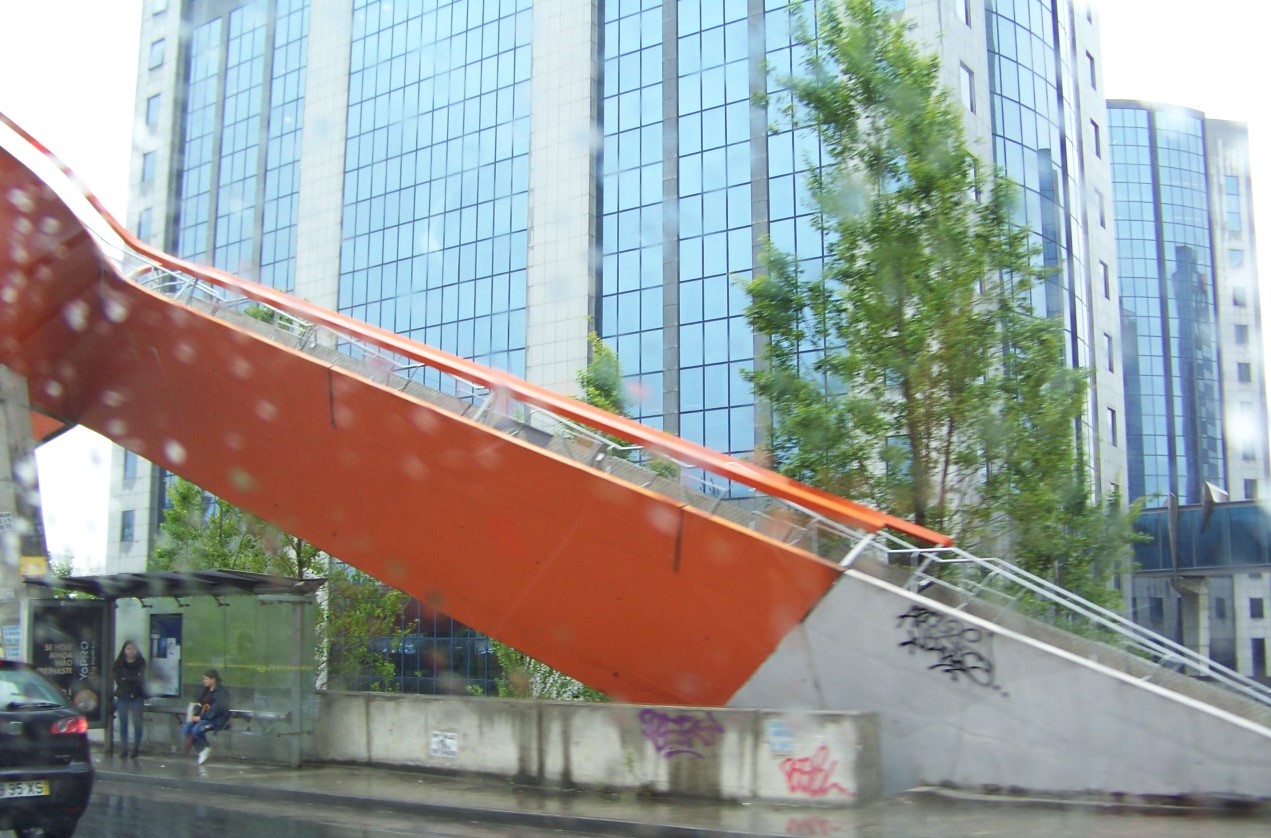
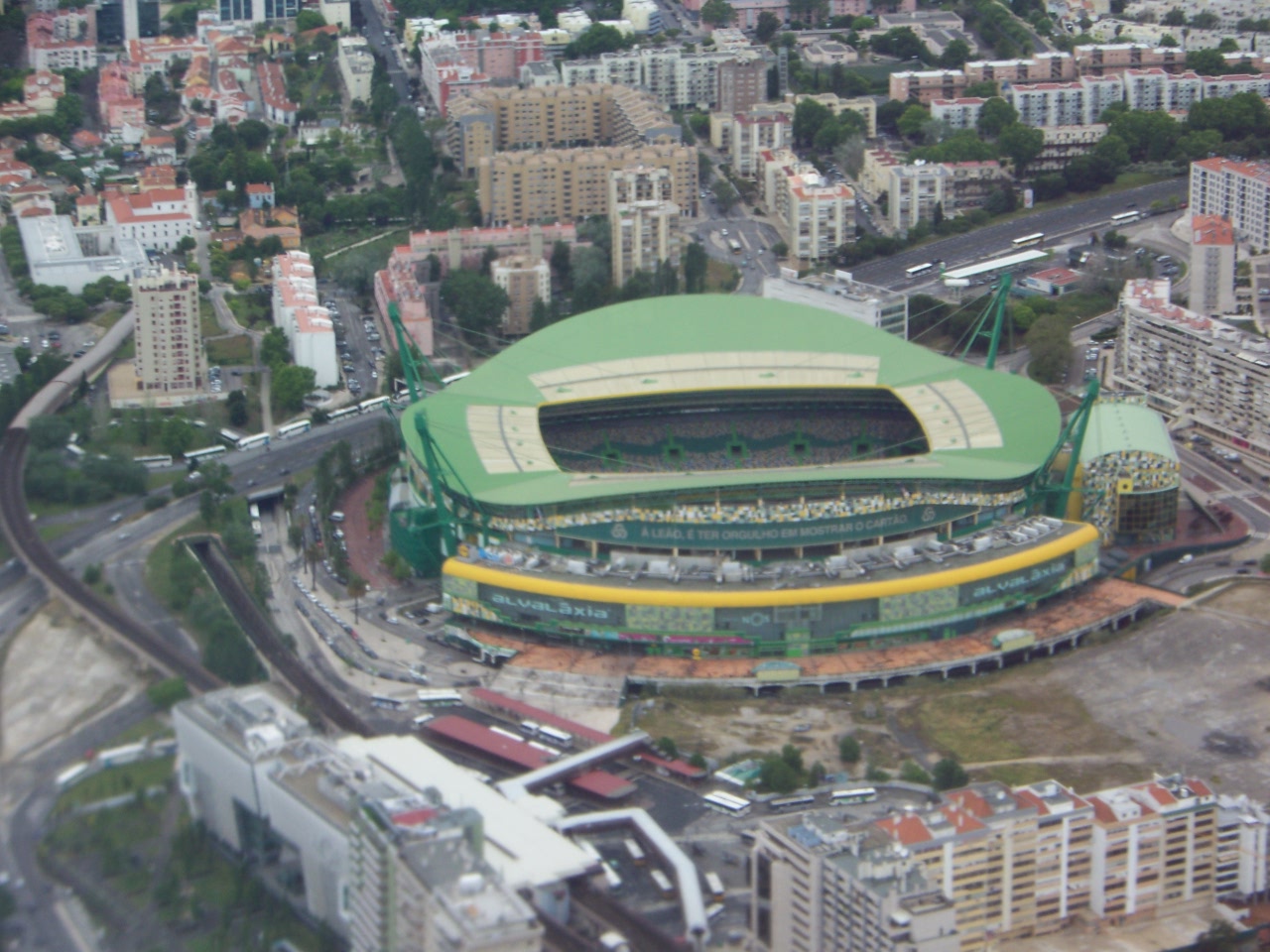
Even a pedestrian walkway over a busy highway can be unexpectedly colorful, looking every bit like modern sculpture. Lisbon’s massive Airport, despite its emphasis on function, also boasts its share of eye candy! Then, flying out of the city, we once again saw, from the air, Portuguese art in the form of two very modern, and artistically-designed sports stadiums!

In Portugal, clearly the society thrives on artistic expression. Each place we visited told a different story. From crowded Lisbon to the smallest village, along the highways and in backyard gardens, the nation is filled with art — in all its various forms, new as well as old.

Invariably, it’s unique. Always it’s worth a second look. It’s remarkable.

Great Portugal Excursions: Tour a Cork Forest

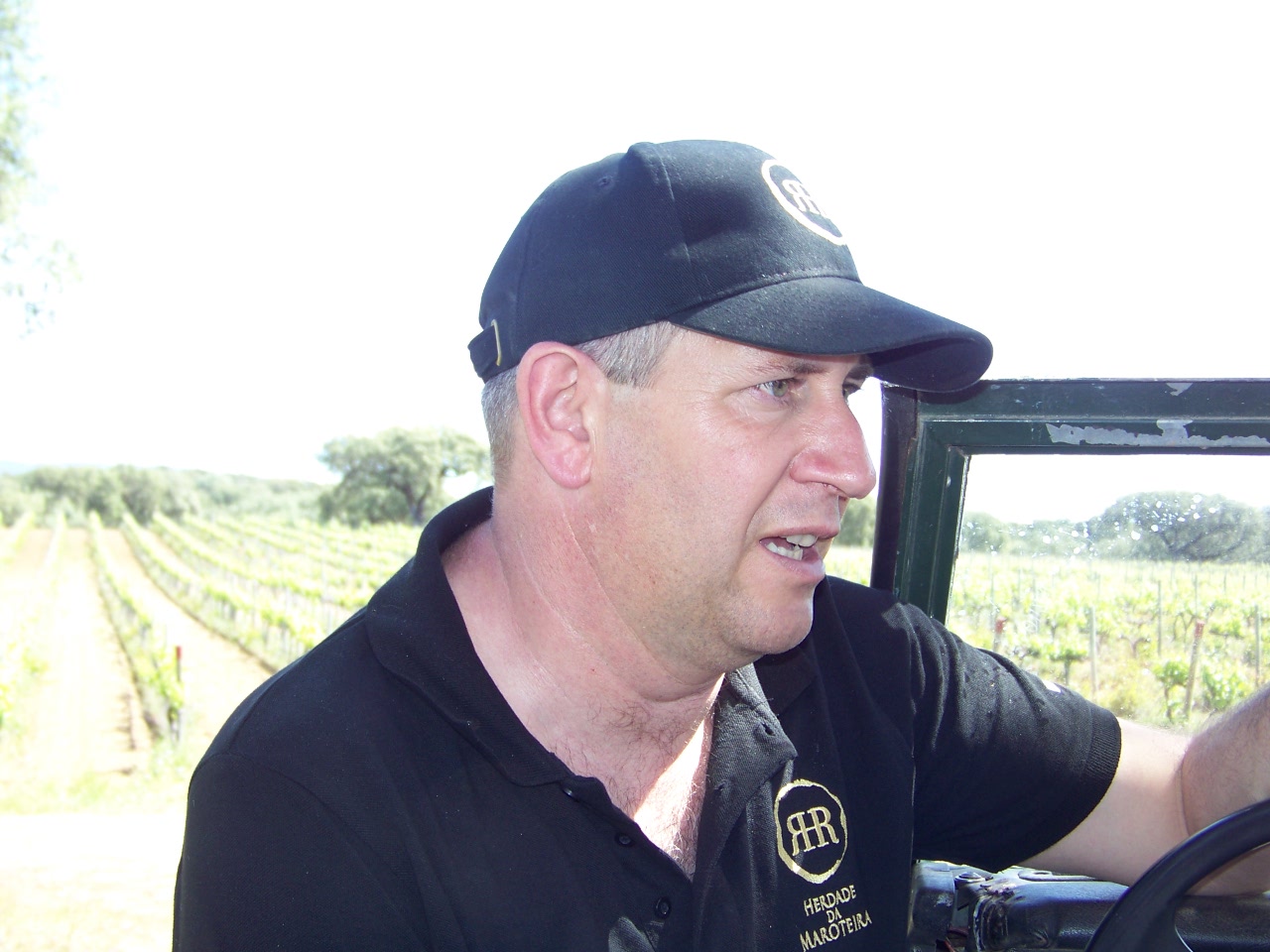
Even though five generations of his family have held title to the land that claimed Phillip Mellon’s heart, his own journey to living on that land was circuitous. The attachment, though, is obvious and strong.

On a two-and-a-half-hour classic Jeep safari of the 540-hectare (more than 1,300 acres) Portuguese farm that he occupies with his wife and two young boys, he recounted the story of how his passionate love for the land unfolded. He admits that he is the first of his family to actually live on and work the land. His forebears, he explains, were “gentleman farmers” who held the property as a sort of vacation retreat from life in the city and other professional pursuits, hiring caretakers to tend the cork oaks, supervise the harvest and care for grazing animals.

Learning from the Land

During the tour, Mellon tells of the farm’s history, how it was that he found his way home, literally, to build a new life on his land, and of his hopes for the future. It’s a fascinating story of adaptive land use, and a continuing effort to build reality from a dream.

Phillip Mellon is a totally modern man, with deep Portuguese roots and ties to the culture. He was reared in the city, near Lisbon and the sea, but he says his happiest times were the school vacations and summers he spent at the farm in the country’s Alentejo region.

Mellon’s father, an attorney, still lives in the city, as do his siblings. Phillip himself had no early intentions of becoming a farmer. He was educated in England, then lived and worked both in Australia and Canada before finally returning to Portugal to settle on the family land. Noting that he really knew little about farming at the time, he has seized on opportunities as they presented themselves, learning by doing, and not averse to trying out new ventures.

In the year 2000, he embraced the idea of planting grapevines; today the vineyards produce award-winning wines. He says, laughingly, that he is a bit undisciplined in his pursuits.

Cork: A Major Industry

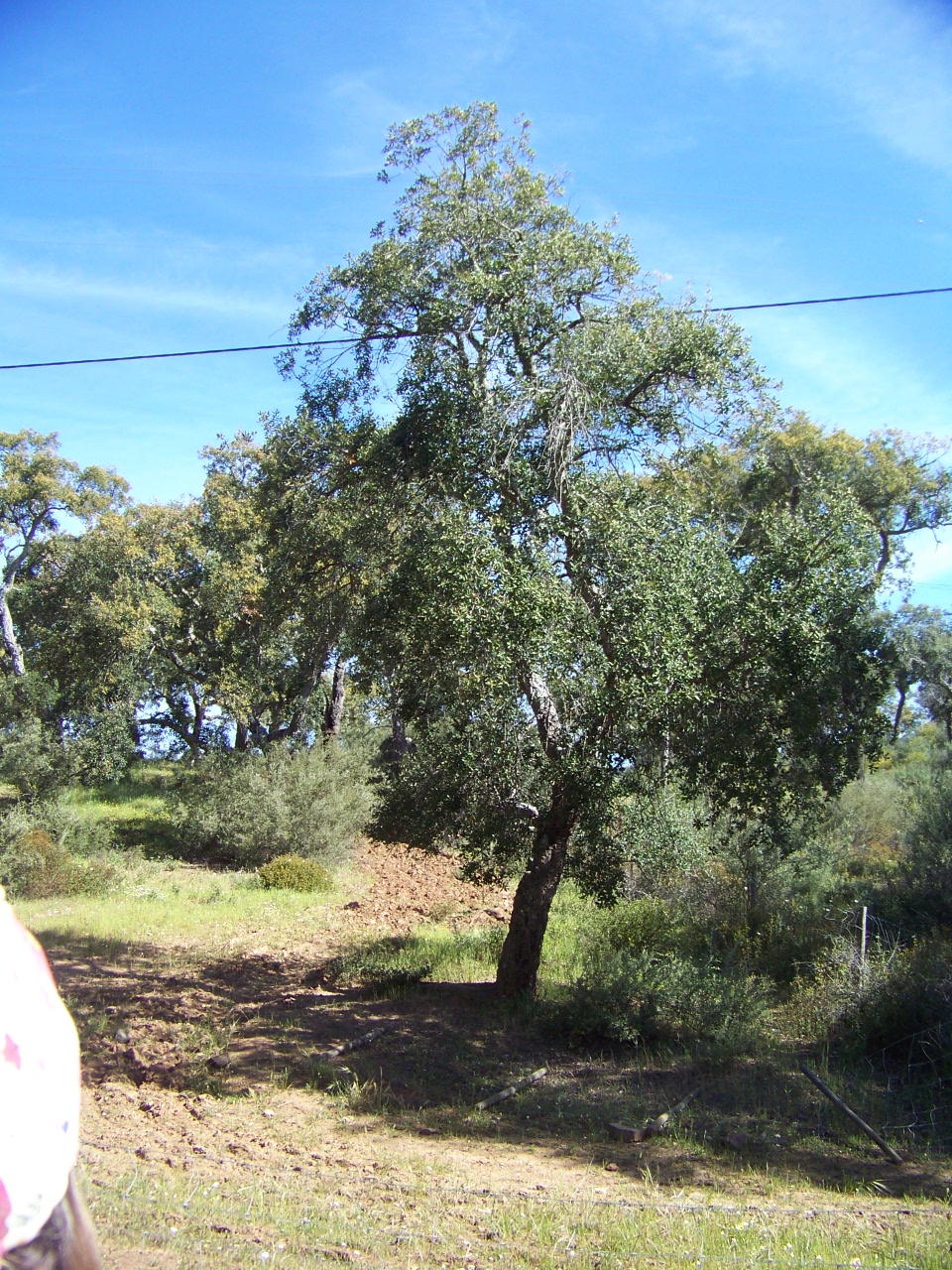
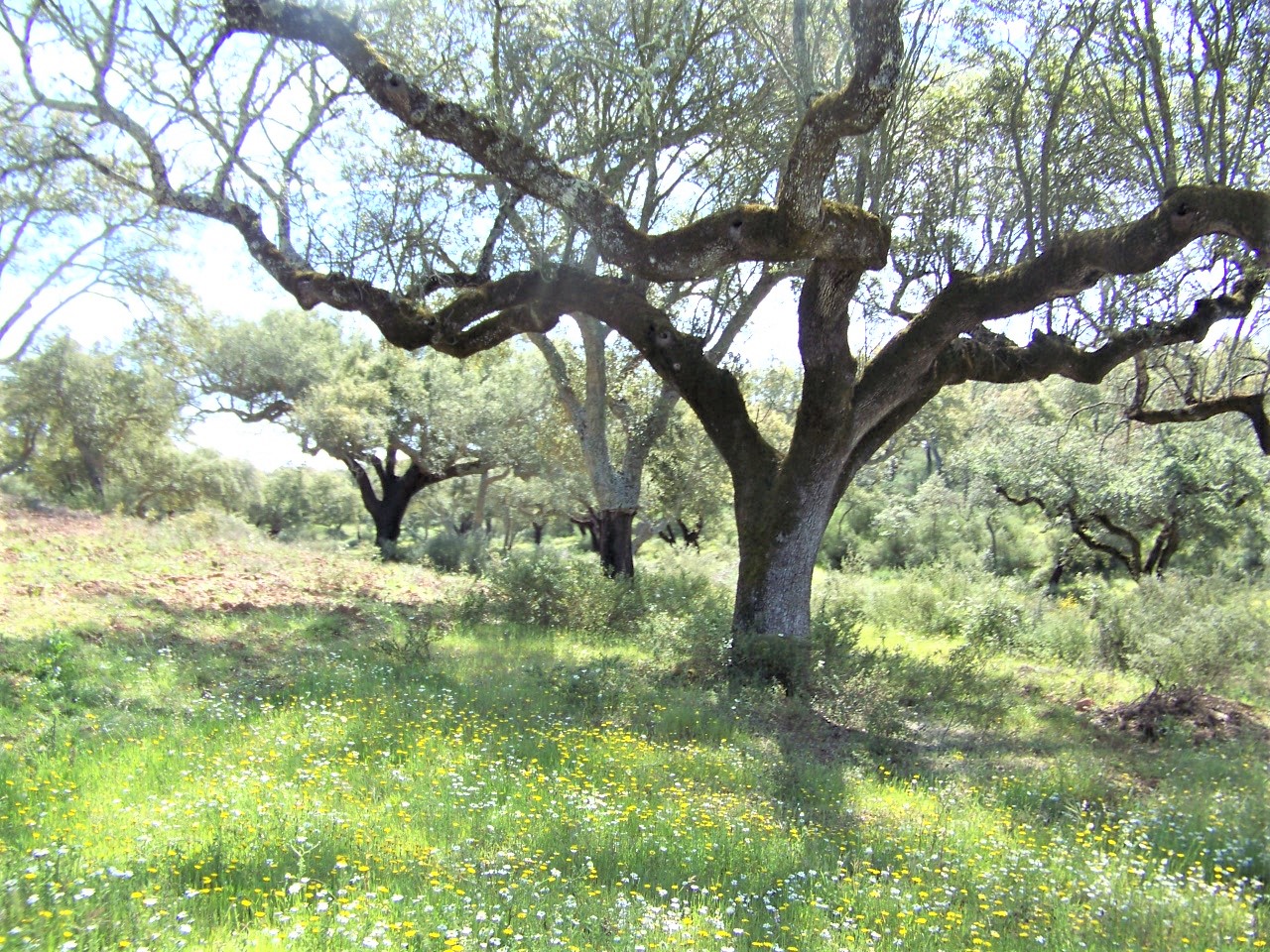
Driving east from Lisbon, we did not at first know what to expect. The scenery is dramatically beautiful, pastoral and calm, with scattered small towns punctuating the green hills. Large trees became more common, but we did not immediately recognize them as cork oaks, until we spotted large stacks of bark drying in the sun.

Luckily, our rental car had a superb navigational system; we were to meet our guide “in front of the museum in Redondo.” After only a few wrong turns and some good-natured advice from local residents, we arrived right on time, met Jose Inverno and our tour-mates, and were escorted to the farm for a sip of strong espresso in the sunny courtyard of the main farmhouse.

The surrounding forests in the Alentejo region and further south in Algarve province have been producing Portugal’s noted cork for centuries. The story of cork is a fascinating one. Portugal is the world’s major supplier, now accounting for approximately one half of the annual global harvest. A tree must be at least 20 years old, often much older, before it can first be harvested. It is said that the best bottle corks come from trees at least 50 years old. Then, by law, the bark of a cork oak may be stripped only every nine years. At this farm, Herdade da Maroteira, the rotation is once every 11 years. It is not a pursuit for the impatient!

Today, Mellon not only supervises the annual cork harvest, but is also planting new grape varietals. The farm offers informational walking treks and motorized tours through a subsidiary company managed by Jose Inverno, and has recently ventured into agri-tourism, with simple, but charming, accommodations available by the night or for an extended stay.

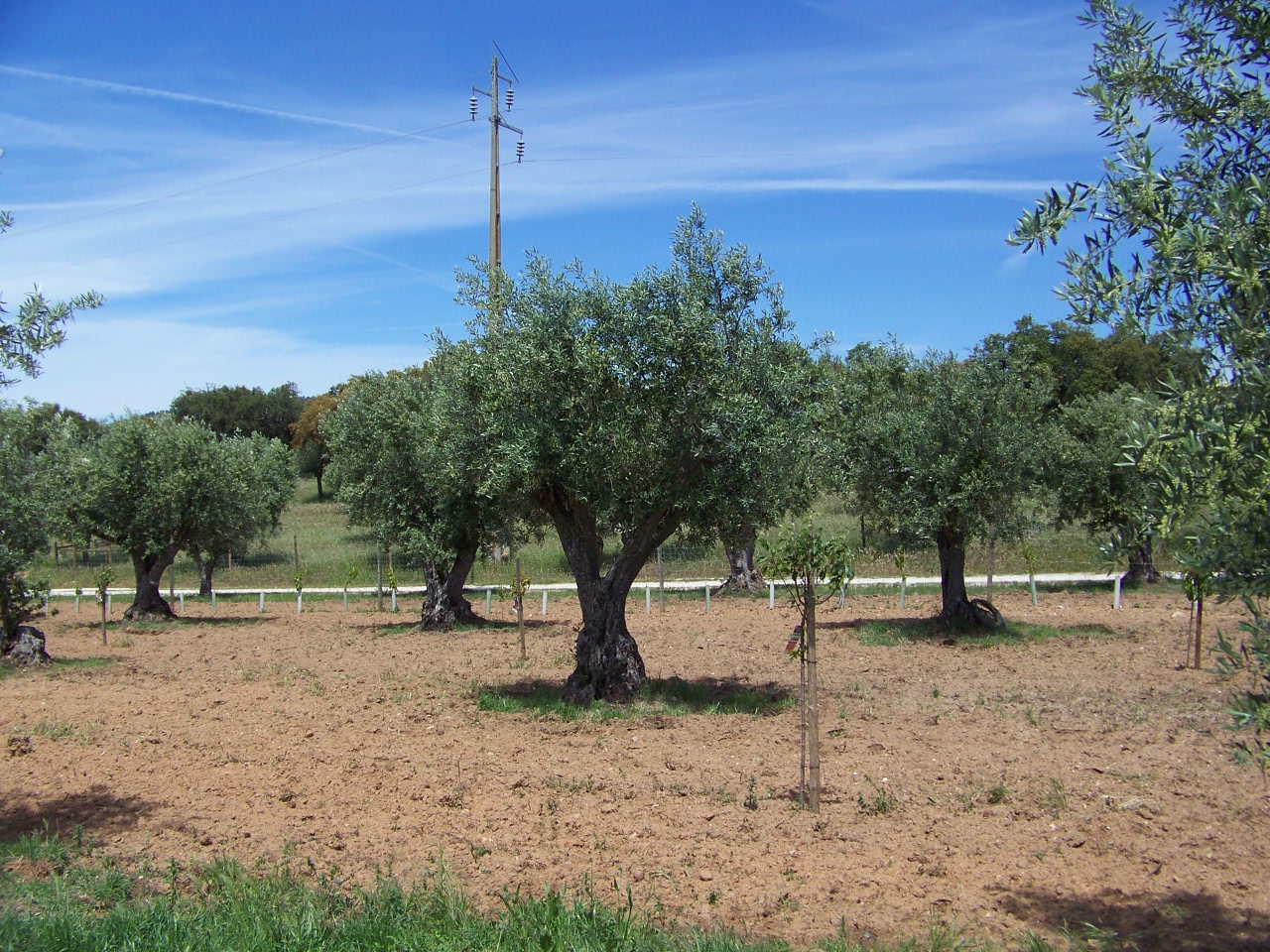
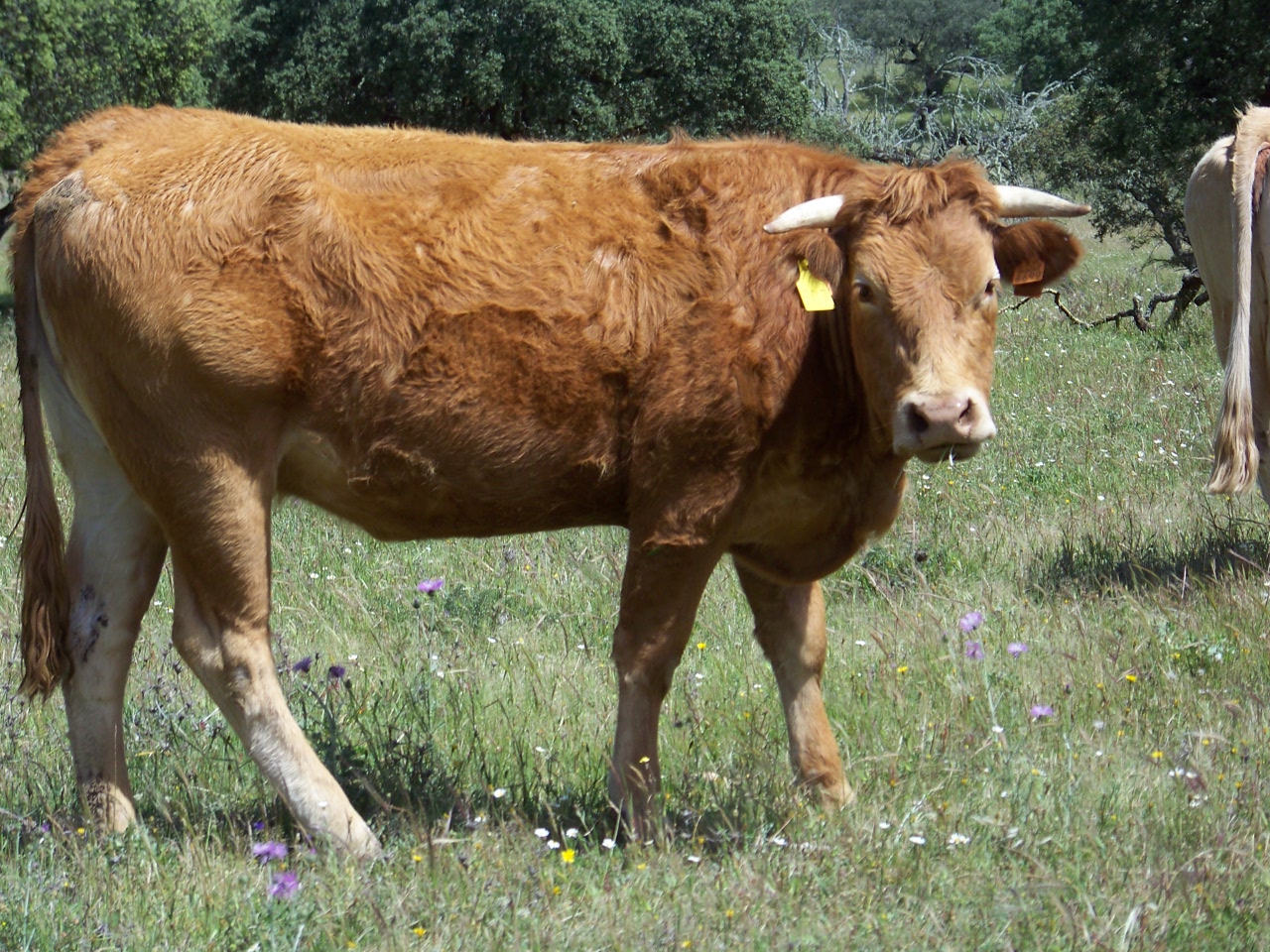
In addition, there are olive trees that produce oil for the farm and some limited sales, as well as beehives to supply fragrant honey. Sheep and cattle graze on the land, and Mellon partners with an Iberian black ham producer, allowing the distinctive long-legged pigs to fatten, during season, on the nutritious acorns that fall from the abundant oak trees.

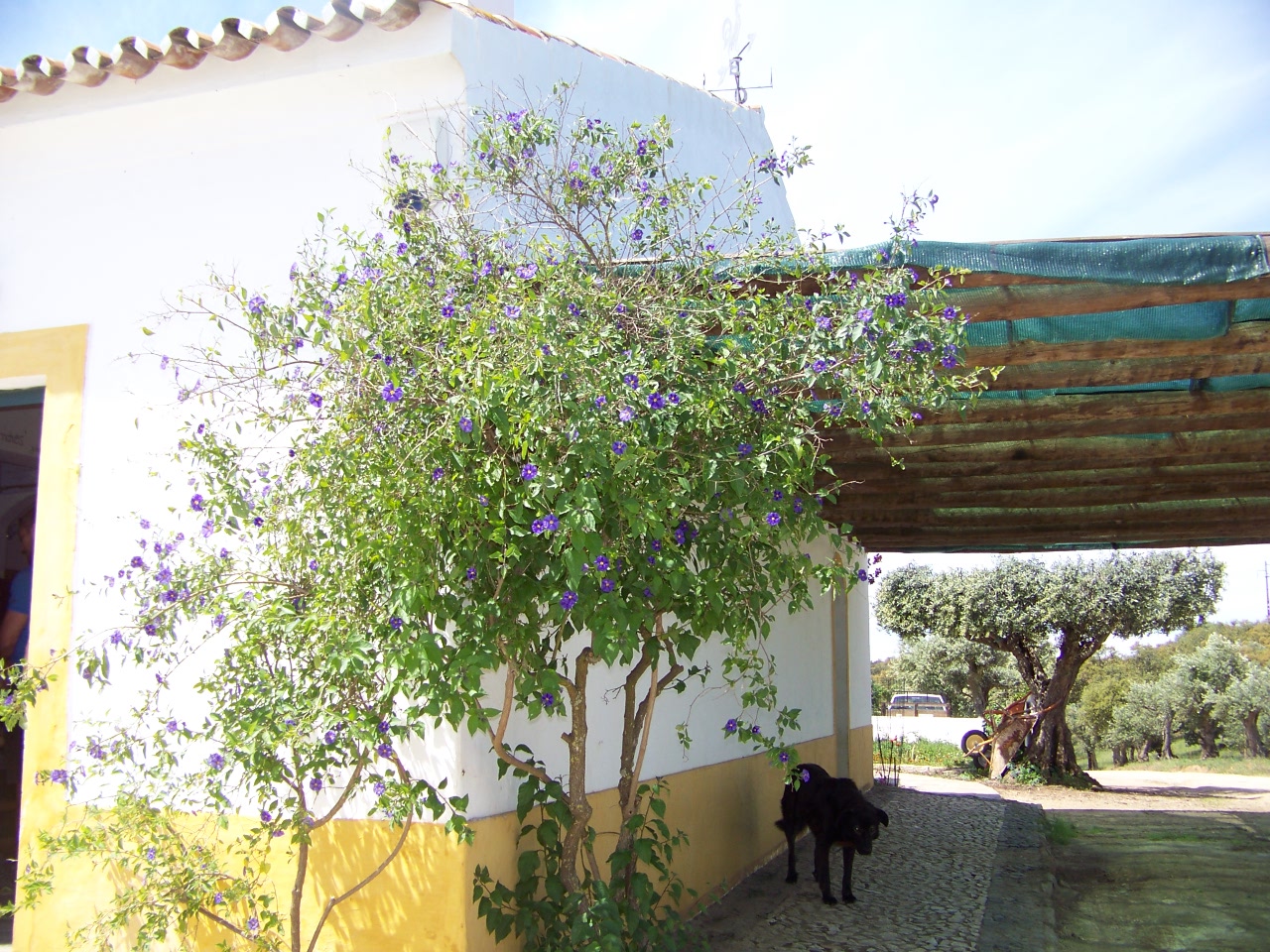
The pigs, however, had not yet arrived on the land; the sheep seemed shy, but the cattle were unfazed by our presence. Farm dogs accompanied us everywhere.

An Individualized Tour Opportunity

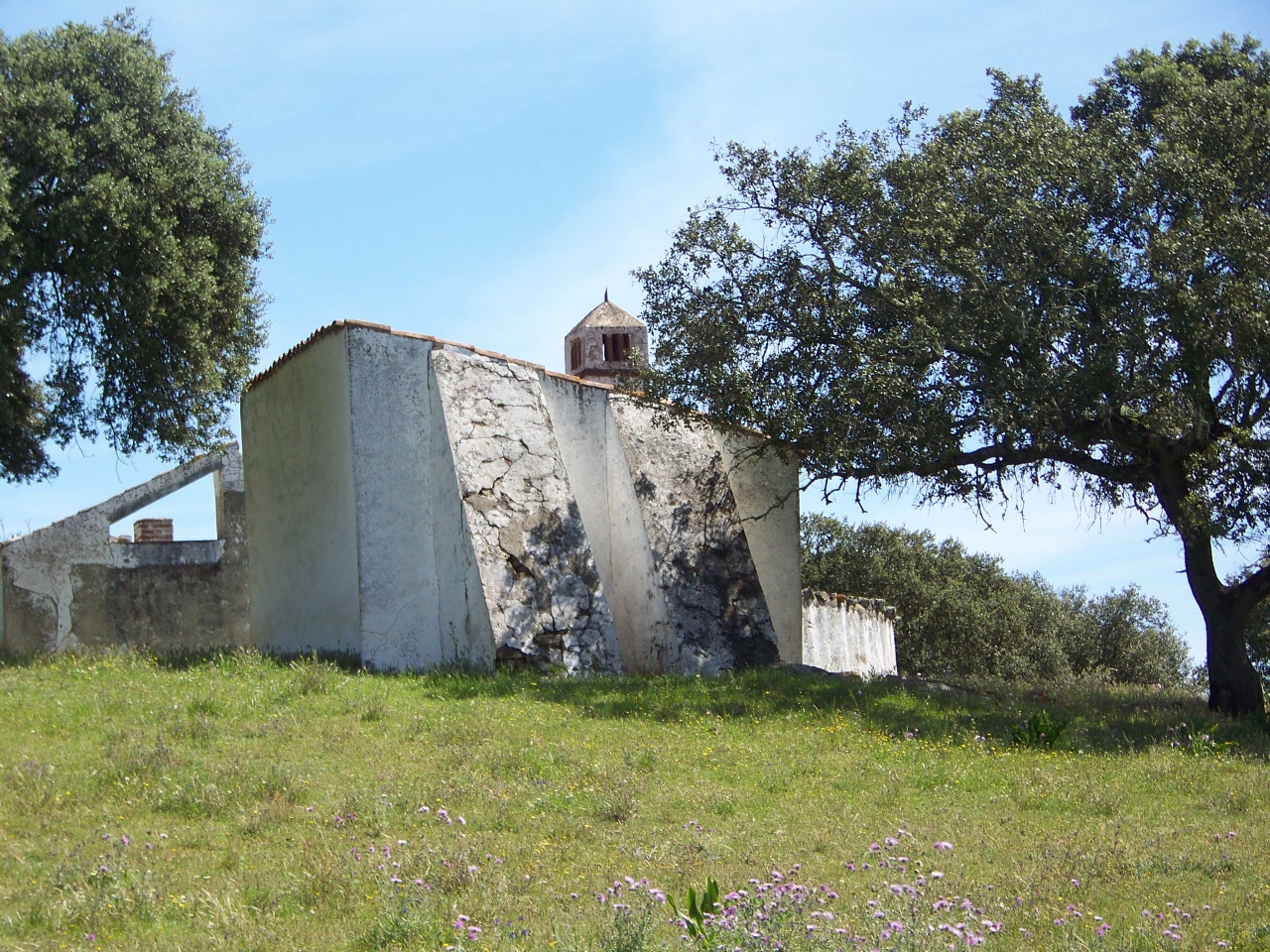
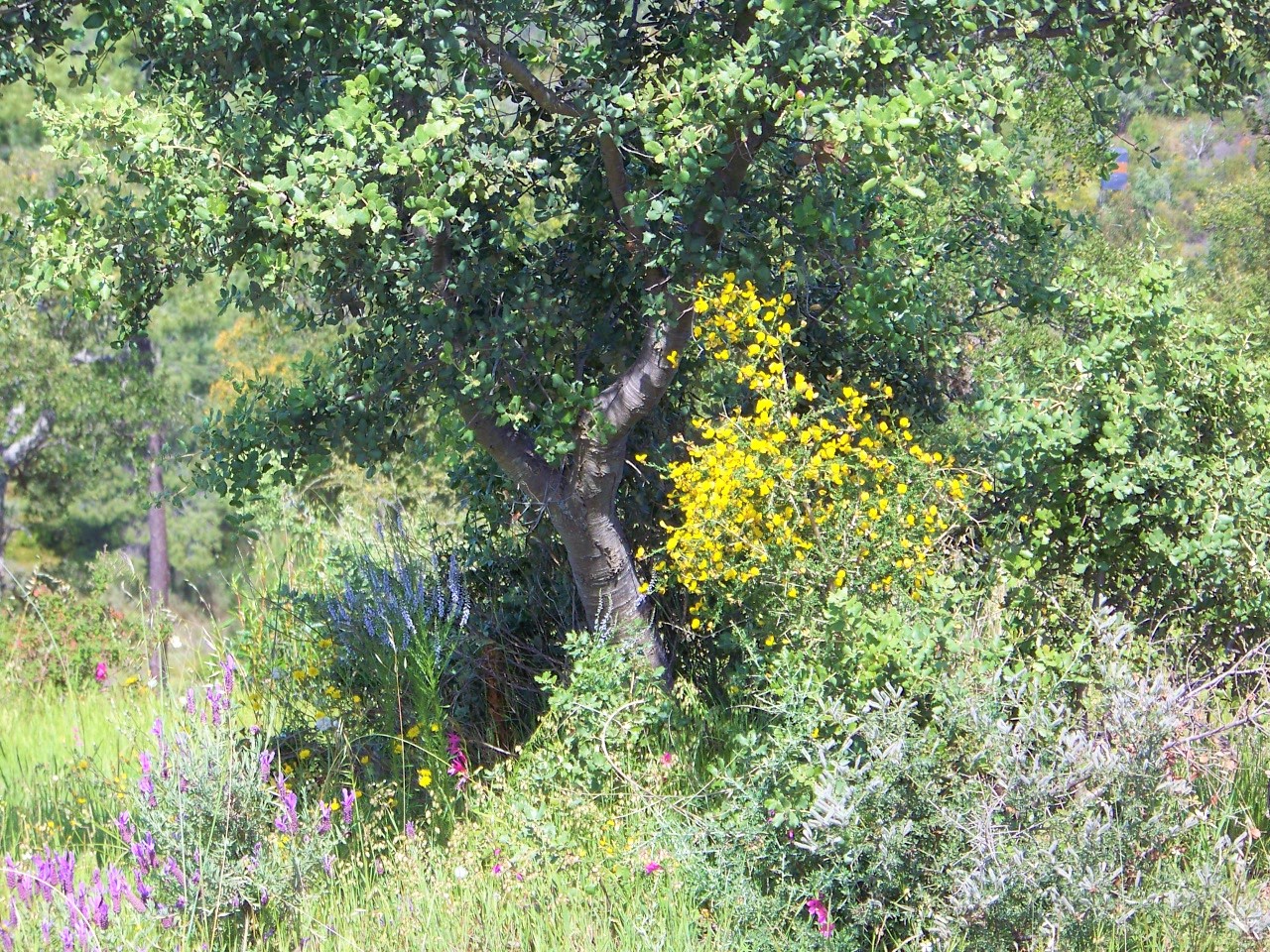
Our Jeep safari followed dirt paths winding through the oaks, past fields of lavender, yellow and white wildflowers, adjacent to vineyards planted with a variety of grapevines, and across the hillocks of the foothills of the Serra D’Ossa range. At the highest point, we breathed in the spectacle, as Mellon pointed out the boundaries of his working estate down below.

We passed other groups of trekkers, each one accompanied by a congenial guide, and Jose also escorted a second driving tour in his car. We made frequent stops to listen to Mellon’s dialog, and the photo ops were superb!

The area invites exploration, from the evidence of ancient settlements to scattered ruins and well-preserved medieval walls and churches. The time passed all too quickly, and following a visit to the farm’s small shop, we returned to Redondo for a long, relaxing, traditional country lunch, included as part of our tour.

Sunday Dinner Far From Home

It was a Sunday and Restaurante Serra d’Ossa was filled with locals, all genial and smiling as they were greeted by Mellon. They, in turn, greeted us warmly, and we felt at home. The proprietors took care of us as if we were family, and the bountiful food and wine was brought to our table family style. We had a wonderful time getting to know our fellow “trekkers” better, and the food itself was delectable.

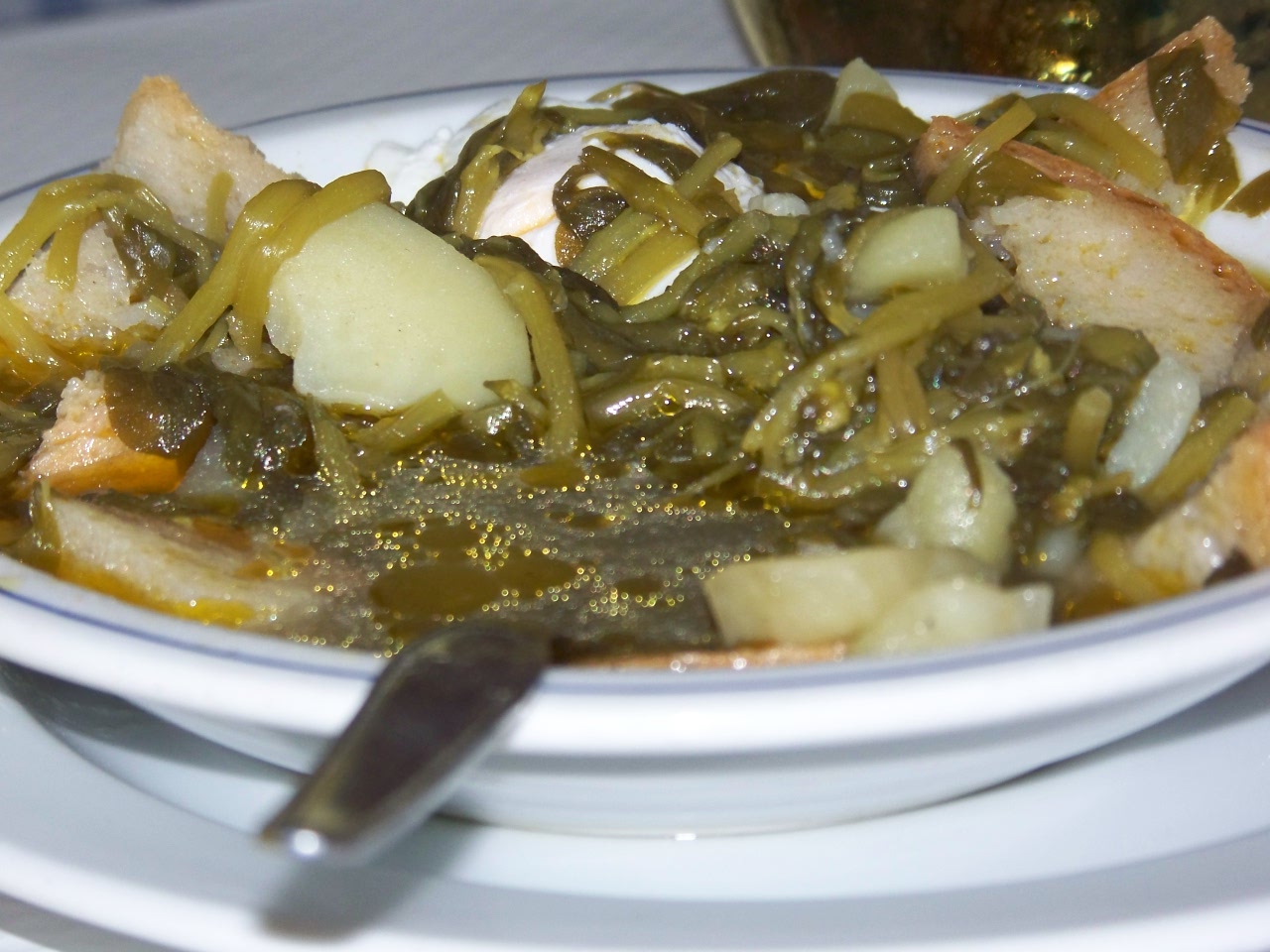
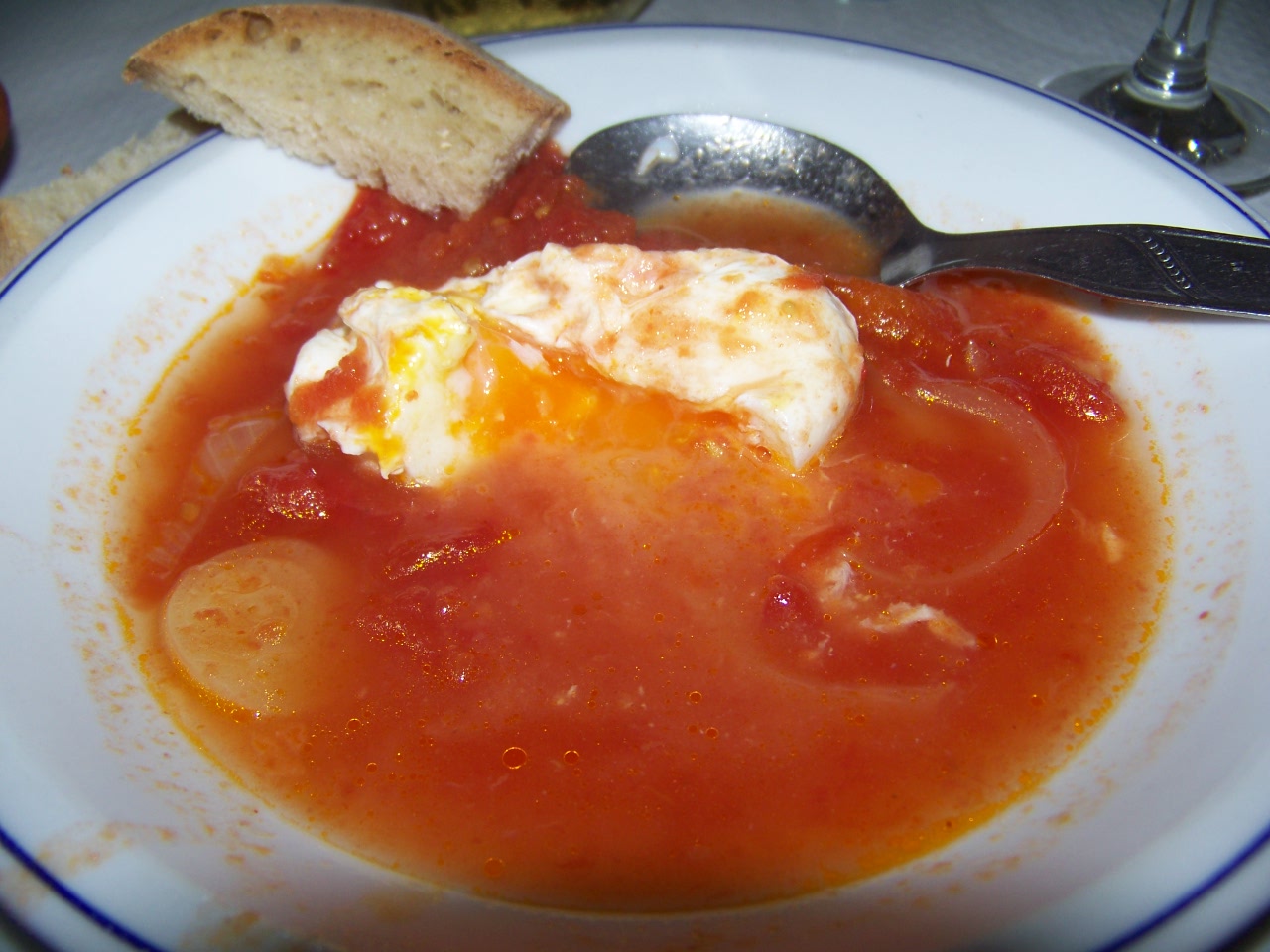
The menu included a variety of interesting appetizers served as traditional Portuguese “couvert,” followed by amazing tomato soup with poached eggs, and “green soup” for one of our group allergic to tomatoes. The entree was a mixed platter of pork prepared several different ways, and fresh salad, followed by a selection of tempting desserts, all of which disappeared quickly.

We assume that the cadence of life exists in this small town much as it always has, and we were delighted to be a part of it, if only for a day. Mellon told us that few of the other cork farmers have an interest in opening their forests to visitors or in diversifying into other enterprises. So, for the time being at least, Herdade da Maroteira offers a unique experience for travelers to Portugal. It is one that we will long remember, and one we highly recommend.

Because we were there in late April, we missed the harvest, which typically occurs in late June or early July, but we can visualize the buzz of activity it must generate at the farm.

Other available treks and tours take visitors to explore the ancient “dolmens,” burial mounds in the surrounding hills, on leisurely countryside walks and birding tours, and to visit the museum and ancient buildings of Redondo.

Perhaps one day we’ll return to do it all.

*Note: Some Portuguese cork factories also welcome tourists, but we chose to forgo the opportunity because of time constraints and distance. We left Alentejo headed south to the Algarve for a week near the sea. In future posts, I’ll chronicle other wonderful excursions for Portugal travelers.

Graffiti: Art free for all

100_2509

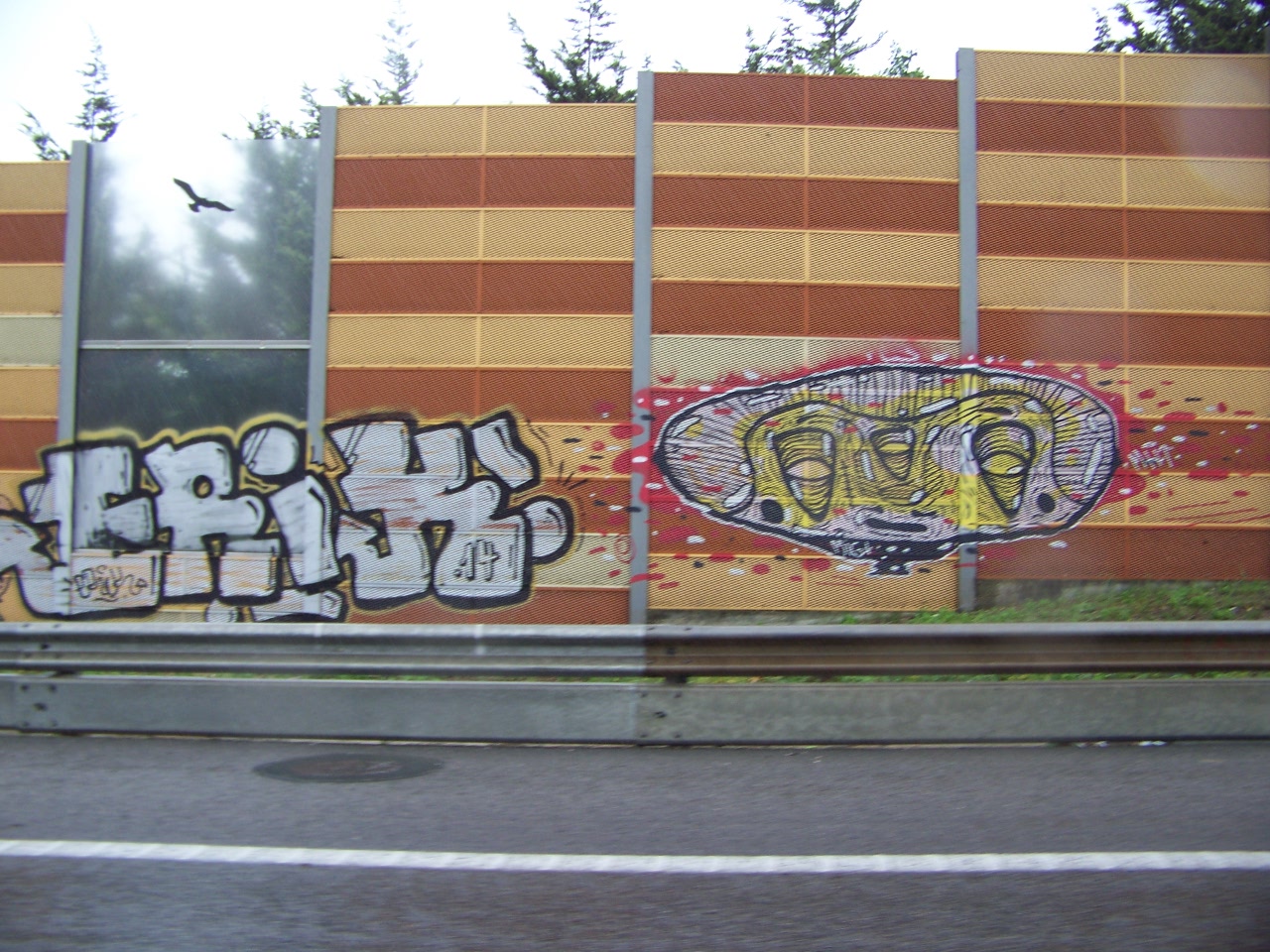
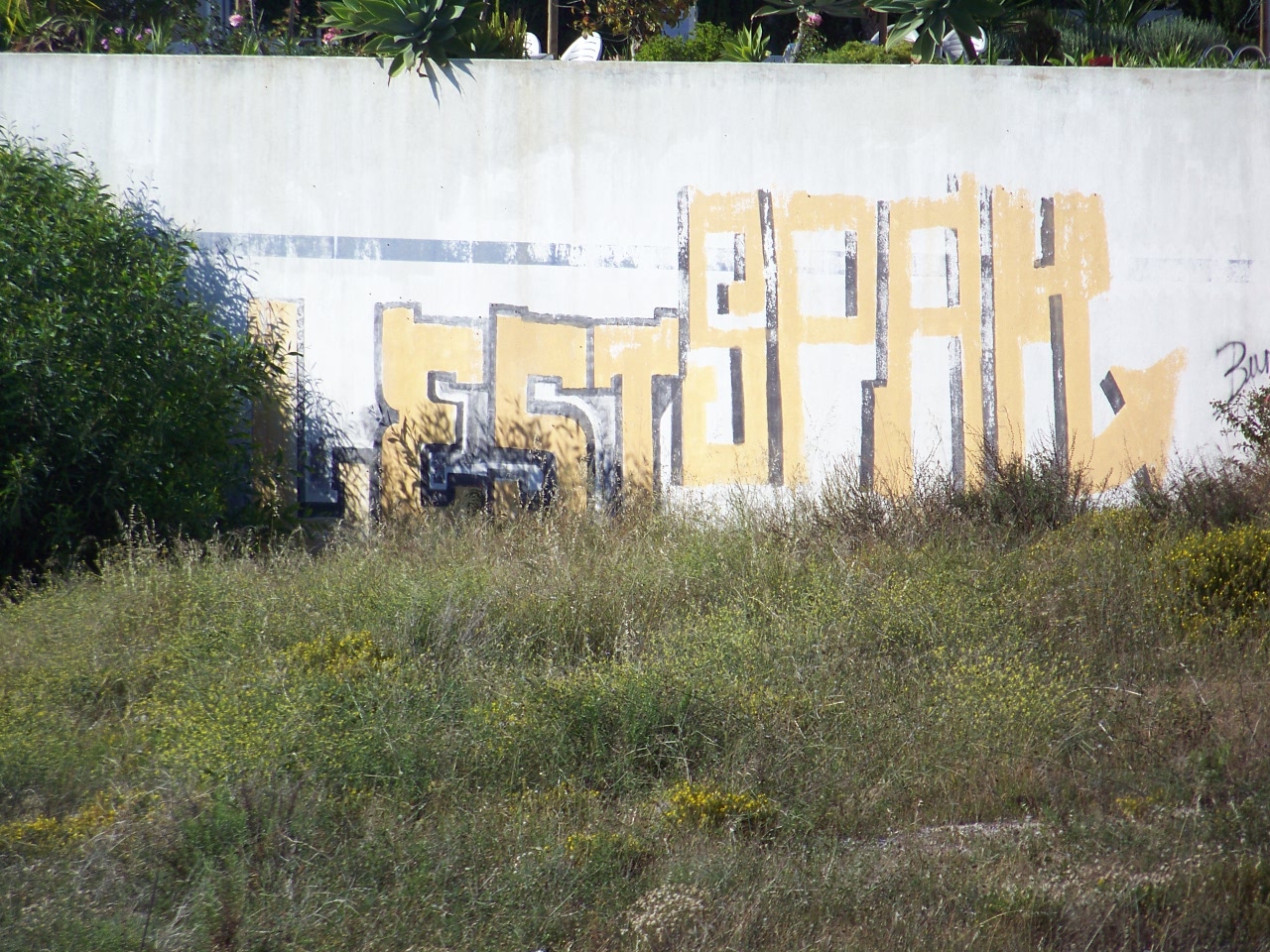
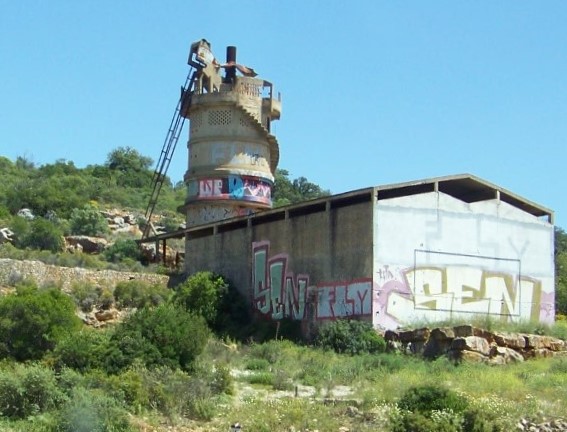
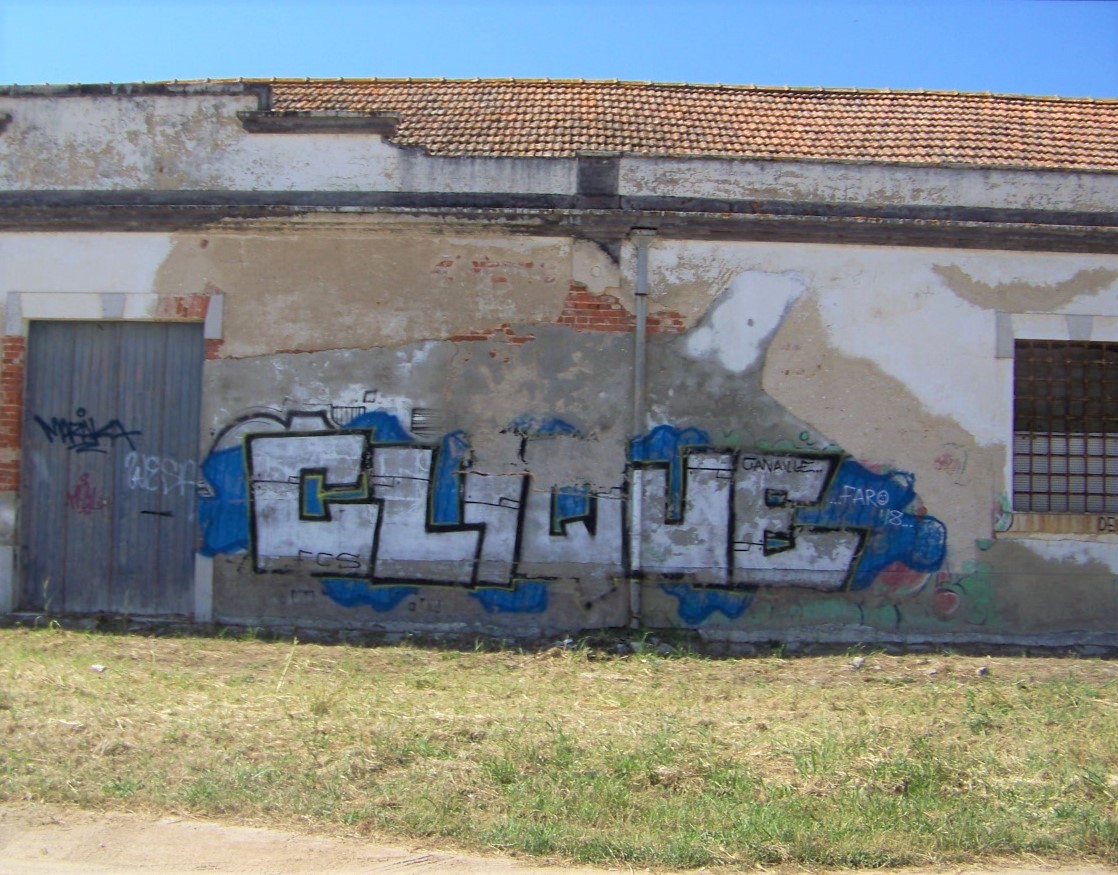
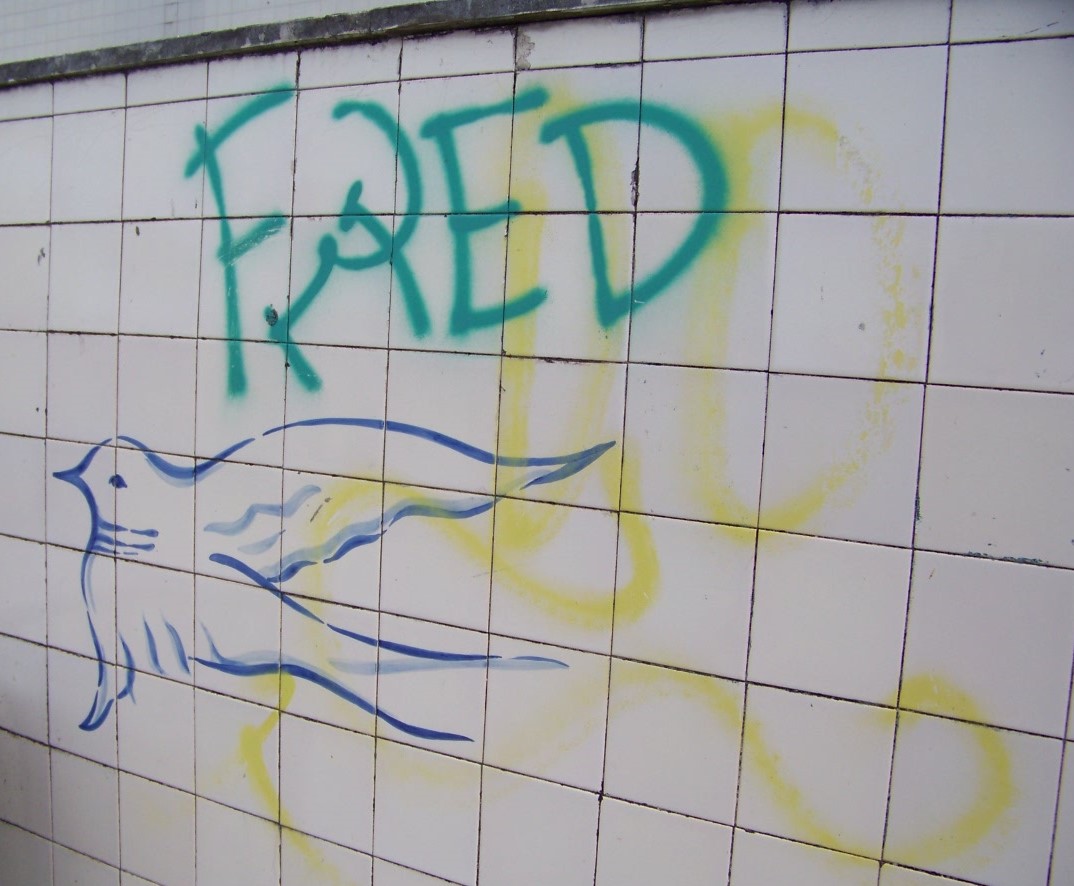
I may represent the minority, but I am enthralled by street art and graffiti. I always have been. Wall murals attract my attention, and I secretly believe that the cave drawings and petroglyphs we work so hard to protect were simply the graffiti of past times.

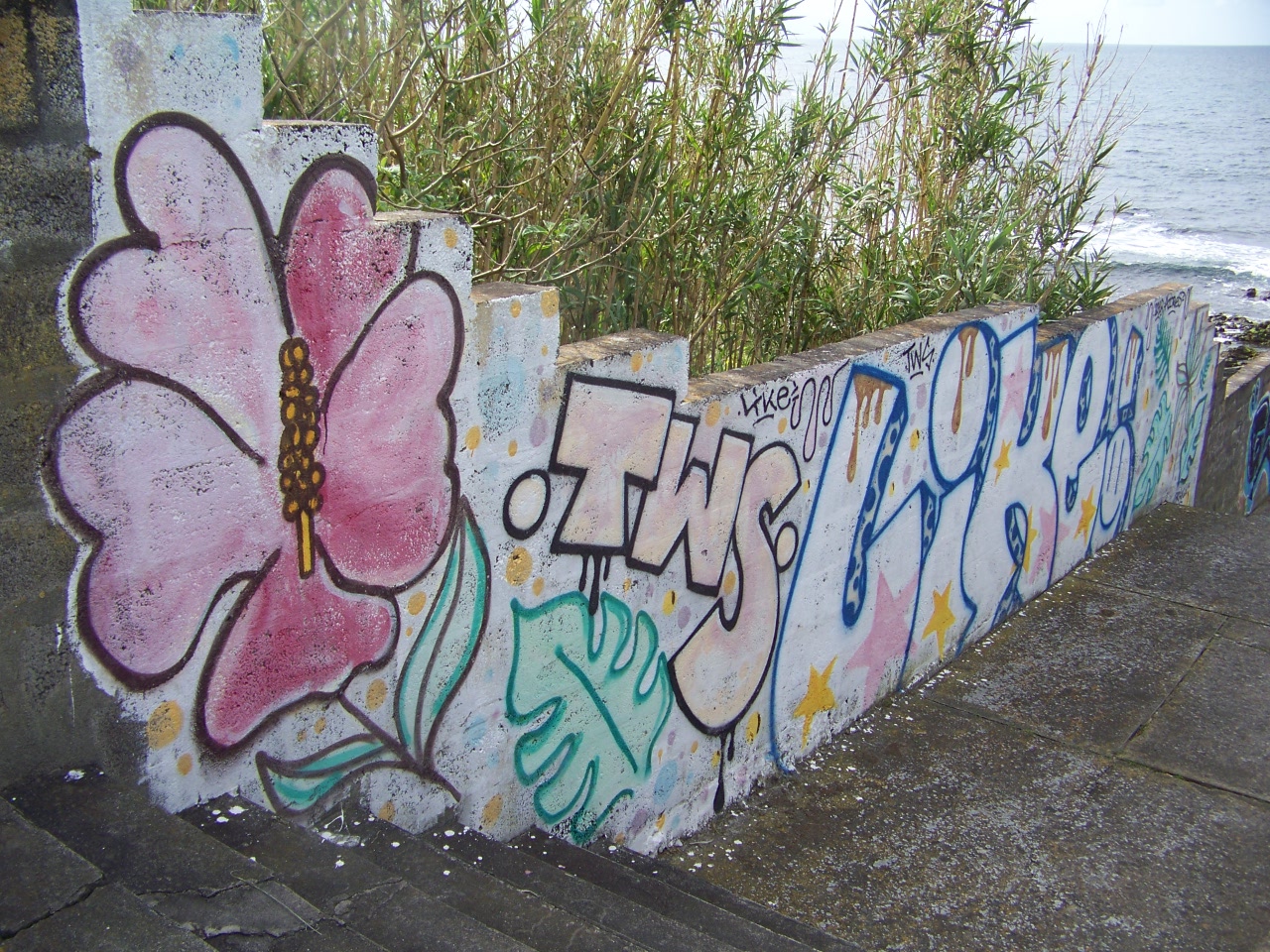
Fanciful expressions of modern culture grace walls and rail cars, empty warehouses, bridge girders and old water towers, decaying barns, even bus stop benches throughout Portugal. These artistic embellishments are evident as colorful tags and “signatures” along highways and byways throughout this friendly, sunny country, and they never fail to attract my attention. Portugal was a visual feast!
100_3556

In urban settings, I adore oversize murals on random buildings. They add color and design to sometimes bland and boring walls. Occasionally, advertising masquerades as art, and it’s true that graffiti speaks a message all its own. But, more often than not, graffiti is just for fun. And I like it! Street art, it seems to me, is as fine a type of expression as fine art or great literature. In the same way, I have always thought children’s cartoons are at least as clever and pertinent as advertising art!

When I travel, I typically have a camera in hand; I come home with as many photos of graphic scenery as of people, historic sites and natural beauty. I snap the shutter from a moving vehicle window, a building’s balcony, or when out for a solitary evening stroll.

While traversing the small Azorean island of Sao Miguel, and later while traveling through mainland Portugal, I was amply rewarded. Graffiti seems almost a national pastime; in my view, it’s a national treasure. Nowhere else in my previous experience has the graffiti been so pervasive, nor quite so memorable.

Sometimes obvious “tagging,” Portuguese graffiti is, seemingly, respectful of both private property and public monuments. Although it is clear that graffiti sometimes supports a cause or is otherwise prompted by local issues, we saw little that could be considered outright defacement or the work of vandals. Accordingly, there seems to be no concerted effort to paint over or erase existing graffiti.

Sometimes it is hauntingly beautiful. Occasionally simple and childlike, the work can be stunning in composition and in execution. There are true artists at work along the highways, in small towns and large cities, in farm country and in fishing villages. And, while larger than life murals are not graffiti in the strict sense, they are certainly unexpected; sometimes they are inspiring.
100_2224 (2)
100_2426

I know that not all the graffiti is officially sanctioned, but I was told that local and national authorities grant permission in certain areas for graffiti artists to transform crumbling walls and cracked stucco into something more interesting and colorful. Driving along freeways bounded by industrial-grade barriers, the graffiti was welcome, a colorful display of creativity for what would otherwise have been mile upon mile of sameness.

100_3554

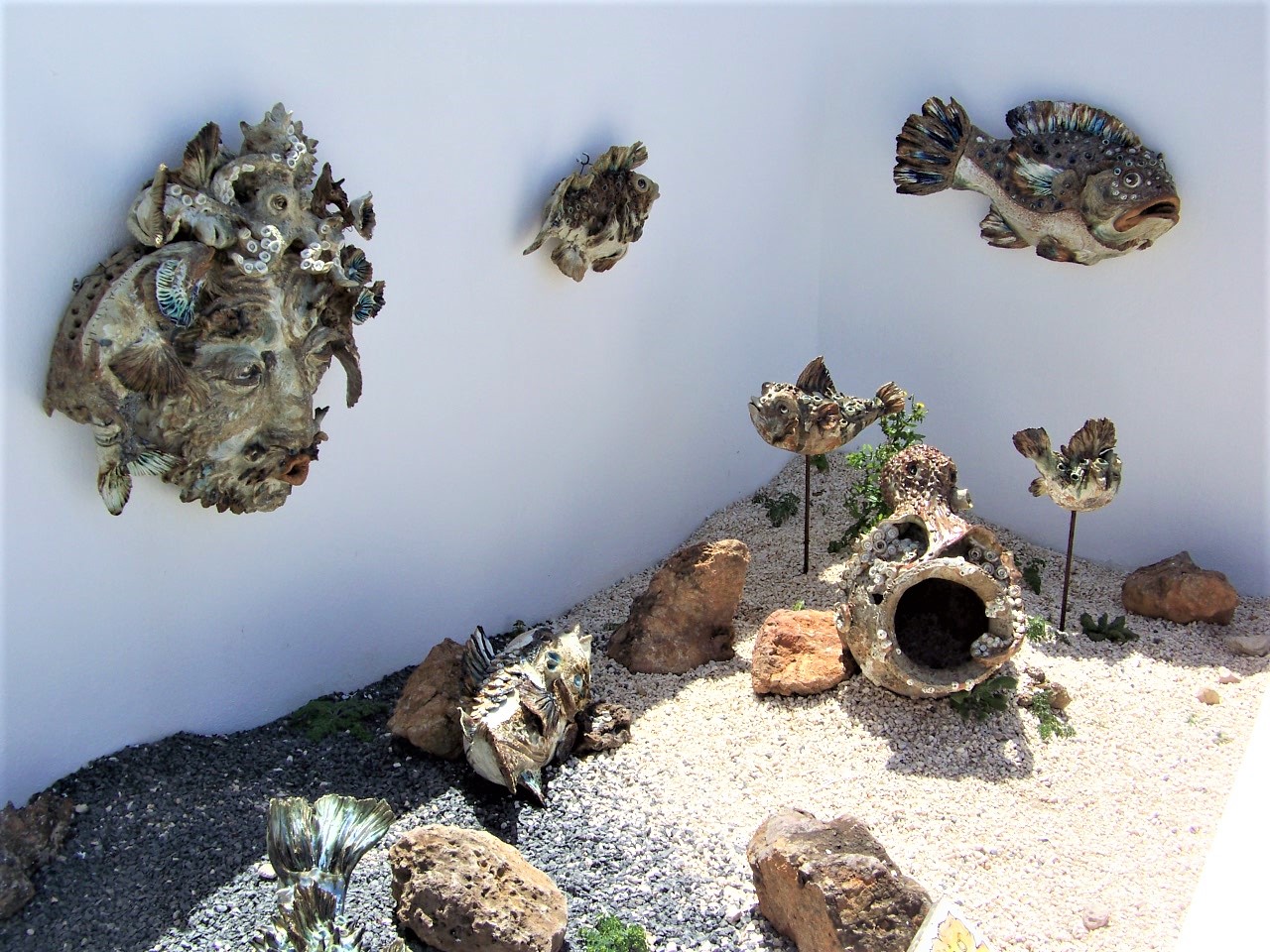
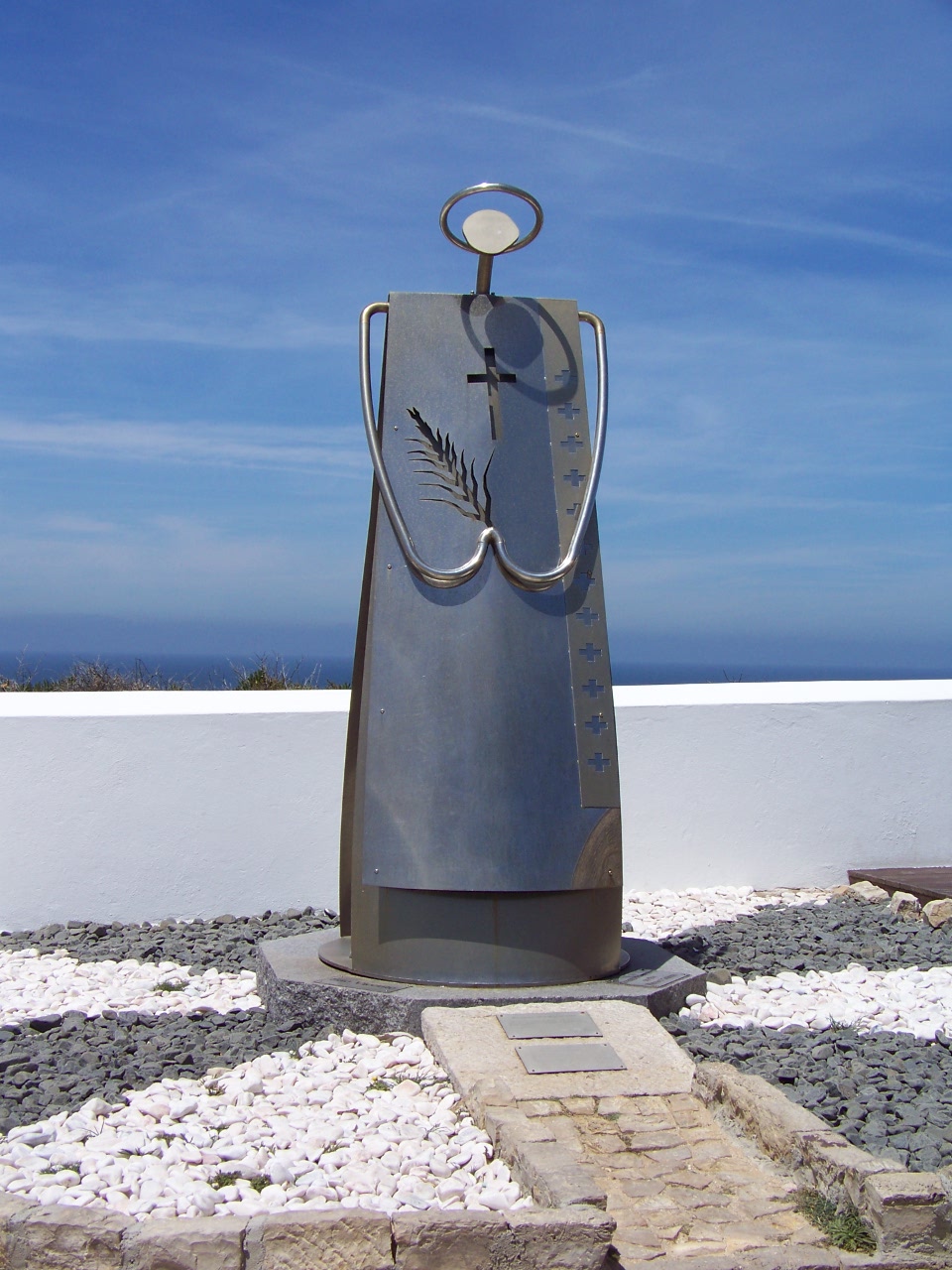
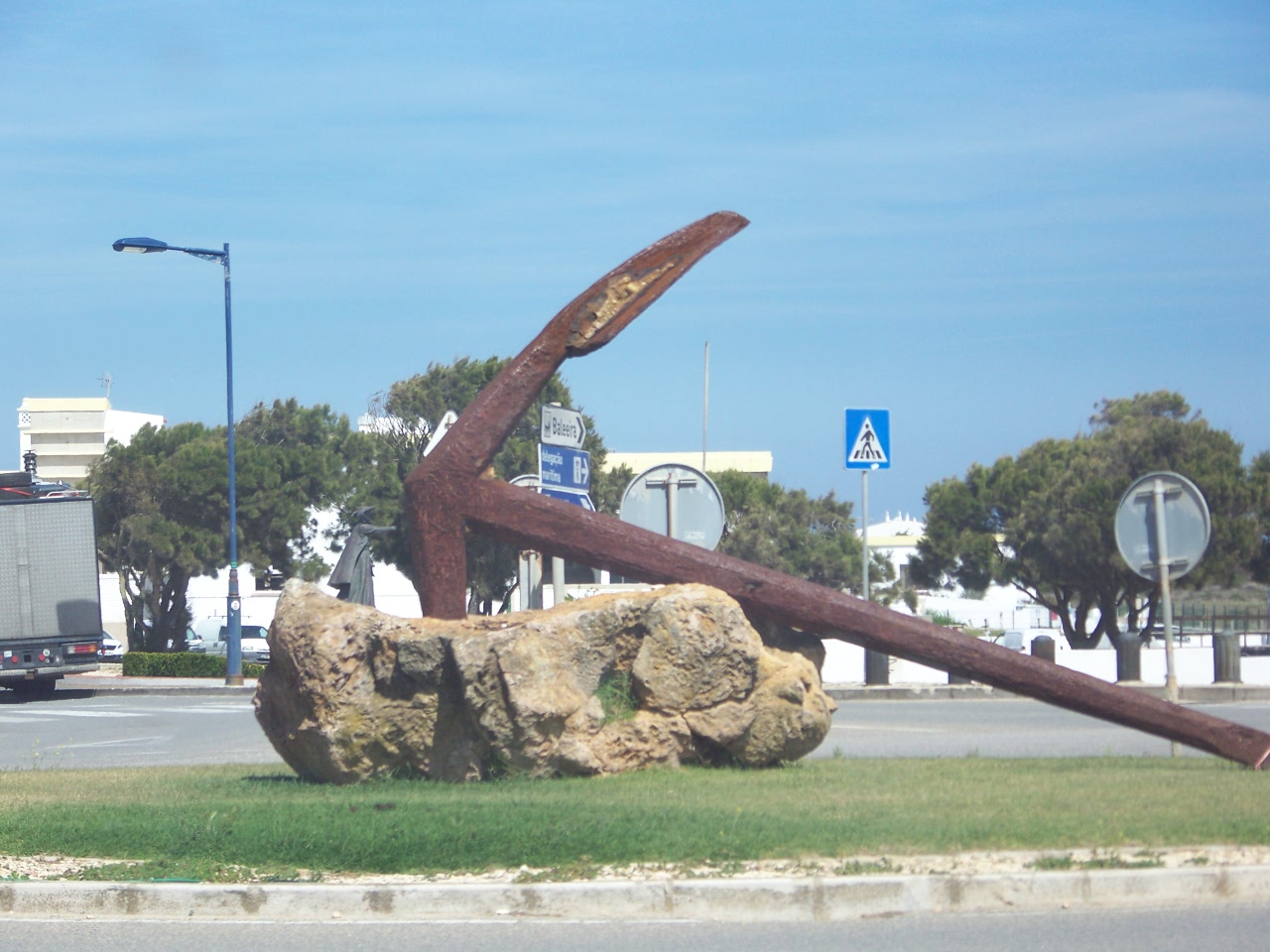
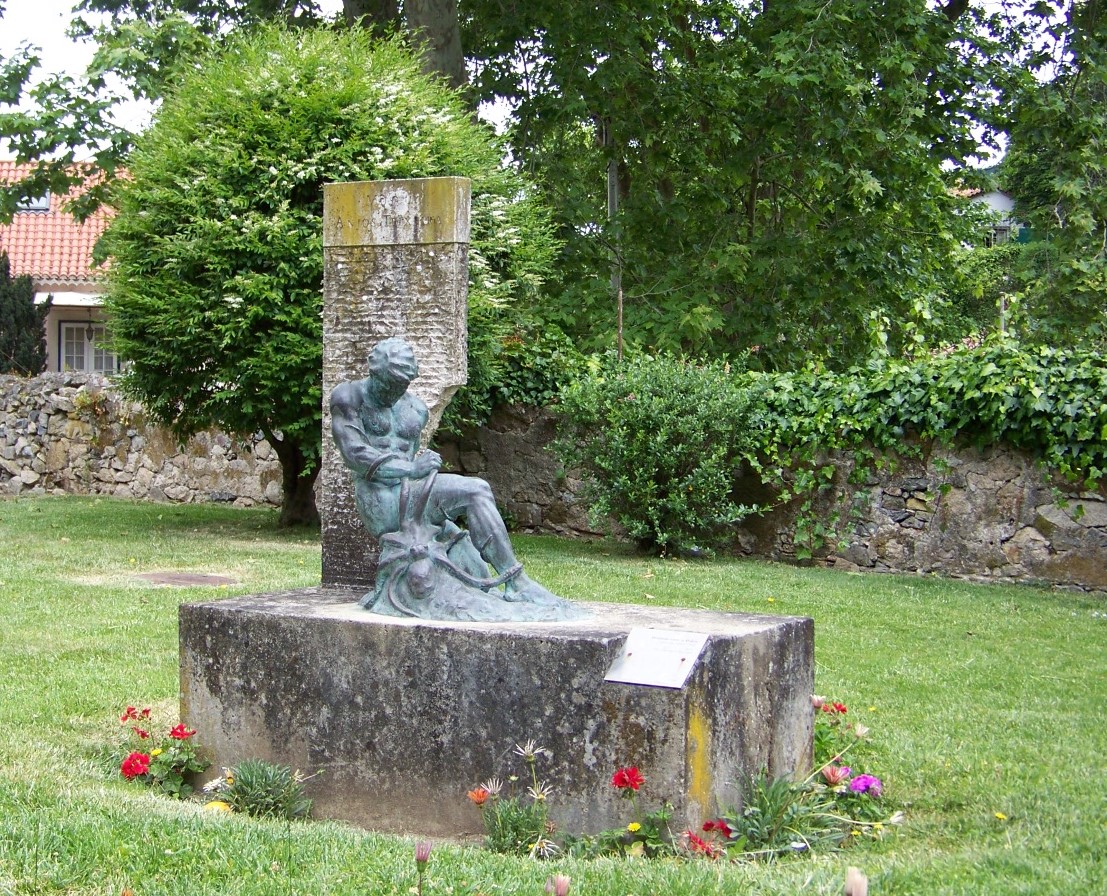
Portugal has other art as well — serious art — statuary and sculpture in city squares and parks, in front of public buildings and private apartment complexes, in gardens and on the beach, as well as dramatic, oversize centerpiece art in vehicular “roundabouts.”

It’s a phenomenon. There is little need for visitors to pay admission fees to art museums: The best art is free for viewing all around!

If pictures are worth a 1,000 words, this is a “book’s worth” of my favorite images.

I hope you enjoy them as much as I did. In a future post, I’ll share some of the notable public art we encountered throughout this unique country.