
Uruguay was not on my list of must-visit destinations. In truth, I had not given more than a passing thought to a scheduled port call in Montevideo. The cruise was a South American adventure that included a visit to the Antarctic Peninsula, and it had been in the planning states for three years, since before COVID. I had had plenty of time to research Chile and Argentina — Santiago and Buenos Aires were the beginning and endpoints of the cruise, and my spouse and I planned to spend a few days in each city, in addition to the 16 days we were scheduled to be aboard the Sapphire Princess.





But Montevideo had not been in our sights during the planning stages. Actually, I must confess that we had to look up the proper pronunciations of both the country’s name and the city! We knew virtually nothing about Uruguay, and our time in Montevideo would be limited. Although it was tempting to simply spend our shore time at a nearby beach, we booked a half-day excursion for a wine-tasting event at a well-known Bodega not far from the city. That allowed us a couple of hours to explore the city, as well as a glimpse of the nearby countryside.
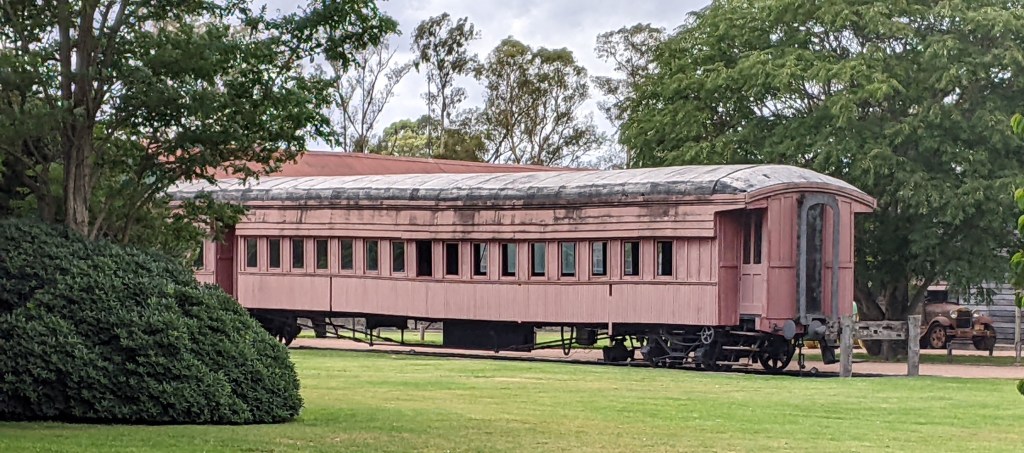
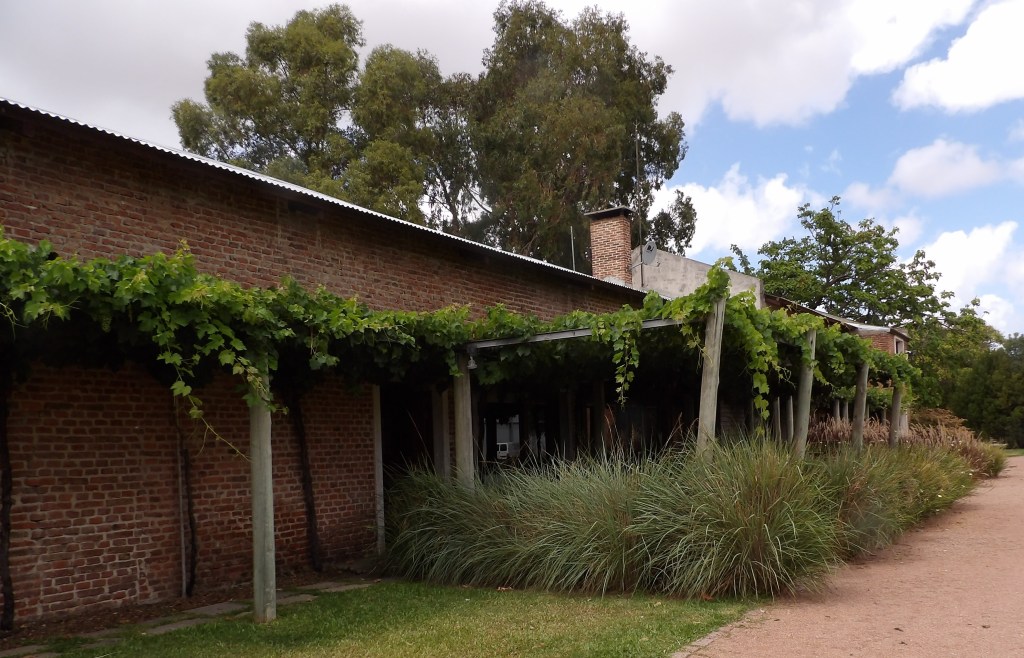
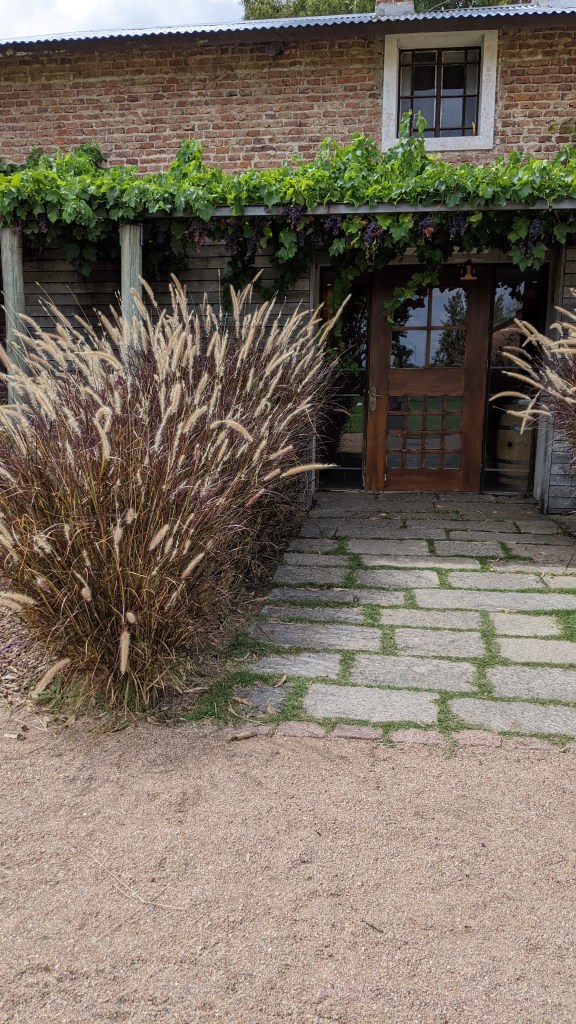
Our only regret is that we didn’t have ample time to enjoy dinner at Bodega Bouza as well. The winery occupies idyllic grounds only about a 25-minute drive from the heart of the city. We were enthralled by the mix of historic buildings, manicured lawn, healthy vineyards, and resident geese, peacocks, and cats. In addition, there is an old rail car, vintage farm equipment, lush landscaping, and several outbuildings, including an impressive modern dining hall.
Our tour of the vineyard was interesting, and a subsequent visit to the state-of-the-art processing, aging and bottling facility, including a visit to the climate-controlled cellar, was informative and worthwhile.
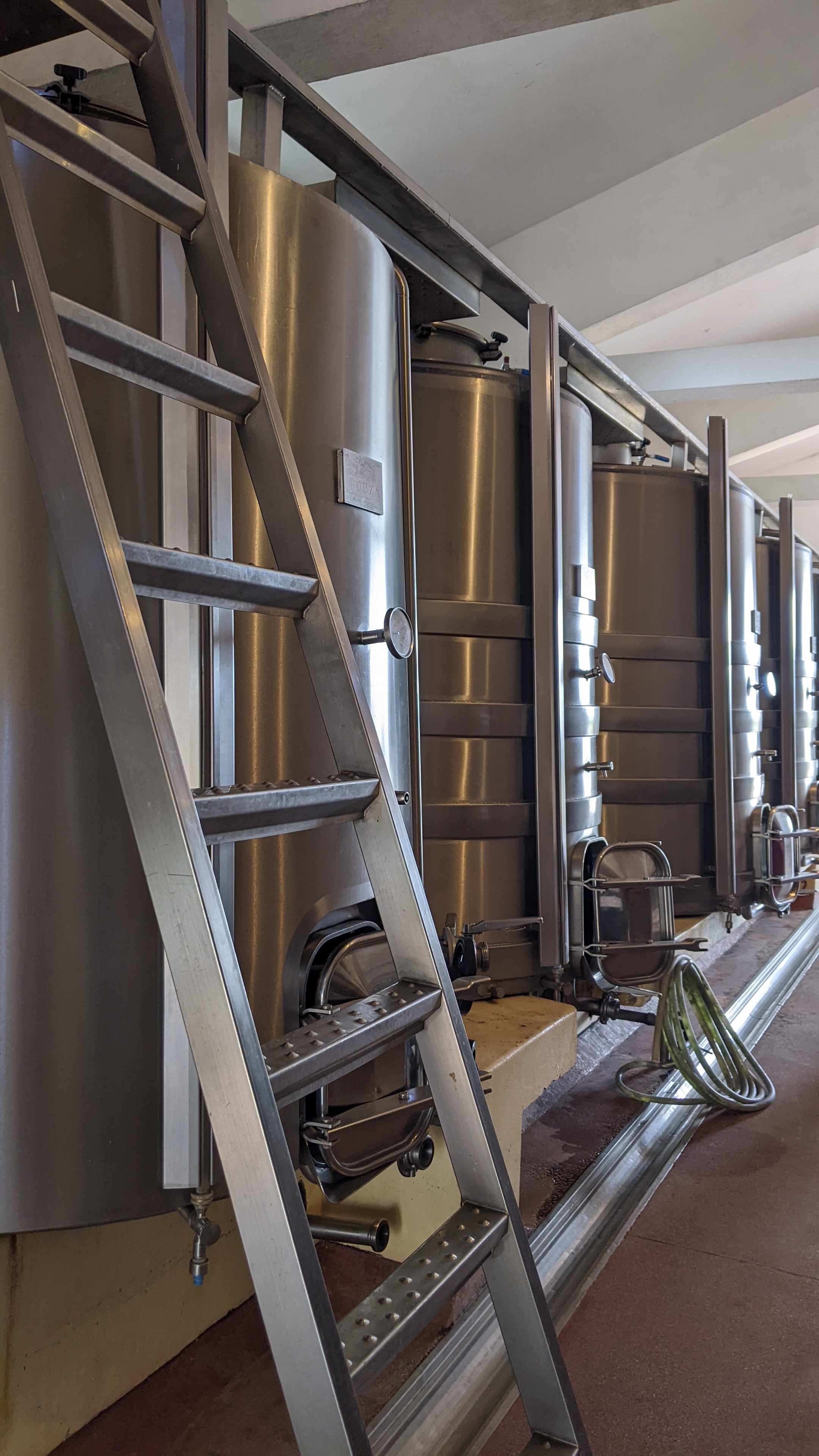
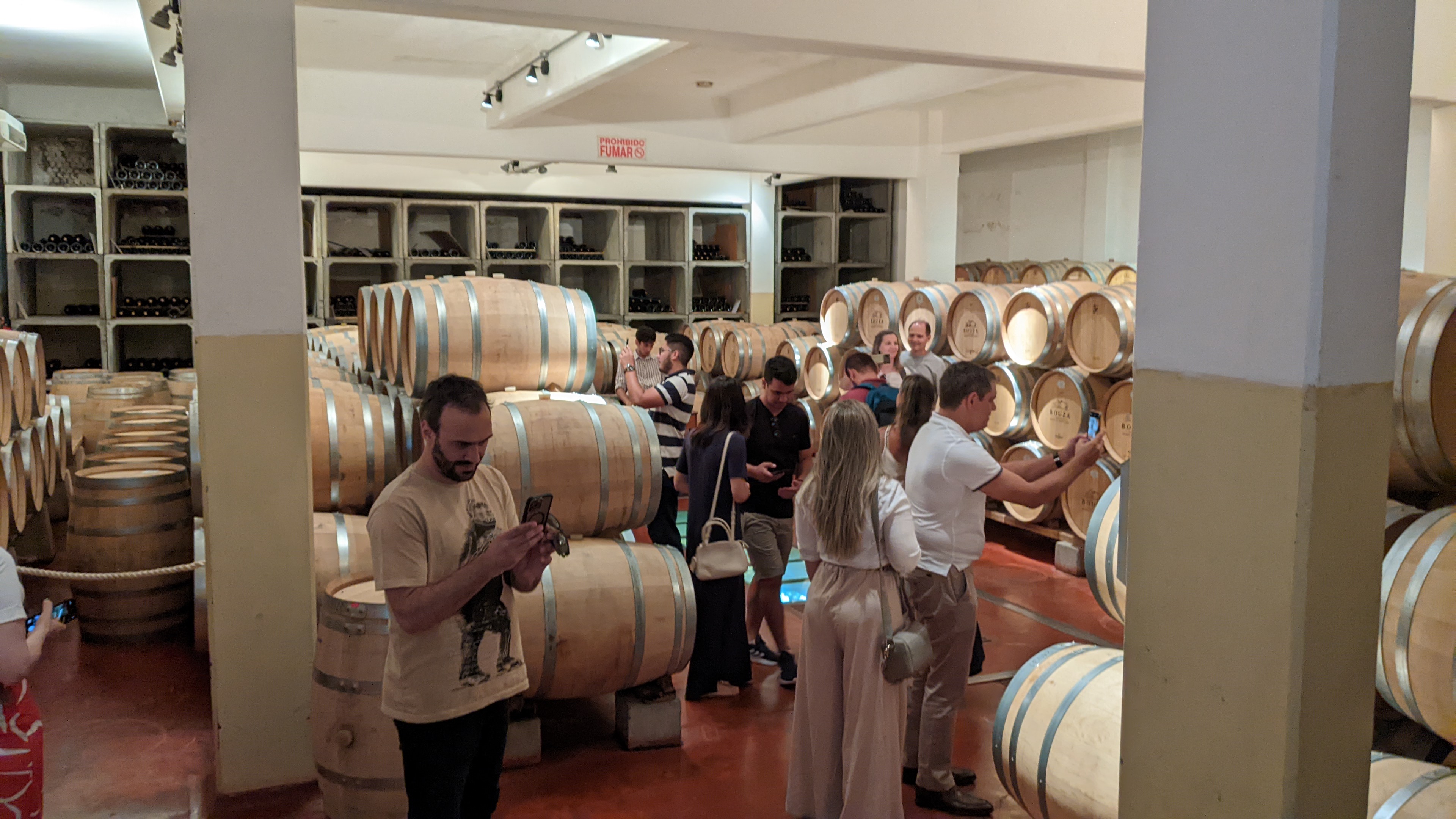
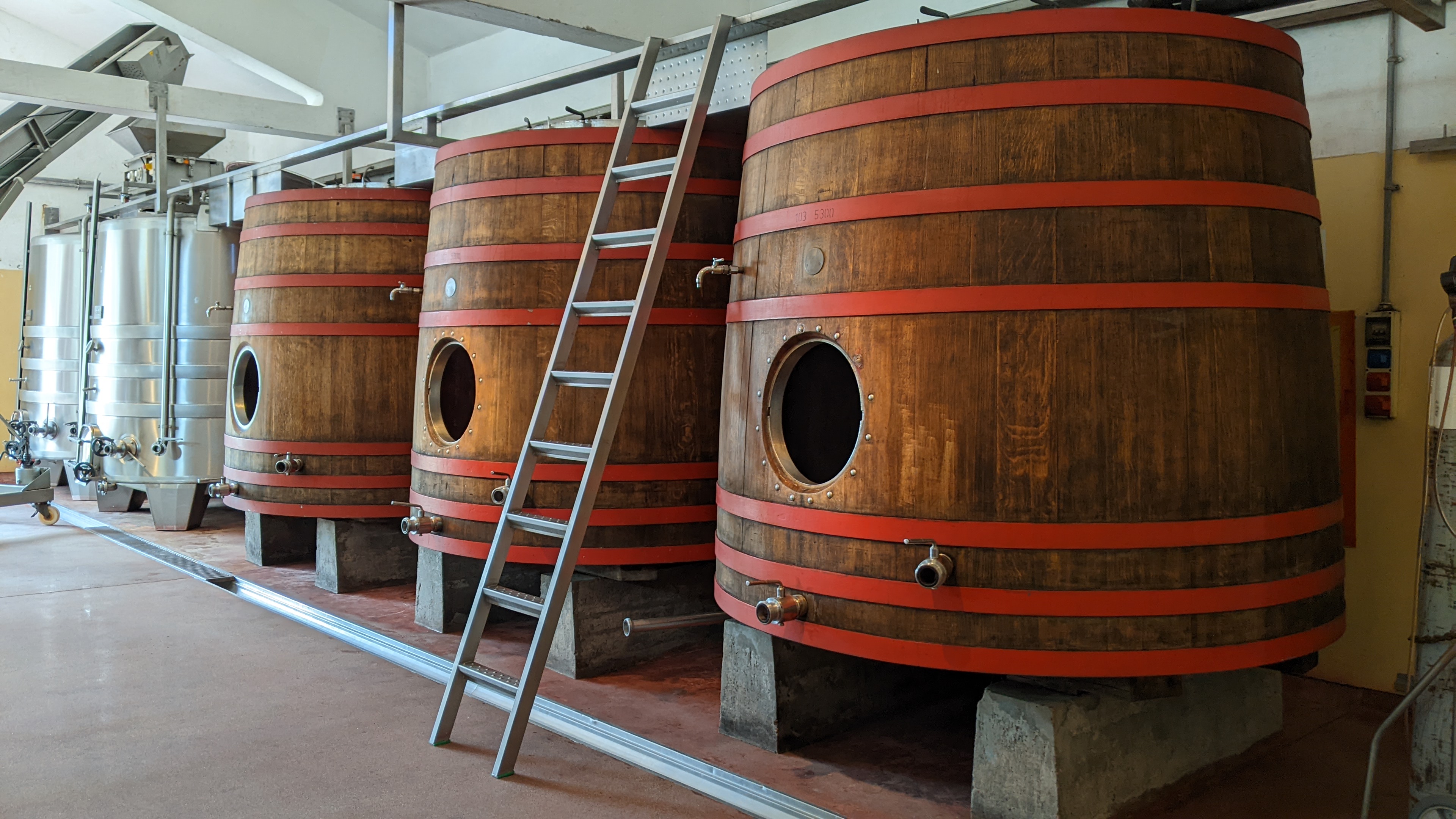


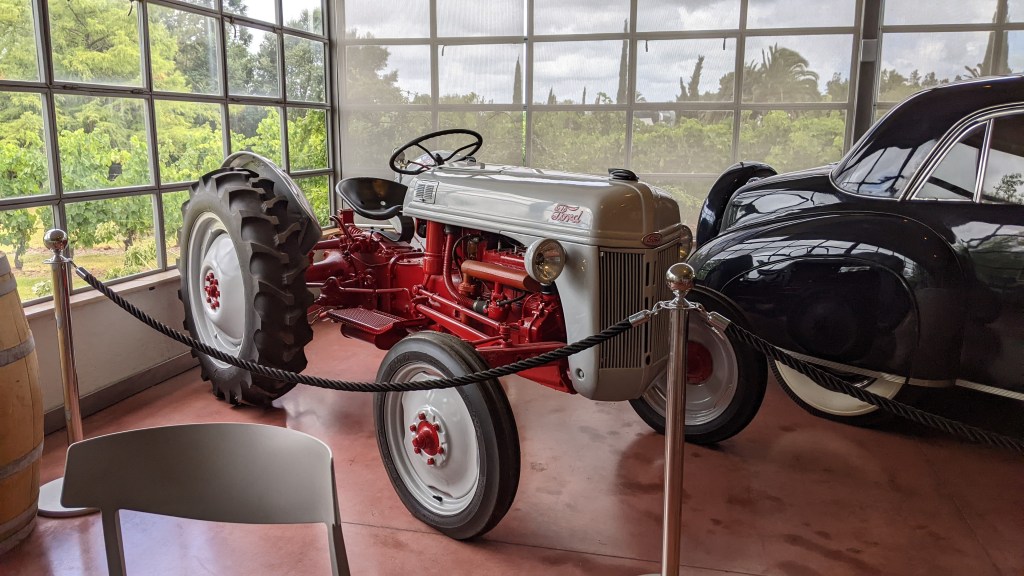
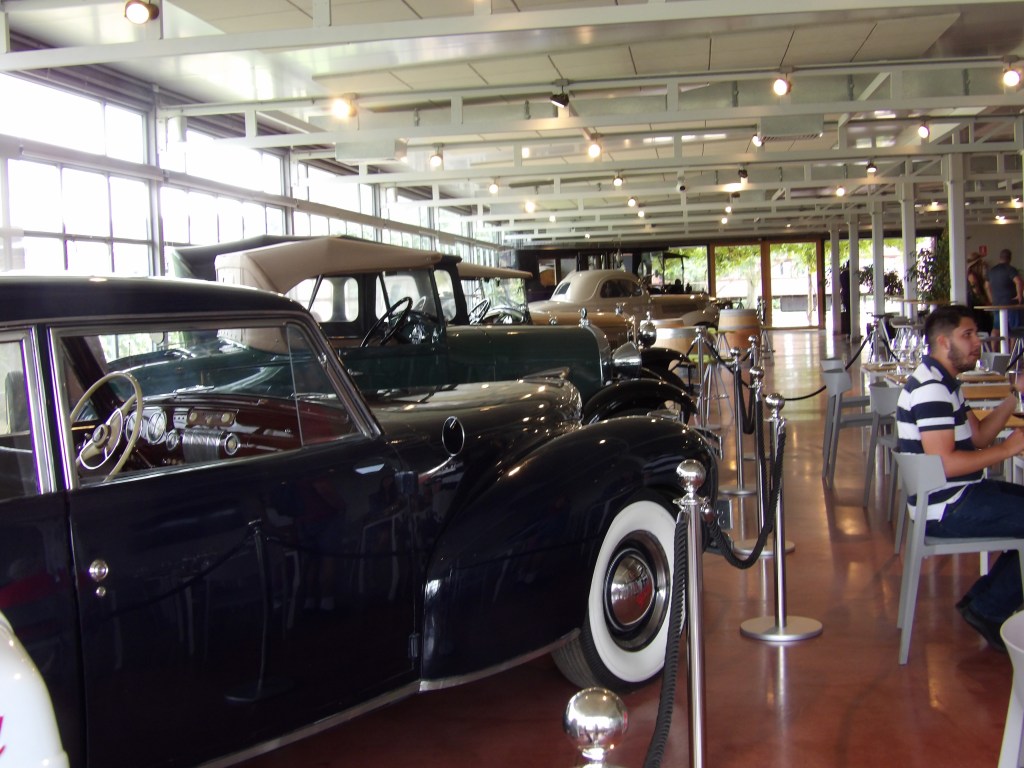
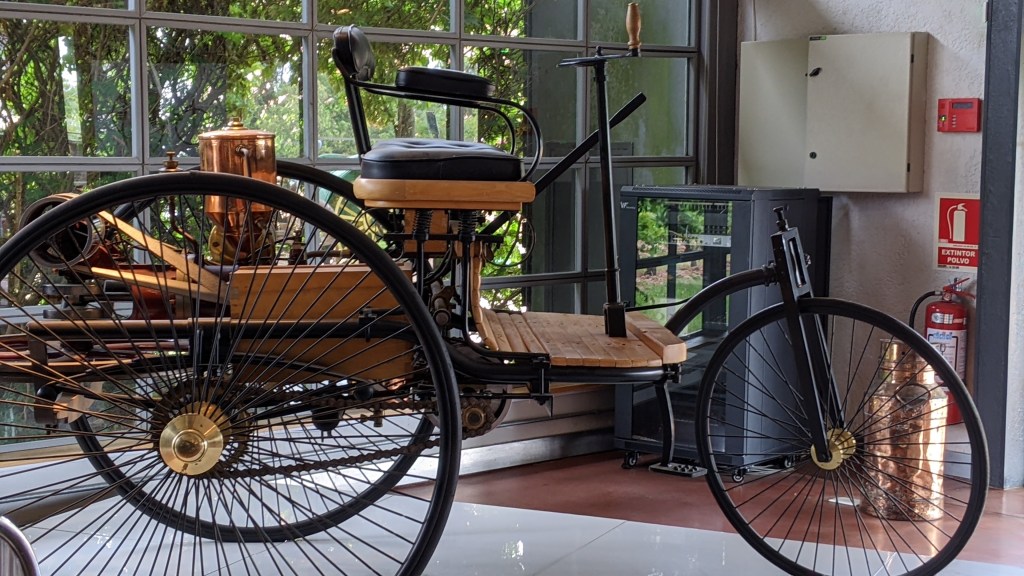
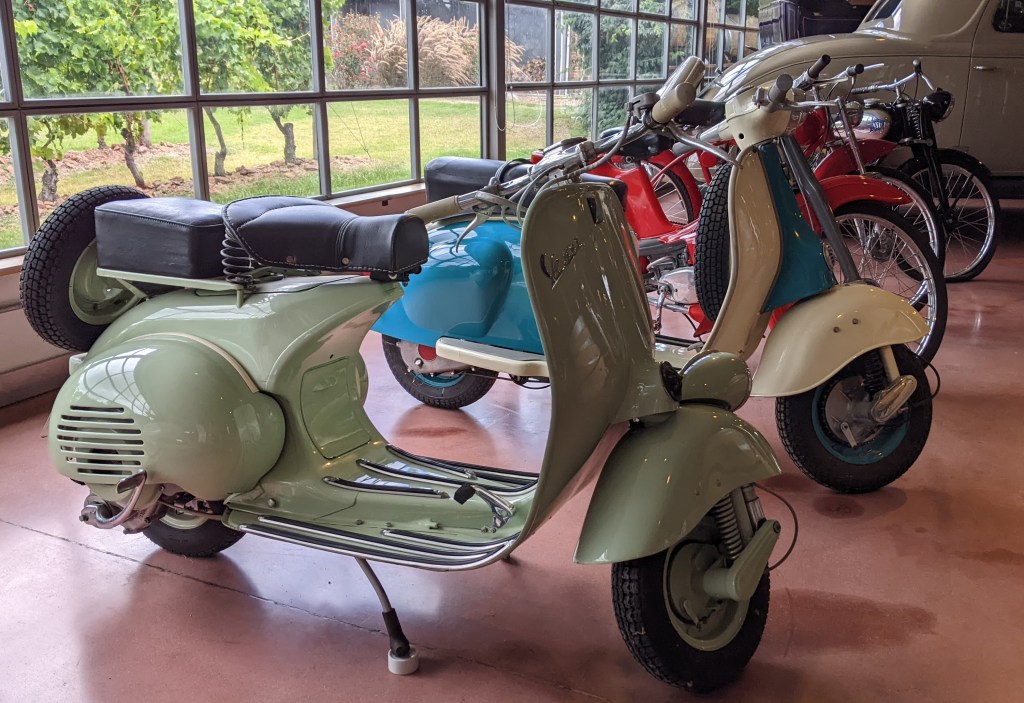
Bodega Bouza, situated in the northwest section of Montevideo, is surrounded by the five-hectare Melilla Vineyard, and was established by Juan and Elisa Bouza between 1999 and 2001 as a family-owned enterprise. The casual, light-filled tasting room — Bouza Vinos Garage — offers tables and chairs surrounded by the family’s collection of classic vehicles. There are work vehicles, classic motorbikes, and antique automobiles, in addition to highly unusual commercial machinery and delivery wagons. Vintage automotive buffs might enjoy the cars as much as the wine!
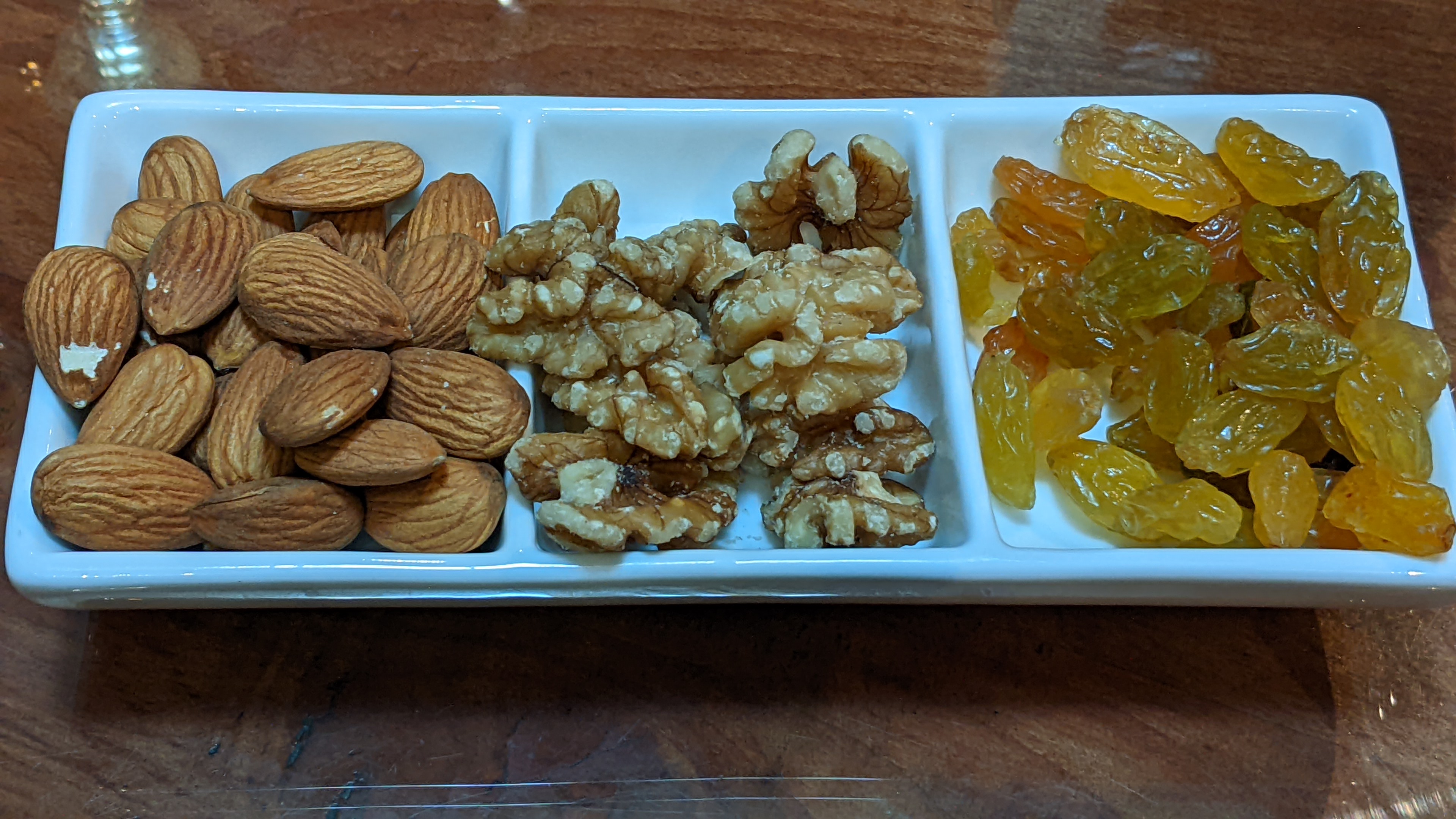
Tables in the garage are elegantly set with glasses for sampling one white wine and three red wines. The tasting itself was perfectly choreographed, with an introduction to each variety of wine offered, and tapas were chosen to enhance the flavor of each wine. We were served miniature beef empanadas to accompany the full-bodied specialty red that Bouza is known for. It was a treat to enjoy our wine tasting in such a setting.


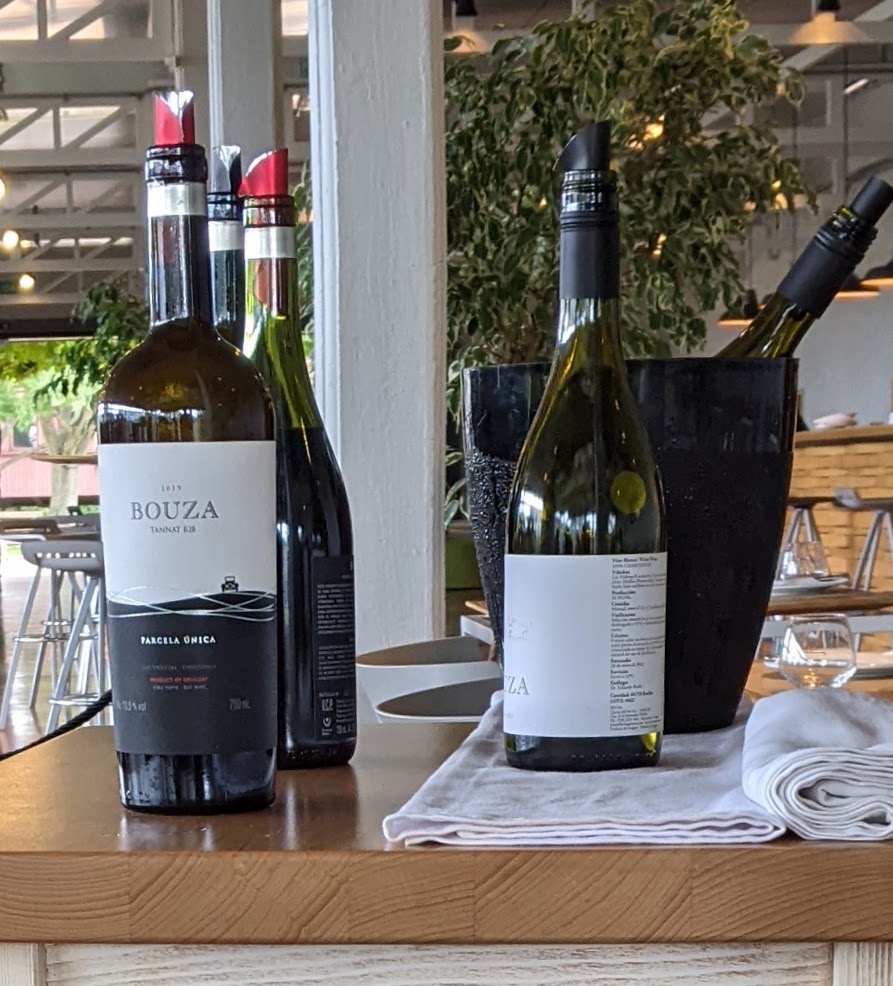

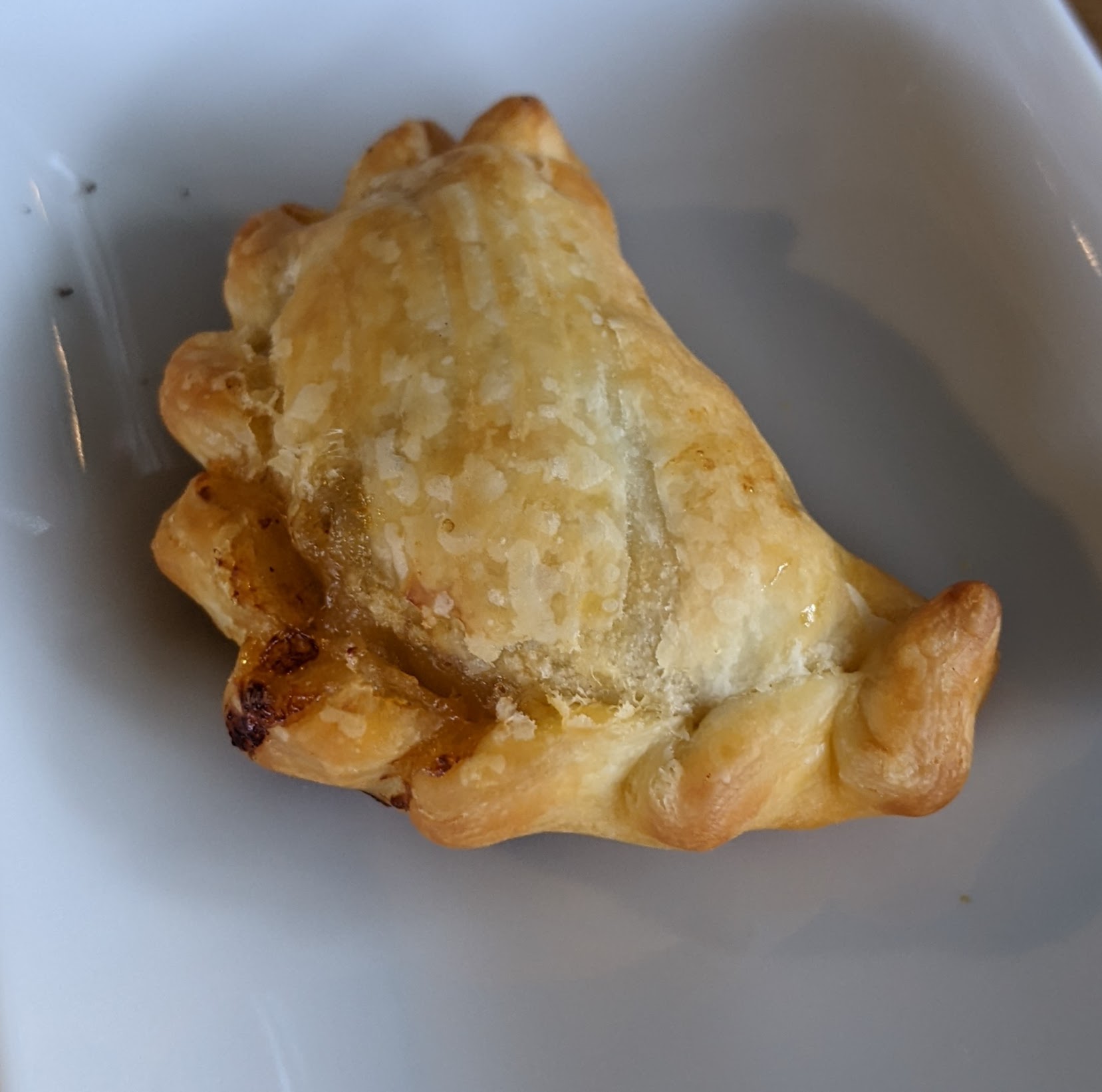
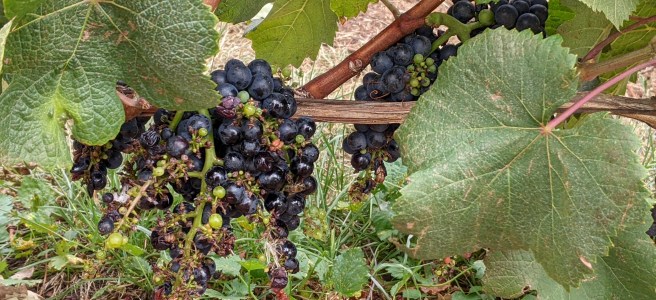
We were intrigued by this opportunity to sample wine produced from the Tannat grape, and pleasantly surprised by how much we liked this deep garnet, somewhat “heavy” red wine. Sometimes known as Uruguay’s national grape, most experts believe it originated in the Basque region of France. It was brought to Ecuador in 1870 by a Basque immigrant, and the vines flourished there. Today, this grape accounts for approximately one-third of total Uruguayan wine production. It is often blended with other grapes, Cabernet Sauvignon, for example, Pinot Noir, and others to produce lighter, less intense sipping wines.
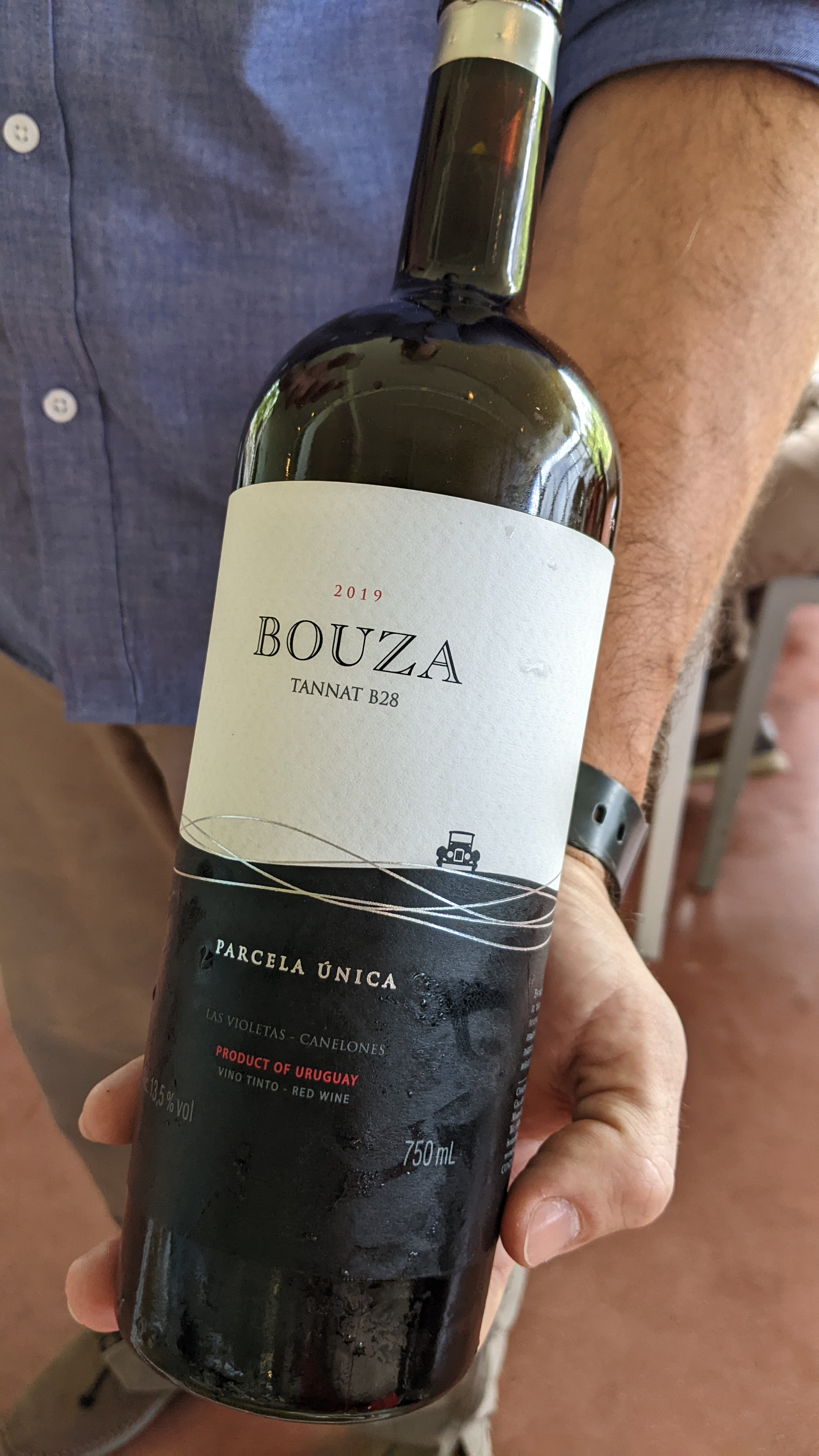
Some people find the full-bodied, dry red too acidic for their taste. However, it has attracted new fans who appreciate its earthy flavor, complex fruitiness, and distinctive dark appearance. Interestingly, Tannat grapes have five seeds, compared with only two or three found in other red wine grapes. The additional seeds, when crushed, boost the concentration of antioxidants in the resulting wine. Ongoing research confirms that Tannat wines have significantly higher antioxident properties than other reds. So, If you need excuse to try it, this just might be it!
We needed no excuse to savor this distinctive, dry, dark, fruity wine. We found it to be smooth and exceptionally enjoyable, not that the other varieties we were served weren’t equally delightful! We were offered one white and three reds, each distinctive and served with complimentary small bites. During the course of our tour and tasting, we had an opportunity to meet and talk with participants from Uruguay and from neighboring Argentina and Brazil. As the lone Americans, that proved to be a cultural highlight. So much so that, because we had some time to spare, we shared a bottle of Bouza’s Tannat with another couple, confident that we had a driver who could get us back to our ship on time!
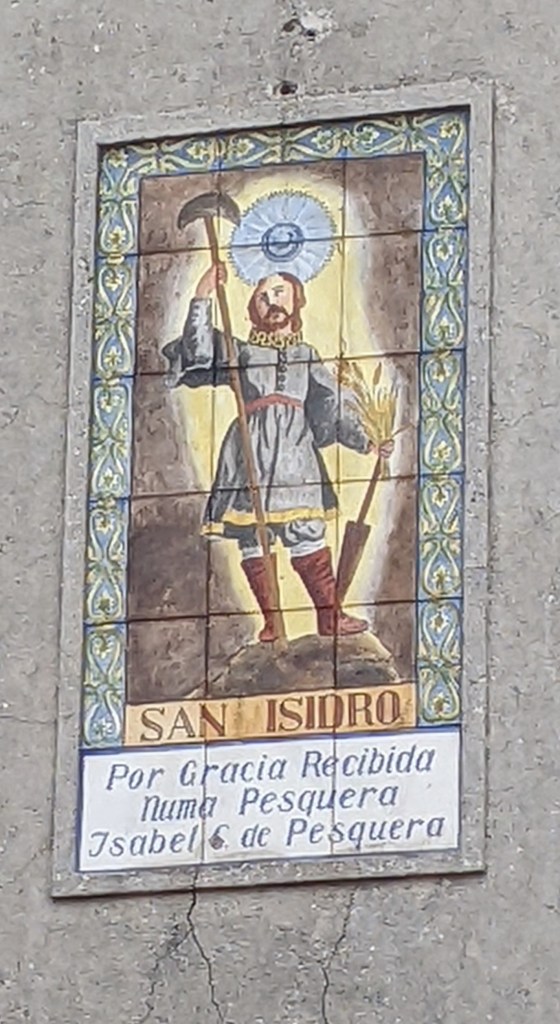
The historic winery that is the heart of Bodega Bouza was built in 1942 by Numa Pesquera. The winery has now been expanded to include a total of five separate vineyards. Tannat and Merlot grapes are grown at all locations, and Bouza has become renowned for its Tannat wines. Because of the family’s Spanish heritage, they were the first to introduce Albarino grapes to Uruguay and today they also produce Tempranillo wines. In addition, they produce Merlot and Pinot Noir. Bouza Whites include Albarino, Chardonnay, Semillon, and Riesling.
The other Bouza vineyards are located in Las Violetas, Canelones (the first acquired by the family), and in Maldonado, where their Paz de Azucar and Las Espinas vineyards are located. More recently, Bouza acquired the Canelon Chico vineyard in Canelones, once owned by their winemaker, Eduardo Boido.
We had a wonderful time at Bodega Bouza, and highly recommend this excursion if you find yourself in Montevideo, Uruguay. We would not hesitate to return, but would try to schedule time to include a meal there next time.
Now we are on a quest to find Tannit wine at home here in Arkansas. Hopefully, it will be Bouza!


 Good Food and Faraway Places