

There are as many travel styles as there are schools of art expression, but rarely does anyone speak of travel as an art form. I have been thinking of that these past few months, as I have left home several times for both business and pleasure, and as the reality of travel has almost returned to the norm of pre-pandemic times.
What strikes me is that taking to the skies and seas and roadways of our globe — just for the fun of it — has indeed become a lost art. In the wake of governmental restrictions and health recommendations, travel requires more thought and planning than it once did. I don’t know if I will ever again feel completely free to set foot out in the world without some serious advance arrangements and a good bit of thought about the details of a trip.
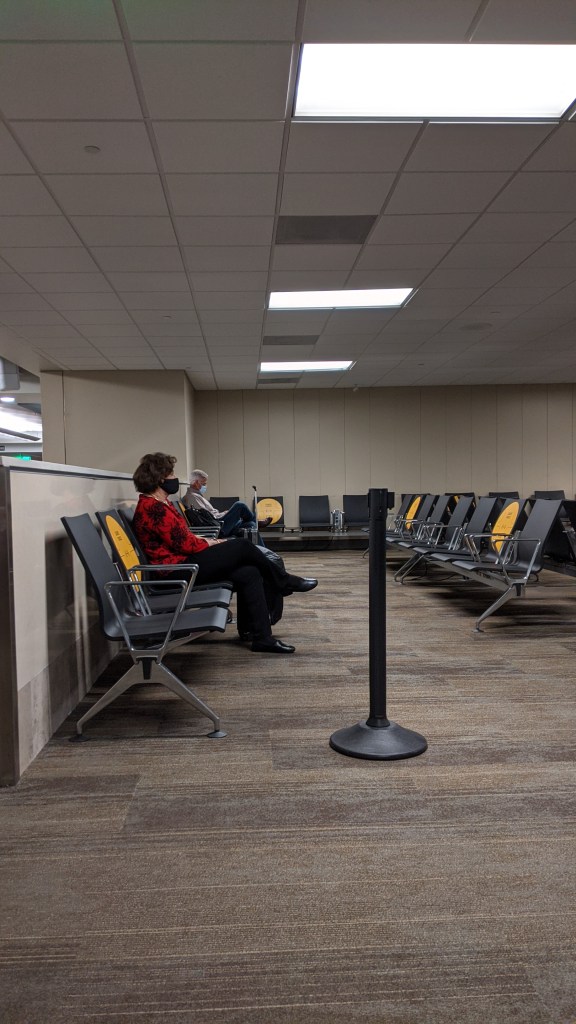
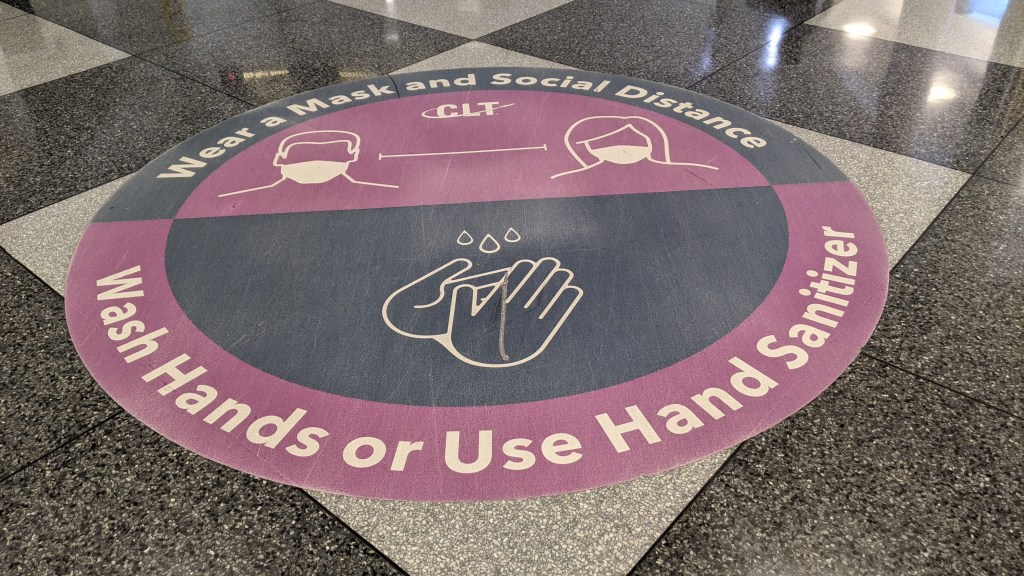
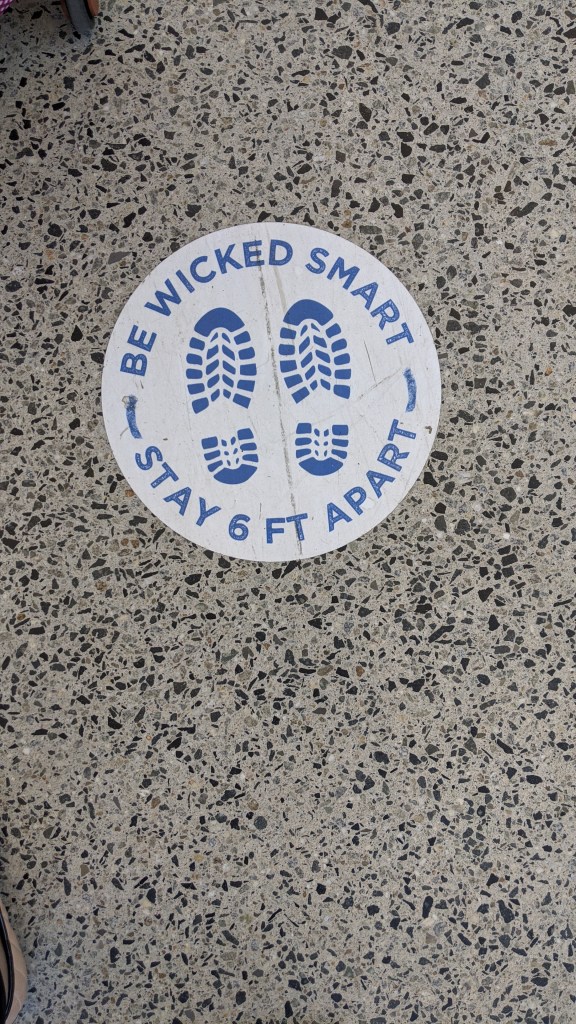
Will vaccination updates, masks, hand sanitizers and health screenings continue? Will we be required to pay heed to worldwide travel advisories as the earth becomes more divided based on nationalities and dogma? Have restrictions become accepted? Just what are the acceptable guidelines for travel? Will health requirements and some form of social distancing become even more stringent? Have we seen an end to overcrowded buses and packed elevators? (I know, some of that may be a good thing!)
What kind of traveler you are has to do with personality, inclination and DNA. There are cautious planners, those who will only travel with a group and a well-planned itinerary, the Jack Kerouac types who prefer to set out for adventure with no destination in mind. There are those who thrive on the sense of freedom that unplanned itineraries provide, and purposeful travelers who have specific goals and seek meaning from every experience. And there are also those who have pretty much given up on travel except when it’s absolutely necessary. Do you know your type? Or do you let the destination dictate the type of journey? Do you agonize over the right degree of preparedness?
Even if you’re a no-fear rambler, it doesn’t hurt to have a game plan before setting out.
New outbreaks of Coronavirus makes it timely to review some basic travel precautions, not all of them health-related. While mandatory quarantine lasting two weeks or longer is certainly unusual anymore, accidents and delays can result in extended time away from home, and incidents, unfortunately, are not that unusual.
The Goal is to Stay Well and Enjoy Life
Staying well while traveling is a primary goal, and following recommended practices should never be optional. But I believe that traveling the world is truly no more hazardous to one’s health or sanity than staying on home turf.
We are all exposed to innumerable unknown viruses every time we venture out in public — to the supermarket, a shopping center, a restaurant or the gas station. If you attend church or visit your child’s school, you are probably at risk. Unfortunately, even the best masks are not 100% effective. Nor will they protect us from all ills. Common colds and flu-like symptoms can, under the right circumstances, become as deadly as COVID-19. Remember the names that plagued us in the past — Legionnaires Disease, norovirus and hepatitis. And before that, there were others — malaria, typhoid, typhus, yellow fever and other mosquito-borne disease, as well as polio, TB, measles and chicken pox.
Humans have been a breeding ground for disease for millennia.
And about the risks travelers face:
Stepping off a curb can result in a sprain and any number of minor mishaps can keep you away from your office, or cut into your fun. Bending over to pick something up can be the cause of a charleyhorse, a cramp or worse.
Those things happen whether you’re at home or out in the world. And that actually might be one of the better reasons to get away as often as possible. A spur-of-the-moment excursion helps keep us all balanced. Even an impromptu picnic in the park is sometimes enough to lift us out of the doldrums and give us a new lease on life when it has become too routine or too tedious.
This is by way of affirming that I will continue to be on the road routinely, in an airplane or on the seas, going where and when I can, for whatever reasons I choose. I will follow any mandated directives in place at the time but I will not stay home simply because I cannot travel in the same manner that I was able to travel yesterday — or five years ago, or when I was 20!
Read the Current Regulations
Governments and healthcare providers are only too willing to recommend “best practices” for future travel. Pay attention. Get those shots, stock up on masks if need be, travel with sanitizers and sterilizers if you must and follow all the guidelines, not only for the next outbreak of a contagious illness, but also to lessen common health risks in the areas you intend to visit. Know before you go if additional vaccinations are required. Ask your medical provider about potential treatments for any situations you anticipate, whether they are motion sickness, sunburn or stomach upset. Travel with the preventive aids that will help keep you fit and well, or make you feel better when necessary.
Prescription Medications
Always travel with an ample supply of those pills and medical aids that you regularly use, even if you only plan to be away overnight. Take extras. For longer, planned getaways, bring copies of actual prescriptions, have your pharmacist or physician prepare a list for you on official letterhead, and keep your pharmacy name and prescribing physician’s name and telephone number handy.
Don’t forget prescription eyeglasses and hearing aid batteries, or spare earpieces, if necessary. A second pair of reading glasses or sunglasses, along with your vision prescription, and an eyeglass repair kit are always handy.
Physical Aids and Implements
Even if you use them only rarely, bring those medical aids that make your life easier. If you use a CPAP machine at night, don’t travel without it. Other items that can be invaluable when traveling include:
- A folding or telescoping cane; or an umbrella that can double as a walking stick;
- Compression socks;
- An emergency tooth repair kit. Speaking from experience, losing a crown in a foreign country is no fun!
- Band-Aids, eye drops and digestive aids;
- An all-purpose antiseptic cream.
- Lemon drops and candied ginger strips — my personal favorites for sudden nausea.
You might have other items that you consider vital, but know that you can always purchase grooming aids, shampoo, or toothpaste anywhere in the world you find yourself. Don’t use valuable space to bring those items from home.
Additional Conveniences
Aside from health needs, there are some other things that can make every trip easier and more pleasant. Whether you plan a long road trip or a long flight, and no matter what season it might be, the following items will serve you well:
- A lightweight scarf or shawl that can double as a blanket;
- sunglasses or an eye mask for grabbing quick naps;
- slipper socks and/or a pair of flip flops;
- Head covering: A straw hat, a baseball cap or a scarf that be used as a neckband;
- A plastic poncho or lightweight rain jacket;
- A tote that folds to the size of a slim wallet, or a mesh bag that can accompany you to an open market or for souvenir shopping.
With the above items tucked into a shoulder bag, and one wheeled carry-on bag, you can get by for days or even weeks on the road. If you’re packing for a cruise, you might want a larger suitcase — but these days, that’s a personal choice as well.If you plan to do a lot of walking, always include at least one extra pair of shoes or lightweight boots. And, give your feet and legs a break by taking regular breaks. Sit with your feet elevated when you have a chance! Don compression socks for long flights or during extended rail or bus trips.
Cultivate Adaptability
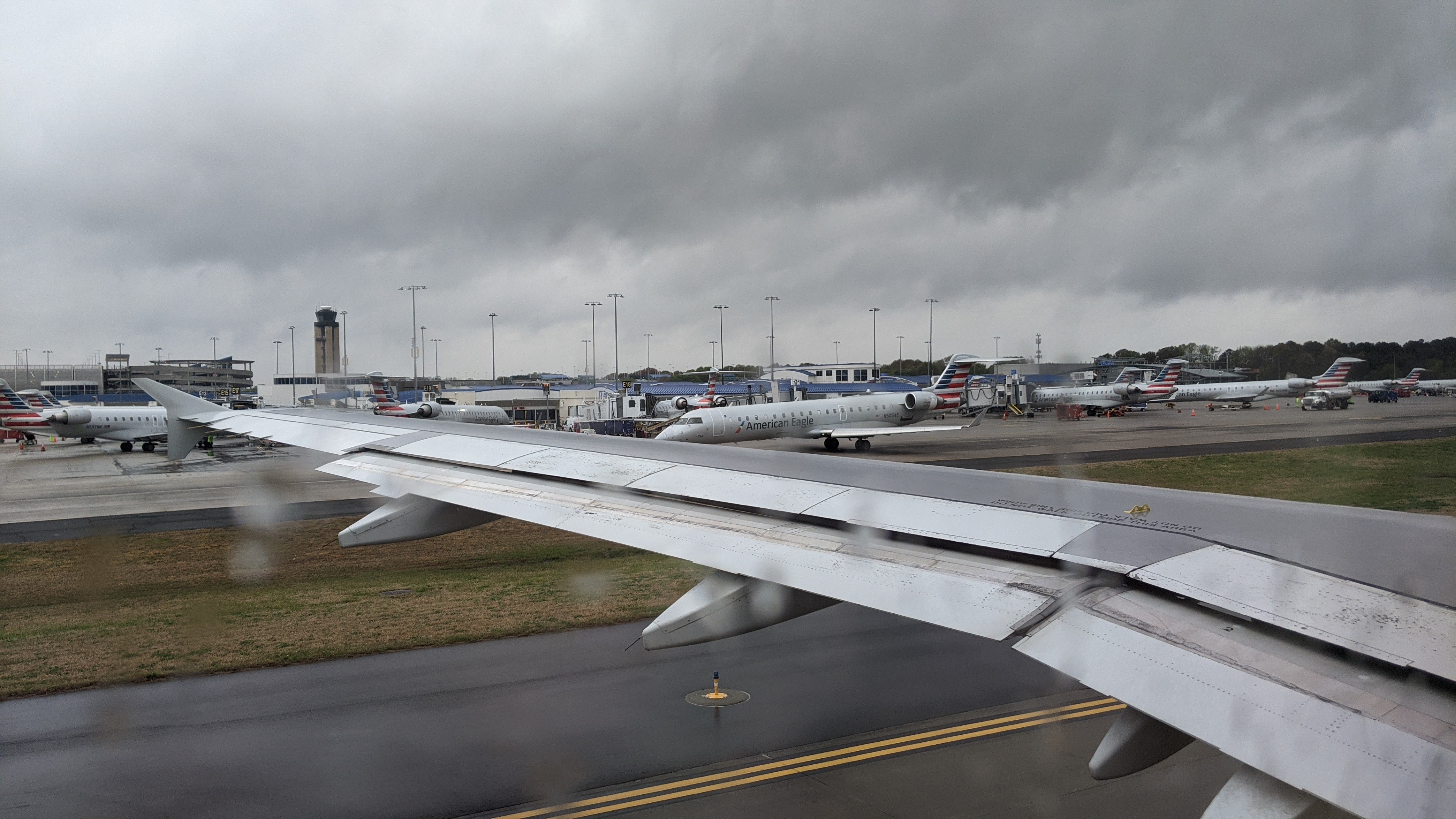
Taking flight or taking to the open road means checking the weather so that you have some idea of what to expect. I agree that it’s no fun to sit on the tarmac, but responsible planning allows for weather delays, missed connections, traffic snarls and last-minute route changes. Know your options before the trip begins, and know that well-laid plans sometimes go awry or must be adjusted. It may not always be fun, but don’t let it become disastrous. Practice deep breathing, and simply consider your alternatives.
Old school traveler that I am, I always like to have a paper map of my route or destination city tucked in my carry-on bag. I know that digital connectivity is not always reliable. Maps serve a dual purpose: Even if you don’t speak the language, you can always communicate by pointing to a spot on the map. Trust me, it works!
Create a ‘Most Dreaded’ List
Then plan what you would do, if . . . You might be surprised how confronting your worst fears and considering your options in advance can remove the dread of traveling. Sometimes, acknowledging your fears will help keep them in check.
For instance, if you’re concerned about getting separated from your partner or travel group, arrange in advance to meet in a convenient place at a specific time. Then, if the fear becomes a reality, simply resort to your fallback plan. You may have a great story to tell when you meet up with your companions.
Other travel occurrences can lead to more serious consequences. So, here’s an additional list of wise habits. Not that they cover every contingency, but they might help.
- Travel with a photocopy of your passport. Include a list of the U.S. embassy or consulate addresses and telephone numbers in the major cities you plan to visit. Snap a photo of the written information and save it to your smart phone. With such information, you can easily replace a lost or stolen passport.
- If you’re traveling internationally, check your cell phone service for the countries you plan to visit. Pay supplemental fees if necessary to ensure you’ll have basic emergency service, at minimum. Always keep your phone charged, and carry it with you. Investigate other means of communication, like WhatsApp.
- Try to learn at least a few phrases in the language of the places you’re visiting. Don’t worry about being fluent! Native speakers appreciate your efforts and are more likely to help if you can say please, thank you, or “Where is the toilet?” in their language.
- Always consider travel insurance. Although you may never submit a claim, the fee you pay will be more than worth it if you become ill, if you have to arrange for emergency repatriation, if you miss a connection and must make new arrangements for lodging, food and travel, or if your luggage is lost and you need to purchase a new wardrobe.
I believe that getting away should always be enjoyable! It’s partly a matter of attitude, but confidence comes from planning. Dedicated homebodies and adventurous souls alike should take the time to consider, in advance, how to eliminate the stress of travel. More than anything else, resolve to cultivate your curiosity. Approach every trip as a learning experience. Strike up conversations with strangers, especially if you face travel delays. Sharing helps make the time pass more pleasantly.
All too often, an unintended travel glitch will become one of your favorite travel stories.
Think of travel as an art form, and explore the different ways it will enrich your life. You’ll arrive home with beautiful memories. Believe it!

































 Good Food and Faraway Places