How Color Can Define a Culture

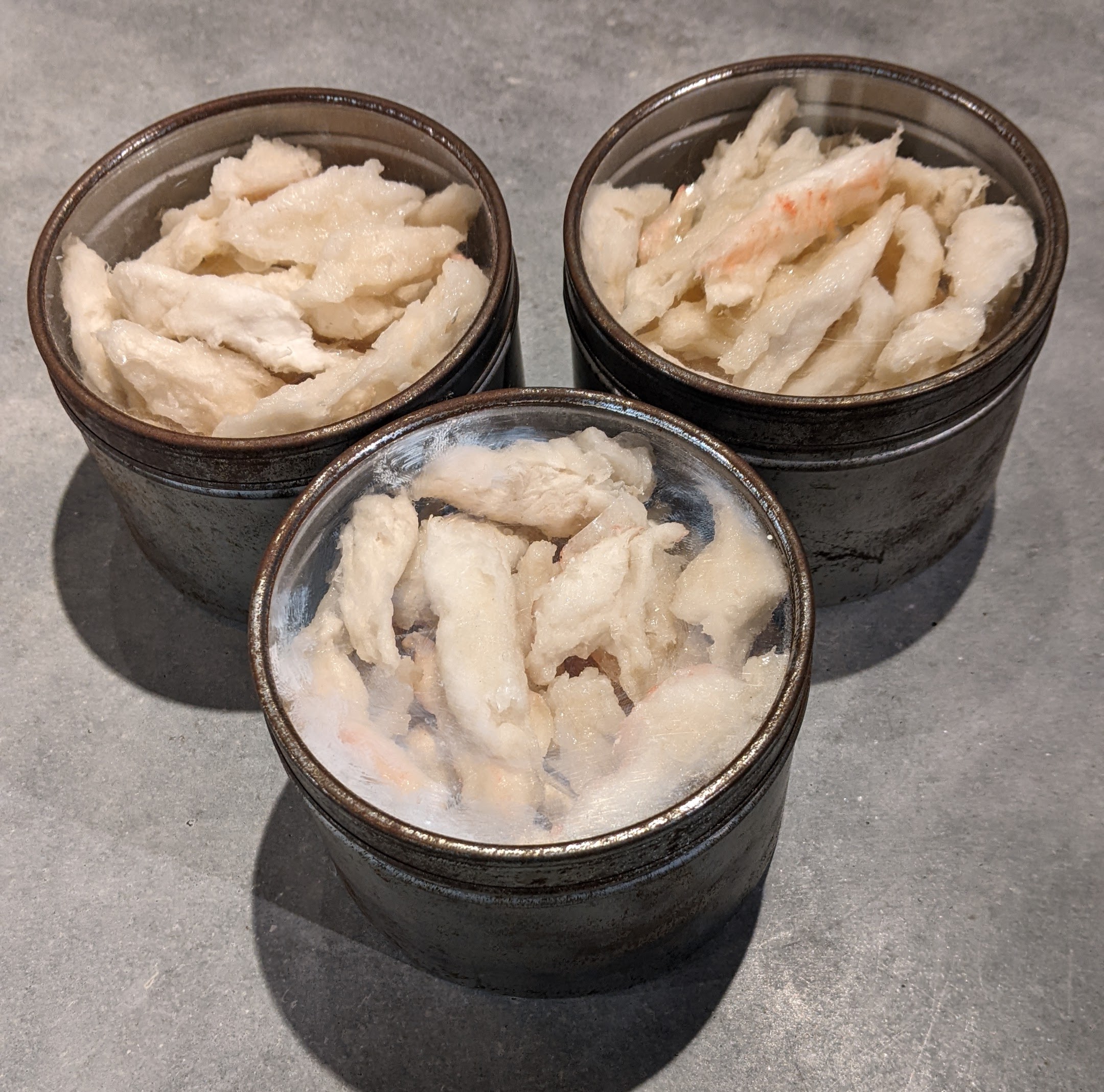
It was hard work -- for the women and the men -- but it was the price of freedom in the early Gullah Geechee known as Pin Point, near Savannah.

Haint Blue

It’s a paint color, a pale, watery shade that seems somehow imbued with sky, water, serenity, and the hopes and dreams of an entire culture. It’s traditional for the Gullah Geechee inhabitants of Georgia, the Carolinas and the sea islands that extend along the Eastern seaboard all the way to northern Florida. These people were transplants from western Africa, primarily Angola. For them, the color blue was sacred.  

Indigo bottles decorate a tree at Pin Point Heritage Center,
One of the many variations of Haint Blue colors a door at Pin Point, an impressive Gullah Geechee Heritage Center only about 11 miles from Savannah. Also, the deep indigo bottles on the tree are a reminder of the heritage of the hue.

In their native land, and also in the new world as enslaved people, they worked indigo plantations. The distinctive blue dye derived from indigo plants was used for textiles and was also adopted for home furnishings and décor. The Gullah people frequently painted the trim on their dwellings or the ceilings of their porches the distinctive shade known as Haint Blue.  Today, you’ll spot the color as building trim on small coastal cottages, and as the accent color on larger city dwellings along the Eastern Seaboard from the Carolinas to Florida as well. The blue that originally was derived from the Indigo plant has become an international favorite, and is a highly popular choice for home decor, particularly along the coast.

It’s a color that has also graced the porch ceilings of my homes — from Maine to Texas, and now in Arkansas — since I first learned about its history and its significance. It is said to ward off evil spirits. It is also believed to deter pests, particularly flies and mosquitoes. For those reasons alone, I would have chosen it, but the color is also calming and just unusual enough to appeal to me.  

Besides that, it offers one more chance to tell a good story! I learned more about Haint Blue and its American roots during a trip last fall to Savannah and Tybee Island, Georgia. 

The History of Haint Blue 

In the early days of the American Colonies, the enslaved peoples from western Africa also brought with them the indigo seeds that thrived in their home countries. They grew well in the marshy sea islands along the Atlantic coast and the blue dye derived from the indigo plant became a cash crop for plantation owners, prized by the British in both the Old and New Worlds. 

That distinctive blue retains its significance, although it appears today in a multitude of shades, from deep cobalt to a pale robin’s egg tint, from vibrant turquoise to a milky mixture of sky and sea with hints of grey or green. This historical affinity for blue is evident throughout the Low Country. 

The African slaves toiled over indigo, along with cotton, rice and, later, tobacco. Following the Civil War, Gullah populations settled in communities along the coast, subsequently beginning the tedious job of “farming” the marshes for shrimp, oysters and crab. They also planted fruit trees and small vegetable gardens. Interestingly, it is the Gullah culture that can be credited for some of the more popular “Southern food” that we enjoy today.   

The long, narrow lots fostered a sense of community for the  freed slaves.
Deemed unsuitable for wealthy Savannah buyers, former slaves pooled their money to buy the unconventional lots.

Waterfront property not far from Savannah that had been owned by Judge McAlpin as part of the Beaulieu Plantation was subdivided and sold to wealthy Savannah residents. Less-desirable marshy lots were made available to freed slaves who pooled their money to acquire long, narrow plots with limited access other than by boat through the marshes. The community of Pin Point was founded in 1896, and today it survives as the only Gullah Geechee community along the Atlantic coast that is untouched by commercialization.

Many of the newly-freed slaves remained on Skidaway, Ossabaw, and Green Islands as tenant farmers, crabbers and fishermen. However, a series of hurricanes swept through the barrier islands in the 1890s, killing many hundreds, if not thousands, of the inhabitants.    

Pin Point is included in the swath of land from the Carolinas to northern Florida designated by the U.S. Congress in 2006 as the Gullah Geechee Heritage Corridor. Late last October, during the time of my visit to the area, a bridge to one of the coastal islands a bit further north collapsed during a Gullah Geechee celebration, killing seven people and injuring many more.

Against the Odds 

From the beginning, the story of Gullah Geechee communities has been one of survival against the odds. It was a hard life, but the newly freed families “made do,” according to Gail Laverne Smith, who was born in Pin Point, Georgia.  

Smith’s recently published book, “Gullah Geechee Gal,” is a collection of stories and poems that speak of her life in the community.  

At once a personal memoir and a record of life in a post-Civil War community, this is a fascinating look at life in this unique community.

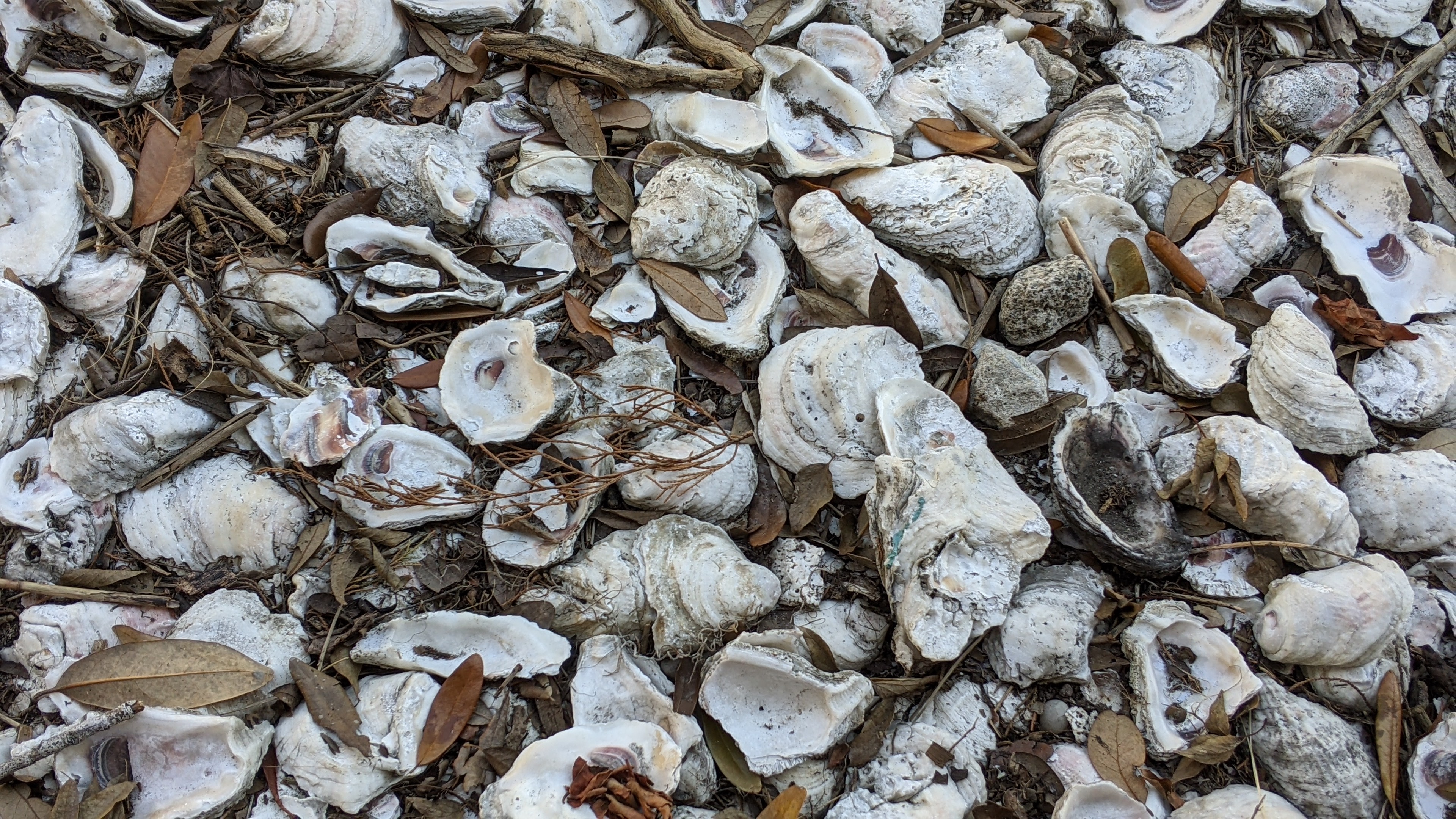
I met her at the Pin Point Heritage Museum, where she served as the Historic Interpreter. She spoke freely about her younger years as one of five children growing up in a community of fishermen, noting that they were “also skilled laborers who gathered to build homes, many of which were elevated on stilts to survive the heavy rains.” Known as shotgun houses, she explained that “when the front door opened, one could see clear through to the back of the house.” Other dwellings, including some of the first cabins in the community, were constructd of Tabby, a mixture of burned oyster shells, sand, water, and lime. A few still exist.

Today, about 100 residents still live in Pin Point, and the historic church and cemetery still serves local families. When the community was established, the first settlers built Sweetfield of Eden Church, an “offspring” of Hinder Me Not on Ossabaw Island.

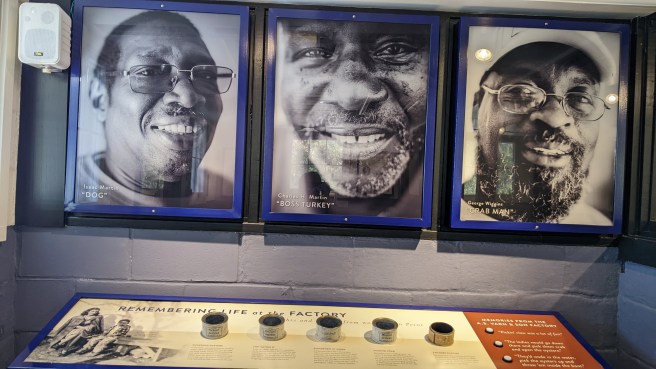
In the 1960s, according to Smith, about 400 families lived in Pin Point. Supreme Court Justice Clarence Thomas was born in 1948 to a Pin Point family. He was not only instrumental in the establishment of the cultural center, but is one of the featured former residents in the informative film shown to Pin Point visitors.  

The Pin Point Heritage Museum

The educational center at Pin Point Heritage Museum is located in the former A.S. Varn and son Oyster and Crab Factory. Visitors are first treated to an introductory film, and then are free to explore the grounds at their own pace, learning about the factory’s operation during the years from its founding as a processing plant in 1926 until it ceased operation in 1985.  

Visiting Pin Point today is like taking a step back in time.
The Pin Point Heritage Center is located on a tranquil site not far from Savannah.

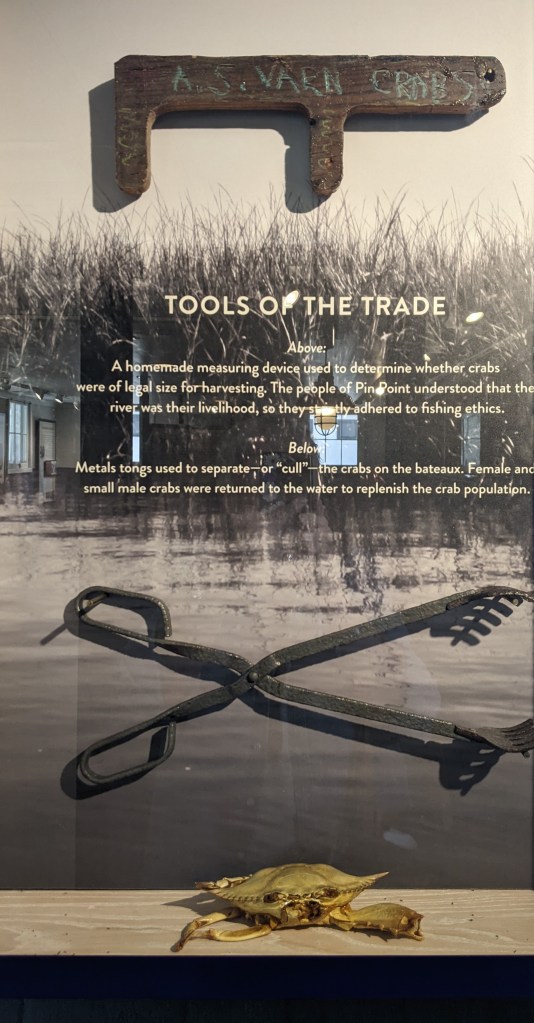
It was a strikingly sophisticated operation in its early years, with division of labor between men and women who performed the grueling work by hand. During the 1960’s, A.S. Varn was a major supplier of seafood along the Atlantic Coast. In the 70’s, however, a declining harvest and the rise of commercial fleets and factories contributed to its demise. 

To learn more about Gullah Geechee communities and culture, visit http://visitgullahgeechee.com/about/. 

Pin Point offers a fascinating glimpse of those former times, as well as insight into the Gullah Geechee community that existed there. Just up the road from the marsh, the still-existing community stretches to the site of the church and its nearly-century-old cemetery, offering insight into the past of this former freedman’s community and to the growth and development of coastal Georgia. Traveling on that isolated roadway was akin to taking a step into the past.

The newly-freed people who founded Pin Point were determined to preserve their heritage and maintain their cultural heritage and traditions. As Gail Smith explains, they have done just that. Religion and spirituality played a pivotal role in Gullah family and community life. Enslaved Africans were exposed to Christian religious practices, and they incorporated them into the traditional system of African beliefs. One of the prime values was that of community, according to Gail Smith.  

She noted that, while growing up in Pin Point, children did not talk back to their parents —obedience and respect for their elders were primary requirements, as well as a belief that the needs of the community trumped individual goals and desires. She noted that the center of daily life and activity was the family, and that religious beliefs, hard work, and respect for nature held the community together.

  • It was hard work -- for the women and the men -- but it was the price of freedom in the early Gullah Geechee known as Pin Point, near Savannah.

In her book, Smith notes: “Growing up as a little girl in Pin Point, I always felt like even though we didn’t have a lot, we always had just enough.”

She continues to chronicle the cultural history and traditional lore of her community through her stories and poems. Her willingness to share her memories with visitors to Pin Point ensures that the voices of her ancestors continue to be heard and celebrated. The time I spent with her was evocative of a lifestyle and time I previously knew little about and I am grateful that I had the opportunity to learn about the Gullah Geechee heritage. 

Celebrating Cultural Heritage

Geechee communities developed, over time, a distinctive dialect to maintain their individuality and partially confound the slave owners. A mixture of English, Creole French and some African words and expressions, the language  is still spoken today by some of the Low Country families, and it partially defines the culture, in a similar manner as Haint Blue.
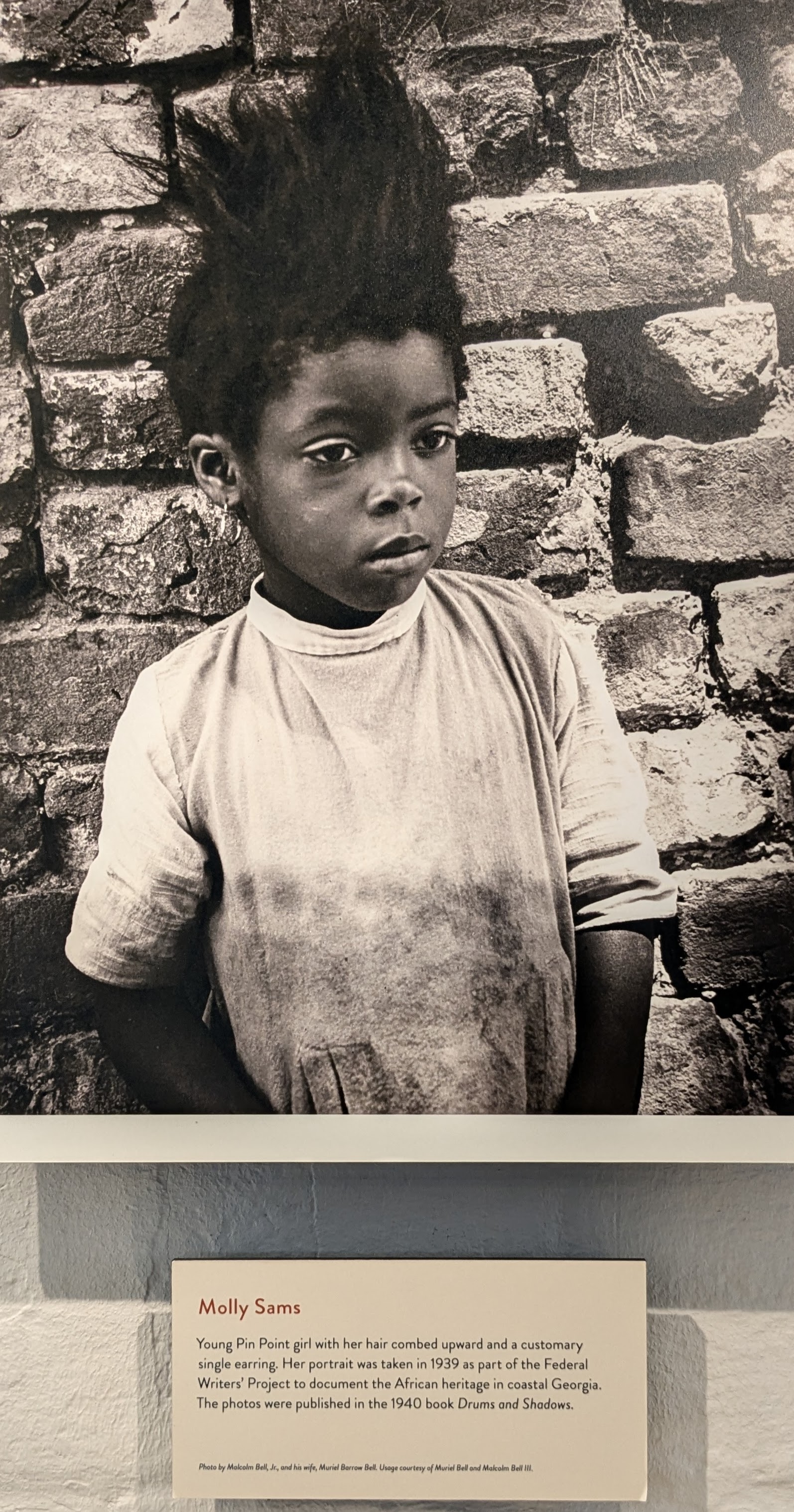
Pin Point is located just 11 miles from Savannah, situated adjacent to the marsh that separates it from Moon River. It is the last surviving black-owned waterfront community in coastal Georgia, one of the distinct communities that constitutes the Gullah Geechee National Heritage Corridor, the historic swath of territory established by an act of Congress in 2006. 

That corridor is designated to ”help preserve and interpret the traditional cultural practices, sites, and resources associated withGullah-Geechee people. It extends along the eastern U.S. coast through North and South Carolina, Georgia and Florida, culminating at the site of Fort Mose in St. Augustine, FL, which in 1738 was the first legally-sanctioned free black community in what would become the United States.  
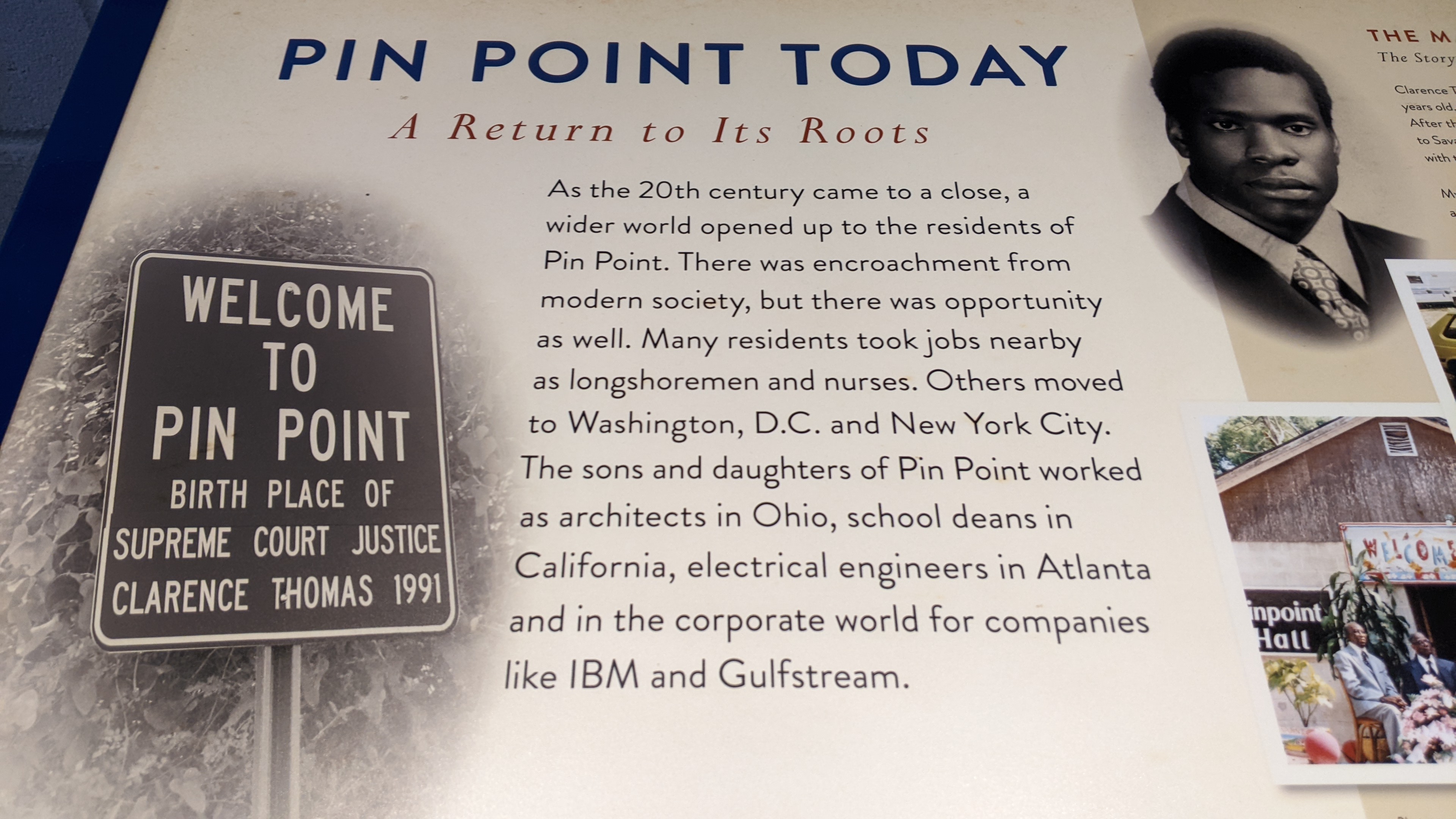
Today, the Gullah Geechee Corridor focuses on 79 Atlantic barrier islands in the designated area and certain adjoining areas within 30 miles of the coast. Traditional Gullah baskets woven from native sea grass are popular items at the Charleston market. Also, it is interesting to note that some of the typically “Southern dishes” that we enjoy today can be traced to the foods grown and consumed by the early Gullah inhabitants who not only caught fish, shrimp, crab and oysters from the sea, but also planted beans, rice and vegetables on their small plots of land.

The Gullah Geechee Corridor is administered through a partnership between the National Park Service, local governments, and cultural and tourishm authorities from the Charles Pinckney National Historic Site in Mount Pleasant, South Carolina, just northeast of Charleston. If you’re interested in the area’s history, that site is also well worth a visit.

A Mournful Whistle Recalls the Storied Past of a Massive Steam Locomotive

I made my way as close as possible to the railroad tracks earlier this month, as eager as children half my height, for a close-up view of Union Pacific’s “Big Boy” 4014 steam locomotive. It was at rest in the rail yard in North Little Rock, a scheduled stop along its 2024 Heartland of America Tour. The route takes it through nine states, with “whistle stops” in more than three dozen different communities. You might also see it passing through the countryside, but visitors are admonished to stay “at least 25 feet back” as the massive locomotive travels along the rails. View the route and tentative schedule.

This relic from the glory days of transcontinental railroad commerce and loaded freight trains is the last operating steam locomotive of 25 built between 1941 and 1944 for the Union Pacific Railroad.

The public was invited to view the glistening black behemoth from 5 to 7 p.m. on September 15, during an overnight visit to one of the railroad company’s major modern servicing facilities. The facility is busy 24 hours a day, sorting freight cars that arrive and depart from across the country. It was a cloudy, grey afternoon, but hundreds of people, young and old alike, turned out to see the historic steam locomotive. The round-trip “rolling tour” began August 28 in Cheyenne, Wyoming, and will end back in Cheyenne in late October.

Some visitors parked blocks away, but a walk over uneven gravel and through a sea of mud puddles did not dampen their enthusiasm. Even the unrelenting drizzle was just a minor annoyance. Ed Dickens, senior manager of Union Pacific Heritage Operations, is the locomotive’s chief engineer for the tour. From all appearances, he was having as much fun as the viewers, waving to children and snapping his own photos of the crowd. Occasionally, he sounded the mournful whistle, and laughed as young children covered their ears.

People of all ages stood transfixed, the younger ones beside me pushing against the barricades. Many of them had probably never before been close enough to even wave at a train. There were aging men and women with canes and walkers, and others in wheelchairs. A layer of colorful umbrellas formed a spotty canopy above the heads of the crowd. Children sporting hoodies and ear-to-ear smiles clasped grown-up hands, and toddlers perched expectantly on their fathers’ shoulders.

A service crew was busy at work, even as raindrops continued to fall. The engine belched billows of steam into the sky and more steam drifted between the wheels along its underbelly.

A Return to Days Long Gone

Some of us who grew up watching freight trains rumble through small towns still love the “choo-choo” sounds of the wheels as much as the “melodies” of the whistles. Note: This recording is a blast of the whistle on another steam locomotive in Union Pacific’s Heritage Fleet, Number 844, the only one never to be officially “retired” from active service. Smaller than the Big Boy, it is used to pull expedition trains from its home base at the Union Pacific Museum in Council Bluffs, Iowa.

I have numerous train-related memories. My husband, who grew up in Maine, remembers placing pennies on railroad tracks near a rented summer beach house, waiting for a train to pass, and then retrieving the flattened, elongated pieces of copper.

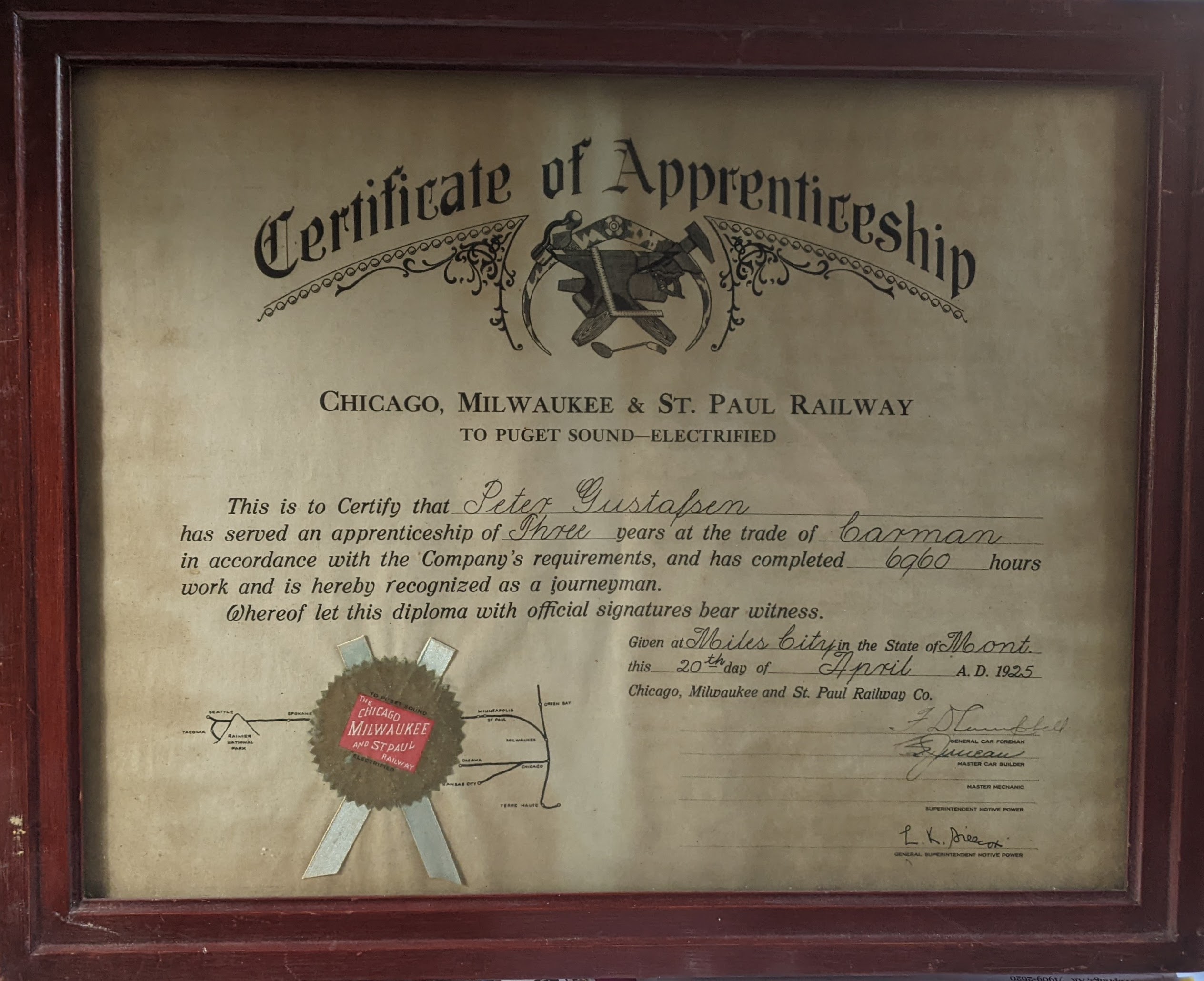
One of my grandfathers completed a three-year apprenticeship as carman for the Chicago, Milwaukee & St. Paul Railway Co., to “Puget Sound—Electrified” in April 1925. Today that certificate hangs on my office wall, along with a photo of yet another early steam locomotive. I confess that I still wave at trains, although I typically don’t expect a return wave from the engineer. Sadly, the brakemen on those cabooses of long ago have also now disappeared. Most trains no longer even have a caboose; they have been replaced by electronic small-box sensors.

I remember passenger trains as well as long-haul freight trains, and I sometimes yearn for those days of “slow travel,” observation cars, and meals served by white-gloved waiters in dining cars with linen tablecloths and distinctive china, silver, and sturdy glassware. Seeing this locomotive, the last and largest of its type still in use anywhere in the world, represents a step back into much-loved childhood memories for me.

The trains that now speed along tracks adjacent to the nation’s highways no longer have the same appeal, but freight trains still serve the needs of modern commerce and transport our country’s freight. The market is expected to reach $400 billion in 2024, with growth to more than $510 billion by 2029. There is also a growing resurgence in railroad tourism in some parts of the United States, and travel by high-speed rail in other countries is increasingly popular.

Saved from the Scrapheap

The Big Boy is the largest articulated steam locomotive ever constructed, and it was designed specifically to pull heavy loads over the steep grades of the Wasatch Mountains in Utah. Constructed by American Locomotive Company, with development input from Union Pacific, the Big Boy was designed to handle heavy freight loads, conquer the mountain grades of the routes through western mountain states, do it all at a reliable speed with no need for an auxiliary engine, and deliver the goods to western destinations on schedule.

Twenty were delivered to Union Pacific and placed in service in 1941, largely in support of the second world war effort. Another five were delivered in 1944, but the last of the Big Boys was pulled from service by 1962. Number 4014 completed its last revenue run in July 1959, and was officially retired in December 1961 after 17 years of active service, exactly 20 years after its first run.

Union Pacific launched a five-year-long restoration of Big Boy 4014 when the company reacquired it from a museum in California in 2013. The locomotive was moved from southern California to Cheyenne, where it sat idle for nearly two years as plans were completed for its restoration. Not only did the facility require expansion and updating to accommodate the Big Boy, but the locomotive had to be totally disassembled. In some cases, new parts were fabricated, and it was converted from coal to run on more efficient, less expensive diesel fuel.

Otherwise, however, the locomotive has been restored to its original design and configuration.

In the spring of 2019, a test-firing was successful, and Number 4014 moved “under its own power” for the first time in nearly 60 years. The revitalized Big Boy locomotive made a first test run the next evening from Cheyenne to Nunn, Colorado.

The rest, as they say, is history. And now, the public can share that history on annual runs that typically attract thousands all along the designated routes.

When the restoration was complete in 2019, Big Boy 4014 embarked on an inaugural tour to commemorate the 150th anniversary of the Transcontinental Railroad’s completion. The locomotive was then placed in excursion service as a member of the Union Pacific Heritage Fleet. Today, it is said to be Union Pacific’s primary public relations tool. Earlier this year, the locomotive completed a “Westward Bound” tour to California, passing through five states and culminating with an excursion for paying guests. Such special events help underwrite the railroad’s museum operation.

Who Cares about an Old Steam Engine?

Although Big Boy locomotives were said to be capable of speeds up to 80 miles per hour, there is no confirmation that they ever actually traveled that fast. They typically ran well under 60 mph, often chugging along at a much lower speed, but they did so reliably and consistently for nearly two decades.

Many of them traveled a million miles or more. Number 4014 logged 1,031,205 miles during its years in service.  Astoundingly, the Big Boy locomotive is nearly 133 feet in length and weighs 1.2 million pounds. The primary advantage was its power. It is still robust and, for all its size and power, it is able to maneuver mountain curves because it is articulated, or “hinged” at strategic points.

This is no ordinary engine. And a lot of people care. I have fond memories of traveling by train both in this country and abroad, but the passenger trains I remember, with their sleek diesel engines, are a totally different breed from the steam locomotives that served as the iconic workhorses of the railroads.

Big Boy 4014 is the only one of 25 built that is still in operation. And it is the largest operational steam locomotive in the world today.

Ed Dickens of the train’s crew notes that the locomotive, with a weight of approximately 600 tons, “runs like a Swiss watch,” even though it can easily pull a train five miles long on flat ground. He says that it was designed to be simple to operate, adding that “you drive by the seat of your pants – you smell the brakes,” and the crew becomes familiar with the sounds.

If you’re interested in learning more about Big Boy 4014, and the history of the steam engine era, tune in to this episode of Jay Leno’s Garage on You Tube. You’ll love it!

Finally, if you’re interested in seeing Big Boy 4014, its home base is in Cheyenne, Wyoming, when it’s not on tour. Other Big Boy locomotives can be viewed in Denver CO, St. Louis MO, Scranton PA, Green Bay WI, Frisco TX, and Omaha NE, just across the river from the Union Pacific Railroad Museum in Council Bluffs, Iowa. If you’re a fan of old trains, though, and you go to Council Bluffs, plan to spend the better part of a day there. And you’ll leave wanting to return.

Santa Fe: What to Know Before You Go

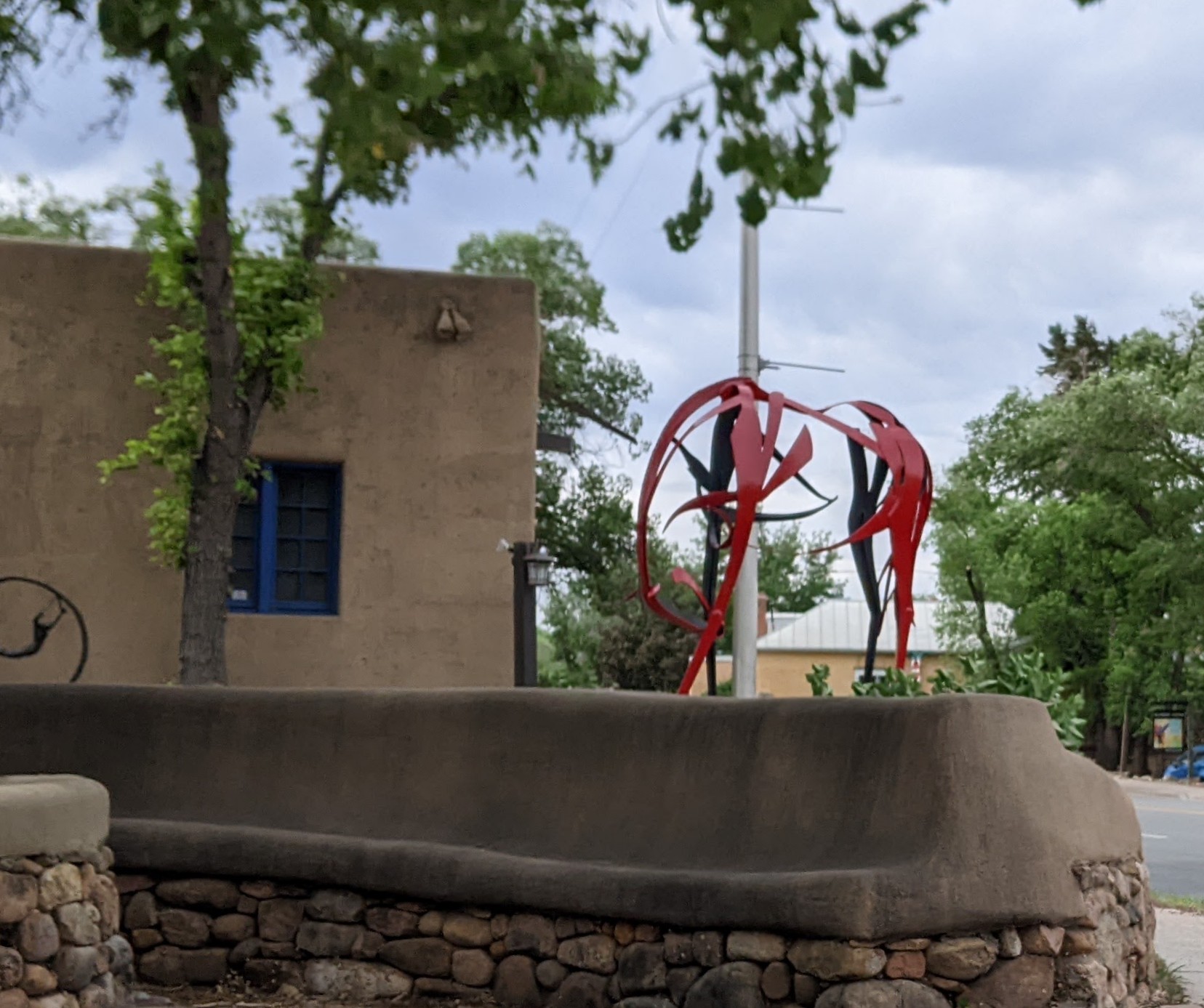
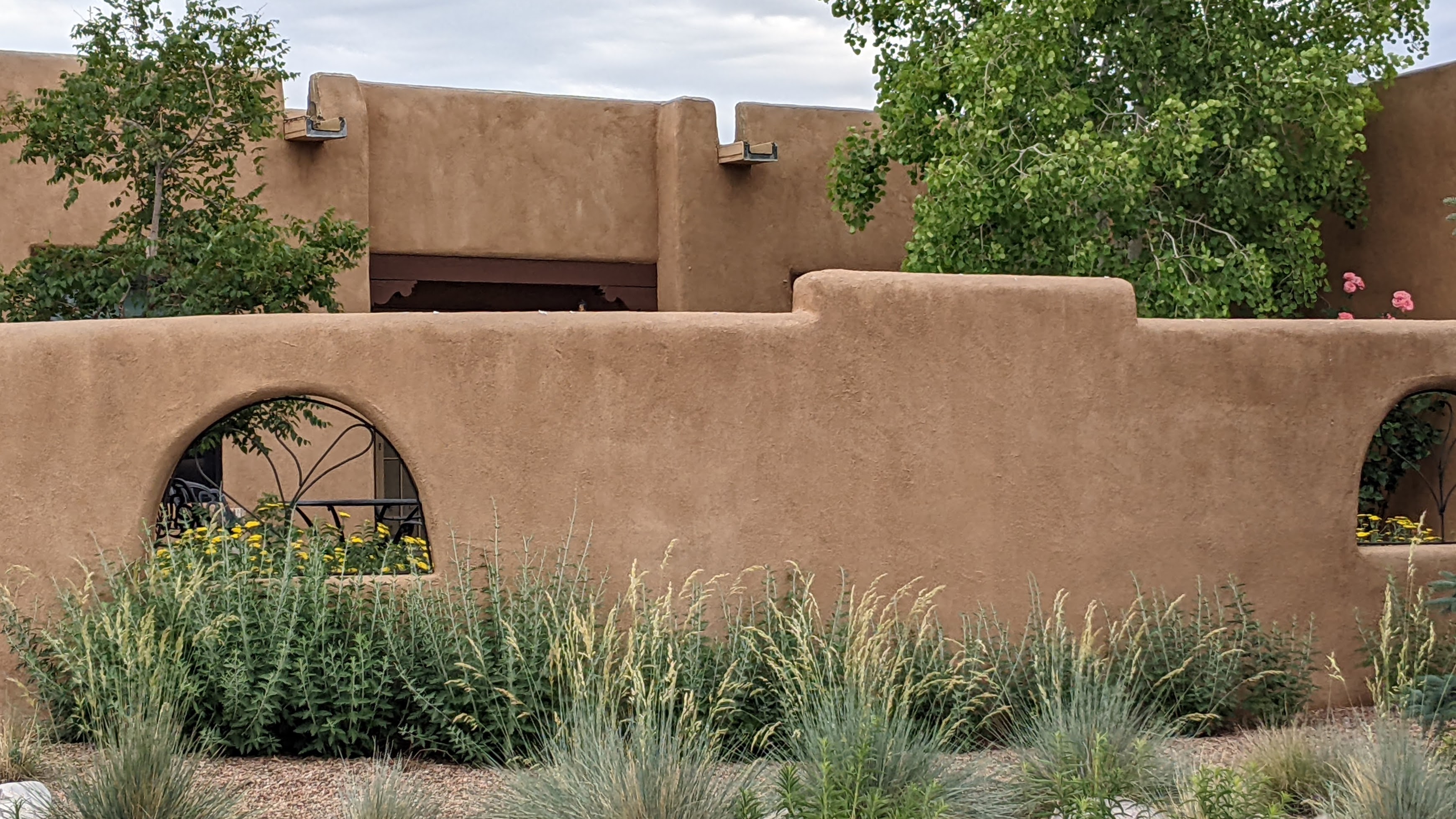
Imbued with a long and multi-faceted history, Santa Fe is a fascinating city characterized by a cultural richness that few other places possess. It offers something of interest to every visitor, in every season. But it’s impossible to see it all in just a few days, and no matter how much time you spend in the city or how many times you return, there is always something new to discover. First-time visitors are typically eager to learn about Santa Fe, but can leave exhausted if they attempt to see, do and “feel” it all.

Don’t let that happen to you.

Instead, prepare for a trip to this 400-year-old city by doing some homework before you leave home. Know that, at an elevation of 7,000 feet, you are likely to tire more quickly than you might at home. Understand that Santa Fe has a delightful downtown square, and the city radiates in all directions from that plaza. In many ways, it’s a city to explore on foot, but distances can be deceiving. Embrace the art, the food, the museums, and the galleries, the restaurants and bars, and the natural beauty that surrounds you, but understand that Santa Fe is not a “bargain” destination. Learn about Santa Fe’s history, and appreciate the cultural differences. It’s that mix of old and new, of “everyday” and “one-of-a-kind” that casts a spell and makes Santa Fe unique.

Plan your trip and your activities wisely. Santa Fe is the capital of New Mexico, a state known for its diverse attractions, from mountains and winter sports to the sprawling desert landscape of White Sands, from ancient cliff dwellings and Native American Pueblos to Old West mining towns and the futuristic Very Large Array National Radio Astronomy Observatory. If possible, take the time to get out of Santa Fe and visit other parts of the state.

Chances are you’ll find something to love no matter what direction you go. Santa Fe is just “up the road” from Albuquerque, New Mexico’s largest city with a major airport. If you fly into Albuquerque, it’s best to rent a car there and drive north. One of your first stops should be at the Tourist Information Center in Santa Fe, near the state capitol. The knowledgeable staff can help you flesh out your plans for the time you’ll spend in “The City Different.”

Where to Stay

Downtown hotels, particularly those within walking distance of the Plaza, are typically expensive and frequently fully booked. If one of these highly desirable options is your choice, make your reservations well in advance. There are also numerous boutique hotels, B&Bs, nearby resort accommodations, chain motels, timeshares, private guest casitas and rental condos in and near Santa Fe.

Use your favorite booking site or ask for recommendations from friends who have recently visited the city. On my recent trip, I stayed two nights at a delightful motel in a location that was convenient for what I planned to do in the city. I was there primarily to visit old friends. I was not looking for luxury, but was pleasantly surprised by the price and the amenities. The included breakfast is worth a shout-out — featuring freshly-prepared plump burritos and a variety of muffins, cereal, juice and yogurt — as is the level of service. The decor at Coyote South is distinctive, fresh and modern, and the staff is friendly and knowledgeable.

You will also find noted resorts and wellness retreats, although some are located quite a distance from downtown Santa Fe. Visitors can book packages that include spa treatments, pools and hot tubs, luxury accommodations, and distinctive meals. Two of the most unique are Ten Thousand Waves and Ojo Santa Fe.

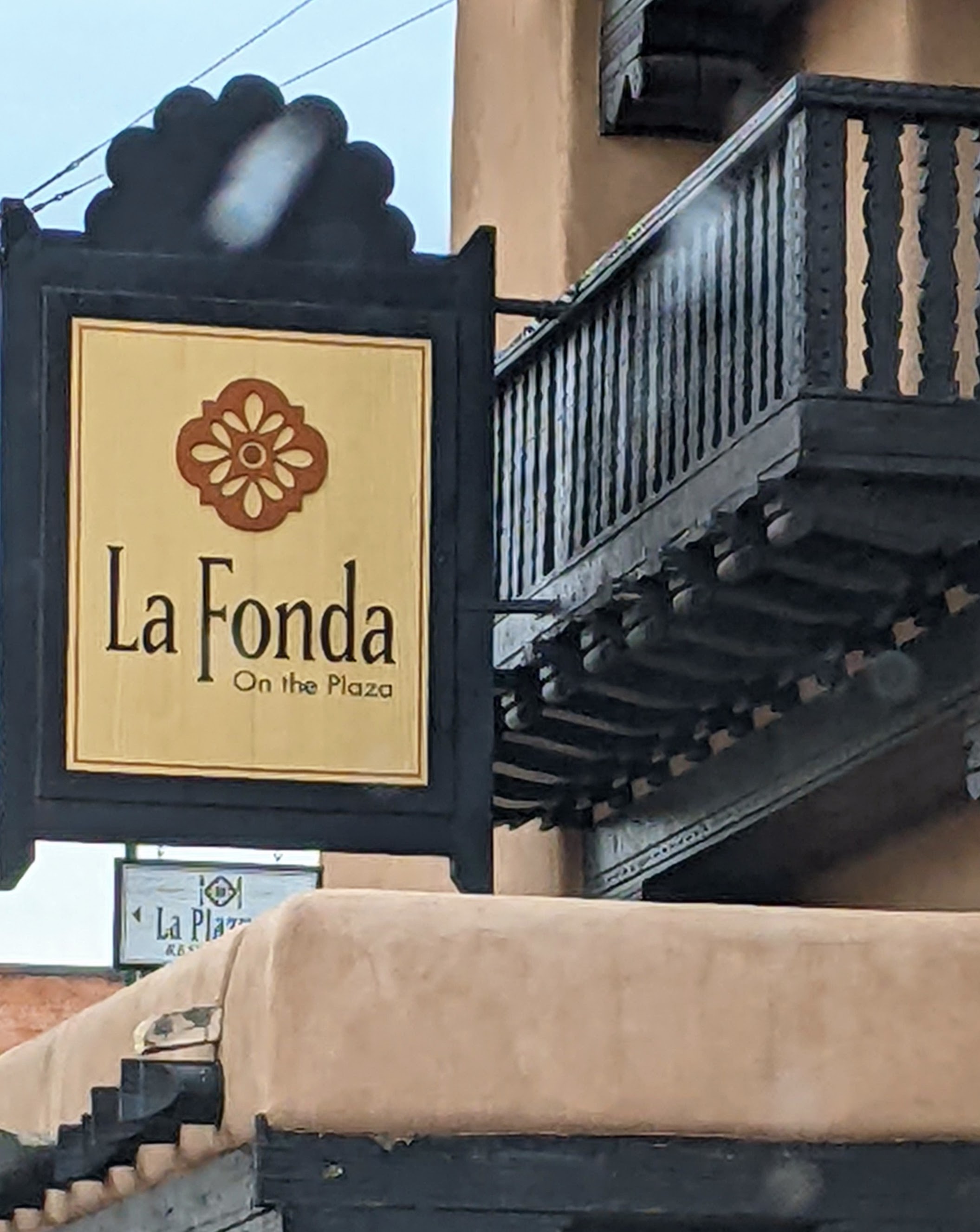
Wherever you choose to stay, I can recommend a visit to La Fonda on the Plaza, for a drink or a meal, or just to look around. One of the city’s oldest landmarks, it occupies the site of the city’s first inn, built in the early 1600s when the city became the northern outpost of Spanish colonization. In the 1800s, La Fonda provided hospitality for anyone traveling west on the Santa Fe Trail. The current structure dates to 1922, and many of its signature features — beams, tin chandeliers and skylights — are original.

The inn was acquired by the ATSF railroad in 1925 and leased to hotelier Fred Harvey, whose “Harvey Girls” provided travelers great food and service until the hotel was sold in 1968. Today, it continues to serve travelers, with 180 guest rooms, three dining options, luxury amenities and an onsite spa. It is also a popular event venue and business center, renowned because of its period architecture, its history, and its hospitality. Stop in for a drink or a meal, or take a complimentary history and art tour, and you’ll see why.

Ask for assistance from a hotel concierge or your B&B host to help you plan skiing, hiking or fishing excursions, and trips to surrounding pueblos and casinos. Locals are usually only too willing to share information and help visitors,

Where to Eat

Santa Fe is also a noted foodie destination, with almost limitless options for both casual fare and fine dining. Many of the city’s finest restaurants are small, and reservations are recommended. You may encounter lines at popular lunch spots, especially in summer, during the many festivals, or at the height of the ski season. Plan ahead and be patient.

Breakfast is a favorite meal and a long-standing tradition in Santa Fe. Pasqual’s, situated a block off the Plaza, is always crowded, especially for breakfast, but it’s open every day except Tuesday, and it’s worth a wait. When ordering breakfast burritos or any type of egg dish, you may be asked “red, green or Christmas?” The question is to determine your preference of chile toppings. Know that it’s no sin to ask which is hotter; if you’d like to sample the different tastes, ask for Christmas. You’ll get some of each.

Casual eateries serve a wide variety of tastes, offering food that is fresh, flavorful and fun. Stop to sample local specialties at out-of-the-way cafes with patio seating, or order New Mexican or Native American street food from a vendor during a Santa Fe festival. You won’t be disappointed, and people-watching is a popular pastime. Order take-out from The Burrito Company or the Plaza Cafe to eat on a bench at the Plaza, or spread a blanket on the grass near the river.

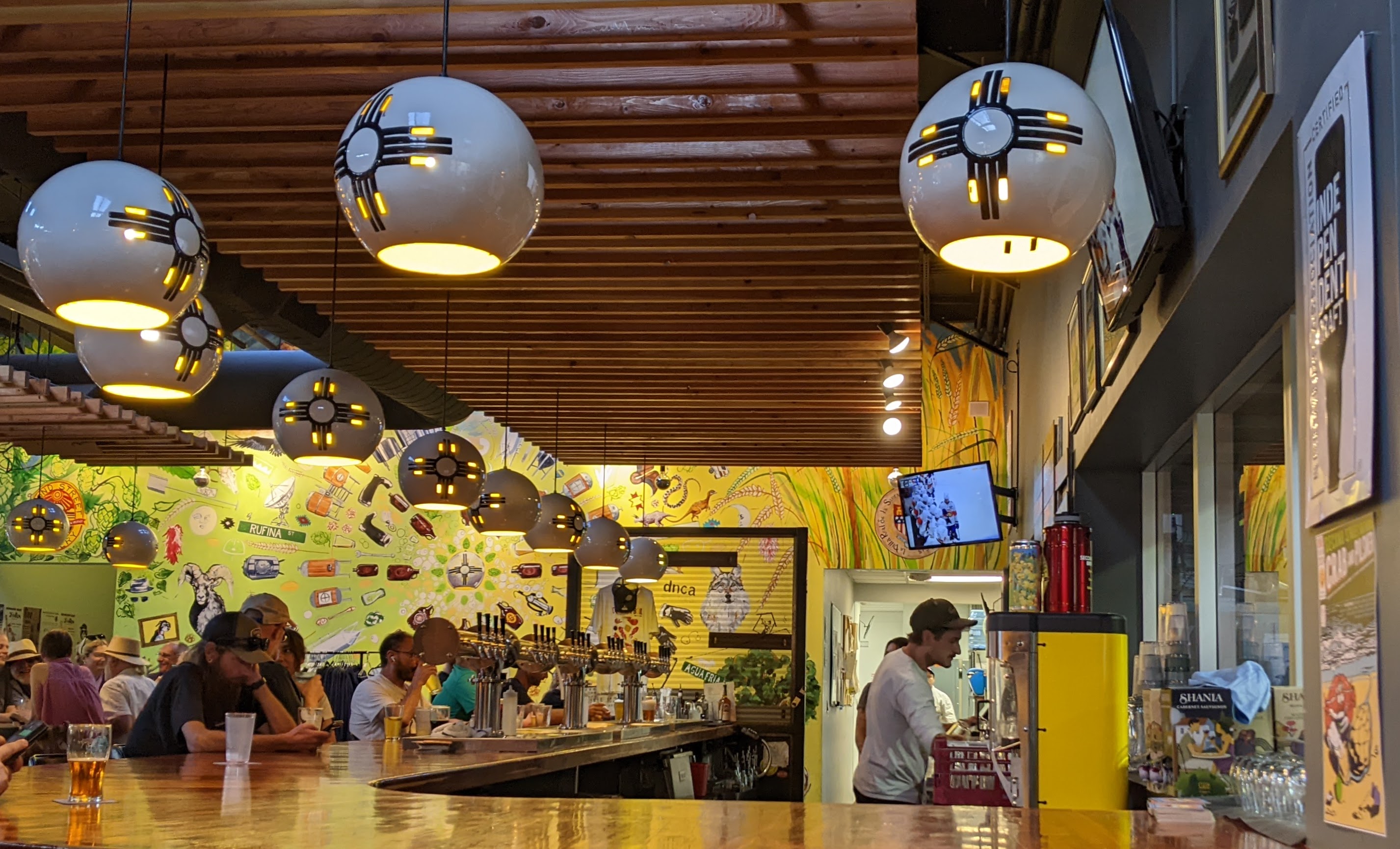
If you explore Santa Fe neighborhoods, don’t neglect shopping center eateries and local craft breweries. You’ll find reasonably priced food, prompt service, and friendly people. Joe’s, on the south side of town is one such place, and Santa Fe Brewing Co. has several locations in both Santa Fe and Albuquerque.

Need more suggestions about where to go? Here’s my short and very random list of personal favorites, but be open to exploring. Try someplace new and find your own favorites.

El Farol on Canyon Road is a classic Santa Fe hot spot located in an adobe building that dates to 1835. Open Wednesday through Sunday from 4 to 9 p.m., the parking situation can be difficult, and the decor is rustic rather than refined, but the live music and flamenco performances make it an experience rather than simply a meal. Daily Happy Hour drink and tapas specialties attract crowds. Dinner choices that include paella, mussels, beef, and salmon as well as New Mexico enchiladas and desserts are legendary. Vegetarian and vegan options are available.

Coyote Cafe at 132 W. Water St. has won awards since it first opened in 1987, and the acclaim continues to this day. Named 1st Place winner in the Best of Santa Fe competition for 2024, Celebrity Chef Mark Miller pioneered the use of strictly regional and native ingredients to develop menus that have stood the test of time. Coyote Cafe attracts an army of repeat visitors. The Rooftop Cantina is a lively casual gathering spot for locals and visitors alike. Order Mama Schutz’ Frito Pie as a nod to tradition. Santacafe, a sister venue, is located at 231 Washington Ave., and is noted equally for its elegant outdoor courtyard dining patio and its delicious food.

El Nido in Tesuque, another of my go-to choices, is especially soothing on a chilly fall afternoon or a cold, snowy winter evening. The heated garden portal is a wonderful gathering spot from spring into fall, but the interior is El Nido’s all-season haven, with the ambience of aged wood, original tin chandeliers and colorful wall murals. Meals are prepared at an open-fire grill center, so diners can watch the action. Order sake and sample starters from El Nido’s companion sushi bar “SU.” Then, your dinner choices — pizza, pasta, steak, seafood, or chicken — will arrive at your table perfectly prepared, well-seasoned and hot off the grill.

After a day of gallery hopping or sightseeing, a restorative Margarita from the 100 or so on the menu at Maria’s may be “just what the doctor ordered!” It’s a long-standing tradition, where Santa Fe friends meet and visitors to the city go to make new friends and exchange stories. It’s lively and loud, usually crowded, exceedingly friendly and welcoming, and totally likeable. I’m not kidding. Don’t hesitate to ask locals for recommendations for a late dinner or an early breakfast.

New bars and restaurants spring up regularly, while others have been open for decades, if not centuries.

What to Do

Excursions from Santa Fe provide a long list of opportunities. Depending on your interests, you can fish clear lakes or swift-running mountain streams. Visit Native American pueblos to learn about the ancient cultures that have existed here for centuries. Visitors are welcome, but respect the traditions of each pueblo, especially if you visit on a feast day or for a special ceremony.

Visit the Bradbury Science Museum in Los Alamos. It explains the history of the Manhattan Project and other research and discoveries during the atomic age, as well as continuing scientific studies. Admission is free, and the museum is open every day except Monday, but check current hours. On the way to Los Alamos, about an hour from Santa Fe, stop at Bandelier National Monument to explore ancient cliff dwellings in the Jemez mountains. Nearby Frijoles Canyon offers spectacular scenery and views.

The award-winning Los Alamos Nature Center is filled with interactive exhibits and displays, including live animals, a topo map of the surrounding plateau, a children’s discovery area, information about the Valles Caldera, and a wonderful planetarium. Evidence of volcanic action is still detected at this dormant, but not extinct caldera, formed by an eruption more than a million years ago. It’s a not-to-be-missed attraction, especially if you’re traveling with kids.

Las Vegas lies an hour or east of Santa Fe. In addition to its historic Old Town, the Las Vegas National Wildlife Refuge boast 8,000 acres of grasslands, wetlands, and forests, where birders and hikers can explore to their heart’s content. Guided tours are available at historic Fort Union that played a pivotal role in both Indian conflicts and the Civil War, and the Rough Rider Museum sheds light on the time that Theodore Roosevelt spent in New Mexico, offering insights into his legacy. Finally, a visit to Montezuma Castle, a pueblo structure built more than 800 years ago, gives visitors a unique glimpse into the history of the area. Las Vegas also has an active modern arts community, and you’ll find galleries, eateries, and plenty to round out a visit to an interesting historic town.

Madrid, pronounced with an emphasis of the “Mad,” is on the back road to Albuquerque, and if you’re driving, it’s worth your time to explore this funky old coal mining town turned artist’s colony. Madrid is pretty much the midpoint of The Turquoise Trail, the designated scenic byway between Tijeras, east of Albuquerque, and Santa Fe. It passes through the small towns of Cedar Crest, Sandia Park, Golden, Madrid, Cerrillos, and Lone Butte/San Marcos on its way to “the top of the trail,” and Santa Fe. The Mine Shaft Tavern in Madrid is worth a visit, whether you make it a lunch excursion from Santa Fe, or a stop along the Turquoise Trail.

Finding Enchantment in The City Different

New Mexico is termed the Land of Enchantment. I was first introduced to this enchantment in the mid-7o’s when I visited as a tourist from Dallas. Then, I moved to Santa Fe in 1991, and spent nearly 20 years there. During my tenure, the city changed in many ways, and I moved on. But my love for Santa Fe never waned. In some ways, I still miss the city, the culture, and the lifestyle. I have not returned often enough over the decade or so since I left. But each time I do, I fall in love with the city all over again. It tugs at my heartstrings.

If you haven’t previously visited this magical place, perhaps you too will be captivated as I was. Try not to draw comparisons with other places. Just enjoy it because it is The City Different.

In Santa Fe, you can eat the food of many different cultures, gaze at stars in the sky so bright you’d swear you could reach up and touch them. Breathe in the fresh mountain air — it will be pinon-scented in the winter from the wood that burns in local fireplaces. Smell the lilacs in the spring and savor the scent of roasting chiles in the fall. Bask in the warm sun all summer and don your boots to hear the crunch of fresh snow on crisp winter days. The sun will shine most days, no matter what the season. Hopefully, no matter how long you stay, you’ll leave wanting to return.

Pick and choose from the seemingly unending buffet of treats that Santa Fe offers. Stop to enjoy its quiet beauty. A traveler’s best resource is the Official Visitors Guide. It provides a great introduction to the City Different. View it online or request a copy delivered right to your home.

Note: The recommendations I have made are all based on personal knowledge gained during the years I was a resident of Santa Fe or my travels in New Mexico over the years. I have not been compensated, financially or otherwise, based on opinions I have shared.

Foodie’s Delight: Roadside Treasures and Unexpected Destinations

I am apt to brake quickly when driving along the byways of this country.

I’m always on the lookout for distinctive photo ops, and I can’t resist interesting signs (especially unique place names like Toad Suck and Smackover in Arkansas,) decaying fences, old churches and cemeteries, or American flags painted on the sides of old barns and brick buildings. As my husband notes, I am sometimes a pain in the neck, but I try not to be too demanding about those stops.

Most of the time, at least.

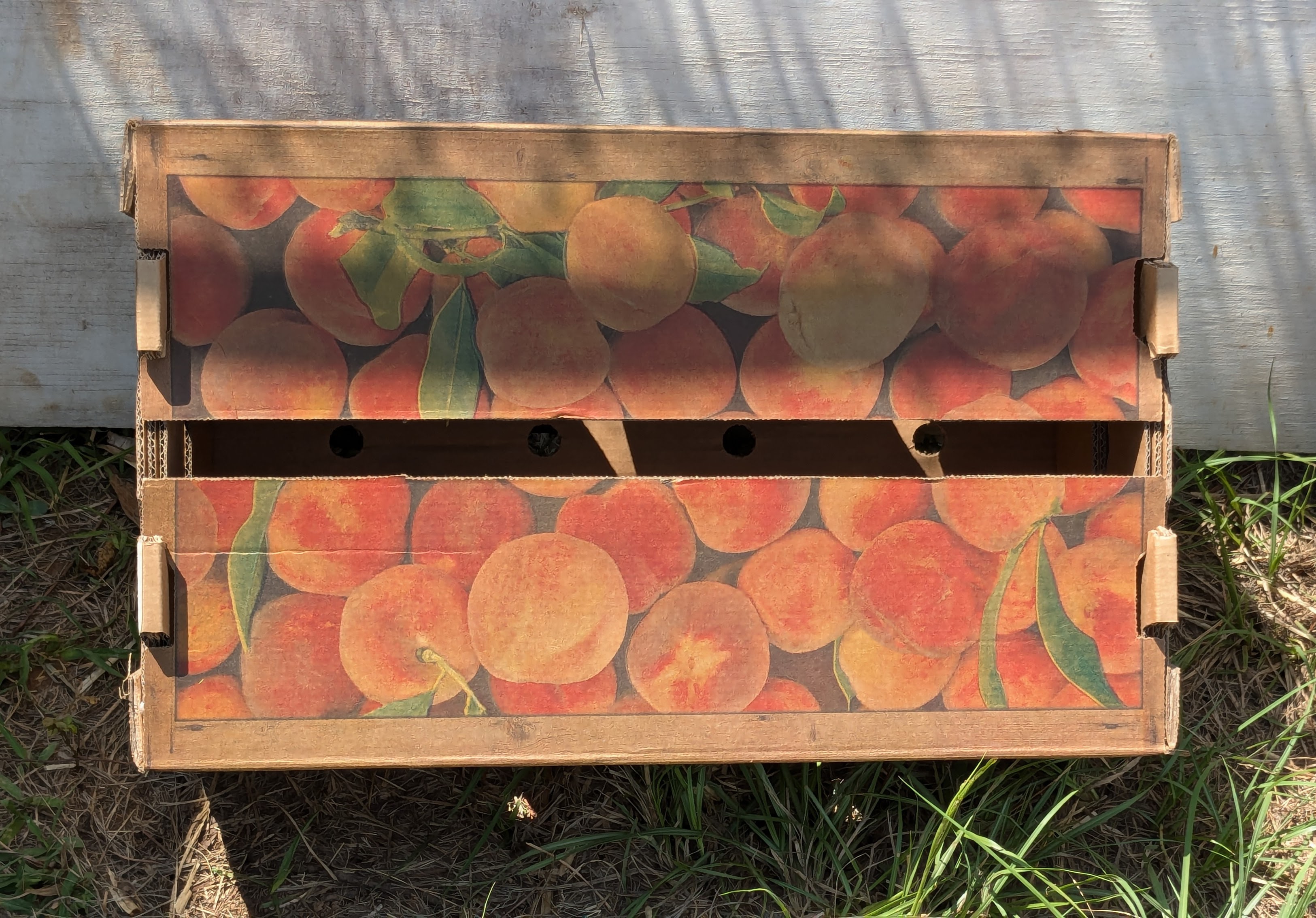
However, I also have been known to request, if not demand, a “slow down and turn around” when I spy a roadside vegetable stand or come upon a weekend farmers market. There’s something appealing about buying produce direct from the source. It’s gratifying to meet the people who grow our food. That food, whether just-ripened berries, plump tomatoes, or recently-picked apples and pears, always tastes better somehow.

At times, as I willingly admit, I can be insistent.

What’s better than cutting into a fresh peach and tasting it as its proud grower looks on approvingly? Typically, I don’t mind when the juice drips down my chin and onto my shirt! It’s all about the flavor, the freshness, and the fun.

Seasonal specialties like fresh melons and sweet corn, pumpkins and apples or the products made from a fresh harvest — pickles, preserves and jams, sauces, or homemade breads — often seem irresistible. In states where it’s possible to buy fresh pecans and freshly roasted peanuts, we brake for those too. And, occasionally, for just-picked bouquets of daffodils, tulips, or chrysanthemums.

On an impromptu weekend excursion with friends the last weekend of July — destination: the 41st Annual Grape Festival in Altus, Arkansas — we happened upon a farmstand, and it was the prospect of fresh peaches that clinched our decision to stop.

Farm Stands and Festivals

Luckily, everyone was willing, even though this became one of those turn-around-and-go-back moments. It didn’t take long. Nor did it take long to fill several plastic bags with juicy peaches, plump red tomatoes, and vine-ripened sweet grapes. We chatted a bit with the owners of the farm stand. Then, satisfied that we had made a good decision, we loaded our treasures into the back of the SUV and hastened on down the road, eager to get to the festival.

Truth be told, I’m a huge fan of quirky local festivals all across America. It helps to have a willing partner, and my husband and I have made special efforts to visit more than a few of them, including The Goat Festival in Perryville, AR, held annually on the first Saturday of October. We plan to be there again this year and have already ordered our t-shirts. Who can resist the prospect of a fashion show that features young kids in pajamas? The second weekend, on October 12, we plan to attend the 15th annual Sorghum Festival in nearby Mt. Ida, AR, sponsored by Heritage House Museum.

In Arkansas, it seems there are enough festivals and small town celebrations to keep me on the road all year long.

Following the grape festival, we planned to stop for a picnic on the way home. We opted for Paris.

Arkansas, not France.

Small Town Discoveries

The Olympic Games were slated to begin that very day in the “real” Paris across the pond. We had heard that the townspeople of Paris, Arkansas had decorated the 25-foot-tall replica Eiffel Tower that stands in the town square with iconic colored rings, symbol of the Games. It seemed only fitting that we stop there.

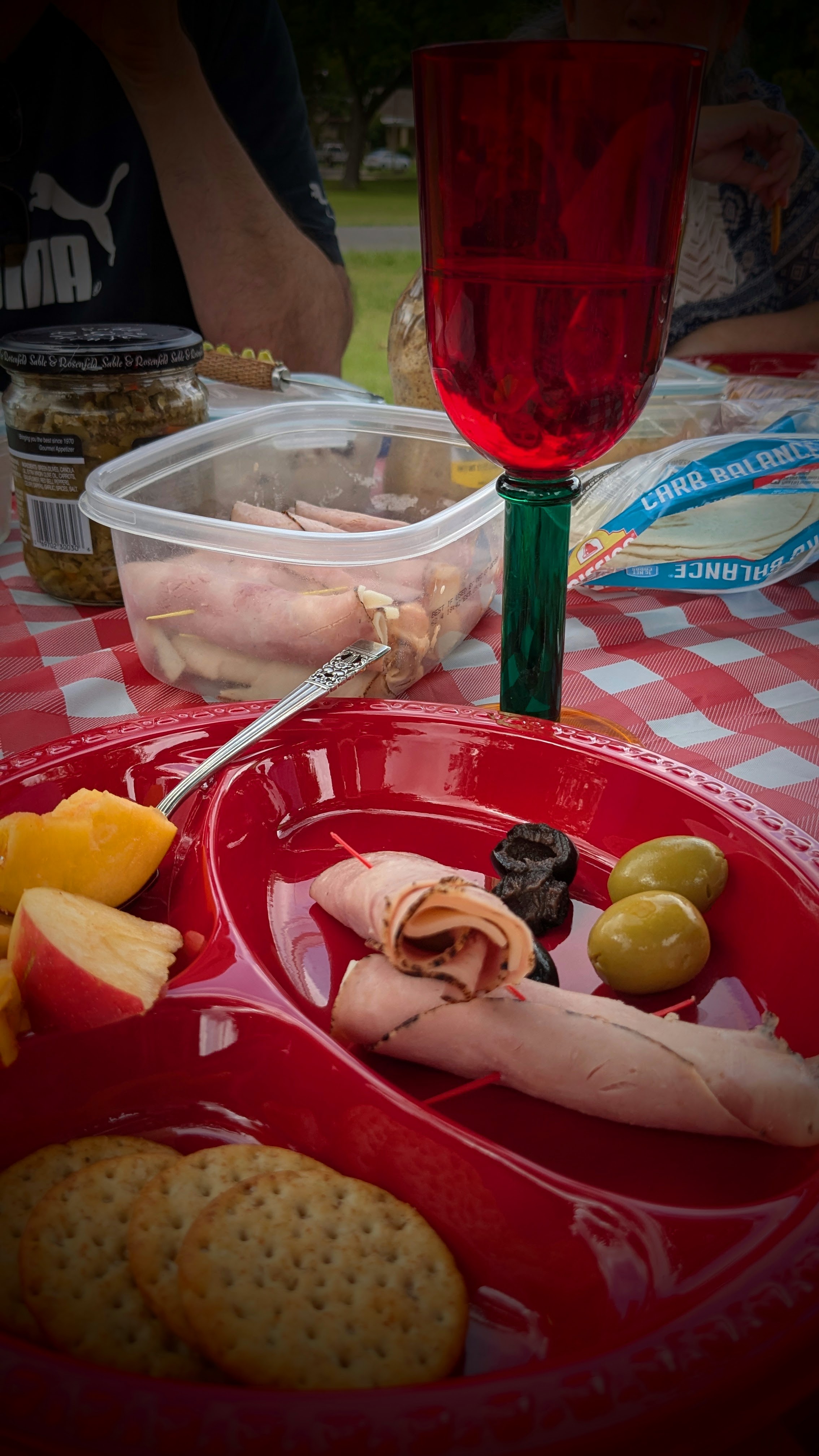
We had packed a picnic basket with bread, crackers and cheese, chicken salad, sliced ham, olives and pickles, cookies, fudge, and lemonade. And we had peaches from the farmstand, a bonus. Leaving Altus, we made a brief stop at Wiederkehr Village, which now also includes a tasting room and restaurant. Johann Andreas Wiederkehr, who arrived in the area in late 1880 from Switzerland, founded the family winery that is now the oldest continually operated winery in the state.

We planned to drink a small toast to the start of the Games. By the time we reached Paris, the air had cooled a bit and we found a picnic table in a city park. Large trees offered shade as we unpacked our picnic basket.

Small Town Delights

Traveling the back roads to Paris took us across rolling hills and along picturesque fields and pastures in this Ozark Mountain valley. It is rural, to be sure. Although I acknowledge that there are valid reasons to travel Interstate routes across the United States, country roads just seem more interesting.

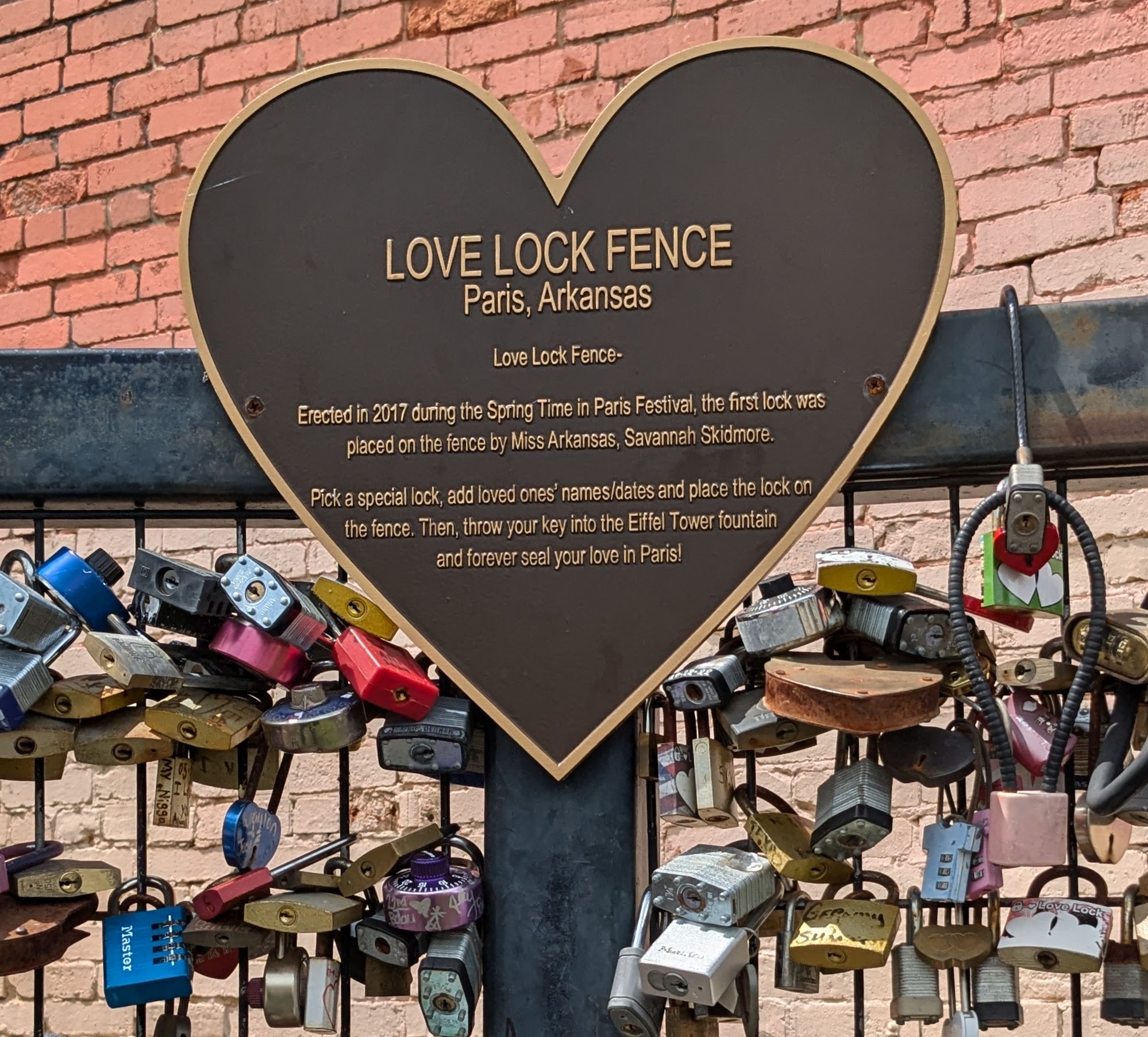
That was the certainly the case for our drive to Paris, and I now have a full handful of reasons to return. In addition to finding the Eiffel Tower, we were intrigued by the adjacent Love Lock Fence, and spent a fair amount of time reading the names and dates on the locks.

There are well-maintained public buildings, stately old homes, towering shade trees, and flowers seemingly everywhere in Paris. I savored the sight of vintage automobiles resting aside old buildings as much as the flower-filled baskets hanging from the light posts.

I longed to visit the charming shops in the downtown area, and to walk through gardens filled with colorful flowers. I vowed I would return to visit the “Old Jail” Museum, the Coal Miners Museum, a wine museum, and Subiaco Abbey, a “working” Benedictine monastery founded in 1878. The monks there produce a hot sauce known as Monk Sauce, made from Habanero Peppers grown in the Abbey gardens.

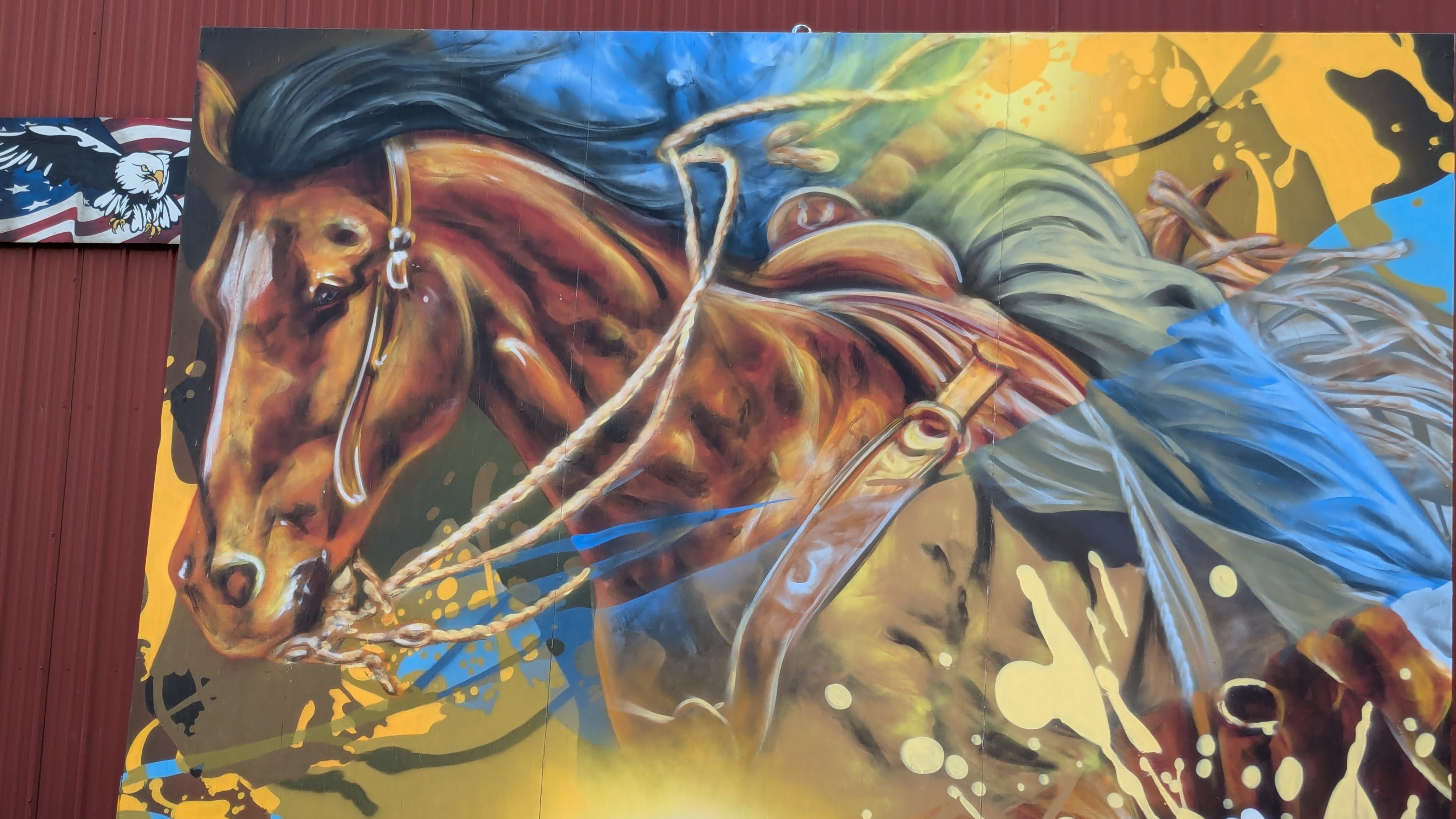
And the murals! The street art and murals in this small town are exceptionally varied and striking, as unexpected as they are enchanting.

Paris is a small town with a population just slightly over 3,200 and a distinctive history. The city was incorporated in 1879, but a settlement had been established there five years earlier. Once the heart of an agricultural area, it has also been a railroad town and a coal mining center. We had too little time to explore fully, but I would like to learn more about life there, for it seems to “live larger” and have a more intriguing story than one would expect.

A Trifecta of Shore Excursions

My husband and I chose to celebrate our late January anniversary this year aboard ship. Our itinerary, sailing from Galveston, was to ports we had previously visited, but we were eager to warm our bodies and refresh our spirits during a brief seven-day getaway.

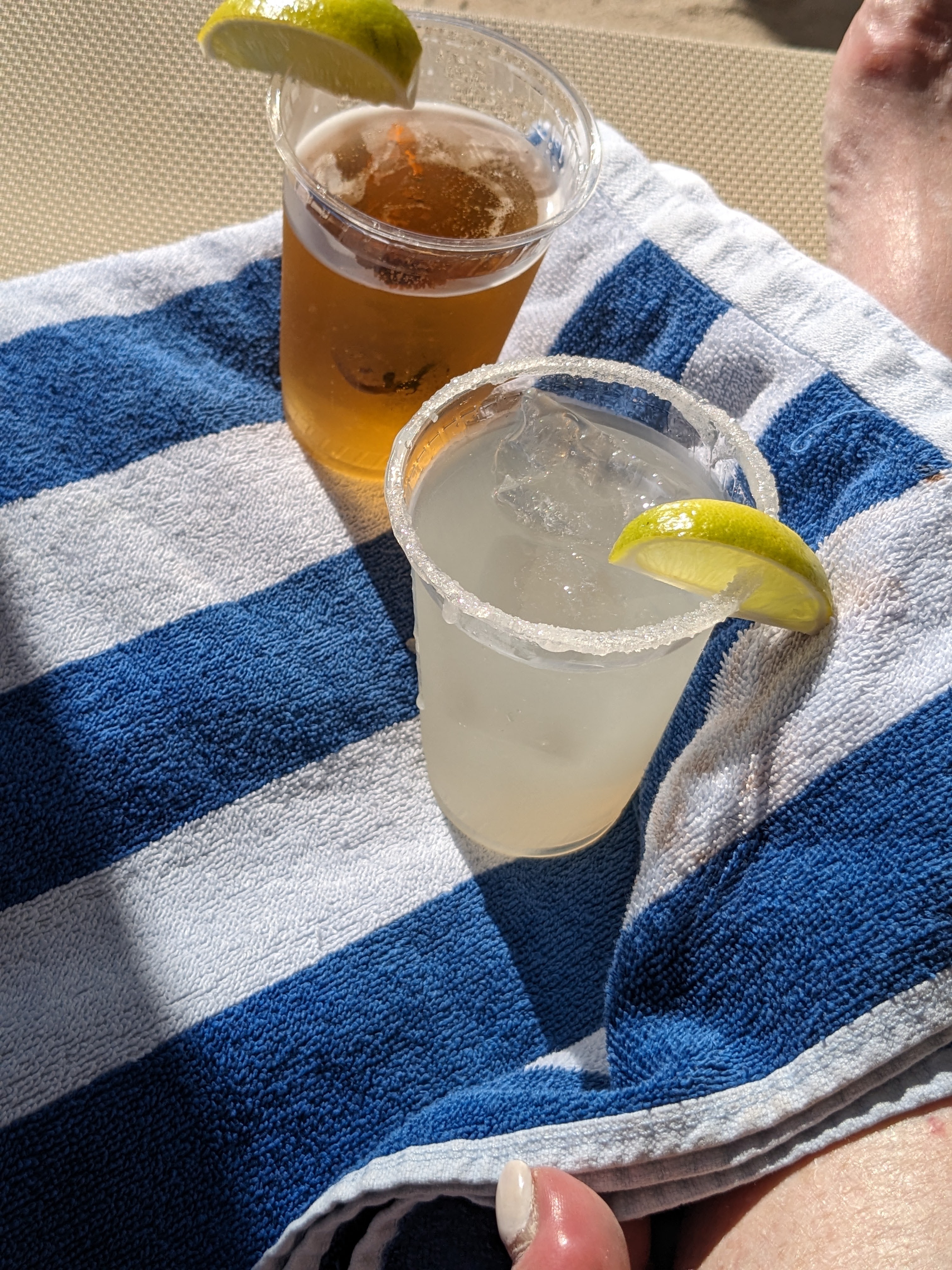
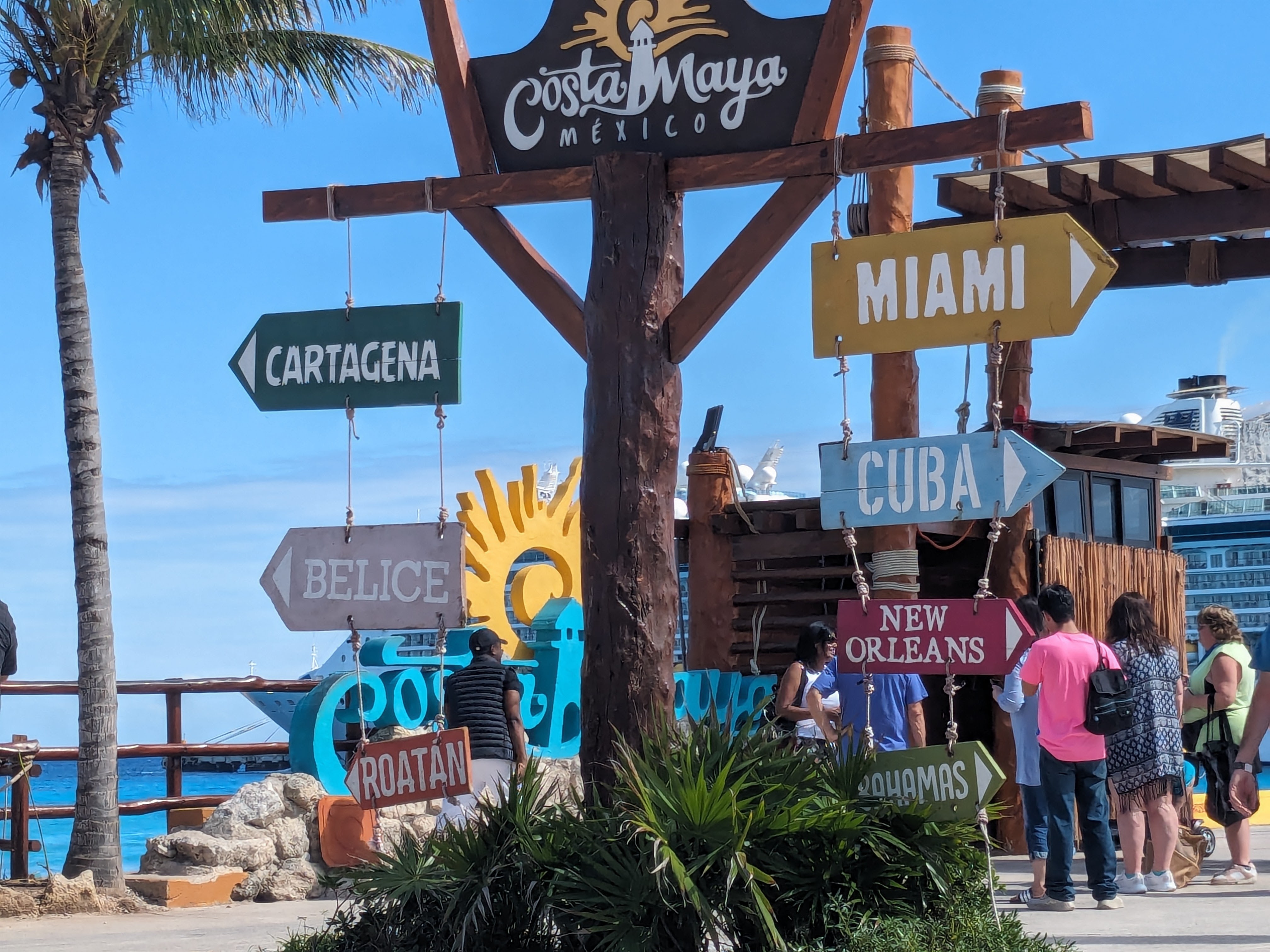
On this voyage, we enjoyed beach time, beach cocktails, and beach vendors in Costa Maya, the first port we visited in the Gulf of Mexico. It was a perfect day, and it fulfilled our need to dip our toes in the water and feel the sand beneath our feet. We spent our hours ashore doing exactly that. We snagged comfortable loungers, enjoyed a few cool libations, and watched people having fun. That was our brand of enjoyment — doing nothing other than enjoying the people around us, and savoring every moment of sun and warmth. I even succumbed to the temptation of a henna tatoo!

Then, we returned to our floating resort hotel for dinner and evening entertainment.

Tabasco: How Hot Is It?

Earlier, in October 2023, I toured the Tabasco plant, home of the world’s best-known hot sauce. The history of The McIlhenny Company which produces the Tabasco brand is fascinating. Still a family-owned business after more than 150 years, the company ships its products from a small factory on tiny Avery Island, Louisiana to 195 countries worldwide.

Cozumel was the final port of our seven-day itinerary. There, I once again encountered Tabasco, this time in the form of a culinary adventure I couldn’t resist.

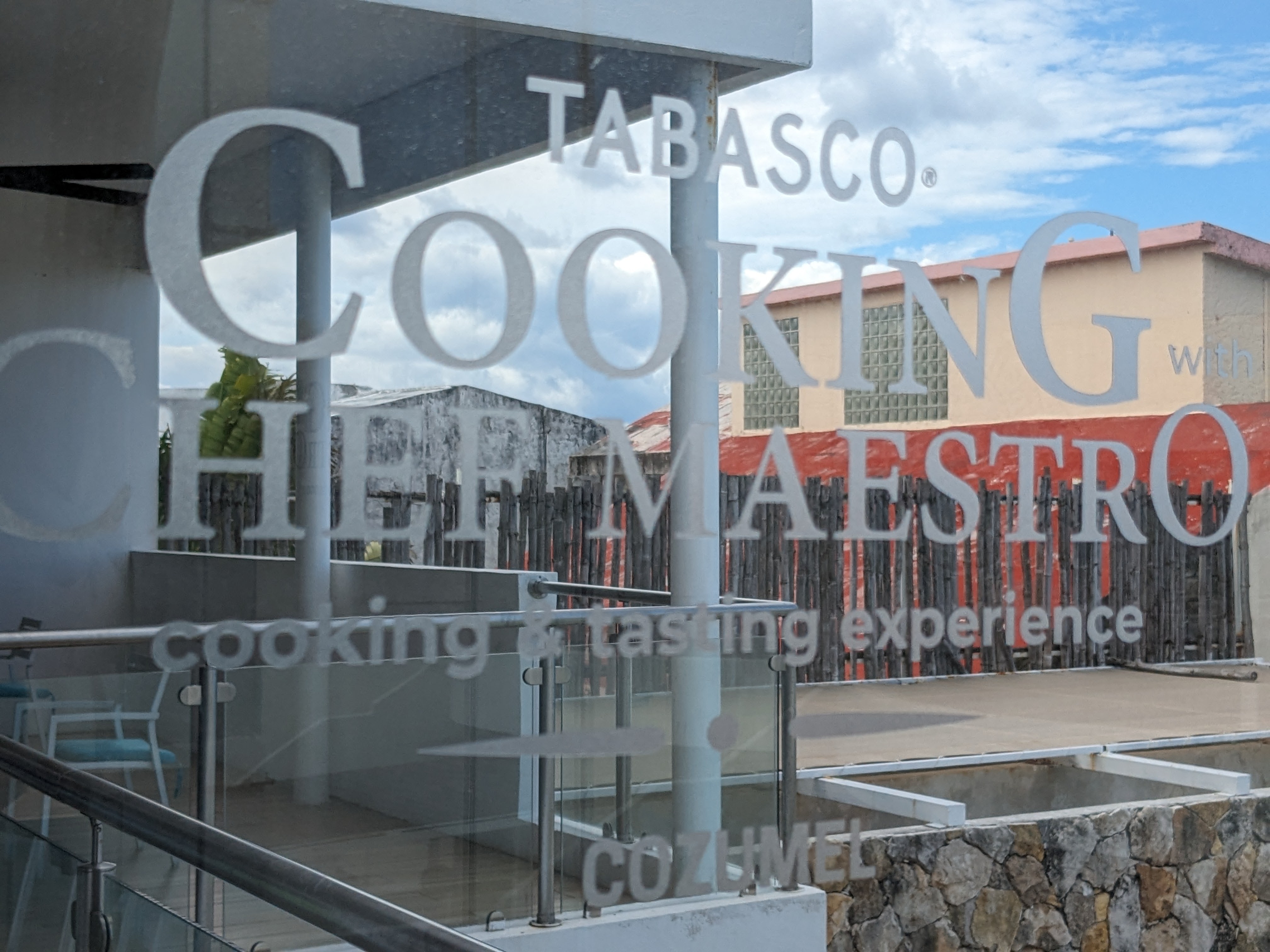
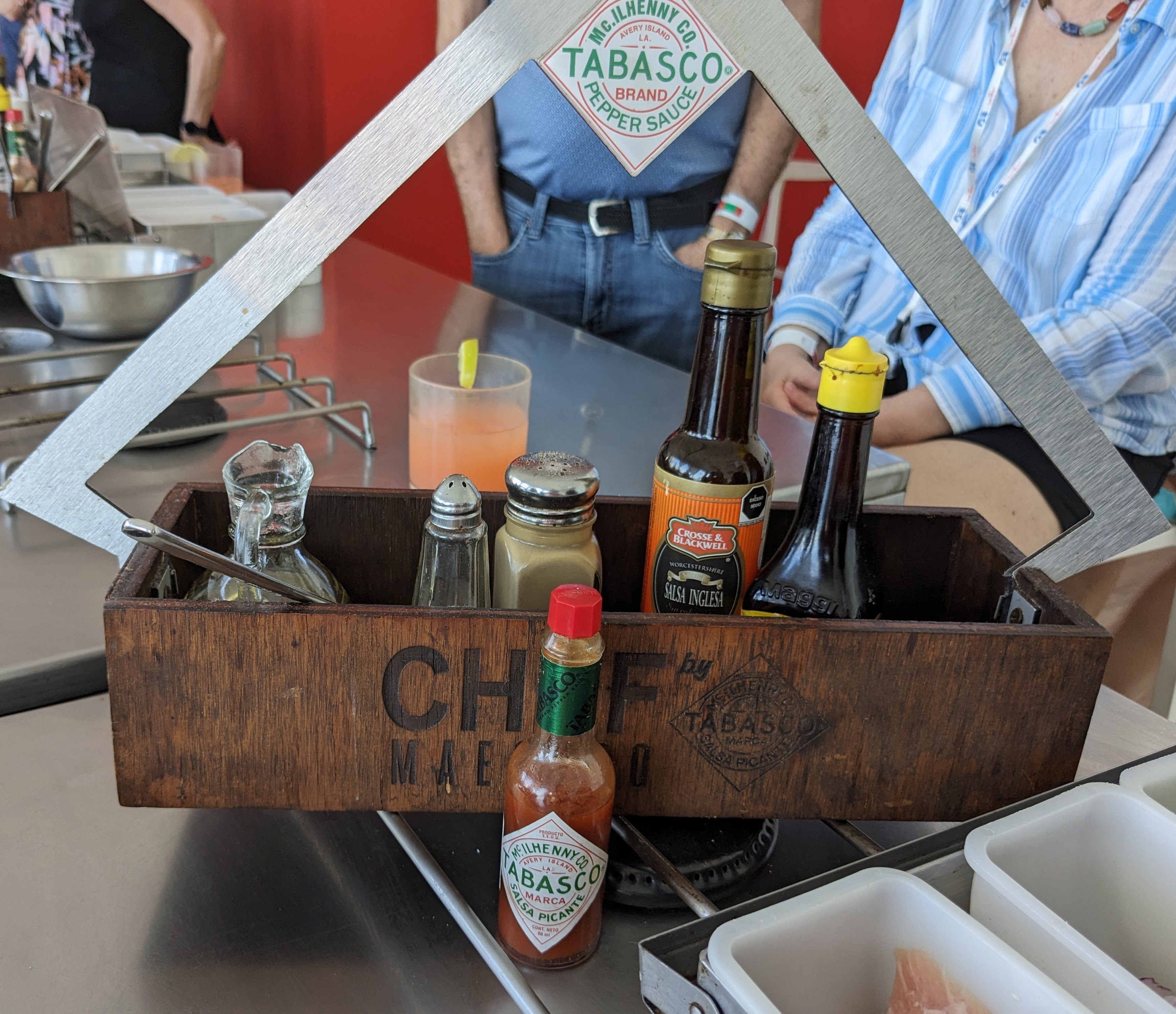
I had booked the “Chef Maestro Tabasco” excursion, a culinary adventure I couldn’t resist, through Princess. Following my visit to Avery Island, the “home” of Tabasco, I was eager to learn more about cooking with the hot sauce.

This excursion did not disappoint!

That little bottle of red pepper sauce has been a staple in my kitchen for many years, but I have seldom used Tabasco for food preparation in my home. Instead, I have typically placed it on the table at casual gatherings, allowing guests to ramp up the “hot” to their own preferences. We were somewhat surprised that on this Gulf of Mexico sailing, there was also a bottle of Tabasco on each dining table, along with the salt and pepper shakers!

During my Louisiana trip, I was able to sample food specialties associated with Cajun history, culture, and tradition. I learned how the flavors of simple foods are enhanced by various herbs, spices, peppers, and sauces. I learned that hot sauce can be flavorful as well as fiery, and that spice can elevate common ingredients to levels of haute cuisine.

Feasting on Entertainment

I also realized that the hot red peppers used to create Tabasco sauce had most likely been brought back to Texas and Louisiana by soldiers who fought on the nearby Mexican mainland during the Mexican-American war. Cozumel is not far from the Mexican state of Tabasco.

As it turned out, this cooking excursion was one of the highlights of the voyage, both for the foodie experience and for the pure fun of it. Who would pass up a culinary adventure that includes Margaritas as well as tips for cooking with Tabasco?

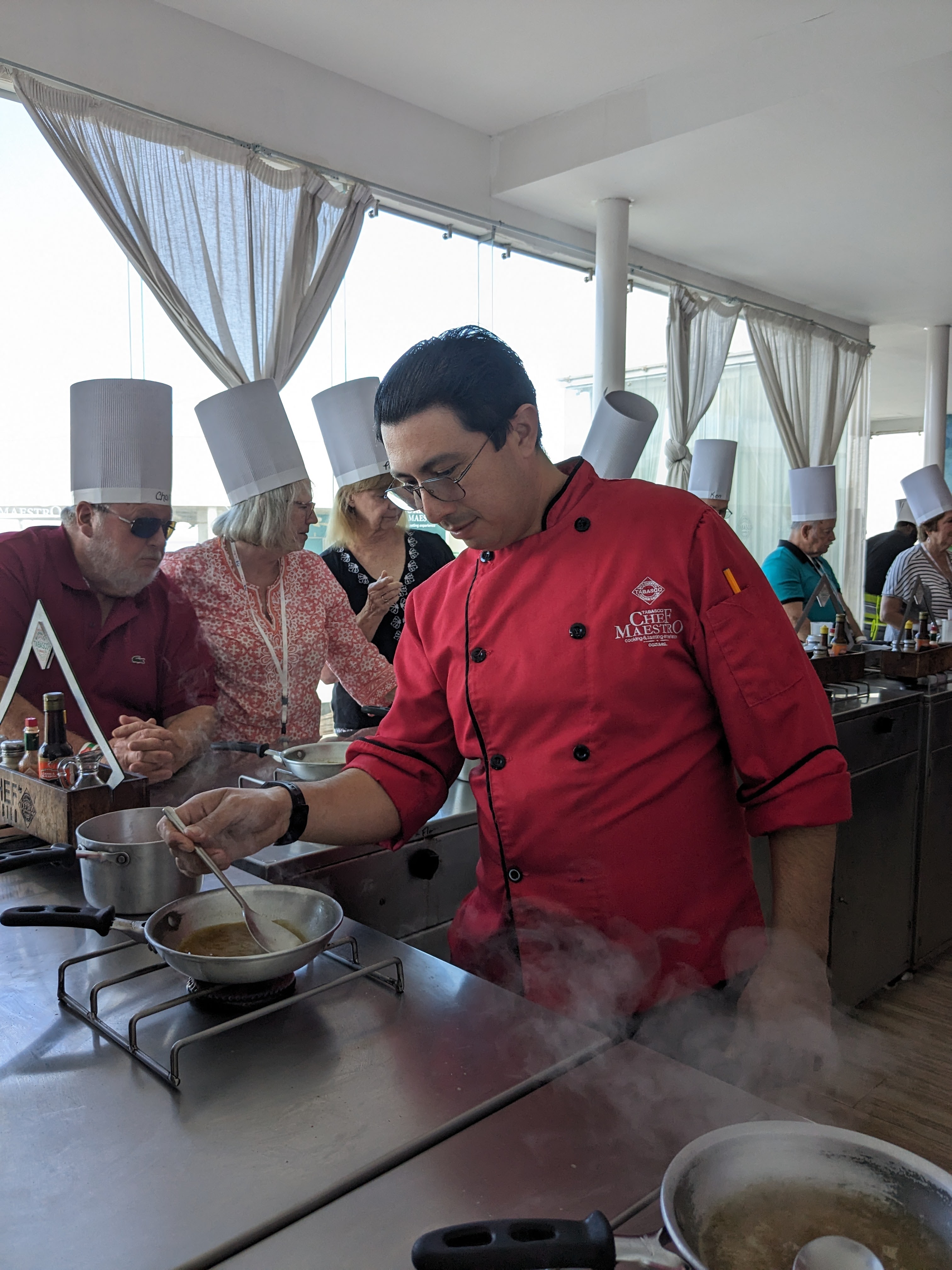
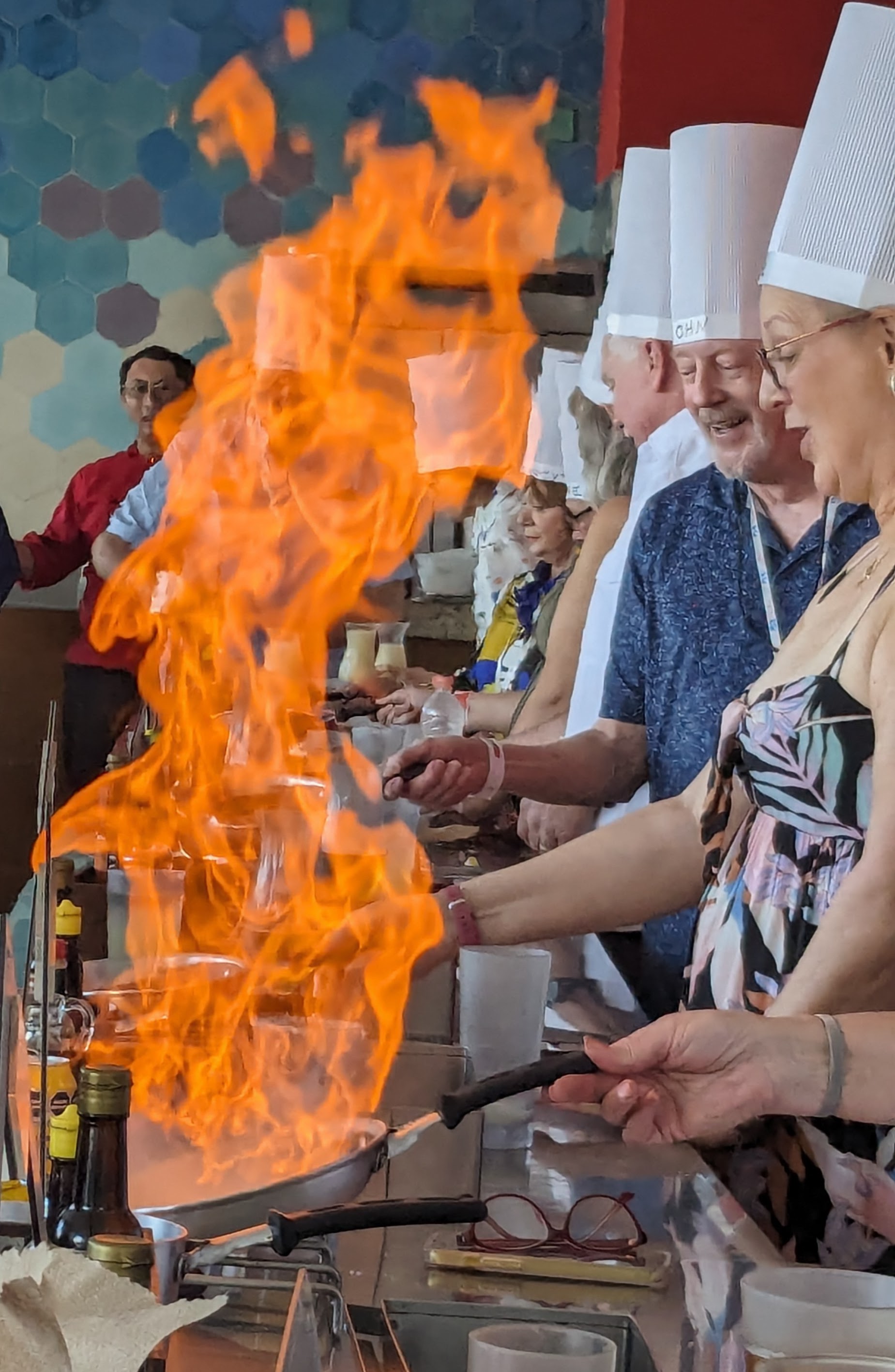
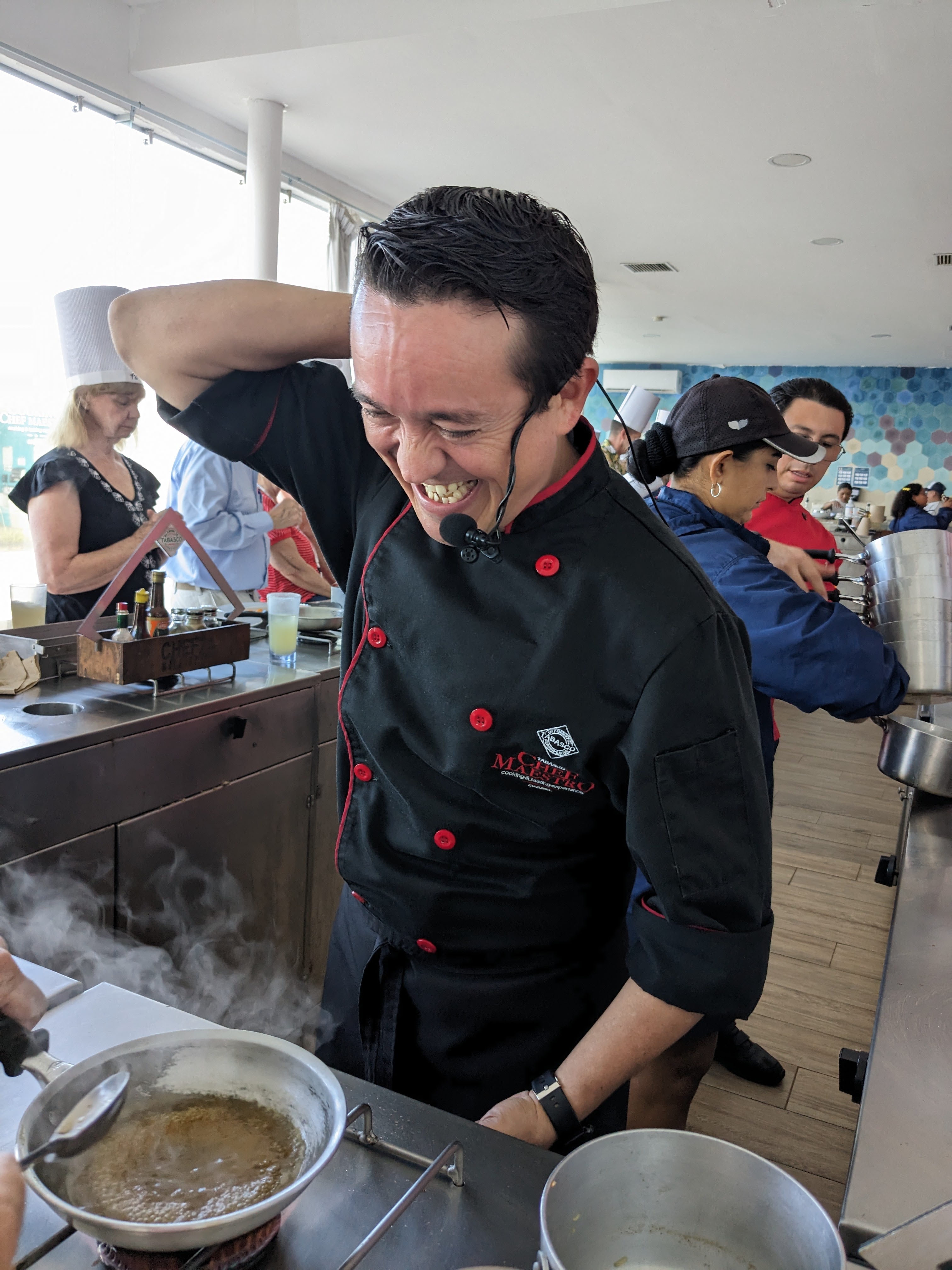
We were entertained from the time we entered the second-floor demonstration kitchen at Cozumel’s Hotel Blu until the moment we were ushered into a waiting cab for our return trip to the pier. At the outset, we donned tall, white, pleated-paper chef’s hats as we awaited further instructions.

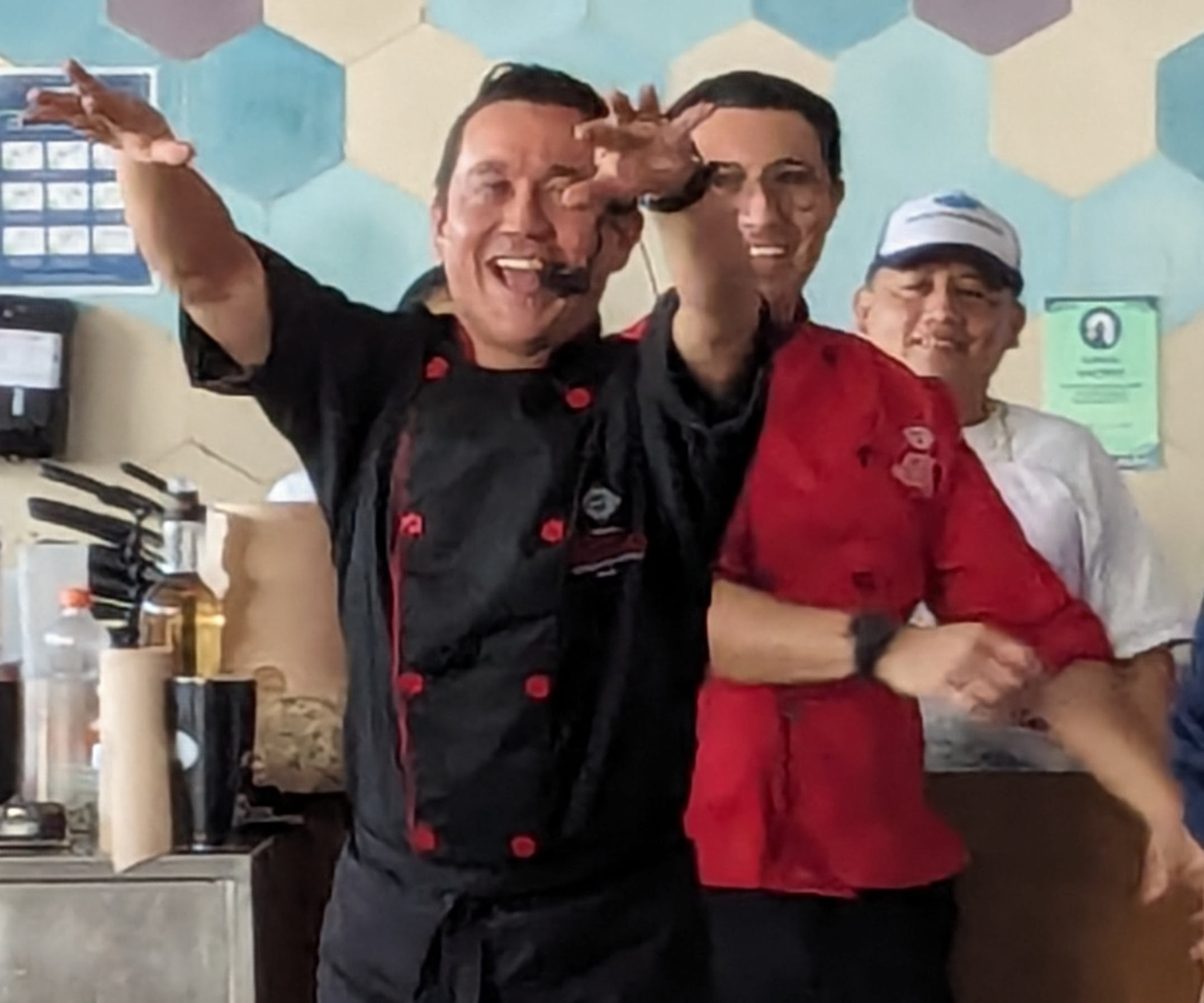
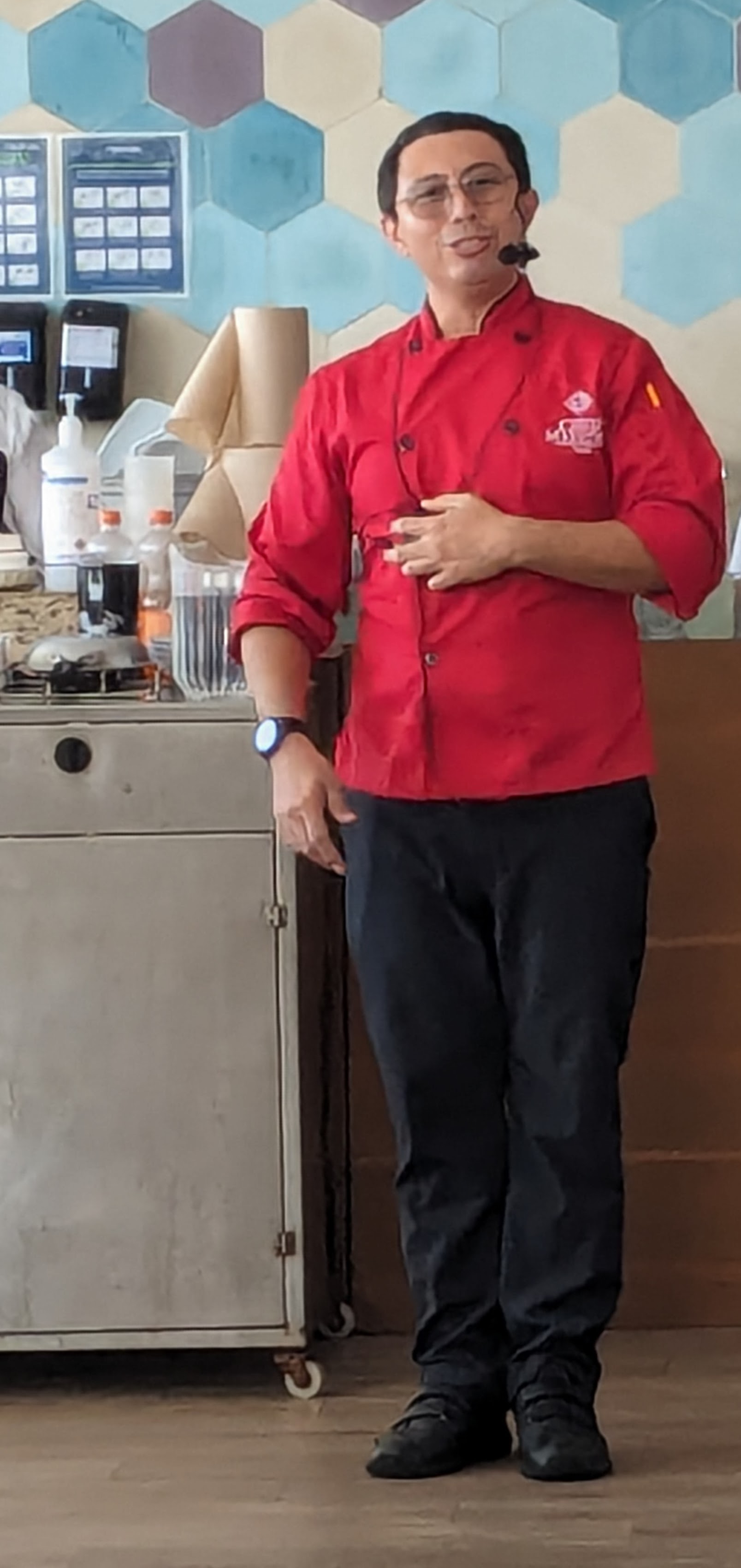
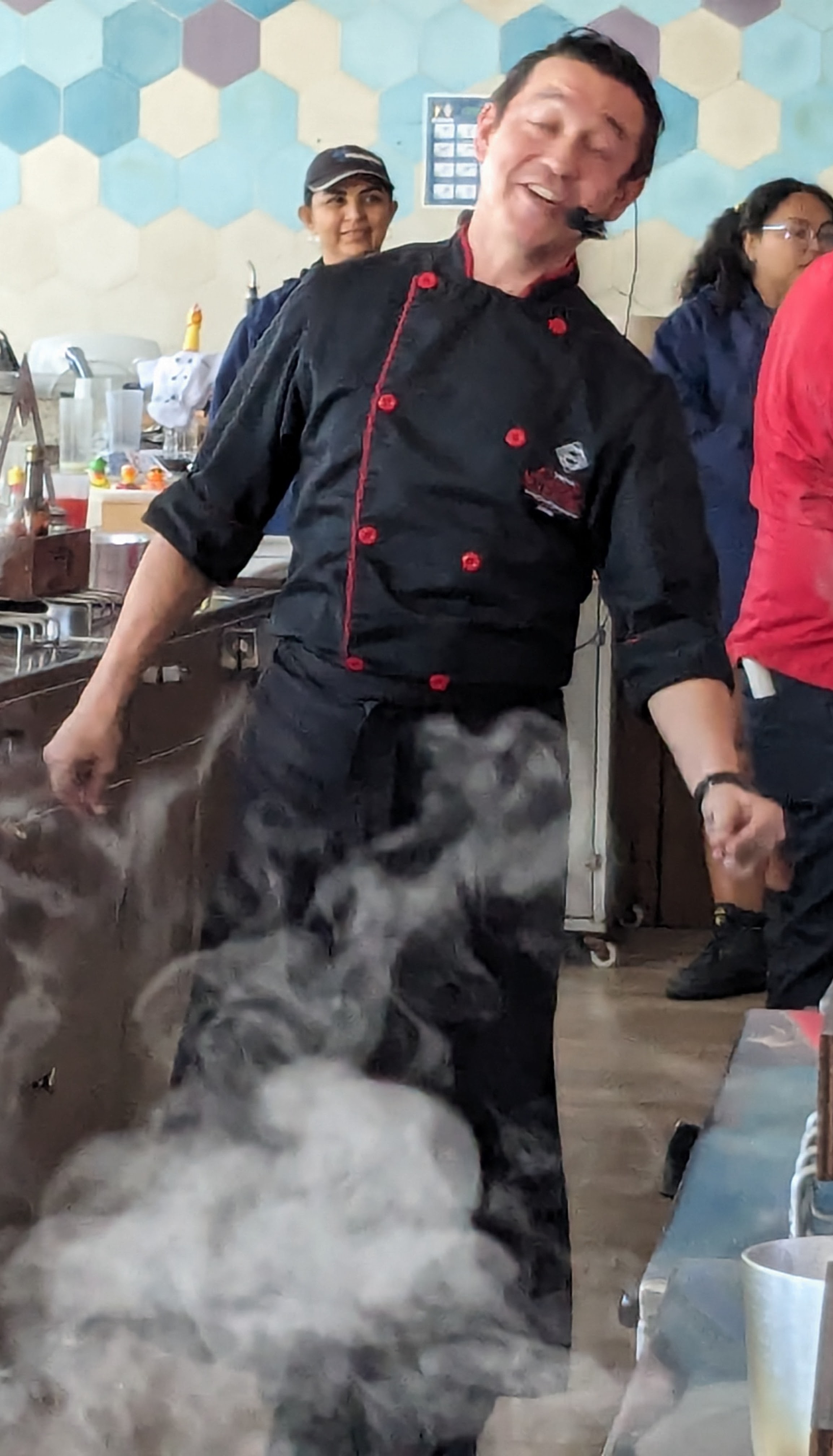
Our chef for the day, Luis Esquivel, was personable and enormously engaging — full of energy, wit, talent, and knowledge.

Let the Cooking Begin

The class may have been two-thirds “show biz” to one-third serious food preparation, but it was nonetheless informative. Chef Luis introduced us to his assistant, Antonio, and to the distinctive flavors of Mexico with an island twist. We learned how to adjust the spice to our personal preferences, and we learned that hot, spicy dishes can be tempered with cool or creamy sauces and tamed by accompanying drinks. These lessons returned with me to my kitchen.

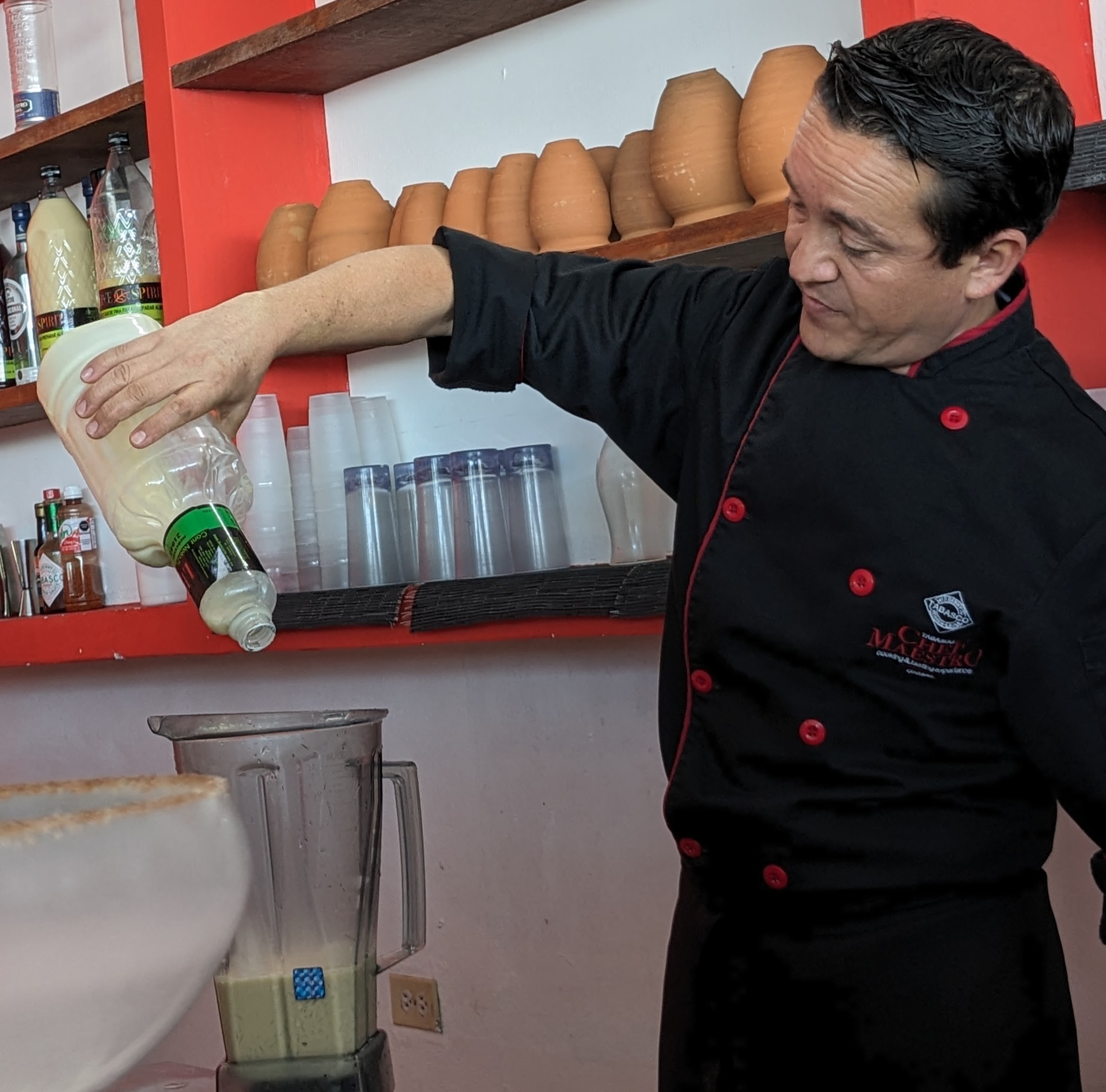
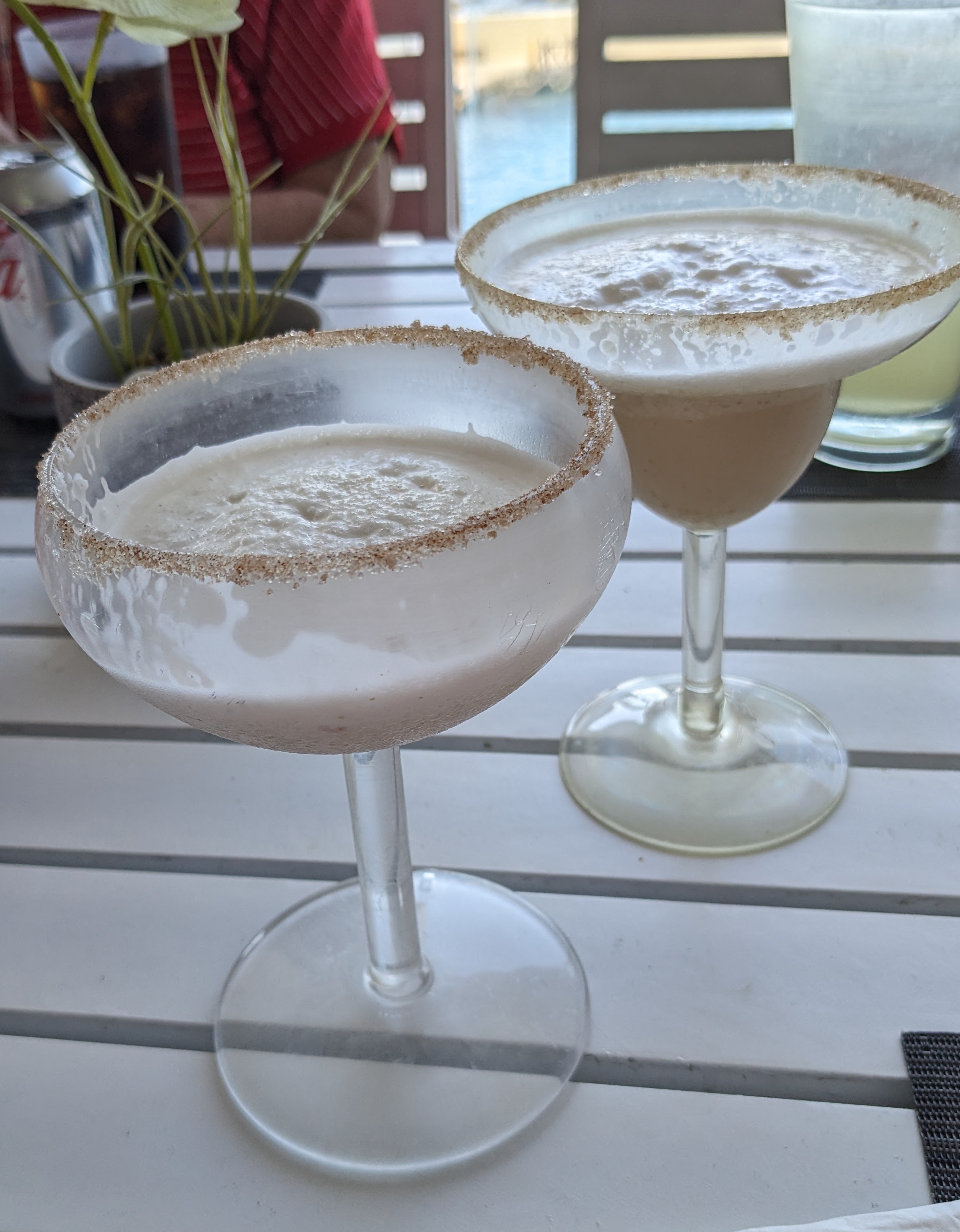
Drinks flowed freely throughout this lighthearted cooking demonstration. The first question put to each of us was “Margarita or Pina Colada?” With that, we took our places at our assigned cooking stations where ingredients had been laid out for the dishes we would prepare.

Floor-to-ceiling windows framed a view of the blue sea beyond and the hotel’s dolphin pool just below. We were tempted to simply sip on our Margaritas and watch the dolphins frolic, but there was serious food prep to be completed. Chef Luis and his sous chefs tried their best to keep us on track.

We first prepared a simple shrimp cocktail, with fresh greens, boiled shrimp, lime juice, cocktail sauce, and Tabasco to taste. It was to become the first course of our dinner, so it was put aside to chill.

The learning experience was underway.

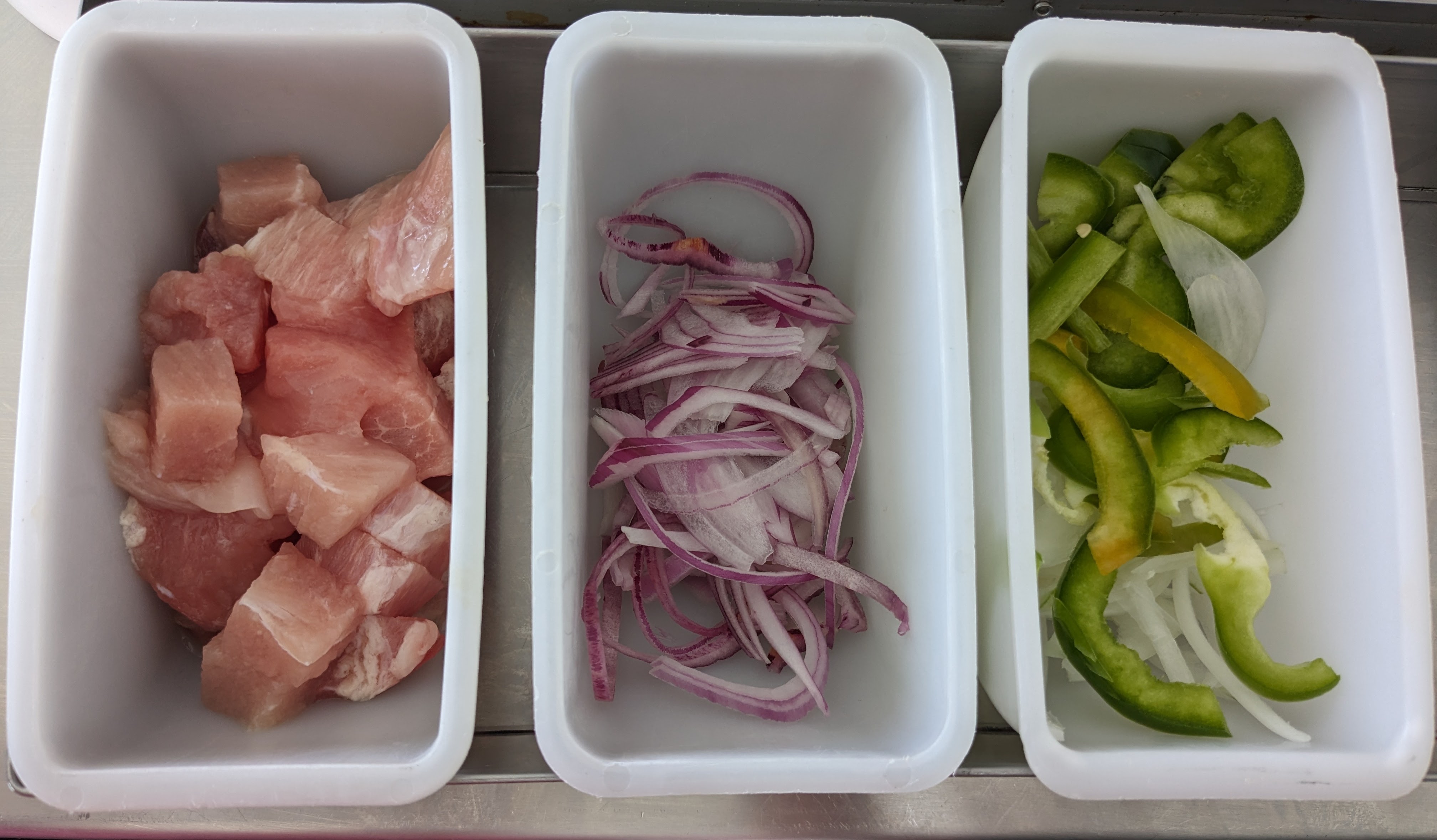
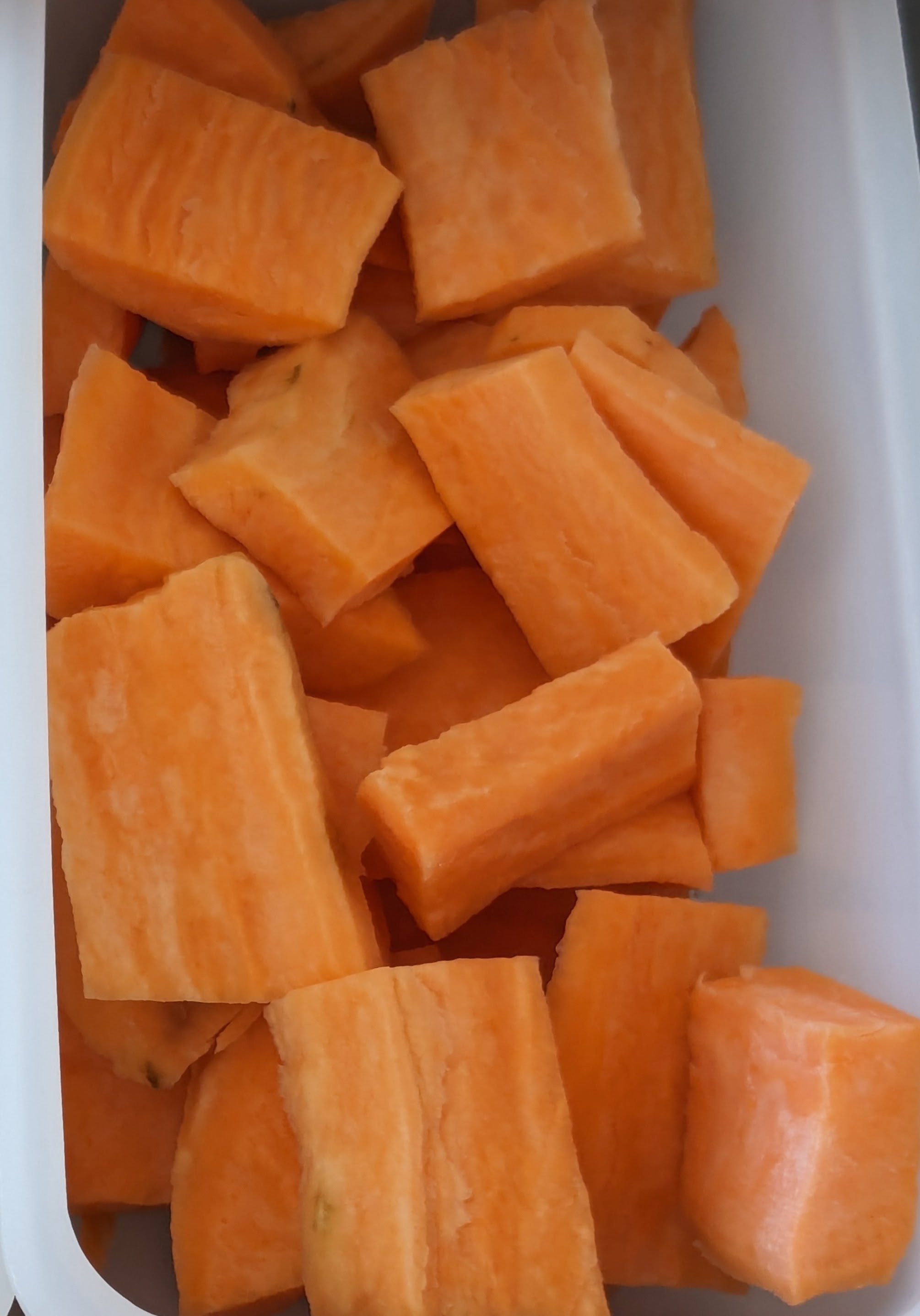
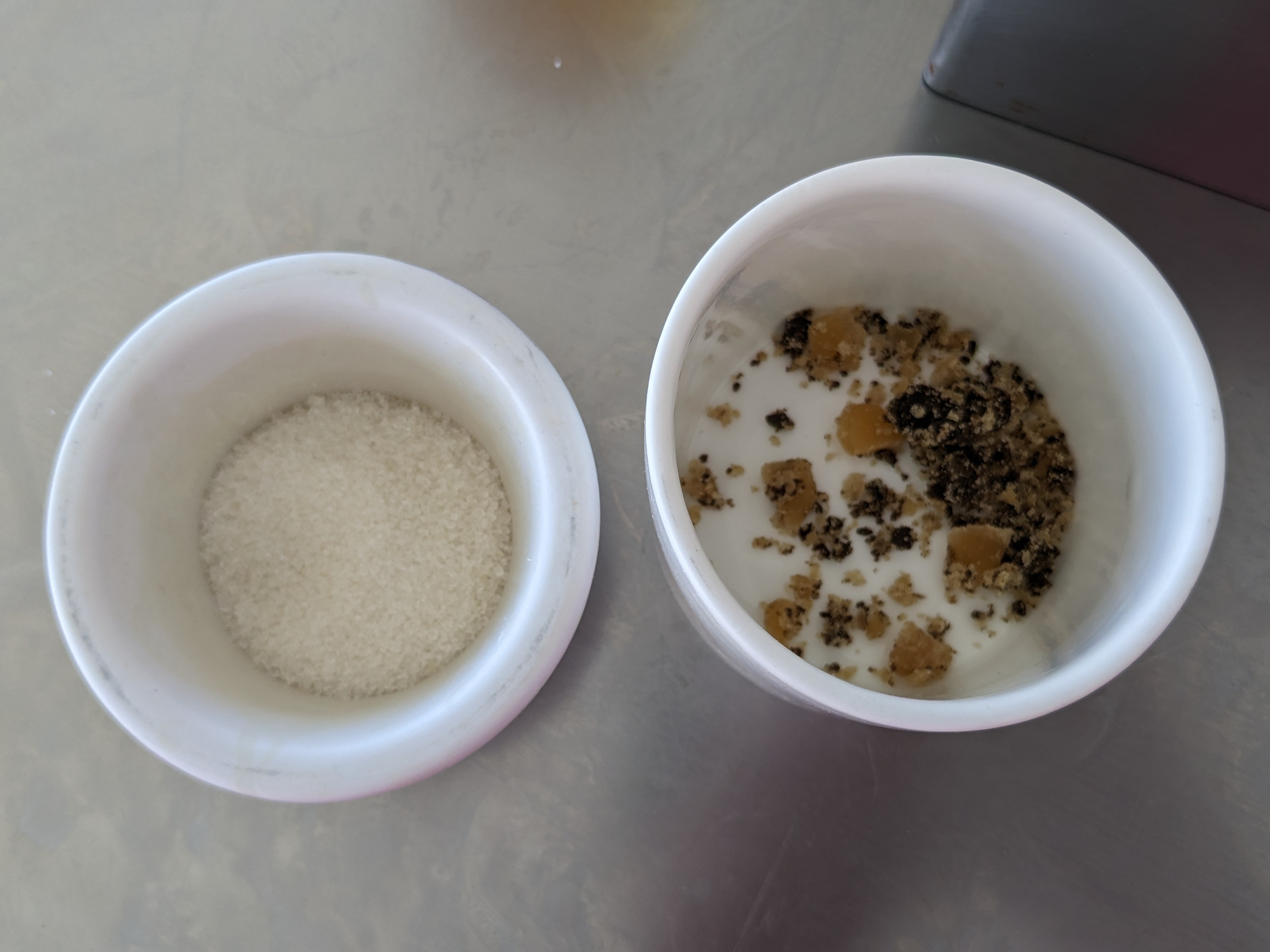
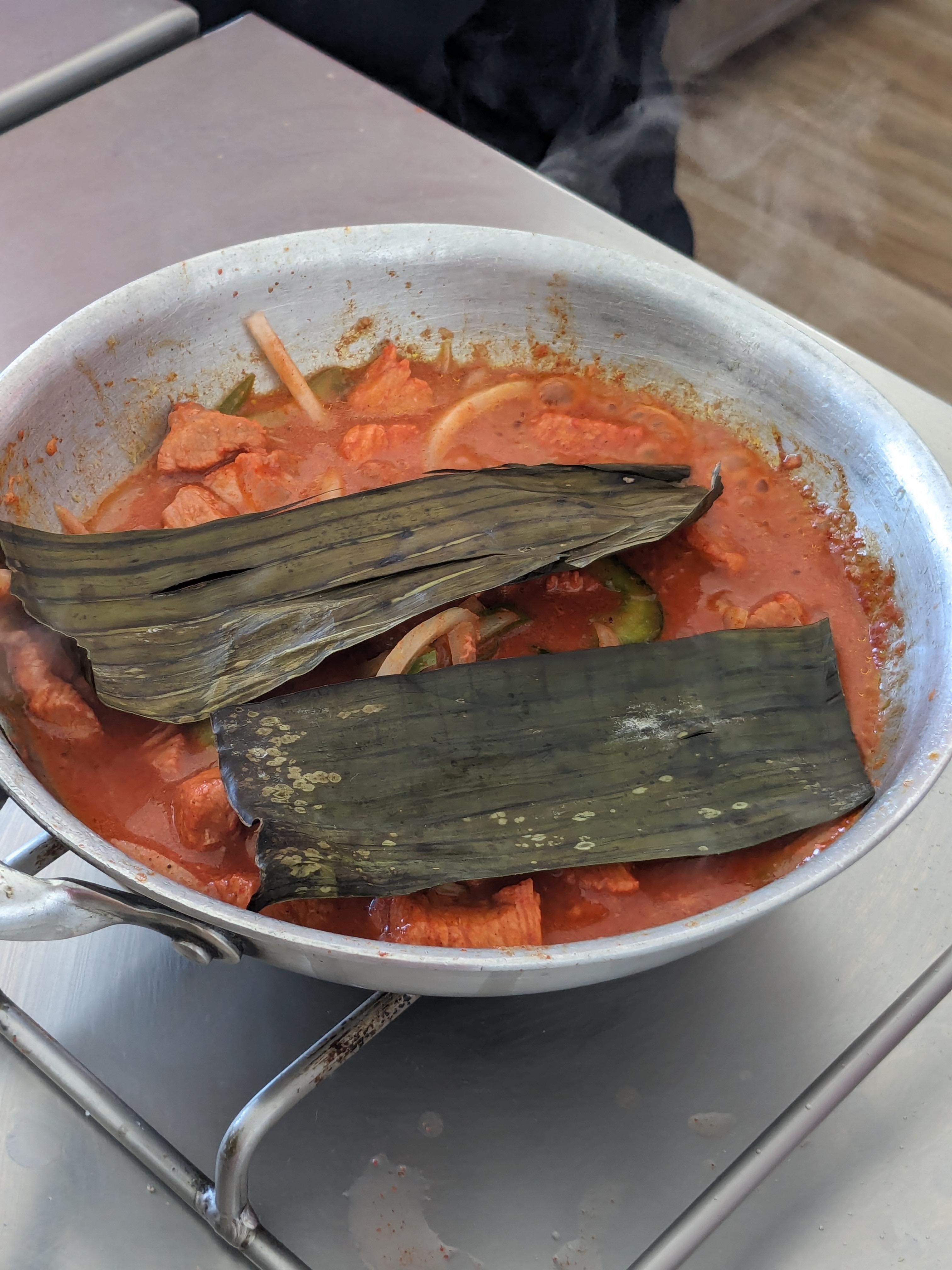
The first order of business was to identify the ingredients and discuss the flavors — cubed pork, sliced red onion, slivered bell pepper, Tabasco sauce, Worcestershire sauce, peppercorns and a clove, vinegar, catchup, cubed sweet potatoes (for dessert), shrimp, fresh lemon, raw sugar, freshly ground peppers, and other spices. We did not yet have any idea of the dishes we would be preparing, and we had little time to relax before the chef and his assistants lit the fires under our personal gas burners.

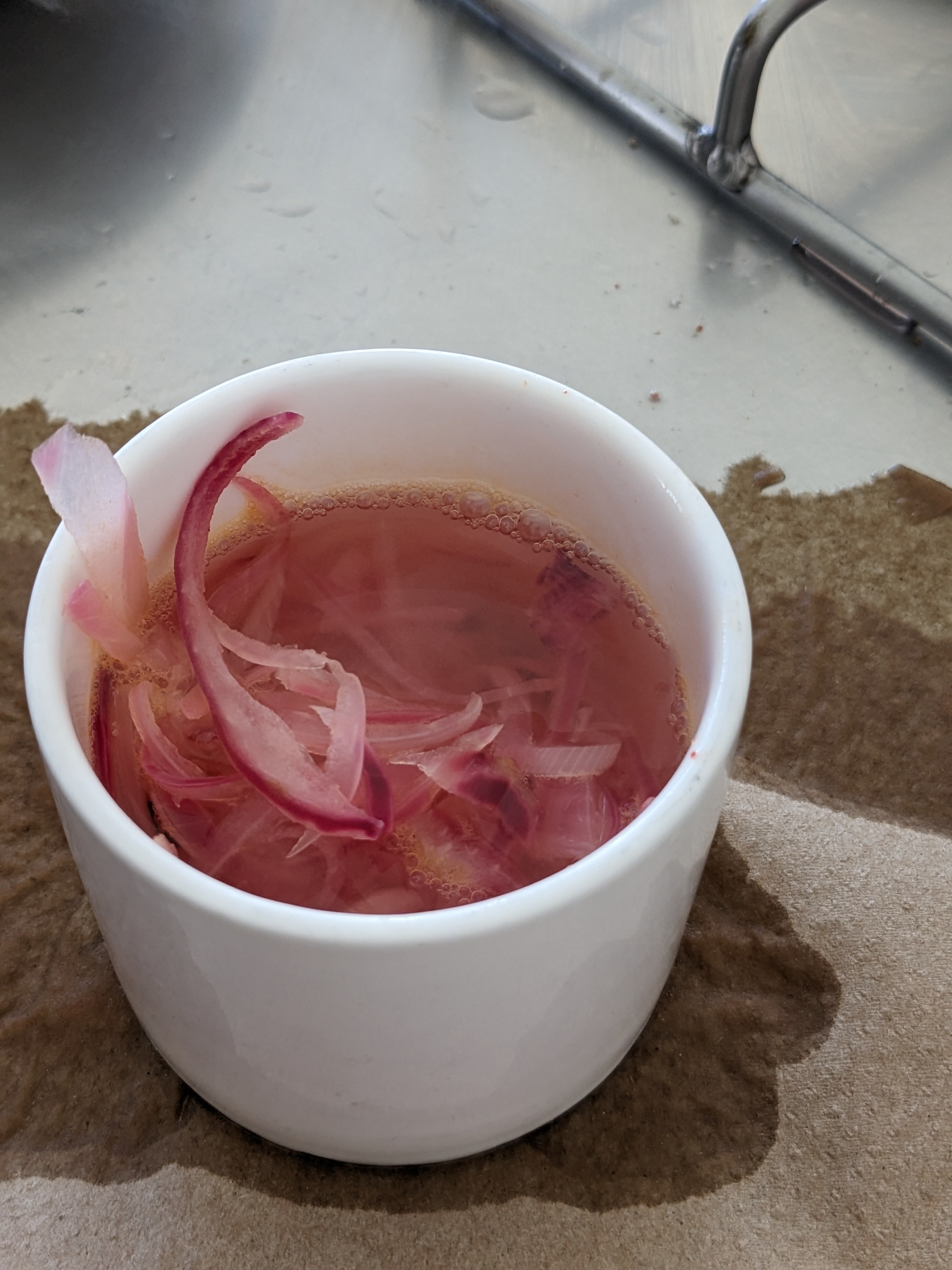
After another sip of Margarita, we set to work under the watchful eyes of Antonio and Chef Luis, who kept up a running commentary about how to do what we needed to do. We learned a technique to “quick pickle” onions that would accompany the pork dish, and we were instructed about easy ways to combine common ingredients to produce unusual flavors. We learned to use intense flavors and hot sauces judiciously.

A Frivolous Approach to Serious Cooking

We prepared simple, no-fuss dishes, perfectly suited for recreating at home. We were supposed to receive the recipes and ingredient lists by email. Alas, ours never arrived, although we have the photos and the memories. We might not be able to reproduce the menu exactly, but we feel relatively confident about how to recreate the savory flavors of the meal we enjoyed. It all begins with fresh ingredients. And, of course, Tabasco!

Not only did this cooking interlude provide us with an introduction to Mexican-flavored dishes, but it was high-level entertainment. It was one of the most informative and enjoyable cooking experiences we can remember. We prepared and plated a shrimp cocktail, a pork entree, and a yam dessert with sweet syrup. We consumed our fill of tasty alcoholic or non-alcoholic beverages as well. Plus, we were picked up and returned to the ship’s pier, all for a reasonable fee.

Then we moved to an adjacent dining room to consume what we had created and thoroughly enjoyed getting to know our fellow students. We drank a final toast to our accomplishment with a frothy after-dinner cocktail, prepared by Chef Luis.

The Tabasco cooking experience provided us a memorable day ashore. We gained a new appreciation for hot peppers and flavorful cooking in the region where those hot peppers originated. We left with a desire to recreate the experience for our friends and neighbors at home. And we have put some of the tips we brought home to good use.

This pampering “getaway” cruise was focused on food and relaxation. My next post, however, is about a much different excursion during our port call in Roatan, the small island off the coast of Honduras. Roatan is known for its reef diving and its remarkable clear water. We discovered much more during our island tour with a private guide.

I explain what was so special about our day on Roatan in Uncovering an Island‘s Hidden Treasures, scheduled for publication next week.

Follow me to receive email notifications about that experience and about future travels. I hope you’ll continue to join me for good food and memorable times in faraway places.

Hotels I’ve loved — and why I’d return . . .

I don’t consider myself a lodging snob when I travel. Although I opt for style, I don’t require luxury. I’ll search for an atypical option rather than settle for a familiar name. I appreciate individuality over chain “sameness.”

A chain hotel offers few surprises. That is not a negative. A recognizable name testifies that travelers should expect a specific known quality. Those who prefer predictability will, without a doubt, book stays at the chains that tick off the greatest number of personal boxes for location, service, quality, and comfort. I empathize with that mindset. I understand those people. On occasion, I am one of those travelers.

But not always. Typically, I am more enterprising. I appreciate comfort, charm, history, character, and a certain quirky ambience. I gravitate toward the unusual.

I would rather have a private balcony than a beautiful lobby. A private bath is important, but classic charm will trump sleek modernity any day. Included breakfast is not necessarily vital, but a complimentary chocolate on my pillow will win me over. A friendly wine bar or a well-stocked library are bonuses, and I appreciate them more than an onsite restaurant.

I readily admit that I search for bargains, and I consider it a personal victory when I find a hotel that offers a low price and at the same time scores high across the board on my personal rating system. I read guest ratings, and high marks for cleanliness are vital. For a single night, I will sometimes take a chance on an “iffy” booking. I like small rather than supersized facilities. And I scoff at urban hotels that try to be all things to all guests.

I admit that over the years I have made some unfortunate choices, but I have learned from them. I will happily select a location far removed from shopping, and I tend to prioritize walkable neighborhoods or views over hotels that advertise proximity to shopping and business centers.

Now that I’ve explained my criteria and you have an idea about what tickles my fancy, these are the hotels I loved in 2022 and 2023. Some may surprise you.

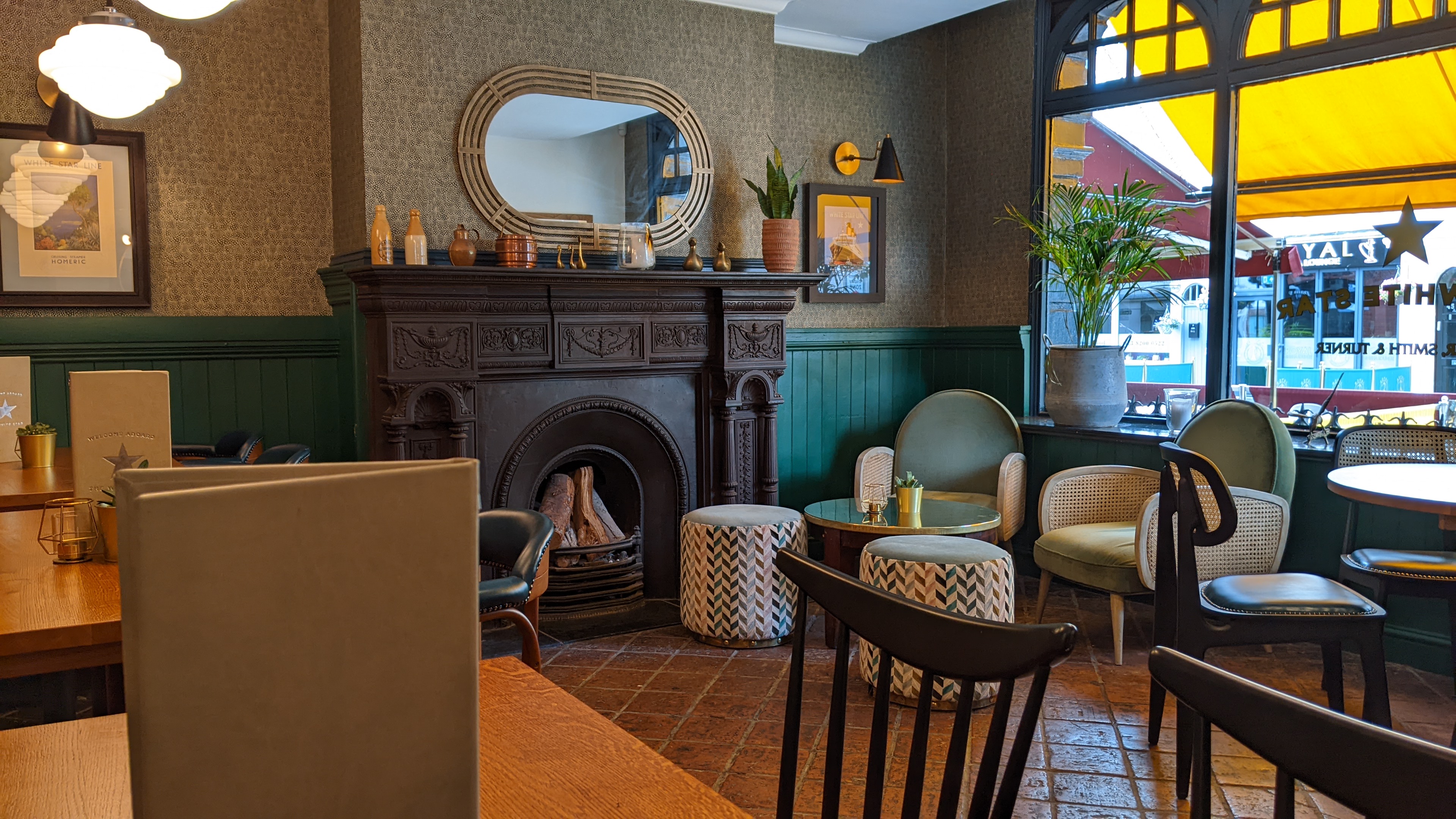
The White Star Tavern, Southampton, England

This traditional British inn on one of the most “lively” streets in the city is a real find. Only a short cab ride from the cruise ship pier, it is also not far from Sea City Museum which tells a captivating story of the Titanic. Be sure to make time to visit. There’s a casino just at the end of the street if that appeals to you.

Guests are made to feel like family friends here, the English breakfasts are wonderful, and the pub fare is excellent for both small plates or complete dinners. The outdoor patio at The White Star is a perfect place to watch a passing parade of people. Oxford Street becomes a pedestrian-only avenue each afternoon, attracting throngs to its many pubs and nightspots.  

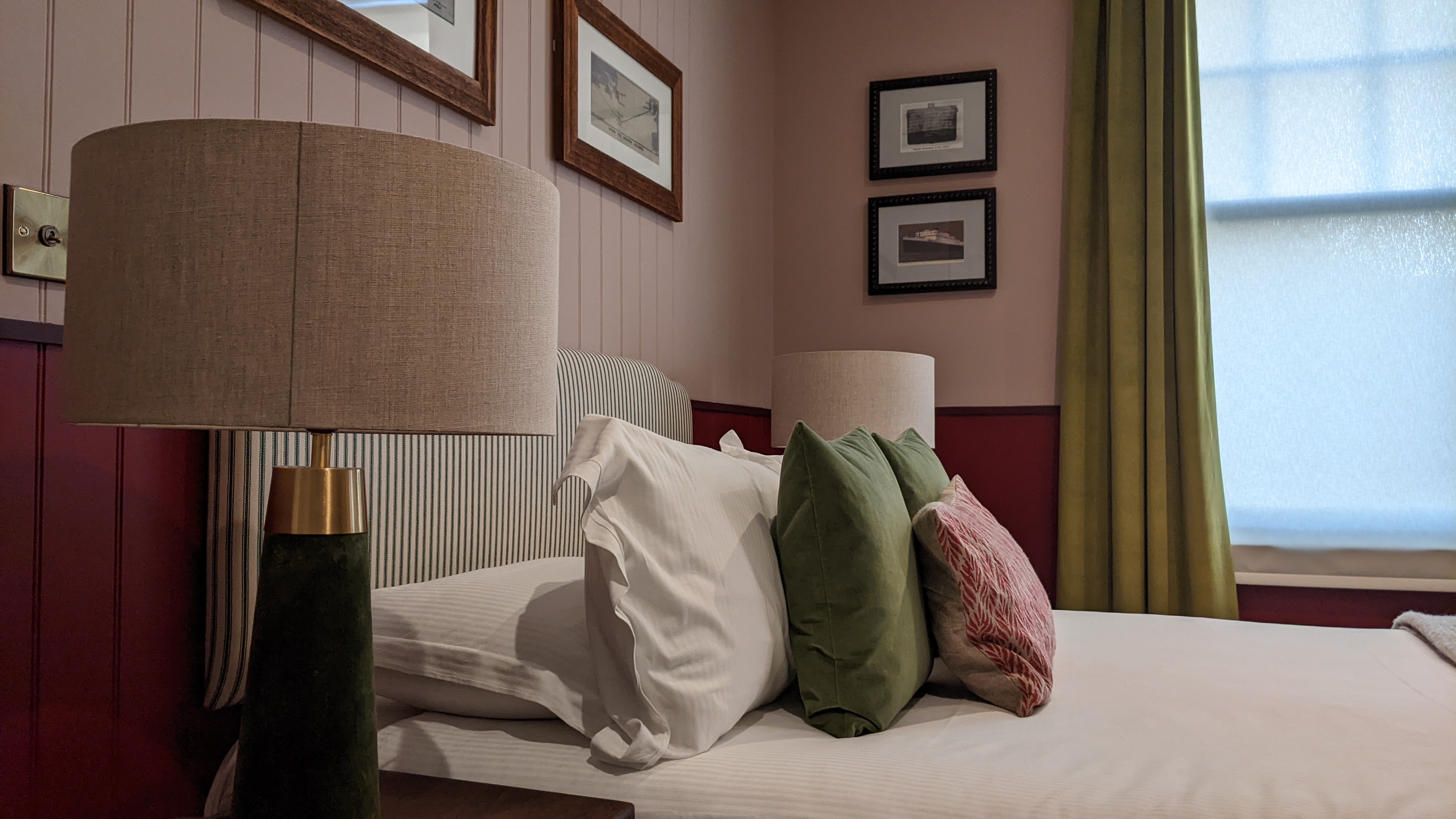
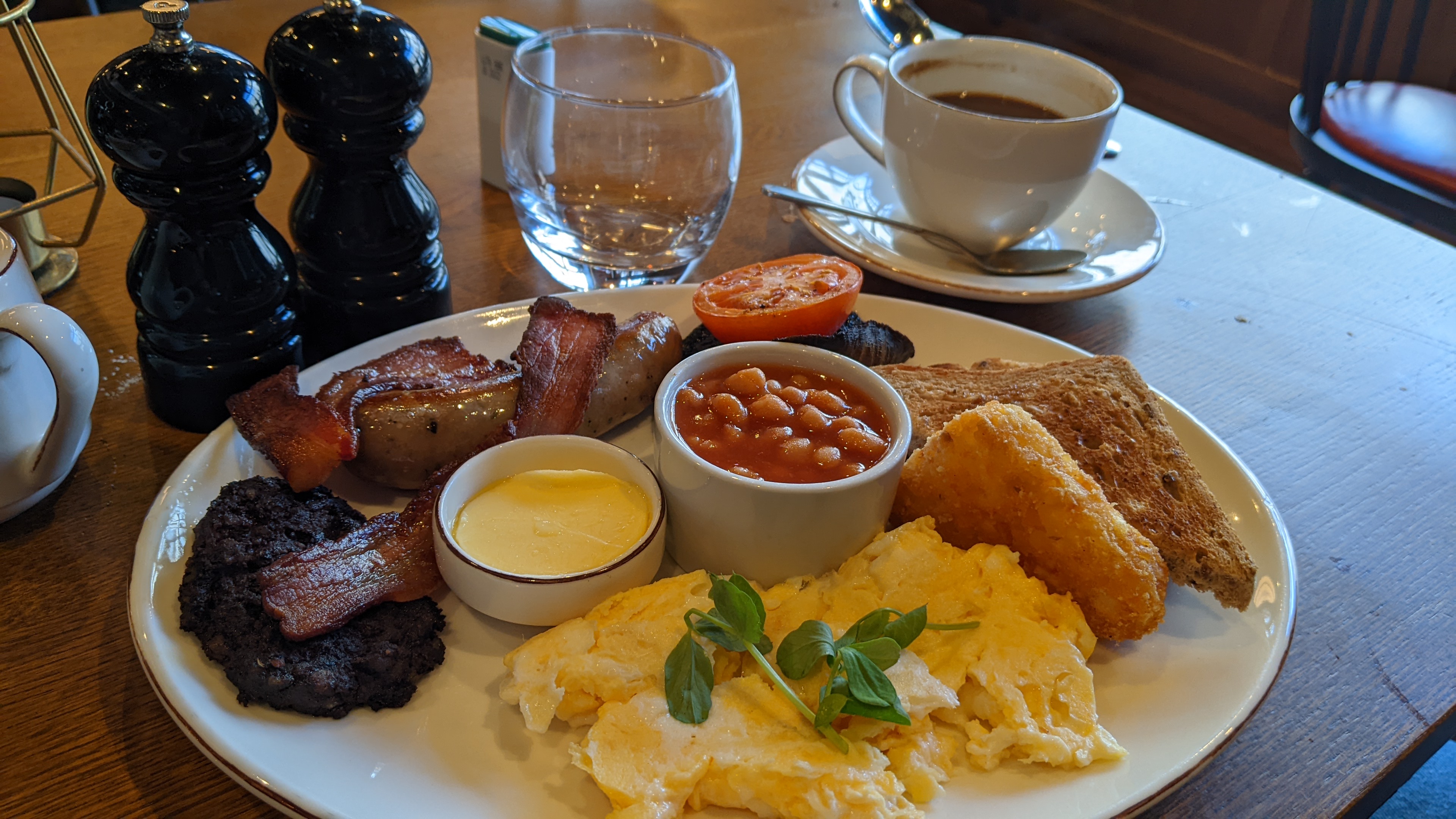
The one drawback – rooms are upstairs and there is no elevator, but attentive staff willingly tote bags up and down. True to its nautical theme, “cabins” are elegantly furnished and decorated, stocked with all necessary amenities and a choice of coffees and teas, along with a sampling of treats. Think biscuits and chocolates. Each floor also features a sitting room, replete with Titanic and seafaring memorabilia.

Hotel Ismael, Santiago, Chile

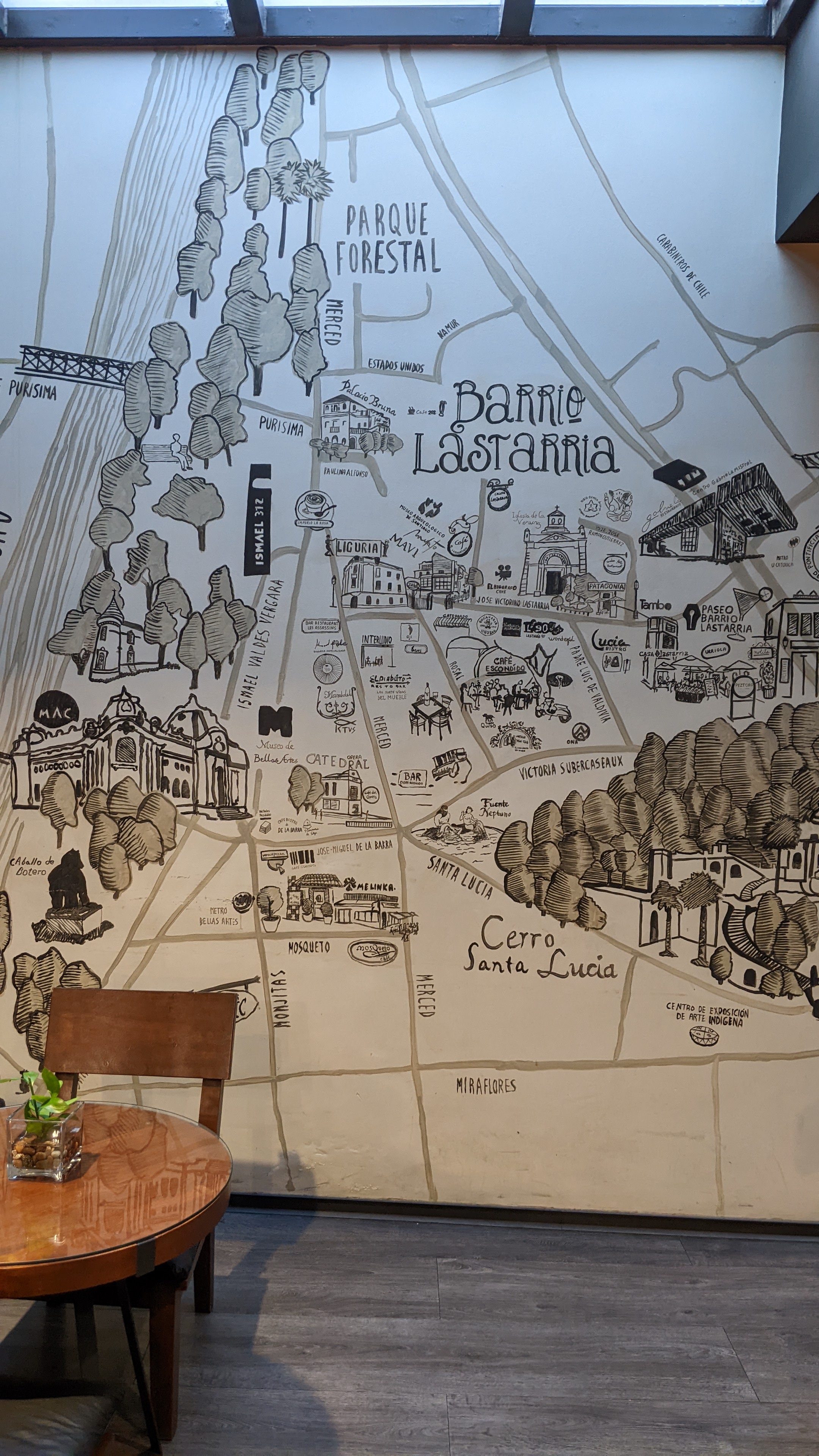
Located in the Lasterria neighborhood, this small contemporary hotel is across the street from Forest Park and near the National Museum of Fine Art, the Contemporary Art Museum, Plaza de Armas, Hidalgo Castle, and the Gabriela Mistral Cultural Center. We even walked to the funicular at Cerro San Cristobal for a ride up the mountain to a scenic overlook and Santiago’s famed mountaintop statue of the Virgin Mary.

I booked our stay via an online site, based only on photos and comments. And I couldn’t have been happier! I loved this hotel from the moment I first walked through the front door.

Hotel staff will recommend nearby eateries – and we especially enjoyed finding a local street bazaar where we could meet vendors and shop for bargains! The neighborhood is safe and charming, and we enjoyed two excellent dinners featuring Chilean specialties during a two-day stay before our scheduled Antarctica cruise.

Guests have access to a top-floor pool, and each room has a small balcony. A superb complimentary breakfast is offered each morning and staff will prepare a “to-go” breakfast for guests with early tours or scheduled transportation to the cruise port or airport. Just make your request the day before.

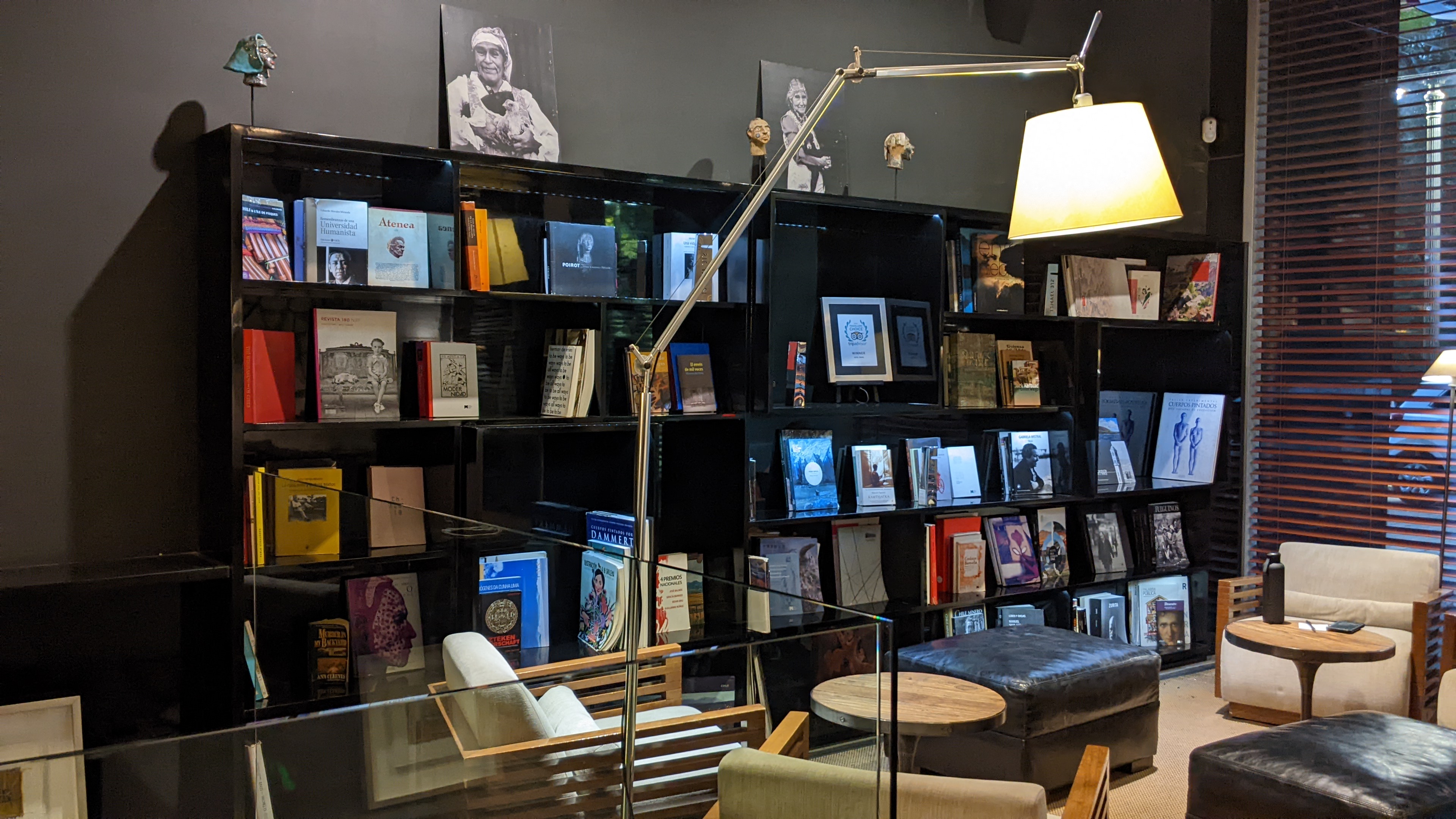
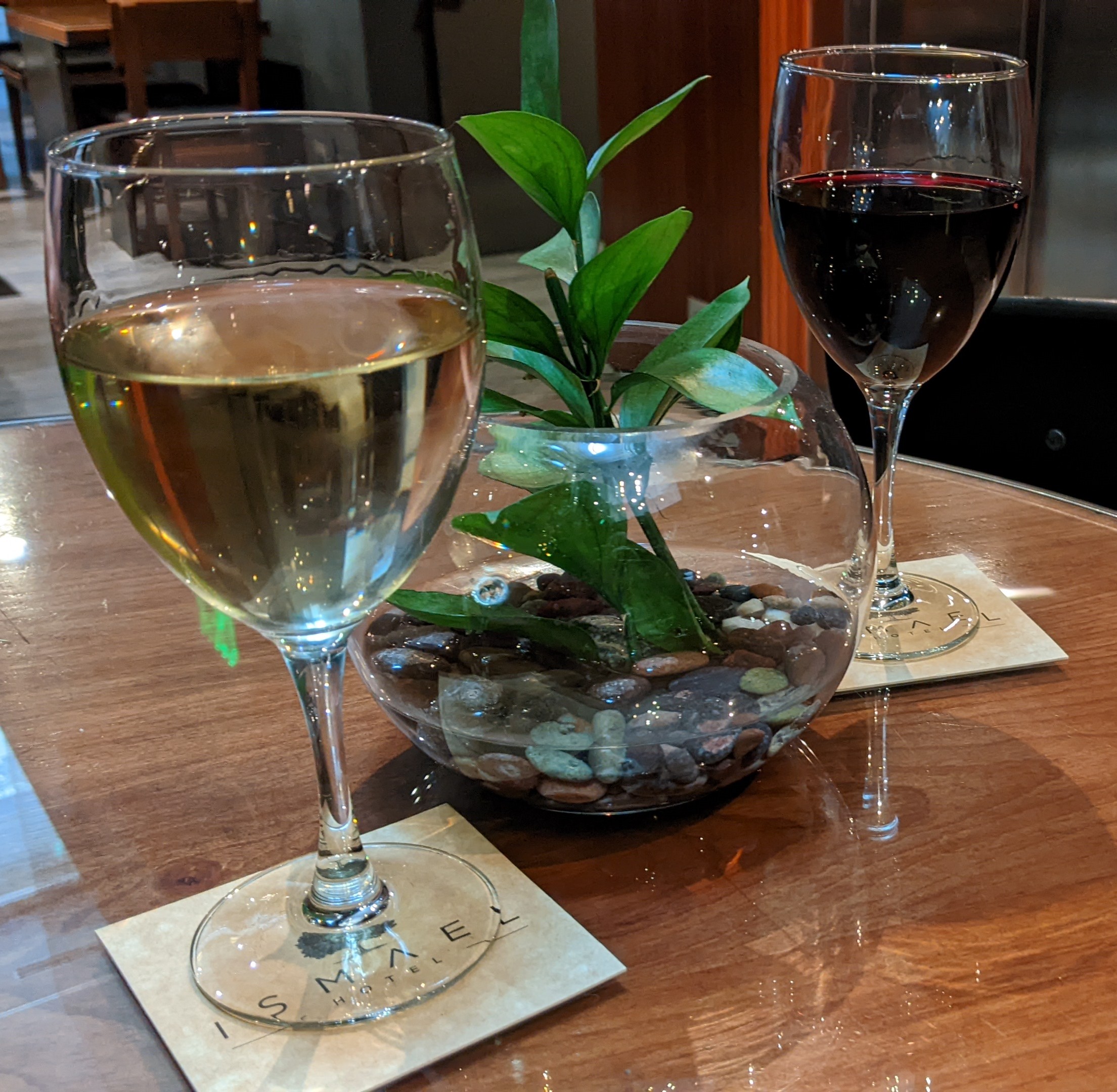
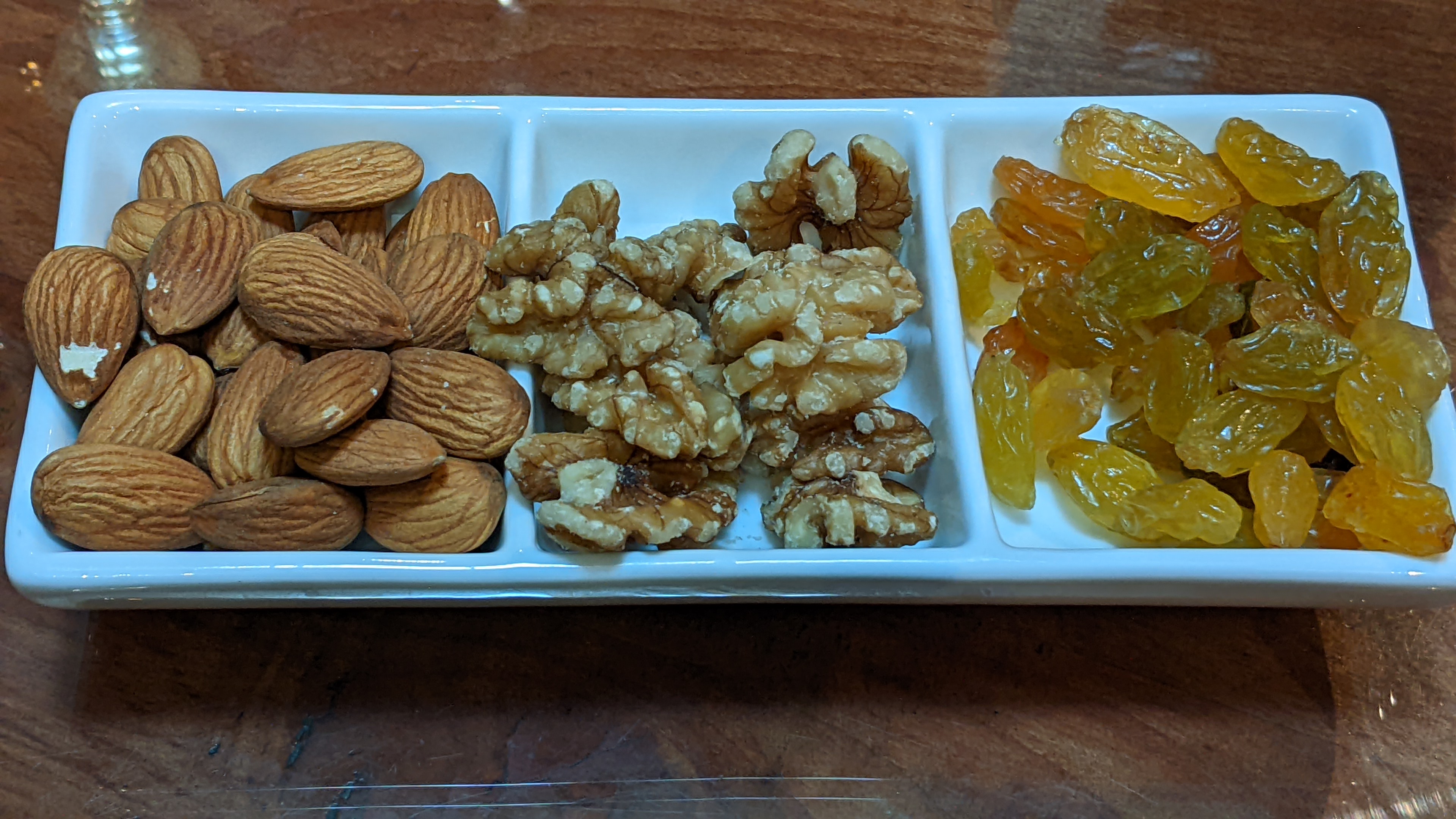
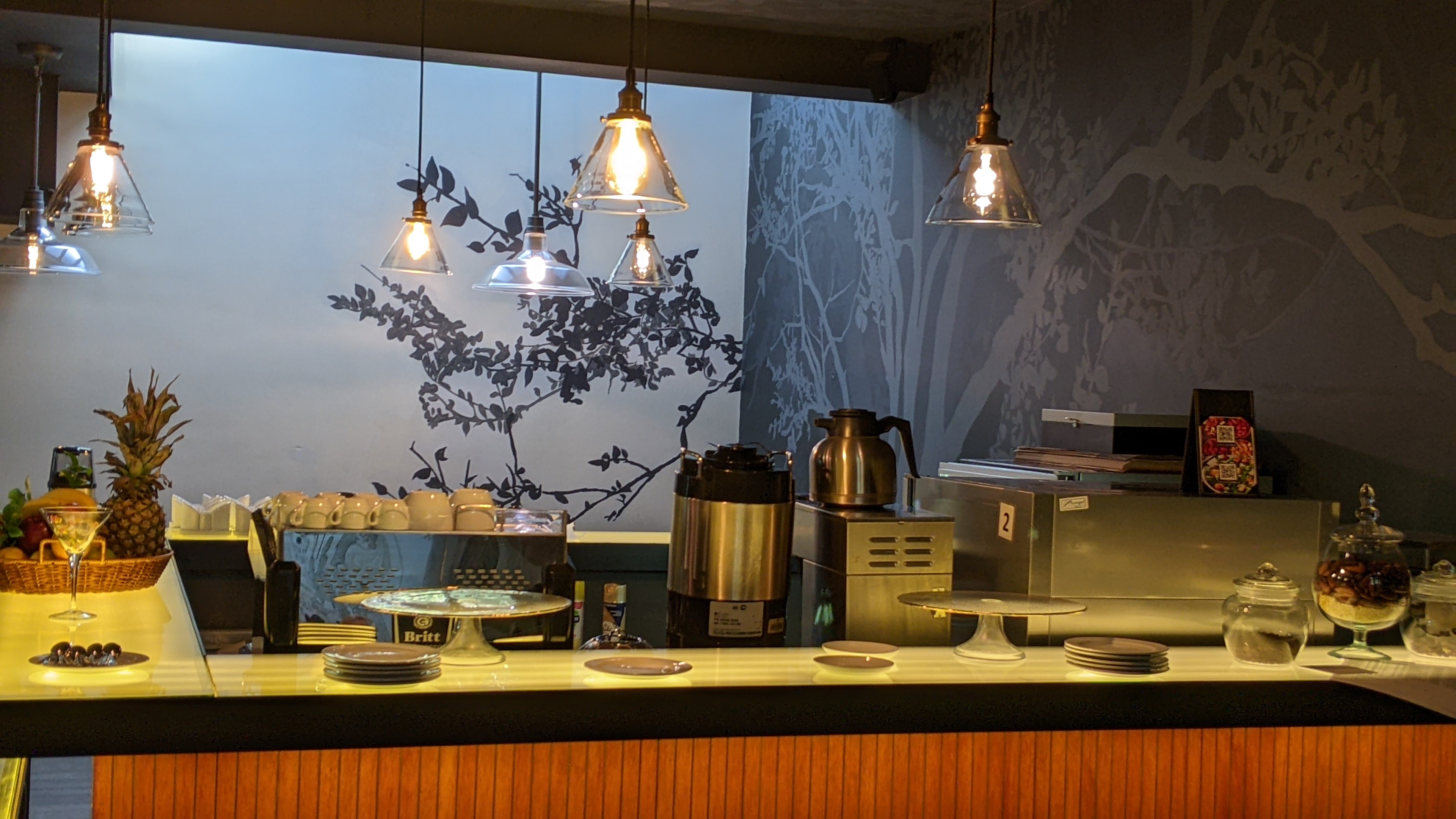
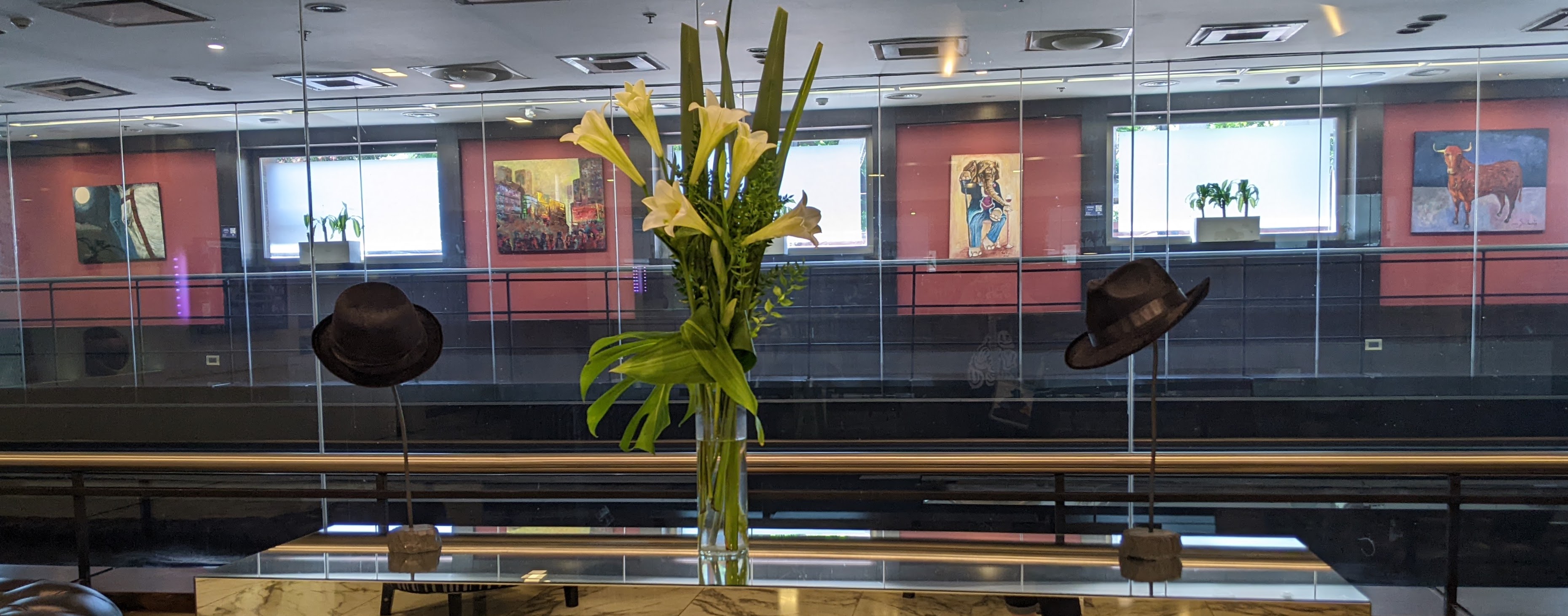
The lower-level breakfast space doubles as a cocktail lounge each afternoon. Simple canapes, served on request, accompany the wines and cocktails prepared by a congenial server. We took advantage of the opportunity to unwind after a busy day in the city, exchange sightseeing tips, or make dinner plans. The main lobby also features comfortable seating, interesting art and books, and is a friendly gathering place during the day.

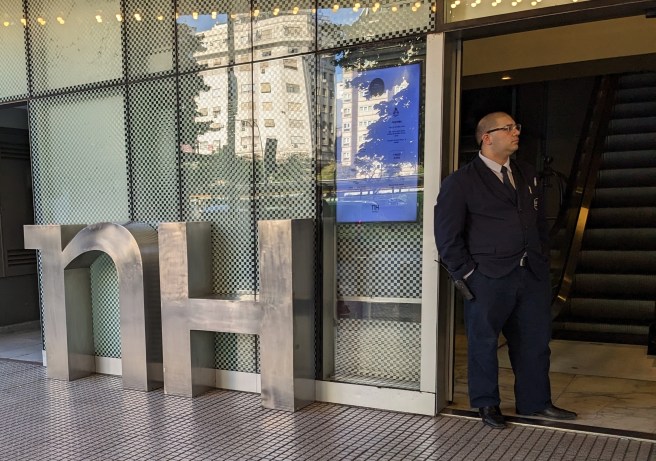
NH Buenos Aires Tango

Book a street-facing room at this sleek city center hotel and you’ll be rewarded with a “knock-your-socks-off” view of the towering obelisk at Plaza Republica just steps away in the heart of the city.

In addition, the location is next door to a lively Tango theater, just a block from the legendary Colon Opera House, and within walking distance of a park, fine shops, and local restaurants. City buses and tour buses, with convenient nearby stops, run regularly, and cabs are readily available.

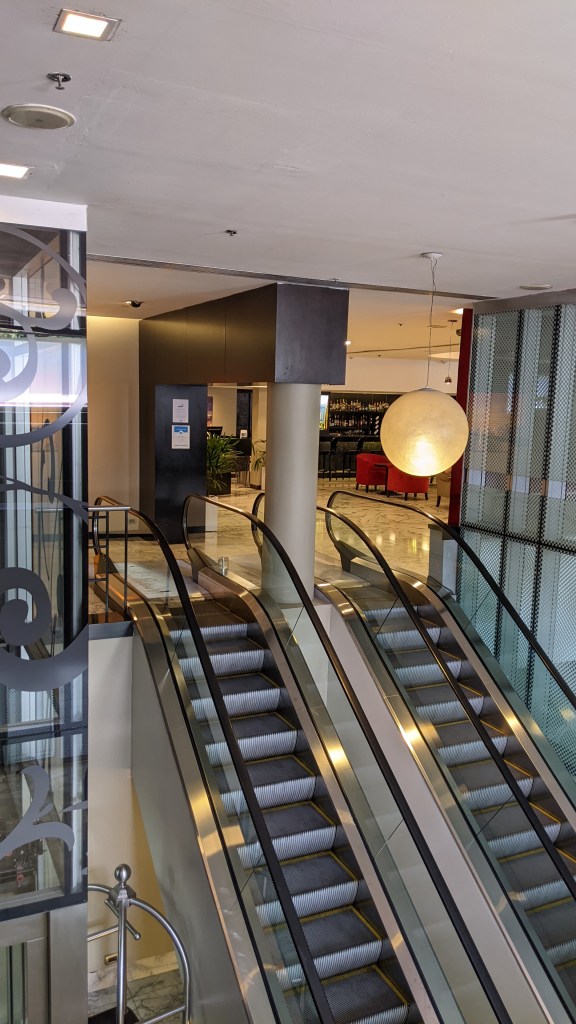
Street-level glass doors open to modern escalators that whisk visitors to the second-floor registration desk. From there, guest rooms are a short elevator ride away. The contemporary art-filled lobby space is a combination sitting room, cocktail lounge, and reading room where guests may order snacks, wine, and bar drinks throughout the day. Business travelers will appreciate available work spaces, meeting rooms, and access to audio-visual aids. The hotel also has a fitness center with multiple machines, and guests have access to a sauna and massage services.

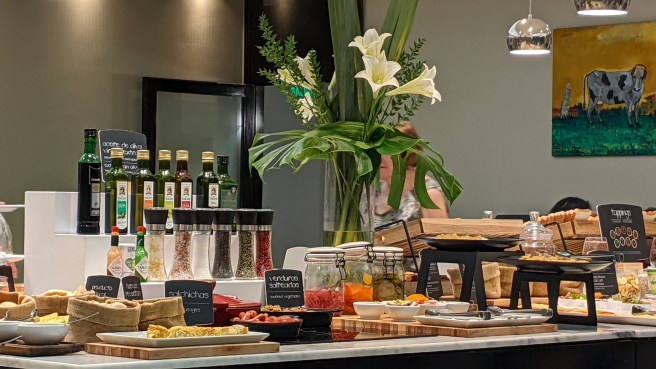
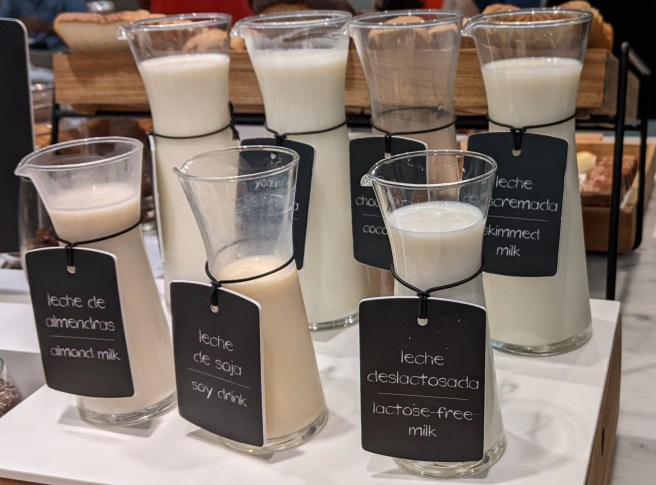
Bountiful breakfast buffets in the full-service dining room include hot and cold options, fresh fruit and juices, breads, baked goods and a variety of yogurts and cheeses, with cooked-to-order omelets also available. In the evening, the room becomes the dinner venue, with choices ranging from pizza and burgers to steaks, seafood and international favorites.

Hotel staff couldn’t be more attentive and will help with directions, call cabs, recommend tours, or book restaurant and show reservations. Just ask.

And that view? Well, it’s mesmerizing day and night. And so is the traffic just below on Ave. 9 de Julio!

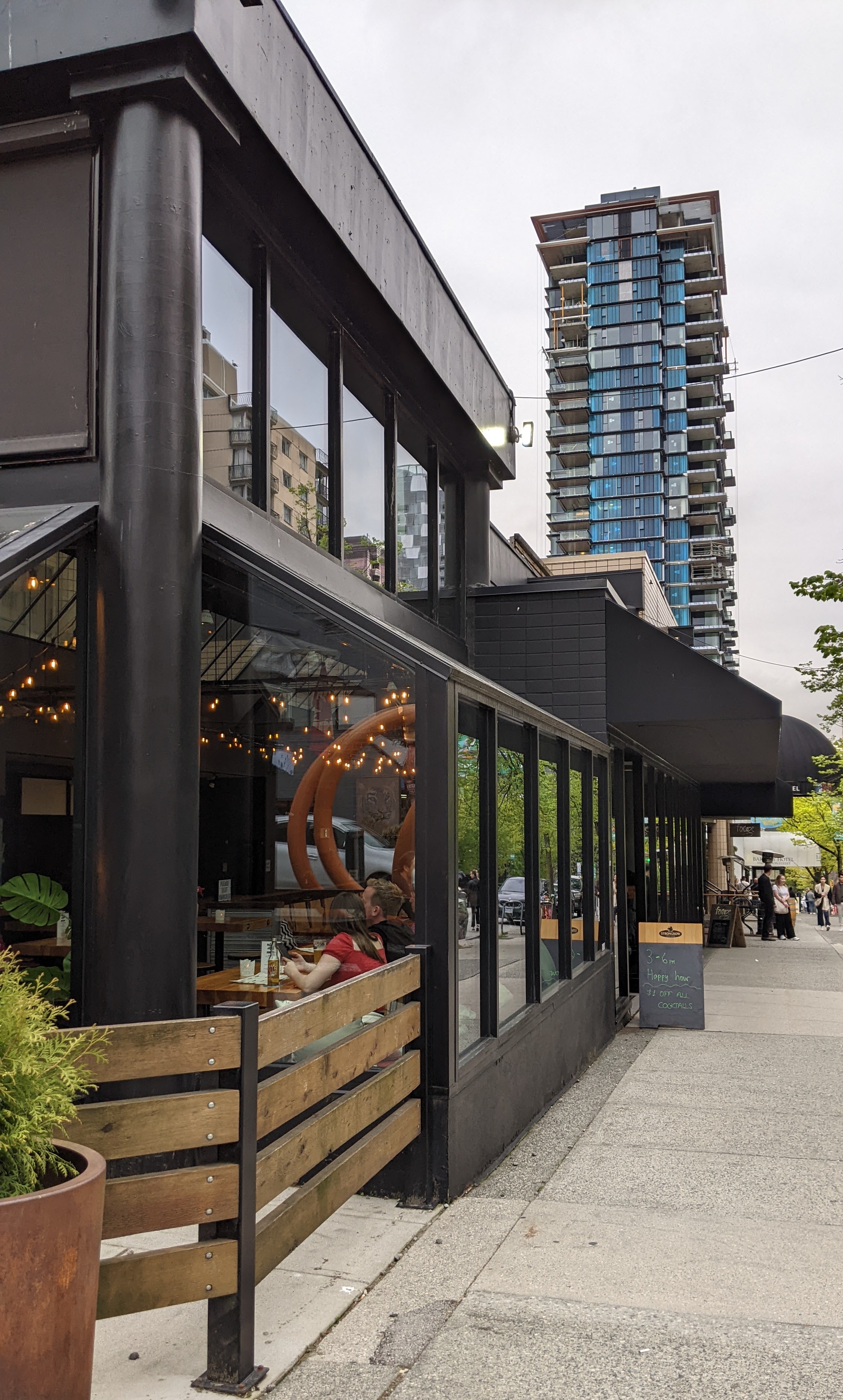
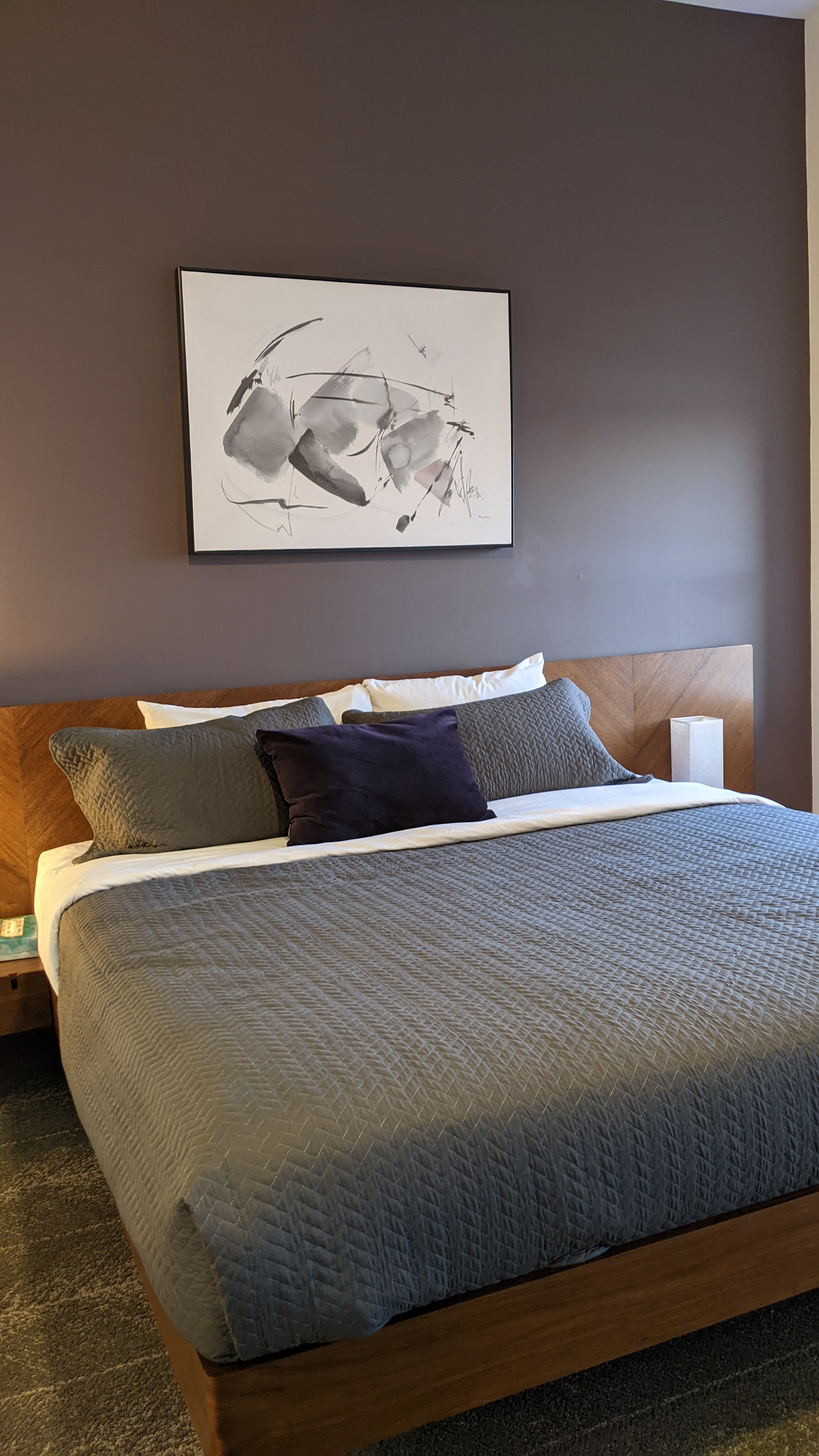
Barclay Hotel, Vancouver, British Columbia

This little gem has a striking canopy at the front door, and an elegant set of marble stairs leading to the lobby and reception desk. A retro gem of a building with an address that’s convenient to Stanley Park and Pacific Centre Mall, there is nothing particularly notable about the Barclay aside from its pricing in a city known for high hotel prices.

There are no coffee machines in the guest rooms and little seating in the lobby, but the location is superb. It’s a no-frills place, but it’s spotlessly clean, comfortable, and friendly.

Be forewarned, you must navigate the stairs to upper-floor rooms. But book a first-floor accommodation and you’re all set. My stay was for a single night before a cruise, and I enjoyed it immensely. The Uber fare to Vancouver’s Canada Place, the city’s immense and busy convention center and cruise port, was just over $10 including gratuity.

 An informal neighborhood bar and eatery, The Jervis Joint, is just steps away. There I ordered small bites and enjoyed a generous glass of wine while I watched the comings and goings of neighborhood residents. And this is a neighborhood – young professionals stopping in for an after-work drink with friends, couples out for an early date night, young families pushing strollers or walking with toddlers, and others stopping to chat with shopkeepers.

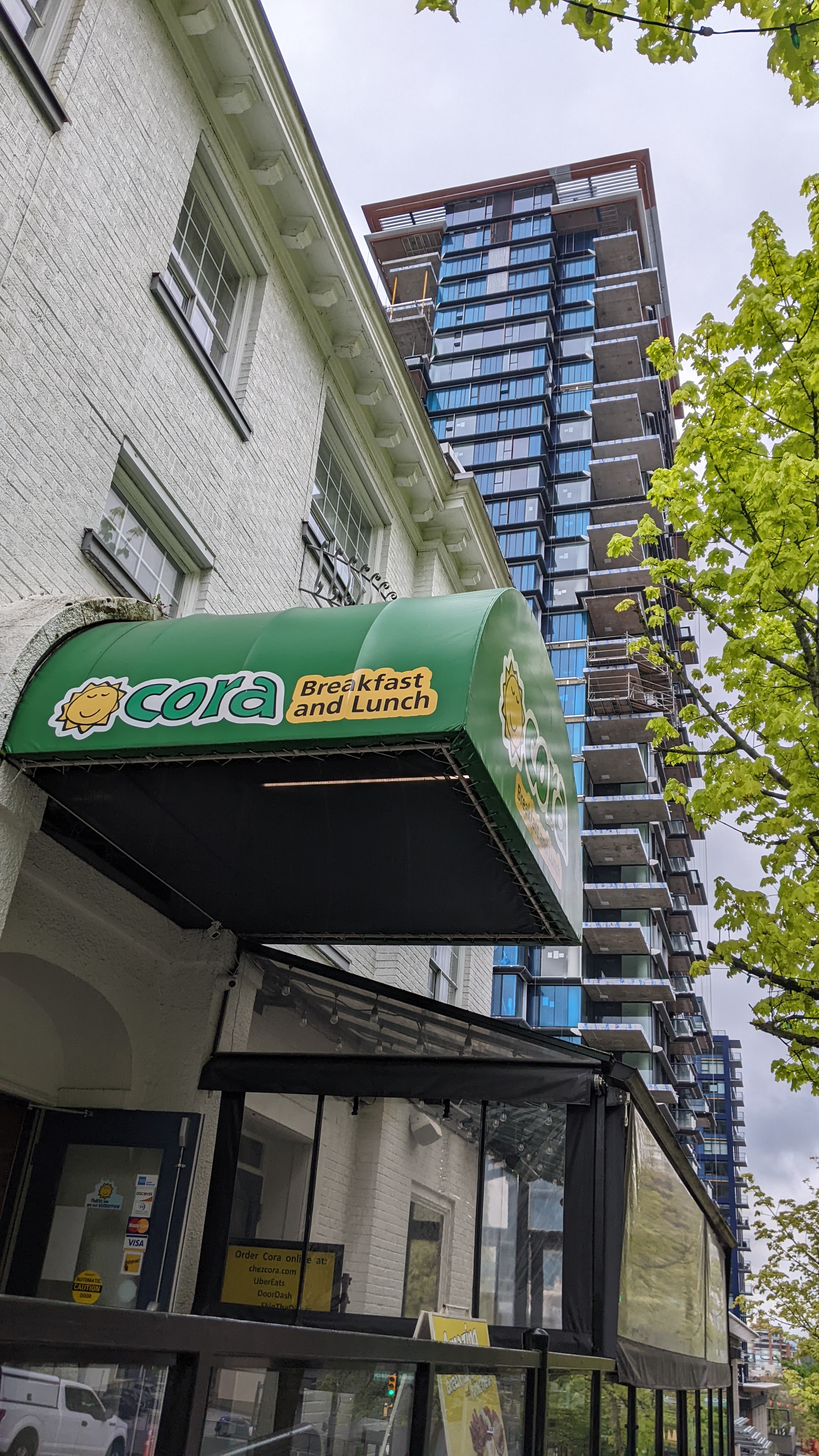
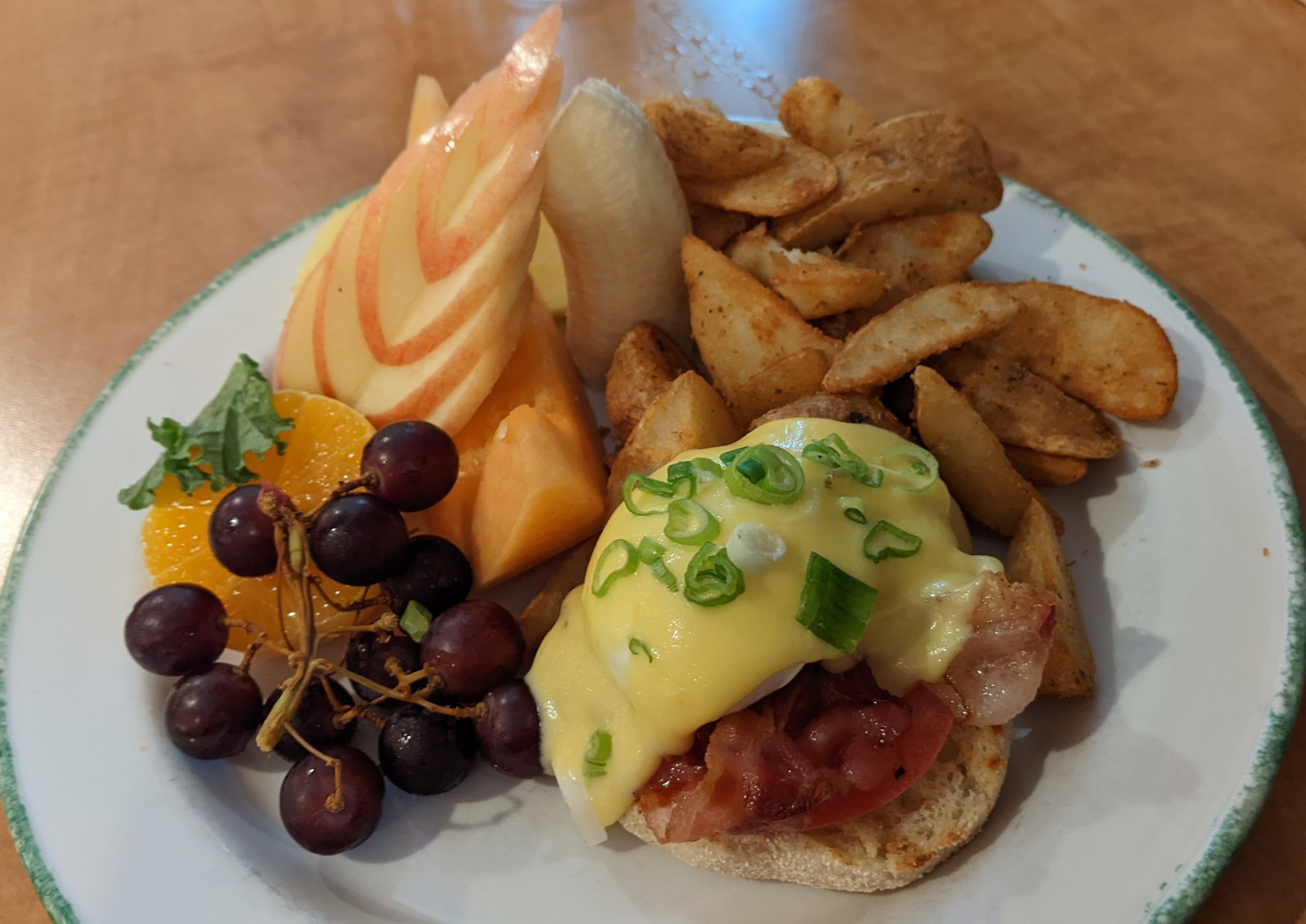
There are also some pricey restaurants nearby, fresh flower stalls across the street, and an Asian grocery that sorely tempted me. The next morning, I enjoyed the best breakfast I have had in years, starting with a fresh fruit smoothie, at Cora on Robson Street, next door to the Barclay. Everyone I asked recommended it, and I heartily endorse it. When I returned to Vancouver several months later, I tried to book a second stay at the Barclay. Alas, there were no vacancies for my required dates. So, my recommendation is to book early.

The Met Hotel, New Westminster, British Columbia

Did you know that New Westminster was once the capital of British Columbia? If you’re a history buff, you’ll want to explore this riverfront village with a history that dates to 1858, when it was the outfitting point for prospectors arriving to the Fraser Gold Rush. They set out from there to seek their fortunes upriver.

New Westminster was designed to be “a second England on the shores of the Pacific.” Richard Clement Moody attempted to build “a city of beauty in the wilderness” and New Westminster was styled to reflect British domination. Now part of greater Vancouver, it was once known as “The Royal City.”

Although this was my second choice for a second overnight stay in Vancouver, there is nothing “second-rate” about The Met! The hotel is charming and comfortable, particularly pleasant for a single traveler. Because there is no main-floor lobby, The Met boasts sitting areas with comfortable seating to serve the handful of guest rooms on each floor. As comfortable as the guest rooms are, it’s nice to have that extra space to meet and talk with other guests. Besides all that, the price is right. Adjacent to the hotel on street level are a pub/restaurant and a liquor store. How convenient is that?
The terrible fire of 1898 destroyed the downtown area, and the city had a hard time recovering from the devastation. The Met Hotel is one of the few downtown buildings to survive the fire.

New Westminster Today

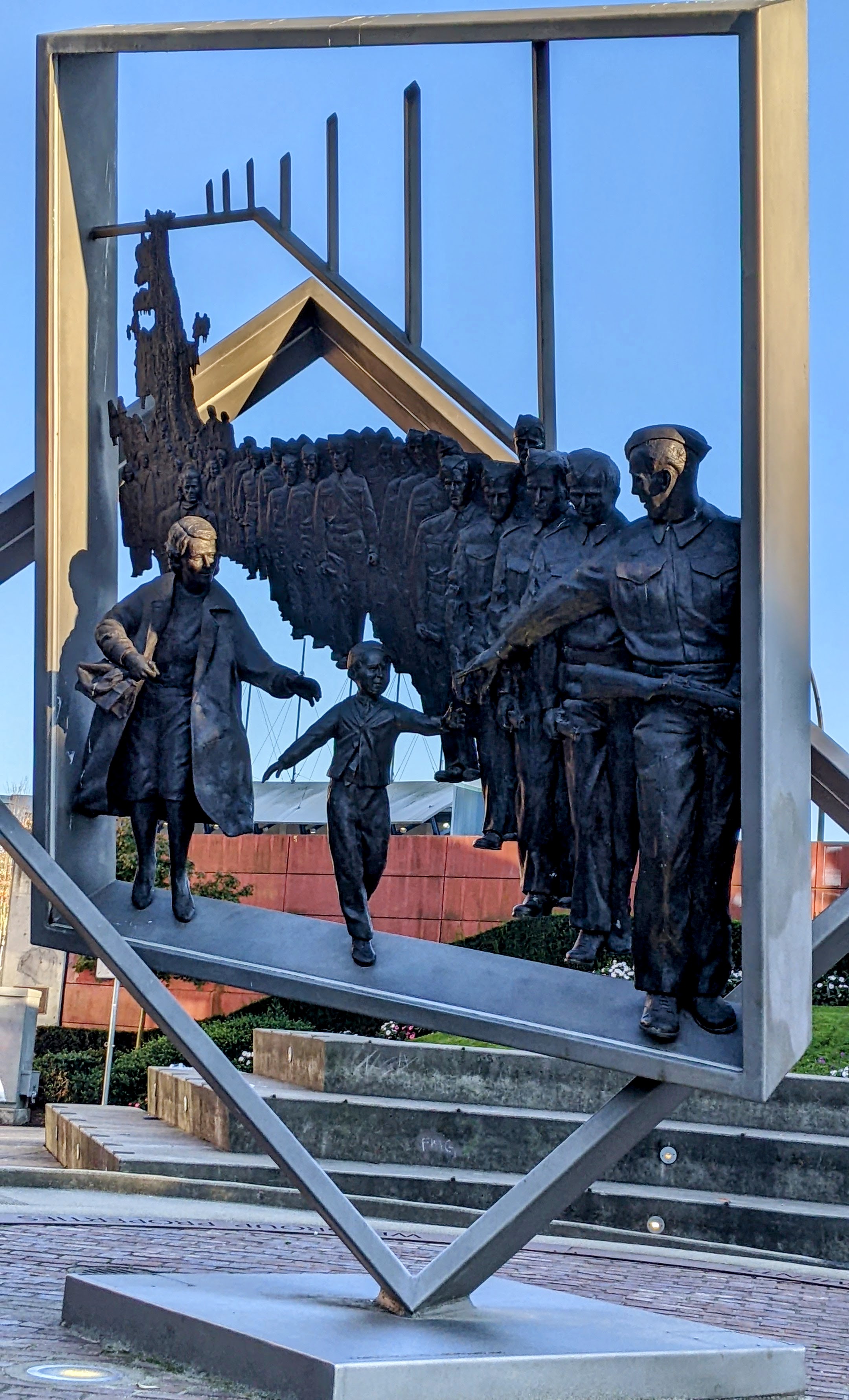
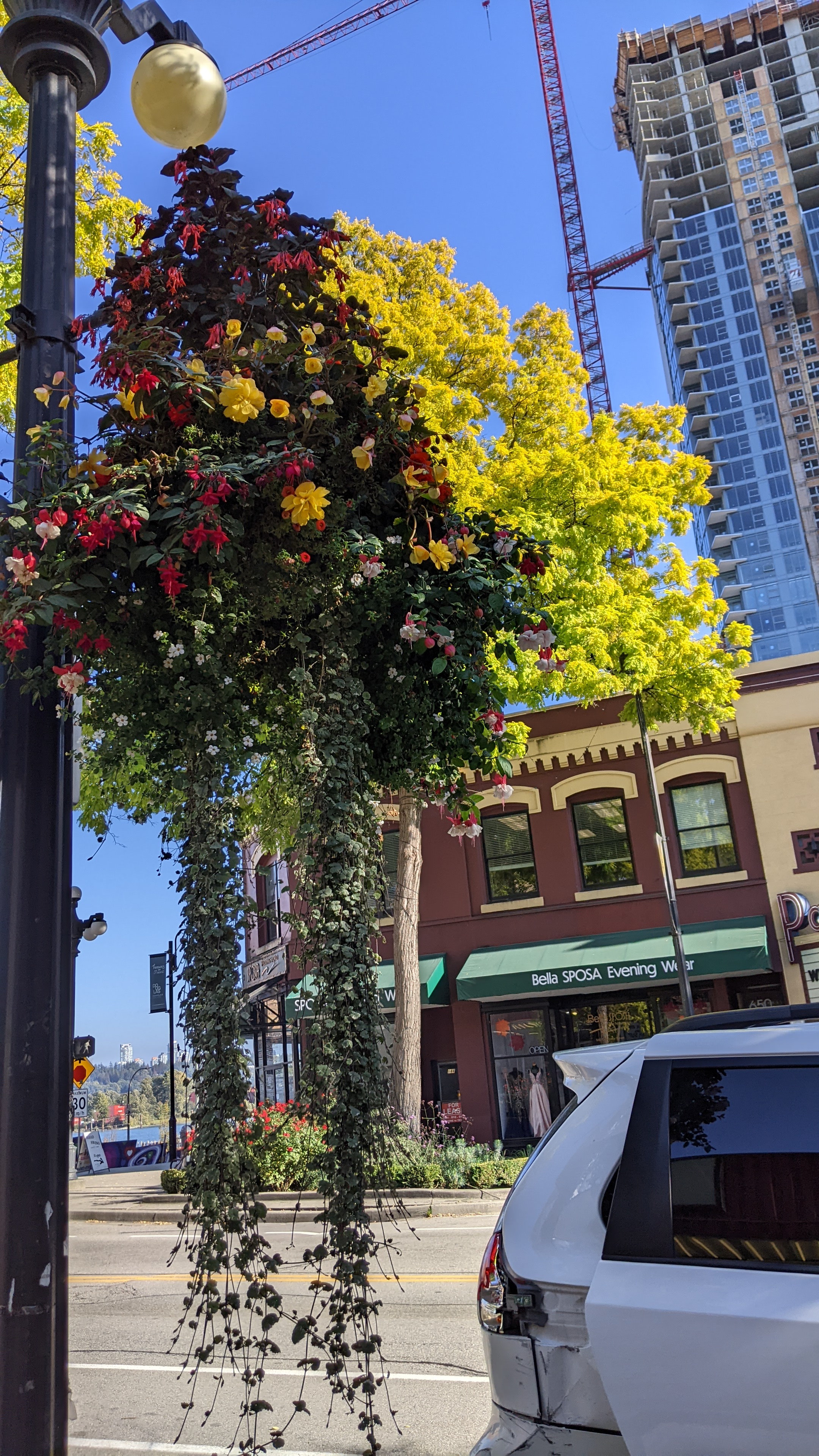
Columbia Street was the former “golden mile” of the city, and the Met Hotel is at its heart.  On a walk about the area, I was enchanted by the juxtaposition of old and new, weathered brick buildings standing proud alongside steel and glass skyscrapers. I spent some time at Westminster Pier Park and was struck by the poignancy of the sculpture that depicts servicemen off to War. “Don’t go, Daddy” is the title of the piece.

A second major fire raged through Columbia Street in 2013, displacing 30 businesses and further damaging the street’s historic character. However, new construction, including the $25 million Westminster Pier Park, a new civic center and an office tower named The Anvil Centre have breathed new life into the area.

New Westminster lies 15 miles south of Vancouver, adjacent to Burnaby and Coquitlam, on the north bank of the Fraser River. It was the largest city in Mainland British Columbia until Vancouver’s population grew during the first decade of the 20th Century. Surrey is on the other side of the river. The city has changed greatly over time, but I found the new New Westminster to be a decidedly great place to spend an overnight.

The Brown Hotel, Louisville, Kentucky

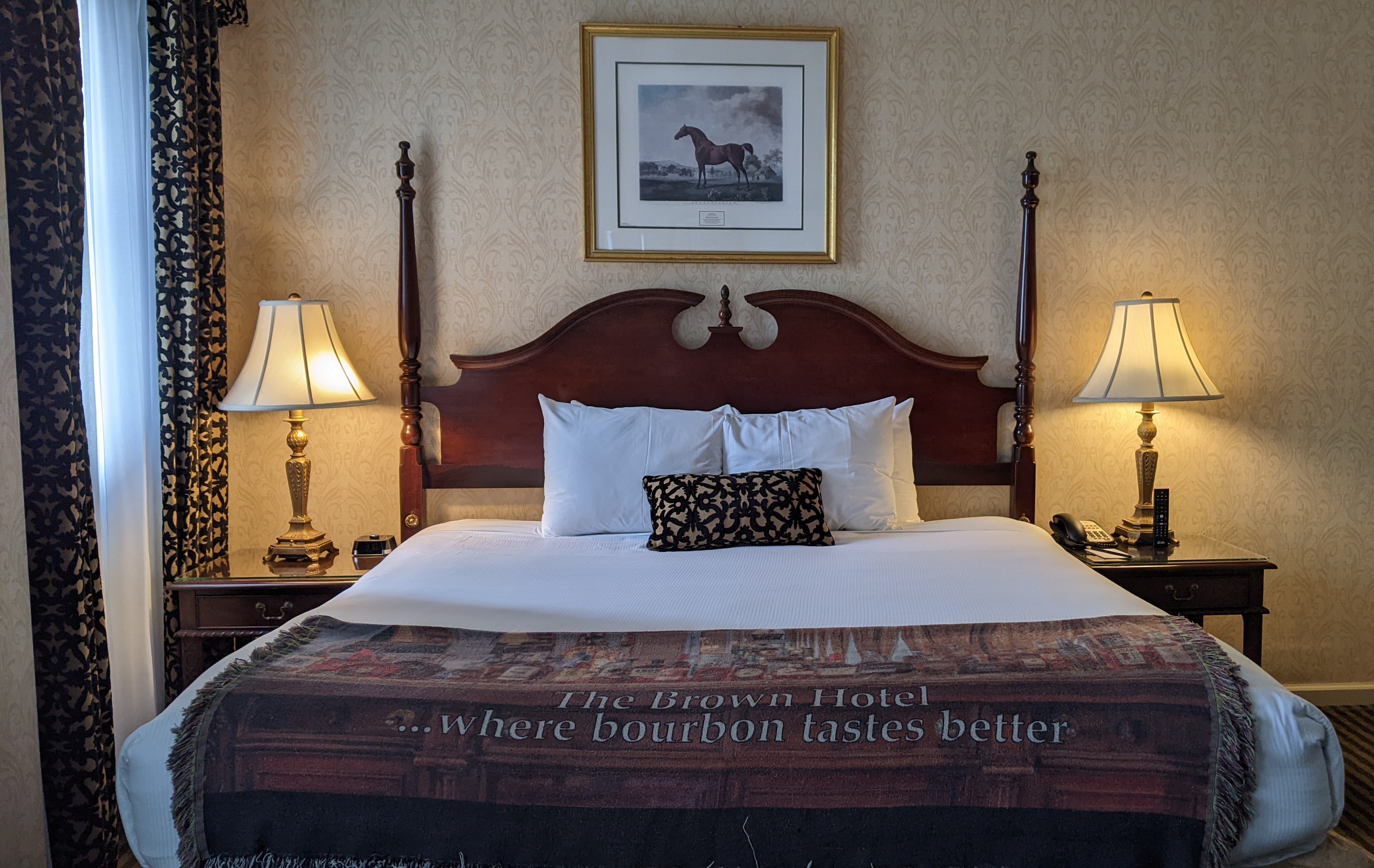
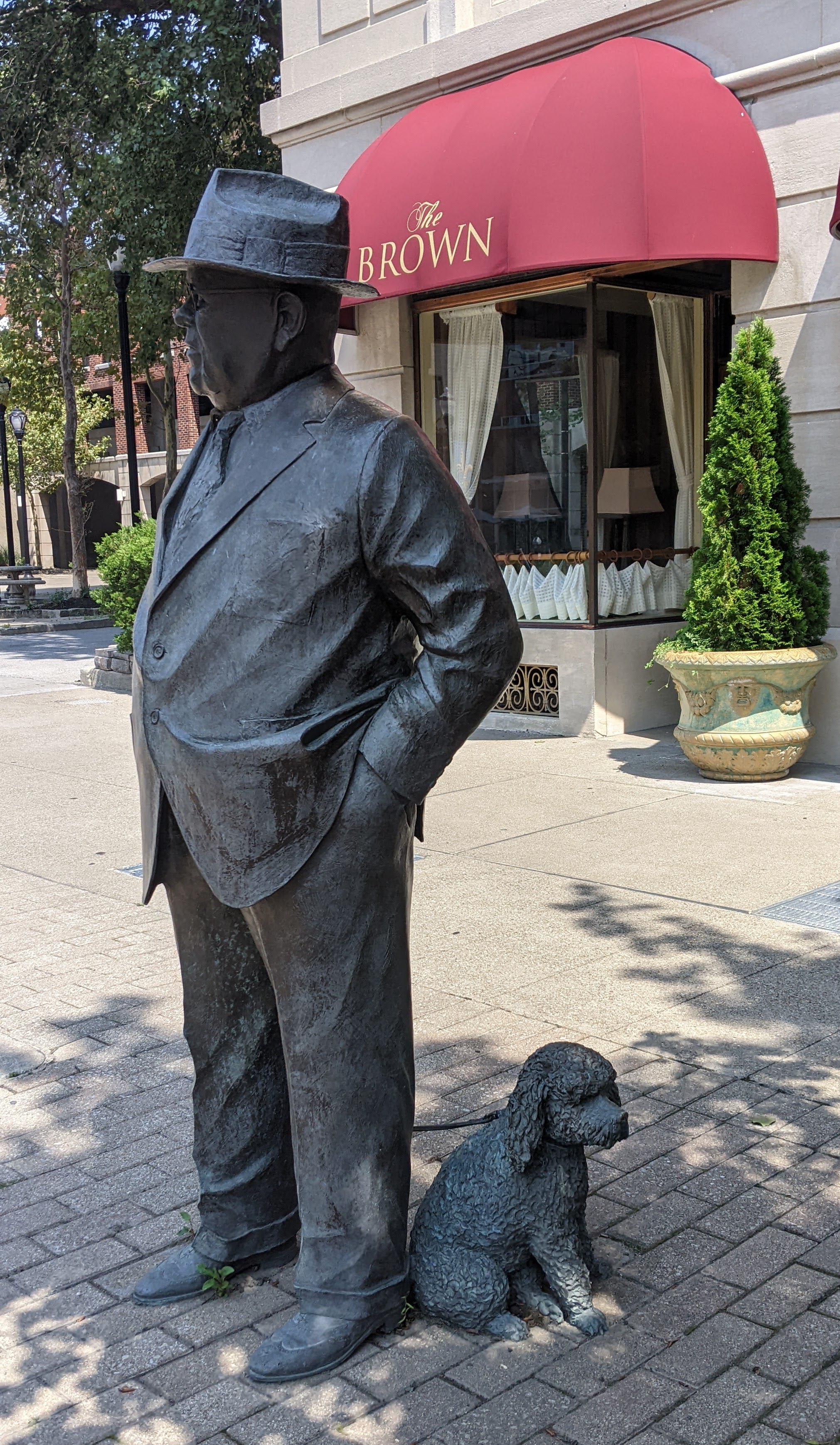
This is a traditional hotel that is quite out of character for me. It was selected by American Cruise Voyages as the location for complimentary pre-cruise stays included with passage on a riverboat itinerary from Louisville to St. Louis. My one-night stay at The Brown was an exceptional experience, from the service to the breakfast to the bar drinks, including seamless check-in and speedy checkout.

I now understand how The Brown Hotel has maintained its popularity for the century it has been in operation. It’s on par with other top names in the hospitality world: The Peabody in Memphis, the Biltmore in Coral Gables, Adolphus and Melrose Hotels in Dallas, and Hotel Galvez, now the Grand Galvez, in Galveston. These grand hotels, and others of this caliber worldwide, are worth a visit, if only to enjoy a drink at the bar!

Yes, The Brown is that good. It’s grand, to be sure, but it’s also comfortable and inviting, a calm place for a restful night’s sleep, with inviting spaces to enjoy a cocktail or a meal. There is plenty of comfortable seating for conversation or quiet time with a book, and its location is superb for exploring the city.

This is what a classic hotel should be. The Brown is nothing if not classic, and I hope it lives on for another 100 years, doing exactly what it does best: pleasing its guests.

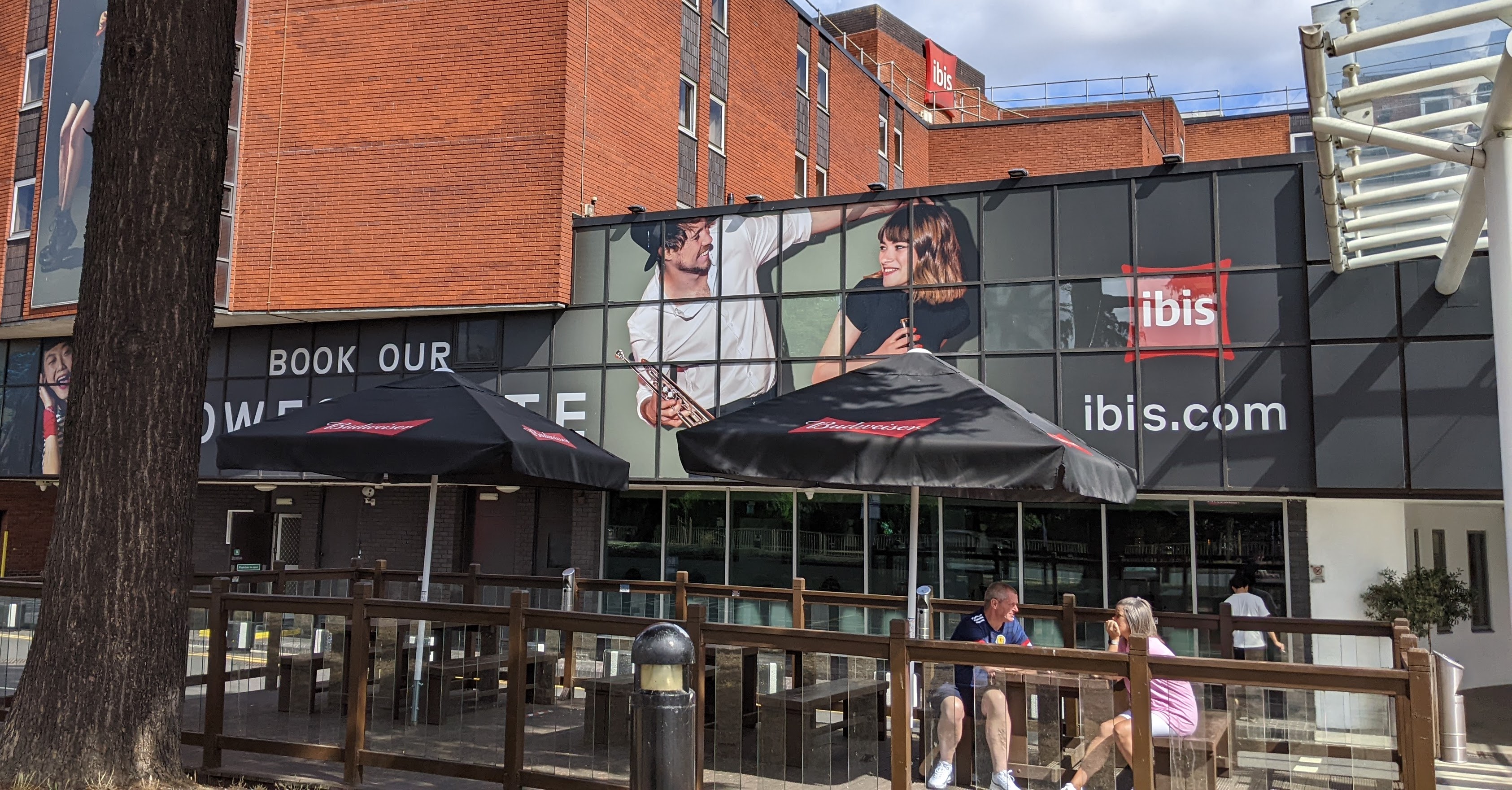
IBIS Hotels

The final entry on my current roster of hotels to love breaks many of my own rules. Owned and managed by the French hospitality chain Accor, the Ibis brand is found across the globe.

Conveniently located, sustainable, and eco-friendly, with bright contemporary spaces and edgy, modern décor, the simple red and white sign is easy to spot. Ibis Hotels are consistent in terms of accommodations, service, and amenities.

Efficient Wi-Fi and 24-hour front desk staffing are bonuses that I appreciate, along with extended breakfast hours. In most locations, cocktails and snacks are available throughout the day. Other perks: Expedited check-in/check-out and the ability to securely store luggage, if necessary, before check-in and after check-out — a boon to the business traveler.

Rooms are small and spare, modern, uncluttered, clean, and comfortable. Service, whether at London’s busy Heathrow Airport or when arriving late at night in Setubal, Portugal, is always cordial and efficient. Breakfast buffets are bountiful, to say the least, with American favorites and local options, and unlimited coffee.

If travel is on your horizon, do some initial homework to find a hotel that will surprise and delight you. In an unfamiliar city, a wonderful hotel becomes your retreat, even if your stay is only for a single night. Just know that the time and effort spent to find a hotel that you will not only love but one that beckons you to return is always worthwhile.

Traveling solo can be fun when you’re old enough to be somebody’s grandmother!

I recently had an opportunity to be on the road alone — partly for pleasure, to be sure, but with a business connection. I had a professional conference to attend in Fairbanks, Alaska. Instead of booking a round-trip flight from my home in Arkansas to the conference city I opted to cruise north to Alaska from Vancouver, British Columbia. I then spent a few days sightseeing near Denali National Park, finally arriving in Fairbanks the evening before my conference began.

After many years of marriage, my husband and I are well aware that our interests, priorities, enthusiasms, and commitments sometimes differ. That’s all good, and on several occasions over the years, we have kissed each other goodbye and wished one another safe travels. It’s just the way we do things. This was one of those times.

I simply could not resist the appeal of a seven-day cruise followed by a three-day land tour to Denali National Park. My husband, for his part, was not ready to embark on another cruise so soon after our epic Antarctic adventure earlier this year. So, for 16 days, my husband and I led separate lives. In addition to a memorable vacation experience, I told myself that this particular journey could be counted as a business trip, providing valuable background for future posts about traveling solo as a senior woman. And, yes, those planned posts are in their early stages as I write this.

The cruise was truly enjoyable, made even better by spending two days in Vancouver to visit with old friends — my own superb tour guides! I found solo cruising to be totally enjoyable, and not at all intimidating. In fact, I look forward to another solo travel experience should an opportunity arise. The land portion of the trip was almost exactly as I expected. Travel arrangements for the land portion of the trip were part of the cruise package, well-planned and executed by Princess Cruise Line. Even though May is the beginning of the season in Alaska, and local staff members were still learning their specific duties, transfers, tours and accommodations were perfectly choreographed.

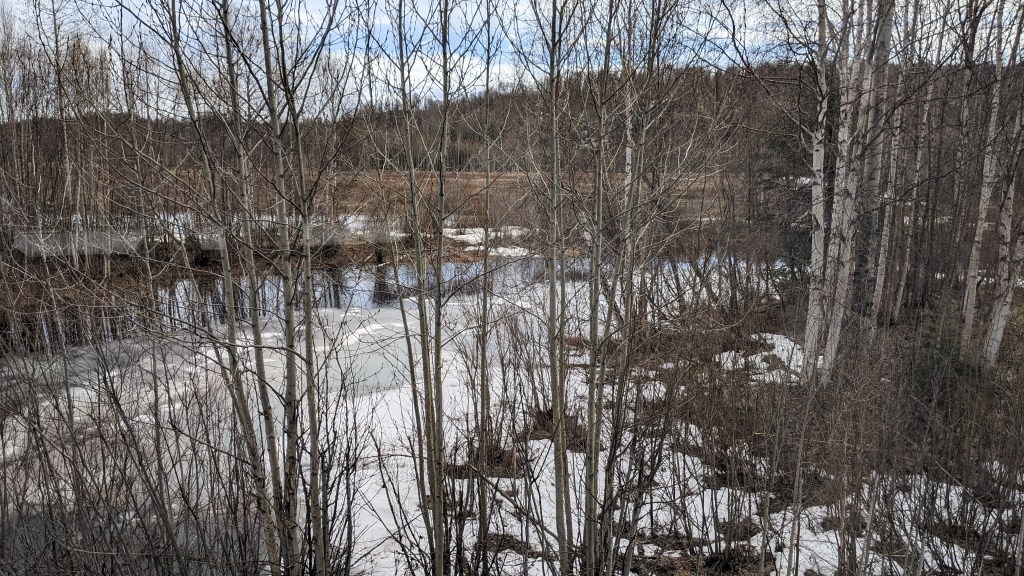
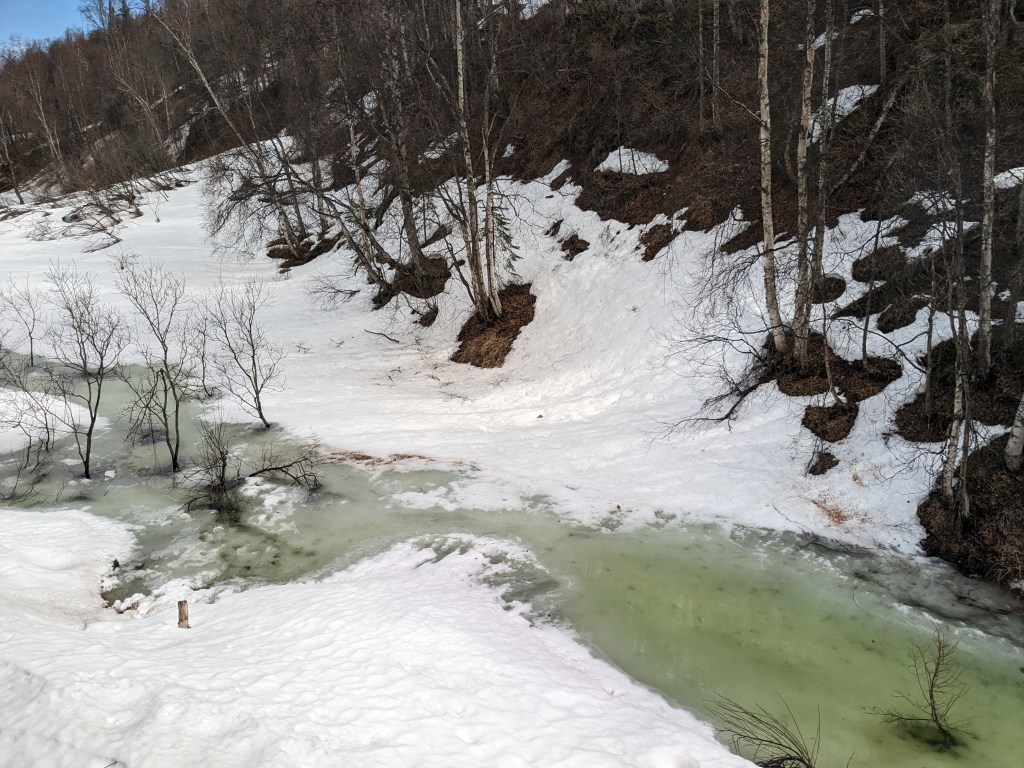
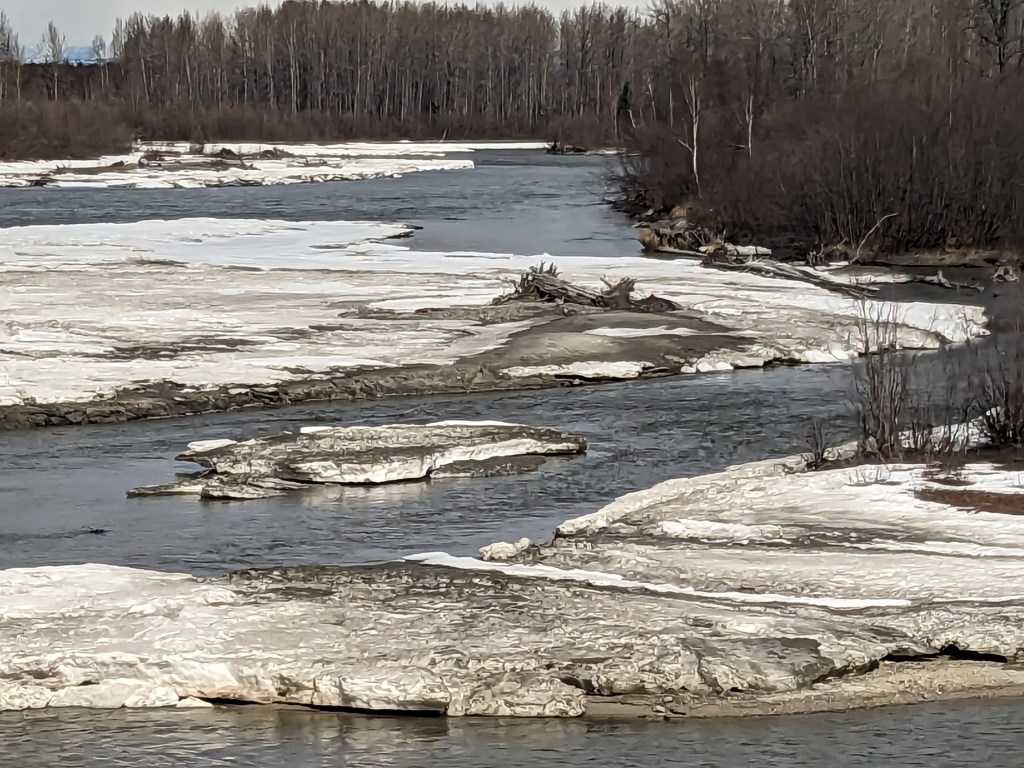
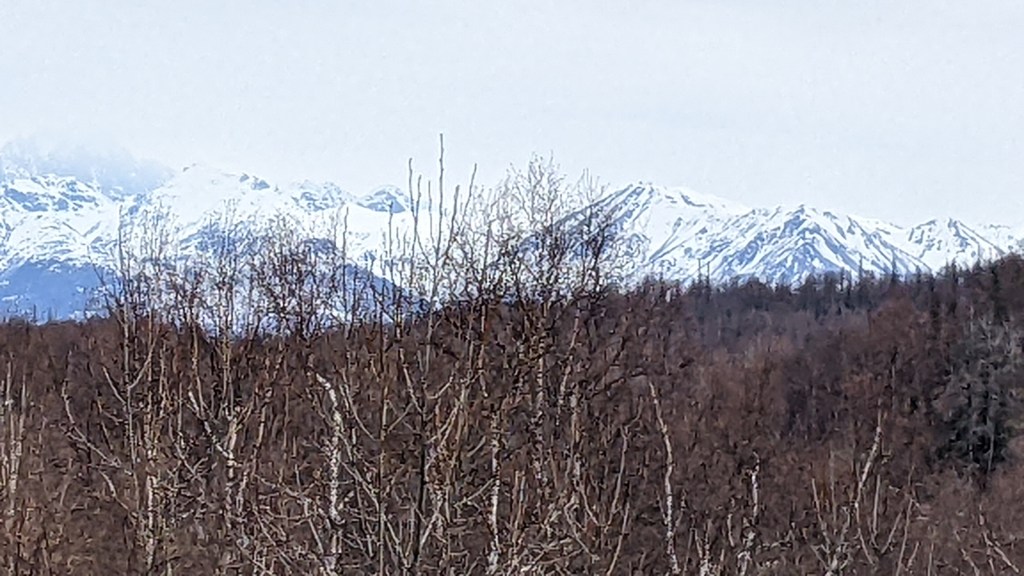
We disembarked in a grey drizzle in the port city of Whittier and boarded a bus for the trip north to the mountains and the national park, stopping briefly in Anchorage. On the way north, the scenery becomes more dramatic and our driver was happy to point out our first view of Denali in the distance. We passed through small towns, including Wasilla and Talkeetna, and viewed the still-snow-covered terrain and ice-clogged rivers. Originally named for President McKinley in 1897, the name of this largest mountain in North America was changed in 2015 to Denali. In the indigenous language of early tribes in the area, the name means “the tall one,” or “the high one.”

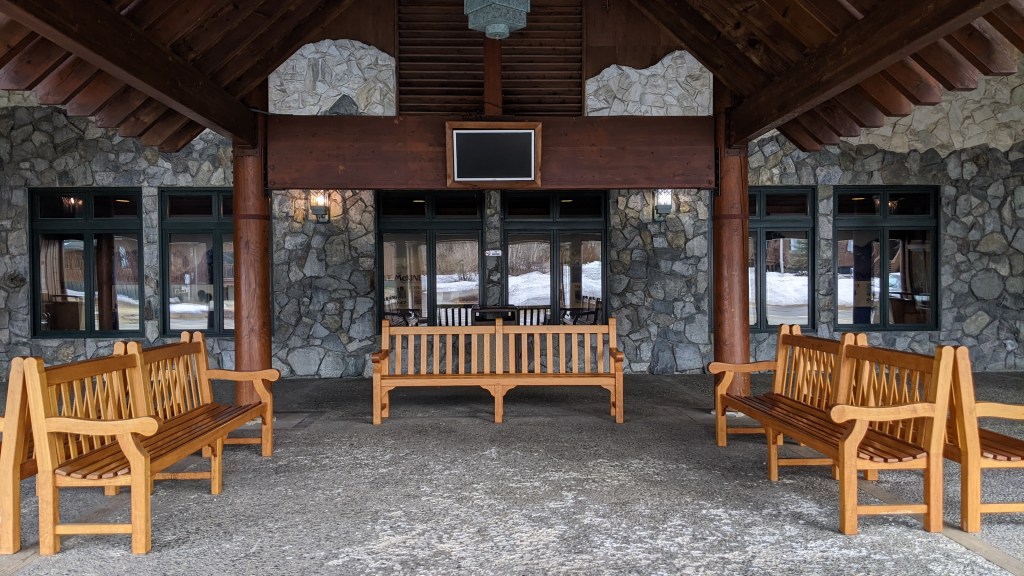
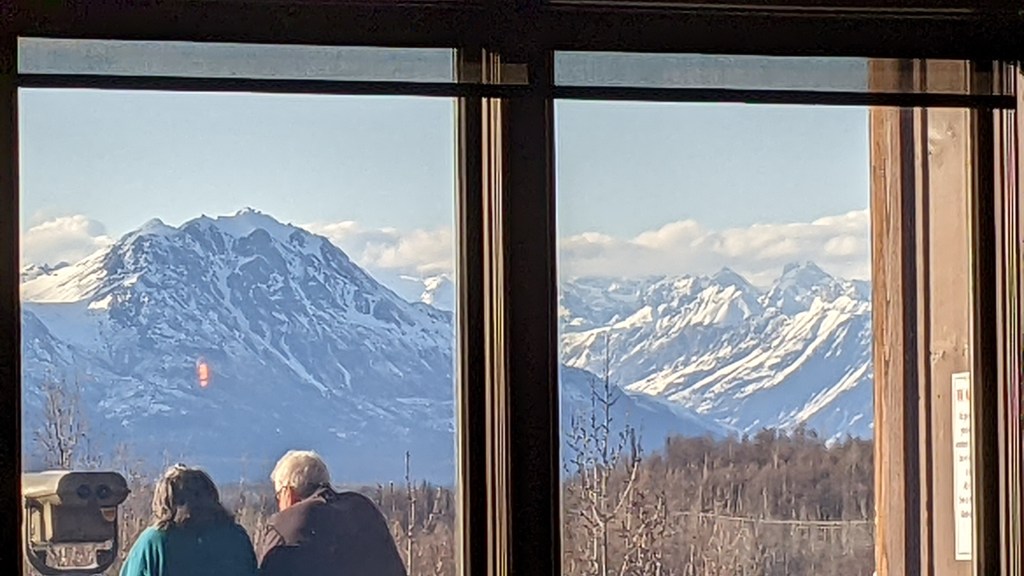
Once we arrived at the Princess Mount McKinley Lodge, a beautiful facility with a “knock-your-socks off” view, I spent my first few hours warmed by the sun on the lodge’s wraparound deck. I was enthralled by the drama of clouds which parted only periodically to provide breathtaking views of the mountain known as “the great one.” It truly is.

I snapped far too many photographs of the changing vista as the late afternoon sun sank lower on the horizon. Denali, at an elevation of 20,310 feet, dwarfs surrounding peaks, but they are not mere foothills, and they have their own allure. Finally, when the clouds seemed to be massing to surround the mountain for the evening, I decided to make my way inside.

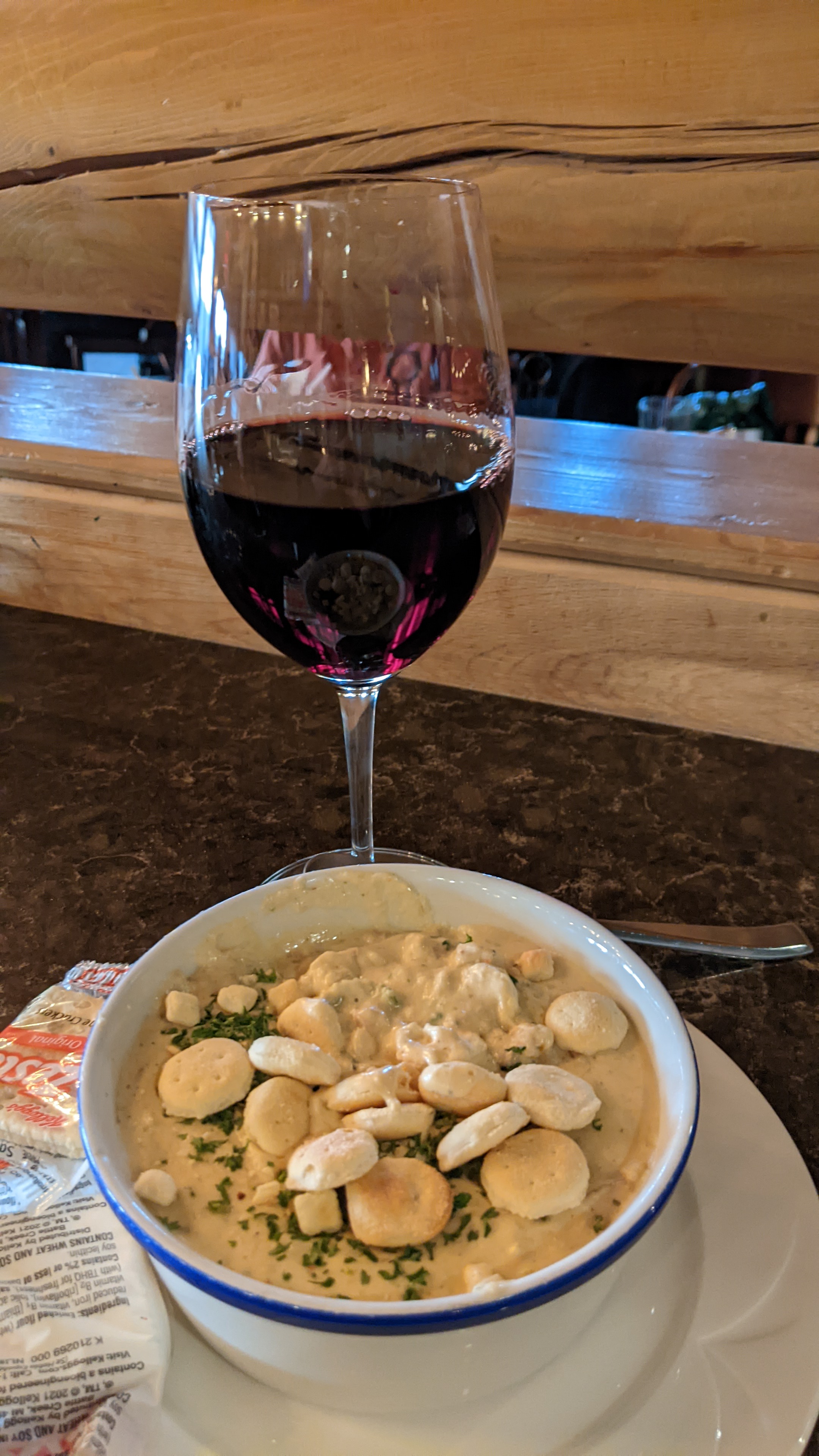
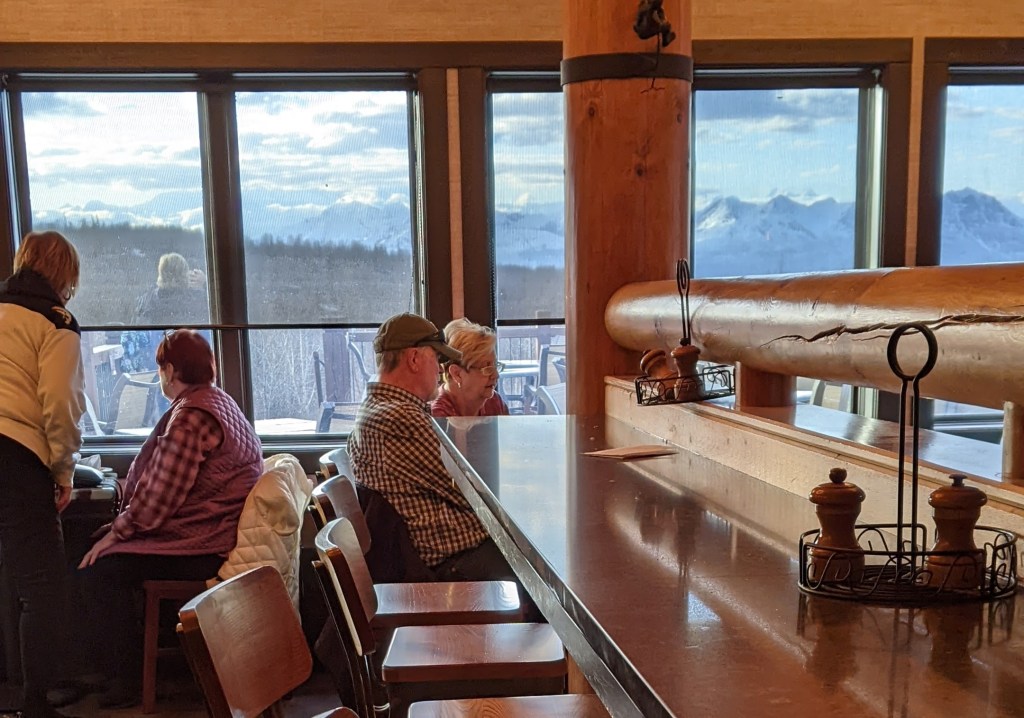
I found an unoccupied seat at a bar counter in the casual lounge. My seat still offered a commanding view of the faraway mountain ranges through the great room’s wall-to-wall windows. Tired from a day of traveling, I ordered a glass of wine, content to simply relax in comfortable surroundings.

My attentive server asked if I wanted to order dinner and suggested I begin with a bowl of hot fish chowder. Happy to not have to make a decision, I agreed that would be good. We chatted a bit as I waited.

He had returned to Alaska the previous week to work at this lodge for a second summer. A university student in the lower 48, he said that his experience the previous year hadn’t seemed quite long enough. This year, his girlfriend had signed on for summer work as well.

This was the first of many conversations I would have over the next few days with the summer employees who arrive in Alaska eager for adventure. Must of the seasonal employees are U.S. or Canadian students. All are happy to have the opportunity to earn money working in one of the top vacation destinations on the globe. Many have returned year after year. Most try to save the bulk of their earnings for the coming school year. Not a one complained about the hours or the work load. And every one admitted to seizing every possible opportunity to hike or camp in the adjacent national and state parks or to explore nearby towns and villages. Almost all planned to return to the lower 48 at the end of the summer to continue their schooling.

I listened willingly to the stories of other servers and staff. I joked with the bartender, and I exchanged smiles with other guests. When my chowder arrived, they all gave me “space” to enjoy my light meal. Suddenly hungry, I ate, sipped my wine, and thought how lucky I was to be in this place at that time. But, in that moment, sitting in a crowded bar in the shadow of a great mountain, I also had to admit that I missed my husband. It was an experience I would have enjoyed sharing with him.

In Alaska, in May, it’s light late into the evening and as I finished my chowder, Denali’s snow-covered summit was once again visible. Despite the many previous pictures I had taken, I wanted just a few more in the twilight of the day.

I was eager to make my way out to the deck once again, and I signaled for my check. As we settled up, this young server and I agreed that getting to know one another was a highlight of the evening. As I stood to leave, he looked at me and asked if he could give me a hug. Somewhat taken aback, I hesitated for just a moment.

He confessed, “You remind me of my grandmother, and I miss her.”

Of course we hugged, and I believe we both treasured that brief connection in a place far away. This time, the human connection was more memorable than the food. And this brief encounter with a stranger was at least equal to my last view of Denali on that day.

A dose of good cheer . . .

There’s something about Americans.

They are everywhere, it seems. Sometimes by choice; sometimes by happenstance, often on orders and sometimes unwillingly. Americans travel the globe. Occasionally, they’re “ugly.” Almost always, when Americans “discover” a place, it is changed. And many would argue that change, though inevitable, is less than desirable.

There are other nationalities that also travel the globe; many of them English-speaking — Brits, Canadians, Australians. But there are French-speakers, Spanish-speakers, Scandinavians, Asians, and Africans. In fact, today, all nationalities travel extensively. Most travel rather inconspicuously.  Americans tend to stand out and are occasionally the brunt of jokes and the subject of pervasive and less-than-flattering stereotypes. 

But, there’s something about Americans.

On Christmas Day morning, on a beach in Puerto Vallarta, Jalisco, Mexico, a group of Americans gathers to hang stuffed animals, matchbox cars, soccer balls, footballs, Barbie dolls, and an assortment of other toys from the palapas and beach umbrellas of a local hotel. They wear Santa hats, blinking reindeer noses and silly, floppy reindeer antlers, candy cane shirts, and an assortment of other red and green attire with their swimsuits and shorts.

The beach chairs and lounges are circled to keep the public at a distance. No one really seems to be in charge. At 8:30 am on Christmas Day, it is quiet on the beach. And then more people arrive, some with armloads of stuffed animals, some with plastic bags from the Walmart on the other side of the Mexican city. Some come with one or two toys. Many dropped off their “goodies” earlier in the week. Word spread about the event, and the crowd steadily grew larger.

Volunteers bring ribbons and scissors. There is a festive spirit. Onlookers gather.

Soon, a group of children begin to form a line, off to one side. Quiet, and well-behaved, they stand with their parents and older siblings. They watch. They wait.
This ritual began more than 20 years ago. On Christmas Day 2004, I was on that beach that Christmas Day. A woman named Marge from Nashville, TN, one of the original group of Santa’s helpers, asked volunteers to walk down the beach to find more children. “This is the best year ever,” she said, “and I’m not sure we have enough children for all the gifts.”
There is no publicity. This is not an organized effort. There is no tax deduction attached to these gifts. There were lots of pictures taken. There are big smiles on the faces of the adults. The children look on with wide-eyed wonder. There are tears. There are hugs. There is a sense of excitement. There are cookies and soft drinks and music on a beach in Puerto Vallarta on Christmas Day. And there is a sense of community.

Even though most of the children speak no English, and most of the adults speak little Spanish, there is no language barrier.

One man with a distinctively British accent and a camera pauses to ask what is happening. When it is explained, he makes no comment. But he remains to take pictures, staying on the fringes but joining in the palpable spirit of goodwill.

At precisely 11 am, four Mexican children are allowed to enter the “garden” of hanging toys, each one accompanied by an adult American volunteer with a small pair of scissors. As each child walks through, he is allowed to take his time to look, and then his selection is snipped from its ribbon hanger and handed to him. It is almost silent. There is no screaming, no running. There is a sense of reverence as the child clutches his selection to his chest and then is escorted to the other edge of the toy-filled enclosure.

Children of hotel employees, youngsters whose parents are beach vendors, and children who have come to the beach for a day near the water and the sun with their extended families are the honored guests. They are all Mexican children. That is the only requirement.

It is not their tradition. Christmas, in Mexico, is a deeply religious holiday, with a family-oriented emphasis. Santa Claus does not visit most Mexican children.

But where there are Americans, there are some traditions that are hard to break. In the United States, there are toys for children. So, where Americans gather at Christmas, there will invariably be toys.

There is something about Americans.

Note: I first wrote this nearly two decades ago for an online publication that no longer exists. I was thinking today about that long ago Christmas on the beach, and it seemed appropriate to repost this piece this year, at a time when the world seems to need a large dose of goodness and cheer. I don’t know if the tradition continues in Puerto Vallarta. I hope it does. But, whether the beach party is still held or not, it is a wonderful memory. I wish Happy Holidays to all, no matter what holidays you celebrate or where you celebrate them. And may 2023 be a good year for us all!