

I am apt to brake quickly when driving along the byways of this country.
I’m always on the lookout for distinctive photo ops, and I can’t resist interesting signs (especially unique place names like Toad Suck and Smackover in Arkansas,) decaying fences, old churches and cemeteries, or American flags painted on the sides of old barns and brick buildings. As my husband notes, I am sometimes a pain in the neck, but I try not to be too demanding about those stops.
Most of the time, at least.
However, I also have been known to request, if not demand, a “slow down and turn around” when I spy a roadside vegetable stand or come upon a weekend farmers market. There’s something appealing about buying produce direct from the source. It’s gratifying to meet the people who grow our food. That food, whether just-ripened berries, plump tomatoes, or recently-picked apples and pears, always tastes better somehow.
At times, as I willingly admit, I can be insistent.

What’s better than cutting into a fresh peach and tasting it as its proud grower looks on approvingly? Typically, I don’t mind when the juice drips down my chin and onto my shirt! It’s all about the flavor, the freshness, and the fun.
Seasonal specialties like fresh melons and sweet corn, pumpkins and apples or the products made from a fresh harvest — pickles, preserves and jams, sauces, or homemade breads — often seem irresistible. In states where it’s possible to buy fresh pecans and freshly roasted peanuts, we brake for those too. And, occasionally, for just-picked bouquets of daffodils, tulips, or chrysanthemums.
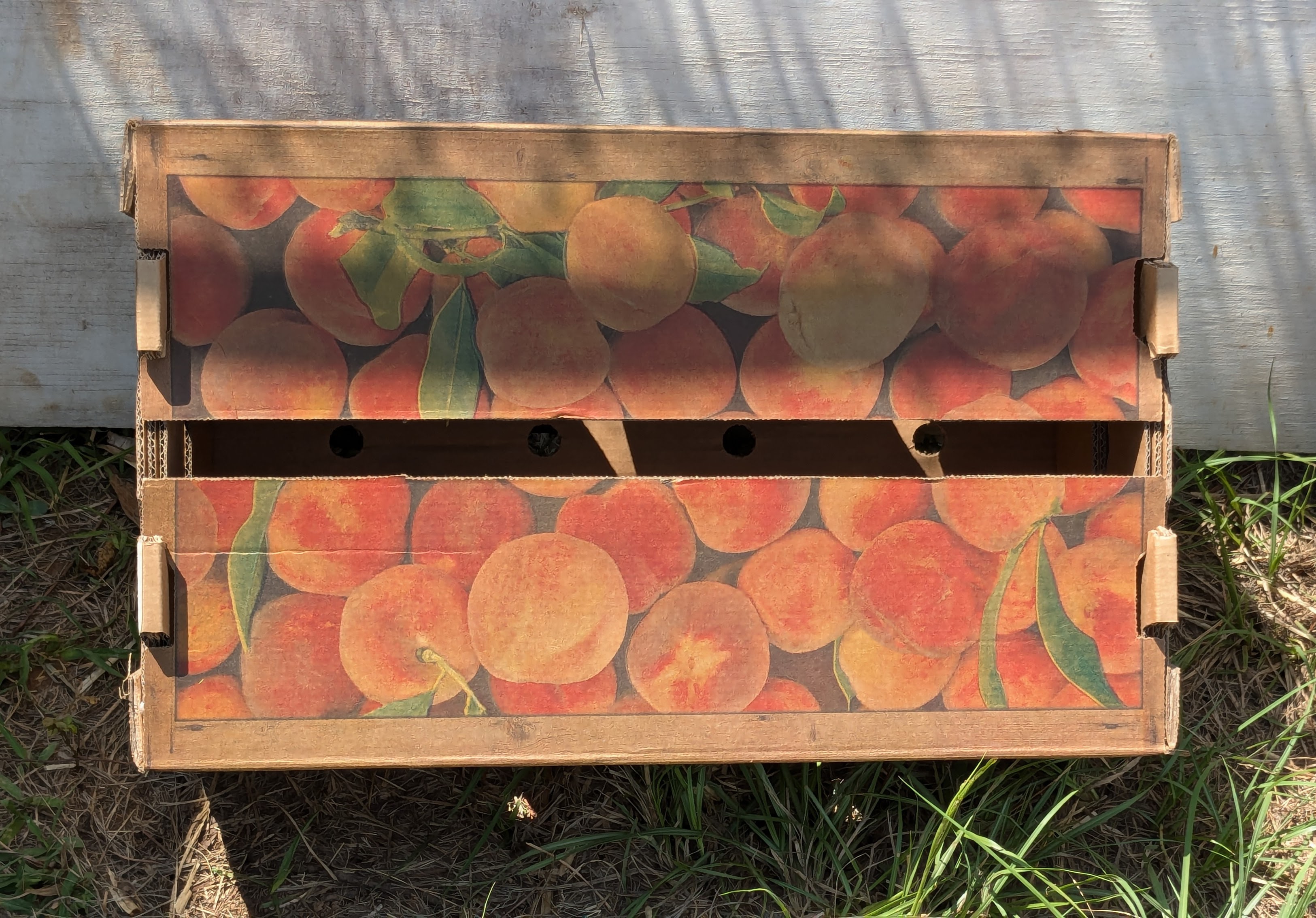


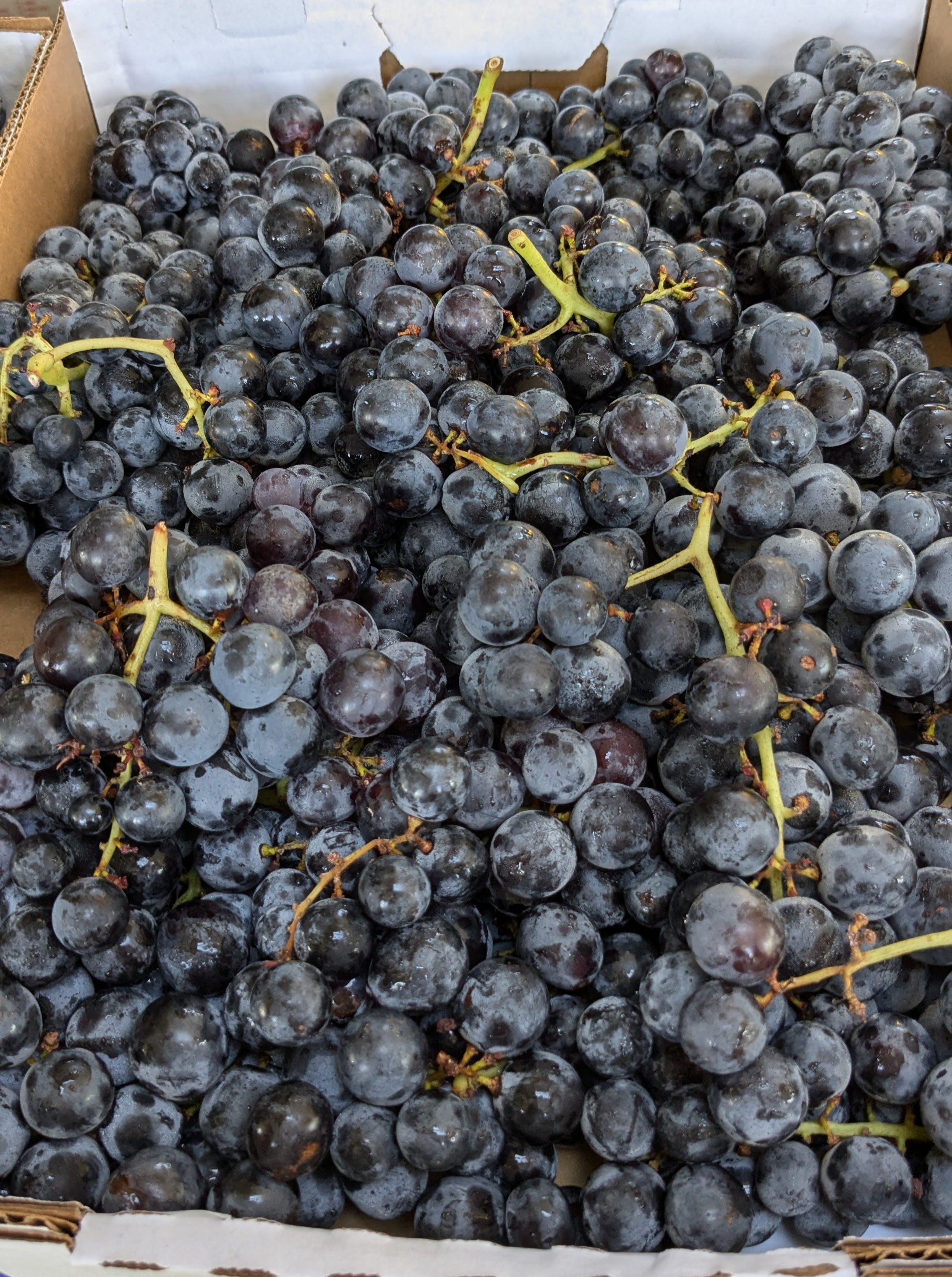
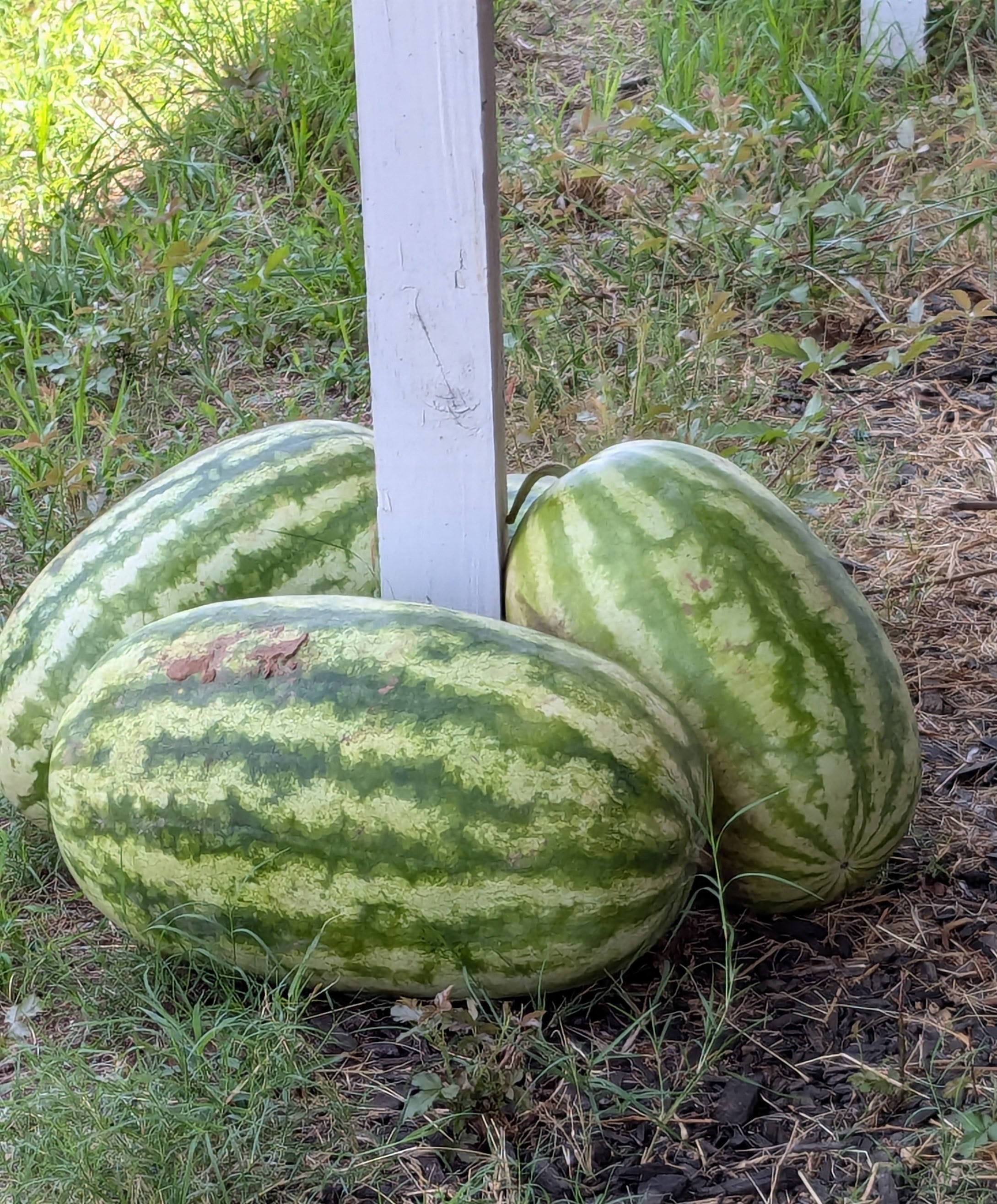
On an impromptu weekend excursion with friends the last weekend of July — destination: the 41st Annual Grape Festival in Altus, Arkansas — we happened upon a farmstand, and it was the prospect of fresh peaches that clinched our decision to stop.
Farm Stands and Festivals
Luckily, everyone was willing, even though this became one of those turn-around-and-go-back moments. It didn’t take long. Nor did it take long to fill several plastic bags with juicy peaches, plump red tomatoes, and vine-ripened sweet grapes. We chatted a bit with the owners of the farm stand. Then, satisfied that we had made a good decision, we loaded our treasures into the back of the SUV and hastened on down the road, eager to get to the festival.
Truth be told, I’m a huge fan of quirky local festivals all across America. It helps to have a willing partner, and my husband and I have made special efforts to visit more than a few of them, including The Goat Festival in Perryville, AR, held annually on the first Saturday of October. We plan to be there again this year and have already ordered our t-shirts. Who can resist the prospect of a fashion show that features young kids in pajamas? The second weekend, on October 12, we plan to attend the 15th annual Sorghum Festival in nearby Mt. Ida, AR, sponsored by Heritage House Museum.
In Arkansas, it seems there are enough festivals and small town celebrations to keep me on the road all year long.
Following the grape festival, we planned to stop for a picnic on the way home. We opted for Paris.
Arkansas, not France.
Small Town Discoveries

The Olympic Games were slated to begin that very day in the “real” Paris across the pond. We had heard that the townspeople of Paris, Arkansas had decorated the 25-foot-tall replica Eiffel Tower that stands in the town square with iconic colored rings, symbol of the Games. It seemed only fitting that we stop there.
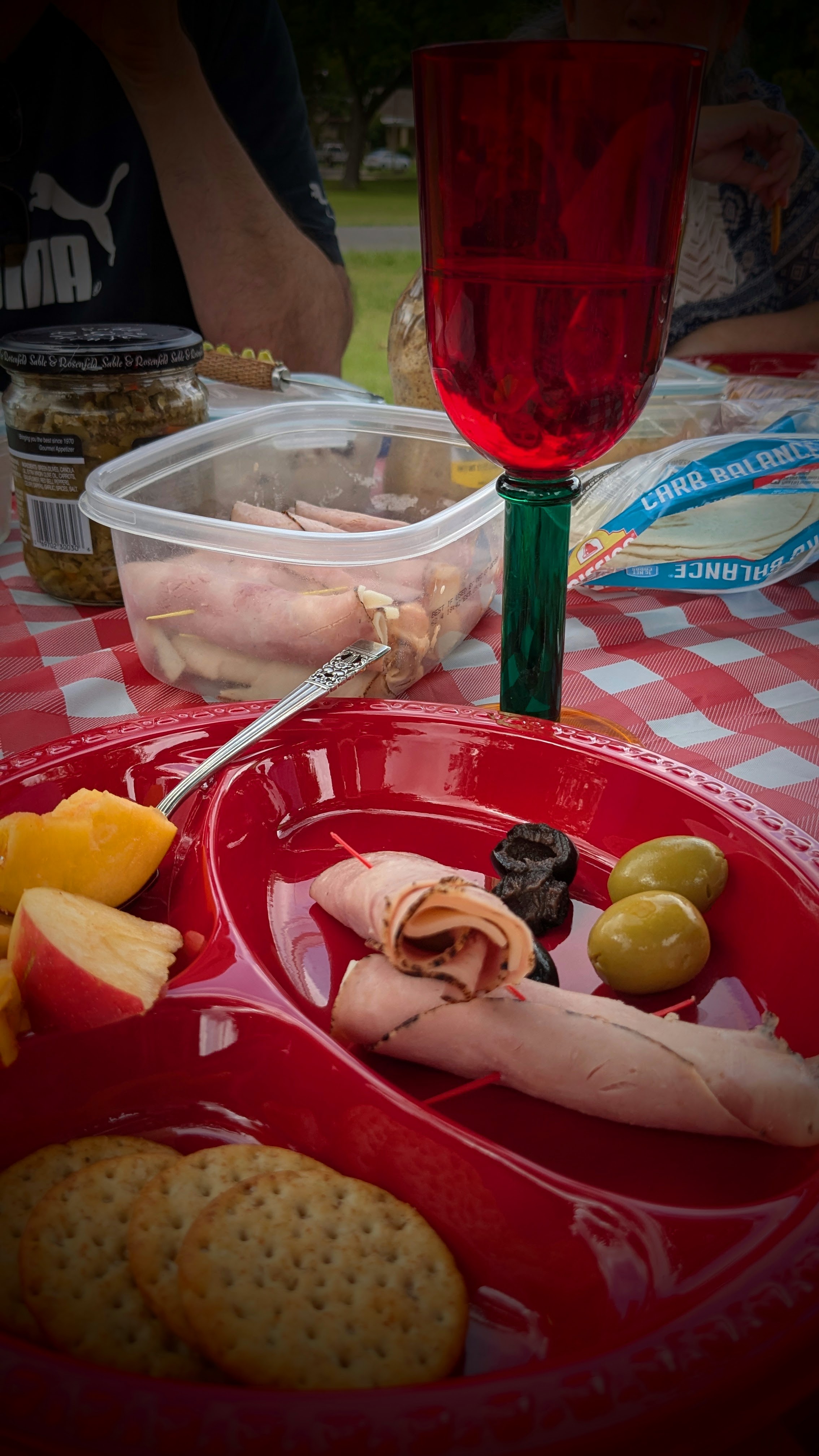
We had packed a picnic basket with bread, crackers and cheese, chicken salad, sliced ham, olives and pickles, cookies, fudge, and lemonade. And we had peaches from the farmstand, a bonus. Leaving Altus, we made a brief stop at Wiederkehr Village, which now also includes a tasting room and restaurant. Johann Andreas Wiederkehr, who arrived in the area in late 1880 from Switzerland, founded the family winery that is now the oldest continually operated winery in the state.
We planned to drink a small toast to the start of the Games. By the time we reached Paris, the air had cooled a bit and we found a picnic table in a city park. Large trees offered shade as we unpacked our picnic basket.
Small Town Delights
Traveling the back roads to Paris took us across rolling hills and along picturesque fields and pastures in this Ozark Mountain valley. It is rural, to be sure. Although I acknowledge that there are valid reasons to travel Interstate routes across the United States, country roads just seem more interesting.
That was the certainly the case for our drive to Paris, and I now have a full handful of reasons to return. In addition to finding the Eiffel Tower, we were intrigued by the adjacent Love Lock Fence, and spent a fair amount of time reading the names and dates on the locks.

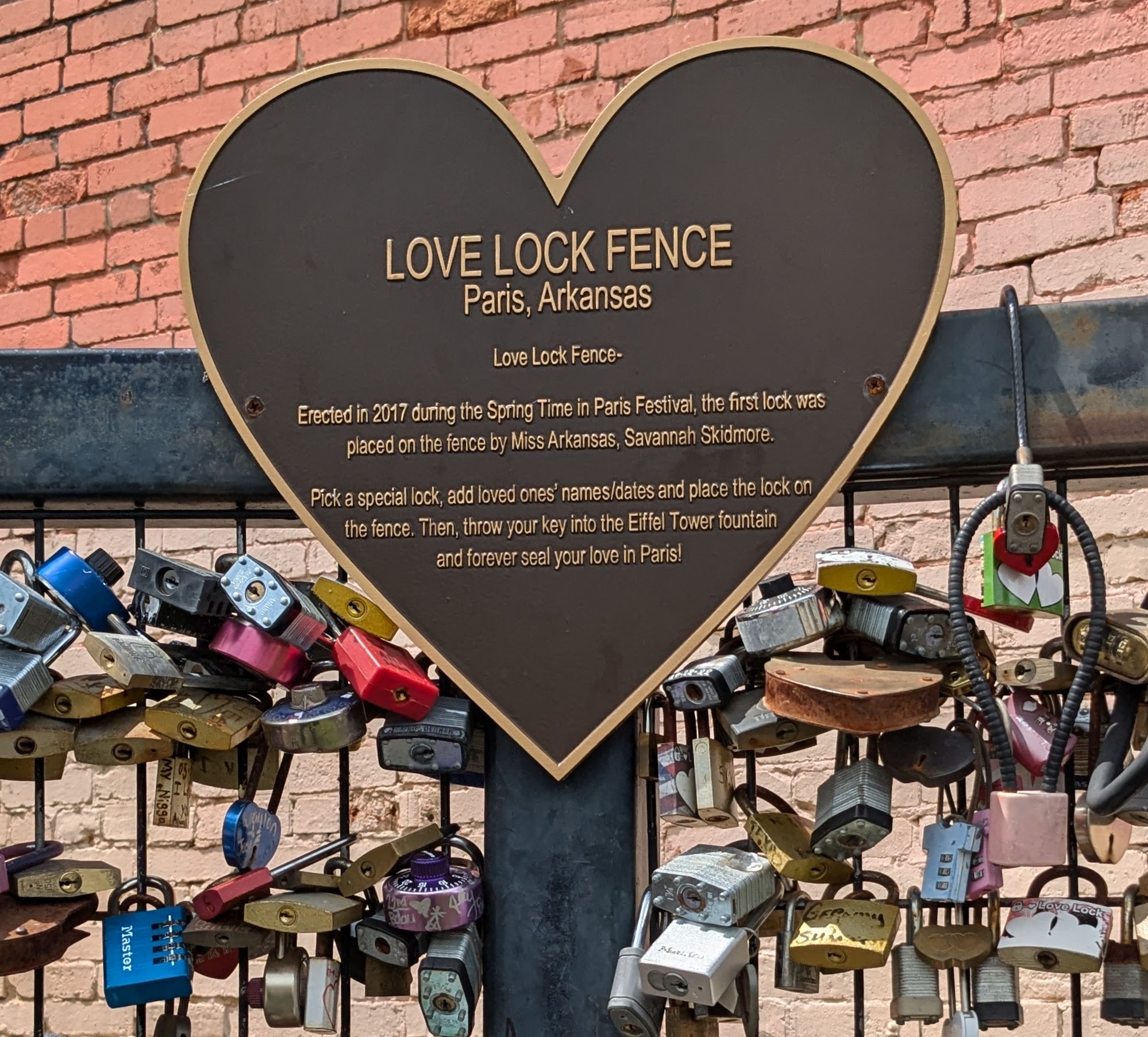



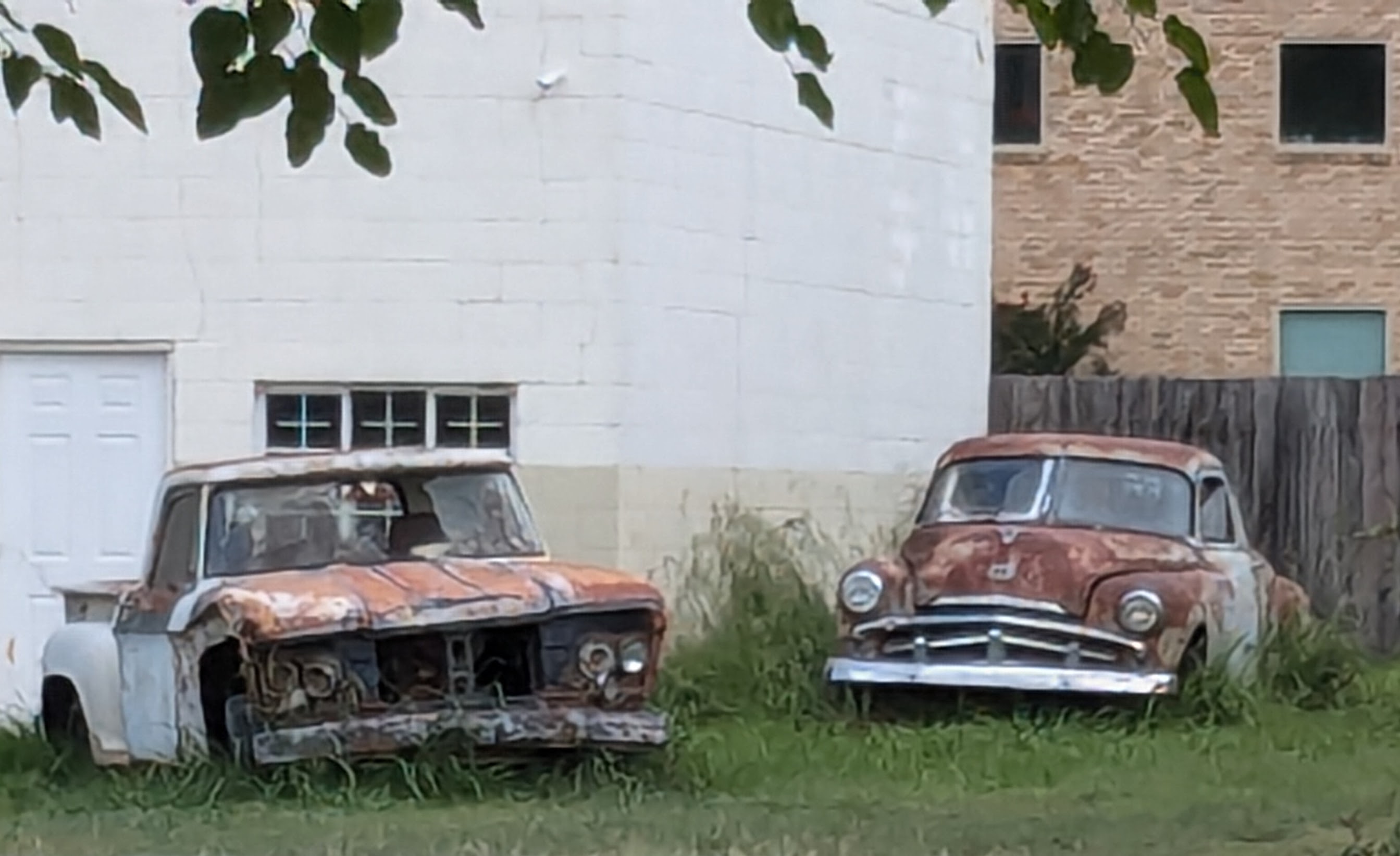
There are well-maintained public buildings, stately old homes, towering shade trees, and flowers seemingly everywhere in Paris. I savored the sight of vintage automobiles resting aside old buildings as much as the flower-filled baskets hanging from the light posts.
I longed to visit the charming shops in the downtown area, and to walk through gardens filled with colorful flowers. I vowed I would return to visit the “Old Jail” Museum, the Coal Miners Museum, a wine museum, and Subiaco Abbey, a “working” Benedictine monastery founded in 1878. The monks there produce a hot sauce known as Monk Sauce, made from Habanero Peppers grown in the Abbey gardens.

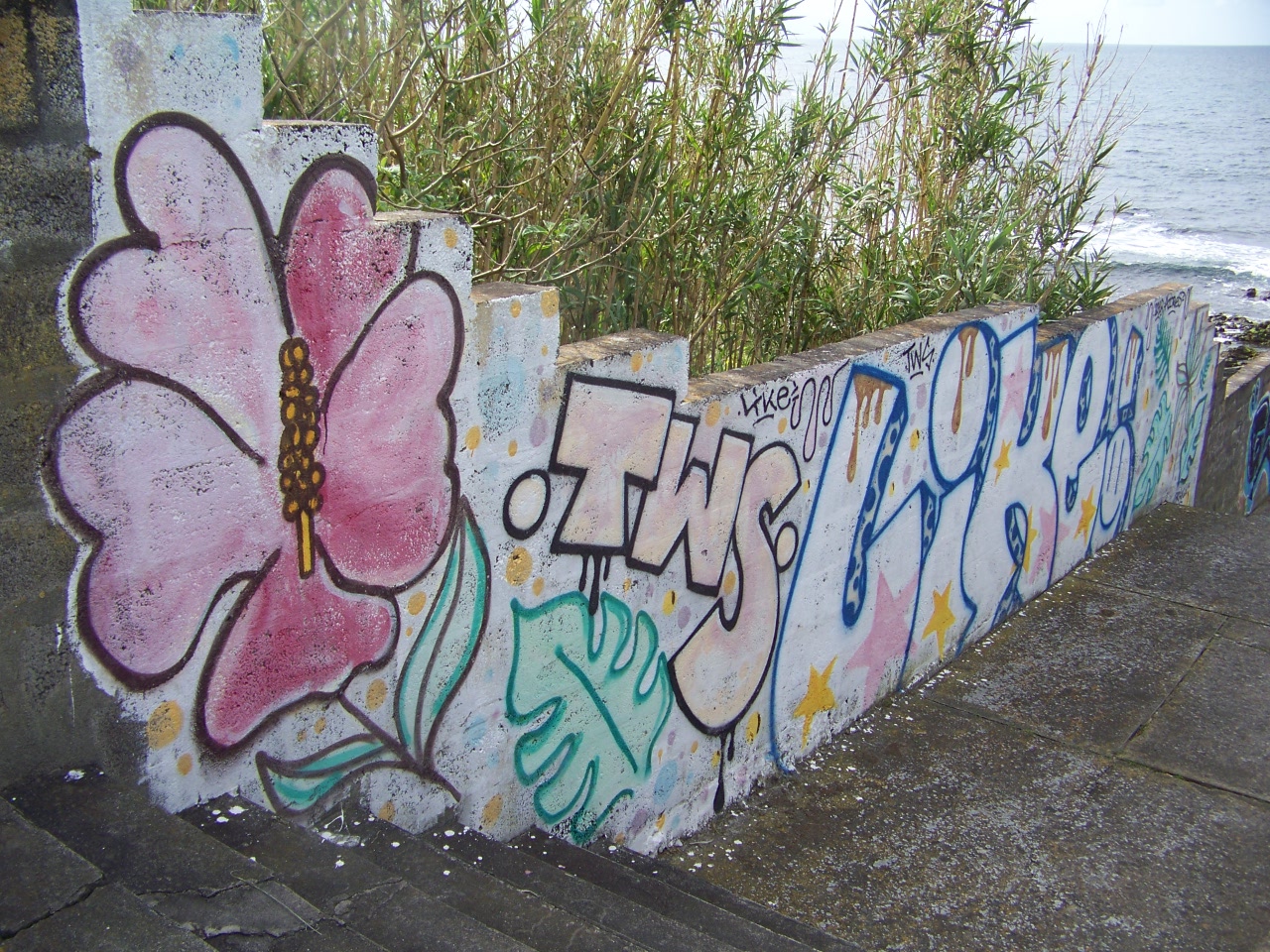
And the murals! The street art and murals in this small town are exceptionally varied and striking, as unexpected as they are enchanting.
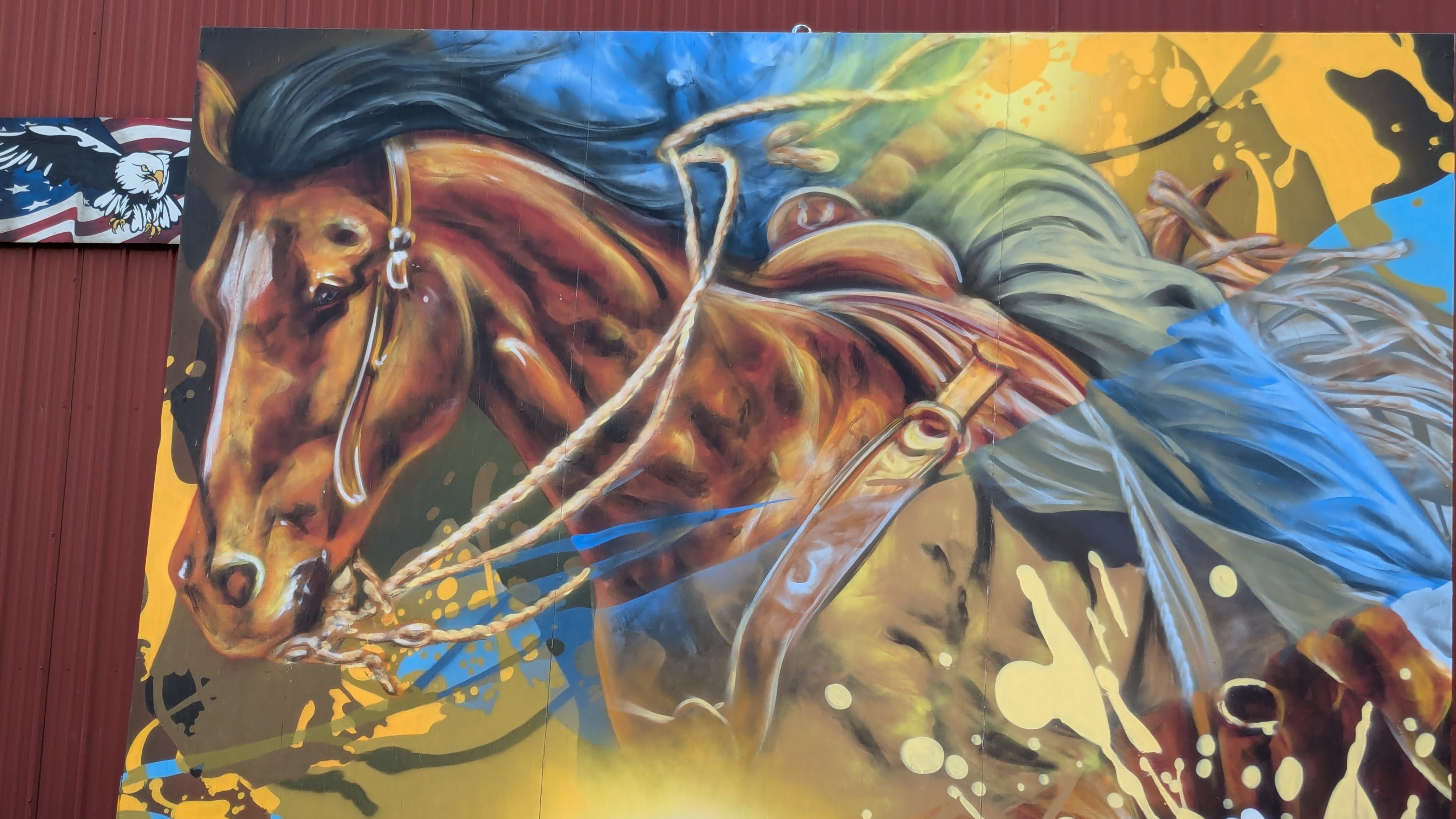

Paris is a small town with a population just slightly over 3,200 and a distinctive history. The city was incorporated in 1879, but a settlement had been established there five years earlier. Once the heart of an agricultural area, it has also been a railroad town and a coal mining center. We had too little time to explore fully, but I would like to learn more about life there, for it seems to “live larger” and have a more intriguing story than one would expect.








 Good Food and Faraway Places