

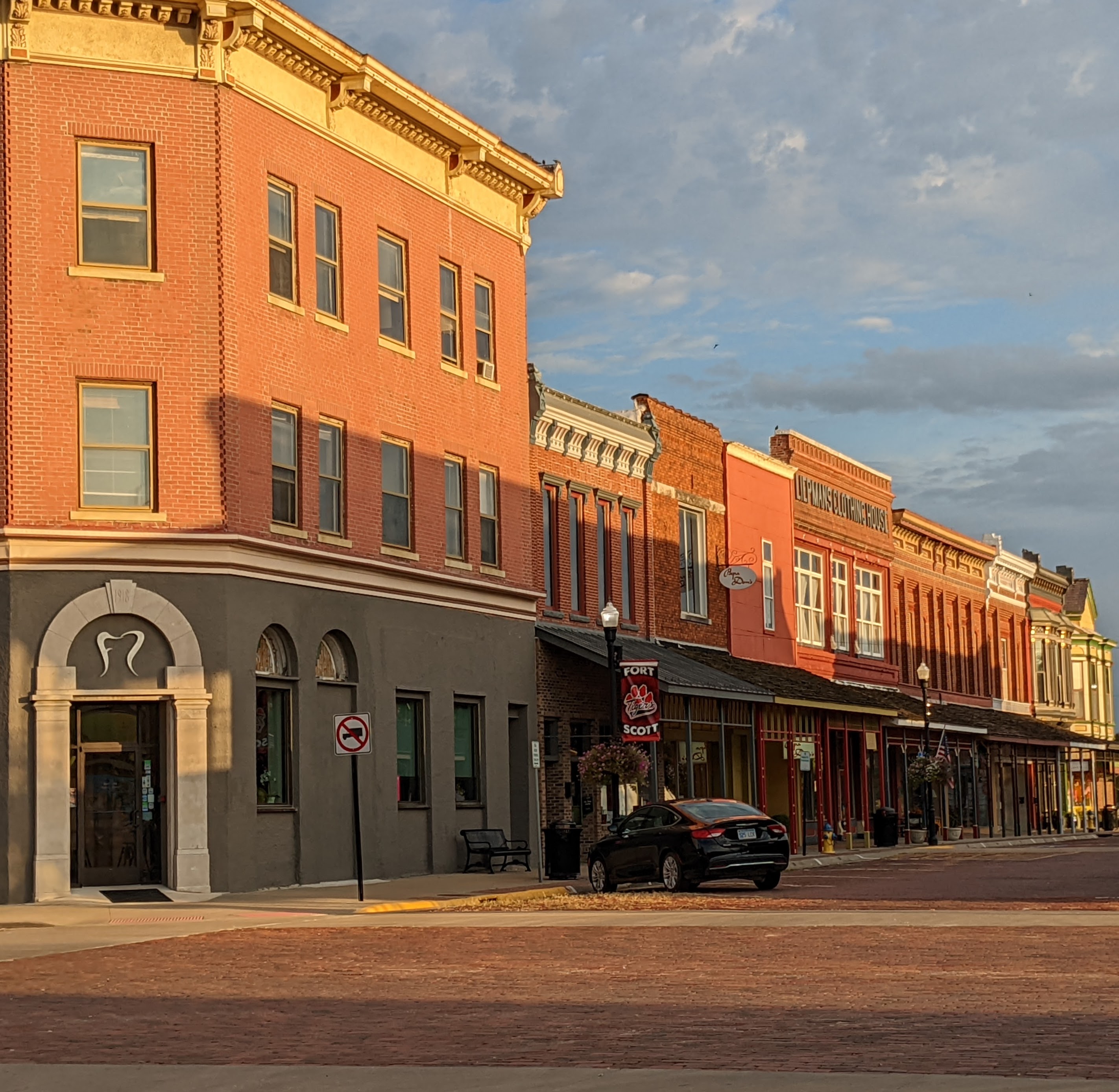
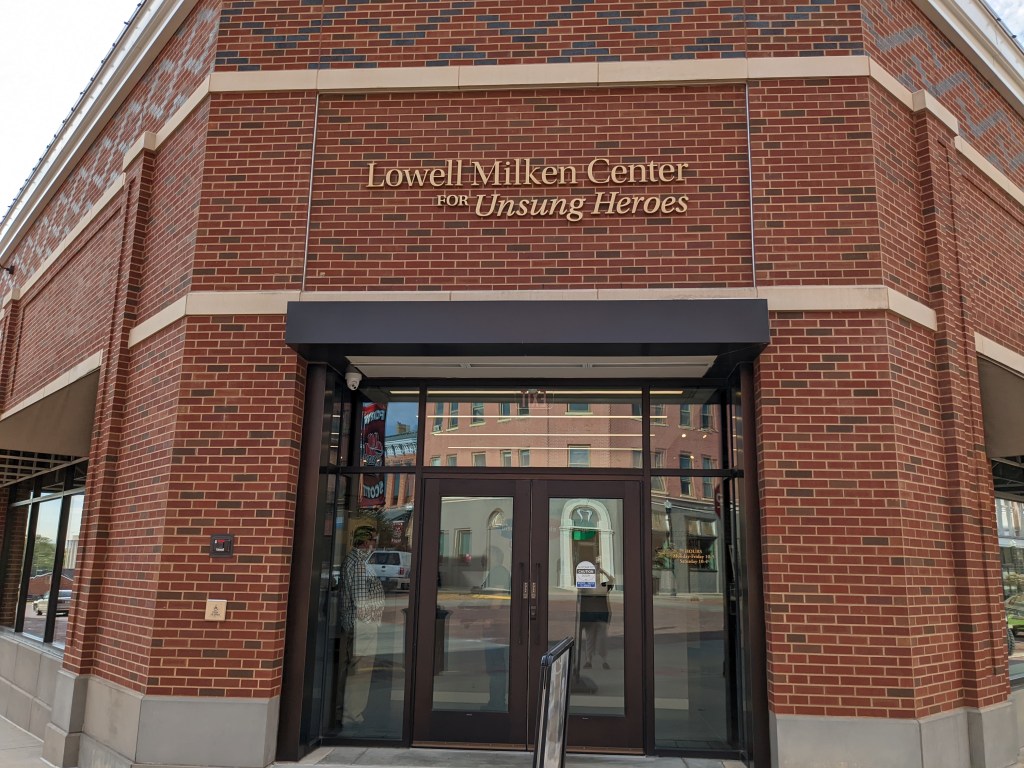
The Lowell Milken Center for Unsung Heroes occupies one of the newer buildings in Fort Scott, Kansas, situated across the street from its original location. Several century-old historic buildings in downtown Fort Scott, Kansas, were destroyed by fire in 2005 and have since been rebuilt. An adjacent outdoor park opened earlier this year and is a contemporary urban delight. The downtown still retains its former character, with traditional brick buildings and brick-paved streets, but the city’s history is being written with renewed vigor.
Stories told at the Center are larger than life, brought to life in a way that is truly remarkable. The history of the Milken Center is as awe-inspiring as the lives of the featured heroes. Visitors are introduced to real people who lived seemingly ordinary lives, playing largely unknown and unrecognized roles in history. Their stories have been uncovered, researched, and retold by students, through art and drama, photographs and videos, essays and interactive displays. Their truths are as thought-provoking as they are disturbing. The history of the Milken Center is as awe-inspiring as the lives of the featured heroes.


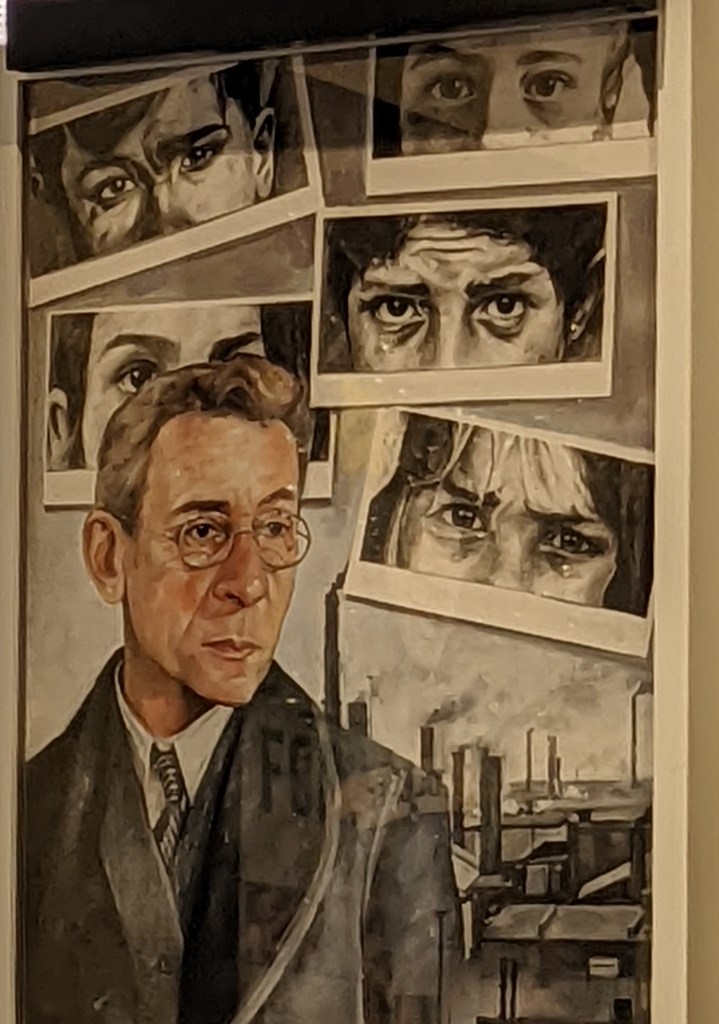

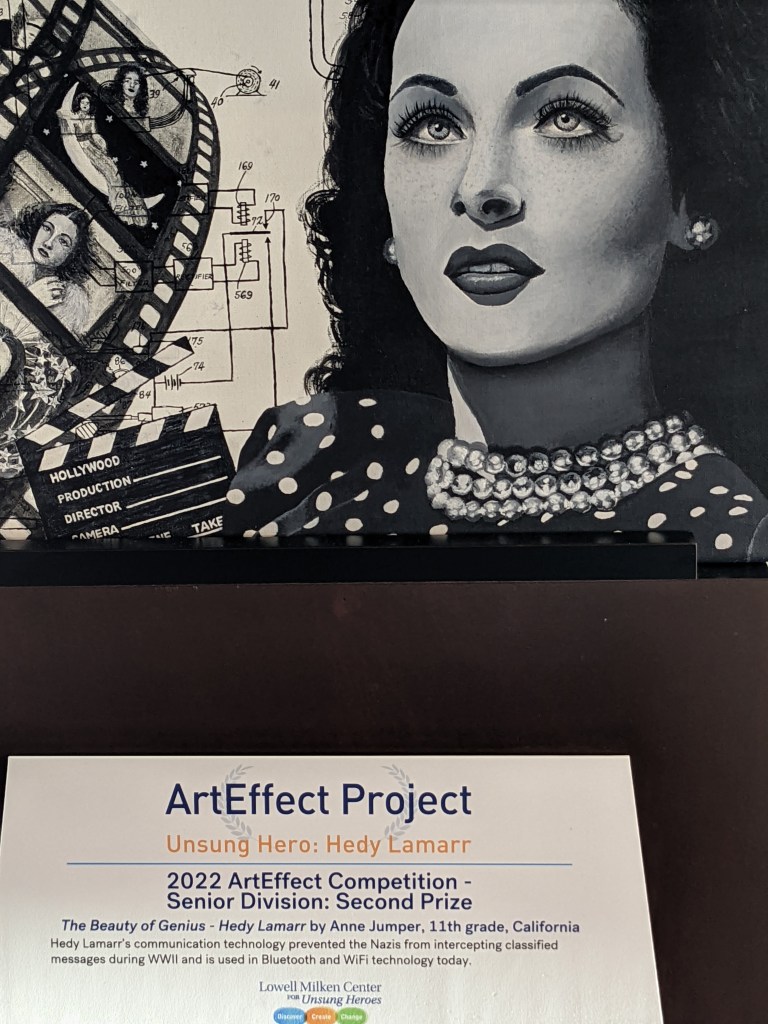

In 1999, Norm Conard was a social studies teacher at Uniontown High School in rural Kansas. He had given his class a History Day assignment. One of his student teams learned of Irena Sendler, a Polish Catholic social worker who was instrumental in rescuing children from the Warsaw Ghetto during World War II. She buried the names of rescued children in milk jars hidden under a tree. It was, and still is, quite a story. Read a more detailed account here. The students found that Sendler was alive and living still in Poland. In 2001, Conard accompanied a group of students to Poland to meet with her. Several other trips followed, until she passed away in 2007. The student-written play about her deeds, “Life in a Jar,” has been performed more than 350 times, and it continues to be be staged in the U.S and Europe.
During his tenure at Uniontown High School, Conard’s students created more than 85 projects, telling the stories of other common people who performed uncommon acts. Those stories are now the focus and backbone of the Center for Unsung Heroes. New heroes continue to be identified by groups of students — from fourth grade through high school — who have been inspired to dig deep into history and to move far beyond the obvious.
Today, Norm Conard serves as chief executive officer of the Center and is also the director of the Life in a Jar Foundation. It was, after all, his classroom motto for the History Day project in 1999 that gave birth to the idea. That motto? “He who changes one person, changes the world entire.” The Lowell Milken Center was founded with the goal of creating ripples of influence that will engage even more educators and students in an effort to change the world. Megan Felt, one of the students who first identified Irena Sendler, is the center’s program director.
Plan to spend longer than you may originally intend at the Milken Center. It is no ordinary museum. It’s a place to discover the true meaning of heroes in a time when that word is often overused. It’s mesmerizing and unforgettable.
But the Milken Center isn’t the only reason to visit Fort Scott.

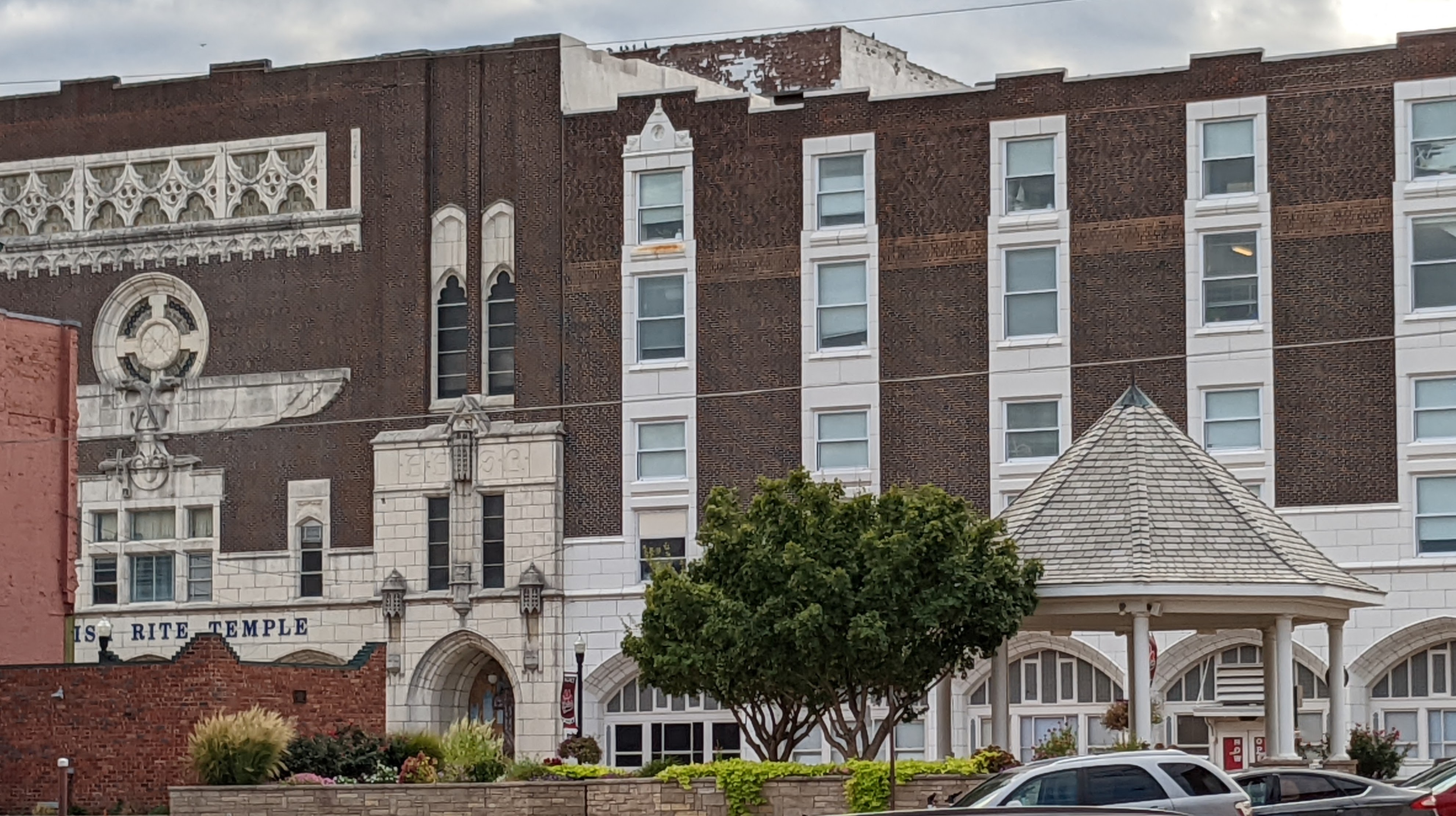


Before Kansas was even a territory, Fort Scott was a military outpost. It was established on the frontier in 1842 but the Army abandoned the garrison in 1853. The city was chartered in 1860, one year before Kansas became a state. Today, it’s the only such town to survive. Its military cemetery, one of 12 originally designated by President Abraham Lincoln, is listed as U.S. National Cemetery #1.

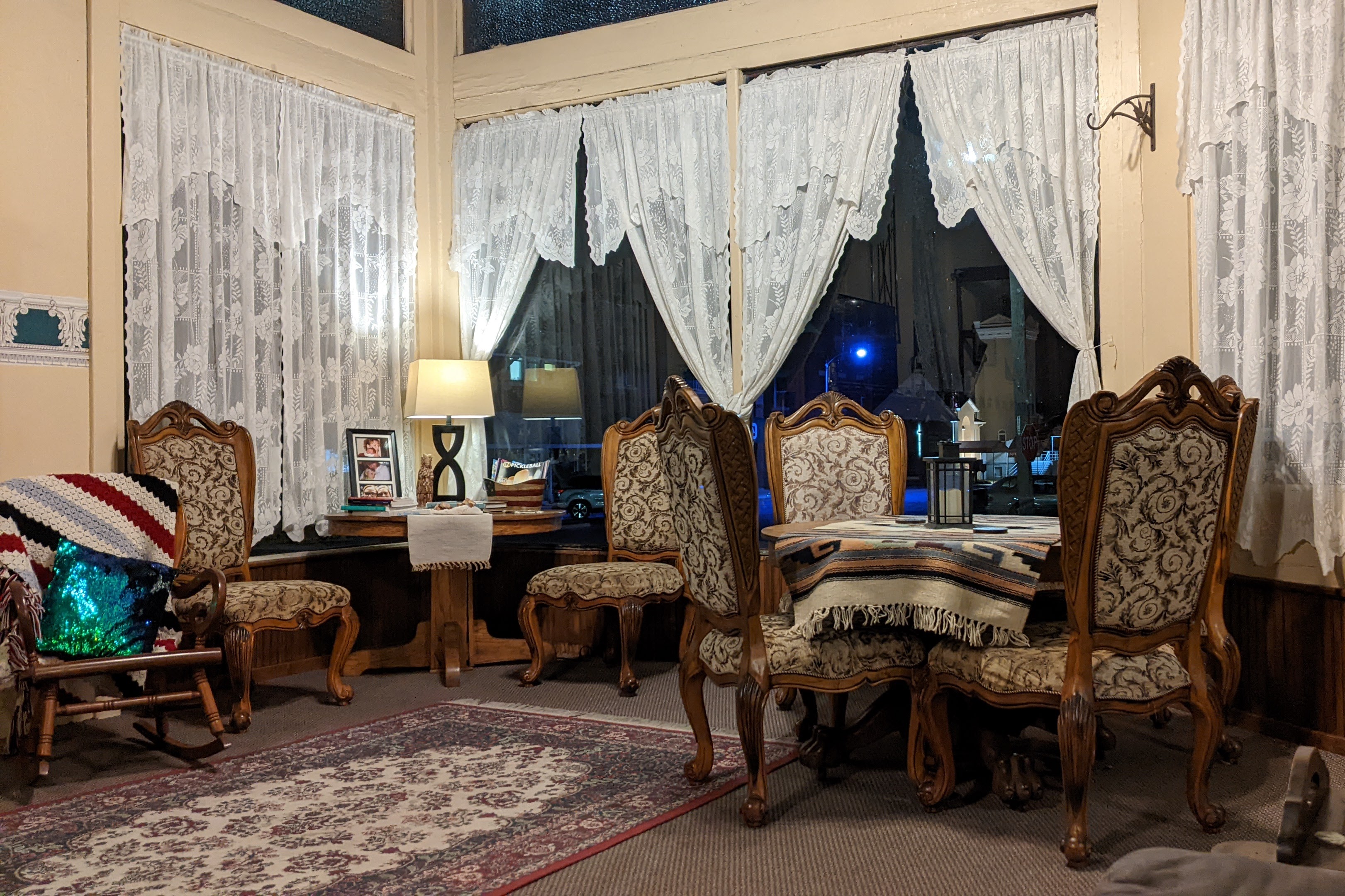
Our group spent that first night in Kansas at the Courtland Hotel and Day Spa. Situated in a building that dates to 1906, it was once a bustling laundry with a boarding house on its upper level. Proprietor Frank Adamson, a Fort Scott native, is only too happy
to offer insights into city history! He and his wife, a massage therapist, purchased the building as a location for her to open a day spa. They remodeled a portion of the main floor for the spa, with refurbished guest rooms on the second floor. Today, each room in the hotel is distinctive, filled with antiques and period decor to complement the architecture and honor the building’s history. A main floor lobby, office area and dining room retain the period charm of the past, and serve as a gathering spot where Adamson regales guests with stories of Fort Scott’s past.
A center of pre-Civil War turmoil between slavery proponents in nearby Missouri and local anti-slavery forces, this part of of the state was known as “Bleeding Kansas” until the end of the Civil War, even though Kansas entered the union as a free state in late January 1861, before the war began. As the U.S. Army’s district Headquarters, Fort Scott was a quartermaster supply depot, training center, and recruitment station.

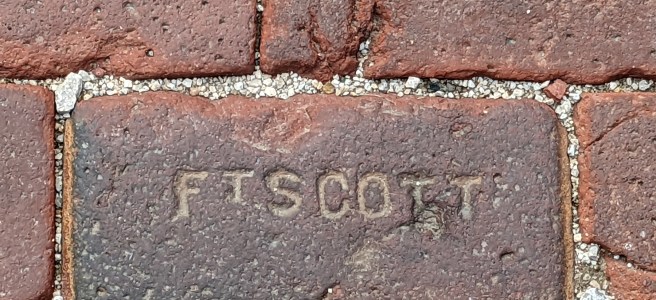
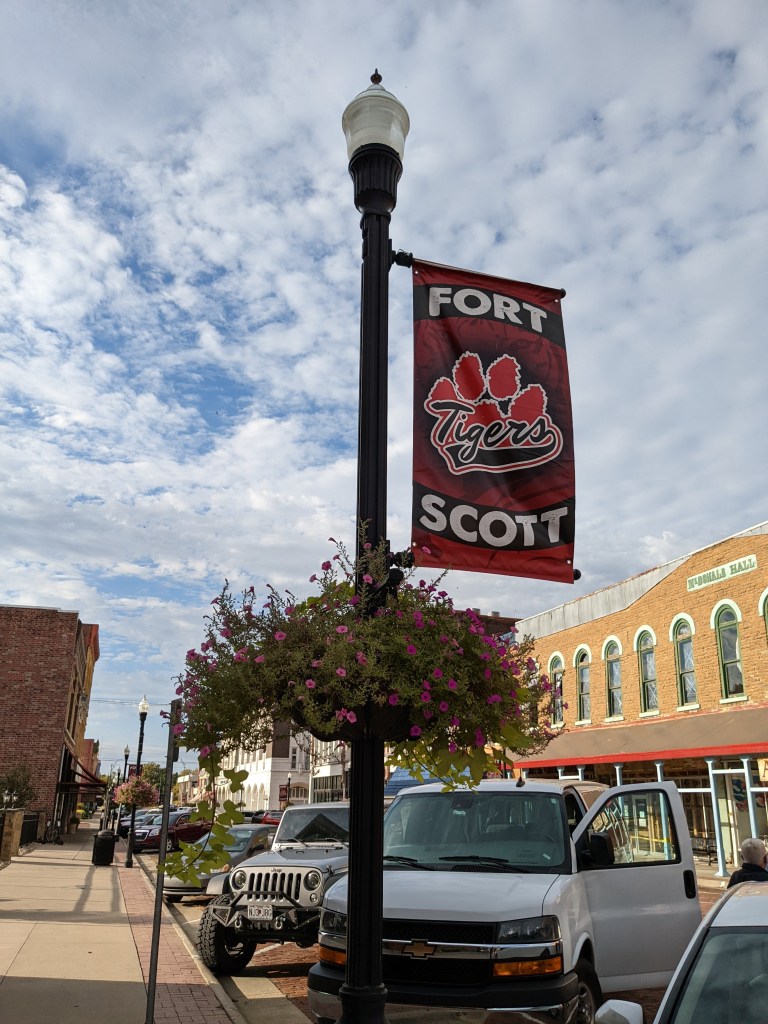
At one time, it was a noted frontier city, one of the largest in eastern Kansas, and it rivaled Kansas City as a railroad center. All that now remains of that time is the original, restored Old Fort building, now relocated to the town square. But the stories that date to those times are fascinating, and visiting Fort Scott is like stepping back in time to a simpler era. Brick-paved streets, sturdy brick buildings, and stately period lamp posts reflect its history, but its people have their sights set on the future, and they’re doing their best to integrate the two.
We left Fort Scott and headed for Route 66 — The Mother Road. Only 13 miles of the unique highway traversed a corner of the state, but it’s impossible to escape the influence of the Route in this part of Kansas. Come along next Wednesday as we recreate a legendary road trip. We had great fun along the way and discovered more unique attractions in Southeast Kansas!




 Good Food and Faraway Places