Uncovering Roatan’s Hidden Treasures

Roatan is a beautiful, small island, with clear water and friendly people. On previous cruise visits to the tiny island of Roatan off the coast of Honduras, my husband and I had seldom ventured far from the port and nearby beaches. We had occasionally talked about returning to the island to spend a week at a local hotel, but that idea had never matured. So, once again, we were on a Gulf of Mexico cruise that included this port call. This time, we were determined to venture beyond the “tourist trap” at the end of the pier. I use that term in the sense of a protected enclave that offers short-term visitors an opportunity to purchase local crafts and souvenirs.
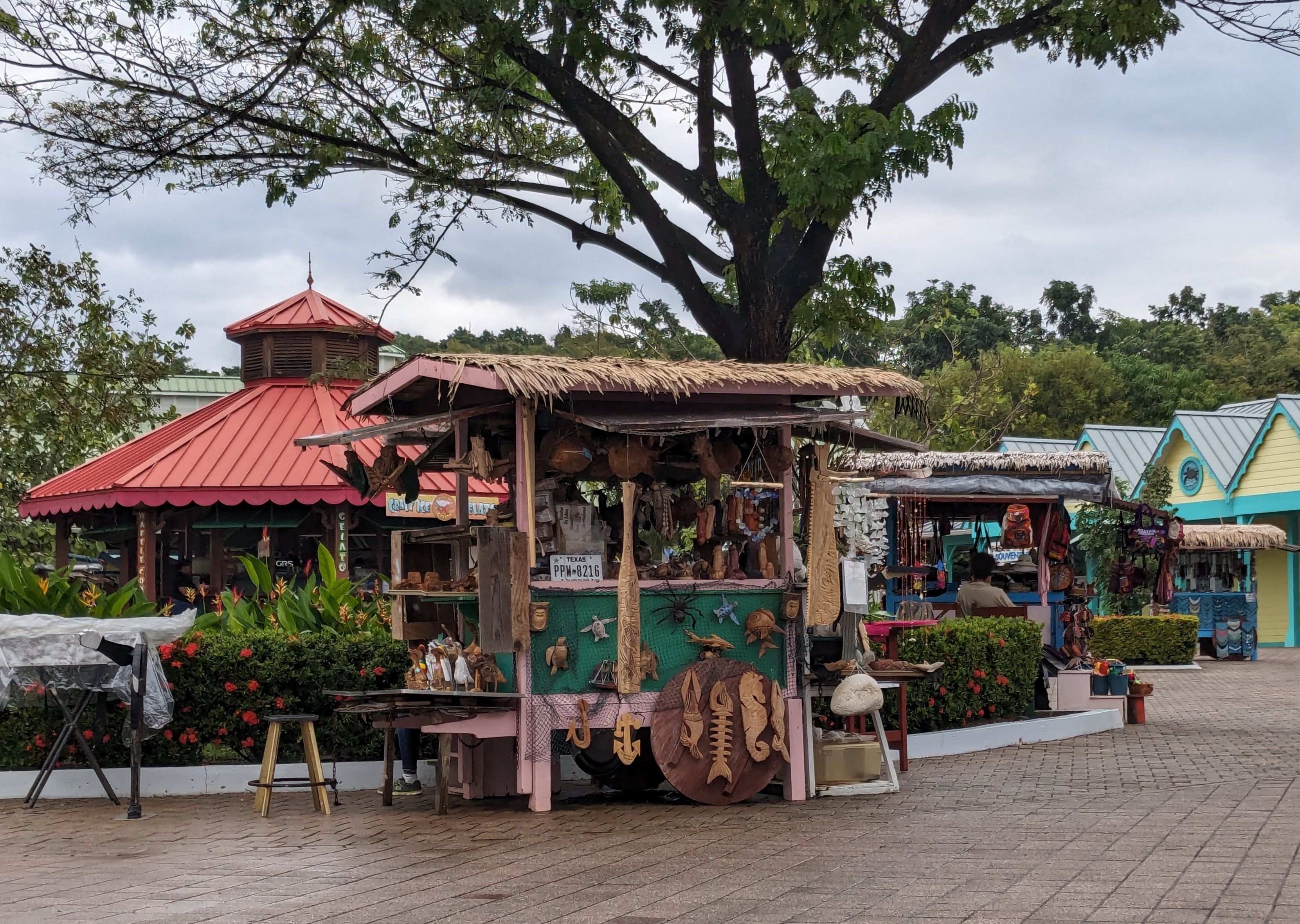
I am sorry this has become the norm in so many cruise ports throughout the world. These shopping and entertainment enclaves offer visitors only a filtered view. They are filled with chain shops and eateries, even though they often feature local entertainment and crafts. They are pleasant enough to visit, but they are in no way the same as visiting the country. Sadly, my husband and I had fallen victim to a skewed vision of Roatan, based on previous short visits. But this trip changed all that. We considered spending the day at a local beach. Instead, I found and booked a private tour of the island through Get Your Guide and its local affiliate, Roatan Trips and Tours.

It was an eye-opening experience, against which I will be likely to judge future tours in other destinations. I may not return to Roatan, but I will hold memories of this experience dear, and I have unique photos of our visit as well as mind pictures etched deep in my consciousness.

That’s the joy of travel — stumbling into situations that alter one’s perceptive, right?

Our four-hour tour stretched beyond the stated time constraints, but we weren’t watching the clock. I found the time spent with Jorge, our personable local guide, invigorating, enriching, and rewarding, and he had promised to return us to the dock before our ship was scheduled to sail. He did just that. The tour more than fulfilled my expectations, and my husband and I left believing that we had made a new friend who would welcome us back to Roatan should we choose to return. It pinpoints what is missing from many shore tours — the personal connection.

Let me explain.

Exploring Local Culture

We docked early the morning of February 1 at Mahogany Bay, while the mist was still clinging to the folds in the forested slopes that extend down to the sea.
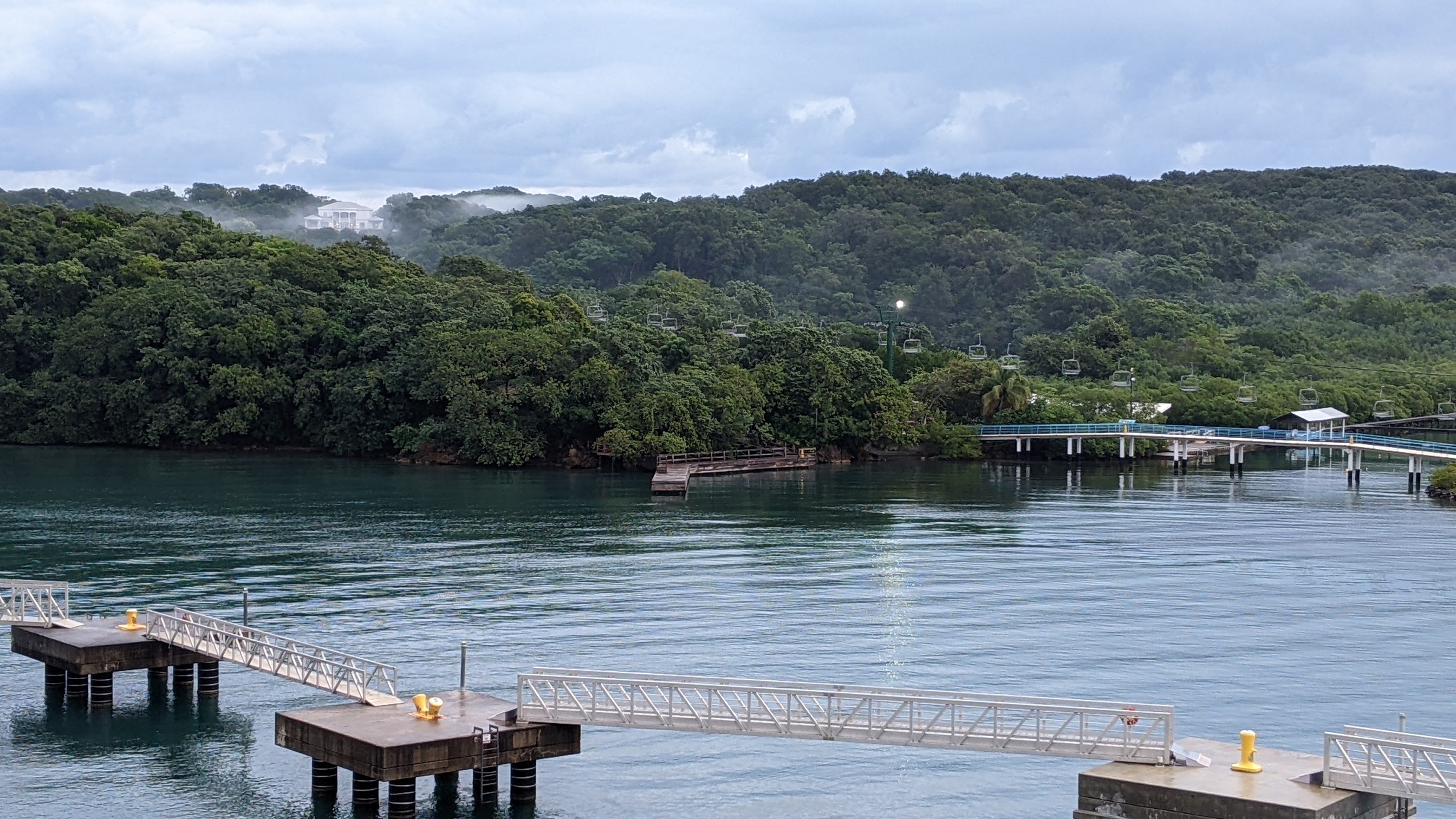
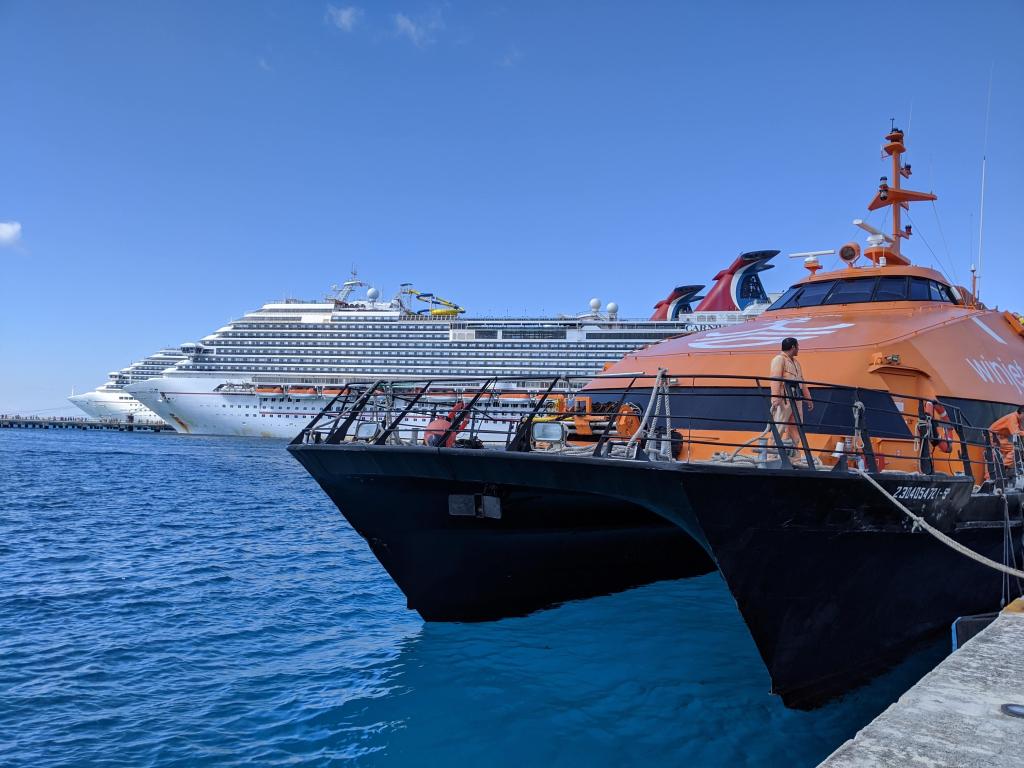
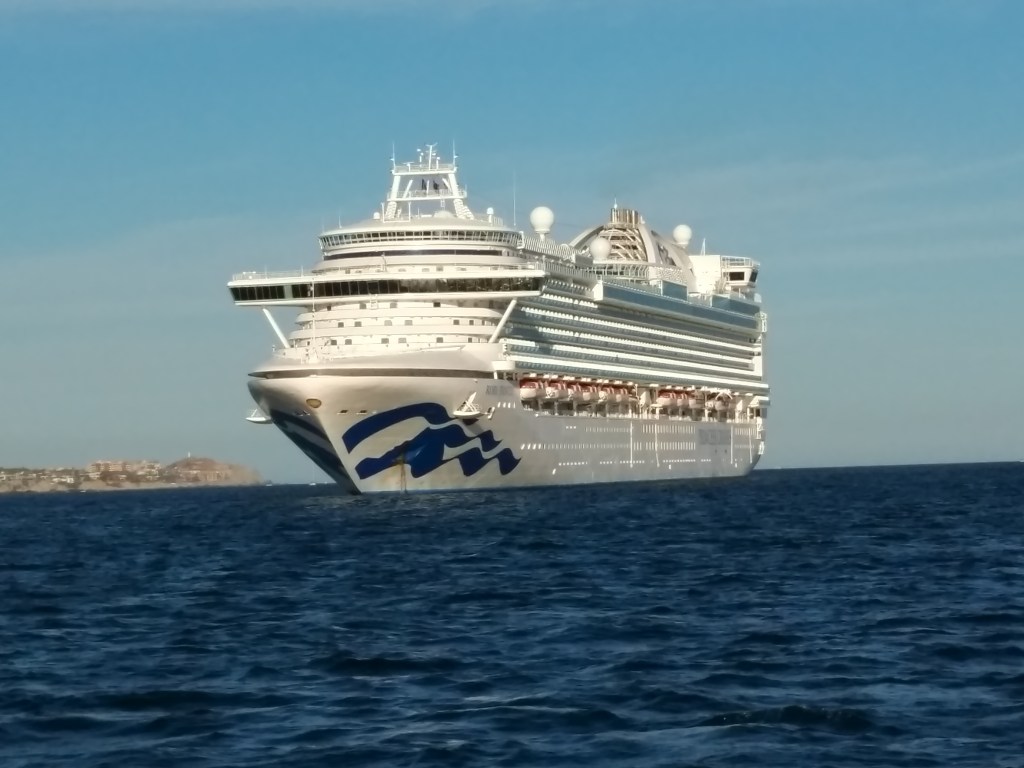
Used almost exclusively by Carnival Corporation, Mahogany Bay boasts an aerial tram that runs from the port to a nearby beach for a nominal fee. We disembarked in time to stroll leisurely through the port enclosure. Even though our ship, the Regal Princess, was the only one in port that day, the area already seemed alive with both locals and visitors.

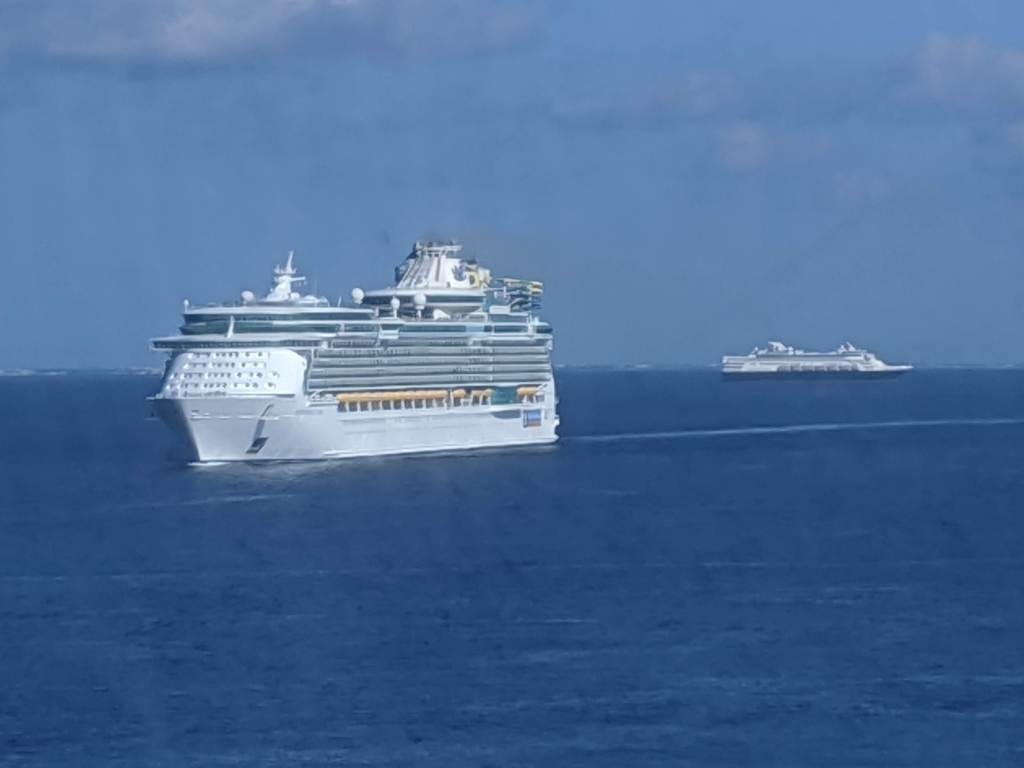
The island’s larger dock is known as the Port at Town Center, situated further west along the coast, adjacent to Coxen Hole, Roatan’s major city. It is used by almost all other cruise lines and can accommodate three large ships at a time, one alongside the dock and two at anchor. The port area is currently being enlarged and improved; construction activity is expected to continue through 2024; perhaps longer. Royal Caribbean’s Wonder of the Seas was alongside the dock at Town Center.
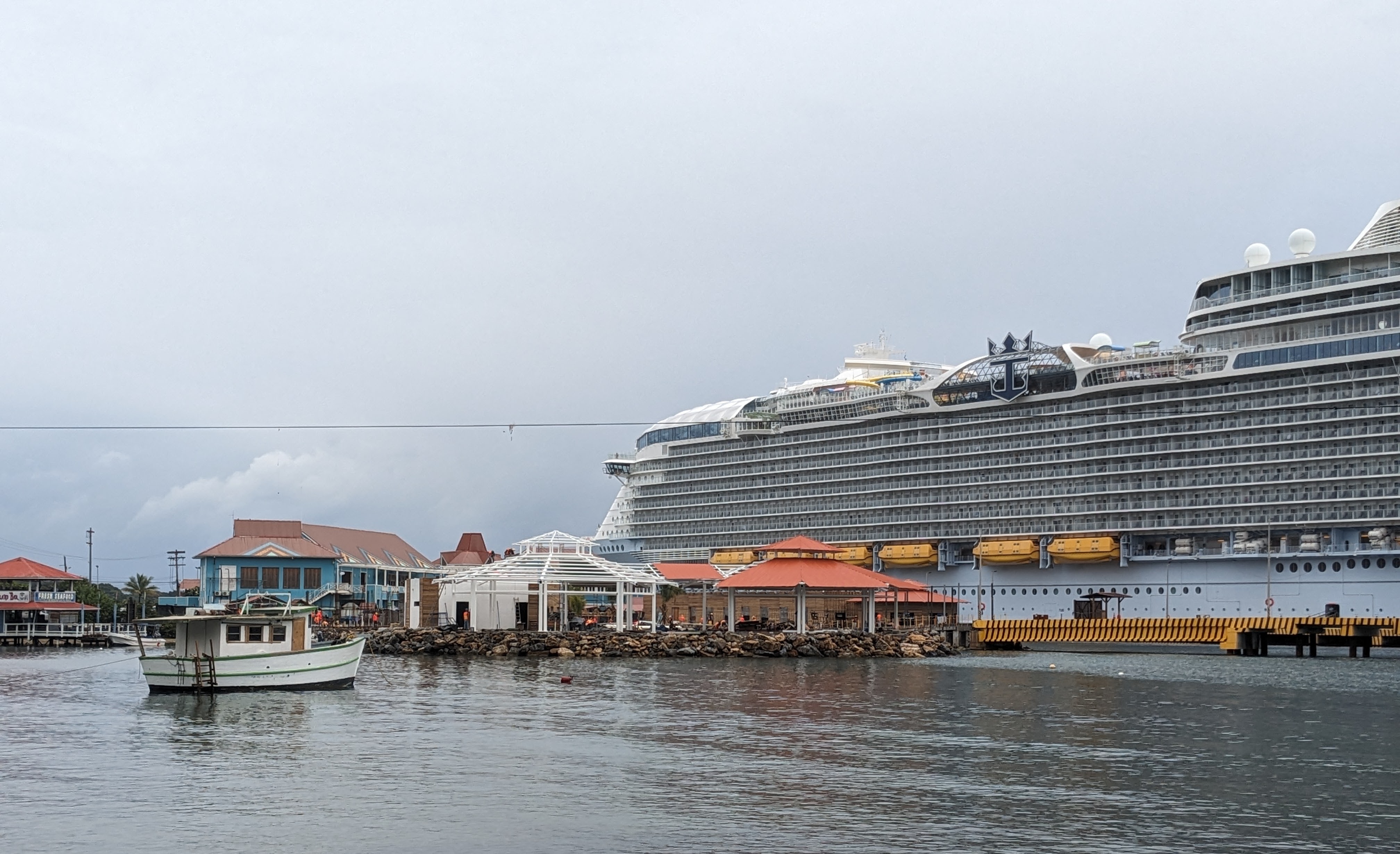
Icon of the Seas, Royal Caribbean’s newest vessel and the largest cruise ship currently sailing, was scheduled to make an inaugural call there on March 4. It officially entered service on January 27, 2024, with the ability to carry 7,600 passengers and more than 2,500 crew members. I found myself wondering if tiny Roatan could handle that many additional cruise passengers, particularly if other ships were also in port.

On the day we visited, it is probable that cruise visitors numbered upwards of 5,000.

We typically disembark and explore port cities on our own, walking or riding local buses. We sometimes hire a cab driver for an hour or two. Less often, we join a planned excursion. Before this trip, we had debated whether we would disembark at all in Roatan. I could have canceled our excursion at the eleventh hour, but we’re happy we chose to take the tour. We count the time we spent with our guide as one of the highlights of our cruise, and I readily admit that Roatan has much to offer beyond the port facilities.

When we disembarked, we walked to the far side of the port compound and then took a brief jitney ride to the designated meeting point outside the port area. The fee was minimal. Guides from multiple companies waited there to ferry passengers to local beaches or other island destinations. We visited with local tour operators and fellow cruise passengers as we awaited our driver/guide.

He arrived, apologetic that he had been delayed by traffic. The excursion had been billed as a “design your own” tour, offering options to visit local beaches, go snorkeling or sailboarding, shop if we wished to do so, spend some time at a chocolate factory or a monkey or sloth sanctuary, and several other possibilities. We told our guide, Jorge (or George), that we wanted him to show us his island, and asked only if there might be a restaurant with a water view where we could stop for a simple lunch.

Jorge agreed, and we set off.

Learning About “Jorge’s Island”

Like many islands, Roatan is a land of contrasts. The island has a rich history, some of it very different from the history of mainland Honduras. Once a British colony, 17th Century Roatan boasted a population of about 2,000 pirates with more than 500 houses in the northern city of Port Royal. That city is now in ruins, and the island’s resorts exist primarily at the other end of the skinny, curving island, congregated in West End and West Bay. The first language of native islanders is English, although in recent decades, increasing numbers of Spanish-speaking residents have made their homes on Roatan.

During the next several hours, we saw much of Roatan, including some areas where day visitors do not normally venture. Roatan is the largest of a group of seven islands located about 40 miles off the northern coast of Honduras. But it is a small island, measuring approximately 48 miles long and varying from one to five miles wide.

The Meso-American Barrier Reef, the second-largest in the world, surrounds Roatan and is known for its biodiversity and extraordinary reef diving. Daily flights arrive from Miami, Houston, and Phoenix at the airport that lies between the two cruise ports. It is estimated that upwards of 1.6 million tourists visit Roatan annually.

We drove past tony all-inclusive resorts on this beautiful spit of land, many with private beaches and over-the-water bungalows, some hidden behind iron gates and lush greenery. There are no high-rises, but inland some new multi-story condos and rental apartments are under construction, some with incredible views.

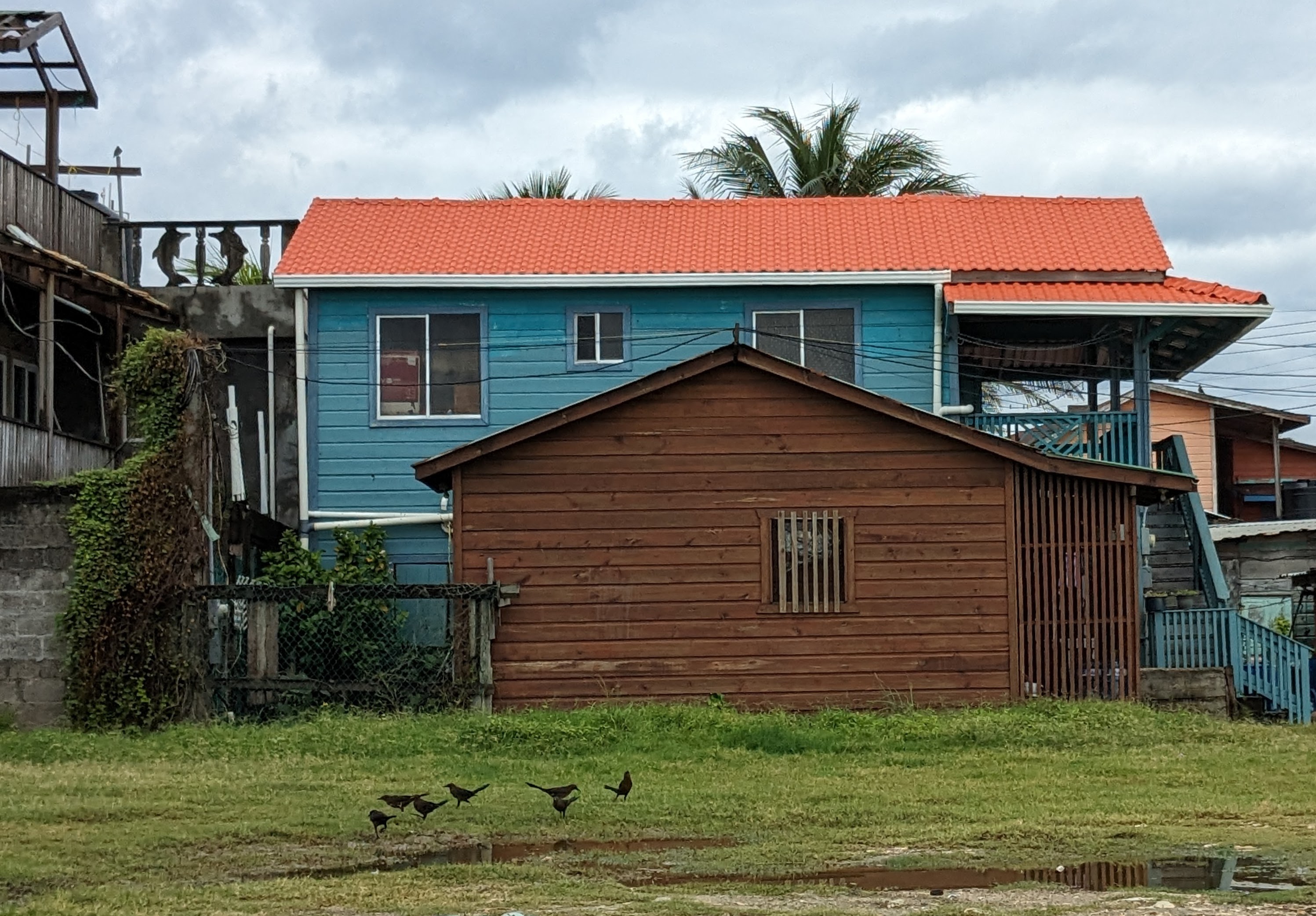
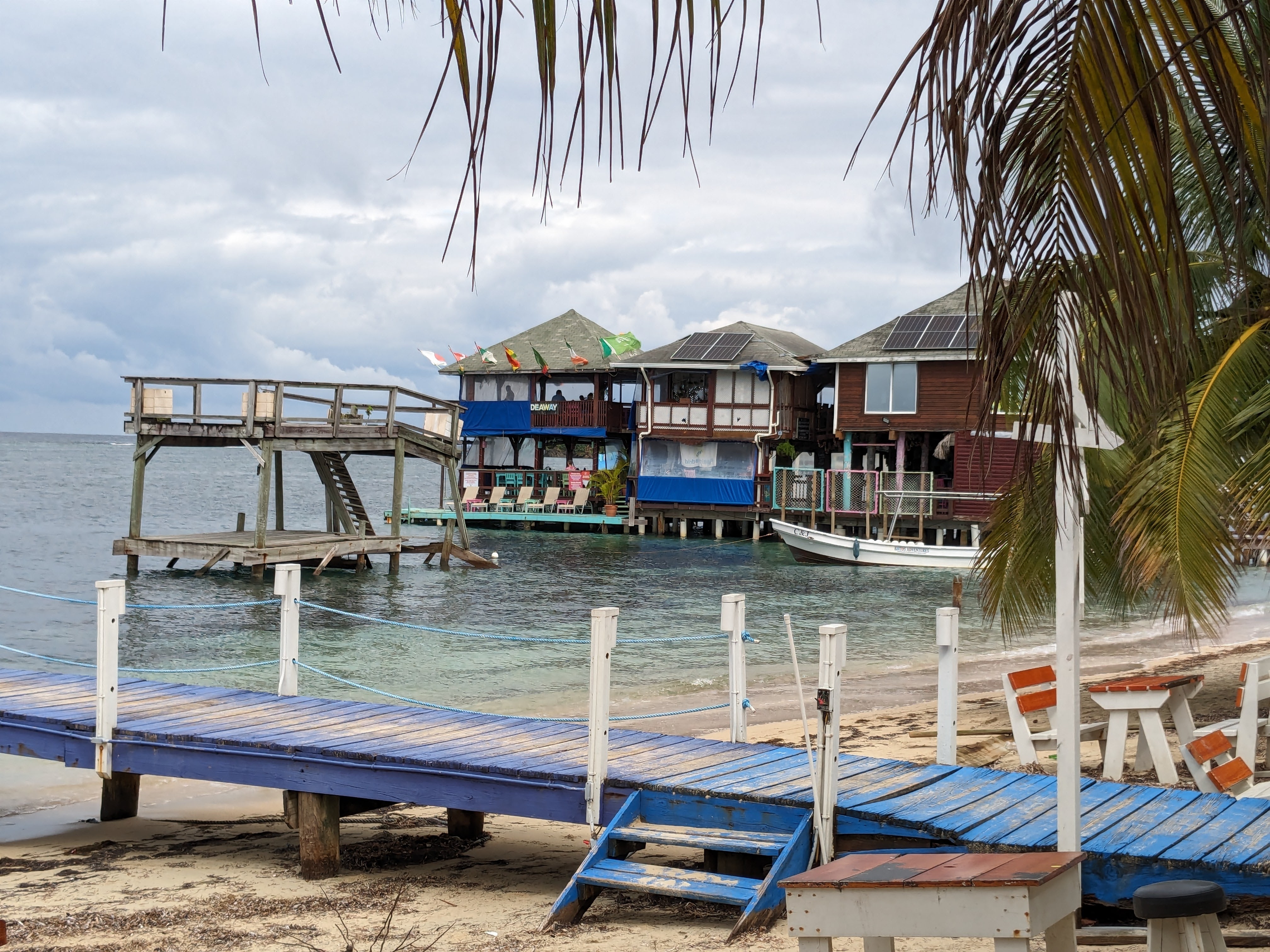
We passed waterside restaurants and bars, and numerous piers boasting fishing, diving, or snorkeling expeditions. Roatan boasts some of the clearest water and best beaches in the Gulf, and it is renowned for its diving and snorkeling possibilities. We saw local homes, both large and small, in small communities and near the water.

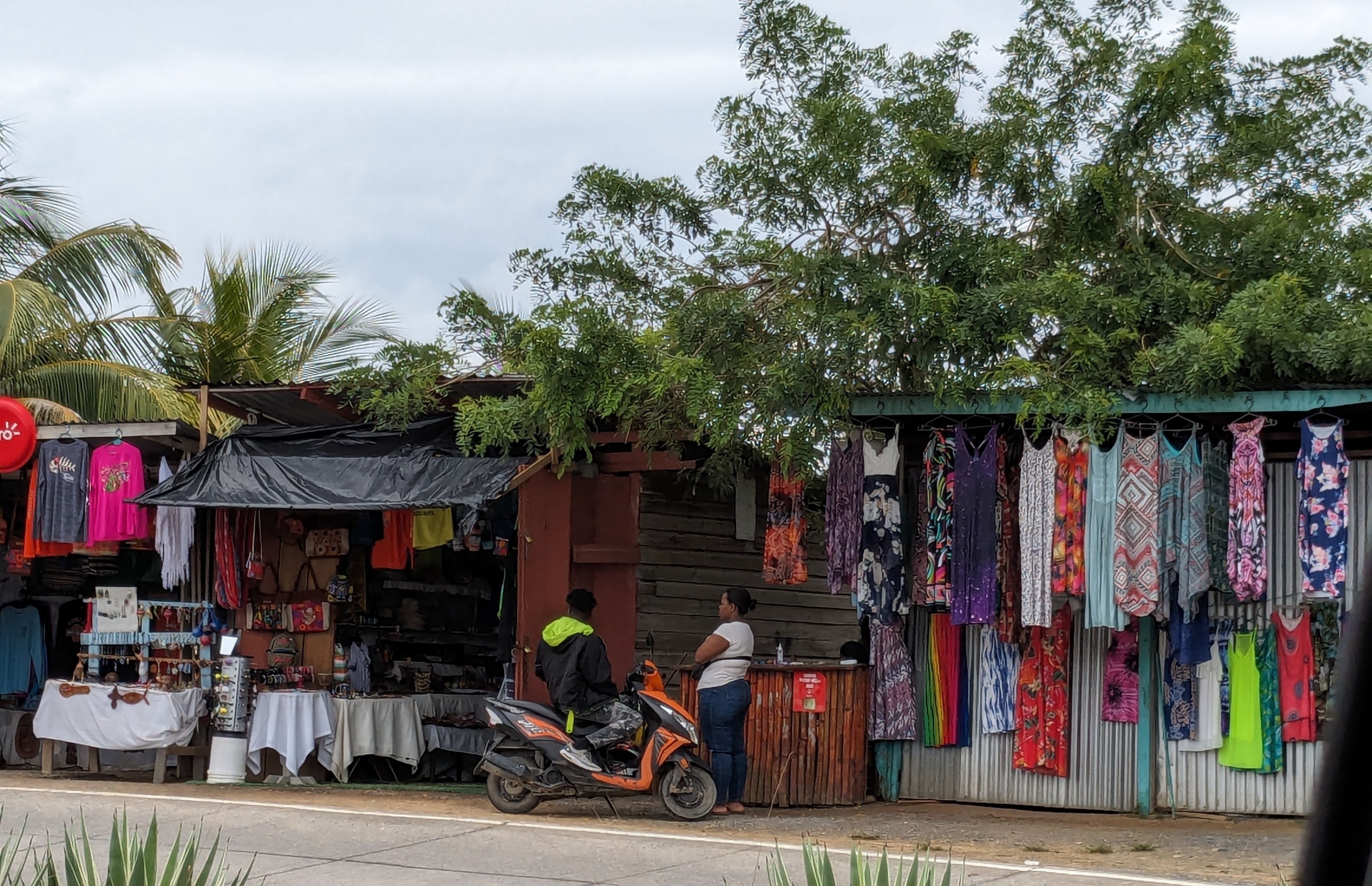
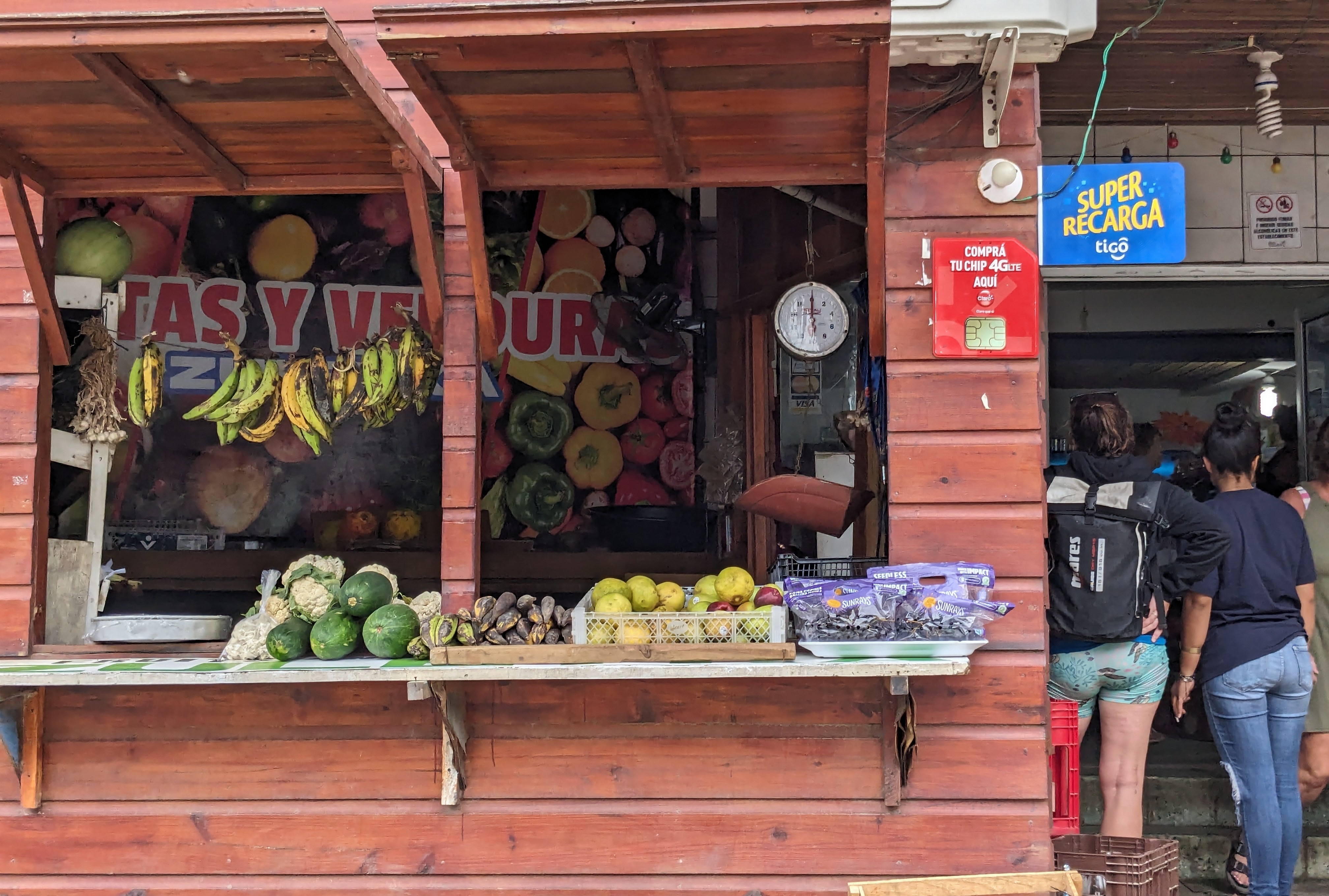
We encountered roadside vendors selling fresh fruit and other wares, and we saw local shopping centers, and even a casino!

We turned off the main highway and followed dirt roads to shorelines devastated by recent storms. Some buildings and playgrounds have not been rebuilt since the last hurricane passed through. We drove through small local communities and slowed to allow groups of young children to move out of our path. They smiled, and we waved.

A Story of Growth and Development

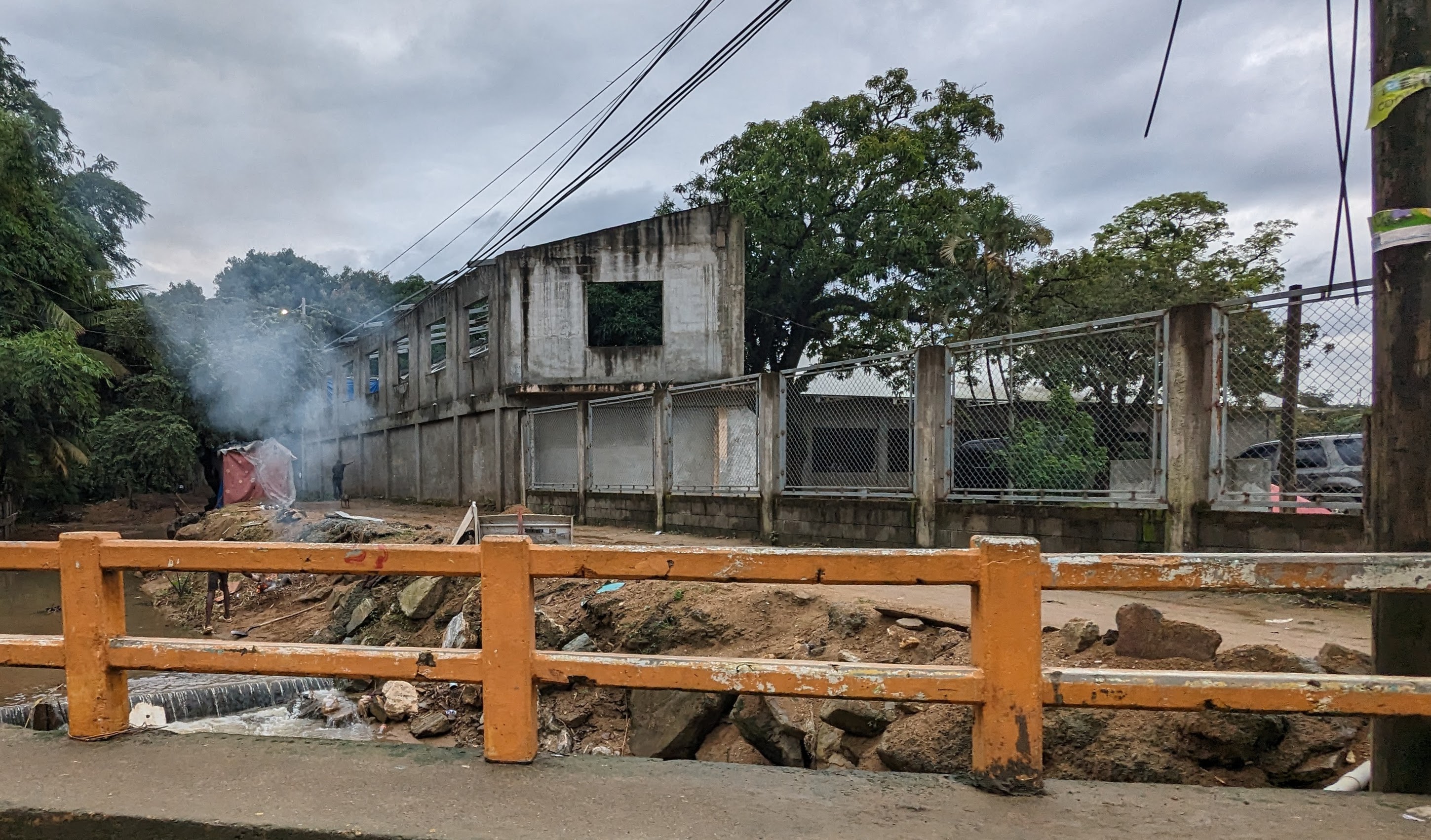
There is evidence of growth and development everywhere, from road building and infrastructure to modern offices, warehouses, shopping areas, and condos. But much of the island is old, and many of its residents are poor. Many homes and buildings are in need of repair.

Jorge pointed out an impressive columned mansion that belonged to Roatan’s former Mayor Dale Jackson, an island native who amassed a fortune from his fishing business. He also showed us grocery stores and shopping centers, factories, homes and apartments, and tumbling-down old structures that seem beyond repair. He showed us schools and children at play, and we drove through neighborhoods and business districts where people invariably greeted us with smiles.

We drove past modern “mini-malls,” and stopped at a small shopping center to visit a chocolate factory. I was enthralled to see how cacao beans are processed. I followed the multi-step process from bean to chocolate bar, and watched as cocoa butter was processed in a blender. The scent alone made me want to taste the chocolate. We were offered samples and could not resist purchasing several different varieties of Honduran chocolate to take home.
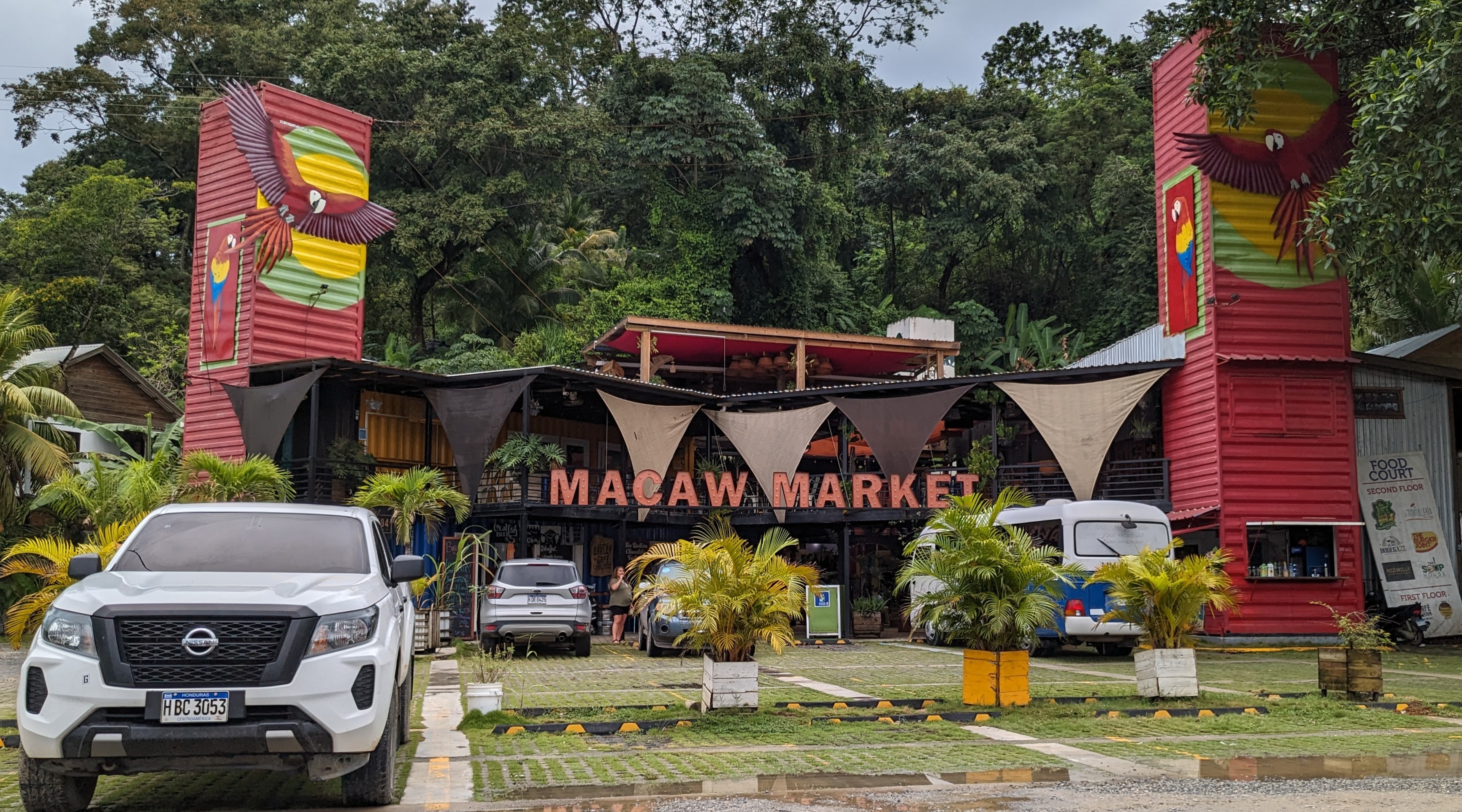
Jorge told us about his family, about the realities of life on a small island, about the Honduran economy, taxes, government, medical care, education, and business. We asked how life on Roatan differs from life on the mainland. He smiled and explained that living on the island is good, despite the hardships. Life on the mainland, he said, is “not so good.” We asked about his past and his hopes for the future. Although medical care is available on the island, he noted, residents must travel to the mainland for a complete physical exam. He told us he had just been to the mainland for his annual physical, and he was happy to be home with a clean bill of health.

He gave us each a paper bill — Un Lempira — each worth about four U.S. cents, explaining that Honduras recently phased out its coins. Today all the currency is paper. I bought a keepsake magnet that shows some of the now retired coins.

We asked about local housing and food. Jorge pointed out some newer condos and vacation homes under construction. We wondered about the pricing. Suffice it to say that waterfront properties are expensive, as in any prime vacation market, and larger homes on waterfront property can range into the millions in U.S. dollars.

Jorge answered all our questions, and we gained a better understanding of the Honduran economy, local issues, and island culture than we could have learned from a guidebook or a printed brochure. We tried to answer his questions about our life in the United States as honestly as he had shared information about his homeland.

Feasting on Island Specialties

Then, Jorge steered us to a beachside cabana with a rustic bar and a few picnic tables. We sat looking out at the gentle waves and watched children and adults play in the surf while we sipped cooling drinks and asked more questions about life in Roatan. Jorge talked about his family, his wife, and his sons who work in the construction field.

It was a peaceful interlude. I had not realized that there is so much for tourists to see and do on the island. I was more than pleased that we had this relaxing time to share with Jorge.

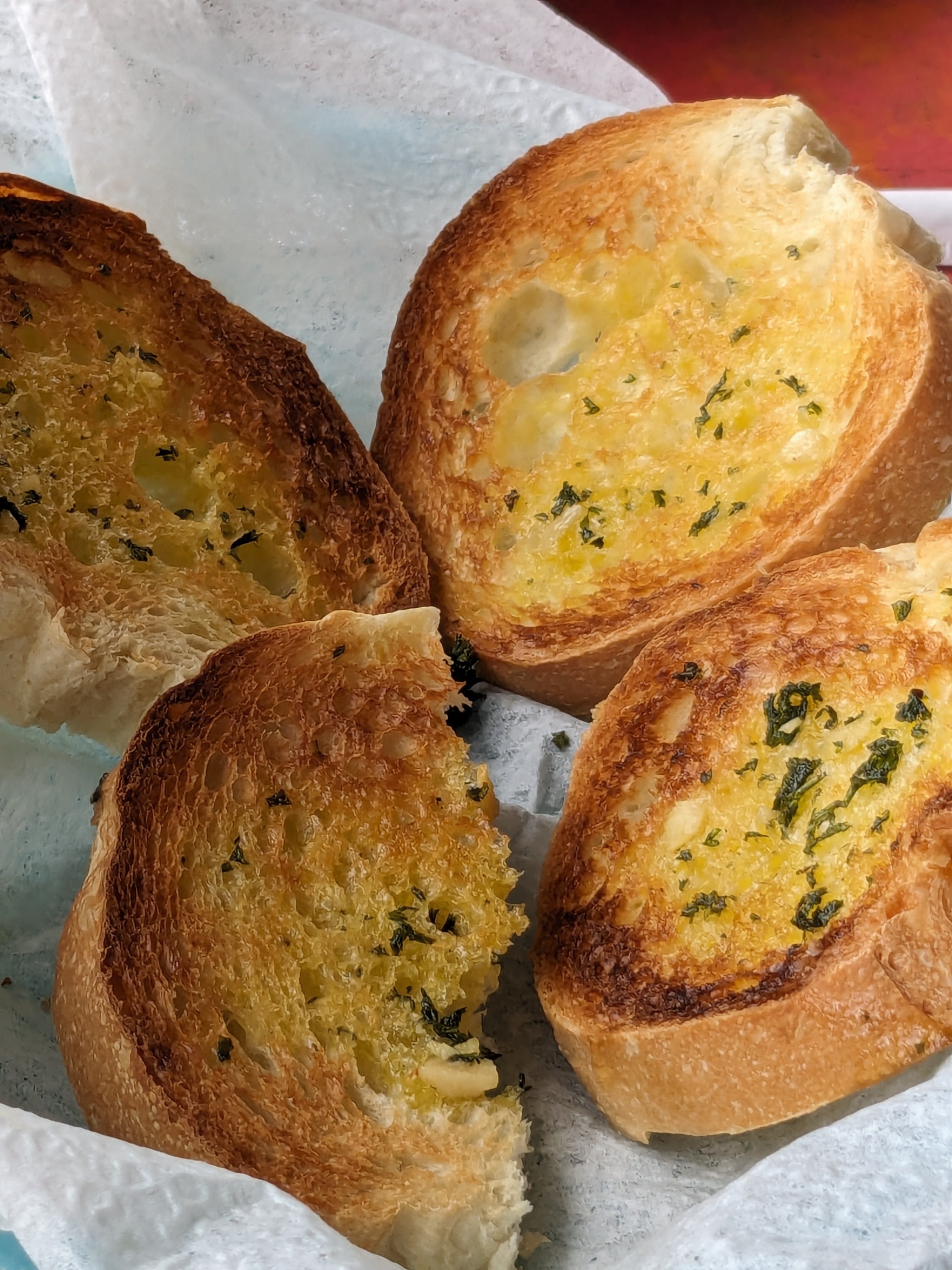
I asked about restaurants and his food favorites, and a few minutes later, he stopped his car outside a bustling food bazaar. Jorge left us for a few moments, quickly returning with what he called the “Honduran cheeseburger.” It’s delicious! A soft warm tortilla filled with beans, cheese, and a dollop of sour cream. The humble baleada may also be filled with additional ingredients — scrambled eggs, grilled meat, onions, or avocado, upon request — to make this simple street food a hearty breakfast or a tasty lunch treat.

The next time you visit a foreign destination, take the time to interact with local people. All-inclusive resorts, luxury hotels, fine dining, and secluded beaches certainly have their place, but it’s frequently the unexpected encounters with ordinary residents that leave the most indelible impressions on the heart and mind. That’s the gift that Jorge gave us on this tour.

Now, About Lunch

Jorge had not forgotten our earlier request for a simple lunch. After confirming that we had little interest in cuddling a sloth or interacting with parrots, he steered us toward French Harbor, a well-known and popular part of the island. He promised us a view, and a meal, that we would remember. After only a little coaxing, he agreed to join us.
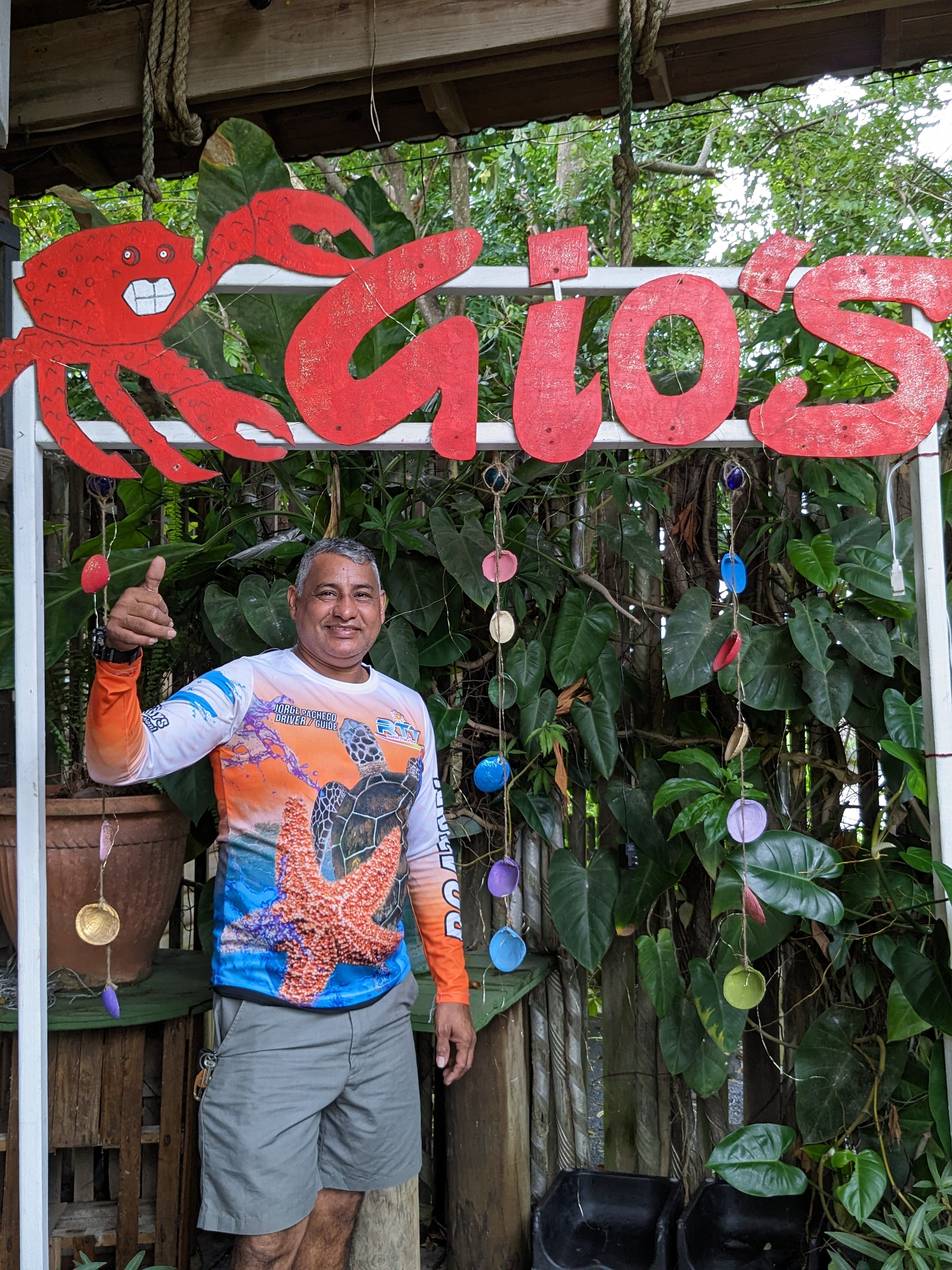
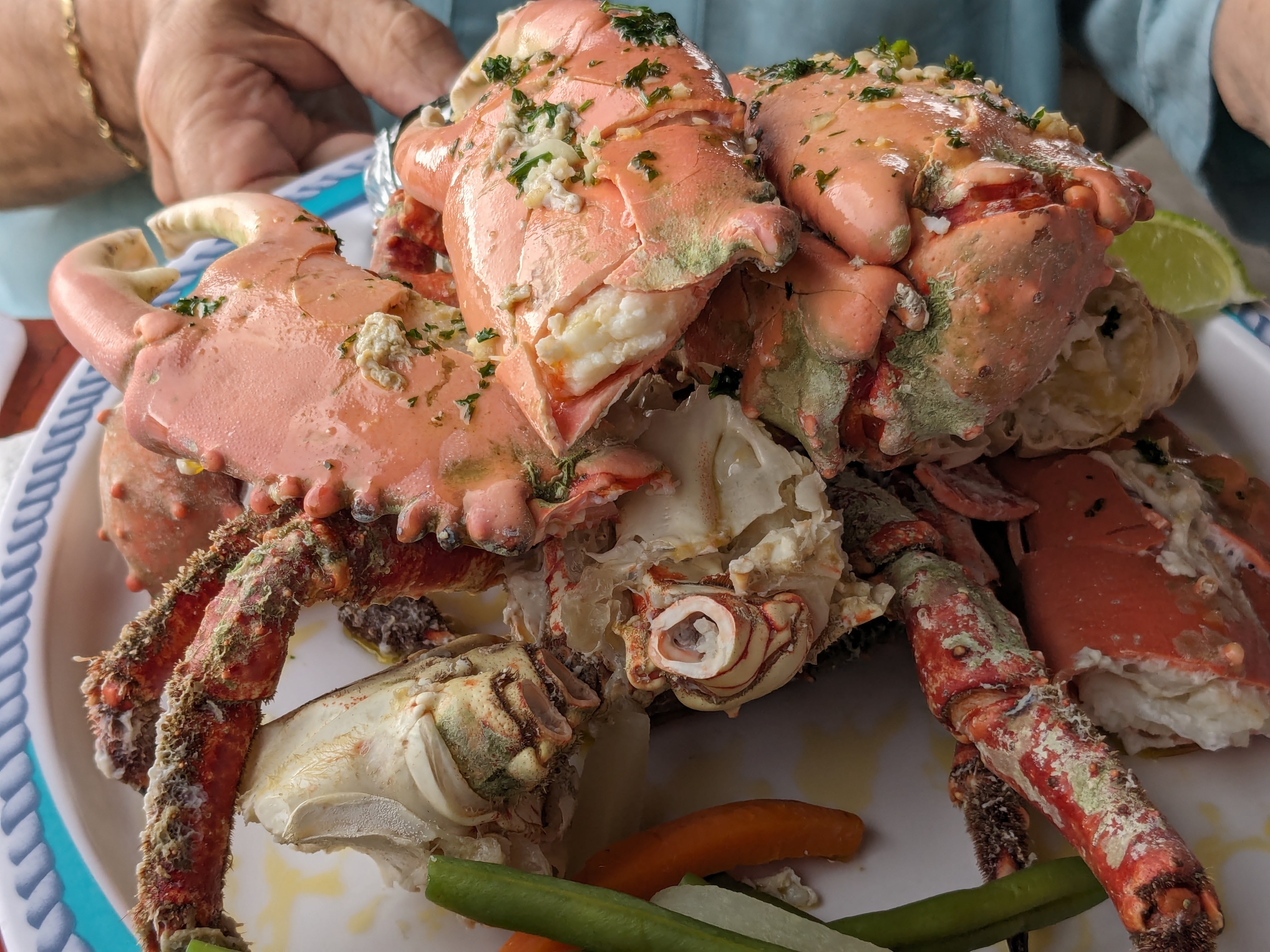
Gio’s is a popular and well-known Roatan establishment that has operated in the same location since 1994. Tourists and islanders alike tout it for the friendly service, the food, the panoramic views, and the laid-back atmosphere. The specialty of the house is Spiny Caribbean King Crab, so that’s what my husband ordered. I ordered what I thought would be a sampler plate of fried plantains and other appetizers. We planned to share. Jorge chose beef and vegetables (perhaps, because he lives on the island, he has his fill of seafood and fish?) In any case, we all were happy!

The meal served as a memorable conclusion to our day on the island. With full bellies and more-than-satisfying memories of time spent on an island we now know and understand a little better, we were saddened at the thought of saying goodbye to a new friend. He dropped us back at Mahogany Bay. We could not say goodbye, however, without snapping a few pictures and exchanging heartfelt hugs.

We carry the memory of a few hours spent in Roatan with Jorge as one of the true pleasures to be found through travel.

In a year’s time . . .

Note: One year ago today, the World Health Organization upgraded the status of a spreading virus, dubbed COVID-19, to a global pandemic. That announcement changed our lives forever. Today, as I write this, approximately 118 million cases have been confirmed around the world, and 2.62 million individuals have died. The United States leads the world, unfortunately, in total deaths, almost 530,000 to date, but not in “deaths per million” of population. Yet, however, it is measured, this pandemic has been deadly. The good news, if there is any, is that nearly 70,000 million people worldwide are deemed to be fully recovered, and that a handful of vaccines are currently being administered around the globe. They seem to be effective in preventing serious illness and death. That fact alone is reason for hope. The number of new cases, hospitalizations and deaths continues to decline, at least in the United States. The hope, as expressed today by leading medical authorities, is that perhaps by fall citizens of this country might expect a return to some sort of normalcy.

For me, that means a return to travel.

Just a little over one year has passed since I was first affected by COVID-19. The pandemic was not yet big news, but we were notified in February 2020 that a cruise we had booked for May of 2020from Tokyo to Vancouver, British Columbia, would be cancelled due to “an abundance of caution” surrounding the growing number of infections, on cruise ships as well as on land. All of us who lived through this past year know how the cancellations, shutdowns and stay-at-home orders progressed.

We had returned to the U.S. on Thanksgiving Day 2019, following a trip to the Mediterranean, and we had taken a short voyage to Mexico in January to celebrate an anniversary. Life looked good at the time, with many more trips already taking shape in our minds. We were confident that modern medicine and early warnings would be effective against the spread of a new virus, and that we would soon be traveling again.

How mistaken we were.

Little did we realize at the time what the coming months had in store. When our planned North Pacific crossing was canceled, we immediately began looking for other itineraries. We boldly booked several. Over the years, we have had to postpone other trips due to illness and we have cancelled others because of a simple change of plans. We have occasionally missed a flight; we have adjusted travel plans to adapt to changing conditions and reworked schedules based on circumstances beyond our control.

Our previous trips have been memorable. And we have the memories of those journeys. But this year, to date, we have had 11 planned cruises canceled by various cruise lines, the most recent just last week. As have others, we have accrued a handful of future cruise credits, rebooked some itineraries for the following year, and opted to have other deposits returned in cash. As have others, we had flights canceled as well, and we still have a handful of travel vouchers for future use. We are beginning to plan how we will use them.

In conversations with representatives of three separate cruise companies this week, we have been given little hope of being at sea again this summer. We remain hopeful about the fall, but we are not yet confident. We have to believe that our plans for 2022 will, indeed, materialize. Down deep, though, we hold on to the thought that, with the vaccine now available, we just might be able to walk up the gangplank of a ship for a quick getaway before year’s end. Maybe sooner? Some cruise lines still have May 31 marked as the date their schedule will resume. In the meantime, we have begun to plan some road trips within reasonable driving distance of our home.

And, because of the vaccine, we felt quite confident booking a flight to visit family in Maine at the end of the month. An island somewhere in the world continues to beckon us for a fall visit.

We look forward to the time when we all can venture out without fear to see family and meet friends, to enjoy restaurant meals and to take advantage of the cultural and educational opportunities all around us. There are many places we have not seen, and others we are eager to see again, many within a few hours of our home.

The truth is that staying at home has been hard, and not every journey has to be a long one. Road trips have their own distinct appeal. We’re looking forward to exploring more of Arkansas, our new home state.

But, when the infection rates come down, and a high percentage of the world’s population is vaccinated, watch out! We continue to hope that day comes soon, and you can bet we’re making plans right now to travel to those exotic destinations that have been waiting for us.

Are you?

After the storm . . .

Our Boater’s Diary, dated Sunday, April 12, 2009, contains the following entry:

We did 512 [nautical] miles in the Abacos from the time we left here — quite something! We’re back where we started one month and two days ago — oh, the stories we can tell.

The “here” in that entry was Old Bahama Bay Marina, West End, Grand Bahama Island, then a frequent first stop for Bahamas-bound boaters. Our journey had begun in Palm Beach on March 10, as we set a course east across the Gulf Stream at 7:30 a.m. and left the beachfront high-rise condos of Palm Beach behind. We arrived a little after 3 p.m., and our adventure in a completely different world began.

It has been more than a decade now since my husband and I cruised the northern waters of the Bahamas. Our history with the island chain extends back further than that, however, and our memory bank is full of the good times we had, the places we traveled, the people we met.

And then Dorian pummeled those places that we enjoyed so much and remember so well.

I cannot even imagine the force, power, and destructive energy that accompany a Cat 5 hurricane. We were there during some heavy rainstorms; we weathered some rough seas, with stronger winds than were really comfortable, even on a sturdy motoryacht. But never did we face hurricane force gusts; no storms pounded us with heavy rain for more than 30 hours without a break, nor did we encounter flooding.

I have never personally experienced a major disaster, natural or otherwise. But over the course of many years spent on the water, in vessels small and large, I have seen weather in many forms, and I know how quickly conditions can change. I have known fear, and weathered unexpected squalls with high winds, rough seas and accompanying discomfort. But I have never experienced raw terror.

The sparsely populated, small northern islands of the Bahamas are isolated and uniquely beautiful. Surrounding seas have unpredictable currents, and are generally shallow. Boaters must be diligent when plotting courses, selecting anchorages, and navigating shoals. And then there is the weather. Squalls form quickly in the islands. Typically, they pass quickly as well, but not always.

And, sadly, islands have distinct limitations for leaving quickly when weather conditions turn threatening.

Today, hearing the names of the cities and towns, cays and harbors that have been largely destroyed brings tears: Green Turtle Cay, Treasure Cay, Great Guana Cay, Baker’s Bay, Hope Town, Marsh Harbour, Freeport, West End. And then there are the outlying islands whose names I did not note in the log. Which, if any, of those have survived unchanged?

The wonder of it all is that other islands of the chain suffered minimal damage. Nassau, the capital and currently the staging center for evacuation, damage assessment and recovery efforts, was spared the brunt of the storm. The world is responding to the need for assistance.

Chef Jose Andres has set up shop in Nassau to prepare meals needed by survivors and rescuers. As we have witnessed following other natural disasters, generosity is once again apparent], with private vessels, individuals, governmental agencies, and non-profits all offering aid in diverse forms and limitless amounts.

The U.S. Coast Guard, as always, is on the scene, and major cruise lines have pledged not only money, but ships and crew to help deliver relief supplies, food and medical necessities.

As news photos of the destruction become available, I cannot help but review some of my pictures of the time we spent cruising those waters. The sadness grows as I realize that my images reflect a time that may never come again. But, Bahamian citizens are strong and resilient and I am certain that, in time, the cities and towns will be rebuilt. I look forward to the time when, once again, marinas will be filled with private vessels and smiling people enjoying life and good times in one of the most beautiful places on earth.

In the meantime, donations to agencies offering aid are welcomed.

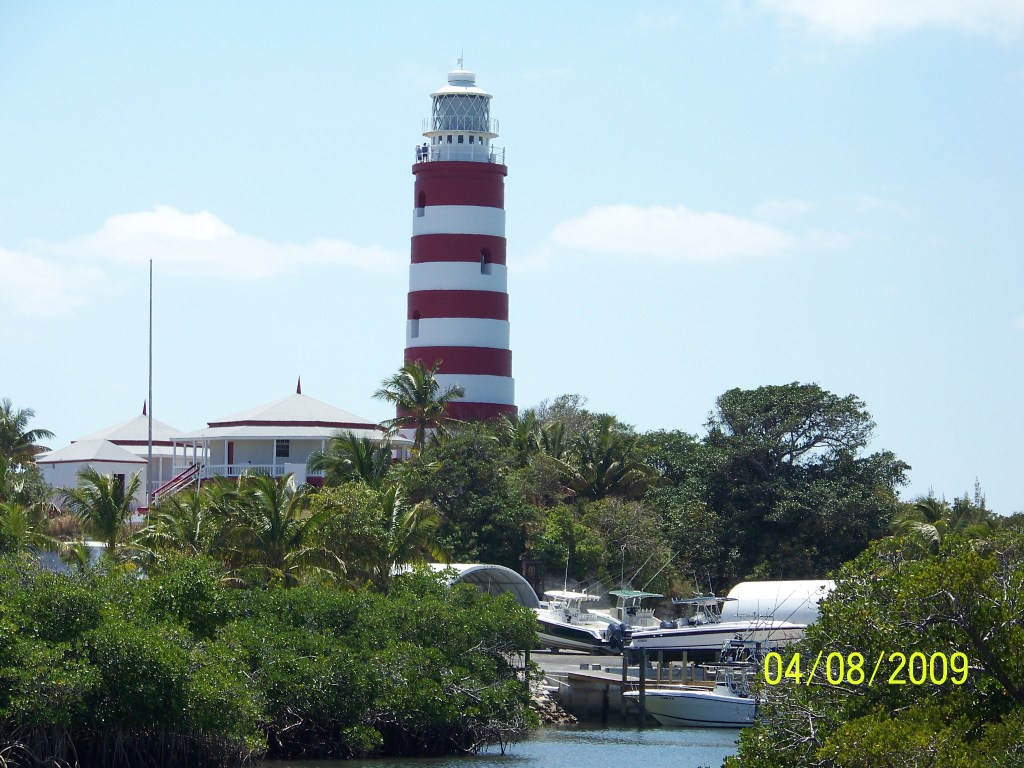
I understand the sun is shining once again in Marsh Harbour on Great Abaco Island, and that tiny Hope Town once again may live up to its name. I have not learned the fate of the red and white lighthouse that has stood there since 1862, one of the last kerosene-fueled, manually-operated navigational lighthouses in the world. I climbed to the top of it 10 years ago and savored the view surrounding Elbow Cay. I hope it will still be there if, and when, I am lucky enough to return.

Prime Minister Hubert Minnis expects the death toll to rise over the coming days, and notes that up to 60 percent of the homes in Marsh Harbour, the largest city in the area, have been destroyed. Airports are unusable and life will not return to “normal” for a long while, if ever.

And now, the massive, slow-moving hurricane has turned toward the Outer Banks along the eastern shore of the United States. We can only hope that residents heeded the calls to evacuate and that damage will not be as extensive as currently feared.

Just as a postscript, our return to Florida 10 years ago was delayed for three full days because of stormy weather. We were relatively comfortable at Old Bahama Bay Marina, surrounded by other mariners who also longed to set sail for other places. Finally, on April 15, we did just that. On the crossing, we were boarded by the U.S. Coast Guard; but that’s another story entirely.

The log notes:

“It was quite a crossing. After last night’s storm, it was a bit nervewrackng to check the weather forecast this morning and find that the prediction was for stronger winds from a different direction and more chop than we would have liked. But the weather is supposed to deteriorate again for the next several days, so we are taking our ‘window’ and leaving — as are most other boats, whether they’re heading east or west. We made the cabin secure and watched the power boat ahead of us bob and sway — and we followed.”

Our journey back to Florida spanned eight full hours, until we dropped anchor in the calm waters of Manatee Pocket in Stuart.

We remember it well.

Filling up on island time . . .

Note: A previous post, about a stopover in the Azores, was the first in a series of posts that chronicle a recent trip to Portugal, heavy on relaxation and good food, undertaken as a sort of “experiment” by two couples. As cousins, we have more than just family ties in common, but had no previous experience traveling together. It was a unique adventure.

We had embarked on the planning with gusto. We all agreed that daily schedules and strict timetables would not govern our trip. We would take the days as they came, giving in to whims, and choosing to explore both together and sometimes separately. We also agreed that picnics and snacking would be every bit as welcome as “reservations-only dinners,” and that off-the-beaten-path attractions held more appeal than guided tours or noted museums.

I hate to admit that our appetites guided our island activities, but that’s pretty much the truth of it. We heartily endorsed seaglass expeditions100_2530 on lonely beaches, long lunches with accompanying local beer or wine, and lazy afternoons with our books, sometimes interspersed with naps. Even though early dawn light was beautiful, we felt no compunction to be overly active early each morning.
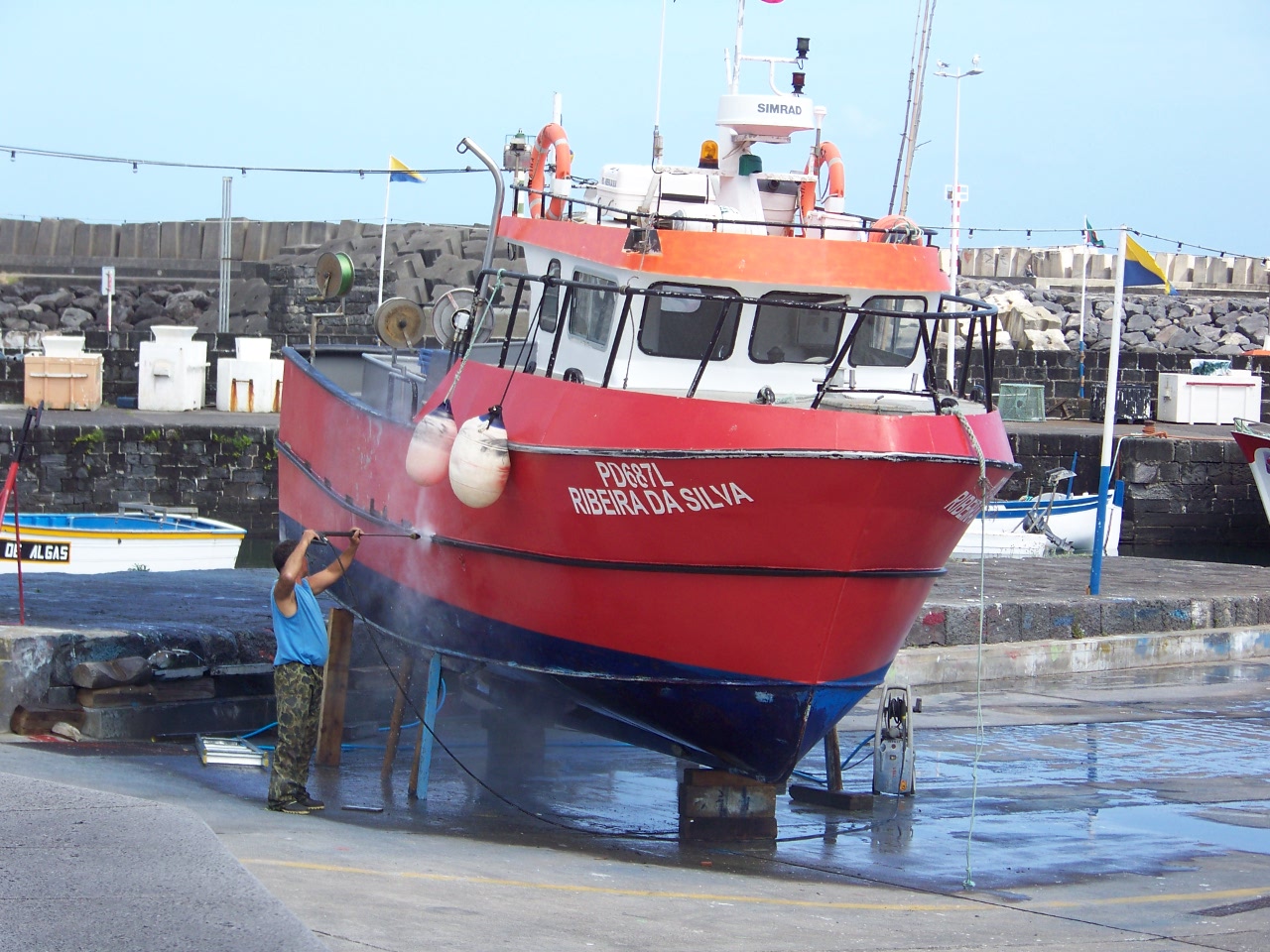
We overindulged in fresh fish and seafood prepared in traditional ways, and we sampled sardines, octopus, local mussels, sheep’s cheese, and plenty of olives. We did, unfortunately, miss the experience of eating cozido, a meat or chicken dish slow-cooked underground in the hot volcanic soil. And we did not venture a soak in the mineral-laden volcanic pools, although they are a highlight of the visit for many tourists to Sao Miguel Island.

The marina drew us . . .

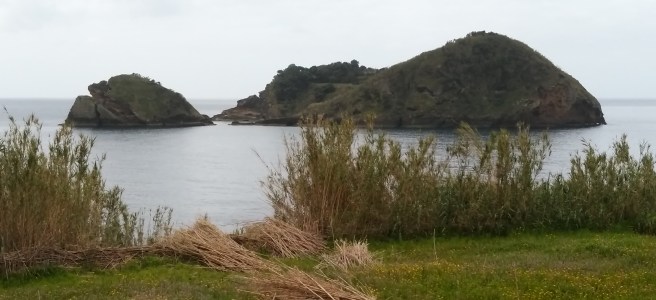
After spending a morning exploring the town, we were drawn by the water, and the prospect of having a view to accompany a light lunch. We were walking along the rocky shore in what will someday be a revamped marina district of Vila Franca do Campo. Deadlines seem both non-existent and unimportant on this island, so there are no signs proclaiming a targeted completion date. 100_2211

With a couple of eateries to choose from, we picked the one closer to the water, Atlantico Restaurante & Grill, and were ushered upstairs to a pleasant dining room with a stunning view. It was late by island standards, apparently; other diners were close to finishing their meals, but we were welcomed nonetheless by a server who smilingly said we had plenty of time. The kitchen would not close until 3 p.m.

And so our first encounter with Portuguese dining began:

First the obligatory sampling of bread, olives, cheese, and this time, paper-thin sliced ham and a tasty sweet jam. Our orders came and were consumed, along with a bottle of chilled white wine, and the minutes ticked by.


It was well after 3 p.m. when we finished, and we bade goodbye to Michael, our waiter, who had spent time in Chicago, as we recall, and spoke perfectly idiomatic English. He seemed not to mind being kept after “quitting time,” and actually invited us back for dinner, but then told us the restaurant would be closed for the next couple of days due to an annual — and, apparently, quite raucous — fisherman’s celebration. Indeed, while we ate, workers continued to decorate the street outside; we suspect it was quite a party!

Another day, we visited Mariserra, once again for a late lunch, in Sao Roque, nearer the large city of Ponta Delgada. We had yet another delicious taste of island life, this time highlighted by a shareable fish stew, served with pasta in a tomatoey sauce, as well as perfectly-prepared garlic shrimp (two orders) and flavorful mussels.


Crafting a memorable visit . . .

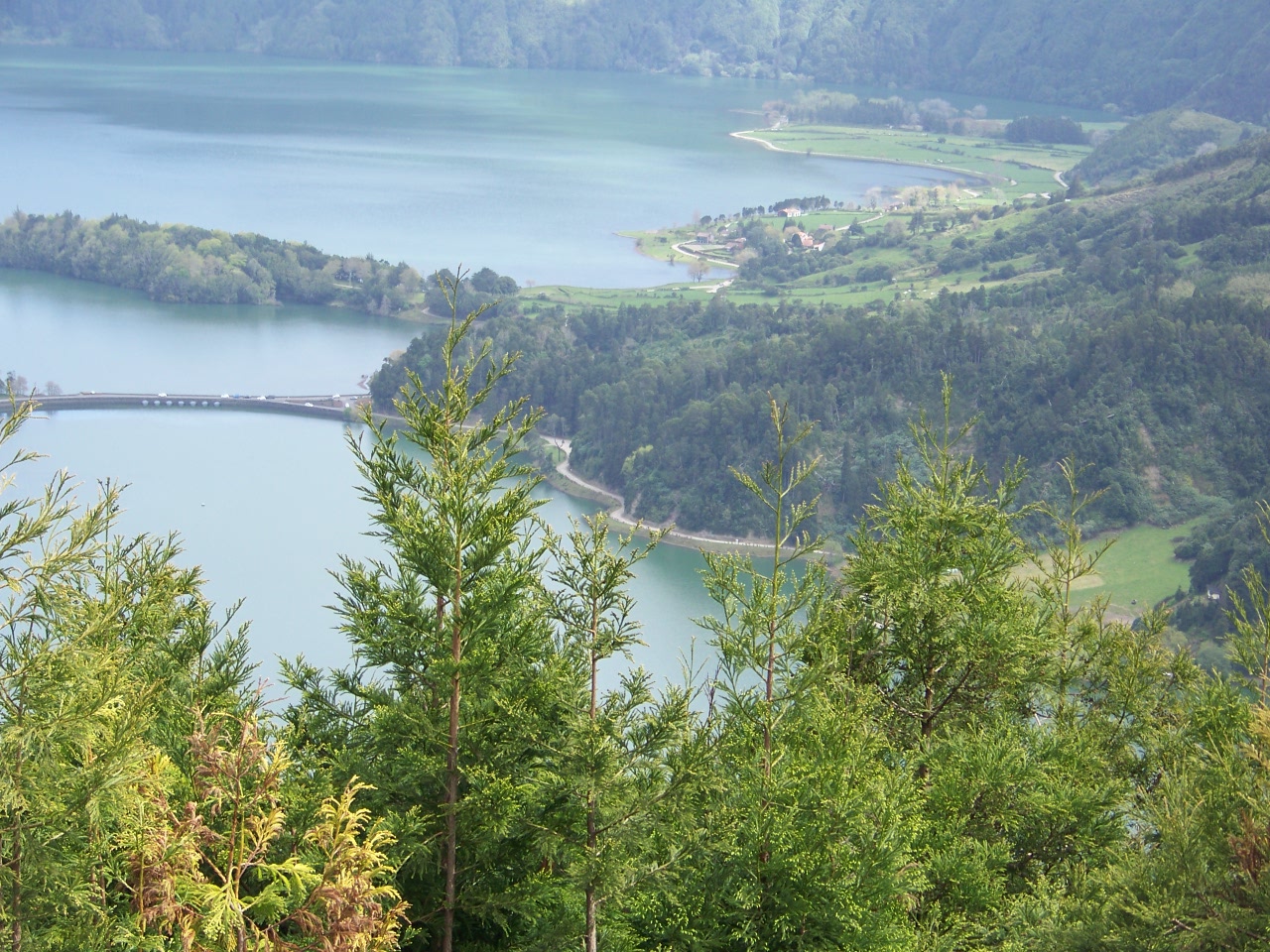
We kept busy, but we relaxed completely, interspersing long beach strolls and walks along cobblestone streets with short excursions to the market and a day trip to Sete Cidades at the far end of Sao Miquel Island. We drove winding switchbacks to the rim of the now quiet volcano, and marveled at the sight of twin pristine lakes, one blue, one green, that fill the caldera. There are numerous hiking trails, with plenty of scenic overlooks for photo ops. 100_2257

We acted as “traffic cops” when a mama duck and her brood strolled through a lakeside parking lot, and we stopped to gaze in awe at an abandoned structure. Now covered in graffiti and spreading greenery, it must have once been an architectural gem. We never learned its history.


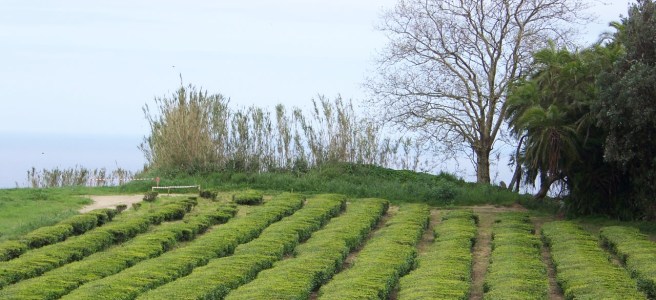
Another day we visited another shore, thoroughly enjoying a leisurely excursion to Cha Gorreana in Ribeira Grande. Family-owned and operated since 1883, the only surviving tea plantation in all of Europe is still farmed and harvested by time-honored methods, completely organic and pesticide-free. The tour and tea samples were free of charge, and we lingered at the site.


The story of how tea farming came to the Azores is fascinating, affirming that a volcanic island in the North Atlantic was a well-known destination to voyagers from the Orient and India, and by dealers in exotic spices and fruit, long before any of us might have guessed. Tea plantations arrived later, however. The tea harvest and processing is still done by hand, labor-intensive and a labor of love, as well as a booming business. Both black and green teas are wonderful.

A simple question . . .

“Meat or fish?” the proprietor asked, after he had brought our wine to a table perfectly situated near balcony windows, open just enough to let a light breeze waft through. 100_2440

We chose fish, but the meat platter served to nearby diners looked equally tempting.

We had stumbled, quite by accident, upon Fim de Seculo Restaurante in the heart of Maia, a coastal village not far from the tea plantation. We had hoped for a quiet late lunch in a cafe along the shore, but instead we found this charming upstairs dining room, accessed via the outdoor patio and ground floor bar, complete with blue and white tile murals, white linen tablecloths and a dark wooden staircase that has borne its share of footsteps over the years.


This was to be a leisurely lunch, punctuated with laughter, good wine and interesting conversation with the proprietor and his daughter, who, we learned, had just graduated with a degree in hospitality management. It ended on a sweet note: a platter of freshly-sliced Azorean pineapple, perfect in its simplicity.

We will not soon forget the experience, and we did not eat again that day!

Three days on this island only whetted our appetite. A twist of scheduling became a highlight of our trip. We boarded our flight to Lisbon with a twinge of regret, at the same time looking forward to a planned cork forest tour and some highly-anticipated beach time on the mainland, in addition to more good food in faraway places.

The Azores: Volcanic rocks in the pond

It was a spectacularly gentle touchdown on the runway that stretched along the coast of Sao Miguel Island. So smooth, in fact, that it prompted applause from the passengers as a slightly-longer-than-four-hour non-stop flight from Boston set us down on a small volcanic island in the Atlantic still about 900 miles from mainland Portugal.

It was also only 6:30 in the morning local time, and the island looked sleepy in the slightly drizzly dawn. We had boarded in Boston at 9:20 p.m. the preceding evening, thinking that we could get some sleep on the flight, but dinner service with complimentary wine and coffee, along with a growing sense of excitement, combined to keep us awake. Any nap would have been brief.

We looked forward to picking up our rental car and were hoping to enjoy a traditional Portuguese breakfast prior to making our way to the lodgings that were to be our home for the next three nights.

An unexpected greeting . . .

Our plane stopped on the tarmac some distance from the terminal. Surprised to realize that there would be no modern jet bridge, we gathered our belongings and deplaned down the aircraft stairs, walking through the drizzle to retrieve our checked luggage in the still quiet terminal building. Even customs and immigration officials seemed less than fully awake, but they obligingly stamped our passports as they welcomed us to their island home.

A row of smiling men with hand-lettered signs awaited our arrival, and our group was transported quickly and efficiently by mini-van to pick up our rental vehicle. Once there, we were offered a home-baked treat — a cross between pound cake and tasty breakfast bread. Our hopes for a nearby eatery and a hearty early-morning breakfast, however, were dashed.

Island life, it seems, does not begin early. And, by any reckoning, 7 a.m. in vacation land is early! However, other delights followed in quick succession as we were invited to follow the man who had greeted us at the airport. He willingly led us in his own vehicle to our reserved seaside villa, even transporting some of our luggage and waiting with us until someone with a key could be located. “No problem,” he insisted, “I live nearby.” We felt welcome and already “at home.” We were charmed by the accommodations, the lush landscape, the seaside view, an outdoor covered patio, and a resident rooster!

When Afonso Mela, who manages the family-owned property, arrived, he won us over by also bringing juice, milk, crackers and local beer along with iconic Portuguese WP_20190428_07_08_50_Pro (2)pasteis de nata to accompany our morning coffee. For the next two weeks, those custard treats would be a staple of our daily diet, for breakfast and at other times during the day.

Unfolding an adventure . . .

The four of us had picked Portugal as a vacation destination for a long-awaited “cousins trip” because neither couple had been there before. It was as simple as that; akin to the way we traveled in our younger days, choosing destinations by throwing darts at a map. We knew only that Portugal is still relatively inexpensive, and that English is widely spoken.

The reason for a stopover in the Azores was equally simple. It was a logistical solution to the dilemma of getting two couples, one from Texas and the other from Maine, to a destination half a world away at the same time. In checking flight schedules, we found that Azores Airlines allows a no-extra-charge stopover in the islands for travelers who book a flight from Boston to Lisbon. We couldn’t say no to that! Besides, we knew no one else who had previously visited the Azores.

About these islands . . .

It is said that each of the nine islands in the archipelago has a distinct personality, as well as the similarities of black volcanic stone, pleasant climate, hot springs, whales and dolphins in the surrounding waters, and no shortage of friendly people.

The Azores are part of an island group that stretches across about 370 miles in the North Atlantic. They have been known since the 14th Century and were depicted on early navigational charts, notably the Catalan Atlas, drawn in 1375.  Today, the Azores constitute an autonomous region of Portugal, as do several other island groups.

Life is lived simply on this island. Tourism is increasingly important to the economy; some major cruise lines have added calls at Ponta Delgada to their itineraries. Traffic is manageable, even in the largest city. Ubiquitous “roundabouts” regulate the flow of vehicles, rather than traffic lights. Driving the island’s highways and back roads, we never heard a horn; nor did we see an accident or encounter any speeding.

The architecture is unique. Black and white churches seem unlikely and jarring at first encounter, then beautifully appropriate. They are visible from far off in the craggy landscape, even on the slopes of steep hillsides. Every village has at least one, and they appear just waiting to be explored.

Apart from the churches and an occasional impressive municipal building, predominantly low-slung homes and buildings grace narrow streets. Some have colorful stucco walls and clay-tile roofs; others are white with simple metal roofing. Most homes and public spaces display colorful, lush flowers and gardens. Commercial buildings are typically functional and nondescript. Congregated in larger “warehouse-like” structures, “one-stop shopping” seems convenient and efficient for groceries and the basic needs of daily life, including clothing, electronics and banking.

A charming introduction to Portugal

Green hillsides, terraced and manicured, grace the landscape; the sea is everywhere close at hand, and there is an almost total lack of hustle and bustle.

The cadence of life is comfortable. People stop to chat along the streets, or sit on seaside walls and benches just to enjoy the sunshine and the sounds of crashing surf. Locals smile at strangers, and everyone we encountered was helpful, despite our trouble with pronunciation of Portuguese words. Diners linger over lunch, and waiters never present a bill unless asked for one. Restaurants close for the afternoon, reopening again around 7 p.m. for dinner. Getting around is easy, if confusing at times, but getting lost on a small island is almost impossible.

Three days on Sao Miguel were not only a suitable introduction to Portugal, but an open invitation to return. Because of the location along the Atlantic gulf stream, the climate is moderate, and Azorean vacations have been perennially popular with British and European vacationers. Although we did not see all that the island offers, we understand why travelers return again and again to savor island life.

The appeal extends beyond the natural beauty and the welcoming vibe. There is an ambience that exists only in rare places. We all felt privileged to enjoy a few days on this unique volcanic island. I, for one, would be happy to return to the Azores, and I heartily endorse the stopover offered by an accommodating airline.

Note: We arranged our stay at Casa da Cancela in Vila Franca do Campo on San Miguel Island through booking.com, and found the property to be exactly as described. Based on comments by other guests, it consistently lives up to its ratings, and we do not hesitate  to recommend it. Although I book lodging often with this company, I am in no way connected, nor do I receive consideration in any form from them, from the airline, or in any other manner for the mention. 

The travel bug and what to do about it

It’s a recurring malady. I take a trip and come home. It’s nice to be home. But then I see an ad, watch a movie, flip through my photos, talk to a friend, read a new travel blog, hear a newscast about lower air fares — and I’m off again, at least in my mind.

The planning begins anew, and I find myself putting together itineraries, daydreaming about places, reading up on cultures, sampling recipes — all those things that make planning a trip so much fun.

Invariably, I book another trip.

On the spur of the moment . . .

This is by way of saying that we were recently off again — my husband and I — this time on a short trip, but one that took us — for the briefest of stays — to a place we’ve been wanting to visit for some time now: Havana, Cuba.

It was a last-minute excursion, another “too-good-to-resist” deal, this time for a five-day cruise aboard Royal Caribbean’s Majesty of the Seas, booked scarcely 30 days in advance.  It took only a glance at each other and a quick nod to make the final arrangements. It’s all about spontaneity, after all, isn’t it?

And this time, that happened, including a low introductory fare offered by Sun Country Airlines for new DFW-Tampa service. After flying with them on this inaugural route, we hope they like DFW as much as we like them; we were pleased by more than just the low fares, and would certainly consider flying with this Minneapolis-based airline to other sunny destinations!

When the details fall easily into place, it seems like destiny.

Details and more details

A visa is required for travel to Cuba, at a fee, of course. Forms stating the purpose of the trip must be filled out in duplicate by each person; approved categories of travel include “Support for the Cuban People” cultural exchange tours.

Last year, it was possible to qualify under a “People to People”category and simply spend time walking the streets of Havana, enchanted by old cars, local rum and cigars, music and dancing, dining out or searching for evidence of Ernest Hemingway.

Not so anymore.

Today, once again, visitors must participate in some sort of organized tour or program, or make arrangements before leaving home for well-choreographed and documented personal encounters with Cuban citizens. Records — including a daily journal — are to be kept for a period of five years, and there are restrictions, both on how and where Americans go and how they spend their money.

Reliable sources say that there is little chance of being checked, but the requirements are in place, and could be enforced. Still, in 2017, more than 600,000 Americans visited this island nation that has been essentially off limits since 1960. And 2018 promises to attract even more Americans, now that’s it’s possible to fly via scheduled airline directly from the United States to Havana.

U.S. government rules pertaining to Cuba travel are fluid. They were altered more than once even as the Obama administration first made it easier, then once again imposed additional restrictions on individual travel. Today it’s still impossible to go as a casual tourist, but it is relatively easy to book a flight or to arrive via cruise ship. American credit cards, with some exceptions, do not work, and currency must be exchanged for the local equivalent of the dollar, the CUC. Cubans still use the Peso, and the dual monetary system can be confusing.

It’s not as easy as crossing the border to either Canada or Mexico. But  the impediments did not dampen my enthusiasm.

Havana — Street Food and Vintage Cars

Planning for the journey could not have been more fun. We made contact with fellow travelers via the internet, and even booked a street food tour with another couple, along with their teenage daughter and Spanish exchange student. What fun to think about “fast food” in Havana!

The trip itinerary includes Key West, a much-loved destination since our days aboard our own cruising yacht. Returning to a well-known old eatery for a leisurely “back home” breakfast, snacking on conch fritters at a familiar beach bar and listening to a local musician at another casual waterside cafe are good enough reason to look forward to a quick stop in a favorite city.

A stroll to the “Southernmost Point” seemed in order to remember the times we previously posed there, looking towards Cuba and anticipating the day we could depart under our own power for the quick crossing. Traversing the 90 miles to dock in Havana would have been easy. Sadly, it was not to be.

This time, Key West was to become the jumping off point to Havana adventure, but with a big ship to take us there.

We were eager to experience it all!

A total of 12 hours in a foreign country might not be everyone’s cup of tea, but this trip seemed to offer a perfect sampler — the best possible way to evaluate if, how and when we would return. Or, alternatively, to conclude that a single sip is enough, and then to turn our sights toward other shores and begin planning for other trips. Either way, I knew from the beginning that the trip would hold some special memories and result in plenty of stories to tell.

Read my initial impressions of Cuba in The After Story on Sunday, October 28.