A Taste of Uruguay

Uruguay was not on my list of must-visit destinations. In truth, I had not given more than a passing thought to a scheduled port call in Montevideo. The cruise was a South American adventure that included a visit to the Antarctic Peninsula, and it had been in the planning states for three years, since before COVID. I had had plenty of time to research Chile and Argentina — Santiago and Buenos Aires were the beginning and endpoints of the cruise, and my spouse and I planned to spend a few days in each city, in addition to the 16 days we were scheduled to be aboard the Sapphire Princess.

But Montevideo had not been in our sights during the planning stages. Actually, I must confess that we had to look up the proper pronunciations of both the country’s name and the city! We knew virtually nothing about Uruguay, and our time in Montevideo would be limited. Although it was tempting to simply spend our shore time at a nearby beach, we booked a half-day excursion for a wine-tasting event at a well-known Bodega not far from the city. That allowed us a couple of hours to explore the city, as well as a glimpse of the nearby countryside.

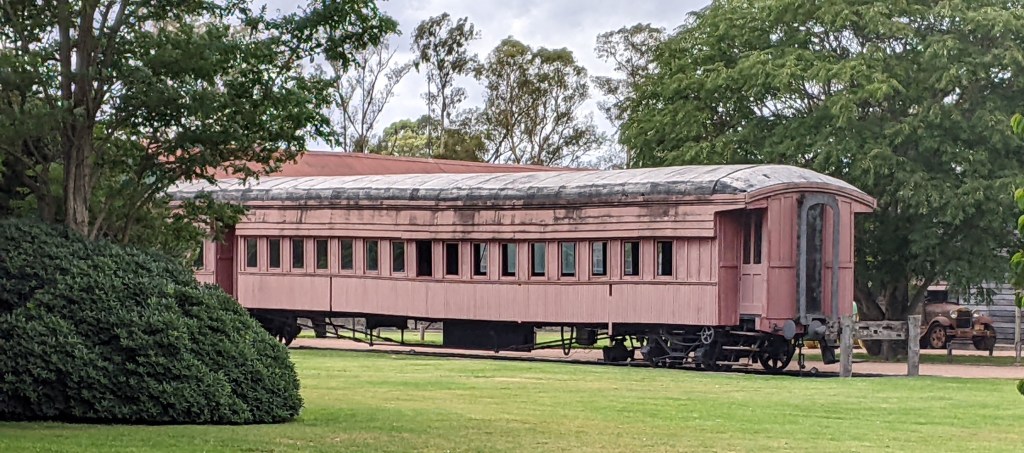
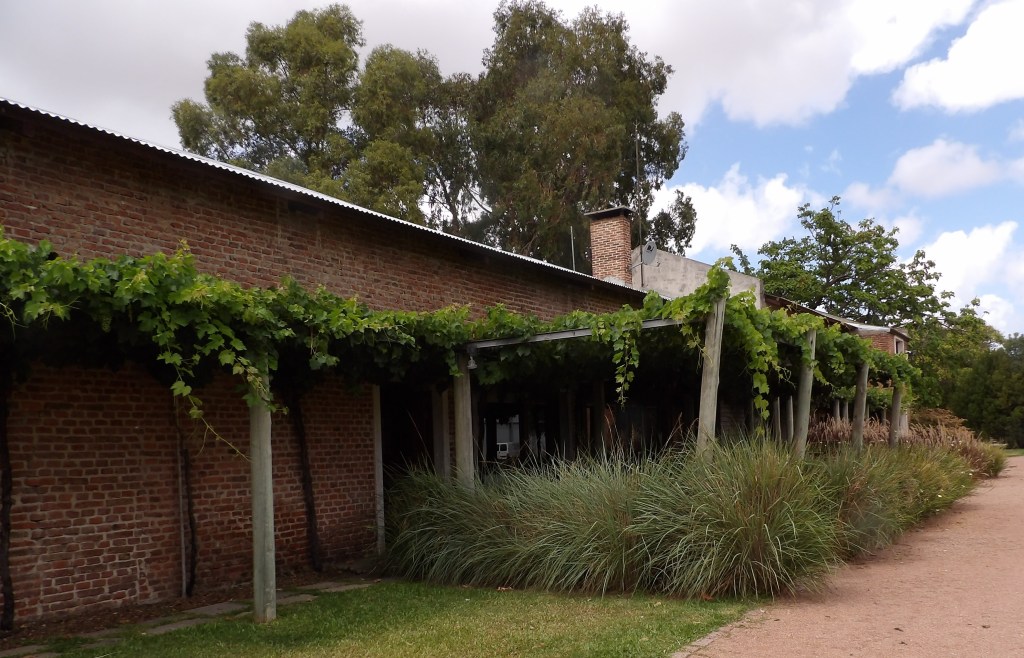
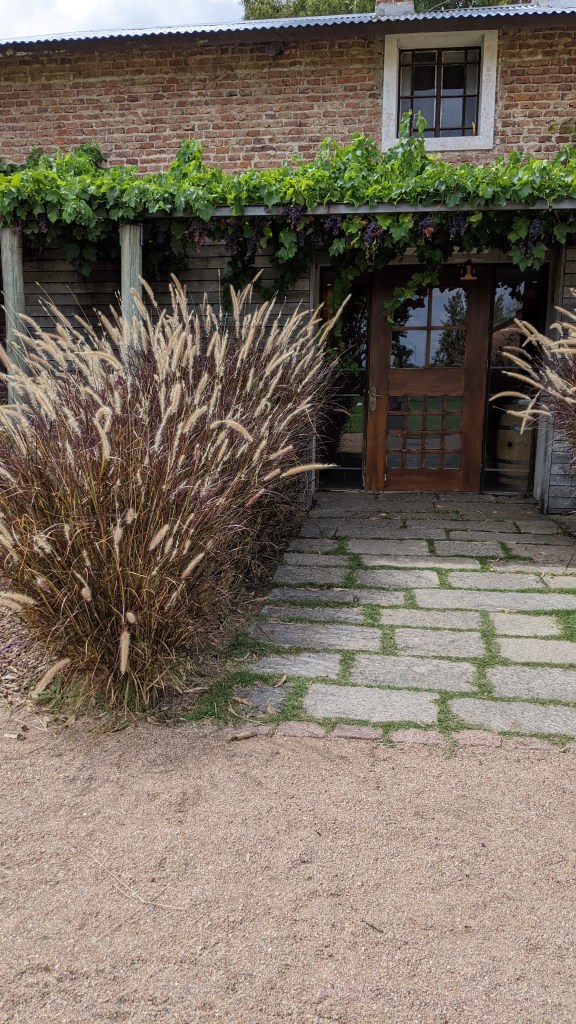
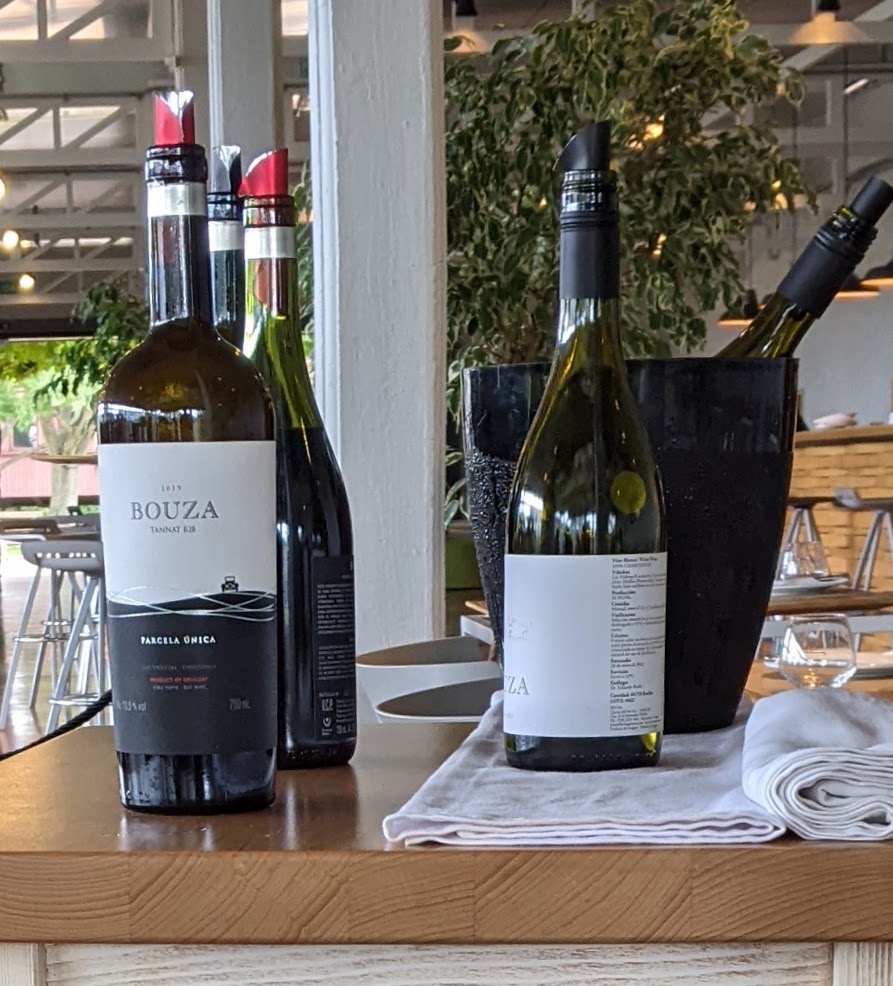
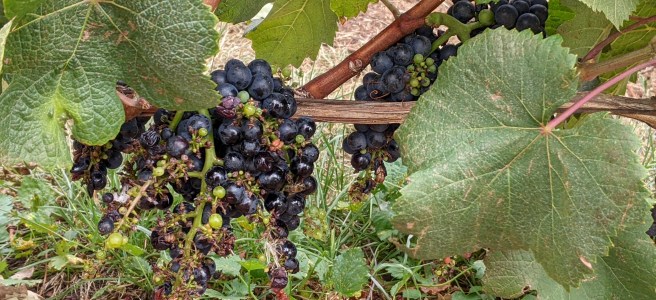
Our only regret is that we didn’t have ample time to enjoy dinner at Bodega Bouza as well. The winery occupies idyllic grounds only about a 25-minute drive from the heart of the city. We were enthralled by the mix of historic buildings, manicured lawn, healthy vineyards, and resident geese, peacocks, and cats. In addition, there is an old rail car, vintage farm equipment, lush landscaping, and several outbuildings, including an impressive modern dining hall.

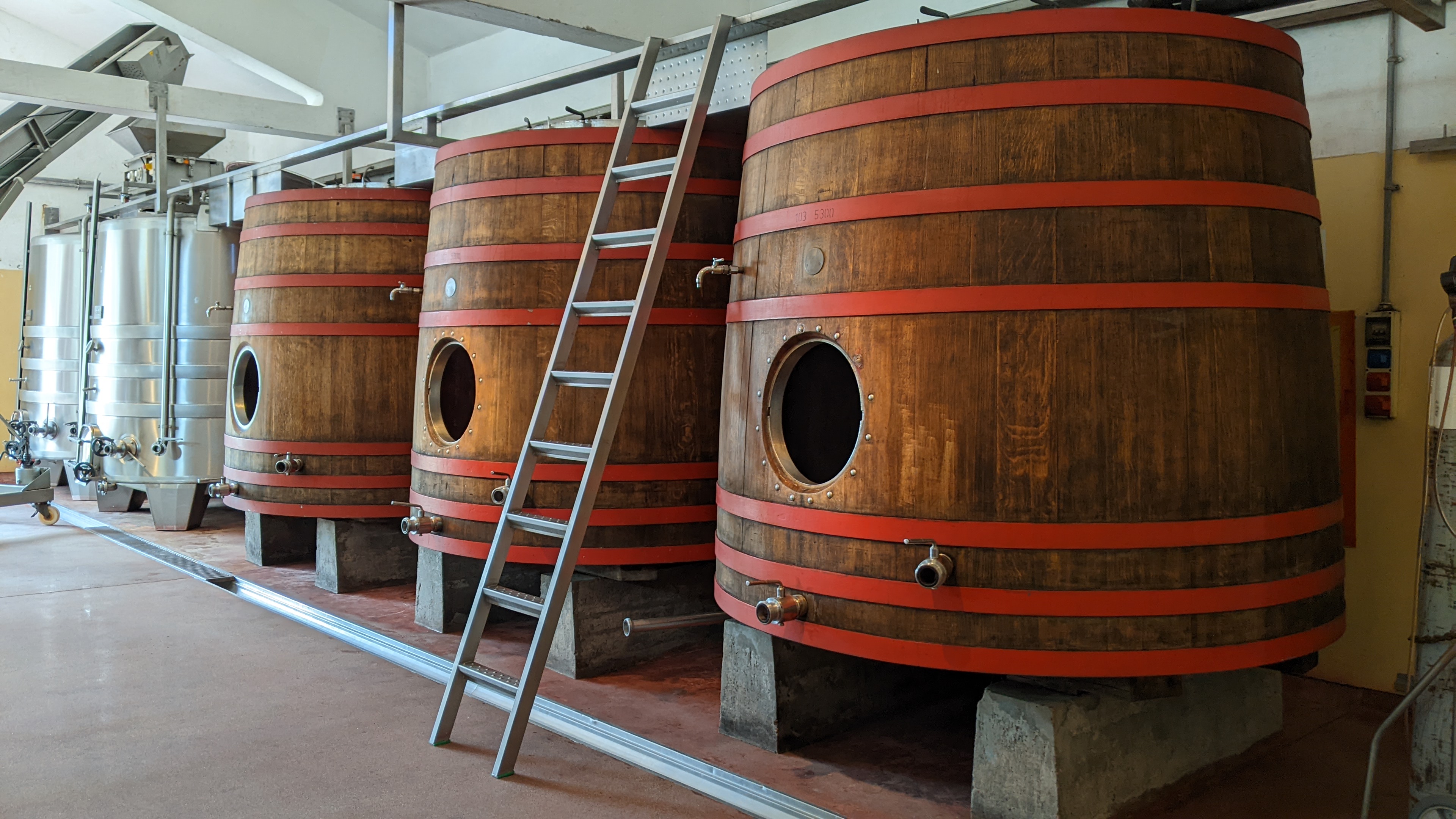
Our tour of the vineyard was interesting, and a subsequent visit to the state-of-the-art processing, aging and bottling facility, including a visit to the climate-controlled cellar, was informative and worthwhile.
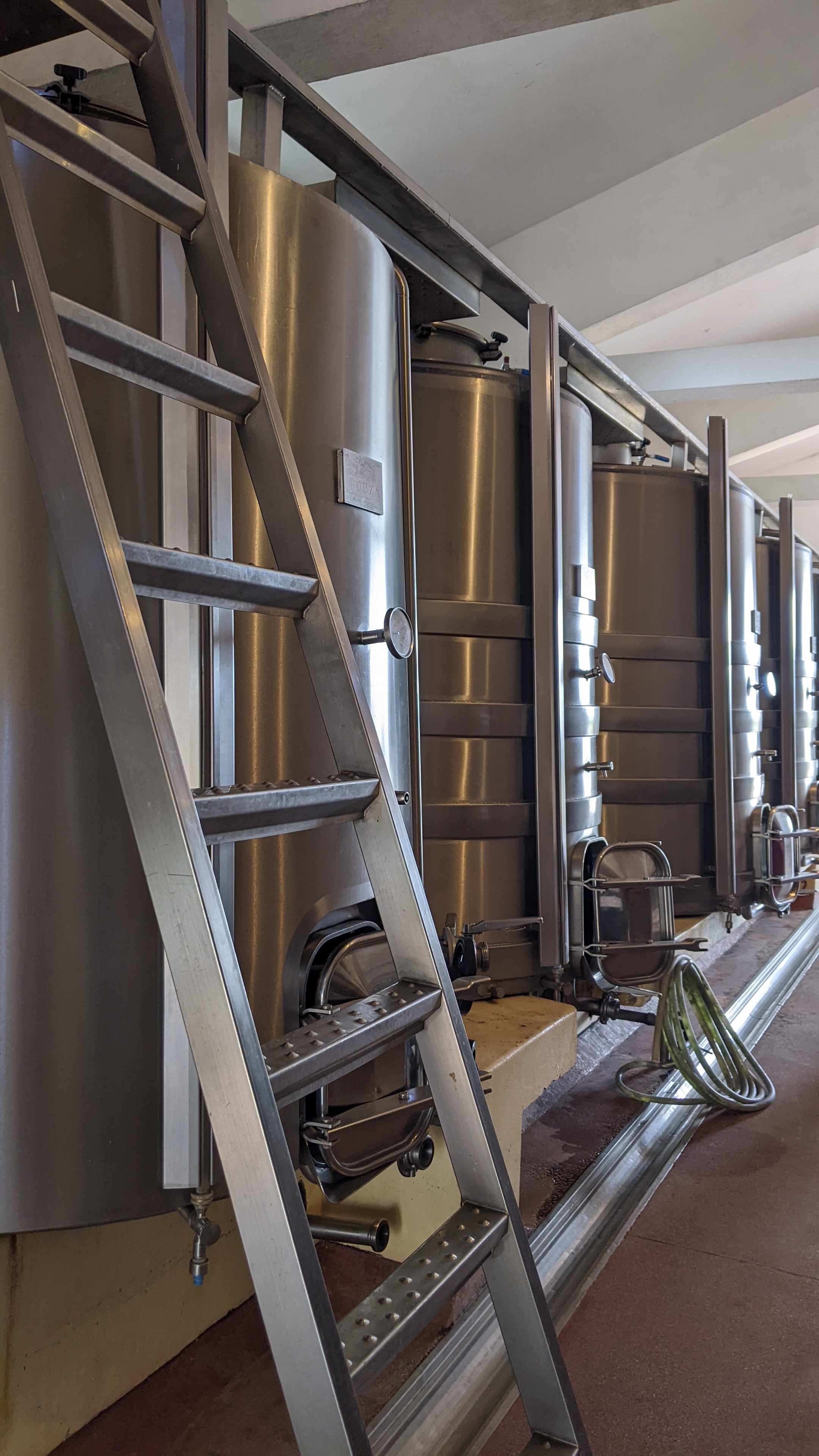
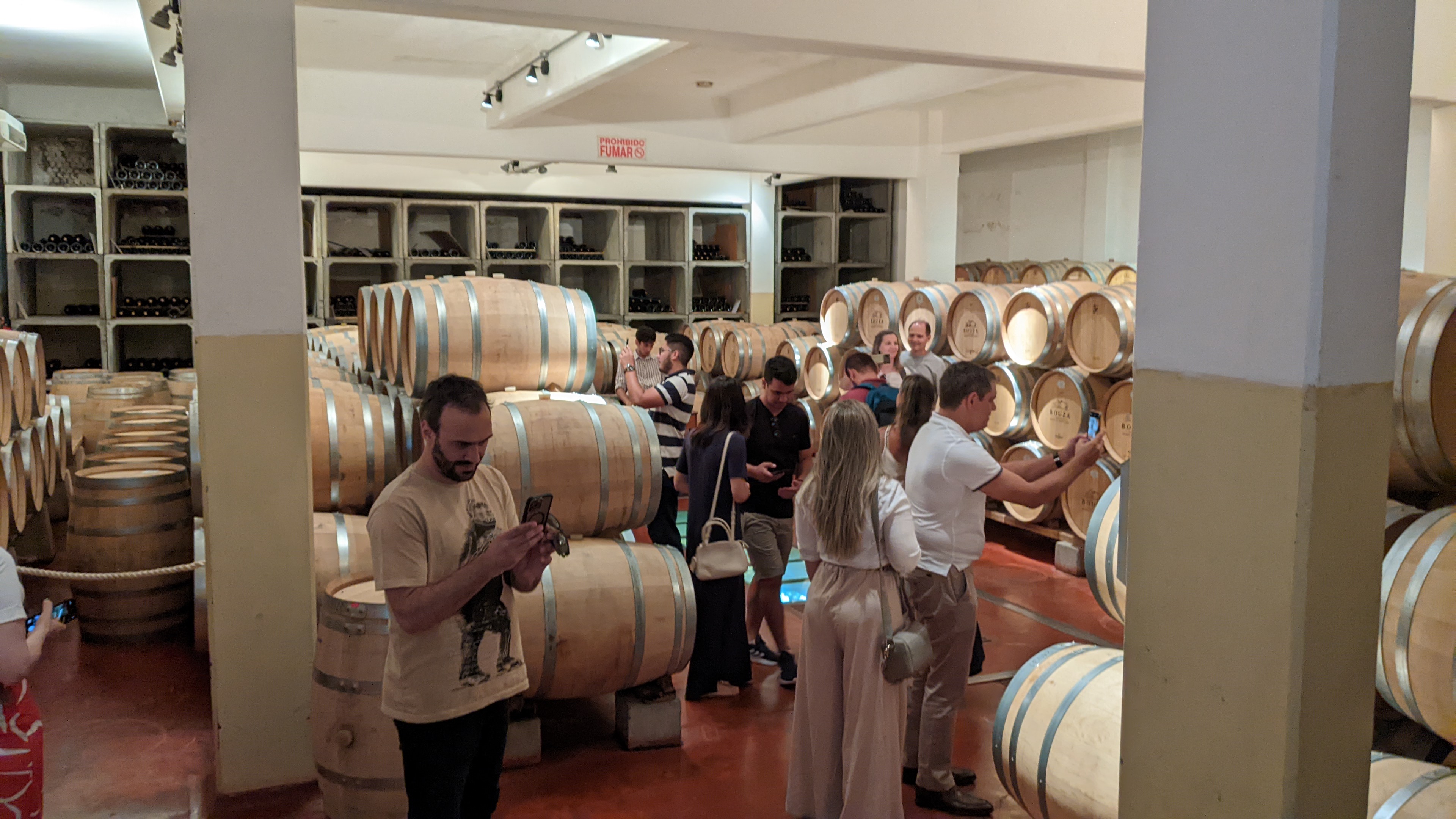
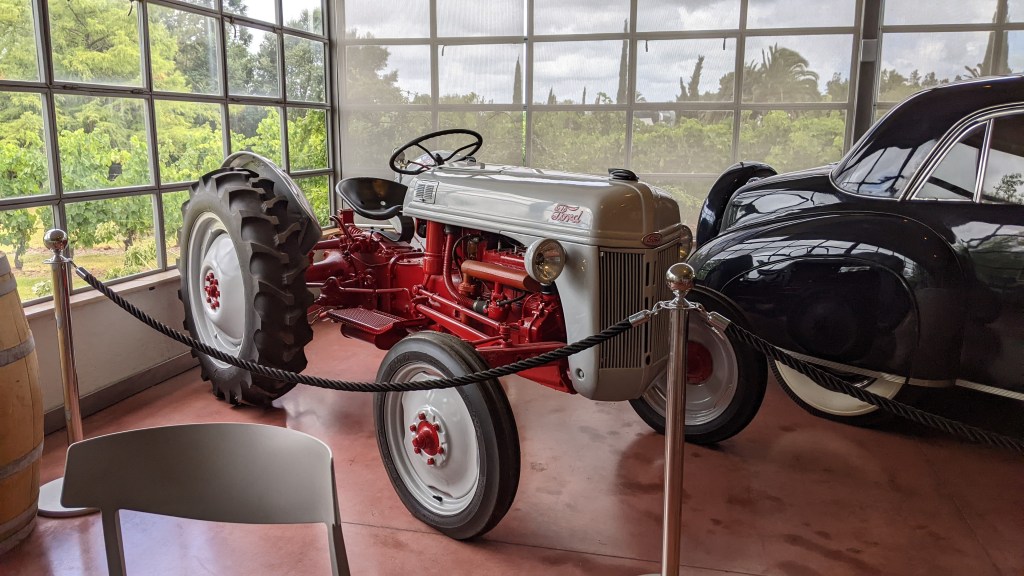
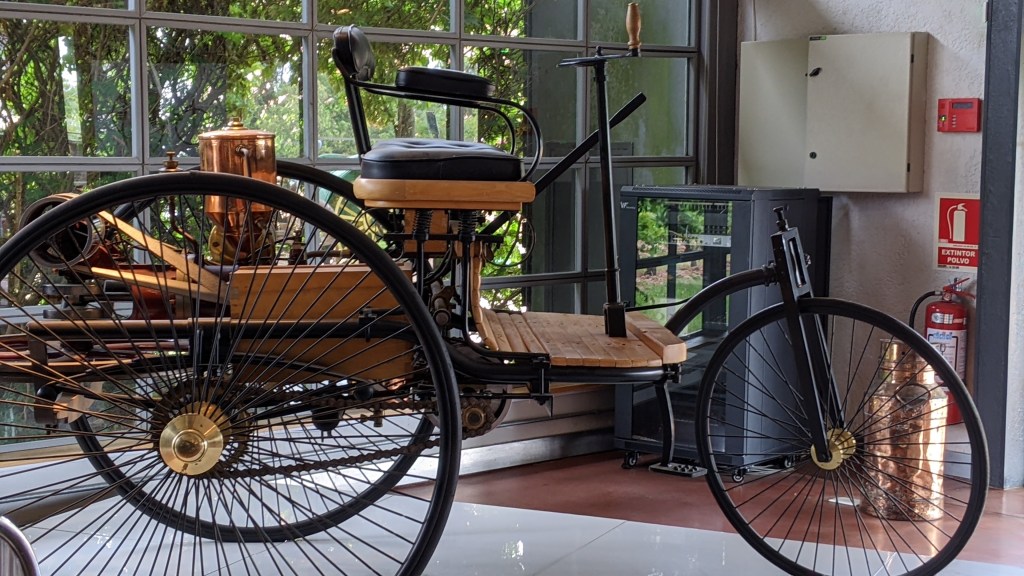
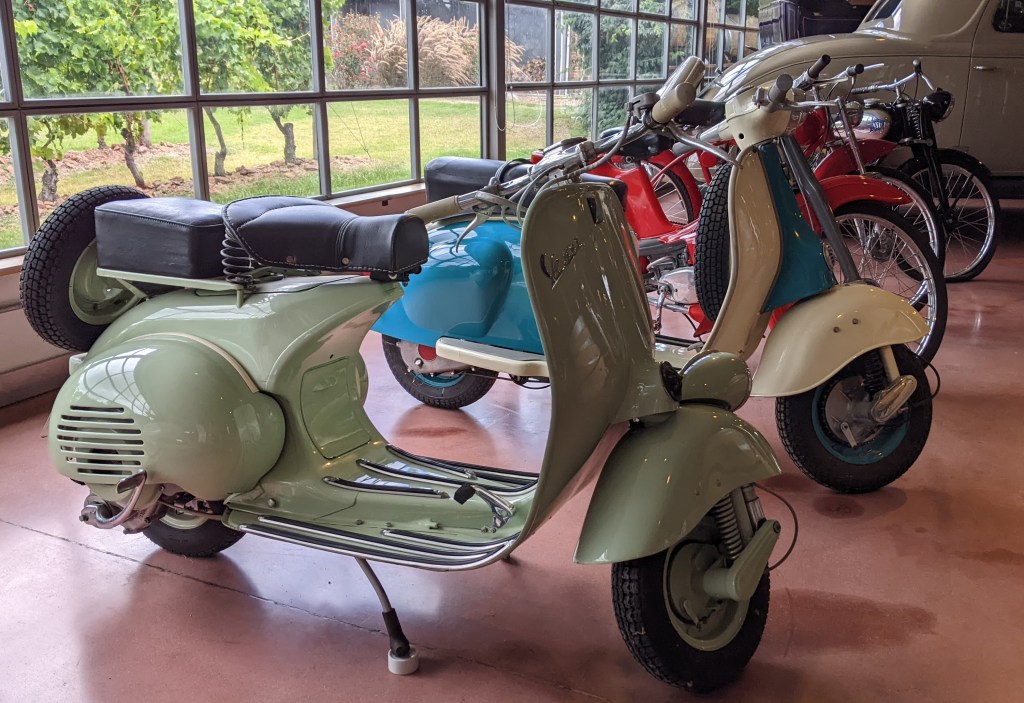
Bodega Bouza, situated in the northwest section of Montevideo, is surrounded by the five-hectare Melilla Vineyard, and was established by Juan and Elisa Bouza between 1999 and 2001 as a family-owned enterprise. The casual, light-filled tasting room — Bouza Vinos Garage — offers tables and chairs surrounded by the family’s collection of classic vehicles. There are work vehicles, classic motorbikes, and antique automobiles, in addition to highly unusual commercial machinery and delivery wagons. Vintage automotive buffs might enjoy the cars as much as the wine!

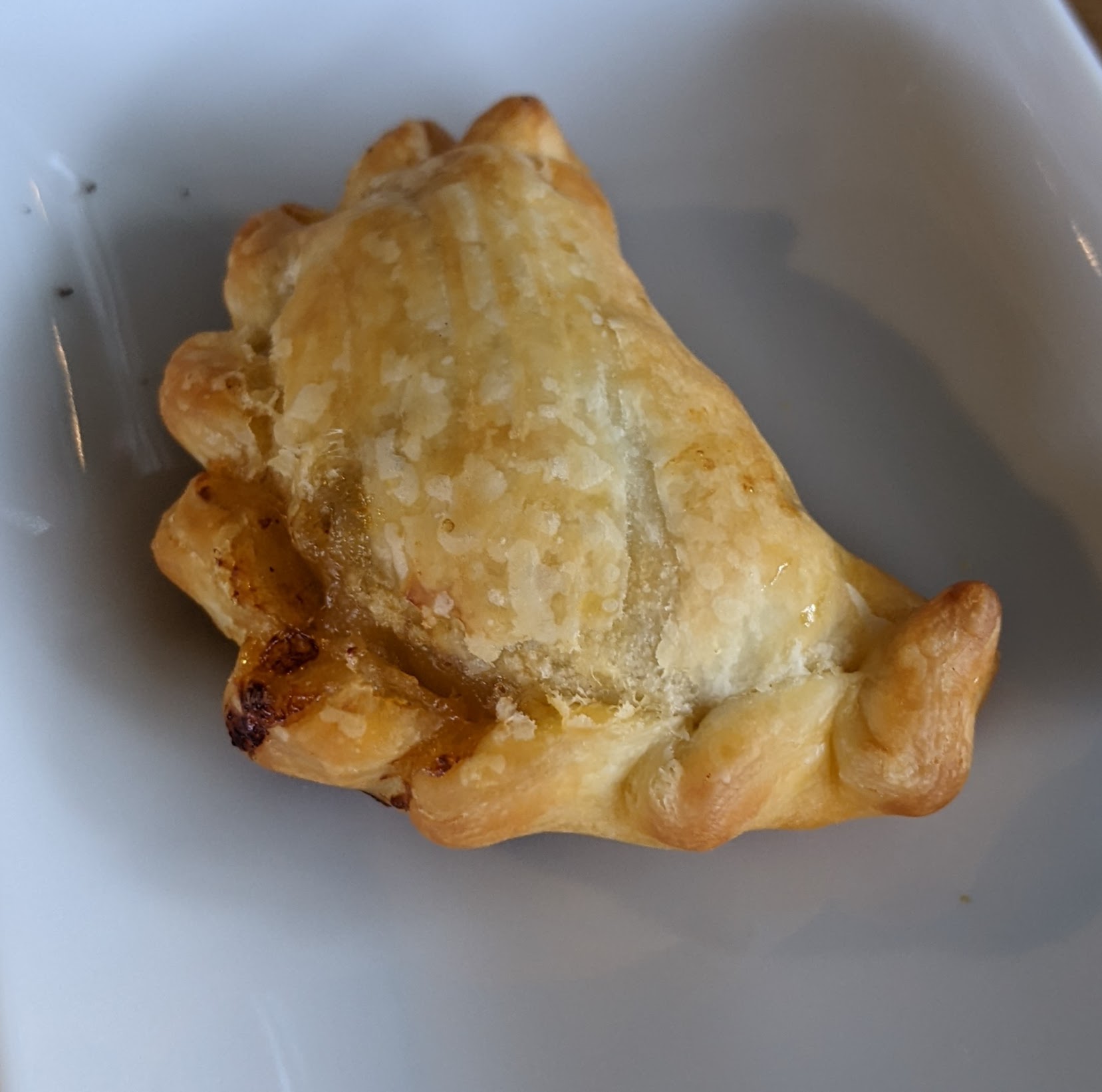
Tables in the garage are elegantly set with glasses for sampling one white wine and three red wines. The tasting itself was perfectly choreographed, with an introduction to each variety of wine offered, and tapas were chosen to enhance the flavor of each wine. We were served miniature beef empanadas to accompany the full-bodied specialty red that Bouza is known for. It was a treat to enjoy our wine tasting in such a setting.

We were intrigued by this opportunity to sample wine produced from the Tannat grape, and pleasantly surprised by how much we liked this deep garnet, somewhat “heavy” red wine. Sometimes known as Uruguay’s national grape, most experts believe it originated in the Basque region of France. It was brought to Ecuador in 1870 by a Basque immigrant, and the vines flourished there. Today, this grape accounts for approximately one-third of total Uruguayan wine production. It is often blended with other grapes, Cabernet Sauvignon, for example, Pinot Noir, and others to produce lighter, less intense sipping wines.
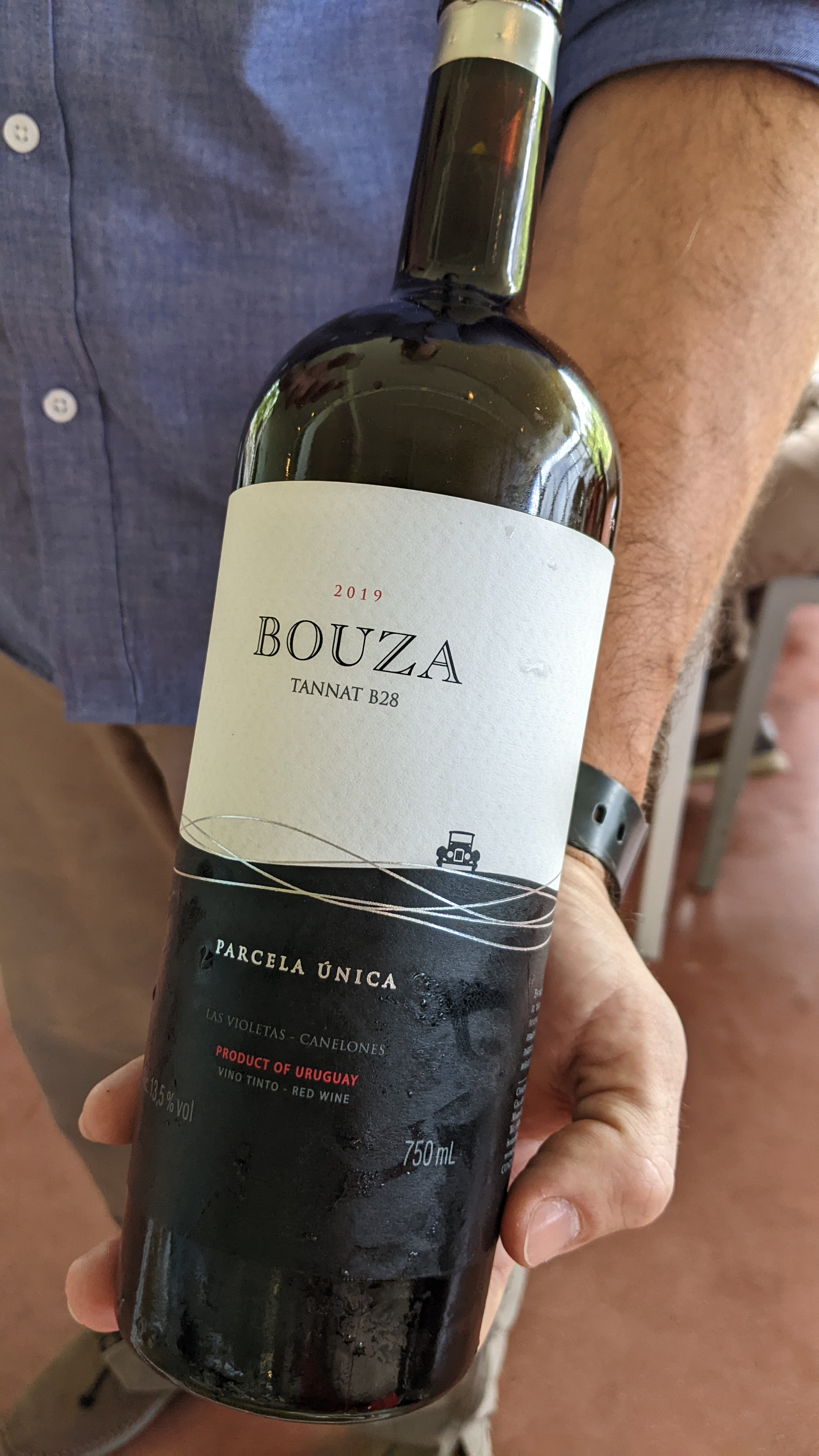
Some people find the full-bodied, dry red too acidic for their taste. However, it has attracted new fans who appreciate its earthy flavor, complex fruitiness, and distinctive dark appearance. Interestingly, Tannat grapes have five seeds, compared with only two or three found in other red wine grapes. The additional seeds, when crushed, boost the concentration of antioxidants in the resulting wine. Ongoing research confirms that Tannat wines have significantly higher antioxident properties than other reds. So, If you need excuse to try it, this just might be it!

We needed no excuse to savor this distinctive, dry, dark, fruity wine. We found it to be smooth and exceptionally enjoyable, not that the other varieties we were served weren’t equally delightful! We were offered one white and three reds, each distinctive and served with complimentary small bites. During the course of our tour and tasting, we had an opportunity to meet and talk with participants from Uruguay and from neighboring Argentina and Brazil. As the lone Americans, that proved to be a cultural highlight. So much so that, because we had some time to spare, we shared a bottle of Bouza’s Tannat with another couple, confident that we had a driver who could get us back to our ship on time!

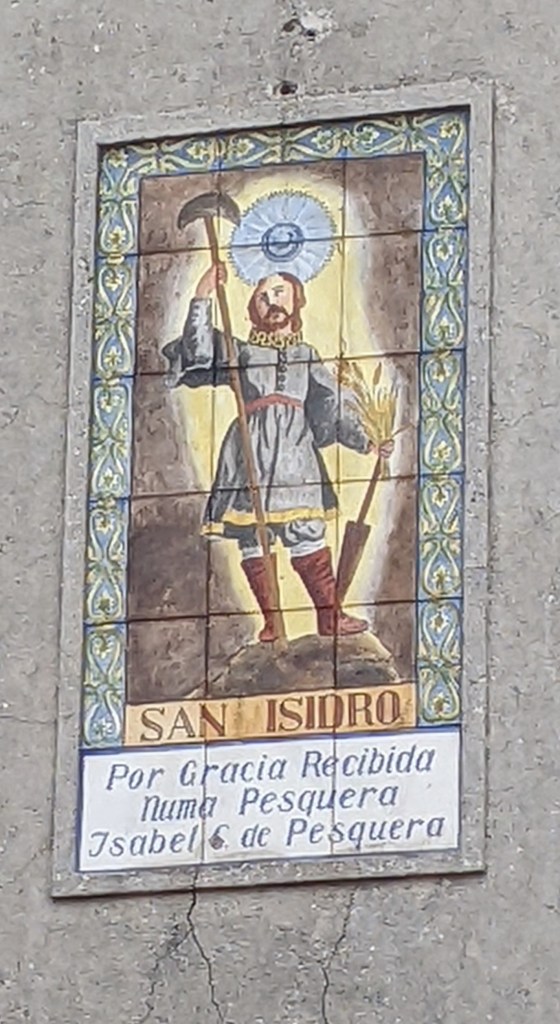
The historic winery that is the heart of Bodega Bouza was built in 1942 by Numa Pesquera. The winery has now been expanded to include a total of five separate vineyards. Tannat and Merlot grapes are grown at all locations, and Bouza has become renowned for its Tannat wines. Because of the family’s Spanish heritage, they were the first to introduce Albarino grapes to Uruguay and today they also produce Tempranillo wines. In addition, they produce Merlot and Pinot Noir. Bouza Whites include Albarino, Chardonnay, Semillon, and Riesling.

The other Bouza vineyards are located in Las Violetas, Canelones (the first acquired by the family), and in Maldonado, where their Paz de Azucar and Las Espinas vineyards are located. More recently, Bouza acquired the Canelon Chico vineyard in Canelones, once owned by their winemaker, Eduardo Boido.

We had a wonderful time at Bodega Bouza, and highly recommend this excursion if you find yourself in Montevideo, Uruguay. We would not hesitate to return, but would try to schedule time to include a meal there next time.

Now we are on a quest to find Tannit wine at home here in Arkansas. Hopefully, it will be Bouza!

Great Portugal Excursions: Tour a Cork Forest

Even though five generations of his family have held title to the land that claimed Phillip Mellon’s heart, his own journey to living on that land was circuitous. The attachment, though, is obvious and strong.

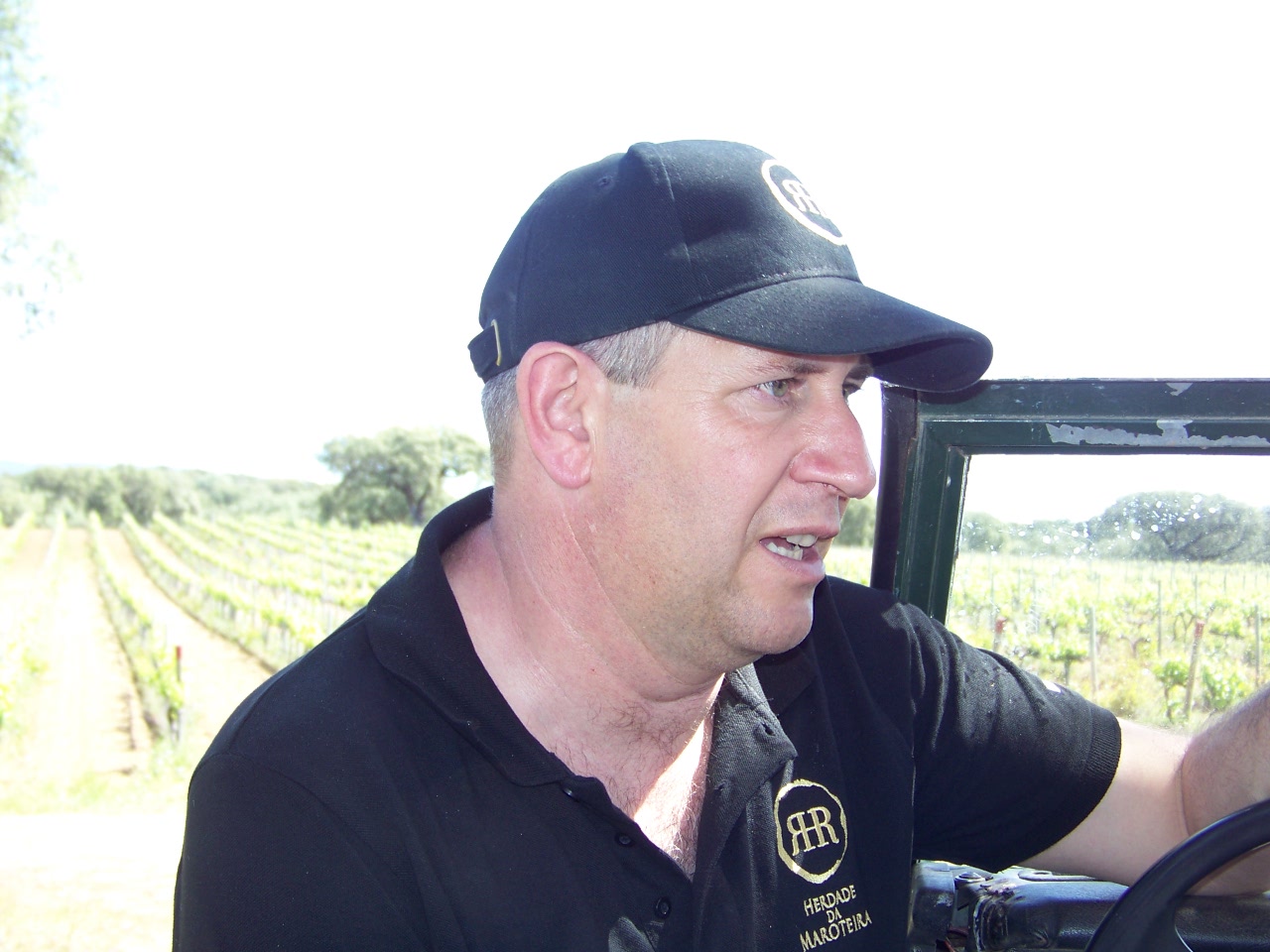
On a two-and-a-half-hour classic Jeep safari of the 540-hectare (more than 1,300 acres) Portuguese farm that he occupies with his wife and two young boys, he recounted the story of how his passionate love for the land unfolded. He admits that he is the first of his family to actually live on and work the land. His forebears, he explains, were “gentleman farmers” who held the property as a sort of vacation retreat from life in the city and other professional pursuits, hiring caretakers to tend the cork oaks, supervise the harvest and care for grazing animals.

Learning from the Land

During the tour, Mellon tells of the farm’s history, how it was that he found his way home, literally, to build a new life on his land, and of his hopes for the future. It’s a fascinating story of adaptive land use, and a continuing effort to build reality from a dream.

Phillip Mellon is a totally modern man, with deep Portuguese roots and ties to the culture. He was reared in the city, near Lisbon and the sea, but he says his happiest times were the school vacations and summers he spent at the farm in the country’s Alentejo region.

Mellon’s father, an attorney, still lives in the city, as do his siblings. Phillip himself had no early intentions of becoming a farmer. He was educated in England, then lived and worked both in Australia and Canada before finally returning to Portugal to settle on the family land. Noting that he really knew little about farming at the time, he has seized on opportunities as they presented themselves, learning by doing, and not averse to trying out new ventures.

In the year 2000, he embraced the idea of planting grapevines; today the vineyards produce award-winning wines. He says, laughingly, that he is a bit undisciplined in his pursuits.

Cork: A Major Industry

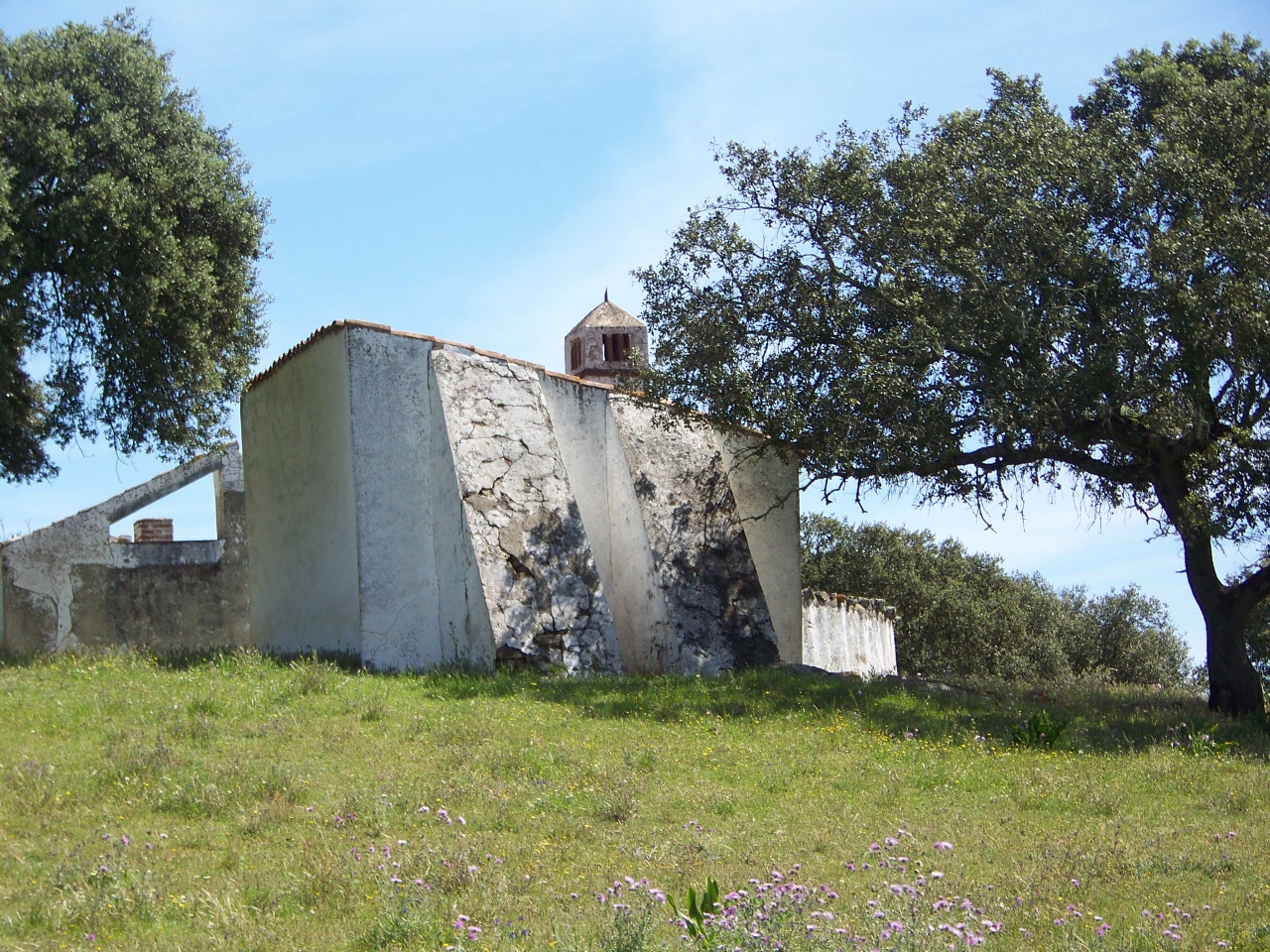
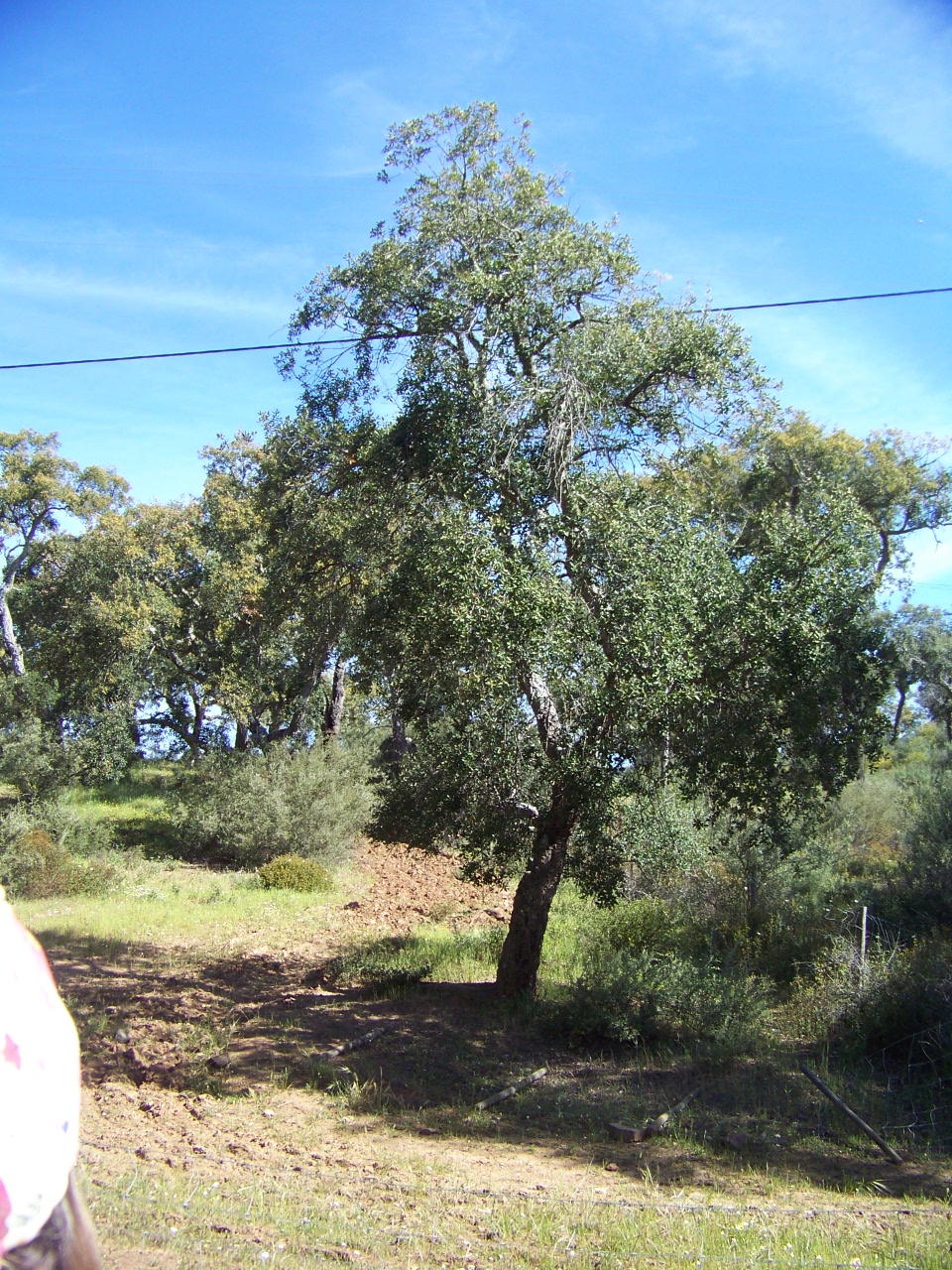
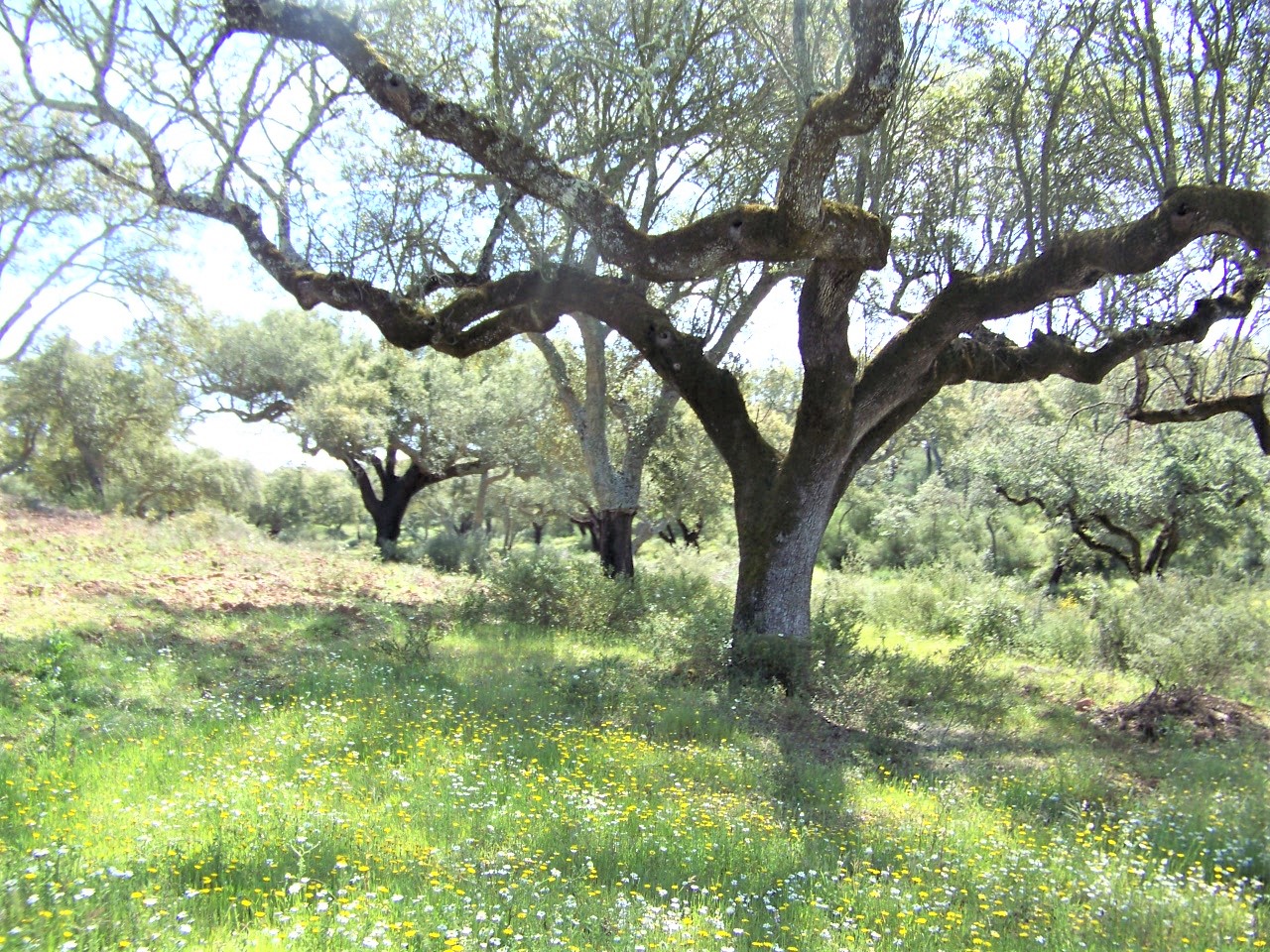
Driving east from Lisbon, we did not at first know what to expect. The scenery is dramatically beautiful, pastoral and calm, with scattered small towns punctuating the green hills. Large trees became more common, but we did not immediately recognize them as cork oaks, until we spotted large stacks of bark drying in the sun.

Luckily, our rental car had a superb navigational system; we were to meet our guide “in front of the museum in Redondo.” After only a few wrong turns and some good-natured advice from local residents, we arrived right on time, met Jose Inverno and our tour-mates, and were escorted to the farm for a sip of strong espresso in the sunny courtyard of the main farmhouse.

The surrounding forests in the Alentejo region and further south in Algarve province have been producing Portugal’s noted cork for centuries. The story of cork is a fascinating one. Portugal is the world’s major supplier, now accounting for approximately one half of the annual global harvest. A tree must be at least 20 years old, often much older, before it can first be harvested. It is said that the best bottle corks come from trees at least 50 years old. Then, by law, the bark of a cork oak may be stripped only every nine years. At this farm, Herdade da Maroteira, the rotation is once every 11 years. It is not a pursuit for the impatient!

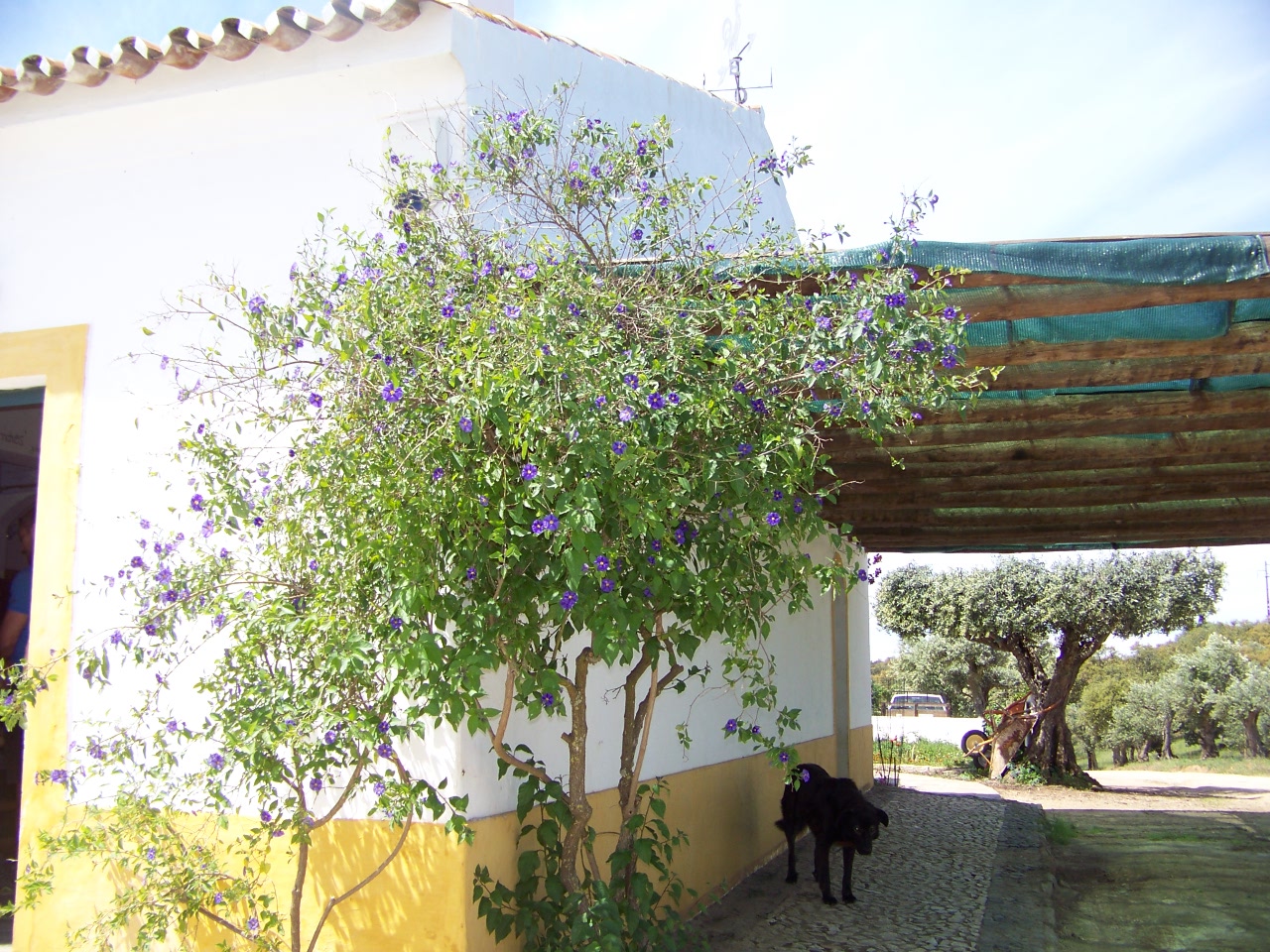
Today, Mellon not only supervises the annual cork harvest, but is also planting new grape varietals. The farm offers informational walking treks and motorized tours through a subsidiary company managed by Jose Inverno, and has recently ventured into agri-tourism, with simple, but charming, accommodations available by the night or for an extended stay.

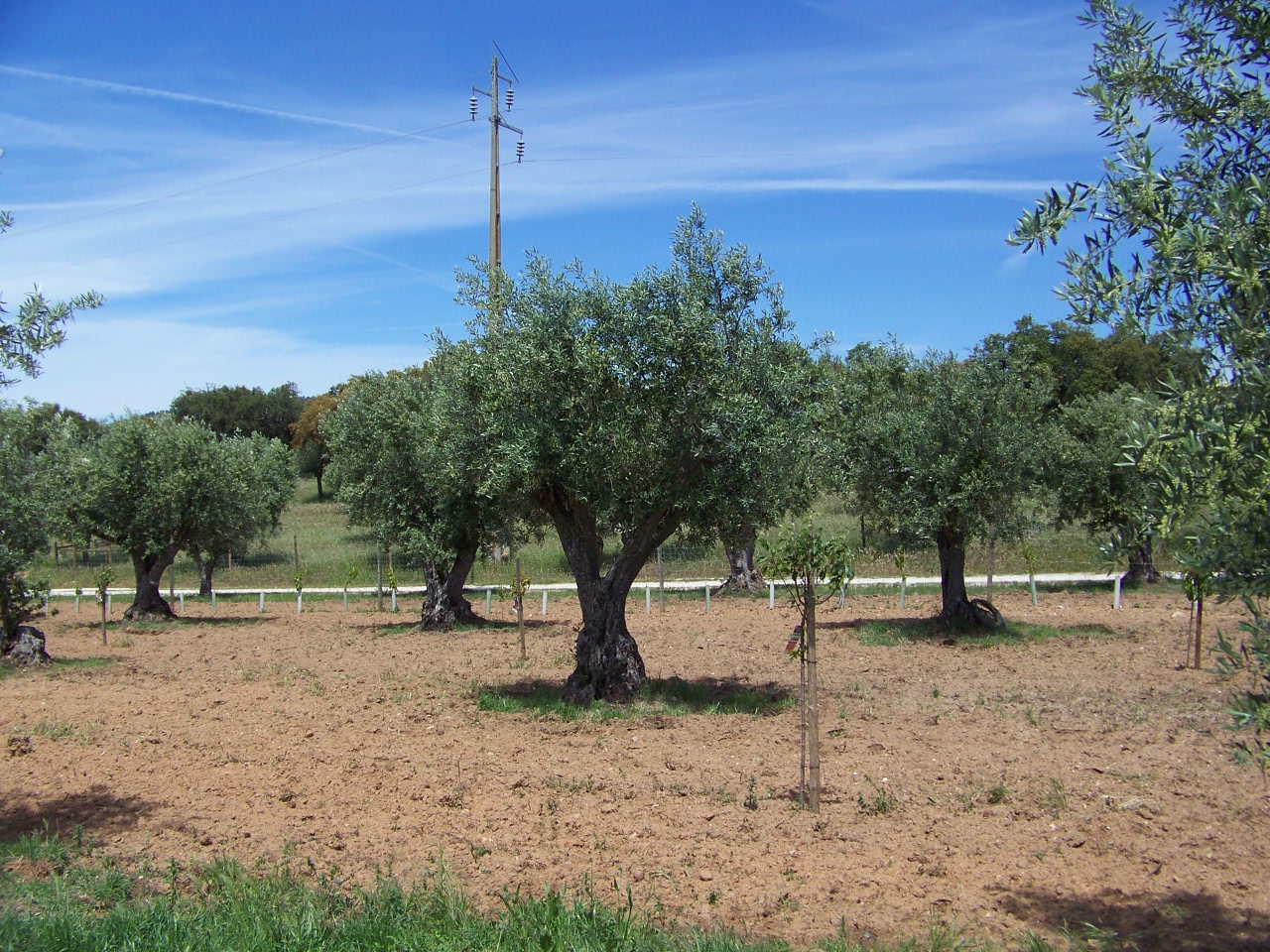
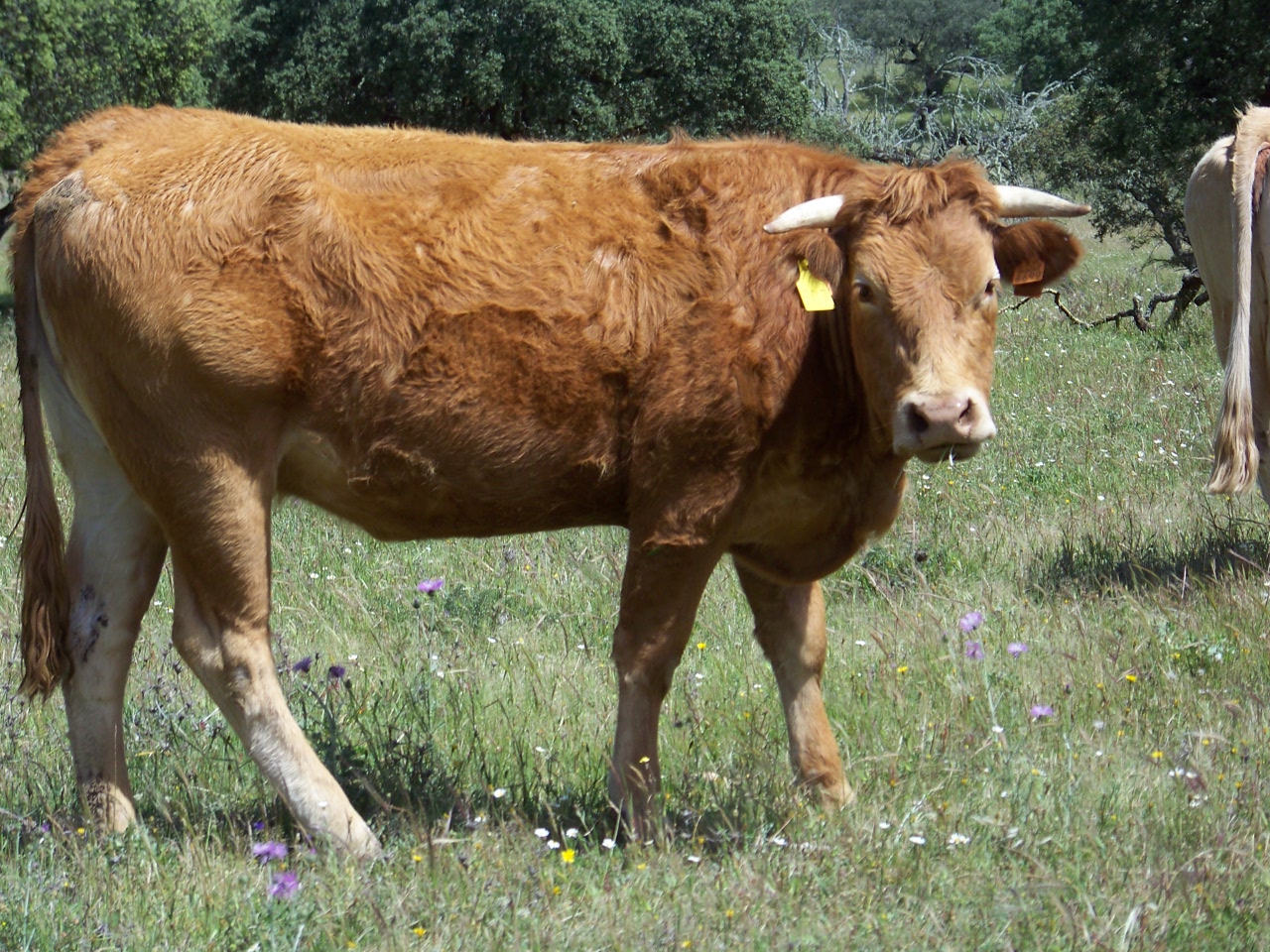
In addition, there are olive trees that produce oil for the farm and some limited sales, as well as beehives to supply fragrant honey. Sheep and cattle graze on the land, and Mellon partners with an Iberian black ham producer, allowing the distinctive long-legged pigs to fatten, during season, on the nutritious acorns that fall from the abundant oak trees.

The pigs, however, had not yet arrived on the land; the sheep seemed shy, but the cattle were unfazed by our presence. Farm dogs accompanied us everywhere.

An Individualized Tour Opportunity

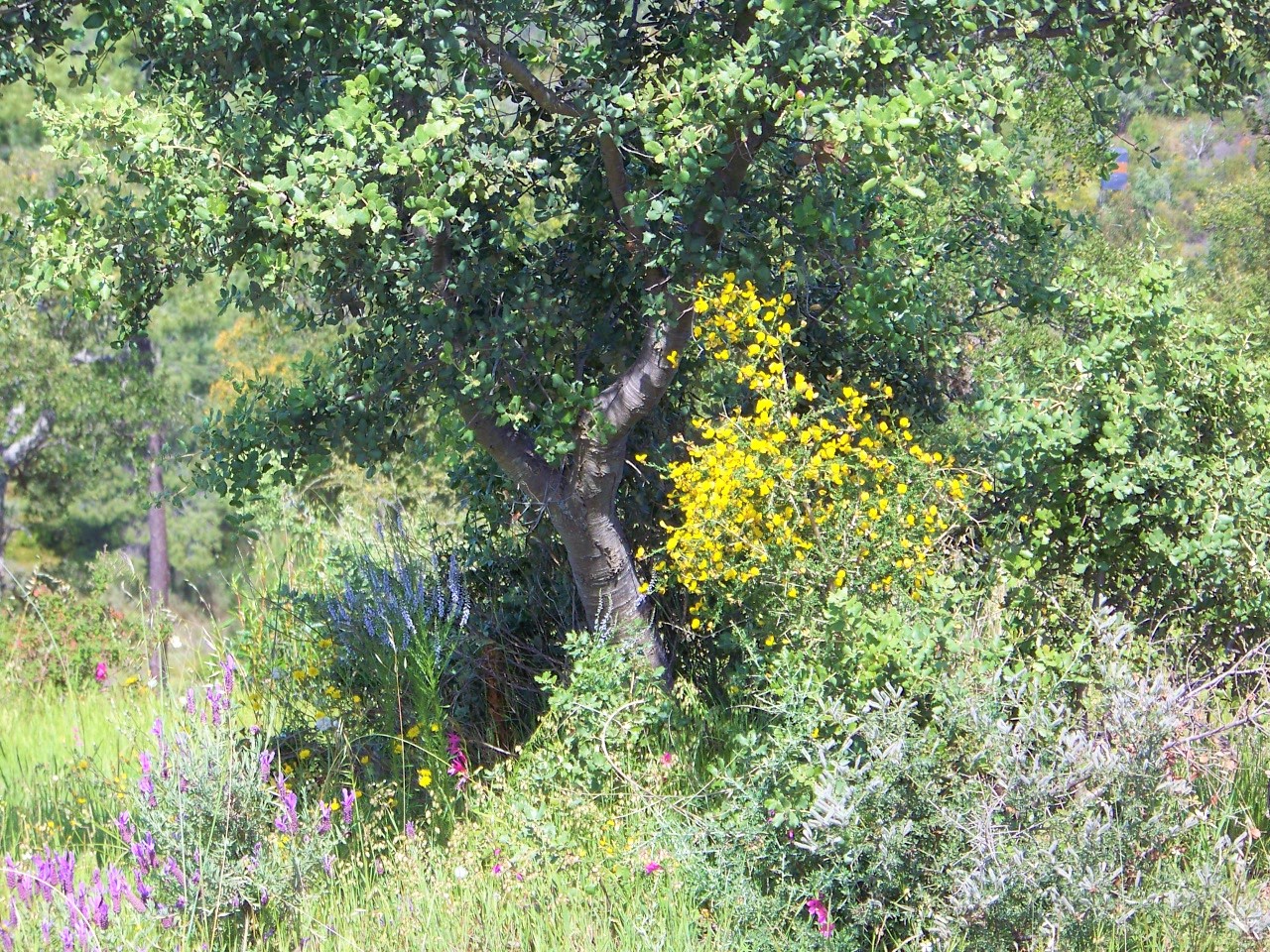
Our Jeep safari followed dirt paths winding through the oaks, past fields of lavender, yellow and white wildflowers, adjacent to vineyards planted with a variety of grapevines, and across the hillocks of the foothills of the Serra D’Ossa range. At the highest point, we breathed in the spectacle, as Mellon pointed out the boundaries of his working estate down below.

We passed other groups of trekkers, each one accompanied by a congenial guide, and Jose also escorted a second driving tour in his car. We made frequent stops to listen to Mellon’s dialog, and the photo ops were superb!

The area invites exploration, from the evidence of ancient settlements to scattered ruins and well-preserved medieval walls and churches. The time passed all too quickly, and following a visit to the farm’s small shop, we returned to Redondo for a long, relaxing, traditional country lunch, included as part of our tour.

Sunday Dinner Far From Home

It was a Sunday and Restaurante Serra d’Ossa was filled with locals, all genial and smiling as they were greeted by Mellon. They, in turn, greeted us warmly, and we felt at home. The proprietors took care of us as if we were family, and the bountiful food and wine was brought to our table family style. We had a wonderful time getting to know our fellow “trekkers” better, and the food itself was delectable.

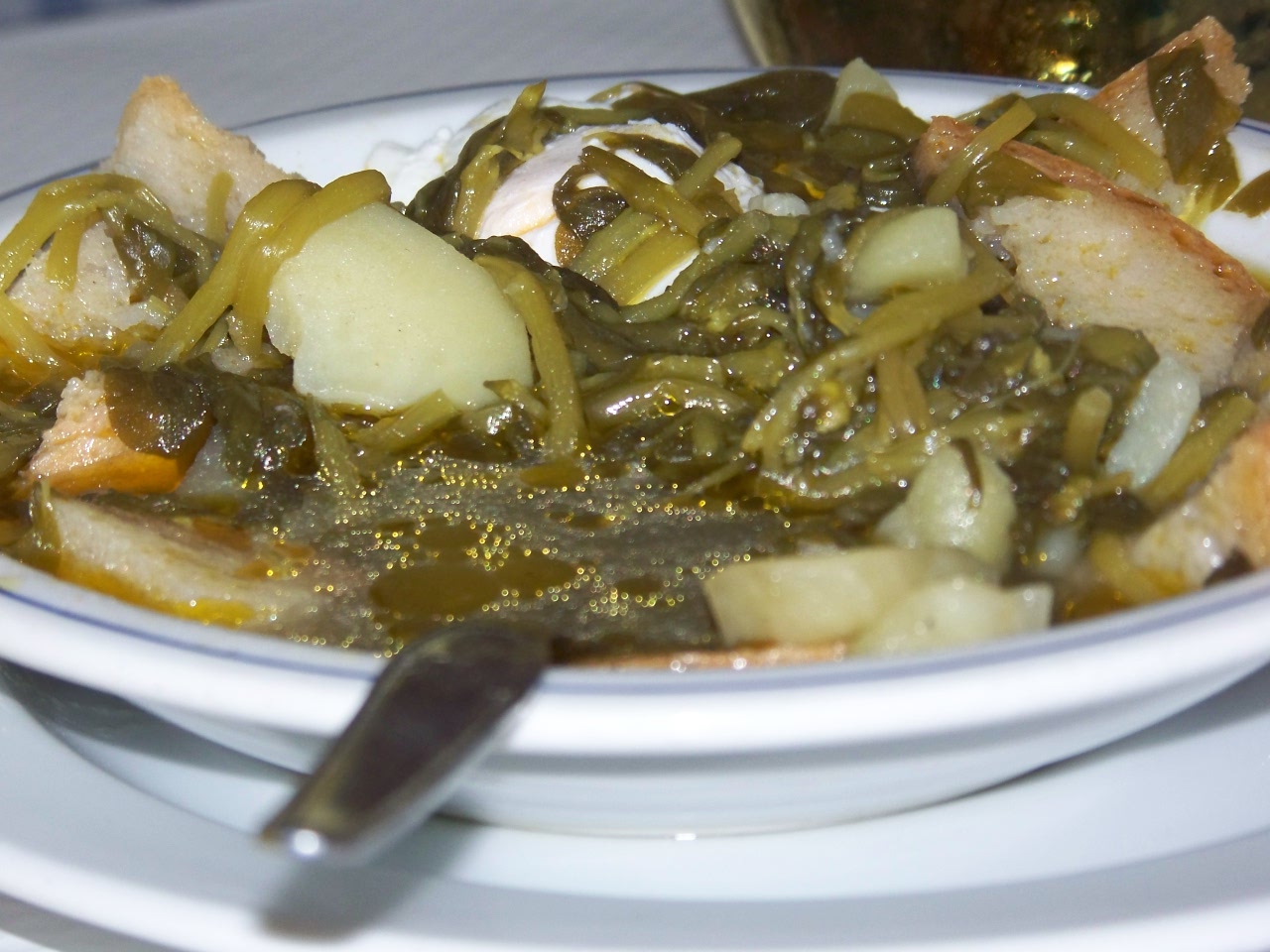
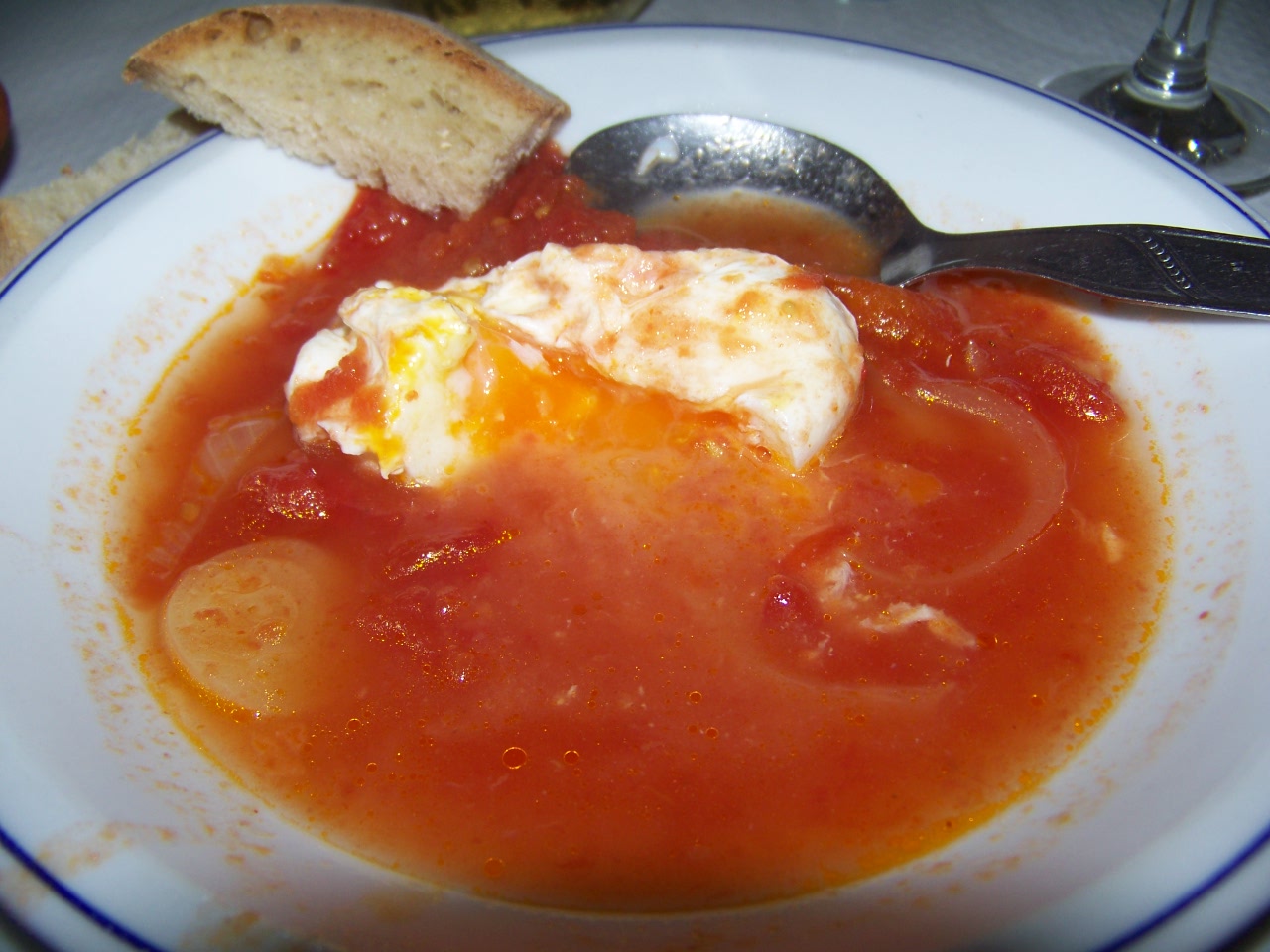
The menu included a variety of interesting appetizers served as traditional Portuguese “couvert,” followed by amazing tomato soup with poached eggs, and “green soup” for one of our group allergic to tomatoes. The entree was a mixed platter of pork prepared several different ways, and fresh salad, followed by a selection of tempting desserts, all of which disappeared quickly.

We assume that the cadence of life exists in this small town much as it always has, and we were delighted to be a part of it, if only for a day. Mellon told us that few of the other cork farmers have an interest in opening their forests to visitors or in diversifying into other enterprises. So, for the time being at least, Herdade da Maroteira offers a unique experience for travelers to Portugal. It is one that we will long remember, and one we highly recommend.

Because we were there in late April, we missed the harvest, which typically occurs in late June or early July, but we can visualize the buzz of activity it must generate at the farm.

Other available treks and tours take visitors to explore the ancient “dolmens,” burial mounds in the surrounding hills, on leisurely countryside walks and birding tours, and to visit the museum and ancient buildings of Redondo.

Perhaps one day we’ll return to do it all.

*Note: Some Portuguese cork factories also welcome tourists, but we chose to forgo the opportunity because of time constraints and distance. We left Alentejo headed south to the Algarve for a week near the sea. In future posts, I’ll chronicle other wonderful excursions for Portugal travelers.