Santa Fe: Getting to Know The City Different

It has been more than a decade since I lived in Santa Fe. But it’s a city one cannot easily forget. In many ways, it’s a city that I will always miss. I fell in love with Santa Fe the first time I visited, about 1975, and I still cherish the years that I lived and worked there.  

Long described by both residents and visitors as “The City Different,” Santa Fe was known by its earliest inhabitants as “The Dancing Ground of the Sun.” Those of us who arrived to become new residents when it was still a relatively small town were attracted by its culture, its lifestyle, the spectacular sunsets, and the people. We were mesmerized by the changing seasons, the landscape, the diversity, and by city’s traditions and timeless quality. We hoped it would remain so forever.

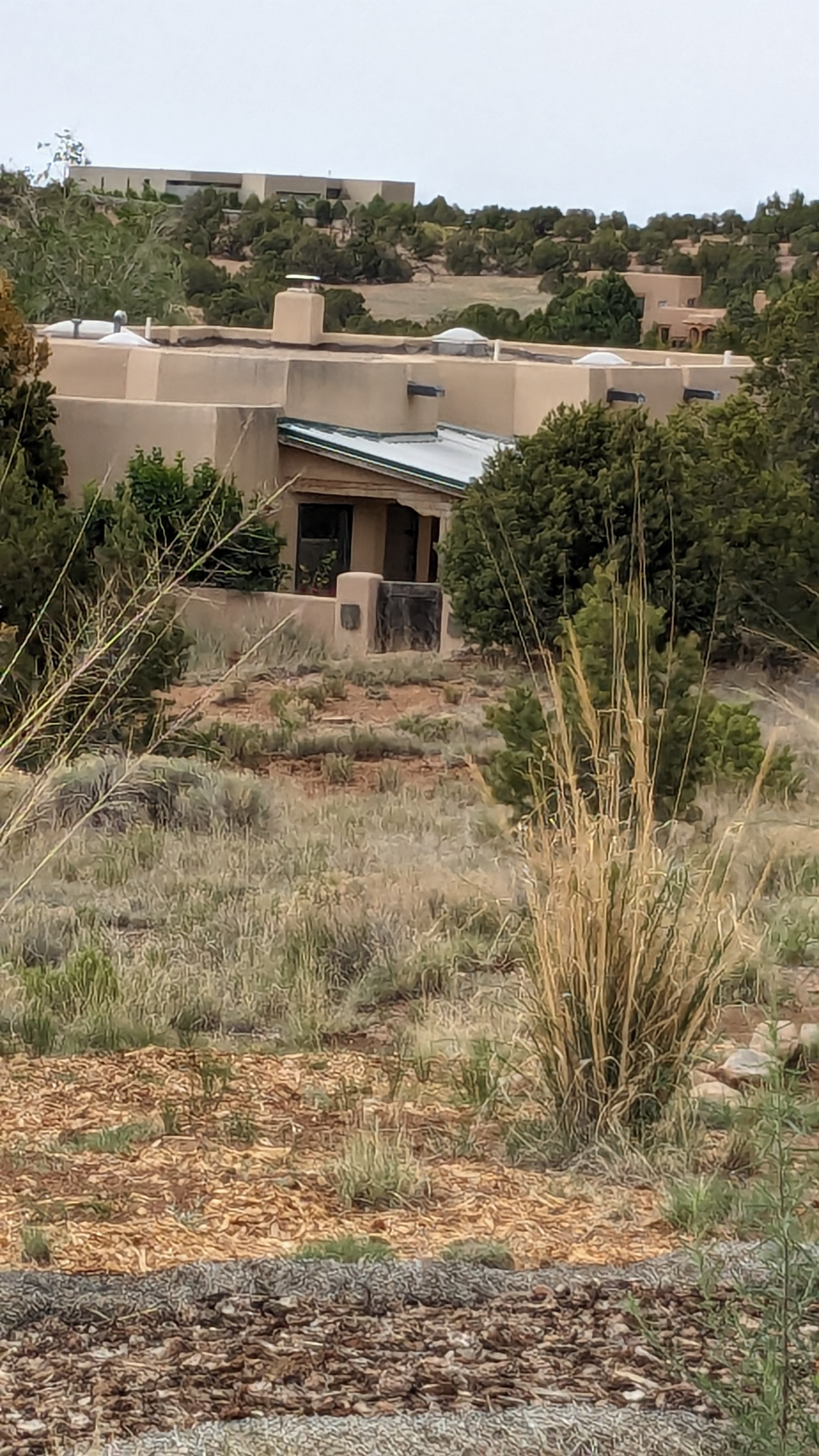
But change is inevitable, and Santa Fe’s growth and growing popularity prompted many changes, some of them good and some not so well received. Over a span of nearly 20 years, the population grew by more than 20,000, with new residents from every state and many other countries. No longer was it a quaint New Mexico town with a predominantly Hispanic and Native American population. It became much more cosmopolitan, and more complex.

Prices increased, of course, not only for housing, but for all goods and services. New businesses opened, and new philosophies of growth, development, and government were born. Tourism thrived, and Santa Fe became an increasingly popular destination. Some “old-timers” feared then that Santa Fe would lose its appeal and become “not so different” from other prominent tourist destinations around the world.

Change and Growth Are Not Always Negative

Recently, my husband and I revisited Santa Fe. Our time was limited, but we made the most of the opportunity to see old friends, neighbors and business associates. We found, happily, that Santa Fe’s charm has not been diminished. The opposite is true.
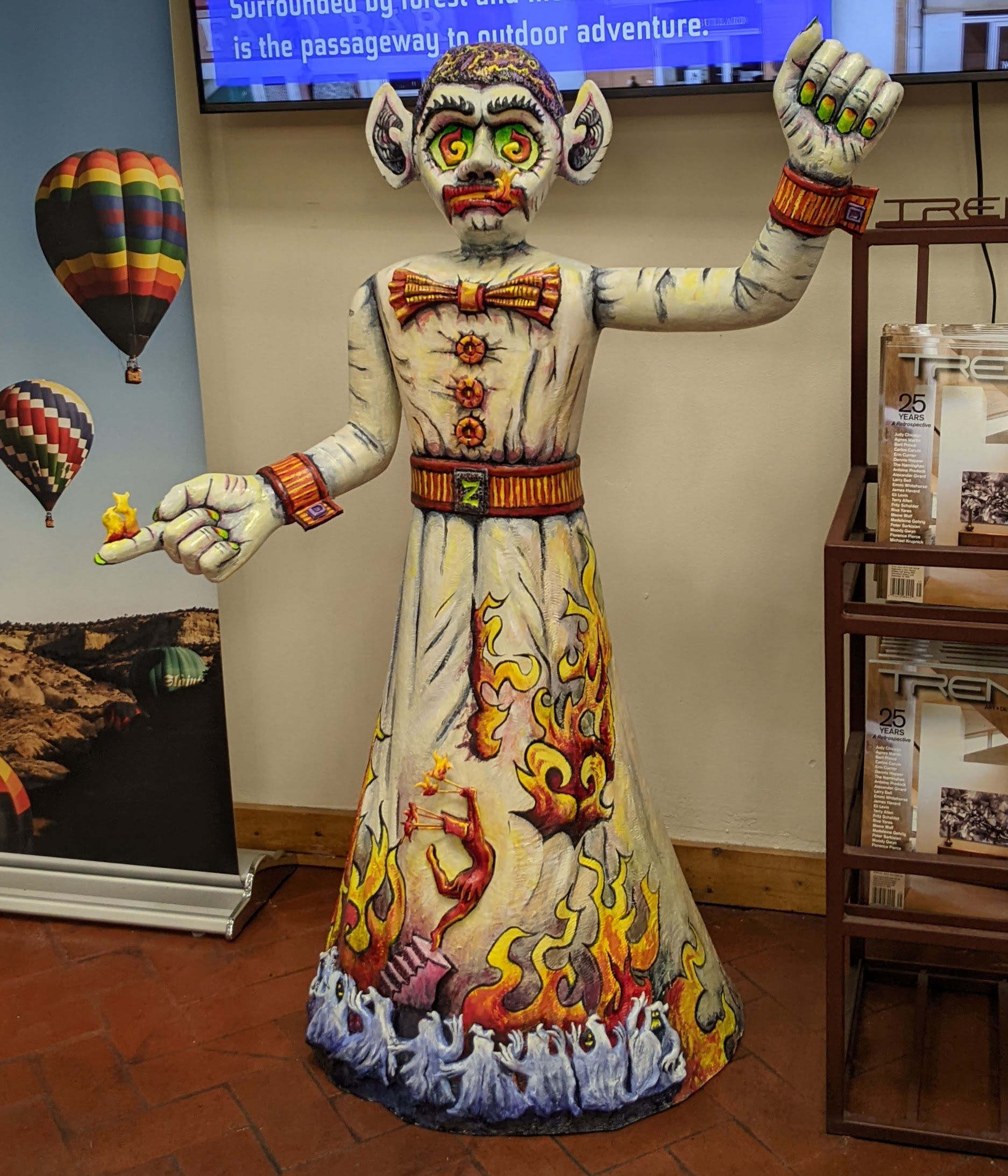
Surprises still exist seemingly around every corner. Some of our favorite restaurants and old “haunts” have disappeared, but many are still there. New ones have opened and become popular, adding a new dimension. Annual celebrations and the festivals that we loved so much are still on the calendar — Summer’s Wine and Chile Festival, the traditional Spanish and Indian Markets, and the annual burning of Zozobra. This year marked the 72nd year of Spanish Market in July, and more than 1,000 artists from 200 tribes were featured at the 102nd Indian Market, held mid-August. But now, there are festivals and markets year round. The Holiday Folk Art Market complements summer’s International Folk Art Market, and popular Artists Markets are held near the Railyard Saturdays from May through December.

We found a large and lively market with fresh vegetables and crafts, much to our delight, when we visited, and our friends touted the appeal of new galleries, Meow Wolf, local pubs and breweries, and additional public art installations.

Historic buildings, parks, galleries, and art dominate the Santa Fe scene. New streets and highways make it easier to get around — and to get lost. We thought it would be easy to revisit our favorite places. Time and memory seem to have altered our perceptions. We found it difficult at times to even navigate to the addresses we once called home.

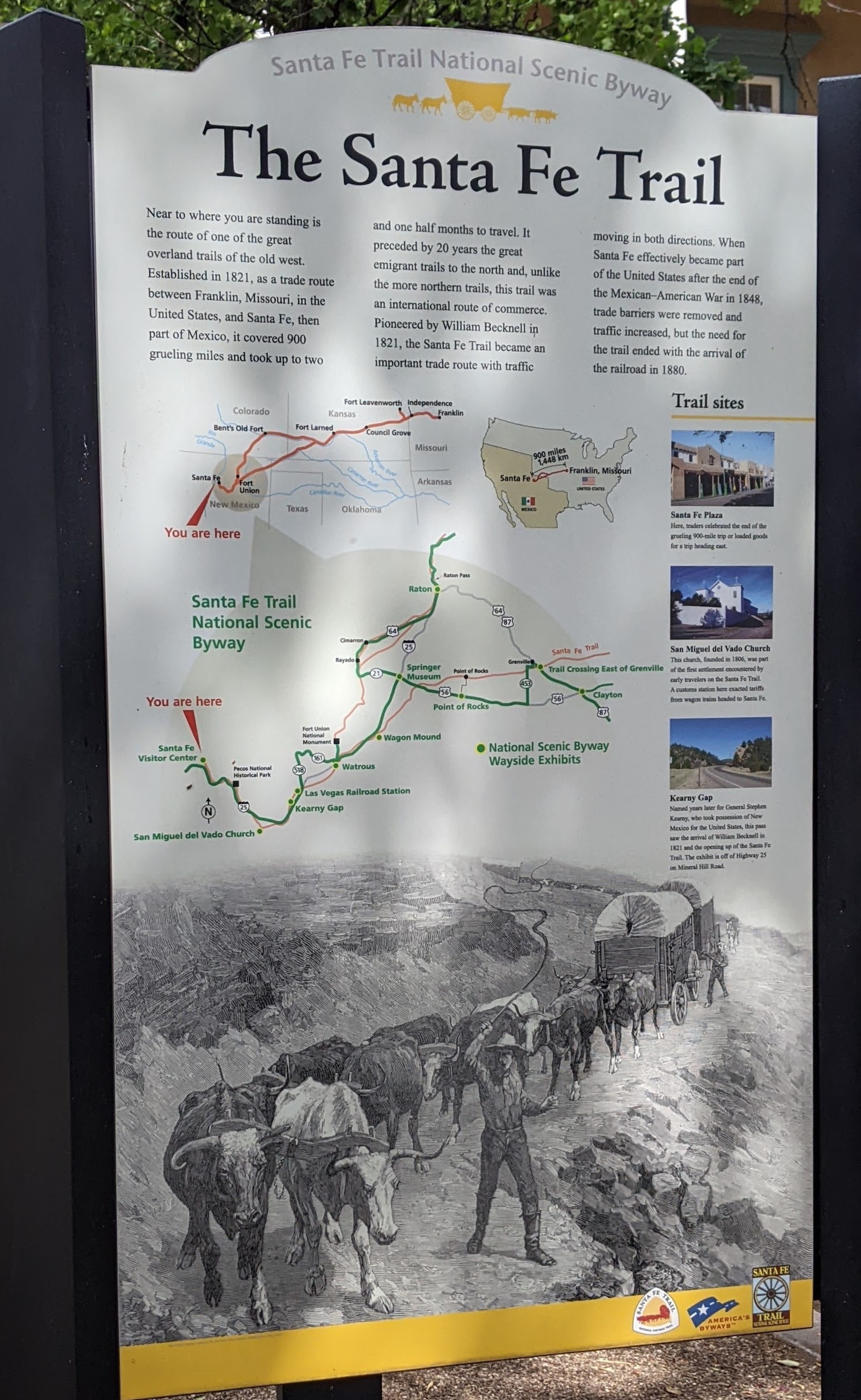
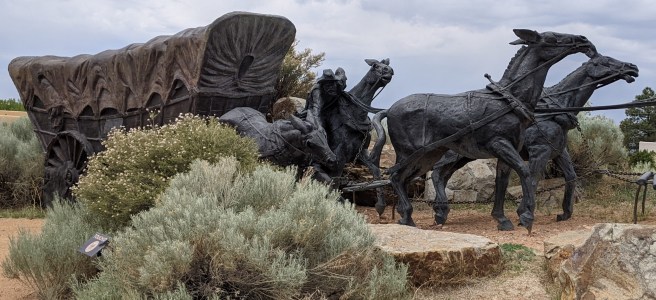
Santa Fe still proclaims itself The City Different and it remains unlike most other vacation destinations. There is a special vibe that’s difficult to resist, with much to see, do and learn in and around Santa Fe. Three historic travel routes converge in the city. It’s the end of the 900-mile Santa Fe Trail that began in Missouri and traversed the Great Plains, allowing goods and settlers to move westward. The pre-1937 Route 66 ran through Santa Fe on its path from Chicago to California, and the 1,600 mile route linking Mexico City, Spain’s colonial capital at the time, to its northern outpost at Santa Fe, was designated as an historic trail — El Camino Real de Tierra Adentro — by the U.S. National Park Service in 2000.

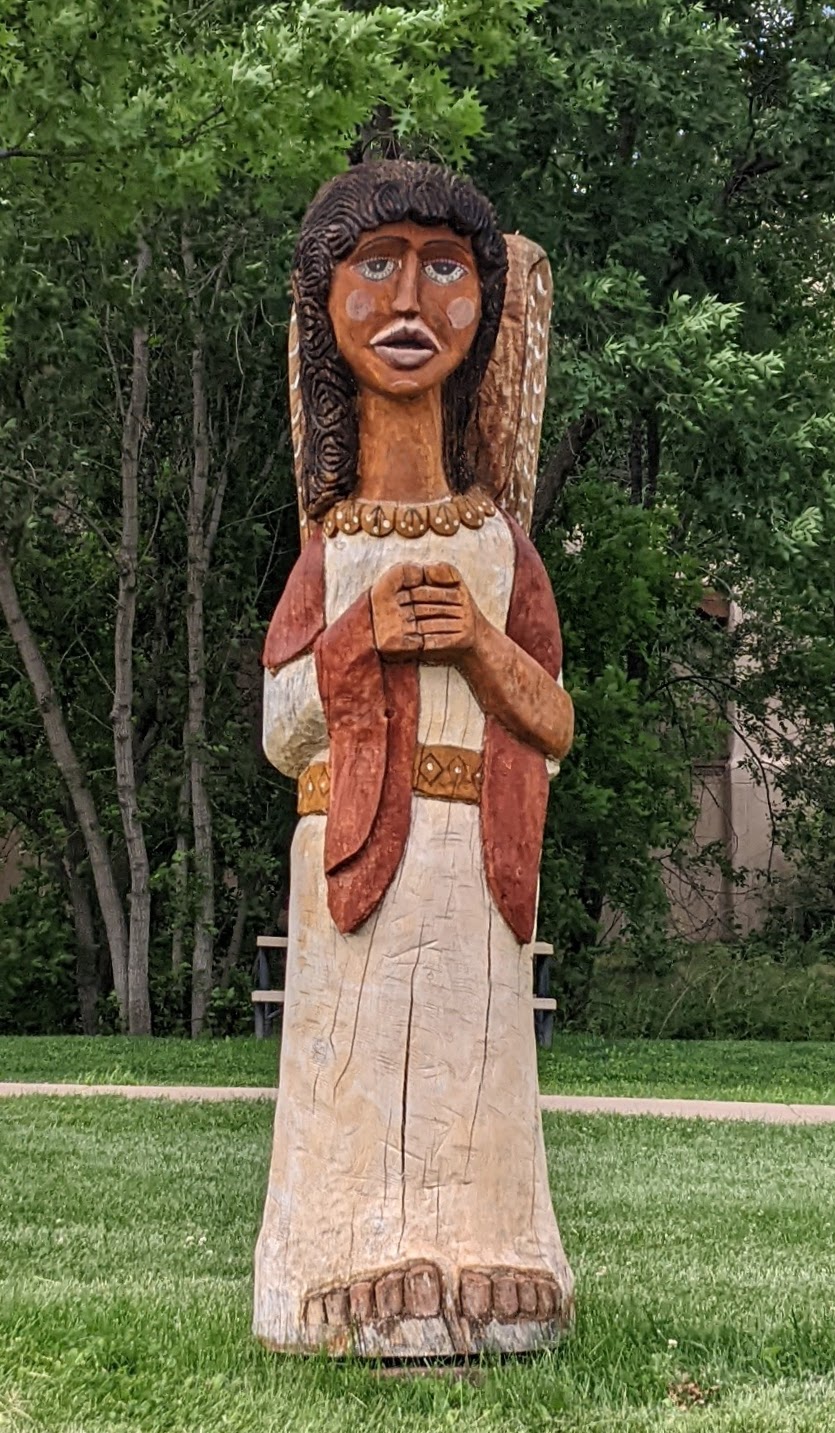
The city resonates with history, art that is sometimes quirky, and charm, and you’ll find wonderful food and a distinctive cultural experience no matter what time of year you visit the city.

What to Do in and Around Santa Fe

Whether you go to Santa Fe for two days or two weeks, there’s plenty to keep you busy.

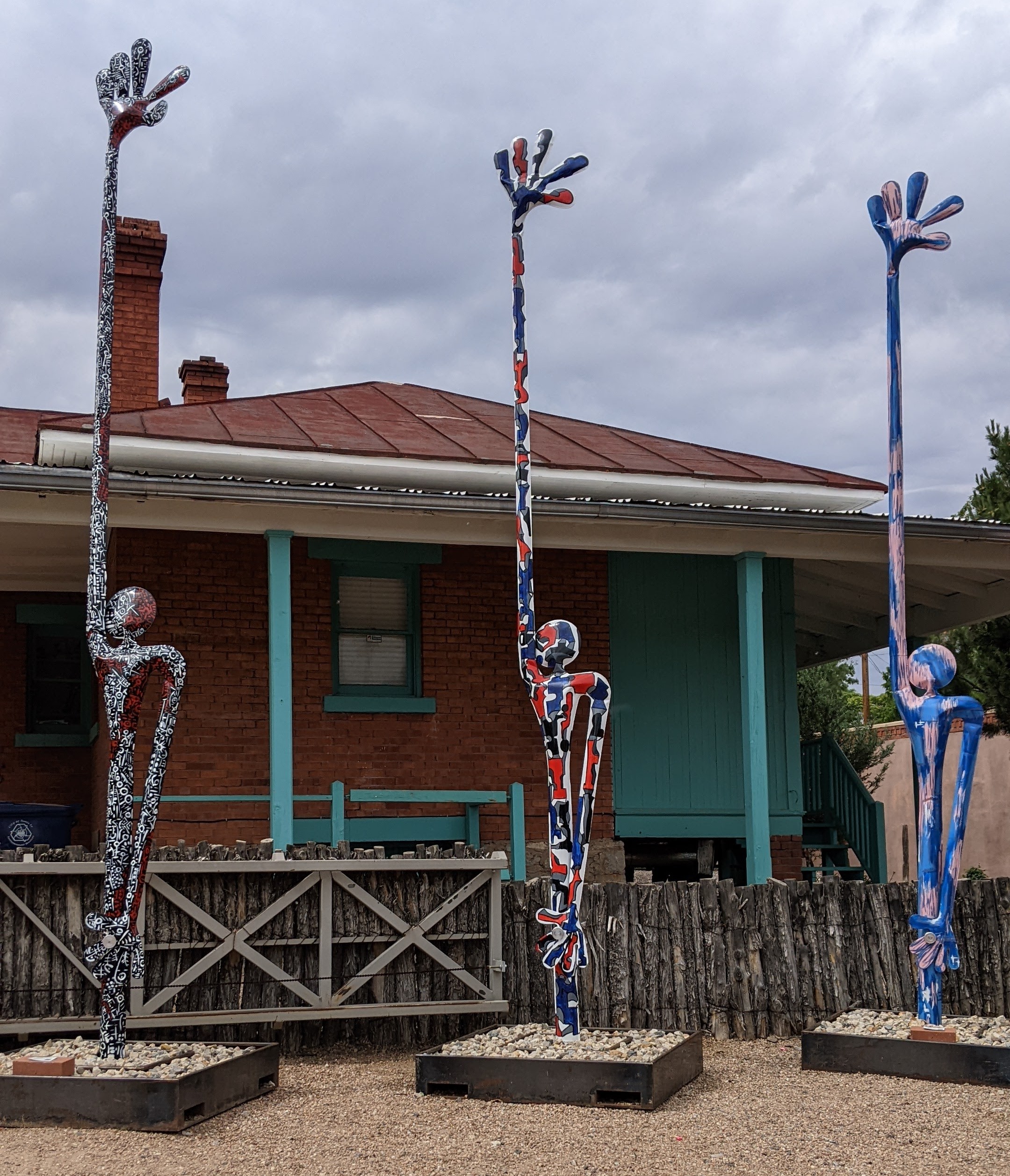
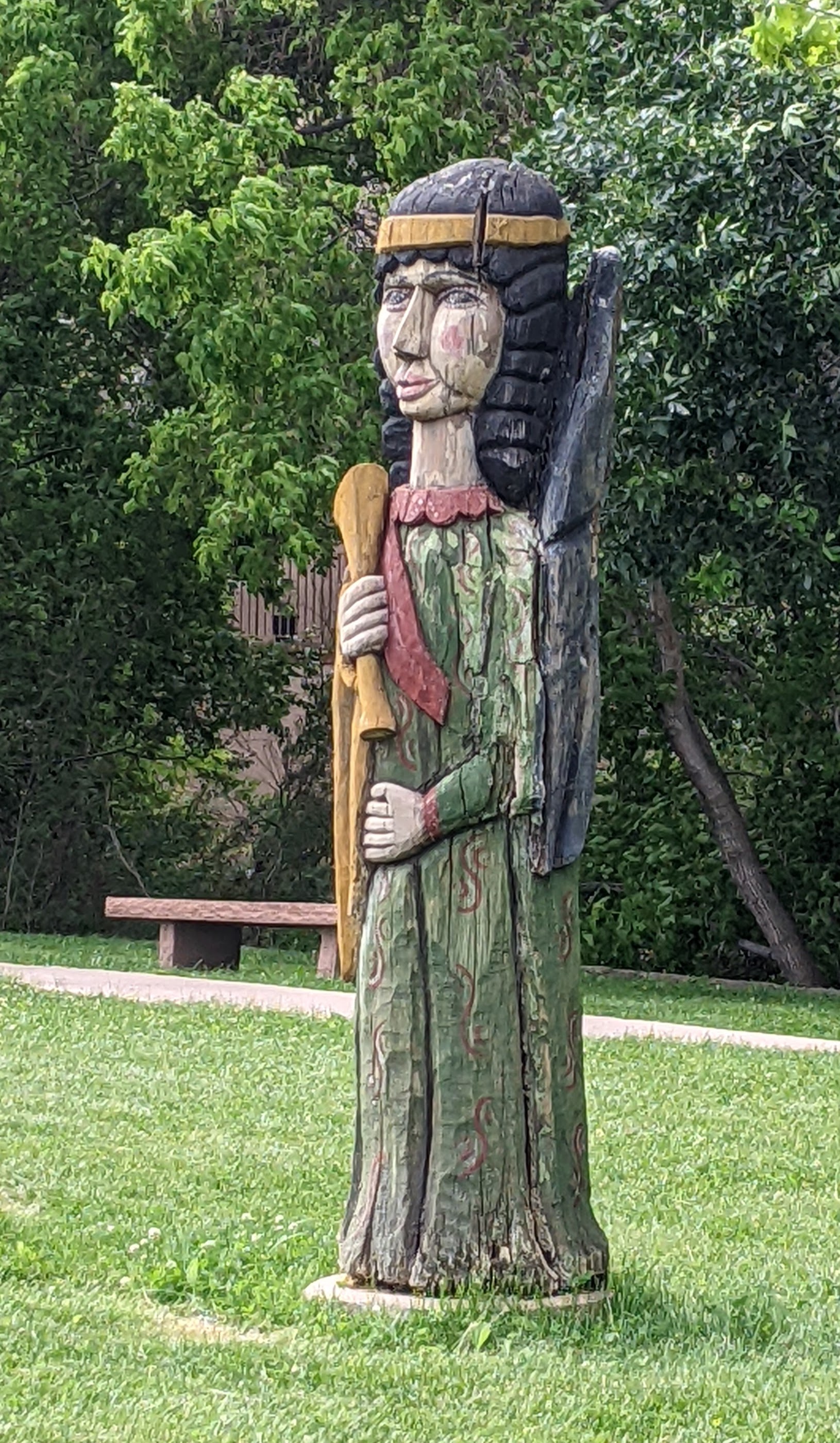
Visit museums and art galleries, weekend markets, downtown shops and the stunning open-air Opera House just outside of town. Savor local food specialties. Talk with shopkeepers, artists, bartenders and street vendors. Purchase art and jewelry from galleries or directly from artist studios. Talk with the artists and artisans who sell their creations from the portal at the Palace of the Governors. Attend a service at the Cathedral, or step inside the 400-year-old San Miguel Chapel, known as “the oldest church.” Visit the Georgia O’Keefe Museum. Explore Santa Fe’s distinctive neighborhoods.

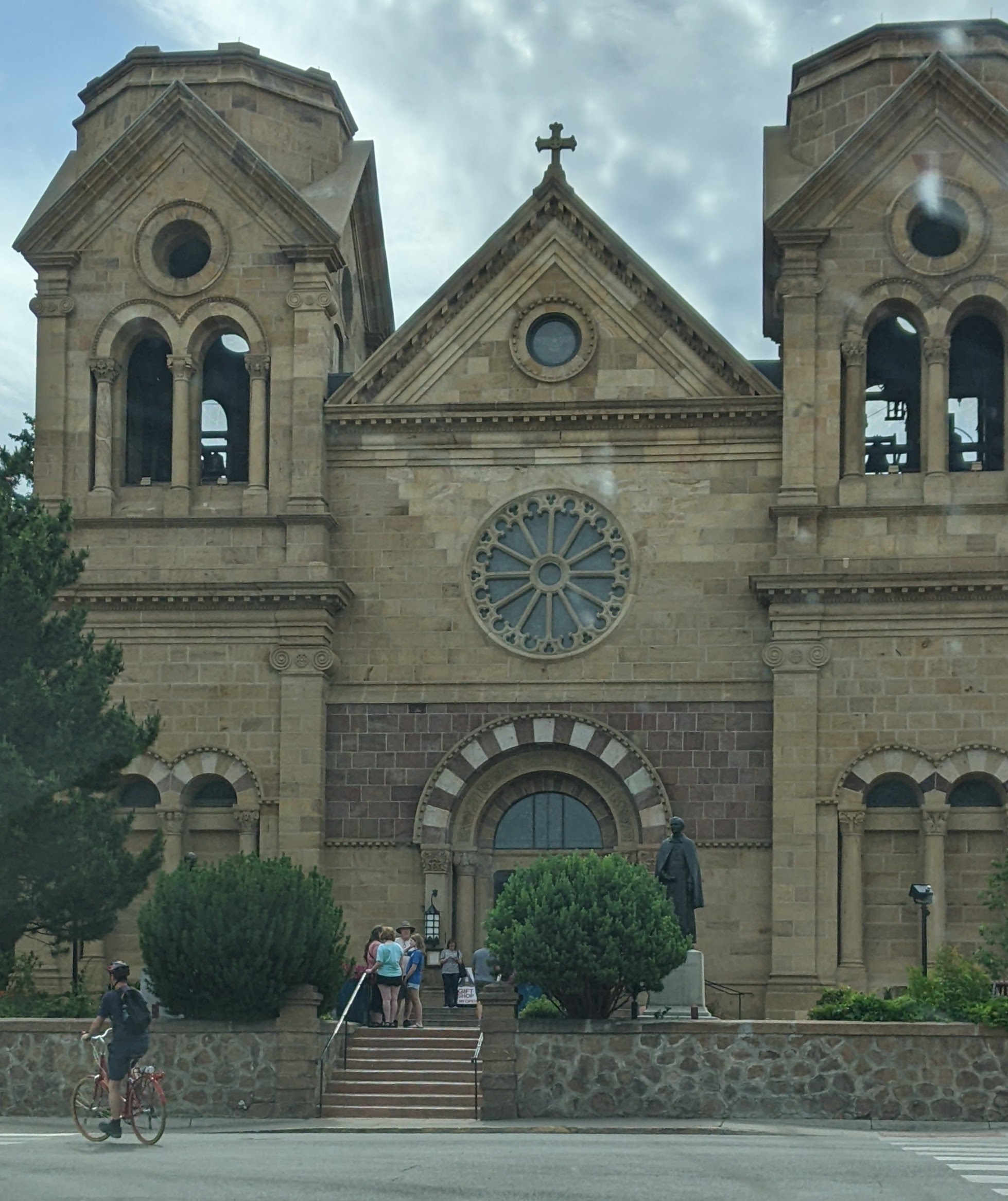
Stroll the Plaza and Canyon Road. Be awed by the imposing Cathedral Basilica of St. Francis of Assisi and the impressive and mysterious staircase at Loretto Chapel. Have a drink or a meal at the sprawling Hotel La Fonda, which is conveniently located at one corner of the city’s downtown Plaza. Embrace the weather, the sights, the history, Pueblo and Territorial architecture, the scents of pinon or roasting chiles in season. Bask in the natural beauty of the site and breathe fresh mountain air.

Take the “white knuckle” drive up the winding road to the Ski Basin. Nearby Chimayo, Los Alamos, La Cienega, Las Vegas (yes, New Mexico), and Madrid are worth a day trip. See ancient pueblo cliff dwellings at Bandelier National Monument or go fishing at Cochiti Lake or along the Rio Chama. Hike the Sangre de Cristo or Jemez Mountains in the summer. Ski or snowmobile on mountain trails in the winter.

Learn about Santa Fe’s history, and visit a nearby Pueblo, especially if there’s a celebration or special ceremony scheduled. Most welcome visitors, but be respectful of their customs and regulations. Schedule a spa treatment or soak under the stars in a hot tub at 10,000 Waves. Sample street food or pub fare. Enjoy it all. Santa Fe is unique in any season.

Next week I’ll write more about where to stay, where to “play” and where and what to eat while in The City Different. Follow me to receive timely email notifications about future posts.

Getting to Santa Fe

Despite its popularity as a tourist destination, getting to Santa Fe, and getting around the city once you’re there, can be problematic. Public transportation is, for all practical purposes, non-existent. Unless you stay in the heart of the city, you will want a car.

You can fly into Santa Fe; there are direct flights from Houston, Denver, Phoenix, and Dallas. If you fly into Albuquerque, you can rent a car there — it’s an easy drive to Santa Fe and will take little more than an hour. There’s a train that runs between the cities, and it’s an interesting ride, but it’s better as an excursion than as a comfortable, reliable way to arrive in the city for vacation.

Finally, most tourism guides will warn you that lodging and meals are expensive in Santa Fe. And they can be. But more modest accommodations are available, including B&B’s or private “casitas,” and it can be worth the effort to search them out. Also, be sure to ask for dining recommendations from shopkeepers or guides. Savor delightful breakfast places and long-established local favorites for distinctive dishes and ethnic specialties. Learn what “Christmas” means when asked how you want your burritos served.

Santa Fe Today

Santa Fe has become a cosmopolitan city with an estimated 2024 population of just under 90,000, but its soul is still “small town,” rooted in the traditions of its more than 400-year history. It was originally established in 1610 as the capital of Nuevo Mexico, a province of New Spain. That was 13 years before Plymouth Colony in Massachusetts was settled by pilgrims who arrived on the Mayflower. Its history, however, began long before that.

Santa Fe boasts not only the oldest public building in the United States, the Palace of the Governors, but also the oldest community festival, first celebrated in 1712 to commemorate the Spanish reconquest of New Mexico in 1692. This year’s Fiesta de Santa Fe is scheduled August 31 through September 11. The city was built on the ruins of an earlier Indian Pueblo, and it’s not only the earliest European settlement west of the Mississippi but also the oldest state capital in the United States.

Want information about things to do in Santa Fe? Here are some specific suggestions, whether your interests are primarily arts and culture, outdoor activities, foodie experiences, or shopping. You might also want to order a copy of the Official Visitors Guide to help plan your trip. And when you’re in town, stop by TOURISM Santa Fe, located downtown at 201 W. Marcy St., for the best up-to-date information about local special events and exhibitions.

Foodie’s Delight: Roadside Treasures and Unexpected Destinations

I am apt to brake quickly when driving along the byways of this country.

I’m always on the lookout for distinctive photo ops, and I can’t resist interesting signs (especially unique place names like Toad Suck and Smackover in Arkansas,) decaying fences, old churches and cemeteries, or American flags painted on the sides of old barns and brick buildings. As my husband notes, I am sometimes a pain in the neck, but I try not to be too demanding about those stops.

Most of the time, at least.

However, I also have been known to request, if not demand, a “slow down and turn around” when I spy a roadside vegetable stand or come upon a weekend farmers market. There’s something appealing about buying produce direct from the source. It’s gratifying to meet the people who grow our food. That food, whether just-ripened berries, plump tomatoes, or recently-picked apples and pears, always tastes better somehow.

At times, as I willingly admit, I can be insistent.

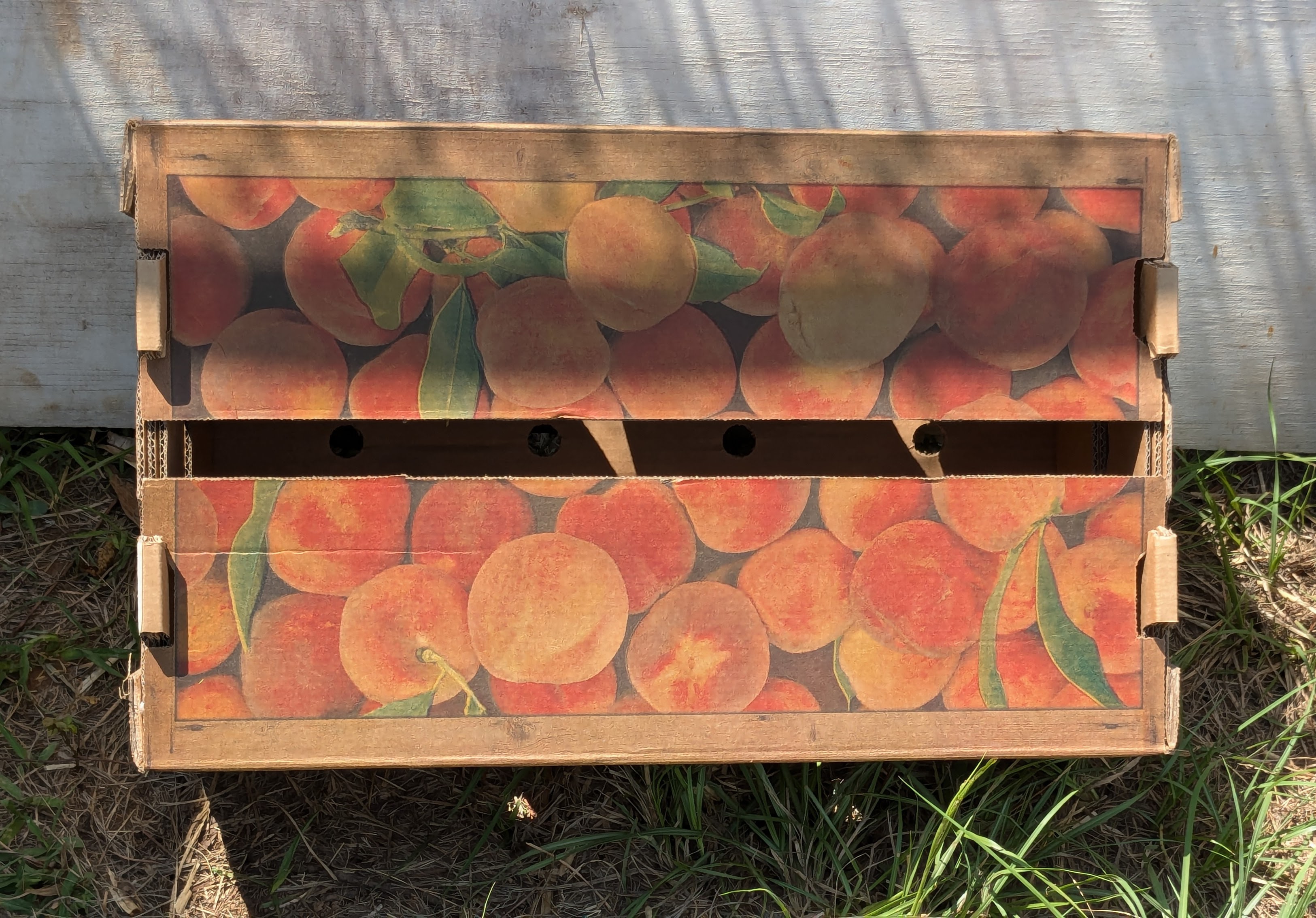
What’s better than cutting into a fresh peach and tasting it as its proud grower looks on approvingly? Typically, I don’t mind when the juice drips down my chin and onto my shirt! It’s all about the flavor, the freshness, and the fun.

Seasonal specialties like fresh melons and sweet corn, pumpkins and apples or the products made from a fresh harvest — pickles, preserves and jams, sauces, or homemade breads — often seem irresistible. In states where it’s possible to buy fresh pecans and freshly roasted peanuts, we brake for those too. And, occasionally, for just-picked bouquets of daffodils, tulips, or chrysanthemums.

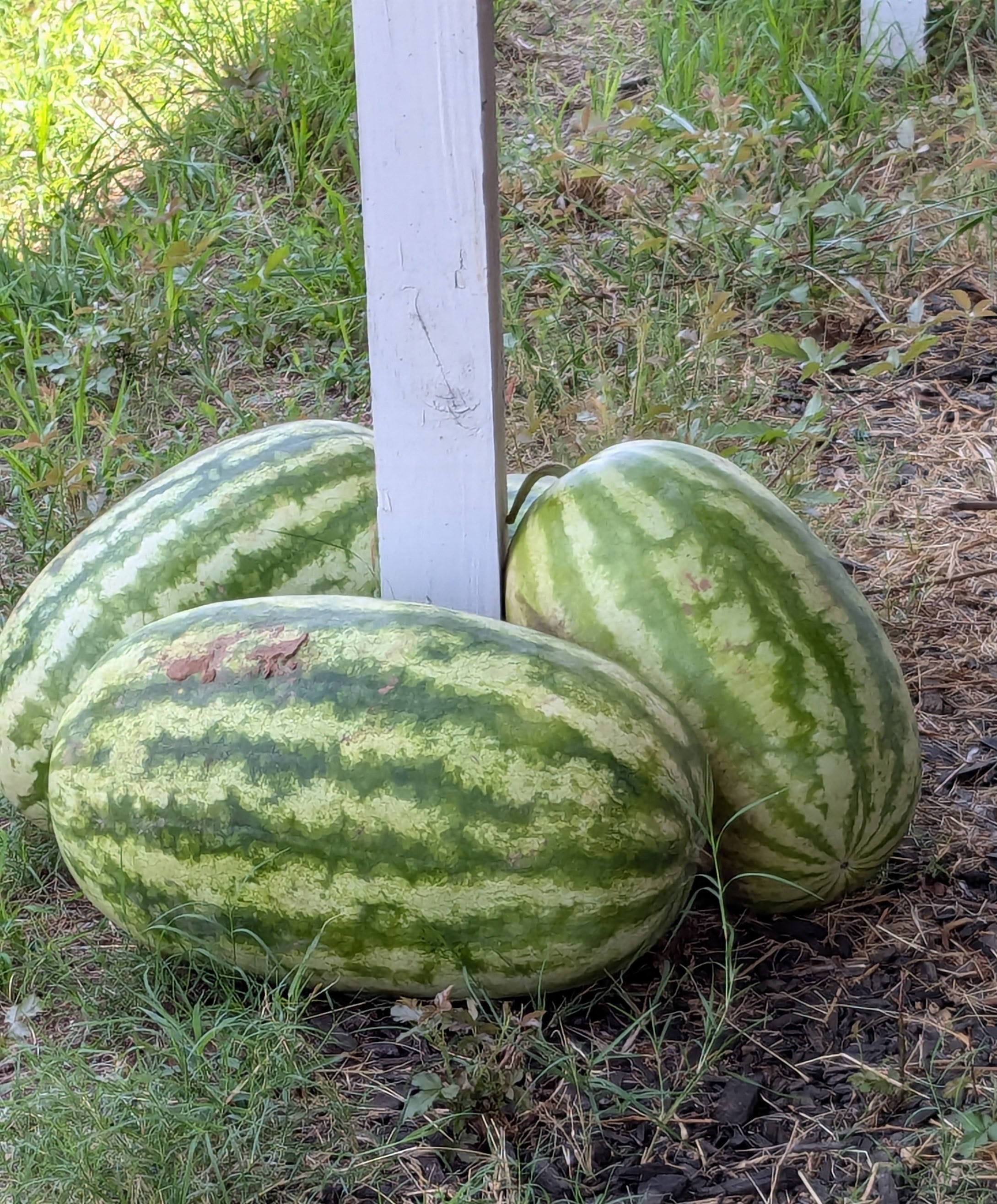
On an impromptu weekend excursion with friends the last weekend of July — destination: the 41st Annual Grape Festival in Altus, Arkansas — we happened upon a farmstand, and it was the prospect of fresh peaches that clinched our decision to stop.

Farm Stands and Festivals

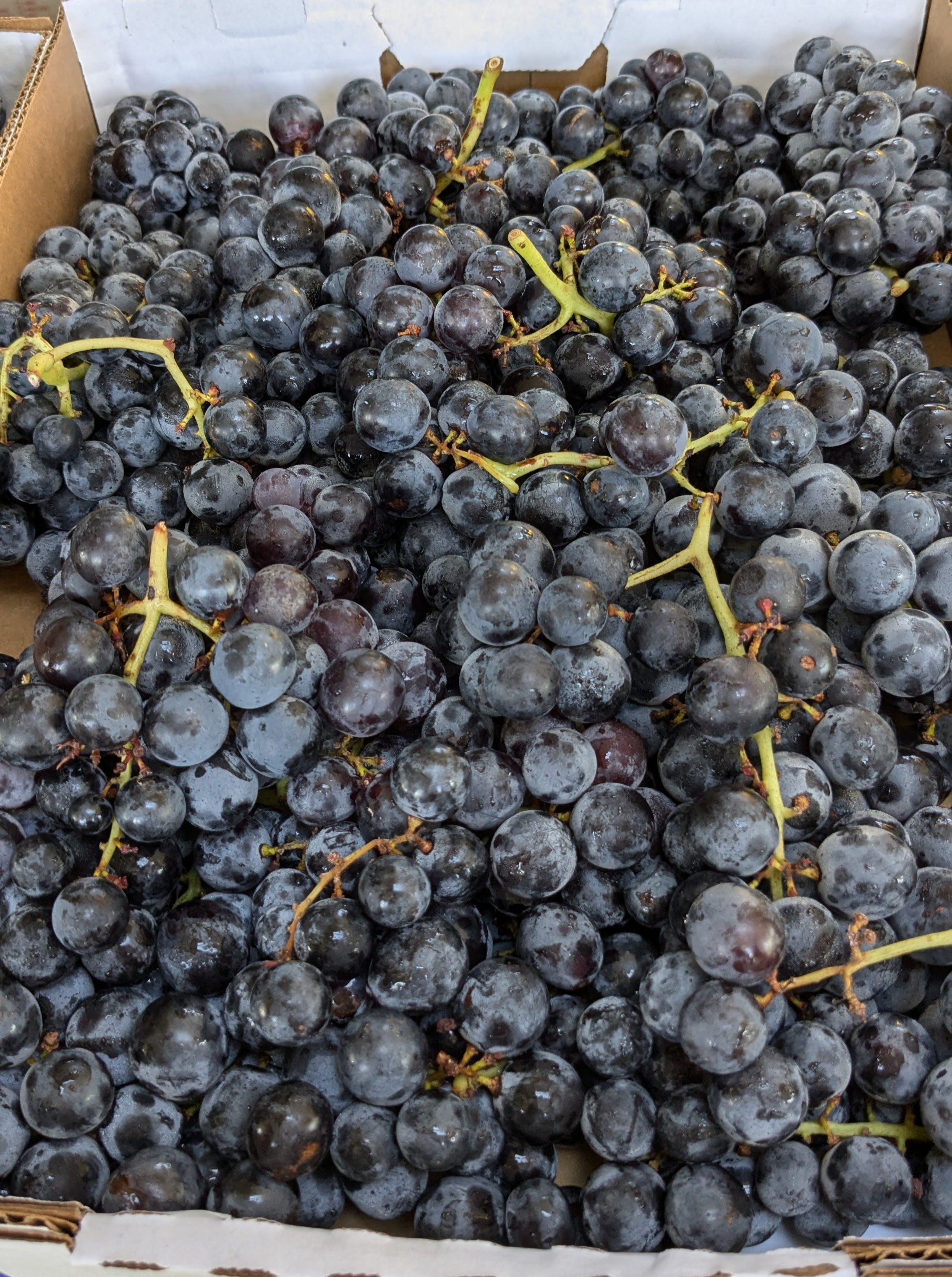
Luckily, everyone was willing, even though this became one of those turn-around-and-go-back moments. It didn’t take long. Nor did it take long to fill several plastic bags with juicy peaches, plump red tomatoes, and vine-ripened sweet grapes. We chatted a bit with the owners of the farm stand. Then, satisfied that we had made a good decision, we loaded our treasures into the back of the SUV and hastened on down the road, eager to get to the festival.

Truth be told, I’m a huge fan of quirky local festivals all across America. It helps to have a willing partner, and my husband and I have made special efforts to visit more than a few of them, including The Goat Festival in Perryville, AR, held annually on the first Saturday of October. We plan to be there again this year and have already ordered our t-shirts. Who can resist the prospect of a fashion show that features young kids in pajamas? The second weekend, on October 12, we plan to attend the 15th annual Sorghum Festival in nearby Mt. Ida, AR, sponsored by Heritage House Museum.

In Arkansas, it seems there are enough festivals and small town celebrations to keep me on the road all year long.

Following the grape festival, we planned to stop for a picnic on the way home. We opted for Paris.

Arkansas, not France.

Small Town Discoveries

The Olympic Games were slated to begin that very day in the “real” Paris across the pond. We had heard that the townspeople of Paris, Arkansas had decorated the 25-foot-tall replica Eiffel Tower that stands in the town square with iconic colored rings, symbol of the Games. It seemed only fitting that we stop there.

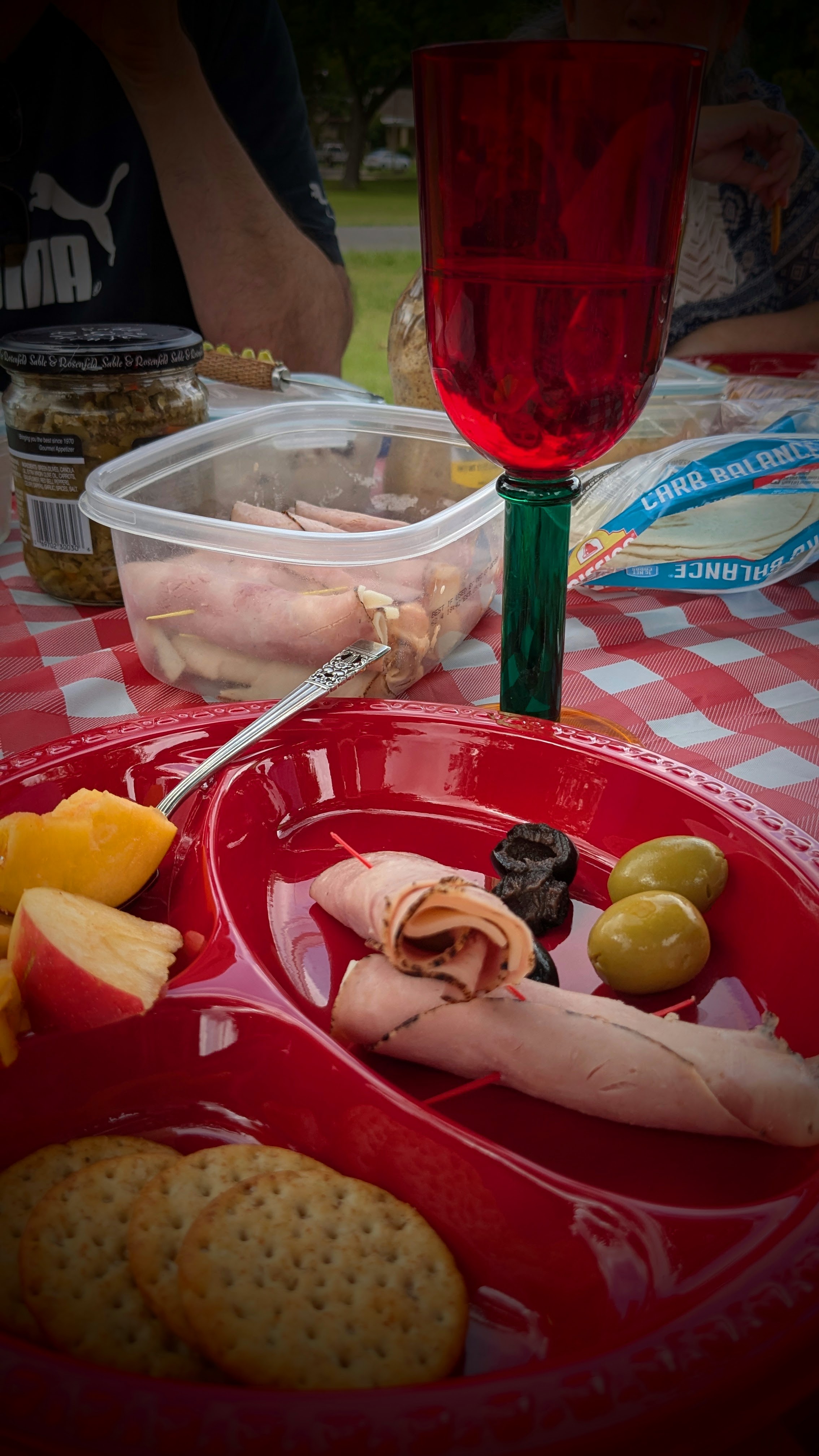
We had packed a picnic basket with bread, crackers and cheese, chicken salad, sliced ham, olives and pickles, cookies, fudge, and lemonade. And we had peaches from the farmstand, a bonus. Leaving Altus, we made a brief stop at Wiederkehr Village, which now also includes a tasting room and restaurant. Johann Andreas Wiederkehr, who arrived in the area in late 1880 from Switzerland, founded the family winery that is now the oldest continually operated winery in the state.

We planned to drink a small toast to the start of the Games. By the time we reached Paris, the air had cooled a bit and we found a picnic table in a city park. Large trees offered shade as we unpacked our picnic basket.

Small Town Delights

Traveling the back roads to Paris took us across rolling hills and along picturesque fields and pastures in this Ozark Mountain valley. It is rural, to be sure. Although I acknowledge that there are valid reasons to travel Interstate routes across the United States, country roads just seem more interesting.

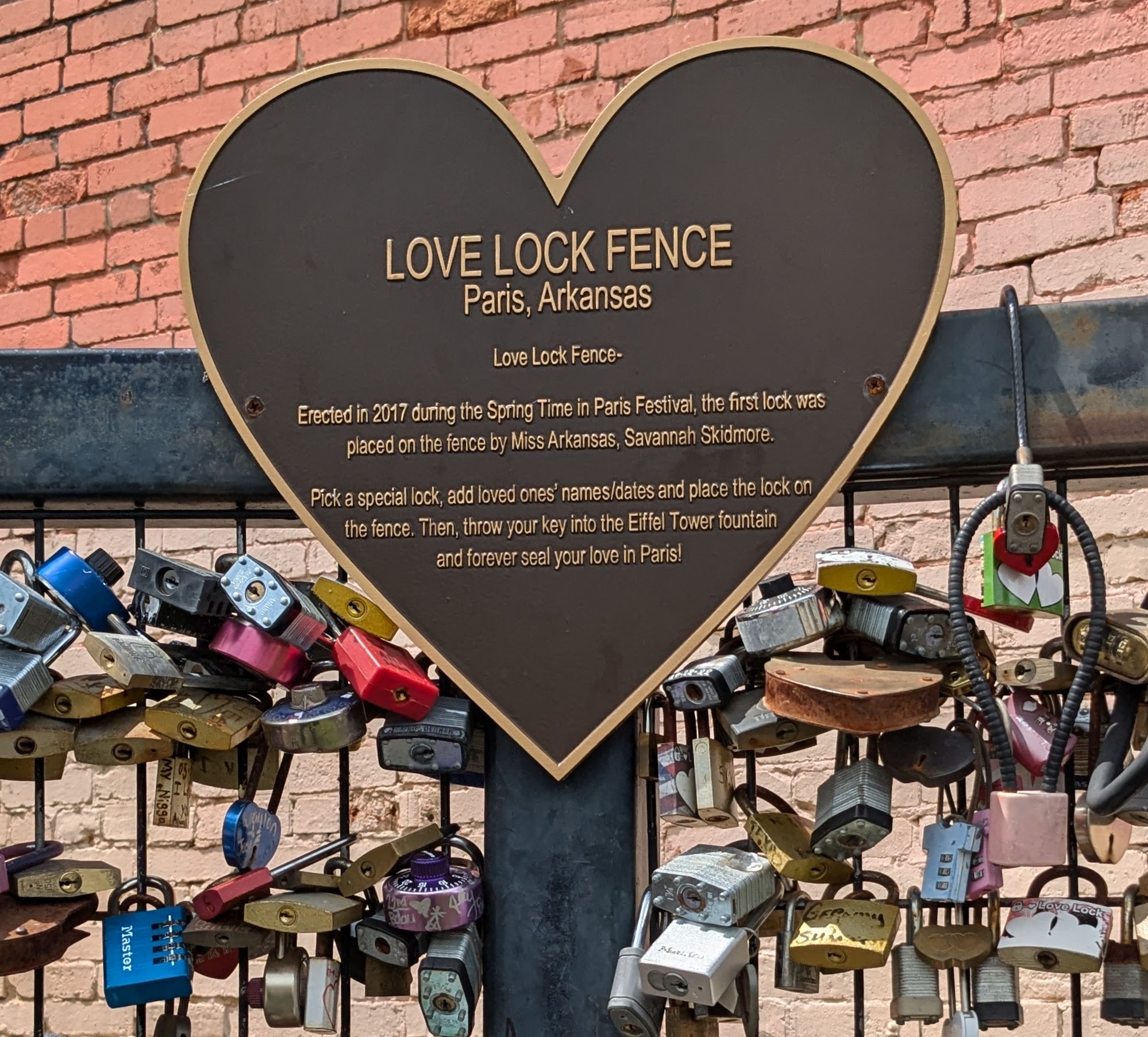
That was the certainly the case for our drive to Paris, and I now have a full handful of reasons to return. In addition to finding the Eiffel Tower, we were intrigued by the adjacent Love Lock Fence, and spent a fair amount of time reading the names and dates on the locks.

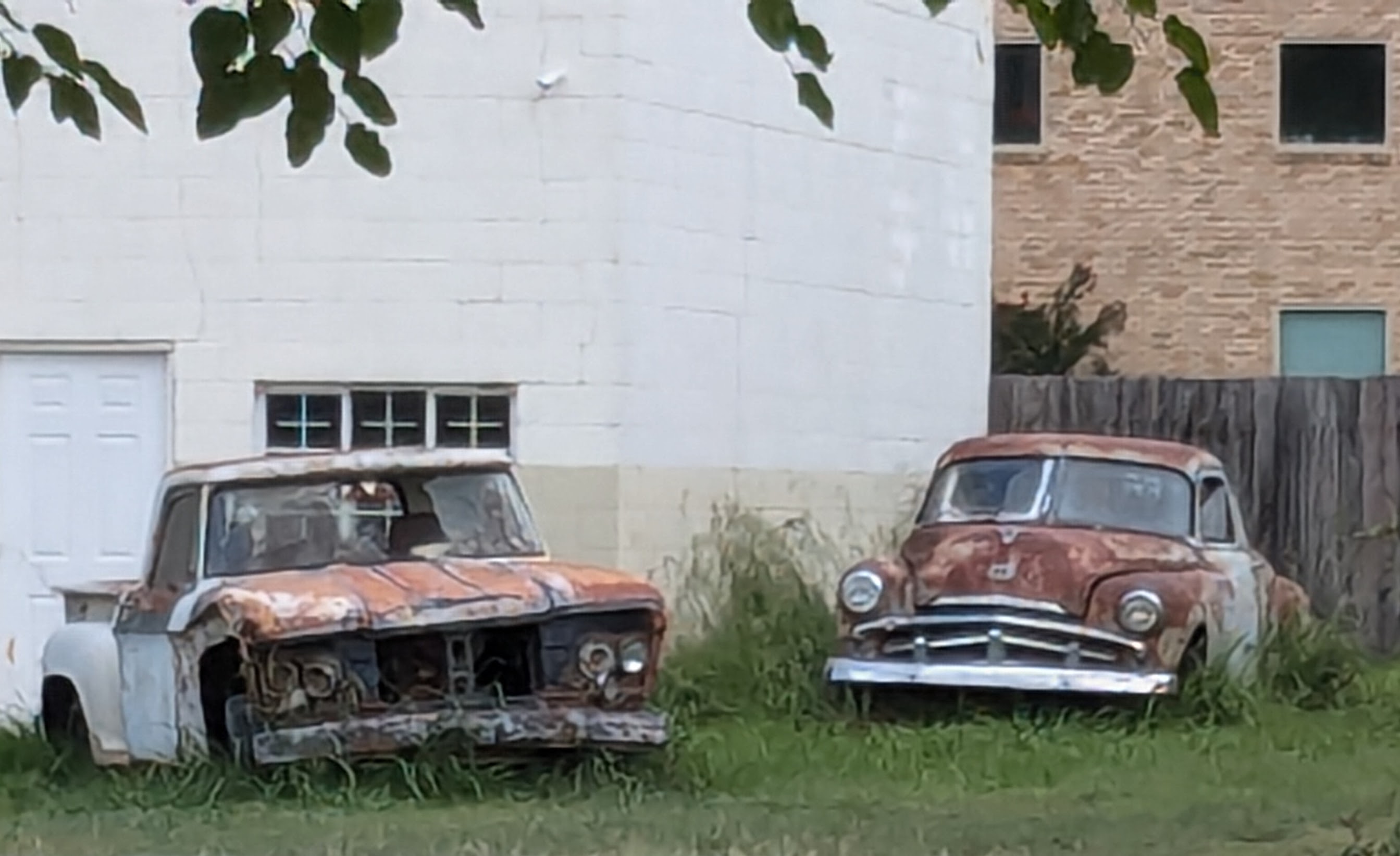
There are well-maintained public buildings, stately old homes, towering shade trees, and flowers seemingly everywhere in Paris. I savored the sight of vintage automobiles resting aside old buildings as much as the flower-filled baskets hanging from the light posts.

I longed to visit the charming shops in the downtown area, and to walk through gardens filled with colorful flowers. I vowed I would return to visit the “Old Jail” Museum, the Coal Miners Museum, a wine museum, and Subiaco Abbey, a “working” Benedictine monastery founded in 1878. The monks there produce a hot sauce known as Monk Sauce, made from Habanero Peppers grown in the Abbey gardens.

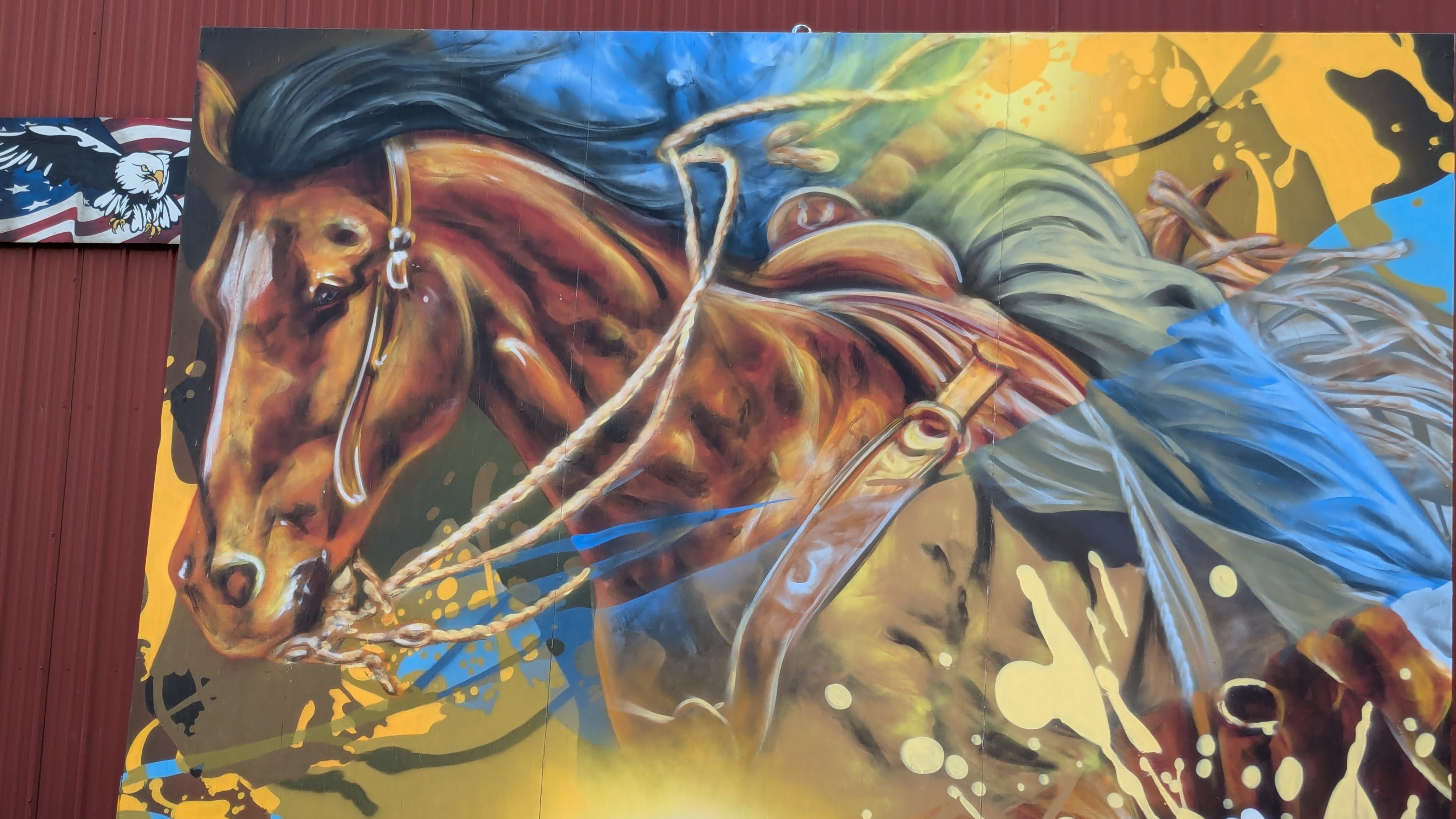
And the murals! The street art and murals in this small town are exceptionally varied and striking, as unexpected as they are enchanting.

Paris is a small town with a population just slightly over 3,200 and a distinctive history. The city was incorporated in 1879, but a settlement had been established there five years earlier. Once the heart of an agricultural area, it has also been a railroad town and a coal mining center. We had too little time to explore fully, but I would like to learn more about life there, for it seems to “live larger” and have a more intriguing story than one would expect.

Cuba: The ‘after’ story

Cuba is enigmatic – especially for Americans, whose contact with the island nation so close to US shores has been forbidden for so long. But even other nationalities are eager to see this tiny Communist country that has been embroiled in turmoil for at least the past six decades.

Read my account of how this trip came about.

As our shipload of 2,000 plus passengers departed from Key West, the excitement was palpable.

Havana lay just to the southeast. A reasonably swift vessel could make the 90-mile passage comfortably in about six hours. However, in order to adhere to a set schedule that would allow an entire day in Havana, the captain of Royal Caribbean’s Majesty of the Seas slowed ship engines almost to idle. Crossing the Strait separating Florida and Cuba would take more than 14 hours. We departed Key West at 5 p.m., with no chance to enjoy either Mallory Square’s street performers or the famed sunset.

Then, even though we were on deck at first light the following morning, we did not catch a sunrise view of el Morro Castle or the lighthouse at the harbor entrance except in shadow. Our first real daylight view was of decaying warehouse structures lining the dock on our vessel’s starboard side.

It was a shock.

First thoughts about Havana

Old Havana lies just beyond what was once a thriving commercial seaport, according to our map, but out of view. We could not yet see the Plaza de San Francisco, first laid out in the 16th Century, nor its impressive fountain and ancient basilica dedicated to St. Francis of Assisi. We saw a few spires, glimpsed brightly-painted buildings and followed dock workers and delivery vans as the morning dawned.

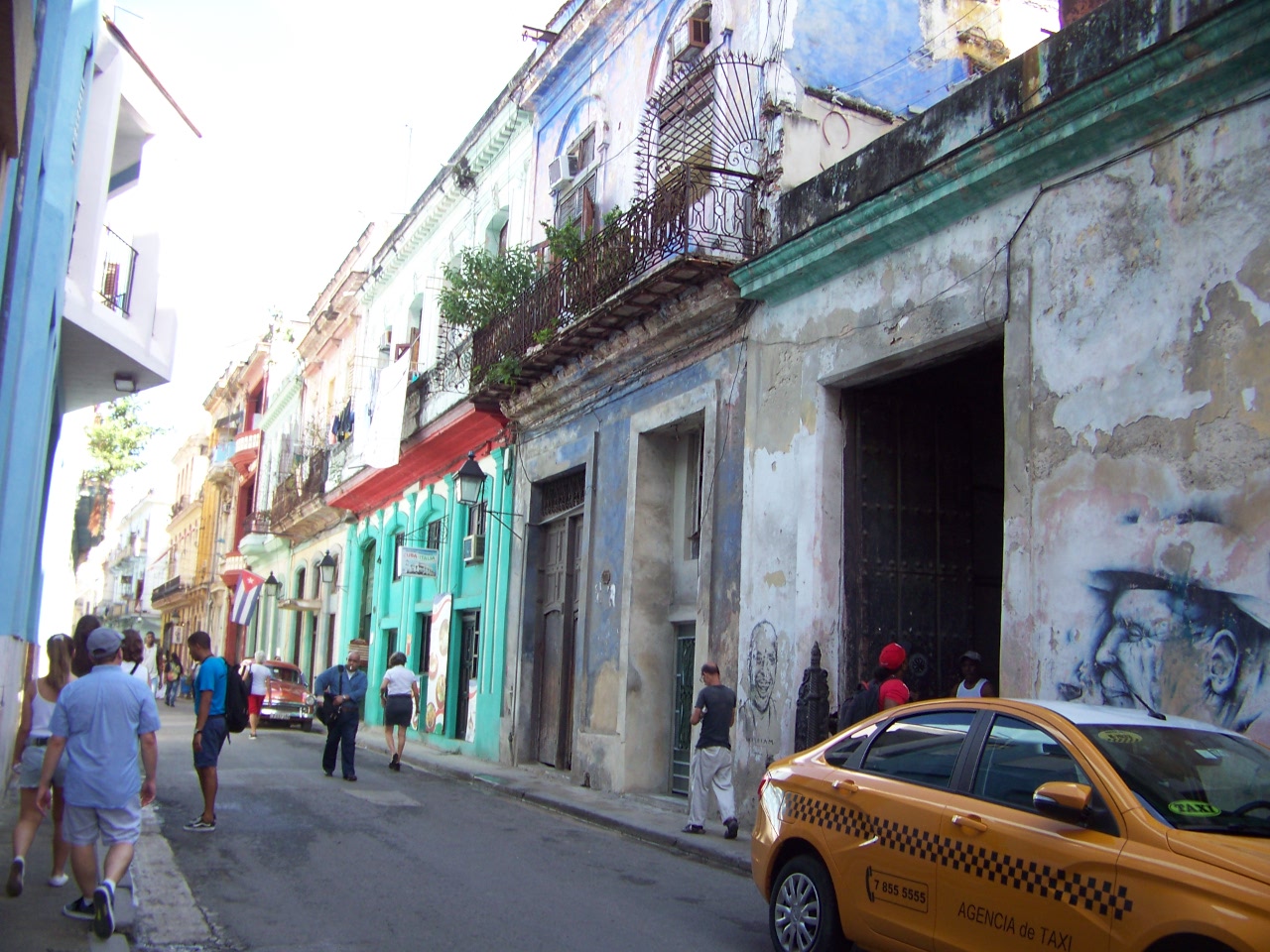
On the street, old buses, small vehicles, and horse-drawn wagons rambled along the uneven stones. We did not yet see the gleaming vintage automobiles we expected.

Our impression was of a city waking up and readying itself for the day; however, there seemed to be no urgency in the movements. We had been told that commerce progresses in Havana on “Cuban time.” We wondered if the onslaught of visitors was a welcome occurrence now that cruise ships call regularly in Havana.

The transition was immediate. We had been transported overnight back across decades to a place that we did not recognize. even from the pictures we had seen.

In all the magazine stories I had read about contemporary Cuba, I had never, to my knowledge, seen a picture that depicted age and disrepair in such a graphic manner. Was this the effect of being cut off from the rest of the world for so long, I wondered?

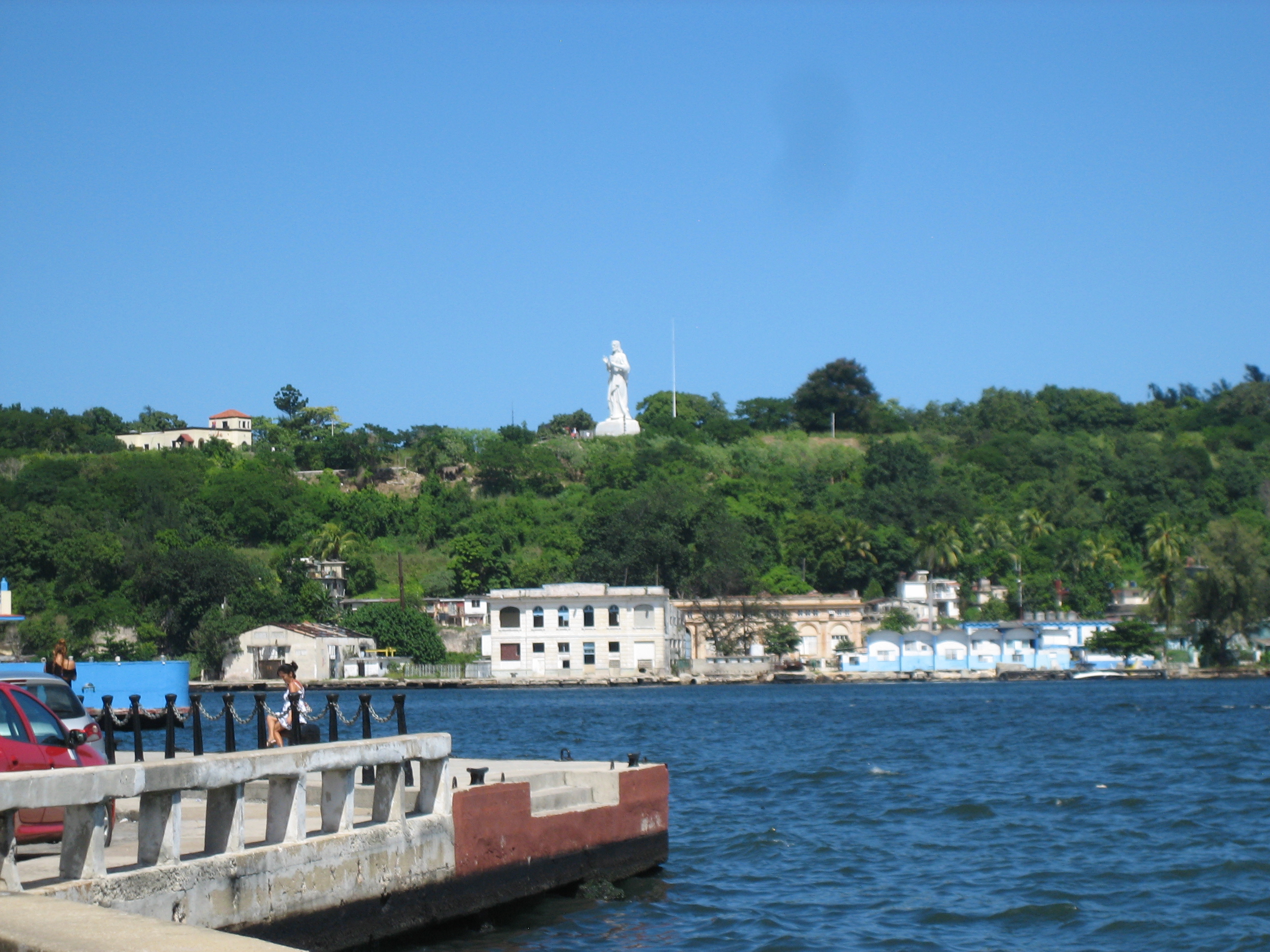
Across the harbor, we gazed at the impressive bulk of the white marble Christ of Havana statue, the work of Cuban artist Hilma Madera. It was commissioned in 1953 and inaugurated in 1958, facing east, looking over the city with one arm raised in blessing upon the land and people. Incidentally, only two weeks later, Fidel Castro brought the tide of revolution to Havana. The history of Cuba was forever altered. The 67 huge blocks of Carrara marble used to form the sculpture, the same type of stone that also graces tombstones in Havana’s sprawling Colon Cemetery, had been personally blessed by Pope Pius XII before leaving Italy.

IMG_3930

In the distance, above other roofs, two impressive gold-clad onion domes caught our attention and drew our wonder in the thin early morning light. We learned later that they are atop the Russian Orthodox Cathedral. It was built under the aegis of Fidel Castro, as a lasting monument to Russian-Cuban friendship, according to his memoirs, and was consecrated October 19, 2008, with Raul Castro in attendance.100_1143

Stepping onto Cuban soil . . .

100_1198 (2)

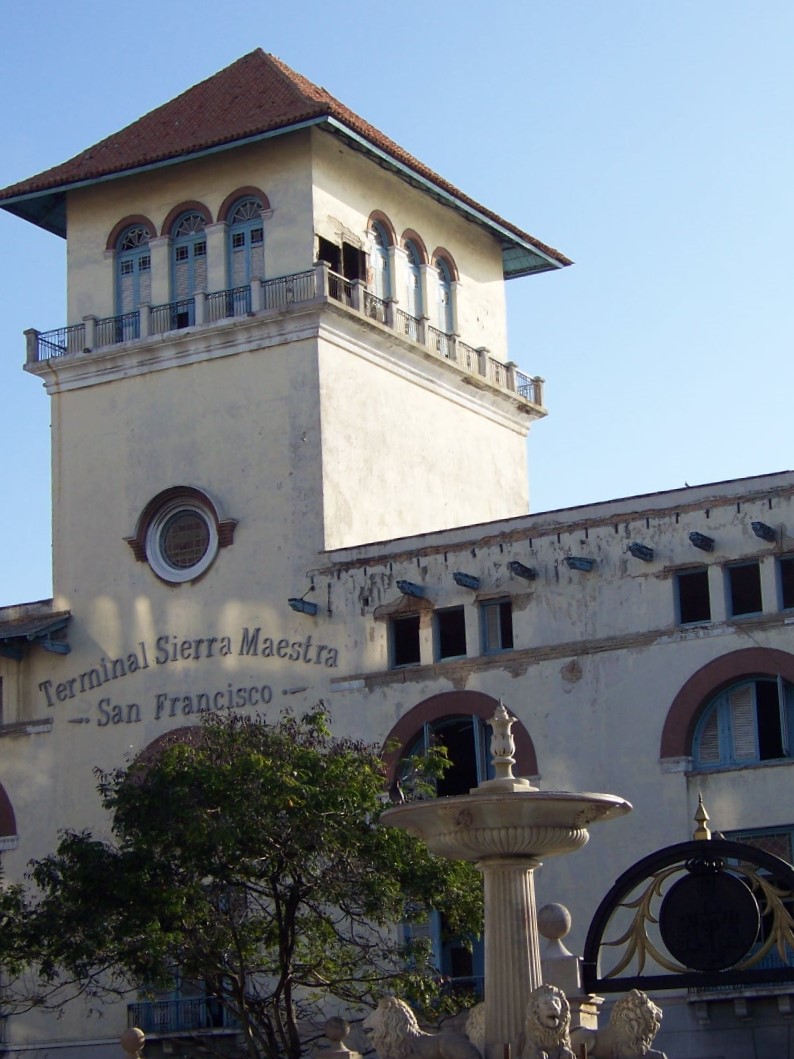
The ship was quickly and efficiently cleared by officials. Eager passengers began to make their way to the modern interior of the Terminal Sierra Maestra. Heat and humidity settled upon us, but Cuban officials in the bright and airy non-air-conditioned space seemed not to notice.

We had been cautioned not to snap photographs inside the port building. Functionally laid out, the terminal is designed to process visitors efficiently, not as a space to linger, to shop or to socialize. There were no cautionary signs, but we obeyed the rules as smartly-uniformed customs and immigration officials and currency exchange personnel quickly dispatched us onto by-now bustling city streets or to waiting tour buses.

If only we could shed our preconceptions, I mused—about people and places and cultures—as easily as we shed our clothes in a tropical island setting. I thought about those preconceptions as I disembarked in Cuba. The carefree ambience of Cuba was nowhere to be seen. Somehow, I felt very American at that moment, and was mildly disappointed that there were no welcoming musicians or souvenir-sellers. 

At first glance, Cuba was not at all what I had expected.

Cuba demystified

Despite the relative ease with which an American can now visit Cuba, it is not at all routine. A visa is required, a relatively simple procedure, but it comes at a cost of $75 per person when processed by the cruise line. There are rules and specific guidelines for filling out the forms, depending on the specific category of authorized travel. Visiting Cuba simply as a “tourist” is still not a valid option for Americans. Travel as a journalist, for humanitarian, agricultural or educational purposes, and for specific other reasons is allowed, but there are strings attached.

Participation in some sort of cultural exchange is a requirement, under “people-to-people” guidelines that are well-defined and controlled. Half and full-day tours of many types can be booked through the cruise line; third-party excursions are available. We chose the latter; two separate excursions from two different sanctioned companies. We also built in a few hours of time on our own with thoughts of a museum visit or a leisurely lunch or dinner.

Discovering Havana on foot

We first strolled through Old Havana on our way to meet up with a designated guide. Our planned walking tour promised a sampling of traditional “street food.” We stopped for a morning coffee at an outdoor café where the menu surprise was espresso delivered with a cigar on the side. We opted to forego the cigar, ordering tall iced coffees instead. Served with ice cream, they were cooling and delicious on a morning already steamy with tropical heat! Service was prompt and cordial, and prices were reasonable. No, actually, by American standards, the prices in Havana are extremely cheap!

This was no ordinary tour, and the conversation was as satisfying as the food samples.

Our group of six enjoyed typical fried treats, akin in some ways to warm American jelly-filled doughnuts, followed by pizza slices, chocolate-covered ice cream on a stick, cooling fresh fruit cocktails, and roasted ears of corn dripping with melted butter!

100_1329

Our young guide, Marcos,  a history student at University, was knowledgeable and informative, even leading us to a local B&B to see typical tourist accommodations and meet the proprietors. He gave an impromptu history lesson, answered all the questions we asked, and our time with him concluded over shared beers at a delightful local establishment on another old city square.

Walking through La Habana Vieja is quite an experience!

. . . and from the backseat of a convertible

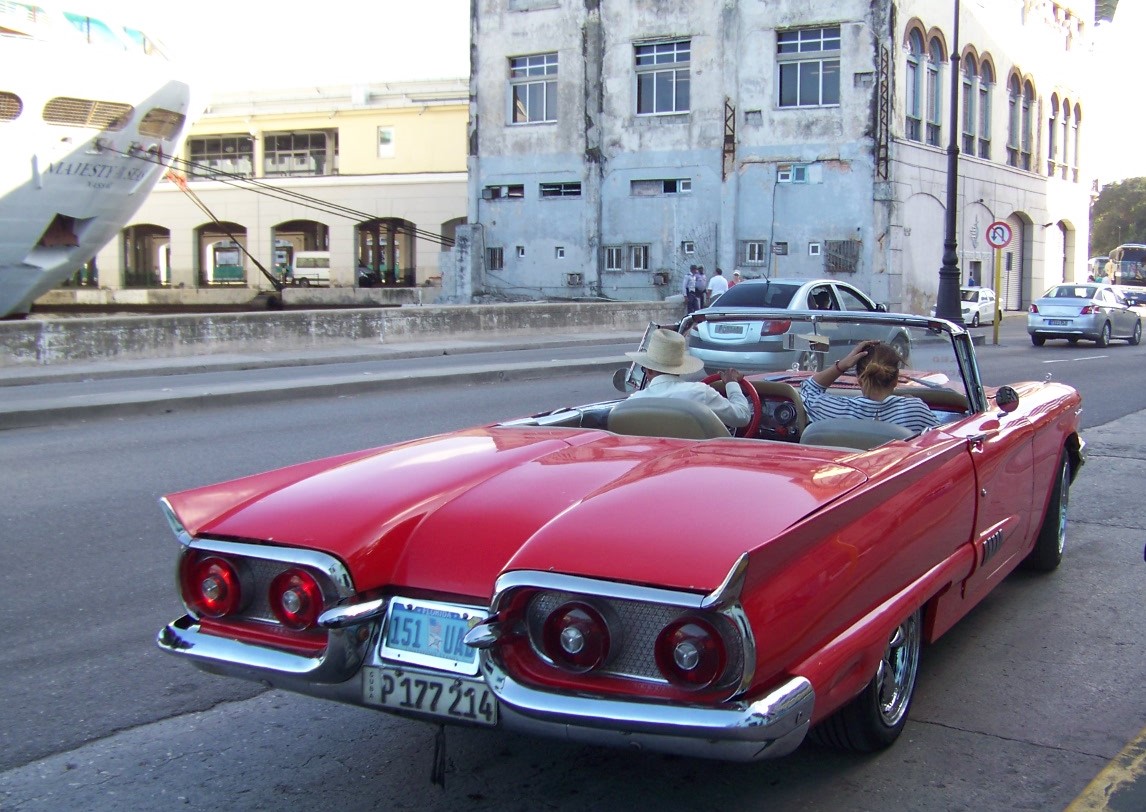
A bit later in the day, we embarked on our second scheduled Havana experience. We had booked three hours with a car, driver and guide for a tour that would take us to many of the various neighborhoods that comprise Havana, a city that is now home to more than two million people. Out driver did not own the car, but he treated it lovingly, and handled it as if it were an old friend. He told us that he would soon be out of a job for a time, because the vehicle was in need of some repairs.

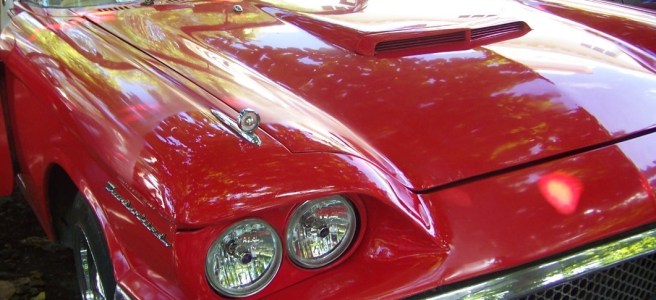
Yes, the car was vintage American, a 1958 Thunderbird convertible; bright red, shiny and impressive despite its age, still with its original engine. And Florida plates!

wp_20181018_14_45_59_pro1.jpgIt was a whirlwind excursion; we saw ancient forts, business and residential districts, numerous monuments and families out to enjoy the city’s parks and playgrounds. We drove past massive art galleries, the national opera house, expensive hotels, stark Russian apartment buildings, modern steel and glass office buildings, and residential areas crowded with nondescript apartments. We drove the five-mile length of the Malecon, a broad avenue and seawall bordering the bay and frequented, perhaps equally, by fishermen and lovers, according to our guide.

Our guide, a personable young woman with a university degree in art, taught classes at the university. She had been fortunate enough to travel to art capitals in other nations and currently taught classes at the university in Havana, leading tours when able, both to earn extra money and to meet foreign travelers. Everyone we met was as eager to learn about us as we were to learn about their lives.

We returned once again to Old Havana, circling el Capitolio, completed in 1929 as the seat of government. Following the Cuban Revolution in 1959, the “House of the People” had no real purpose, and today it is home to the Cuban Academy of Sciences. Its dome has been under repair for the past several years, but the building and its adjacent statuary are still impressive.100_1286

We both walked and drove past La Floridita, the bar that served Ernest Hemingway’s favored daiquiri. The stool he occupied when he drank there is said to be cordoned off with a velvet rope.100_1307 (2)

So much to see and do

We also drove past former mansions and beautiful seaside estates, remnants of an age when Havana was the playground of the rich and famous; when what was characterized as “the good life” was also rife with mafia activity. Some storied nightclubs and bars from Havana’s glory days still exist, and overnight visitors have the opportunity to drink and dine in the outdoor atmosphere of the fabled Tropicana Club and former casino.

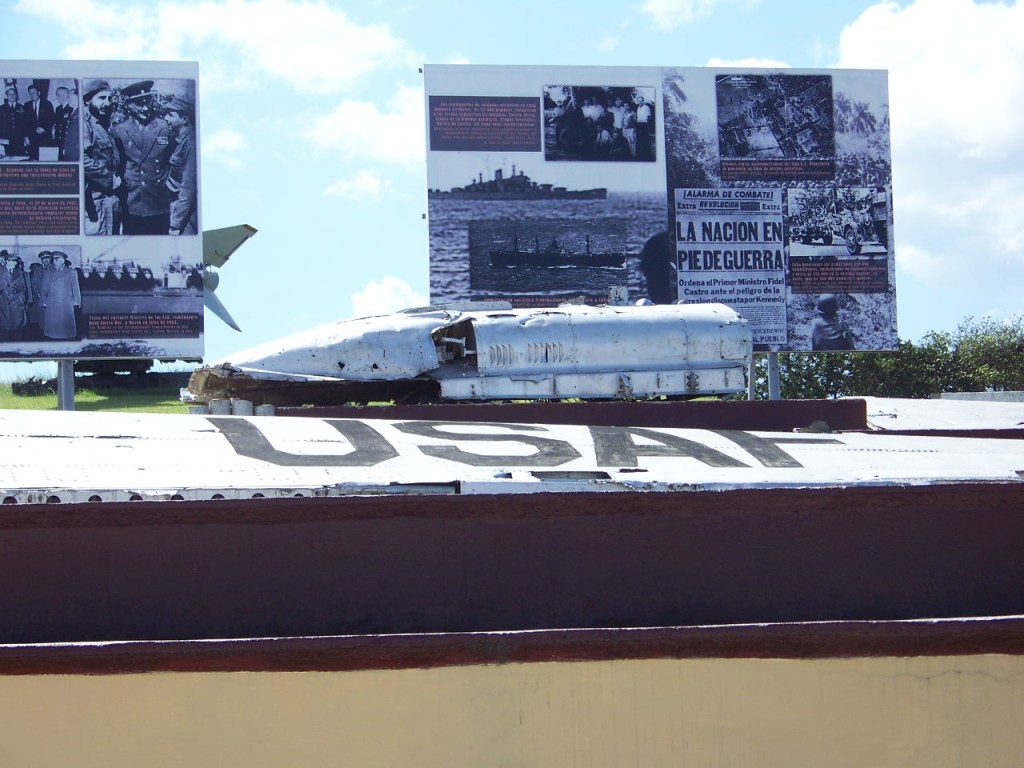
We sipped Mojitos from a street vendor at the site of el Morro, Castle of the Three Kings, the fortress that guards Havana’s harbor. We were awed by the view of the city from hilltop site of the looming Christ statue, and were mesmerized by the park that has preserved remnants of the military exploits on Cuban soil, including missiles and wing pieces of American planes.

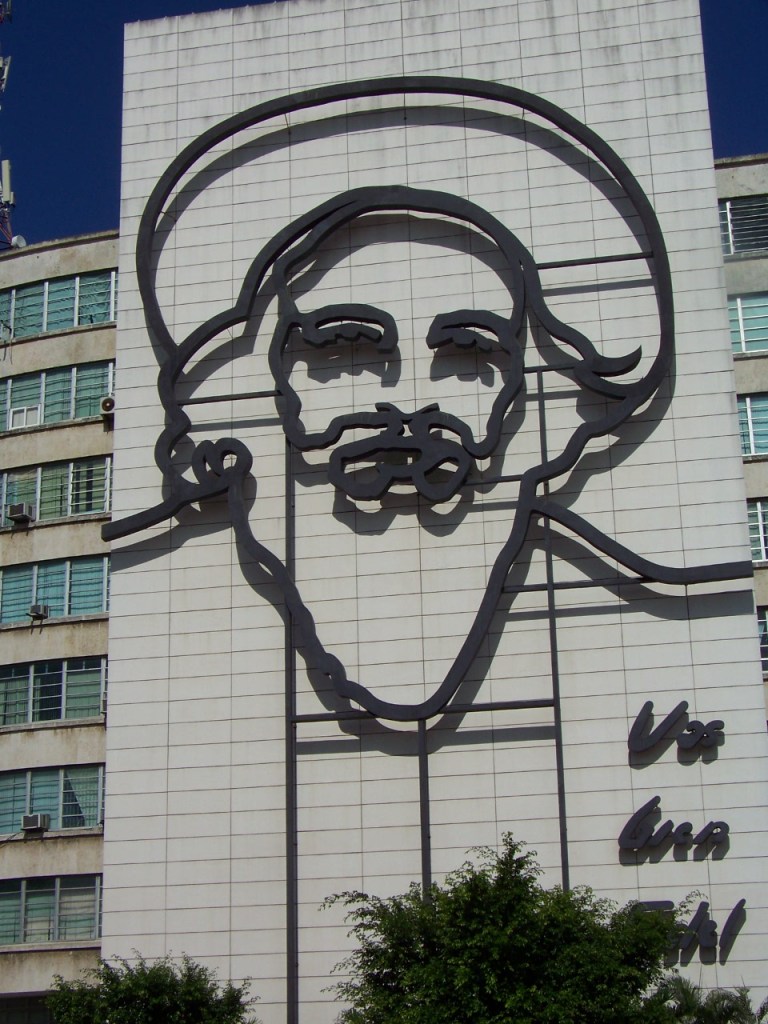
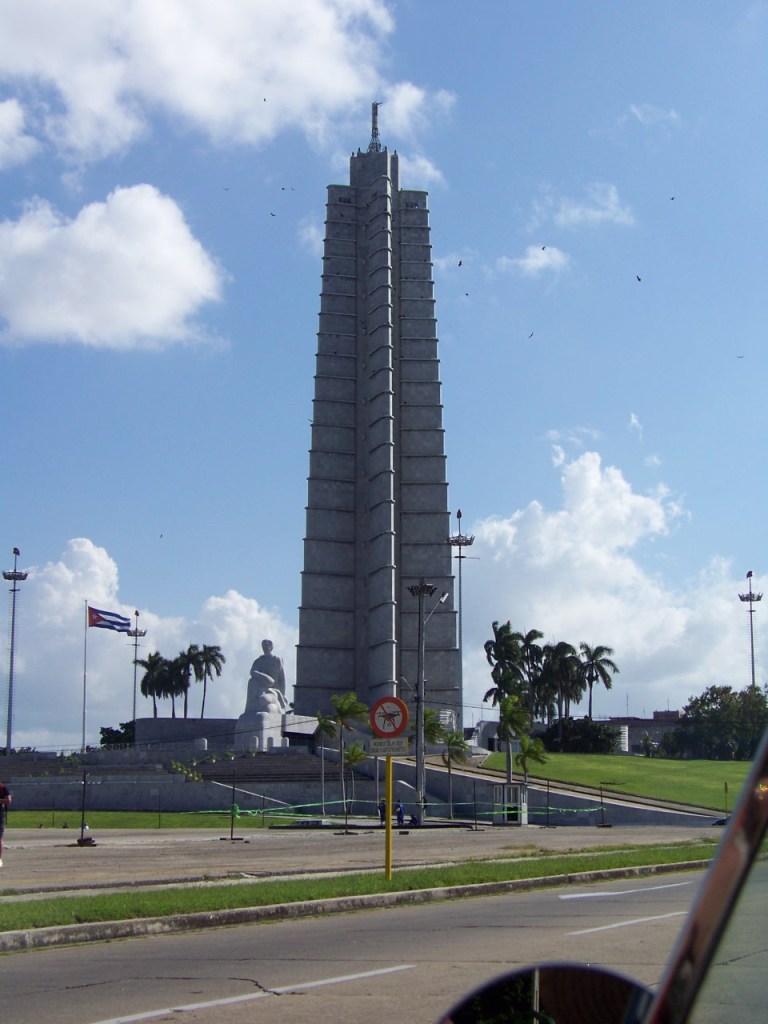
Revolution Square and those bigger than life likenesses of Fidel Castro and Che Guevara will be forever etched in my memory. So, too, will the sight of the American flag waving from its pole on the grounds of an embassy now staffed only by a skeleton force of diplomats.

An August 28, 2018, U.S. State Department advisory once again recommended “Increased Caution” for American travelers to Cuba, following the illnesses and purported “attacks” on embassy personnel.

Toward the end of the afternoon, we visited Havana’s “forest,” a sprawling domain of greenery that winds along what is, sadly, a polluted river. Families still picnic by the river, however. Along that same river, we witnessed a unique religious celebration. Our guide explained it was a Cuban Vodu gathering — an indigenous religion unique to Cuba that has evolved from Haitian roots. Then, amidst the overhanging boughs and grassy expanse, we sipped icy Pina Coladas, savoring a day filled with new insights and a wealth of lasting impressions, before our classic red Thunderbird returned us to the cruise ship terminal.

100_1523

The takeaway:

100_1563

Cuba is a sensory experience. We sailed away that evening in deepening twilight, with an overwhelming sense that we had barely scratched the surface of Havana, let alone the country, during our brief encounter. The next morning at breakfast onboard our modern cruise ship, our table-mates agreed that it will take some time to process the total experience. Now, after a full week to consider, my husband and I are still attempting to digest all that we saw and did during our 12-hour stay in Havana. It was not long enough. And, although not my preferred way to visit a country for the first time, it was a delicious and uniquely palatable first taste.

The Cuban people are charming, proud, gregarious, curious, talkative, hopeful, guarded and resigned — all at the same time. Cuba cannot be easily dismissed, even after such a short stay.

Do I want to return? As yet, I have not decided. For now it is enough to report that a cruise ship call in Cuba is unlike a port visit to any other nation on earth.

It changes a person. But that’s what the best kind of travel does.

Edited to Add: Now, in 2023, I would more than ever like to return to Cuba. I have thought often about the people we met there, wondering how they fared during the pandemic. I would like to know how they dealt with the added burden of illness on top of the food shortages and other difficulties that they already endured. I would like to know if the economy is better, or if it became worse for them when American travel to their country was once again all but cut off. I would like to ask if they are more or less worried today about the future in light of increased tensions worldwide. It is still possible to travel to Cuba, even as Americans, but it takes planning and determination once again. Americans can fly into Havana and travel freely throughout the country, but they cannot use credit cards or ATMs, and must have sufficient cash for their entire stay. Visas and approvals are required, and there are rules to follow. Is it worth the effort? I am not sure, but I’ll be checking out the requirements and the possibilities for a future trip.