

In December 2023, Old West Magazine published a list of the “The Top 10 True Western Towns of 2024,” as it has annually for nearly two decades.
Cody, Wyoming, topped the list this year, but others include:
- Miles City, Montana
- Lubbock, Texas
- Abilene, Kansas
- The Dalles, Oregon
- San Angelo, Texas
- Deadwood, South Dakota
- Tombstone, Arizona
- Fort Smith, Arkansas, and
- Prescott, Arizona
Some of these Old West towns have made repeated appearances on the magazine’s annual list. I have lived in several of these legendary locations — Santa Fe, NM, Fort Worth, TX, and Miles City, Montana. And I have visited many more.
Many towns across America claim to be throwbacks to earlier times, dripping with the romance and spirit of discovery that characterized a new and uncharted land.
Most have become thoroughly integrated with modern life. The best, however, retain and celebrate their history as towns on the frontier of a fresh and growing America. Their residents may no longer subscribe to the lively lifestyles of the past, but they are also unwilling to completely put the past behind them. I find that refreshing.
The West Lives On
Last month, I visited an Arkansas frontier town, Fort Smith, for the first time.
Fort Smith has also made True West’s list more than once, and its past may be more colorful than most. The facts testify to its importance on the edge of the American frontier.

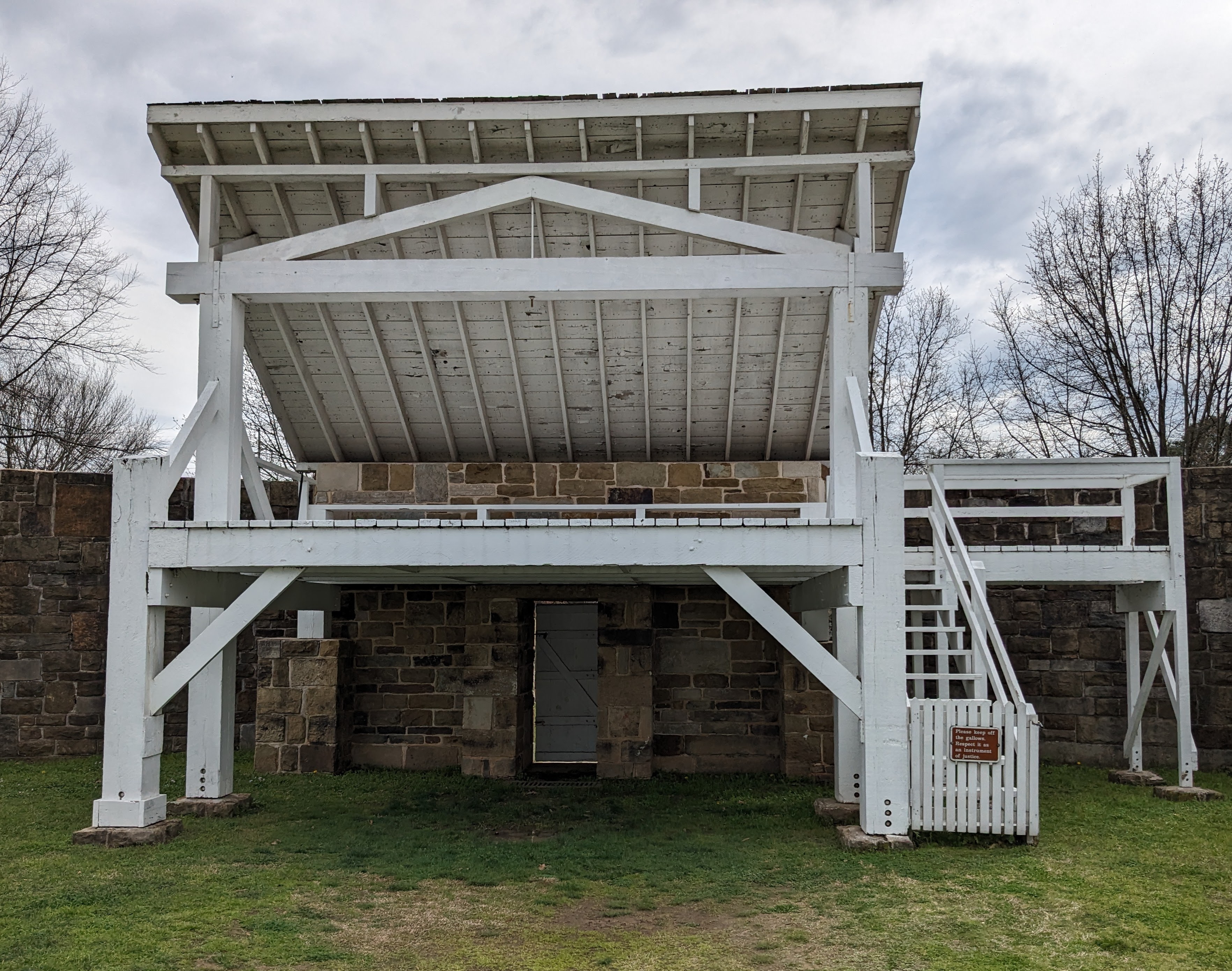
Situated on the banks of the Arkansas River and just a bridge away from Oklahoma, Fort Smith is a small town by any standard, but its history is long and varied. It was where “the Hanging Judge” of Old West renown held court — 83 men were hanged on the orders of Judge Isaac Parker between 1873-1896, and reconstructed gallows now occupy a prominent position at Fort Smith’s National Historic Site. Displays are housed in a former military barracks and the city’s impressive historical museum occupies a one-time Army commissary.
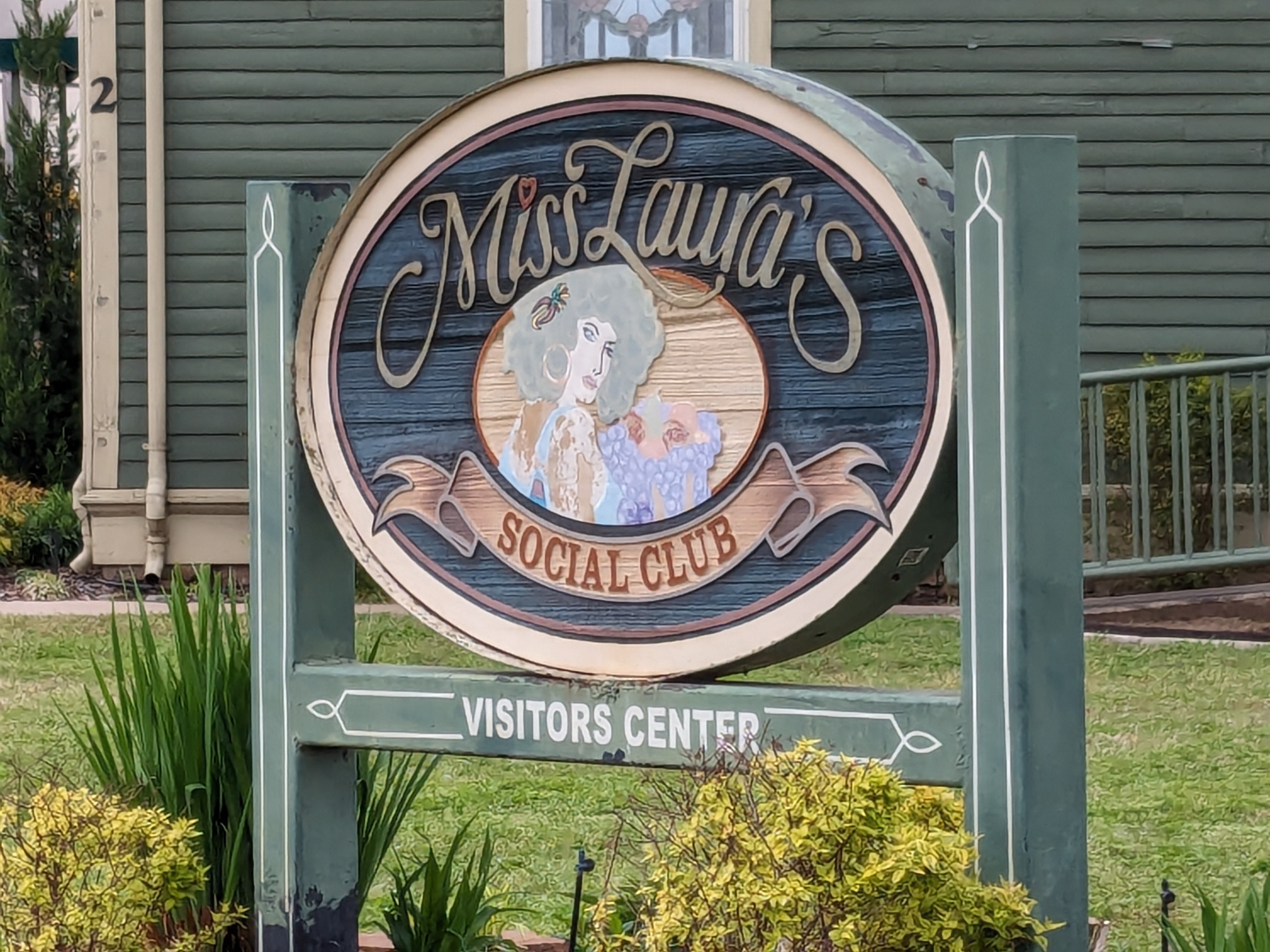
The city’s Visitors Center is currently in a former brothel, Miss Laura’s Social Club, and tours of the restored house are offered to the public on a regular schedule. A modern Visitors Center, however, is slated to open in 2025.
Despite its status as the third most populous city in Arkansas, with approximately 90,000 residents, Fort Smith retains its small-town appeal. Its boundaries encircle an area of about 63 square miles, but its downtown core consists of only a few easily walkable blocks.
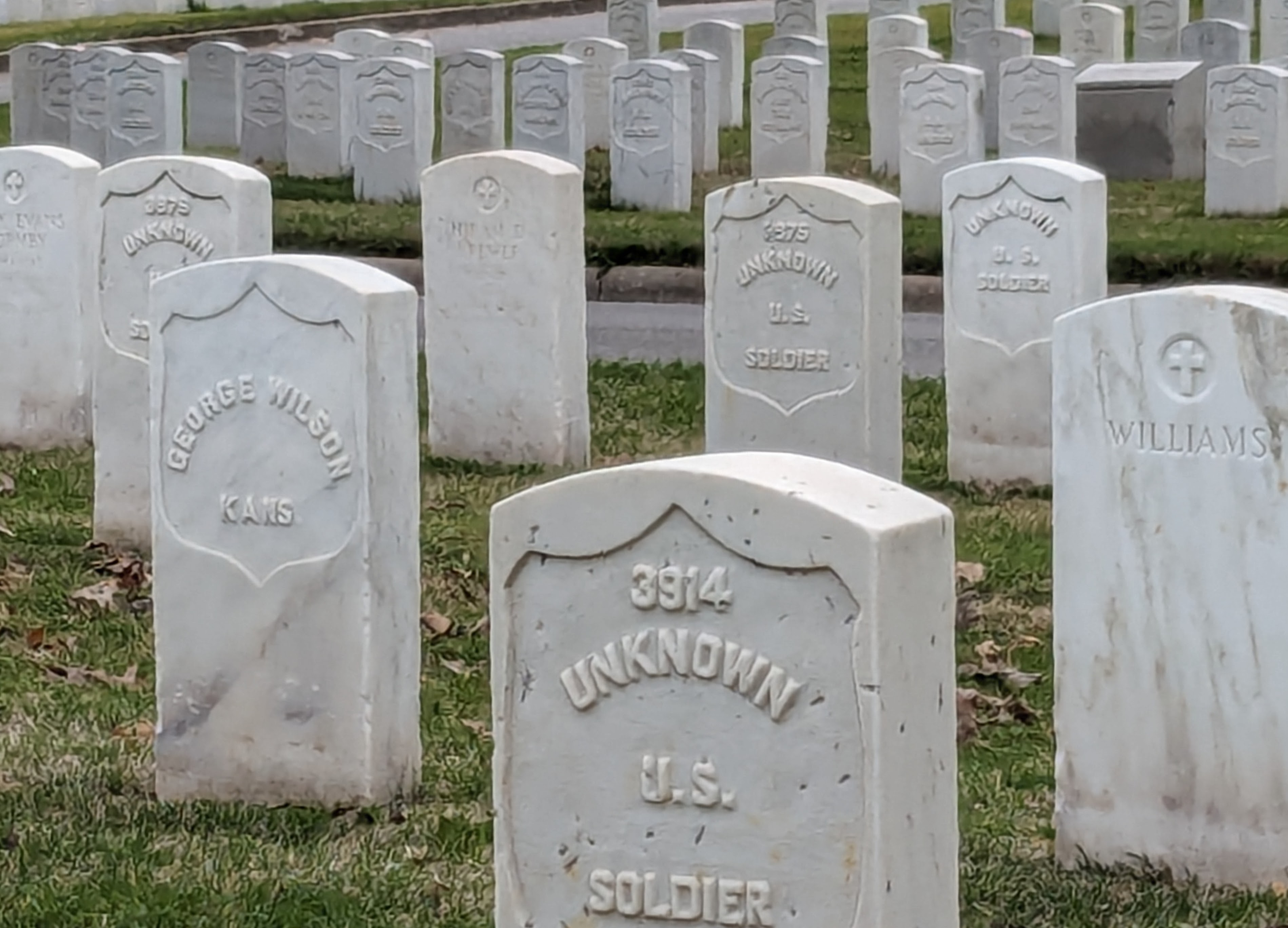
The city played a contested role in the Civil War and fell under the control of both the Confederacy and the Union at different times. Today a National Cemetery is located near the center of Fort Smith’s historic downtown district. Walking among the headstones is an eye-opening lesson in American history.
Building a New History
Present-day Fort Smith also has much to recommend it, not the least of which is the United States Marshals Museum that opened July 1, 2023, after a decade of planning. It occupies a dramatic riverbank site only a mile or so from the city’s historic downtown.

If, like me, most of what you know about U.S. marshals has been gleaned from television and movies, visiting this museum is akin to a refresher course in reality. The modern building at first seems a bit incongruous on the river, sandwiched between a bridge that leads to Oklahoma and an RV campground. One wonders initially what this architecturally stunning building, set starkly between large boulders and clumps of prairie grass, can be. Closer to the bank, a horse and rider seem to stand watch.
Upon approach, however, the steel and glass building morphs into a stylized star – the badge of the U.S. Marshal. A single American flag directs visitors to the building’s entrance.
The museum tells the story of a small band of legendary men and women charged since 1789 with “keeping the peace and carrying out justice” in the United States. And it tells that story in an unparalleled way.
The Trail of Tears
Also in Fort Smith, there is a viewing platform on the river, not far from the city’s modern convention center, that marks the spot where the trail ended for native tribes who were forcibly removed from their lands east of the Mississippi. Although there were several routes to the designated “Indian Lands” in the West, the years-long relocation of thousands of indigenous tribal members is known as the “Trail of Tears.”
For some, that trail ended at Fort Smith. Indian Territory lay just across the Arkansas River, in what was to become Oklahoma. Last year, I stood near the bank of the Mississippi River not far from St. Louis, at a point where a marker now designates a beginning point of the Trail of Tears. Seeing both the beginning and end of that trail was a sobering experience.
My recent travels have opened my mind to the variety and wealth of Arkansas history, and to the reasons for its nickname as the Natural State. One need not travel far afield to learn more about this unique region.
The City That Holds My Heart
Old West towns beckon to me. To this day, each retains a kind of defiant swagger that sets it apart from other historic American cities, and each one has a distinctive mystique.
Some years of my early childhood were spent in Miles City, along with many summer vacations to visit grandparents. Miles City was then, and in some ways still remains a quintessential frontier town. Founded in 1877, the year after the Battle of the Little Big Horn, it was adjacent to Fort Keogh, at the confluence of the Powder and Yellowstone Rivers in eastern Montana. The fort’s reason for being was as a military outpost to urge local tribes — the Lakota and Crow — to resettle on the state’s designated reservations.
As an active military installation, the fort had a storied history up to and including World War II. Miles City in its early days supplied liquor and services for the troops. Allow your imagination free rein; Miles City began life as a rowdy town.
The fort was deactivated in 1924 to become an agricultural research station. Miles City was an early railroad hub, with both the Milwaukee Road and the Great Northern Railway running through the town. And, for decades, motorists on both U.S. Highways 10 and 12 passed through Miles City. But in the latter part of the 20th Century, Interstate 90 and its I94 spur from Billings to North Dakota were constructed. The interstate bypassed Miles City, and it fell into decline as passenger train travel also diminished. The city’s airport had insufficient runway to handle jets, and most reasons for visiting disappeared.
However, to this day, Miles City clings to the pride that perpetuates its rowdy past. Some of that raucous past manifests each spring, during the third full weekend of May, at the legendary Bucking Horse Festival, held since 1951. The weekend celebration is a spirited event that includes horse races, rodeo events, and visits to Miles City’s throwback saloons. It is grounded in the history of the military and westward expansion, and characterized by high spirits and daring antics by contemporary cowboys. It is still a primary source of rodeo stock for the entire country and the annual rodeo and sale is one of those American “folk festivals” that one really must experience in person to believe.
More West to Explore
In just a few days, I will embark on another journey that will take me through several Old West towns in Kansas on the way to a week of R&R at a mountain cabin in Estes Park, CO.
Kansas is another state with a rich frontier history, and I look forward to exploring a bit more on this quick journey west, visiting Fort Scott, Wichita, and Dodge City along the way. On this road trip, my husband and I will drive a few miles along Route 66 in eastern Kansas, and then return to the past further west as we follow part of what was once the Santa Fe Trail. I wrote before about Kansas in 2022 when I visited several of the small towns in the southeastern corner of the state that we will pass through again on our way west.
On the way back to Arkansas, we plan to revisit Santa Fe, which we called home for nearly two decades, then will see friends in Lubbock and the Dallas/Fort Worth area before returning home. My plan is to return and write more about these legendary Old West towns that are now redefining themselves as unique places in the modern world.
I hope you’ll join me as I continue to travel and find interesting and unusual places to visit. I urge you to venture out on your own as you have time — to your state’s parks, historic sites, regional festivals and the many small towns, lakes, streams, mountains or shores that surround you, wherever you may live.

 Legionnaires of the 3rd Foreign Infantry Regiment based in French Guiana were transported on September 11 to the
  I pored over pictures of the
  In truth, however, showing up during normal daytime business hours would be wise.


 Good Food and Faraway Places