Wanderlust — Montenegro Dreams

As a child, I was captivated by people who lived lives very different from my own, and by the sounds of words spoken to a different cadence. The pull of the unfamiliar was strong. I do not remember a time when I didn’t want to experience far away places.  I never outgrew the wanderlust. Today, the rhythm of a foreign language is music to my ears and the promise of a trip is reason enough to pack up.

And those strange-sounding names; oh, yes!

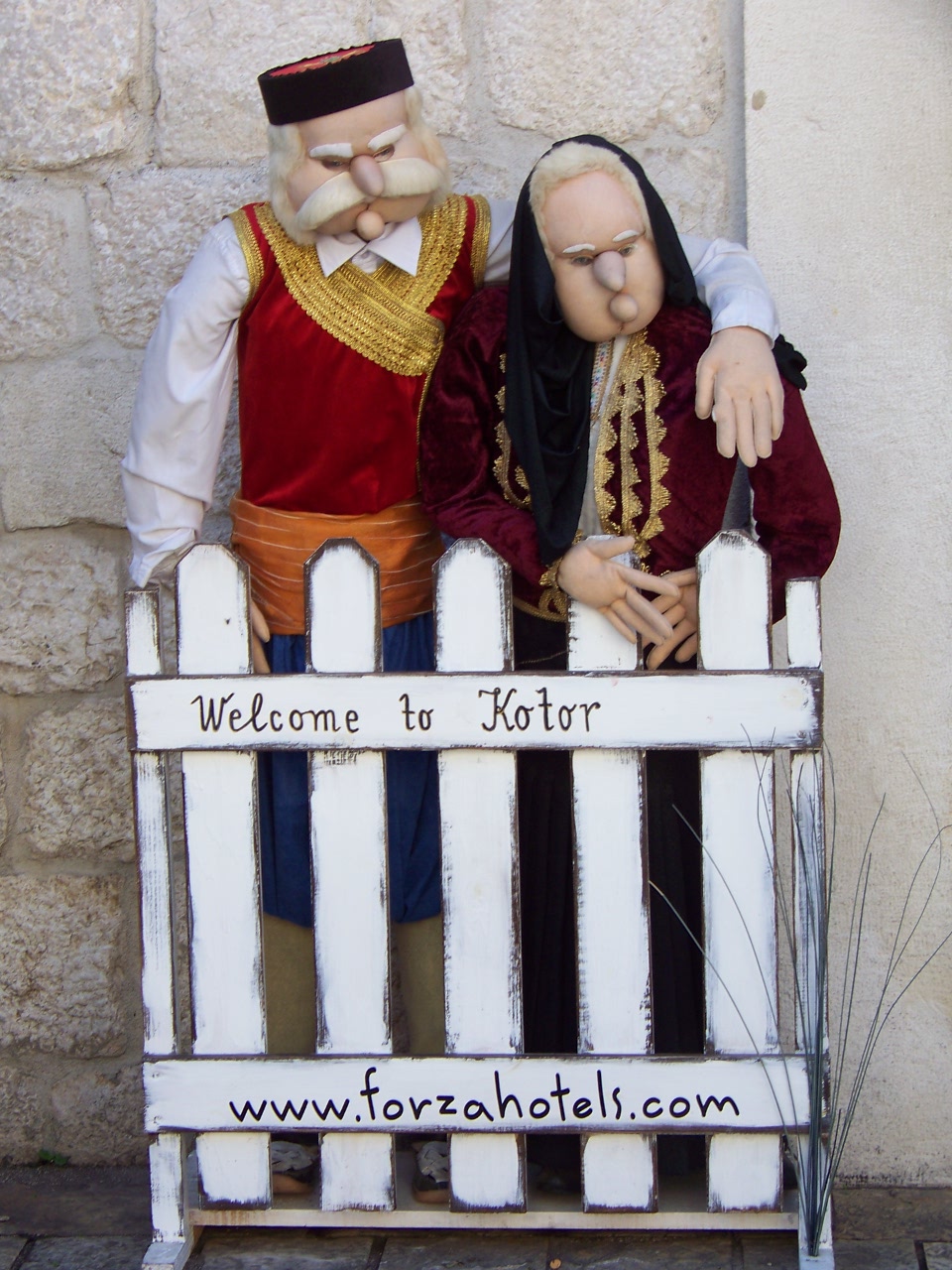
The pull of unknown places is strong. So, when Kotor, Montenegro, was one of the ports on a Princess cruise itinerary, it was almost impossible to resist. I knew next to nothing about Montenegro; in fact, I had to pull out my atlas to locate it.

We were in port for only one day. That was 2017, in the fall. Today, as I think about that visit, I find it hard to believe that all those good memories were formed in the course of one afternoon. Now I want to return again!

The place, the people, the history speak loudly of life well-lived and fine experiences just waiting to be had. Even more seems promised on a second visit than I experienced during the original. But that first visit could hardly have been better! The scenery, both the ancient city buildings and the surrounding limestone cliffs, is stunning, with hand-built stone walls stretching for more than three miles above the town. The scene is both awesome and forbidding.

Arriving in the City

Our day began with a quick tender ride between our ship and the city dock. Once on land, we were efficiently directed to a guide who was to accompany us on a stroll through Kotor’s marketplace prior to joining a local chef to hear about traditional Montenegrin dishes. We were to sample a variety of regional favorites.

We don’t normally sign up for ship’s tours — we don’t do groups well, preferring instead to walk at our own pace and make our own discoveries. But this one was different.

The stroll turned out to be more of a brisk walk as our group skirted the walls of the ancient city before arriving at the

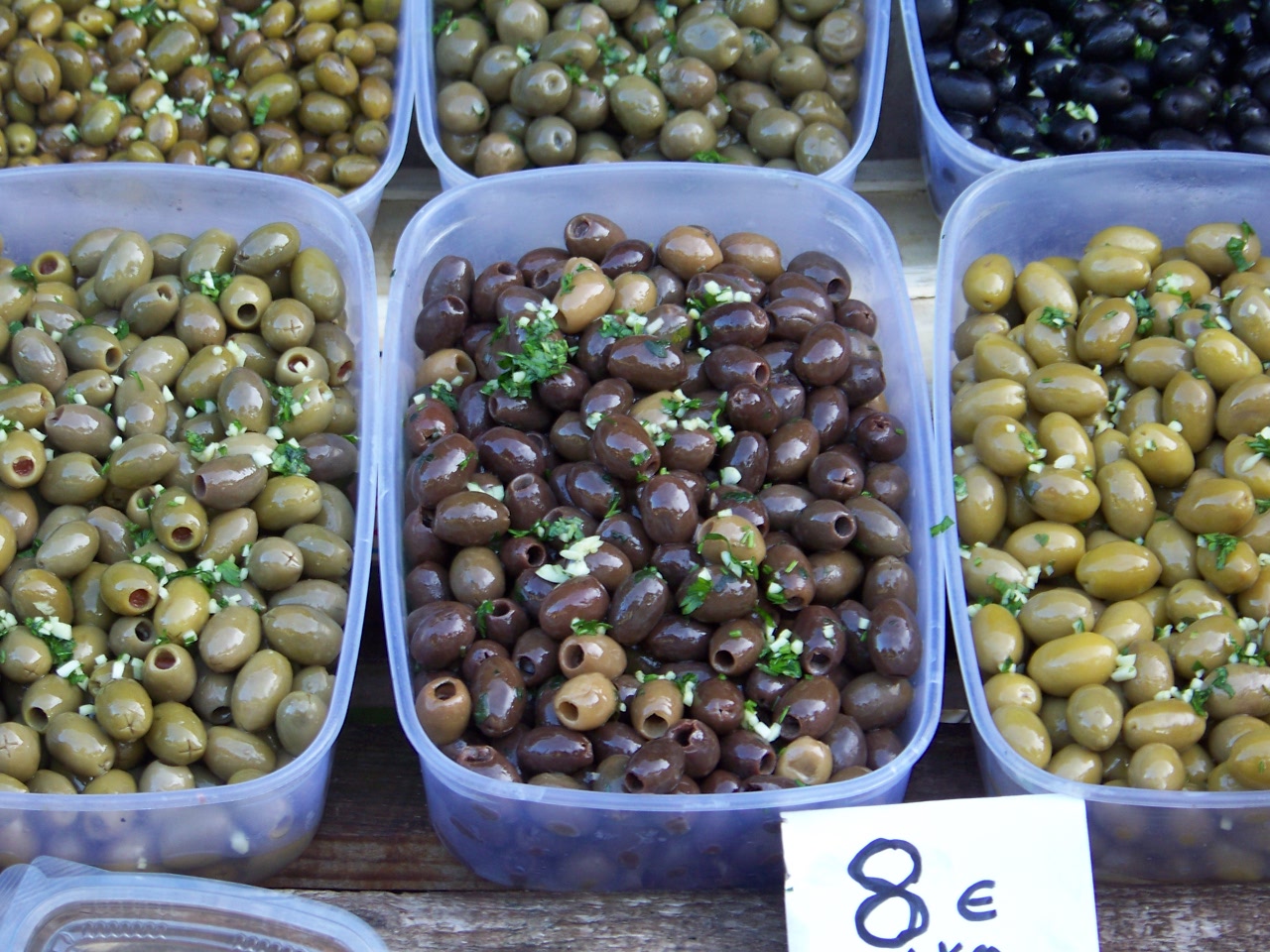
market. Stalls were filled with olives and cheeses, figs and dried apricots, colorful produce, plump breads, pastries and chocolates, sausages, ham and fresh fish – vendors offered samples, encouraging us to try unfamiliar fruits, to sample various figs and olives, to buy spices and olive oil. It was tempting, to be sure.

Welcome Freely Offered

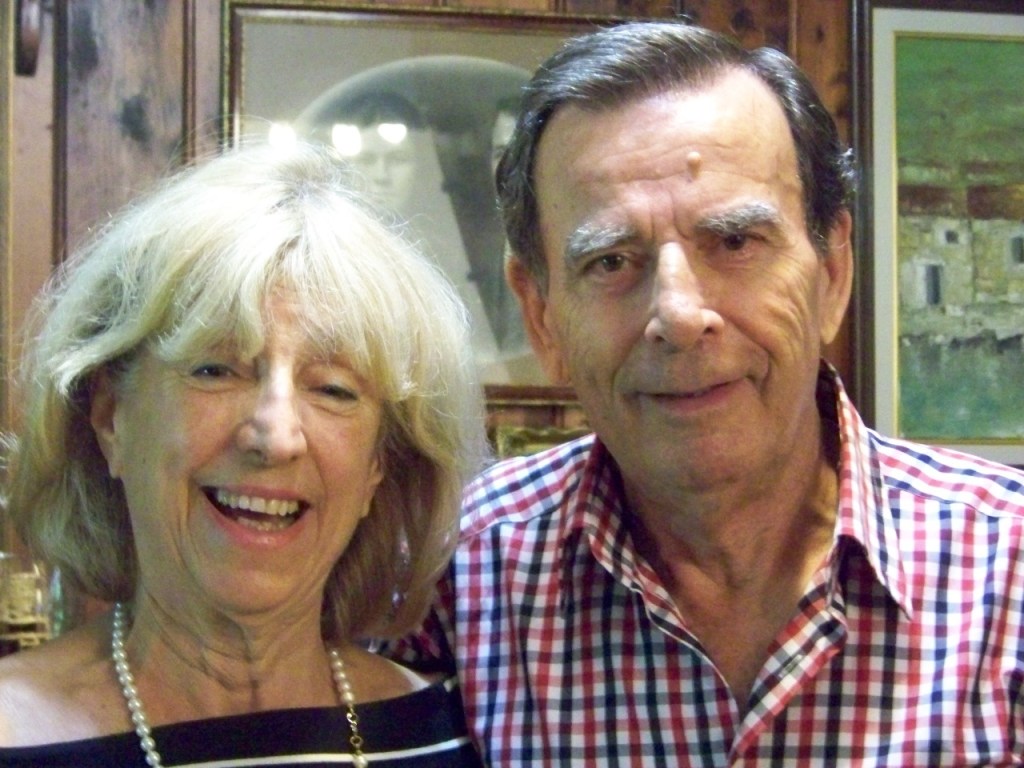
But, we had a schedule to keep, and we pushed on to the end of the harborside thoroughfare before taking a turn onto a tree-lined lane bookended with private gardens. While our group had envisioned gathering in a local café, we were delighted to be ushered through a courtyard and into a cozy home, greeted by a vivacious blonde who wore pearls with her casual slacks and tee.
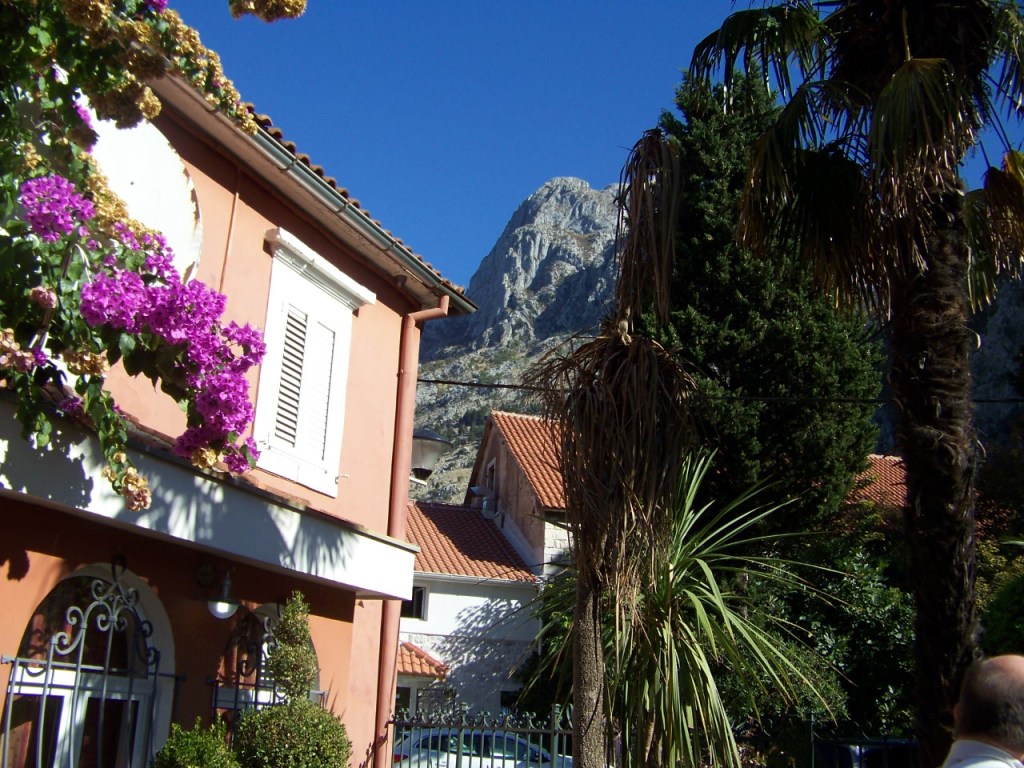
She greeted us warmly in only-slightly accented English, and introduced her husband, a former sea captain, who stood ready to pour each of us our choice of strong aperitif even though it was not quite 10 a.m. But, when one is on vacation and a guest in someone’s home . . .

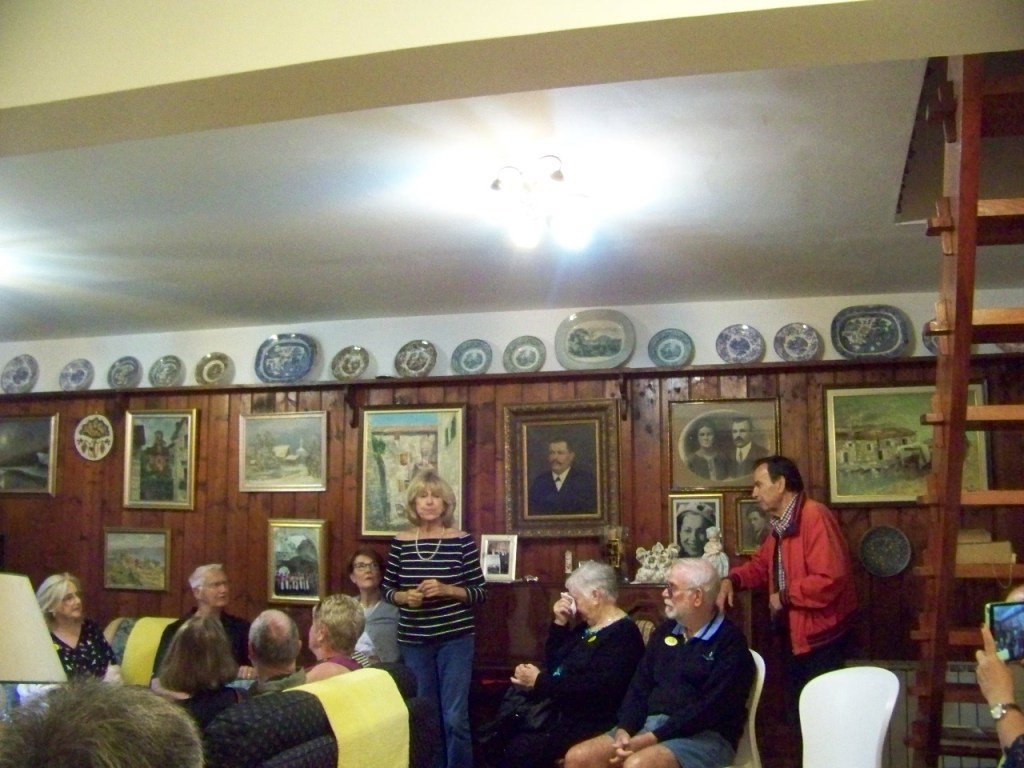
Each of us accepted a glass, then followed our hostess’s lead and raised our glasses in a mutual toast — to new friendships, good food and good times. She encouraged us to feel at home in her home. Each of us found a comfortable seat in the art and antique-filled sitting room. I chose a spot around a diminutive lace-draped round table.

We learned about the life experiences of this lady and her husband. Her many-faceted career, as author, cook, lecturer, tour guide, and who knows what else, was a bit of a surprise, proving that reinventing oneself knows no cultural or geographic boundaries. We also learned about her husband’s exploits at sea and of his ancestors whose portraits hung on the walls.

After a bit, she disappeared for a few moments into the kitchen. We were invited to take seats at a long banquet table that nearly overfilled a well-proportioned dining room with a view of the garden.

Sharing Food, Building Bridges

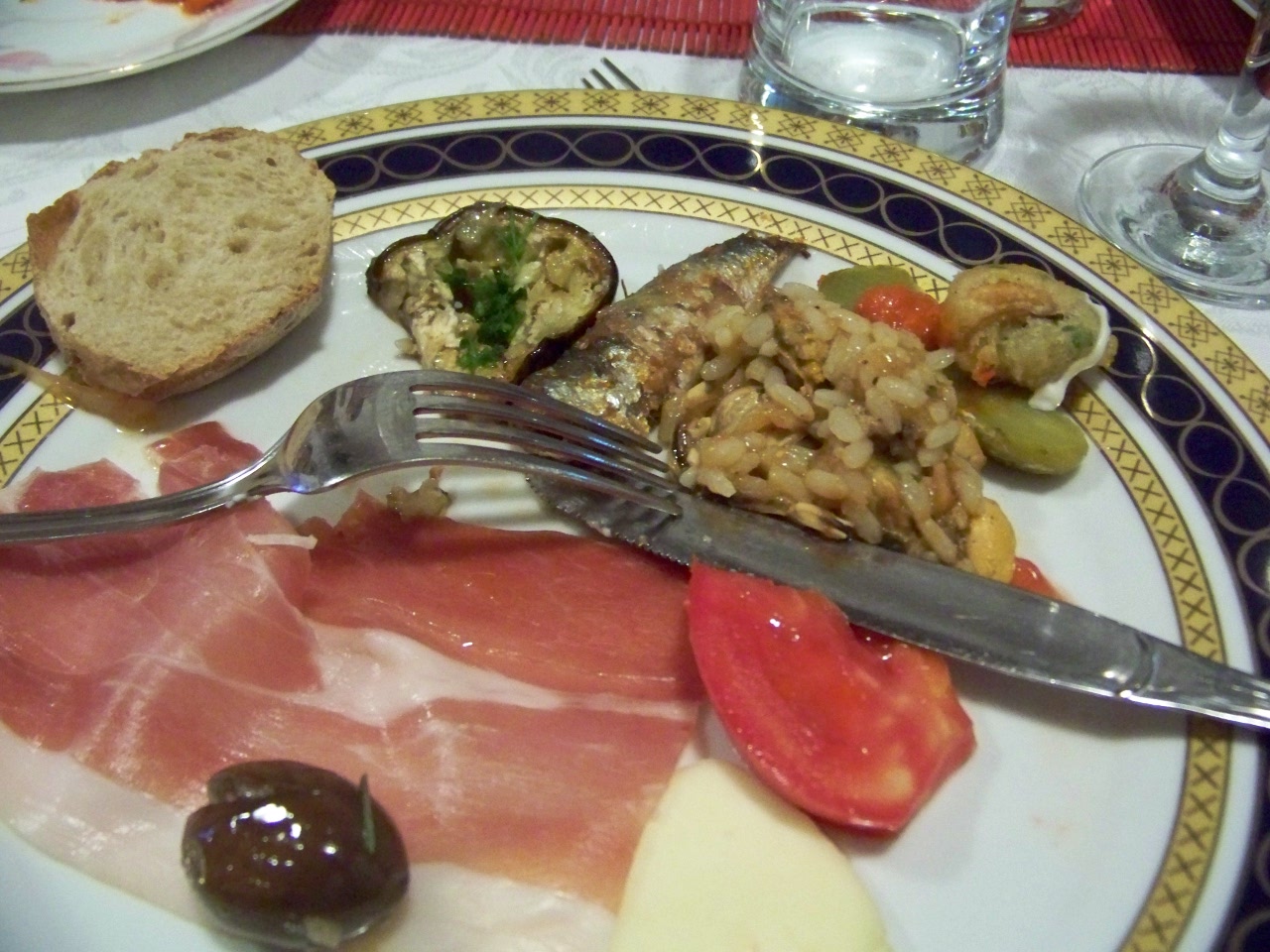
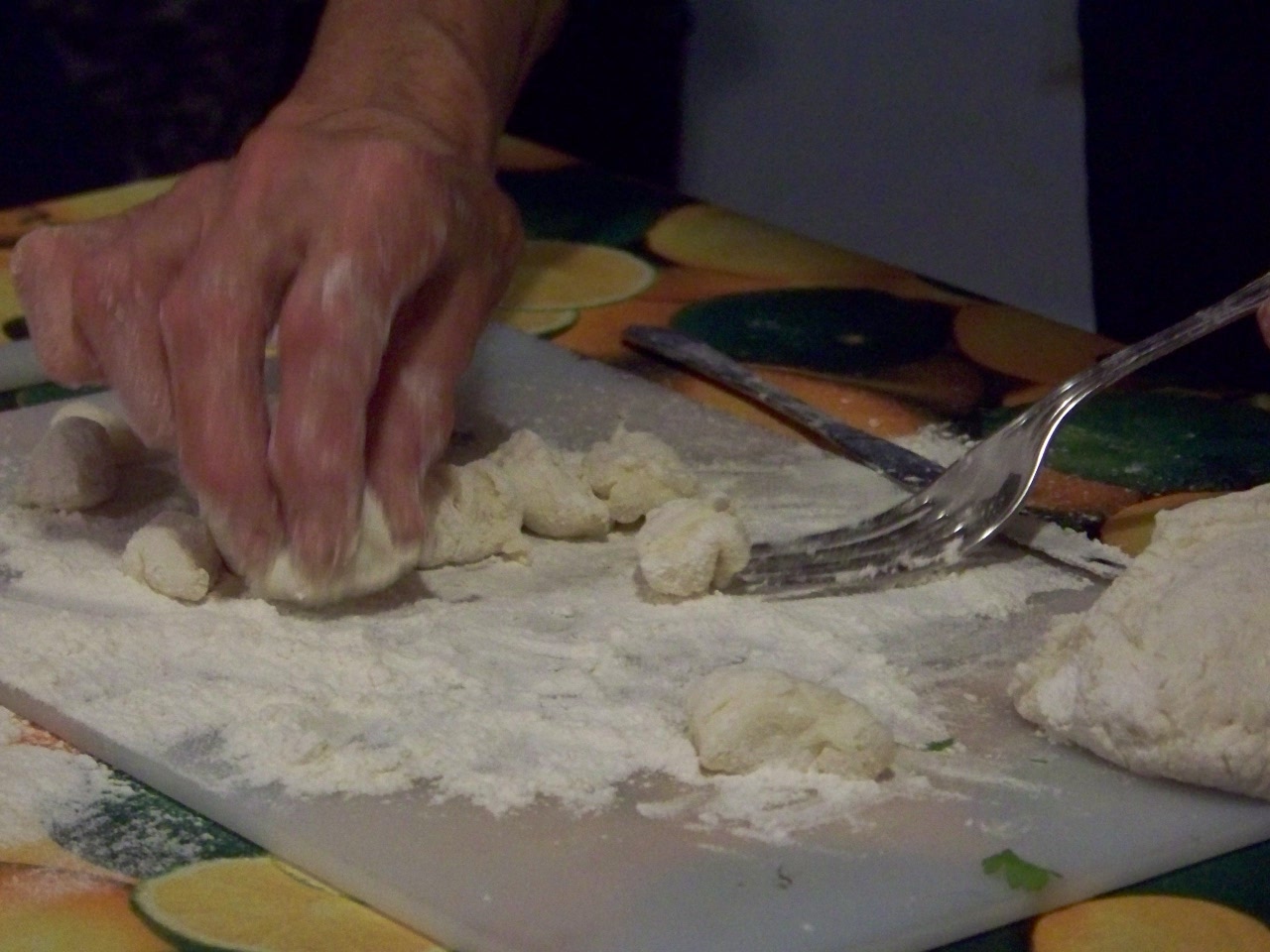
Treated like honored guests, we sampled plate after plate of appetizers, a delicious soup, a traditional entree, and, finally, a rich dessert, all accompanied by a parade of local wines. We listened with rapt attention as she demonstrated how to prepare a traditional Montenegrin recipe.

We were not really prepared for Montenegro. Yes, we knew some of the history: Kotor is a unique medieval fortress town, with an array of buildings that span from the 12th through the 16th Centuries. It’s impossible to walk through the old town without visualizing pirates along with priests, noblemen and beggars, monks and blacksmiths, painters and writers, physicians and printers.

The small city, with a population of approximately 13,000, is situated in a secluded portion of the long Bay of Kotor on Montenegro’s Adriatic Coast. Less than 1,000 people actually live within Kotor’s historic walls, and its earliest history is a bit muddied; it is first mentioned in ancient literature in about 168 BC, but some authorities believe it was founded as early as the 5th Century BC. It was known at one point in history as Acruvium, part of the Roman province of Dalmatia. No matter the date, Kotor now holds the status of a UNESCO World Heritage Site, and the city’s fortifications testify to a succession of foreign occupations and battles. Once allied with Dubrovnik, it gained independence from Byzantium until it was later occupied successively, and repeatedly, by the Serbian Empire, the Republic of Venice and the Ottoman Empire, the Hapsburg Monarchy and, finally, the Napoleonic Kingdom of Italy. It played significant roles in both World Wars.

After 1918, the city that saw some of the fiercest battles of the war became part of Yugoslavia, and gained its new name of Kotor. It was not until 2006, however, that Montenegro, part of the former Yugoslav Republic, become truly independent

With that much turmoil and turnover in its history, it may be surprising that Kotor endured. But endure it did, and today it boasts one of the best-preserved old towns in the region, along with its impressive fortified old city walls and its stunning Cathedral, built in 1166.

The Cathedral of Saint Tryphon is a major tourist site, one of two cathedrals in this unique small city that was formerly known as Cattaro. Saint Tryphon has a collection of beautiful art and artifacts, in addition to its notable architecture.

What else sets Kotor apart from its neighbors? There is a distinguished maritime museum and the Kotor Festival of Theater for Children has attracted throngs of visitors from throughout Europe for the 30 years it has been held. Citizens of Kotor are also protective of their cats, symbols of the city. Food and water, along with boxes that serve as shelter, are left throughout the city. Kotor Kitties is a chartable services that provides spay and neutering services in an attempt to limit the population, but the cats are as much a part of the city as the smiles of its citizens. Don’t miss Cats’ Square if you visit, and be sure to take home a cat-themed souvenir.

I hold fading memories of the cats, the cathedral, the city walls, and the sparkling sea. But I have a clear recollection of the taste of fresh olives and figs from a vendor in the city’s market, and of the stories told and the laughter shared around a dining table in the home of a charming couple in Kotor!
Living History

On a recent trip to coastal Norway and the Arctic Circle, my husband and I spent some time in Southampton before embarking on our cruise. The port city on England’s southern coast is delightful and welcoming, well worth a visit. As we discovered, it is full of history that we knew little about. It was the departure port for the ill-fated inaugural sailing of the Titanic, and it was also the port from which the Mayflower sailed in 1620 with its 102 passengers and 30 crew members.

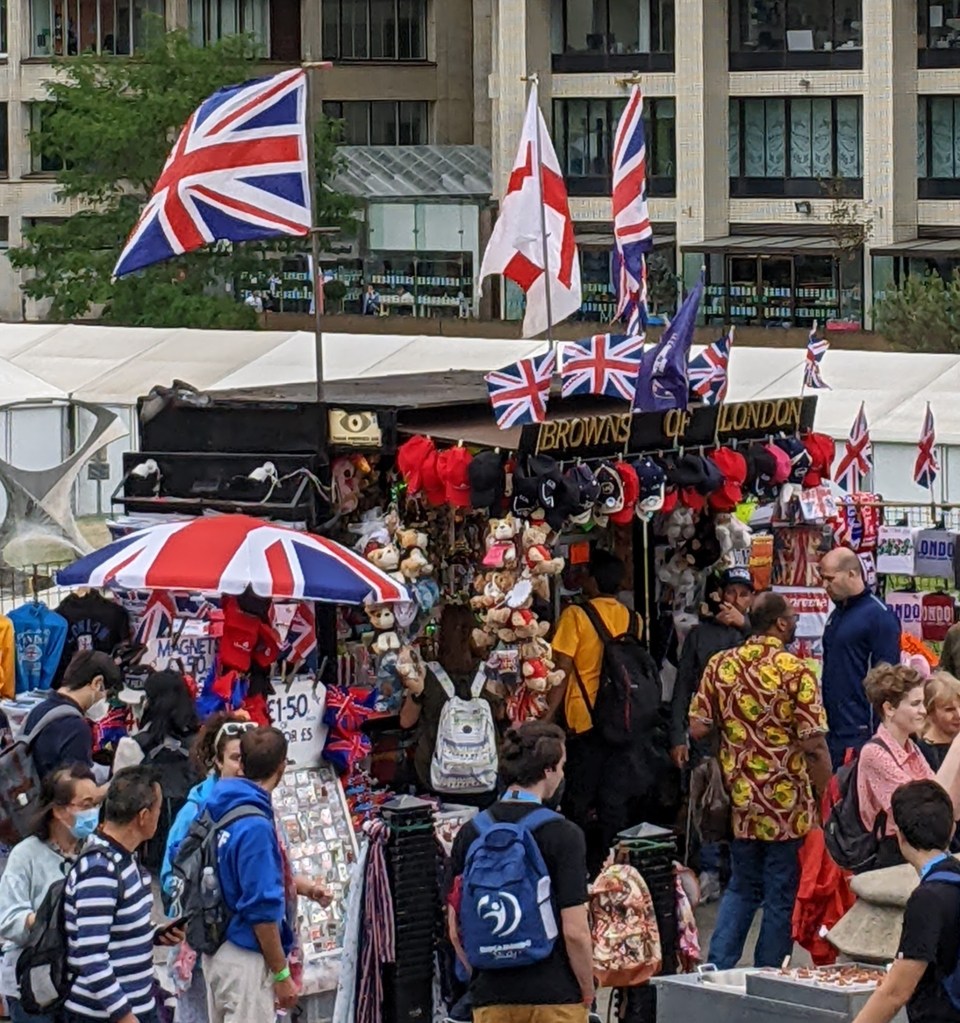
It is a charming city, and there was an air of festivity when we were there, buildings festooned with the Union Jack and banners in the streets. Smiling likenesses of Queen Elizabeth II greeted us everywhere we went, and the mood was distinctively celebratory. The Queen’s Platinum Jubilee was officially proclaimed for the long weekend of June 2 through 5, with special events planned to continue for at least a month. We arrived in Southampton on Sunday, June 12, and the “party” was still going on!

When we returned to Southampton 17 days later, we found that little had changed. England was still celebrating the queen’s 70 years on the throne. We found that to be true even as we journeyed north to Suffolk and spent a few days in London before boarding our return flight to the United States on July 5.

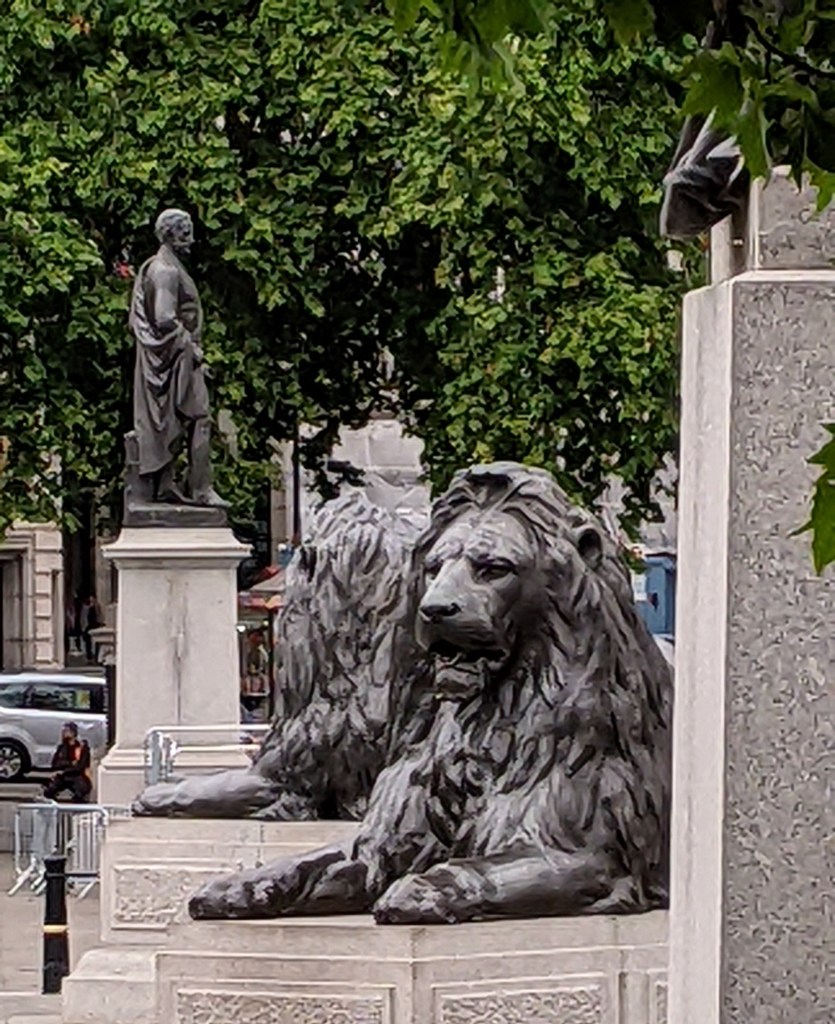
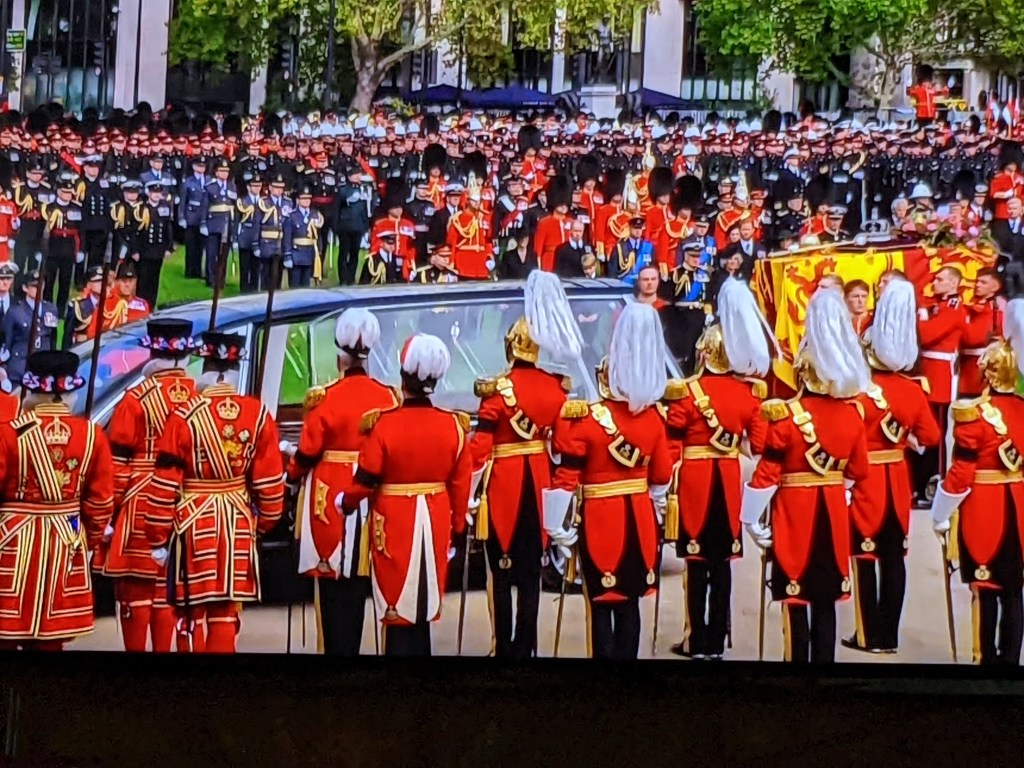
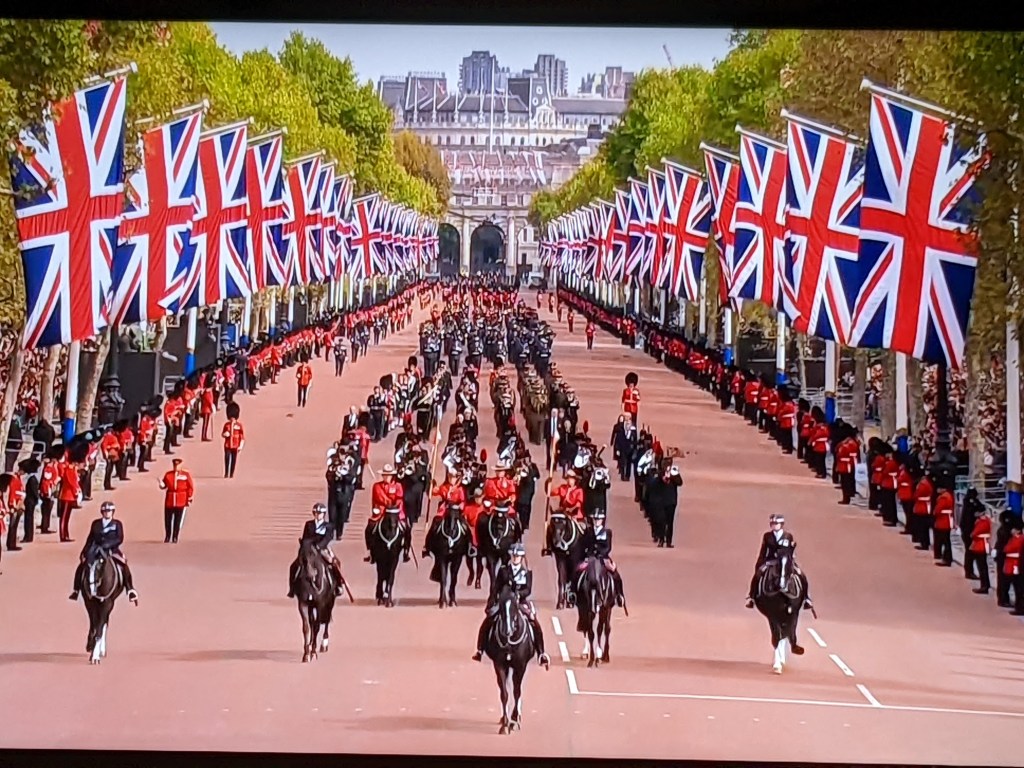
Little did we expect that only about two months later, we would hear the news of the queen’s death. And we could not imagine, at the time, the outpouring of grief from around the world that would greet that news. As I watched news coverage from around the world in the days before the state funeral on September 19, I was pleased that we had been fortunate enough to visit Elizabeth’s England while she was still queen. Sadly, we did not take a tour of Windsor while we were there. But, watching the funeral procession make its way through London, I recognized many of the streets we had so recently traversed.

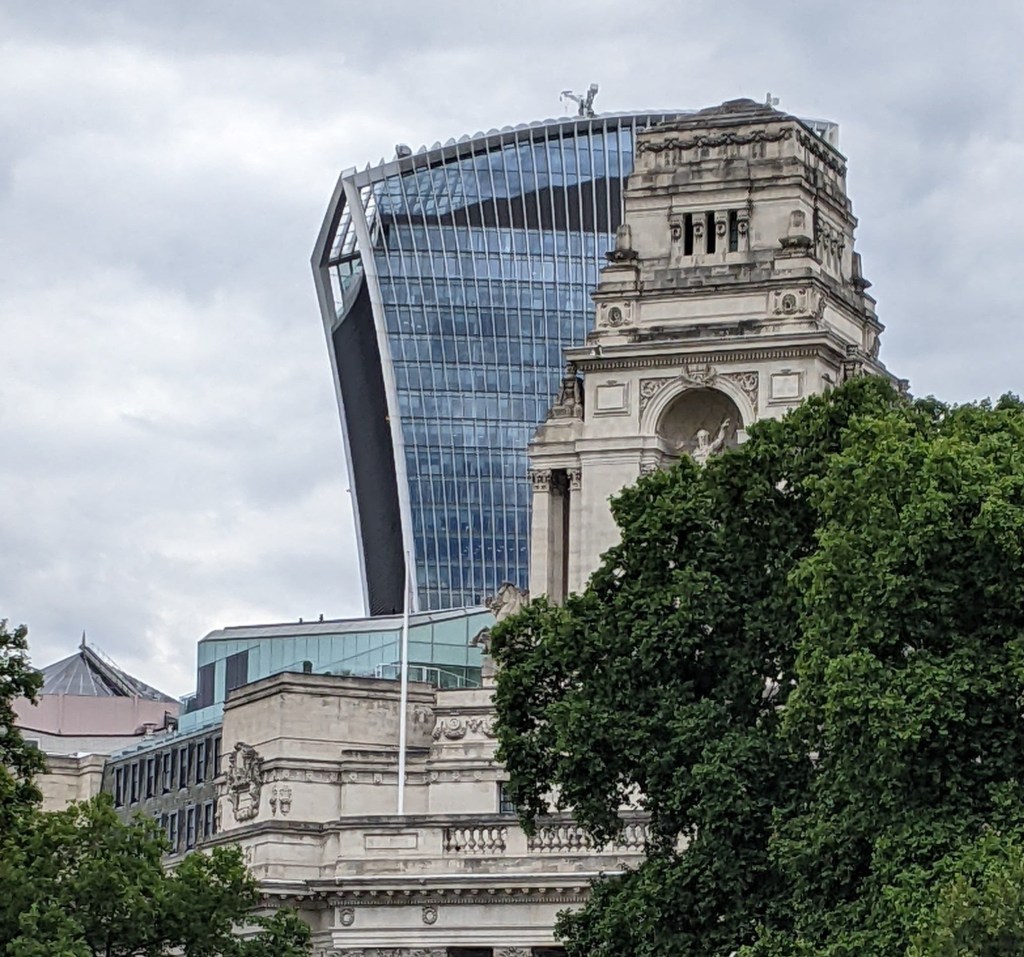
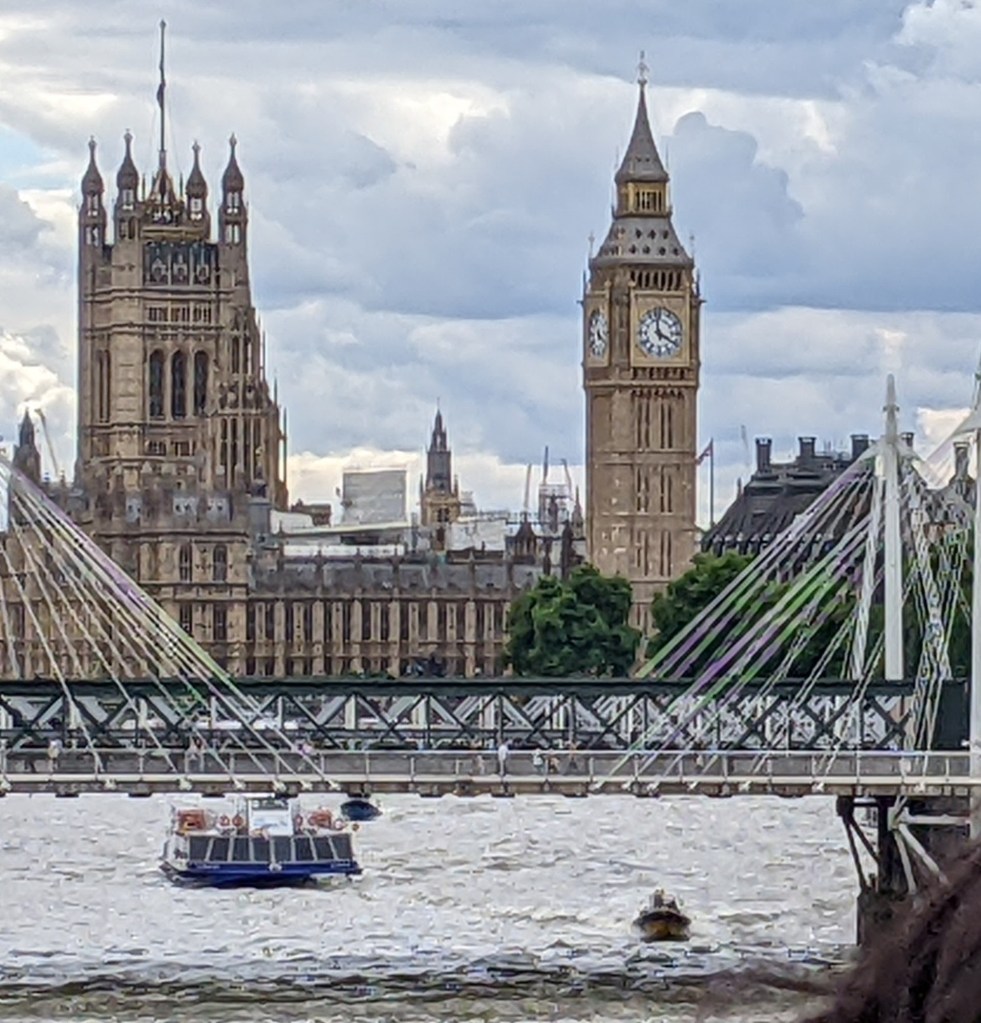
I felt, oddly enough, that I had been witness to history simply by being there. Forty years or so have passed since a previous trip to London. But, like Rome, Paris, Tokyo, Buenos Aires, and other world capitals, London is an eternal treasure. Much of it remains the same, but it is more diverse and infinitely more crowded than when I was last there. Modern steel and glass buildings, whimsical modern art, the London Eye and the London Shard, and both the cable cars that whisk passengers above the Thames and the RIB boats that carry passengers at high speed on the river somehow complement rather than compete with slow-moving river taxis. They have become nearly as iconic as double-decker buses and traditional black cabs.

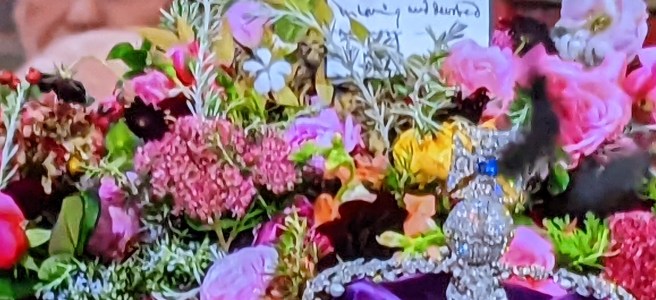
London may be unique in the world. For one, it is the home of a monarchy that, by all accounts, seems alive and well, especially today after its record-setting ruling queen has passed the crown, along with the orb and sceptre of the title, to her son, King Charles III.

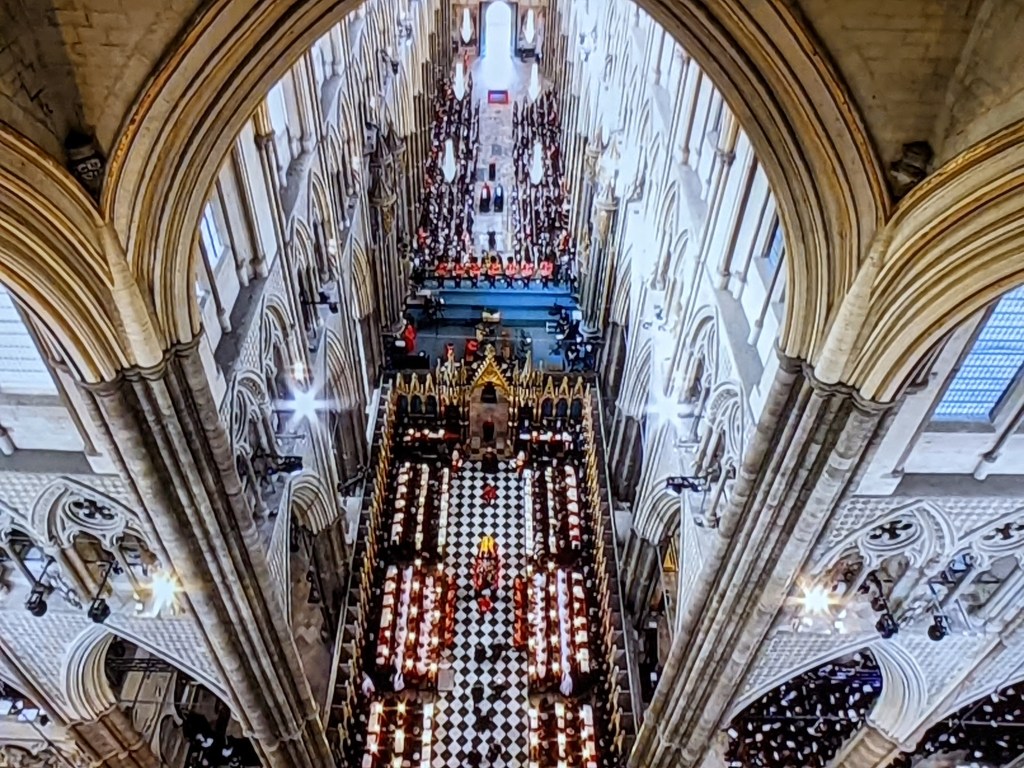
I watched the ceremonial events of the past week in awe, with an awareness that an event of this magnitude will not happen again in my lifetime, perhaps never again. I was up early to watch the funeral on my large-screen TV, along with an estimated four billion viewers worldwide, deemed to be the largest global television audience in history.

Some of us around the world watched the queen’s coronation on early black and white television; many more have tuned in to watch royal weddings and funerals of world leaders in real time and full color. But this was different, somehow.

More than one million Britons lined the procession routes to pay tribute as the cortege bearing the queen’s flag-draped coffin made its way from Balmoral, Scotland, to Edinburgh, and later from Buckingham Palace through London to Westminster and back, and, finally, to Windsor

There were poignant moments amidst the traditions and prescribed ceremony. The outpouring of public love and respect was acknowledged by the royal family as they greeted well-wishers who laid flowers outside various palaces. They endured public scrutiny and performed their prescribed roles tirelessly and flawlessly for 11 days. The military, church leaders, government officials, and representatives of other nations, rose to the demands of duty and tradition.

And now we will all move into a future that is still to be written, by a monarch who has waited a lifetime to become king surrounded by family members who have demonstrated that they are, in a very real sense, as human as the rest of us.

That’s something to be remembered, within and beyond the United Kingdom.  

Rubber Duckies: Back at Sea

Note: This post was first published as “Rubber Duckies and the Road Ahead” in August 2016; it has been revised slightly and updated to reflect new information about the continuing duck craze!

Several years ago I wrote a column about rubber duckies, discussing the pervasive fascination with that familiar childhood bathtub toy. Who doesn’t love a rubber duck?

3478249785_bc1b8b1ae5_z

A personalized rubber duckie was one of the first gifts I bought for my grandson — that turned into a progression (and a collection) of rubber duckies of various colors and costumes. The obsession spilled over into gifts for my then high-school-teacher son (Professor Duck) and various other family members, with ducks for each succeeding holiday. Then, like other enthusiasms, my duck-gifting phase ran its course to echoes of “Enough, Mom, enough.” 

Rubber Duckies are available in all sizes, a few varied shapes, numerous colors and with all sorts of “costumes” and personalities.  However, the perennial favorite is still the yellow version, with bright orange bill and black eyes. Many collections feature “one of a kind” or limited-edition duckies; Stories are circulated about duck adventures, and tales are told of lost or rescued ducks.  Ducks are used in NASA glacier-tracking experiments, and there are still sightings of some of the group of “globe-trotting” ducks that “jumped ship” in the Pacific in January of 1992.  Really.

Rubber Duck Races, generally to benefit local charities, are held from Seattle to the Ozarks, from Washington, D.C., to Crested Butte, from Texas to Tahoe.  One of the largest duck races is in Hawaii, and some of the most informal are held in small town creeks, canals and even in swimming pools.

I am still tempted when I see an especially appealing little duck in a store window. And I gasped with delight at news photographs of a giant rubber duck making its way through Lake Superior at a Tall Ships Festival in Duluth, Minn. In August of 2021, a 25-foot-tall mystery duck with the word “JOY” emblazoned on its chest appeared mysteriously, to the delight of local residents, in the harbor in Belfast, Maine. Then, just as mysteriously, it disappeared.

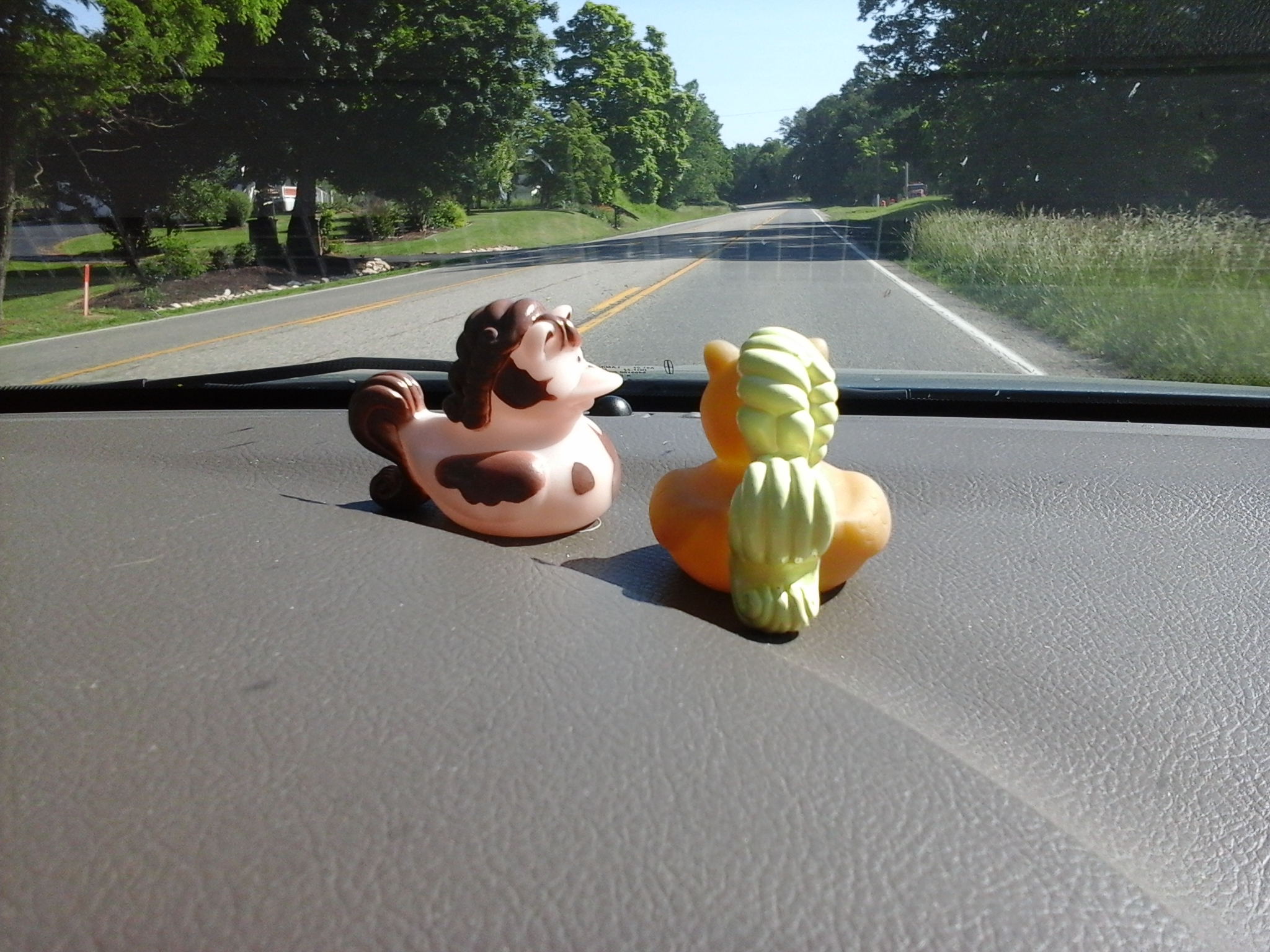
So, imagine my surprise when I encountered a stylized rubber “duckie” with mane and tail in the middle of Virginia horse country during a summer road trip.

20160610_082651

I was immediately smitten, not only with the little rubber horsie that perched on the edge of the Lexington motel room bathtub, but with the motel itself. After the whoops and the grins — and the picture-taking — I thought about the marketing genius that played to the playfulness of tired travelers.

The clerk was accommodating, more than willing to let us pick a mate for our little rubber traveling companion, only exacting a promise that we would honor the commitment to snap pictures as we traveled on. That we did, and the little horsie-ducks happily sat on the dashboard — a pair of cute mascots — for the next 3,000 or so miles of our journey. They traveled through city traffic, along country roads, into Quebec and Ontario, skirted along several of the Great Lakes and sat under the Gateway Arch in St. Louis. It proved, I think, that we are never too old for a little silliness in our lives.

Our little companions abandoned their perch on the dashboard when the temperature soared regularly above 100 degrees back home in Texas. But they accompanied us on several other adventures; today they spend most of their time perched happily on a shelf in my office, joined by a sizable “paddling” of ducks collected from many places over the years.

Just recently, during a quick weekend visit to Eureka Springs, Arkansas, The Bridgeford House, a charming B&B, had a pair of ducks perched on the edge of the jetted tub in our bathroom. I was delighted, and I was tempted to take at least one, but I allowed them to stay to greet future guests.

Rubber ducks on cruise ships, some with “passports” and others with “tickets” and messages from previous owners, were regularly hidden on cruise ships prior to the cessation of cruising in early 2020 due to the pandemic. They had gained a large following aboard major cruise lines. Now, we understand, the craze has gained new life, and there are numerous cruising ducks pages on Facebook. It’s a phenomenon of the times, with a number of spinoffs — crocheted ducks, duck jewelry and key chains, duck towels and duck art — for fun-loving children, and equally fun-loving “adult children” at sea and on land.

Some cruise lines have embraced the fun, selling ducks and duck-themed gifts in onboard shops. And some crew members are enthusiastic collectors as well! Rubber duckies don’t take up much space or make a mess; they are exceedingly patient and compliant travelers, requiring no special accommodations or food. But they did, do and will continue to make us smile! So, if you come across a duck in your travels, feel free to befriend it and take it home. Or let it remain in its hiding place to bring a smile to another face. Post a photo on one of the online groups, if you choose, or rehide it to give someone else the pleasure of finding it. Release your inner child, and just enjoy the experience. I have only found one duck on board a ship, but you can bet I’ll be keeping my eyes open next time I sail.

*Multicolored duck photo by Jo Naylor/Flickr; others by Adrienne Cohen; The motel was the Comfort Inn Virginia Horse Center, Lexington, VA, and The Bridgeford House B&B is located at 263 Spring St., Eureka Springs, AR.

Pizza — the ultimate comfort food?

My January/February issue of Food Network magazine arrived recently. Looking at the cover, I had to smile. Prominently displayed in mouthwatering color is a pizza with what appears to be some distinctly non-traditional toppings. I was eager to sit down with this new issue and explore ideas presented by some of my favorite television chefs.

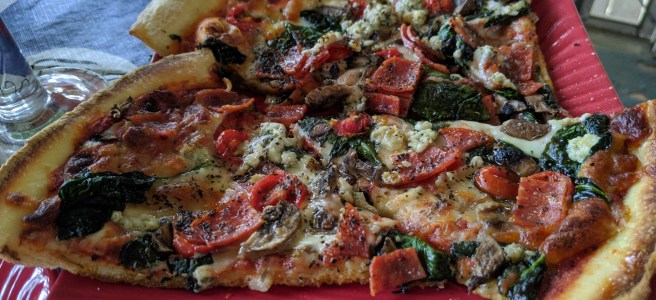
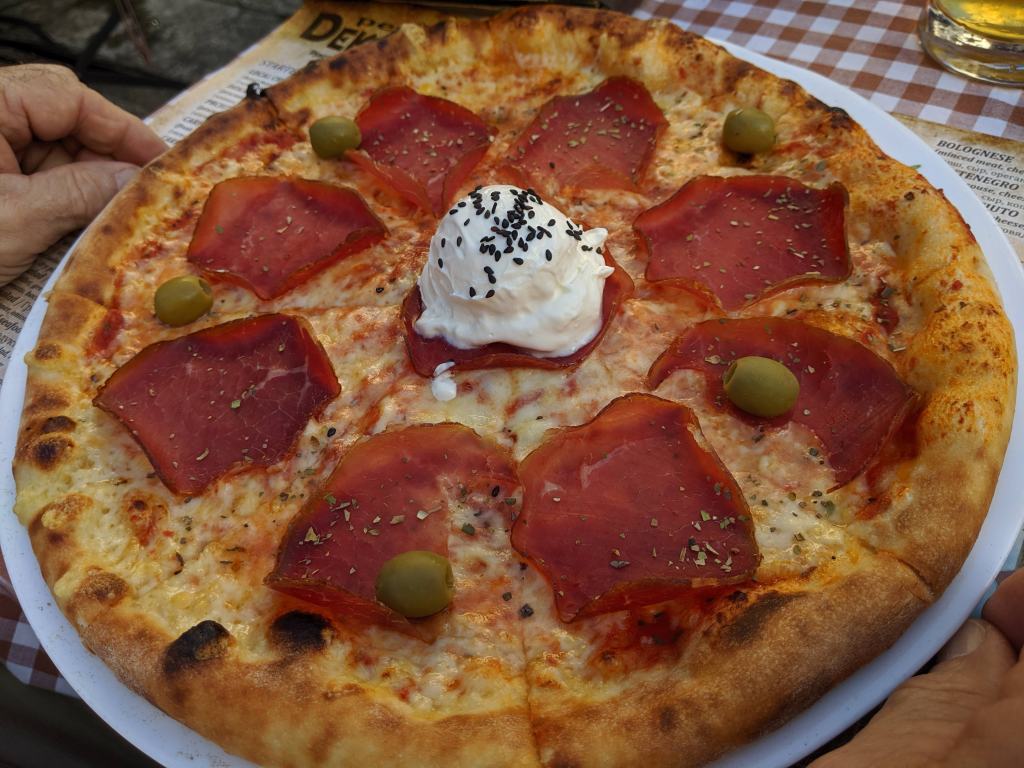
And as I did just that on a chilly day when it was prudent to stay indoors, I was reminded of the pizzas I have ordered and consumed in faraway places . . . Here are some of my favorites from the previous few years of sampling good food in unique places! Pizza does indeed seem to have universal appeal!

Pizza, whether shared with friends, prepared at home, or ordered by the slice as a quick snack, always seems appropriate. The fact that it’s so versatile — and so varied — is a large part of its appeal. No matter how you enjoy your pizza, at home or abroad, with a soda, a glass of wine or a beer, chances are good that others will share your opinion and be willing to join you for a slice of goodness.

Because it’s still impossible to take to the skies, the seas or the highways across the globe, the next best thing — for me and for many others this year — has been to spend time in the kitchen, savoring new taste treats inspired by our globetrotting of the past. That has taken me, at least, on some unexpected journeys — recalling previous trips and wonderful food experiences — as well as into past times when life was at least as difficult as it is today and good food was hard to come by. I have become captivated by some of the dog-eared recipes in my grandmother’s recipe box.

More about those in coming days — It has been an insightful few weeks, and I’m eager to share some thoughts.

I realize how lucky I am to be alive today, in these times, as hard as it has been to be at home and not on the road during this pandemic. There’s a reason I chose to write about good food and far away places. Cooking and travel are both art forms in their individual ways. Each brings joy.

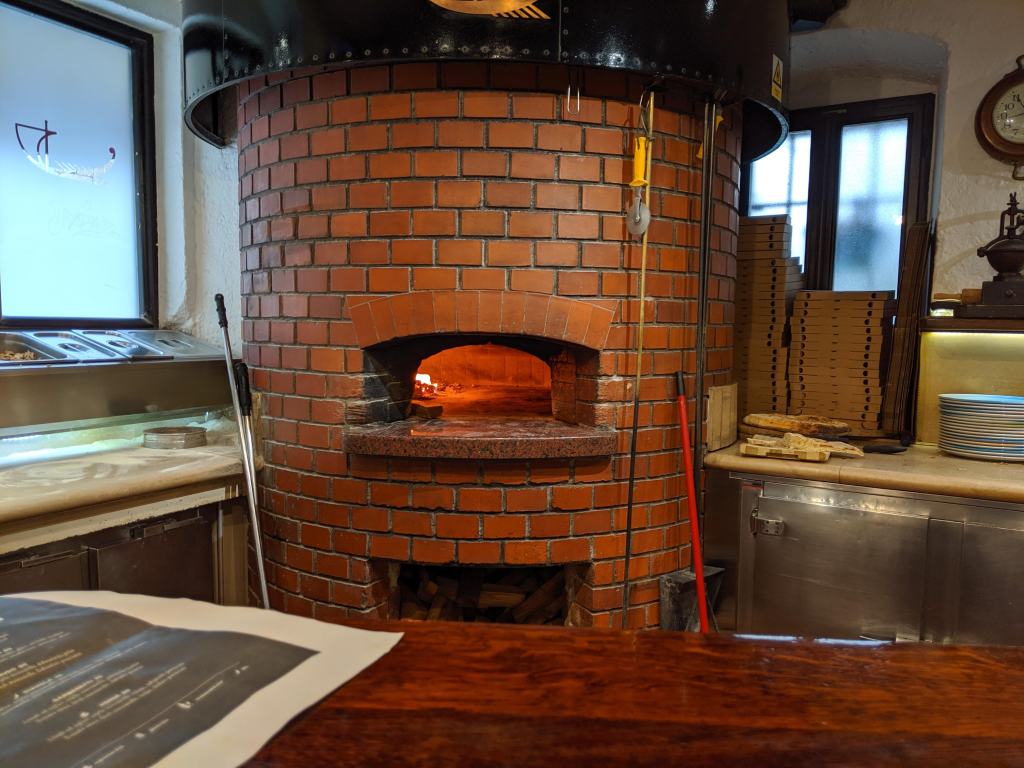
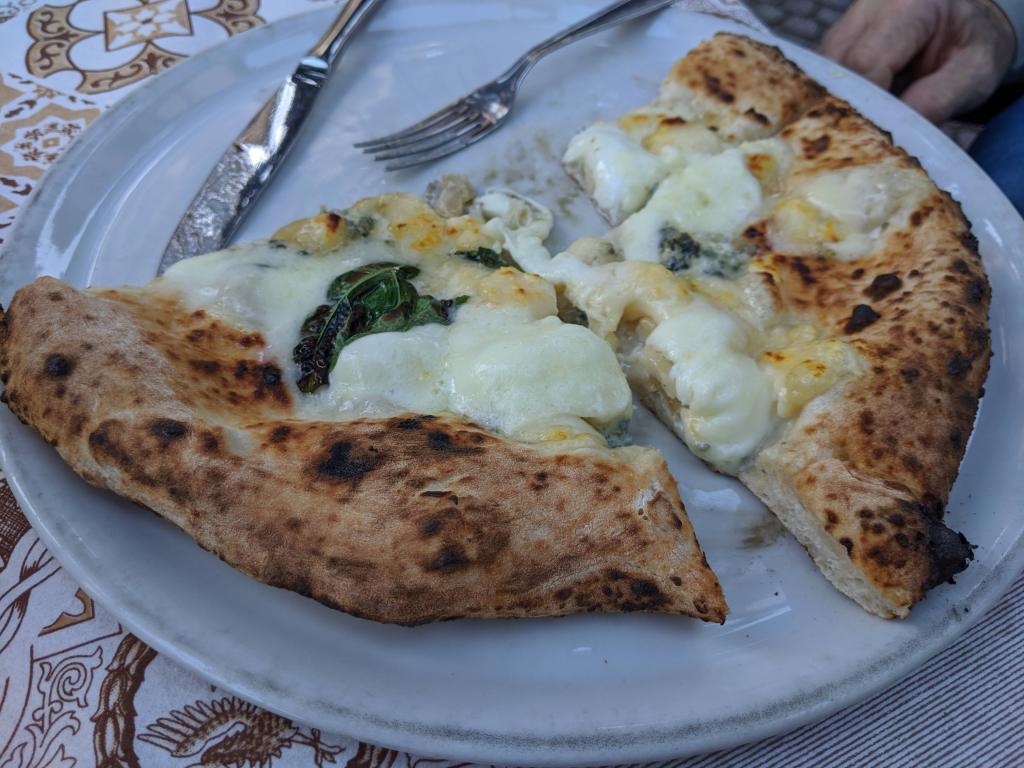
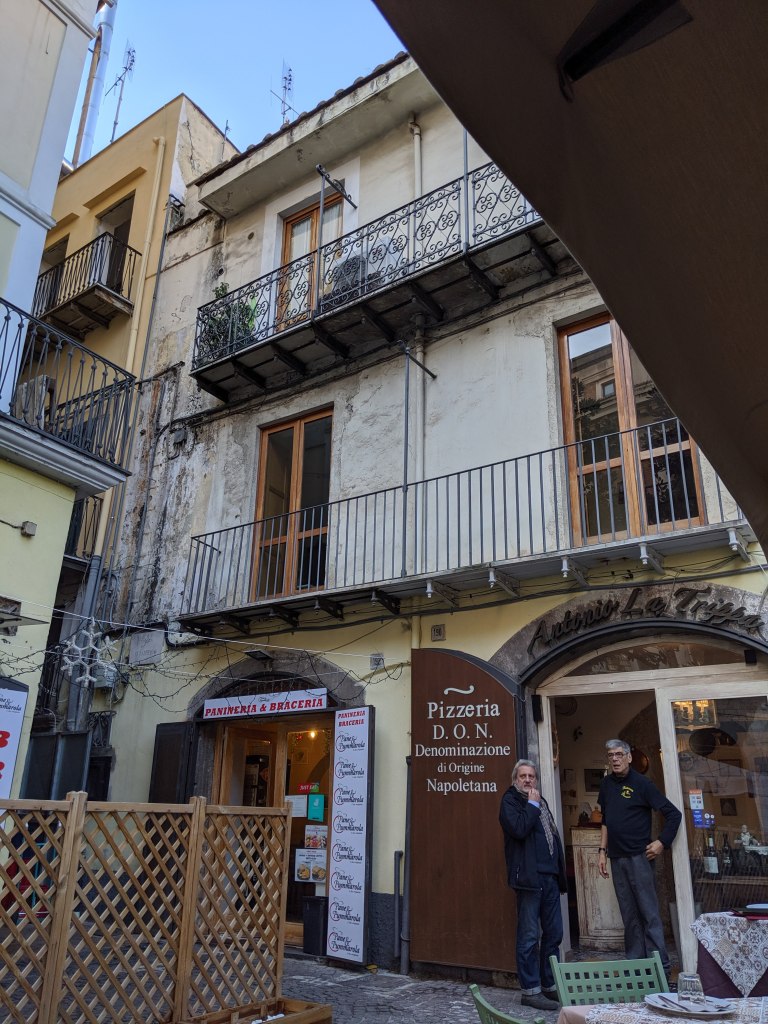
One of the travel realities that continues to surprise me is that it’s possible to find pizza on a menu almost anywhere on the globe. The “pandemic hours” that I spent organizing photos and notes of my travels have confirmed that good pizza is not confined by geography or defined by a particular culture, that the love of pizza transcends borders, and that it can be both a satisfying “street food” consumed on the run and a full meal elegantly presented. Or anything in between! Also, almost anything can become a pizza topping! From the delightfully simple basil and mozzarella-topped classic in a tiny Neapolitan trattoria to an oversize and overloaded game day pizza delivered direct to my doorstep, pizza is a beloved tradition, and a treat that only seems to gain favor with each passing year.

One shouldn’t miss the classic Pizza Margherita when visiting Naples! But there are many other pizza choices in other places. On our European trip in late 2019, we enjoyed pizza several times in distinctive locations, from a seaside restaurant with a stunning view of the Adriatic to a cozy small-town eatery tucked into a centuries-old building in Pula, Croatia. Pizza is a staple at airports across the globe, and during this summer’s pandemic shutdown, a required motel stay in Texas brought us “no contact” pizza delivery from a local take-out-only chain pizza parlor. It was our only option, and we were happy to have it!

I also found among my photos a shot of the familiar Domino’s sign in Barcelona, with a crowd of people awaiting their own orders, testimony to pizza’s universality!

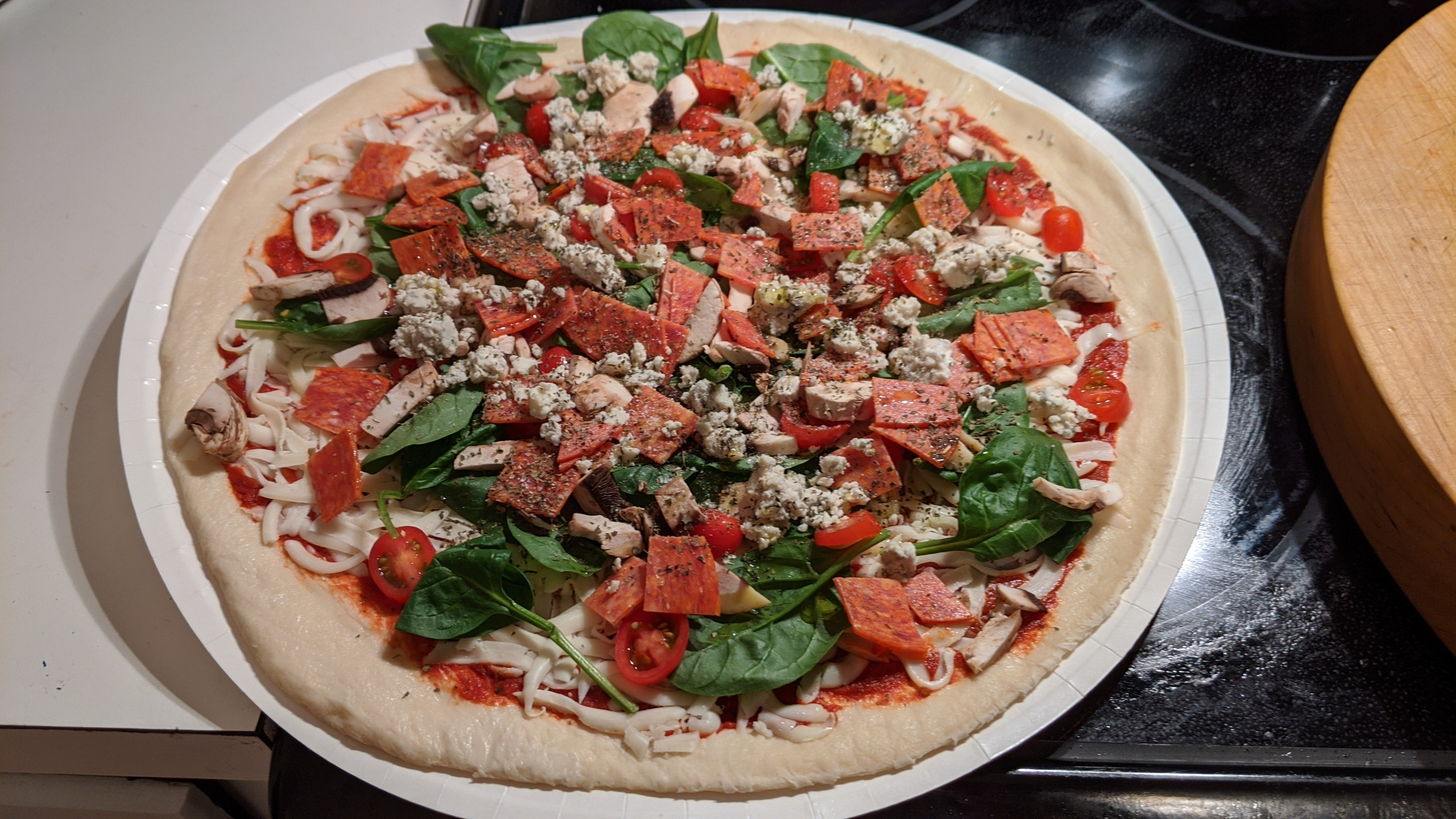
Dessert pizzas have also become popular, and they are definitely worth a try. In addition, I have discovered how much fun it can be to make pizza at home; not only is it a great way to introduce kitchen skills to younger children, but there is nothing quite like the sense of accomplishment that comes from creating a hot and satisfying meal out of leftovers and “refrigerator finds!”

No matter how you slice it, it’s entirely possible to enjoy pizza wherever you may roam. By the way, the magazine photo that attracted my attention was of a non-traditional Brussels Sprouts Pizza Carbonara by Chef Ina Garten. Instead of red sauce, it features a white Bechamel sauce, ricotta cheese, Italian pancetta and thinly-sliced Brussels sprouts. Here’s the recipe. It’s one I’m going to have to try.

Confronting history in Rouen

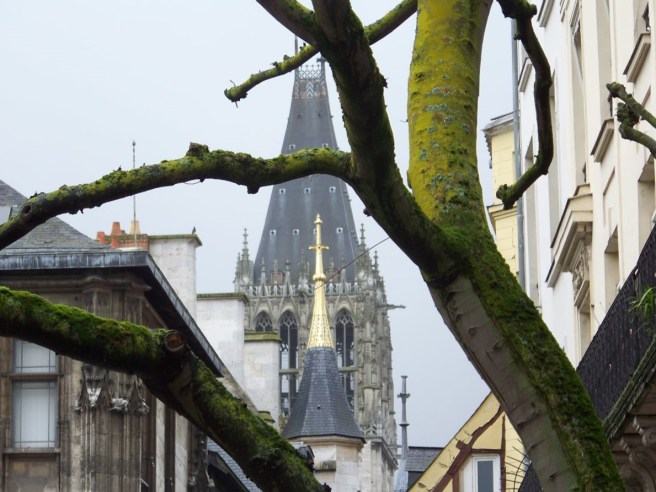
It is impossible to arrive in Rouen without feeling the weight of centuries. Every vista, every dark paving stone, every building carries a past both eerily familiar and somehow ominous. Despite that, Rouen is beautiful, and welcoming in many ways. And it is endlessly fascinating.

Much of Rouen is clothed in the layered green moss and the dark grime of centuries past; some of it chipped and broken or intentionally destroyed by succeeding generations of combatants and conquerors. Parts of the city still reflect the majesty and the mystery of past eras, testimony to times of unrest, when royal intrigue held sway over daily life, and the city was a jousting court for the powerful and ambitious.

The functional and the artistic are intertwined in this capital of Normandy. In the same way, the city’s history is both majestic and mysterious. The city oozes history, and happily unveils a contemporary spirit as well.

Some of it is elegant, some a bit bizarre, and some just quirky.

Situated about halfway between Paris and the beaches of Normandy to the northwest, Rouen is a stopping-off place and a guidebook “must see” destination for first-time visitors to France.

Rouen’s past history fills volumes. It is captivating. Its past imbues its soul. Gaudy tourist trinkets are available, but they don’t detract from its aura. Rouen’s ties are to French royalty, English kings, legendary warriors, beloved artists and esteemed writers. Its history was shaped by Rollo the Viking, William the conqueror, Richard the Lionheart, Joan of Arc, Napoleon, Claude Monet and Gustave Flaubert, among others. It is said that Julia Child ate her first meal in France at Rouen’s La Caronne, the oldest auberge in the country. Rouen boasts a university and the spires of its noted cathedrals stretch to the heavens, punctuating the cityscape.

The reality of suffering

We spent a busy couple of days simply walking the streets of the medieval quarter. We did not venture into the modern city; instead we relished the experience of traveling, at least in our minds, to a time long ago. We were there during the off-season. For the most part, we had the city to ourselves, to discover at our own pace.

Before driving on to Caen and the D-Day beaches, our mission was to visit what is known as the Plague Cemetery. Little did we realize that just two years later the memory of that visit would haunt us. It is not a cemetery in any traditional sense. There are no headstones in neat rows, nor are there any crumbling monuments; there is no statuary. It is, indeed, almost impossible to find. But find it we did, and we entered the grounds of this somber place with more than a little trepidation.

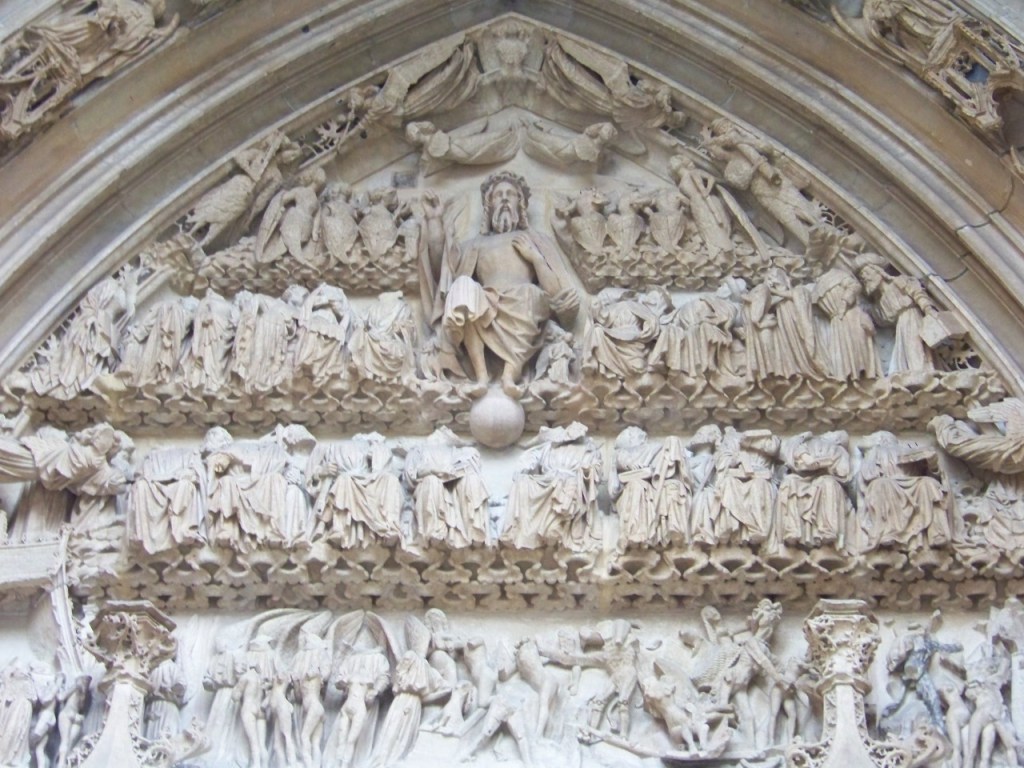
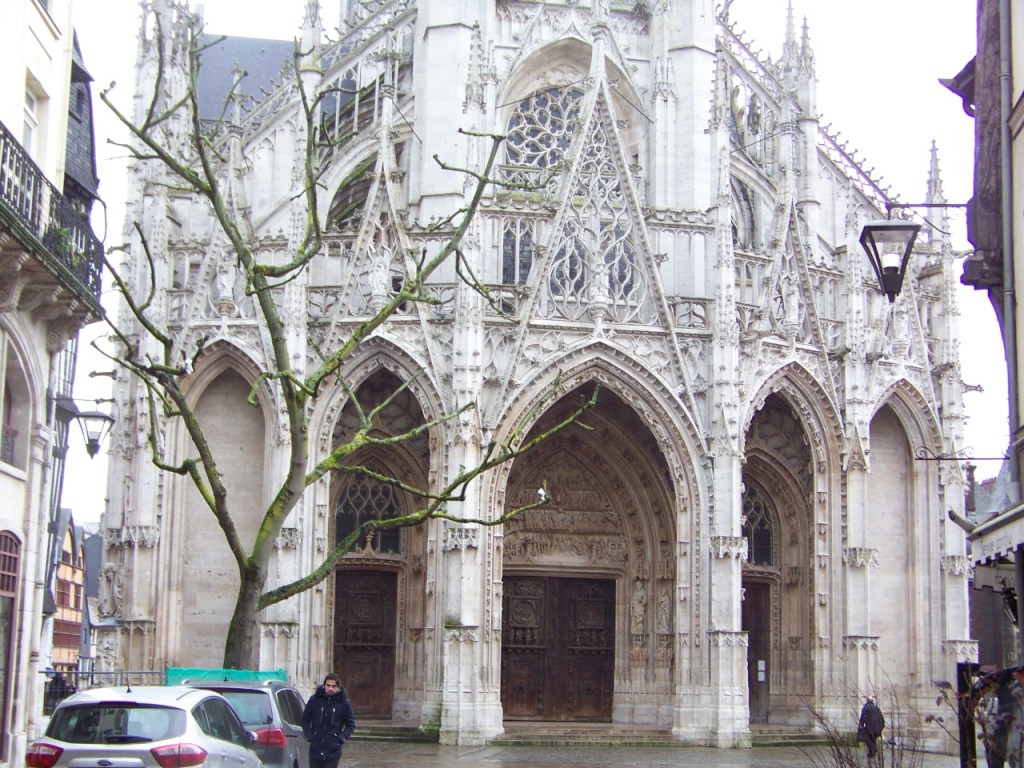
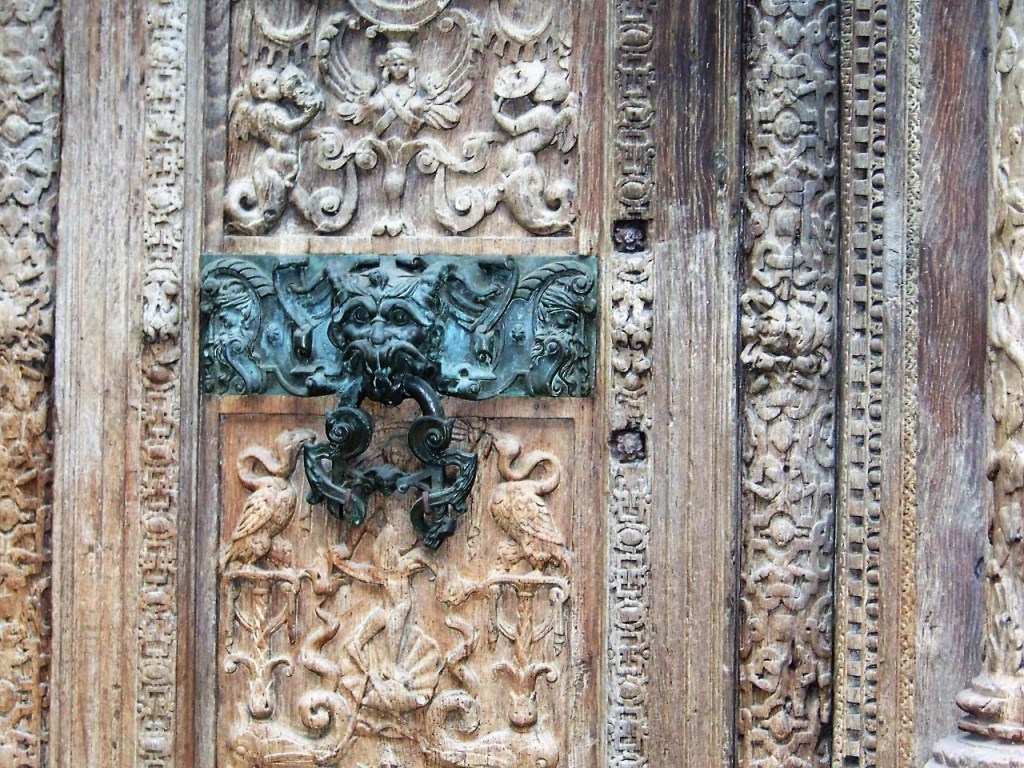
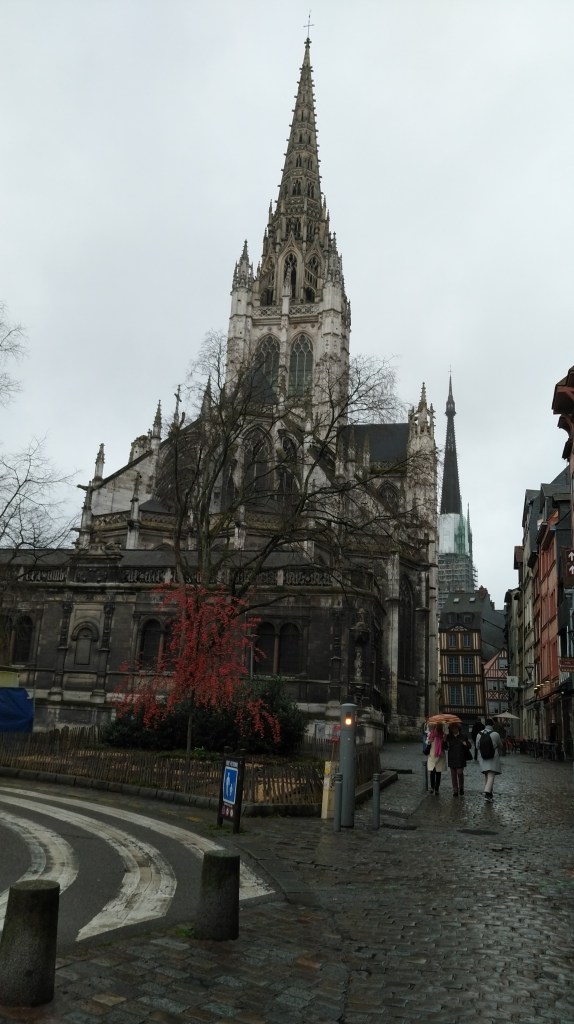
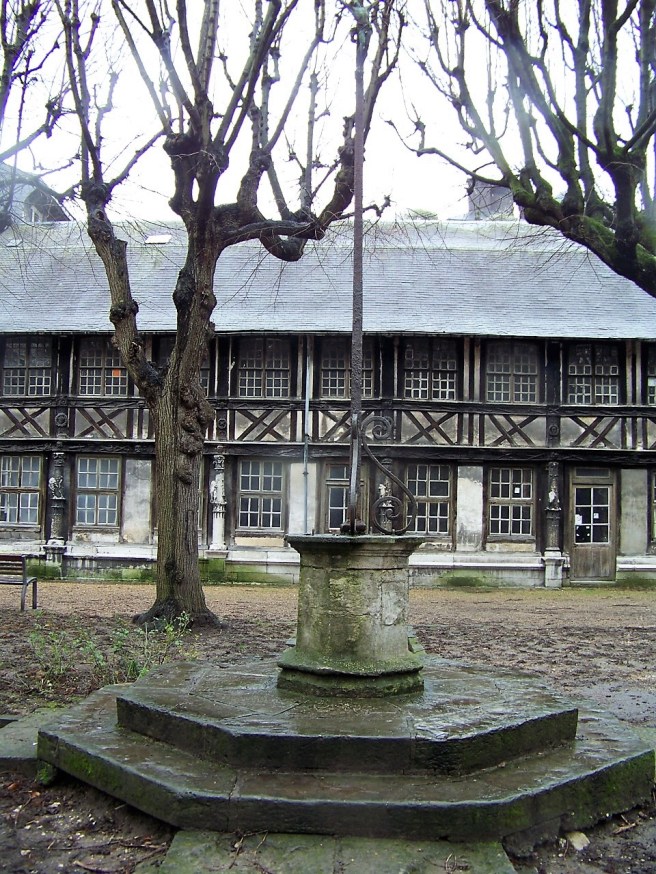
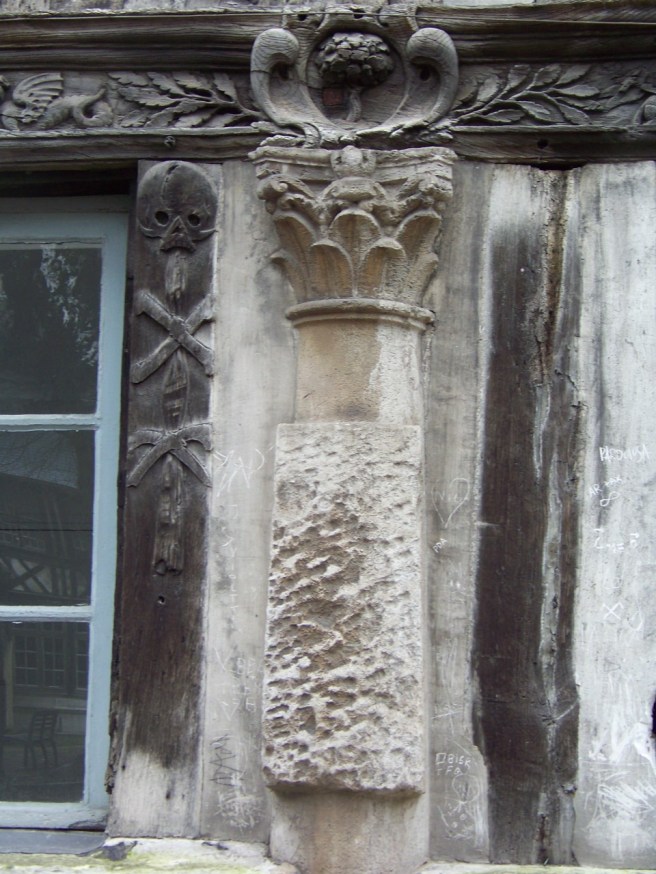
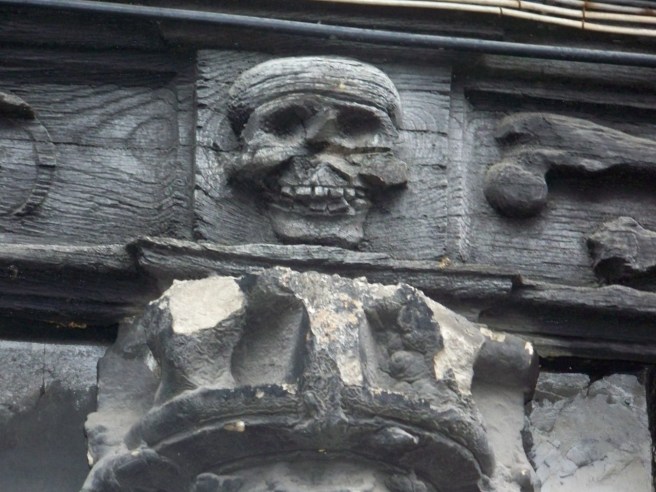
Aître Saint-Maclou is small square not far from the Church of Saint Maclou in Rouen. The massive Gothic structure almost seems out of place amid surrounding half-timbered homes and ancient lanes. Both have slightly macabre carvings that recall the grim influence of the Black Plague that swept through Europe and led to the deaths of up to three-quarters of the citizenry in this parish.

During the plague of 1348, the area was used as a communal grave site for many of the city’s victims. Exterior timbers of the buildings that were later constructed around the perimeter of the site are decorated with skulls, crossed axes, shovels and other reminders of a time long gone.

A second round of plague swept the land about two centuries later, and previously-buried bones were exhumed and stored in an ossuary above the cloisters. During this second round of pandemic, the city required additional burial space. In the 16th Century, two-thirds of the population succumbed to the disease.

It is a sobering experience to stand in the middle of this now peaceful “atrium,” thinking about a time when it had another purpose. Other reminders of those times exist: The remains of a black cat that was entombed in the walls are now enshrined in a glass case. Some say that the cat was plastered into a wall in a superstitious attempt to repel evil.

Originally occupied as homes and places of business, three of the buildings date to about 1526, and a fourth was built in 1651 as a charity boys’ school. The cemetery itself was closed in 1781, and the place became a designated historical site in 1862. It is the only medieval ossuary that remains in Europe, although no bones remain either above or below ground.

In this time of pandemic, I could not help but recall our visit to Rouen, and the startling effect of the place.

Historic Rouen is unforgettable, with many stories to tell. We drove on to the coast, in search of brighter days and happier stories.

This year we are battling a perplexing pandemic. I could not help but think of our 2018 visit to Rouen. It seems there are always lessons to learn from the past.

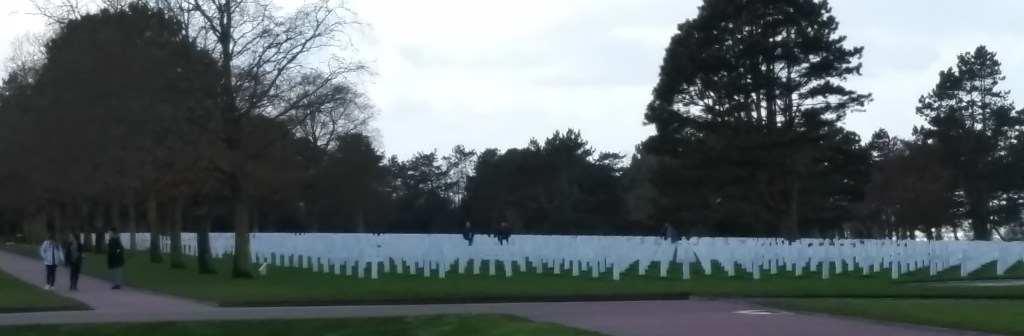
This Memorial Day, we also especially remember the American Cemetery in Normandy, hallowed American ground with the graves of 9,388 American military dead. There the white markers stand in perfectly aligned rows, in high relief against the grassy landscape, to honor the sacrifice of servicemen and women during a war that ended 75 years ago this month.

Note: This is perhaps the last of what I have called the Corona Chronicles. It is time to move on. Other travel stories remain to be told, and I look forward to a time in a not-too-distant future when we can all travel freely without masks, and without fear. That time cannot come soon enough!

Portovenere: Poetry in any language

My husband and I hadn’t really intended to be in Portovenere. We were driving through Italy with no particular destination in mind. At a small gas station in the port of Genoa, we stopped to ask general directions to the waterfront, with every intention of finding a charming out-of-the way inn along the way, perhaps one with a view of the harbor and a trattoria within walking distance.

We had no timetable. It was chilly. It was the end of January, not the height of tourist season along the Mediterranean coast. The prospect of a good glass of red wine, a simple pasta and a comfortable bed beckoned. OLYMPUS DIGITAL CAMERA

The station attendant pointed — Portovenere, he repeated — along with a rapid stream of Italian, most of which was lost on us. “Portovenere, Portovenere, Portovenere. . . ,” accompanied by hand waving, curliques in the air, motor sounds, big smiles and, once again the repeated word: “Portovenere!”

It was decided. We pulled out the map, pinpointed the location and the route, smiled at our benefactor and trip planner, and were off to Portovenere.

What a Delight!

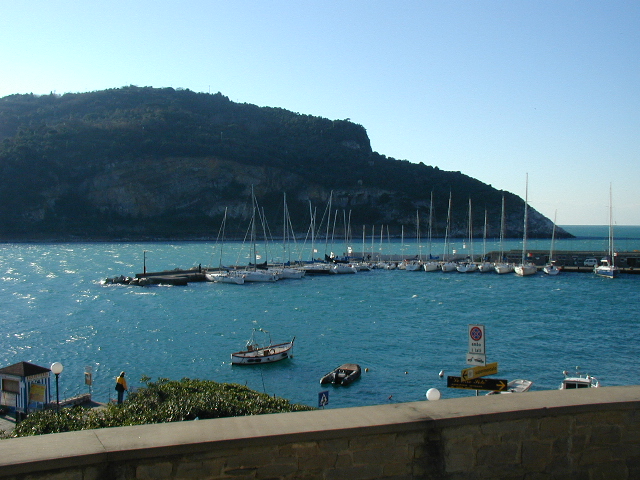
The little city is nestled into the craggy cliffs that line the sea; it has all the charm and colorful beauty of better-known Cinque Terre villages. Along with them, Portovenere is on UNESCO’s list of World Heritage Sites. They are all magnificent. OLYMPUS DIGITAL CAMERA

Portovenere is ancient, and it retains the homey aura of a small fishing village, with terraced hillsides above.

Perhaps it was just because we arrived at dusk during a very slow season, but everyone we met, from the hotel desk clerk to local workers on their way to the trattoria, greeted us cordially and made us feel like long-lost friends.

The feeling was not diminished the next day, nor the next. We stayed on, enchanted by everyday life in this beautiful village. We walked the streets, sauntered along the docks, ventured up the steep, hillside cliffs when we felt like it. We breathed deeply of the fresh seaside air, and looked out on the waters of the Med, but felt no need to take the sightseeing boat to the nearby trio of islands that are major tourist destinations.

Familiar Comforts

The truth is that Portovenere wrapped us in the comfort of normal lifestyle, at a point in our three-week trip when we had tired of tourism. In some ways, it felt like going homeOLYMPUS DIGITAL CAMERA

We sipped aperitivos at the local bar, and watched local television with residents relaxing after work, and then we ambled down the street to enjoy fresh seafood, good wine and spirited, if awkward conversation with other diners in the sparsely-occupied room. I’ve forgotten the dishes and the details, but the warmth of the experience, and the certainty that it was a good one, remain. I don’t know the name of the restaurant, but I like to think it is still there, awaiting my return.

It’s a fanciful thought, I know, appropriate in some odd way for this Thanksgiving week. Going home for Thanksgiving is deeply ingrained in our consciousness, whether that trip is to Grandma’s house or simply a gathering that brings family and friends together for shared experience, wherever it may be.

Special Places and Times

That first and only visit to Portovenere was more than a decade ago and it still stands out in my memory as one of those places I would return to on short notice! That’s what I have been thinking about this week — the prospect of revisiting favorite spots across the globe, an irresistible urge to experience old delights once again. OLYMPUS DIGITAL CAMERA

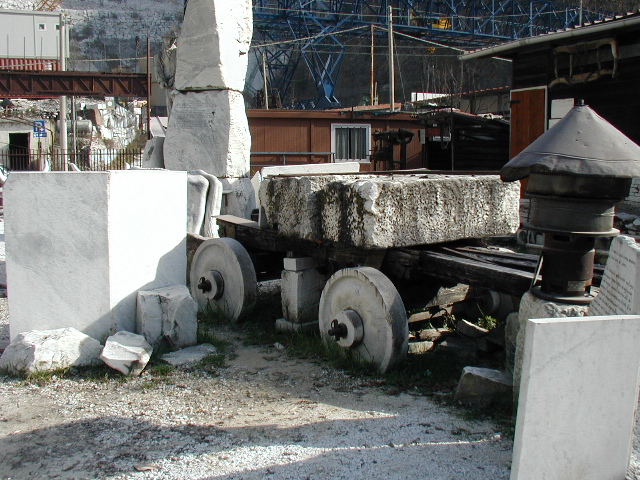
Pisa is on the list, and Assisi, along with Carrara, where Michelangelo found his stone. The tops of the mountains shine white in the distance, chipped away over the centuries to expose the shining white cores. Counter tops are still quarried here, some of them by old methods. It’s quite an experience to drive to the summit of a marble mountain!

There are other places, too, to revisit, most of them not the subject of travel guides and magazine articles. But that’s what makes travel special, isn’t it? Finding those places that speak to the soul is not something a traveler plans.

If it happens, it’s hard to deny. Portovenere is like that.

Savor the Good Times

In my mind, I can picture my return, just as I picture returning to my former home city of Santa Fe this year for a large family Thanksgiving.

May all of you find a special place in the heart this Thanksgiving. Maybe we can all search out those delightful spaces and places at other times of year as well.

If it’s impossible to return home in a physical sense, however, at least make a point to revisit those special places periodically in spirit. Savor those experiences.

Along the road: The giggles are gone

The road goes on foreverIt’s hard to know just what will trigger a long-forgotten memory; it’s harder still to know just where that memory will lead. A small piece in last Sunday’s paper mentioned that the Highway Beautification Act was signed into law by President Lyndon Johnson on October 22 — 50 years ago. Of course, here in Texas we all credit Lady Bird Johnson with the impressive expanses of bluebonnets and wildflowers along our highways. That’s all good.

But highway beautification as a national mandate — Wow, I missed that one, I guess, in my youth. Actually, now that I think about it, I was living in Europe at the time — billboard proliferation along American highways was not something I concerned myself with then. But, on Sunday, that little news story suddenly brought back the memory of red and white Burma-Shave signs — and the realization that the act signed into law that long ago October day most likely spelled the end of a long tradition. Those clever advertising messages sometimes contained important messages; they certainly prompted adult smiles and kept young minds occupied for almost 40 years.

The 1965 Outdoor Advertising Control Program did not actually mandate the removal of signs, and it really didn’t force states to control those massive billboards. It was designed to discourage excessive signage along the Interstates, and stipulated that development funds could be withheld for non-compliance by the states. In that way, it was effective. And the Interstate highway system soon supplanted most of the older highways.

You had to be there: Missing one of the signs could sometimes be the cause of tears; more often, an attempt to fill in the missing word or phrase spawned uncontrollable giggles. It was, for generations of kids, one of the few fun things about road trips — often long, hot, dusty treks along not-so-good highways. Towns in most of this United States at that time were far apart, usually small, and boasted no readily available “fast food.” Gas station and rest room stops were the result of advance planning, for the most part.

Summer or winter, travel could be iffy — heat, cold, mechanical problems, flat tires, boredom, seemingly endless stretches of blacktop. Radio station signals made news and music unreliable across vast distances. But the signs — oh, those signs! We all looked forward to them. The “game” became who spotted the first sign first. Then, everyone “won” as the message was revealed across the miles. At the height of their campaign, Burma-Shave had 7,000 signs in all but four of the Lower 48 states.

20151001_160745

Yes, the occasional giant billboard may have ruined the view, distracted drivers and “polluted” the landscape. But, Burma-Shave signs? Although I haven’t thought about them for decades, I miss them. I’m also sorry  I  couldn’t play the game with my own child; I have trouble even explaining the concept to my grandchildren. But, then, today we travel on smoother Interstate highways — and the kids are plugged in to their own virtual world of movies, music or audio books.

The times have changed — but, the “road goes on forever.” I’ll just spend the rest of the day humming that tune and laughing about those verses! There’s currently a new interest in Route 66 and its associated memorabilia. Sadly, though, Burma-Shave signs seem to have disappeared forever.

Some of them were totally about the shaving cream. In 1932:

You’ll love your wife

You’ll love her paw

You’ll even love

Your mother-in-law

If you use

Burma-Shave

Others were just plain clever! From 1945:

‘Twould be

More fun

To go by air

If we could put

These signs up there

Burma-Shave

Sometimes they had important messages. Here’s a good one from 1949:

When frisky

with whiskey

Don’t drive

‘Cause it’s

Risky

Burma-Shave

Another:

Ashes to Ashes

Forests to Dust

Keep Minnesota Green

Or we’ll ‘

All go Bust

Burma-Shave

They could also be a little risque. This one’s from 1959:

Baby your skin

Keep it fitter

Or “baby”

Will get

Another sitter

Burma-Shave

You can read more of the iconic road-sign jingles, indexed by year at Burma-Shave.org.