Alexandria Adventure: Savor the Flavor of Cajun Country

Daylight lasts longer in the summer and weather is typically more predictable, even if it’s predictably hot. Close-to-home day trips or spur-of-the-moment, loosely-organized one or two-night excursions, are a welcome treat. Getting away, particularly to someplace new just seems easier, not to mention more fun. The goal, of course, is to choose a destination that promises captivating sights, provocative activities, stimulating people, and, of course, a local food adventure.

My husband and I found all that and more just a few hours from our home. Our destination — Alexandria, Louisiana — is a relatively small city in a state just to the south of Arkansas. We planned our route along a scenic highway. No interstates to navigate. Minimum traffic to contend with. As much as we enjoy road trips, we wanted this drive to be easy. The bonus? Close friends had recently relocated to Alexandria from our community in Arkansas. We missed them. After helping them pack boxes before their departure, we wanted to see them settling into their new home. We were curious.

Although we were happy to accept the offer of a guest room, we stipulated only hot coffee in the morning. We wanted to sample local eateries, and requested no homemade meals.

Finding Distinctive Local Food

Our first impression, as we drove into town, was positive, but our first decision involved food. We had skipped breakfast that morning, opting instead for take-along coffee and a relatively early start to our journey. When we arrived, we were ready to quell our growing hunger pangs, so the priority became food over friendship.

A quick online search yielded a convenient address and favorable customer reviews.

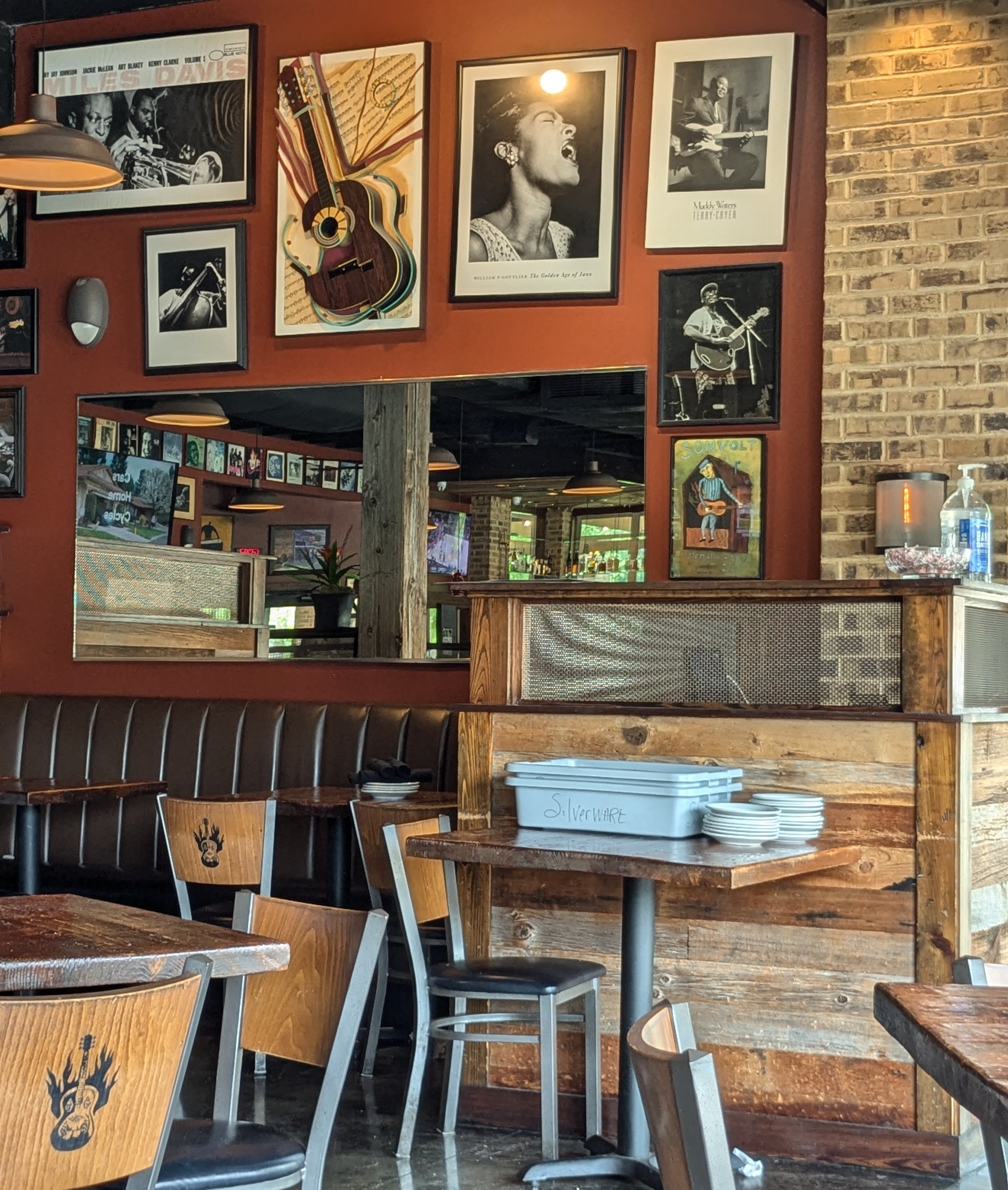
Spirits Food & Friends

The dining area was far from filled in the early afternoon, but our initial impressions of Alexandria were boosted immeasurably by the “look and feel” of this eatery. Other diners seemed to be having a good time. An amiable and informative waiter greeted us warmly and seated us promptly.

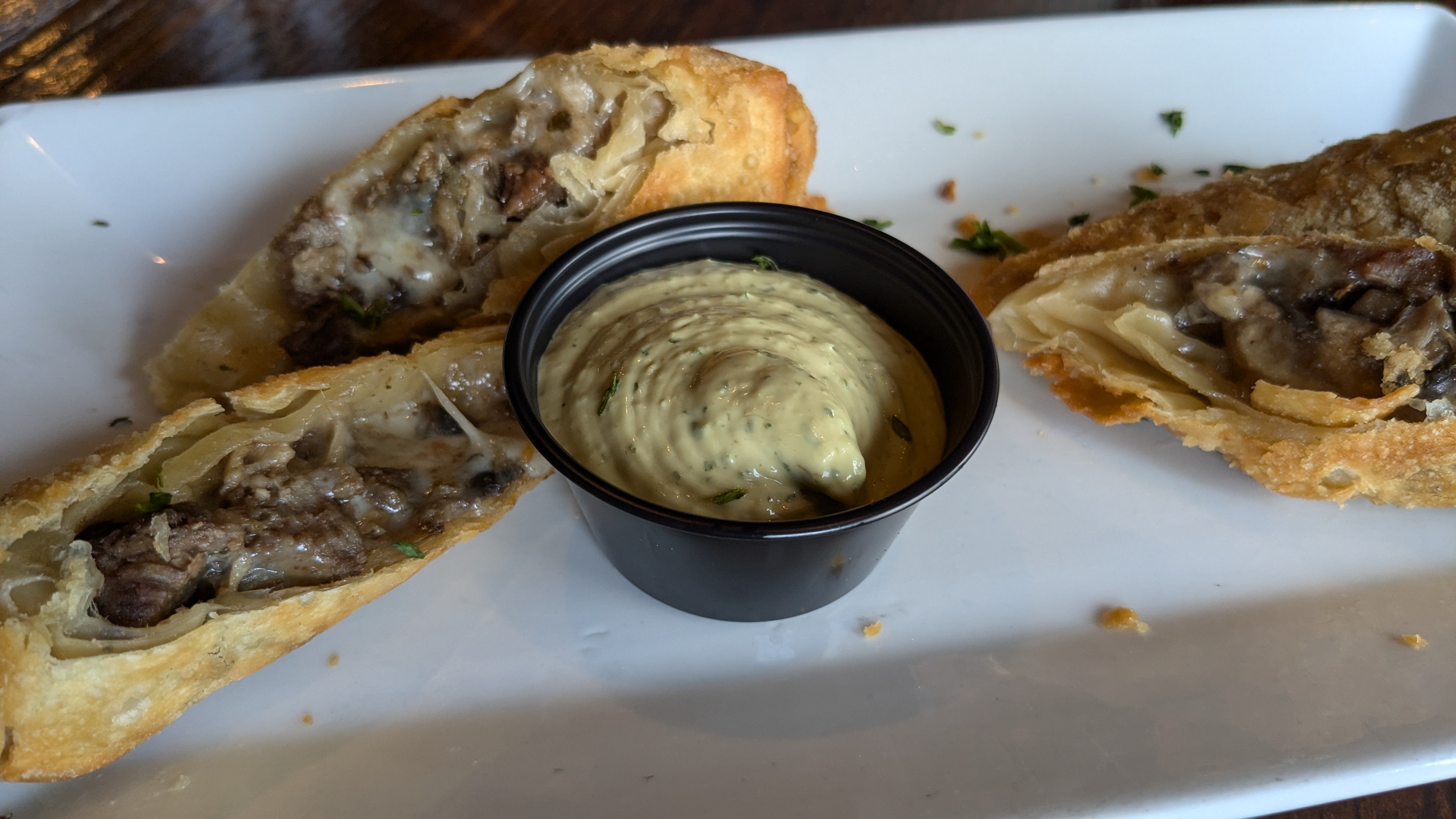
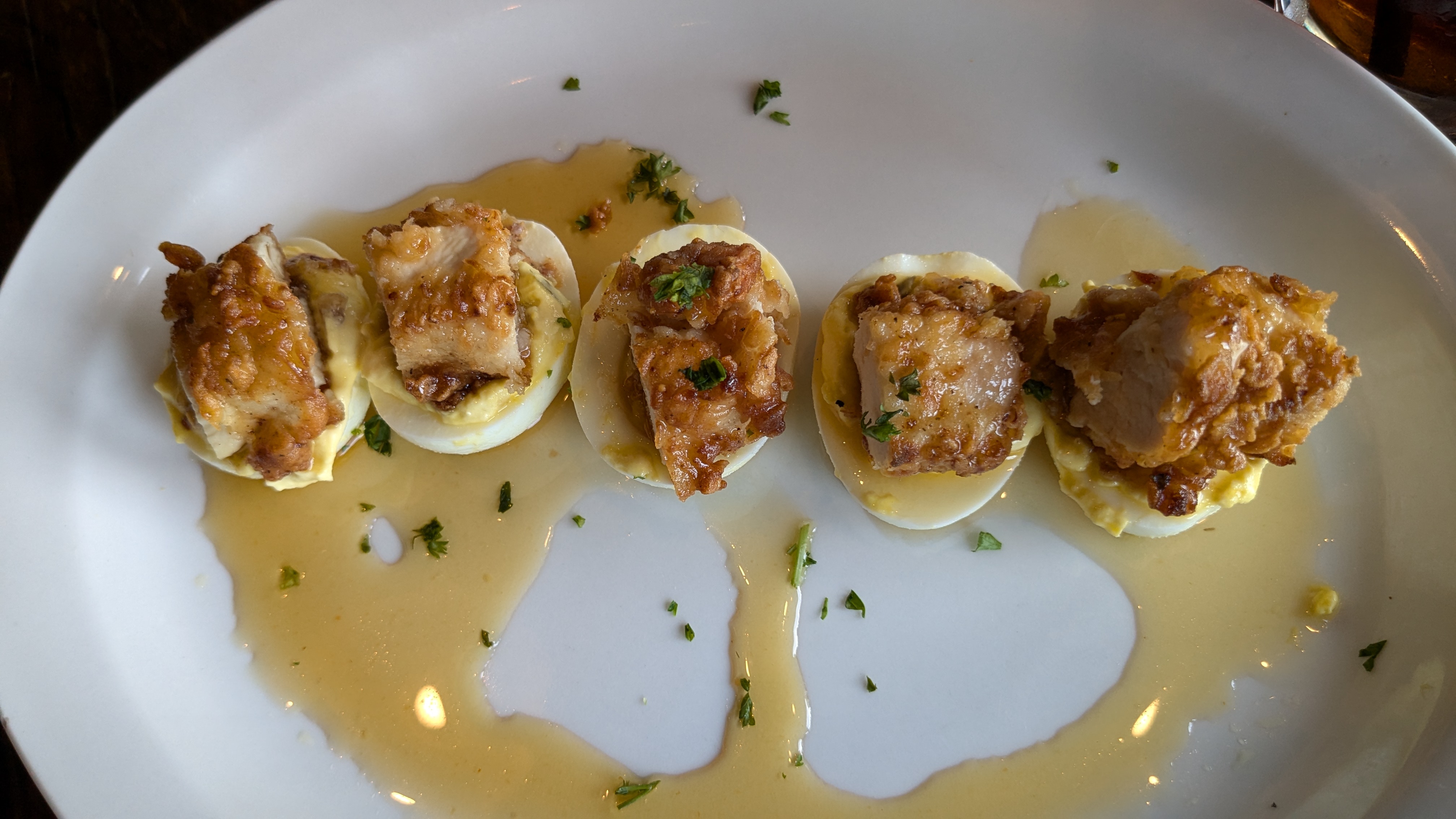
We chose not to order a complete meal, but instead selected appetizers to share from the extensive menu. An order of “Which Came First” Deviled Eggs, topped with fried chicken bites, bacon jam and sweet chili sauce, combined both breakfast and lunch in a unique way, and unusually good Philly Cheesesteak Eggrolls with creamy avocado ranch dressing more than satisfied our hunger.

Our server kept our glasses of iced tea and lemonade full, and he answered all our questions about things to do and places to go in the city. We chatted about the history and growth of the “family-owned, Alexandria-grown” establishment.
We were captivated by our first taste of local food and hospitality and more than pleased with our choices. We also asked for suggestions about where to dine that evening, and were treated to a “mini-course” in local culture and history.

Our visit to Alexandria was off to a great start. We were beginning to understand the reasons our friends had chosen this city on the banks of the Red River as their new home. Cajun food and culture are certainly part of the appeal. But, as we discovered, there’s much more to savor about Alexandria.

The Cottage

Another day — another lunch. The Cottage proved to be another delightful surprise.

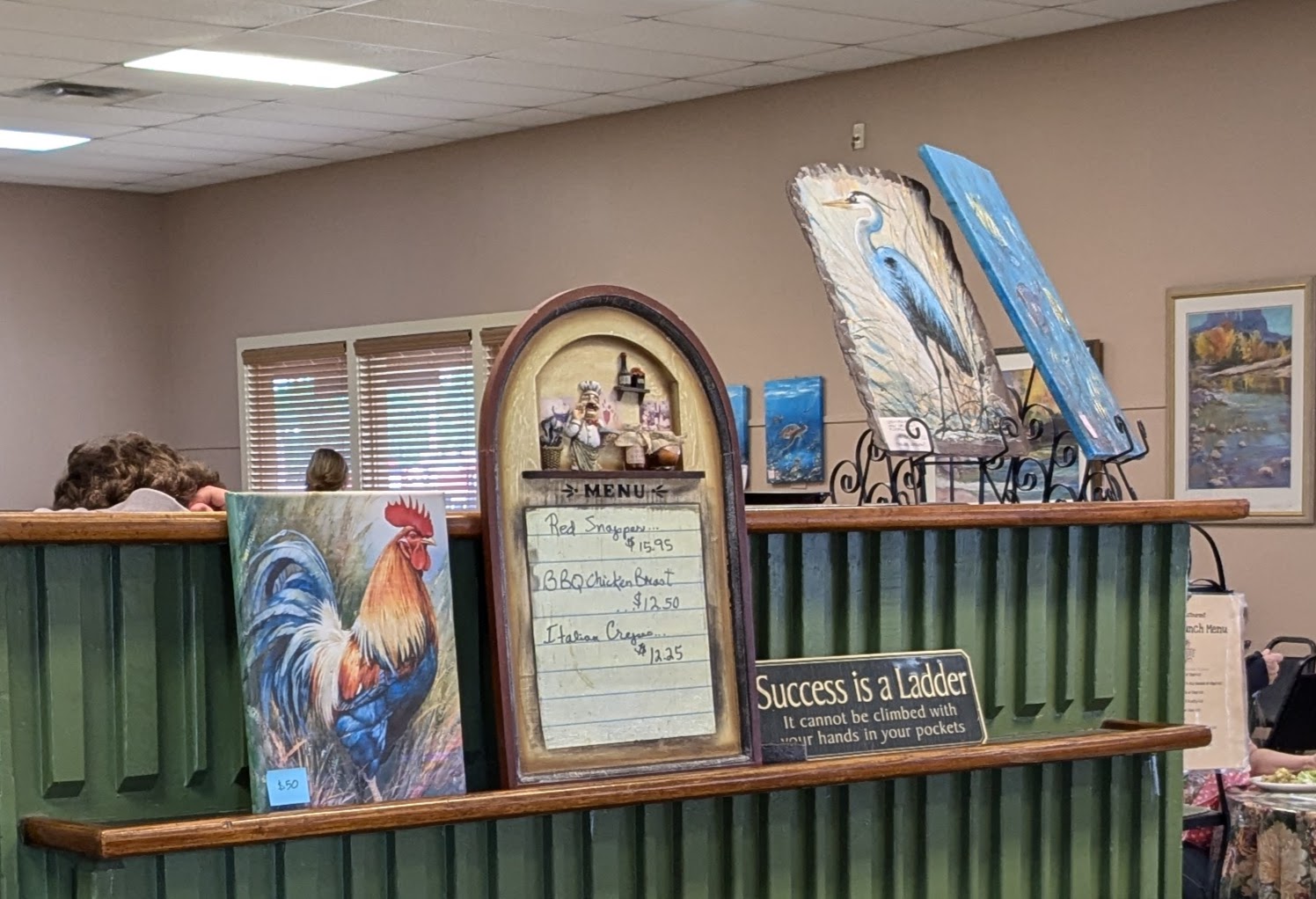
Renowned for its specialty cream of shrimp soup available in sizes from a “demi” cup to a large bowl, The Cottage features daily luncheon specials. Although the compact lunch-only spot looks somewhat like a ladies’ tea room, its clientele runs the gamut from suited businessmen to golfing foursomes to families with children. Personalized service is one key to its popularity, but the food lives up to the reputation it has built. Dishes are full of fresh flavor and served with flair.

Just one note of caution. A special of fresh fish with spinach salad and cottage potatoes had been listed online at a price substantially lower than the price that was charged. We noted the discrepancy with great surprise when the bill was presented. Although restaurant staff honored the lower (and incorrect) online price, it is probably always a good idea to confirm special prices before ordering.

Beer and wine are available, but the specialty almond iced tea was exceptional. We didn’t try any of the homemade dessert offerings, but I’m willing to bet they’re wonderful as well. Next time, I’ll have a hard time deciding between a Strawberry Crepe and the P-Nutty Oreo Pie.

Know that The Cottage is only open from 11 a.m. to 2 p.m. Monday through Saturday. Would we return? Absolutely!

Tunk’s Cypress Inn

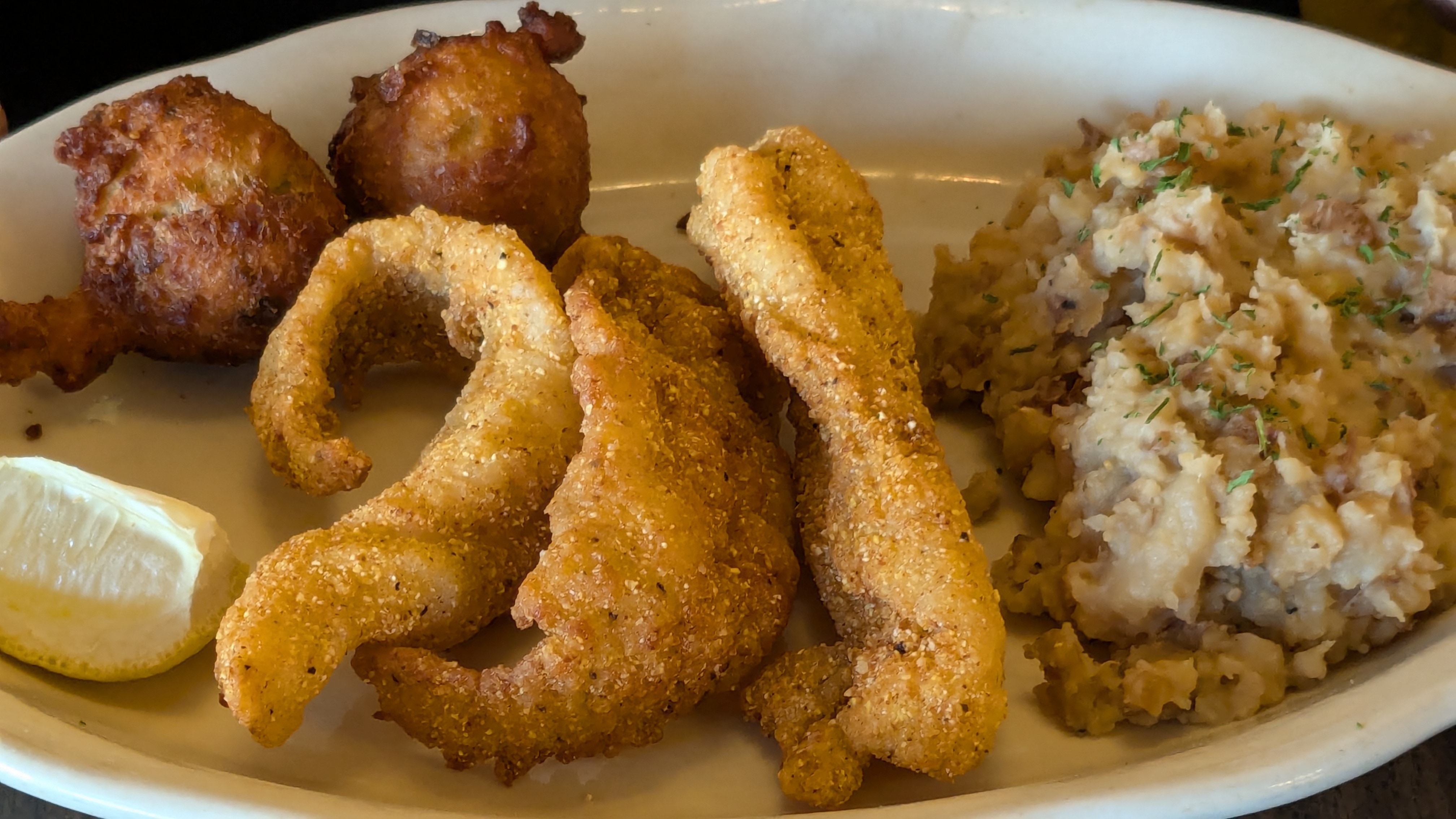
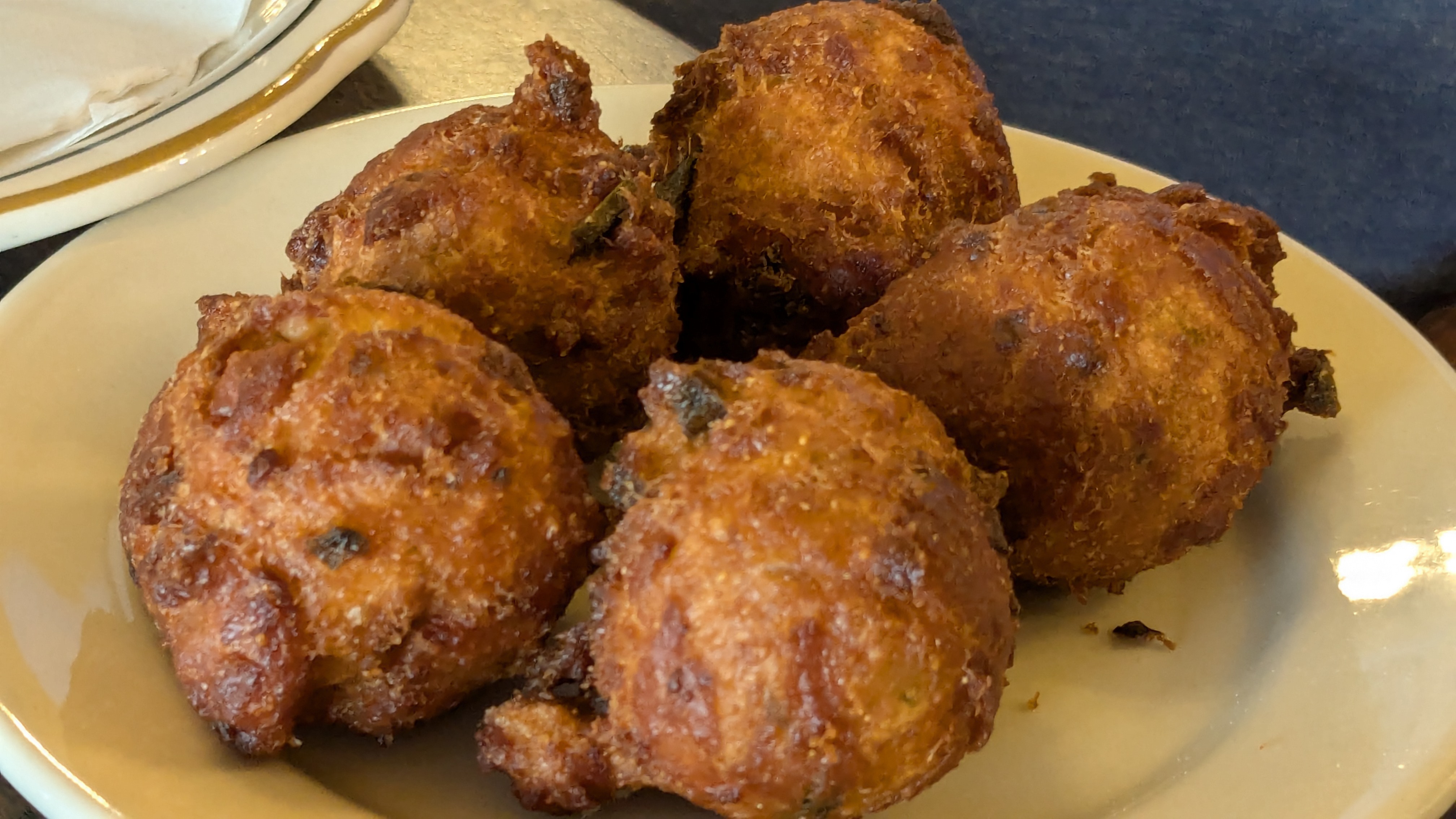
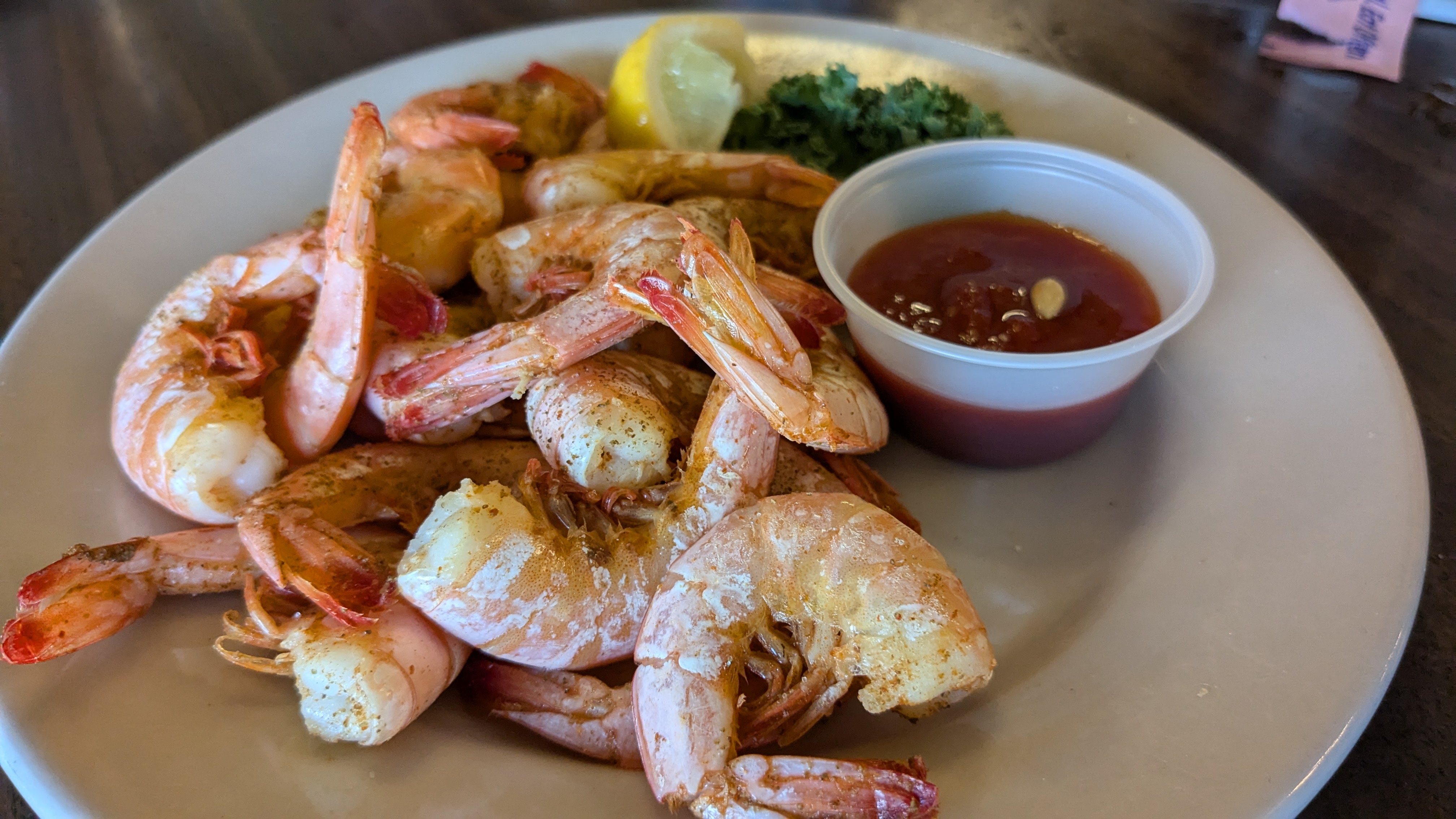
It would be worth visiting Tunk’s Cypress Inn & Oyster Bar just to sit on the deck with a cool drink while gazing at the serene view. However, to miss the food would be almost criminal. The Oyster Bar, right at water level, even features a choice of Po-boys as a Thursday night special. We missed that, but what we had — shrimp-topped fried green tomatoes with basil pesto cream sauce, boiled shrimp, fried catfish, seafood gumbo, and hush puppies — more than compensated for any disappointment we felt about missing the Poboy Special.

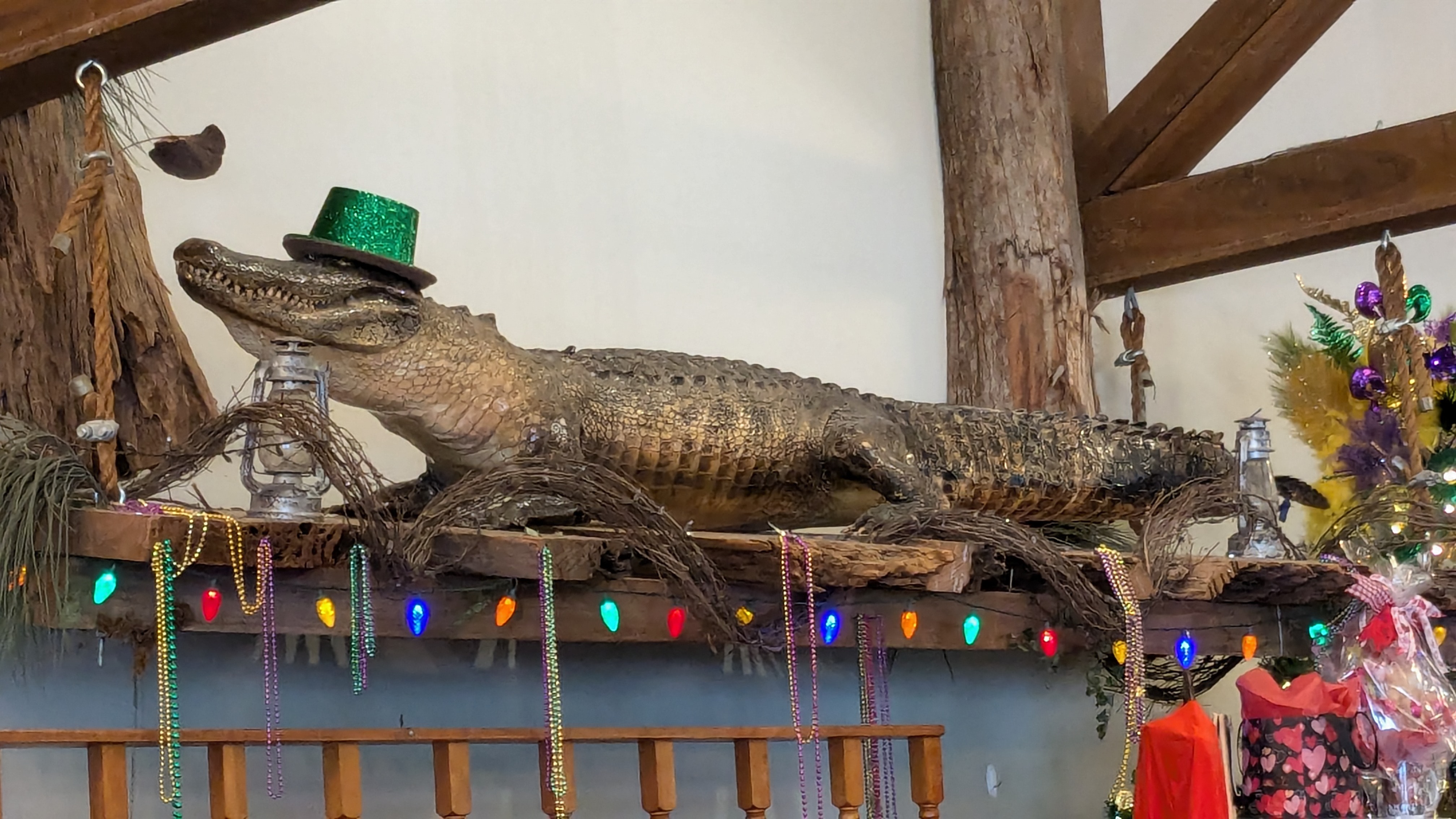
In case you’re wondering, the alligator, dressed in Mardi Gras finery, oversees the dining room on a perch adjacent to a pine tree trimmed in traditional purple, green and gold. And “the good times roll” here, we’re sure, all year long.
Mardi Gras colors, along with beads and memorabilia, are not necessarily limited to Tunk’s. You’ll find reminders of the “good times” throughout Alexandria. It’s part of Louisiana’s mystique, along with Cajun and Creole food and music.

Rosie Jo’s
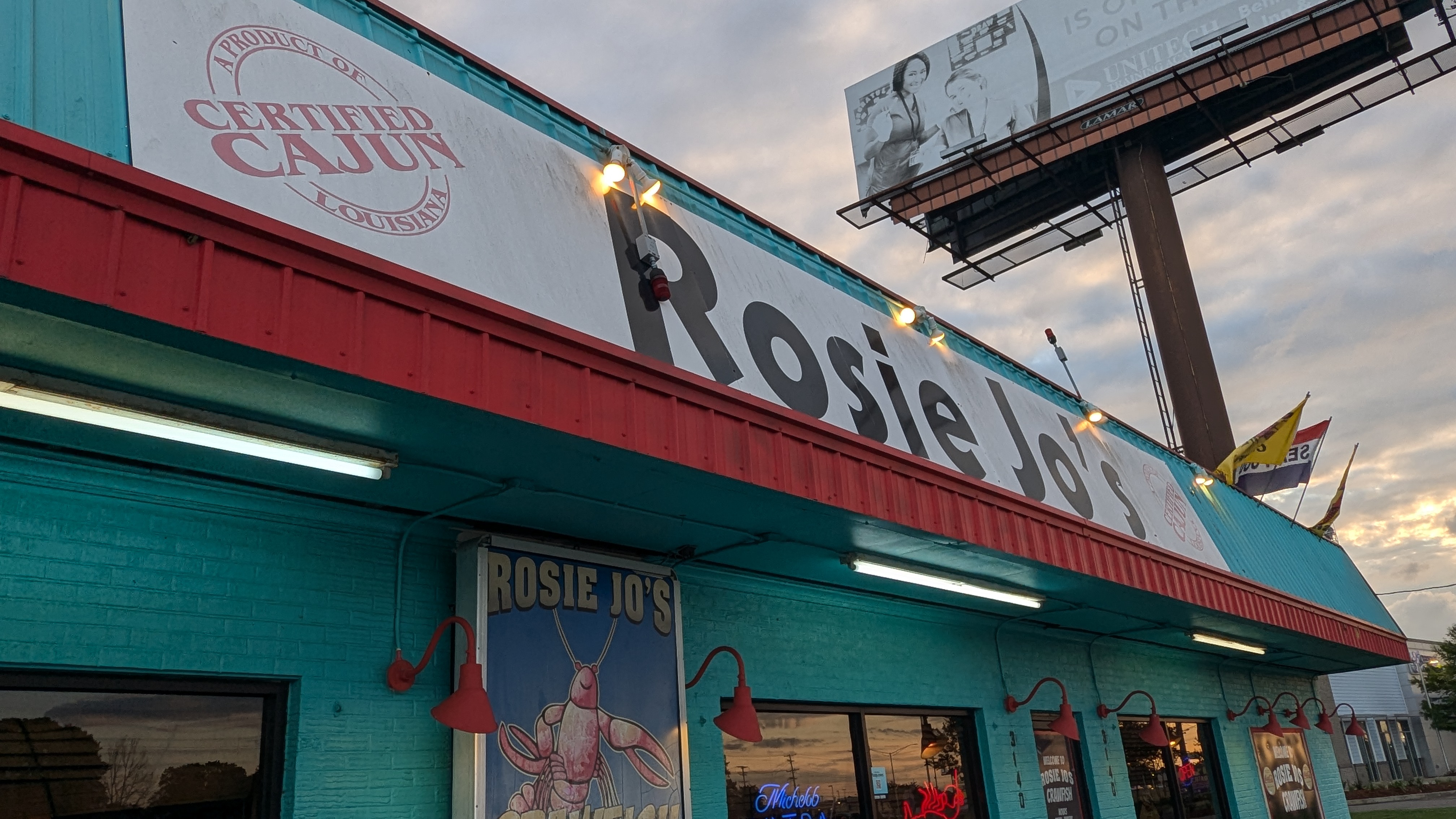
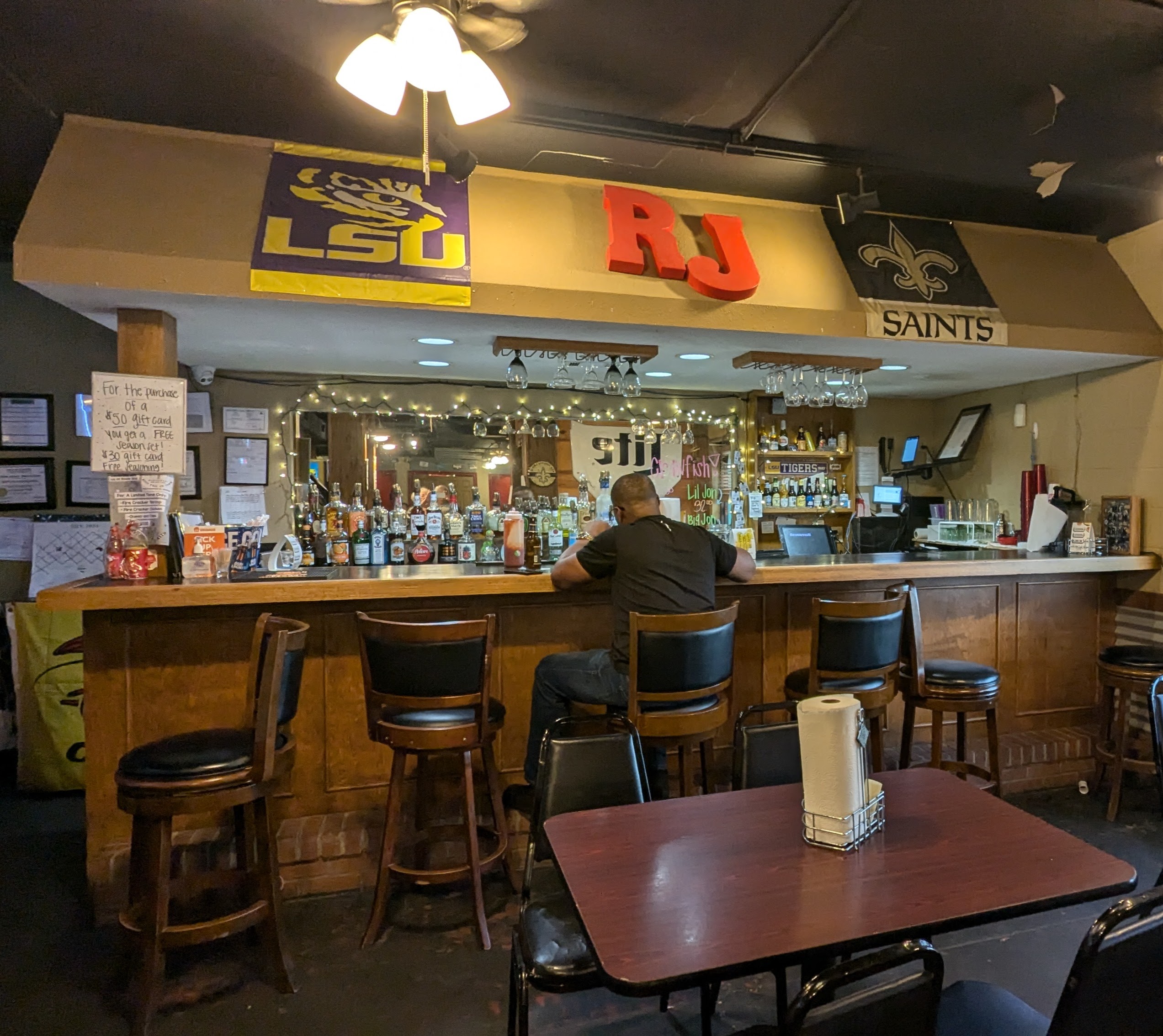
Rosie Jo’s looks like a roadside diner from the outside, and the interior has some of the ambience of an after work watering hole, or a late night honky-tonk. But don’t let that keep you from going. It’s hip, friendly, busy, and fun. And the food — everything we ordered — was well-prepared, hot, and delicious. Service was on point, as well. So, for the pure fun of it, as well as the quality, we heartily add our names to the list of local recommendations we received about Rosie Jo’s.

We visited Rosie Jo’s during crawfish season and and, even though we didn’t order a bucket to share, plenty of other diners did! As I looked around, I realized that not many crawfish go uneaten! If you go, you might want to time your visit so that you can have the experience!

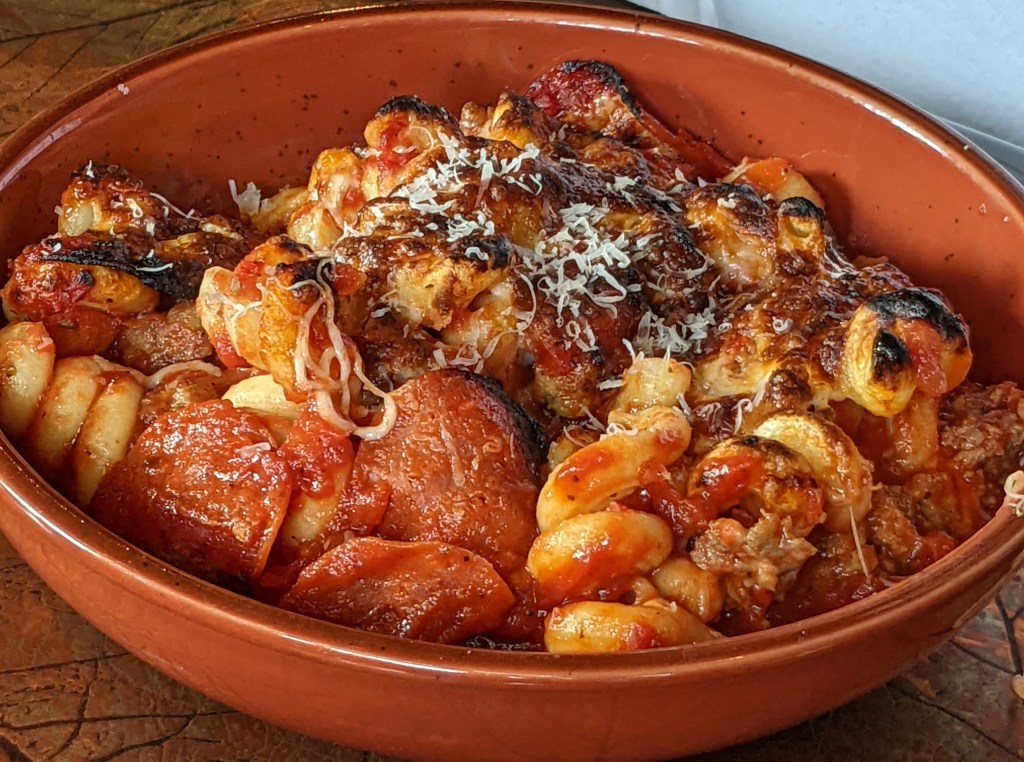
We thoroughly enjoyed what we did order. I’m not sure I wouldn’t choose the hearty Shrimp and Grits again, but it’s a large order, suitable for sharing. Others in our group chose Fried Shrimp, complete with onion rings and coleslaw, and Pistolettes, fried pockets of dough stuffed with boudin and covered in shrimp etouffee.

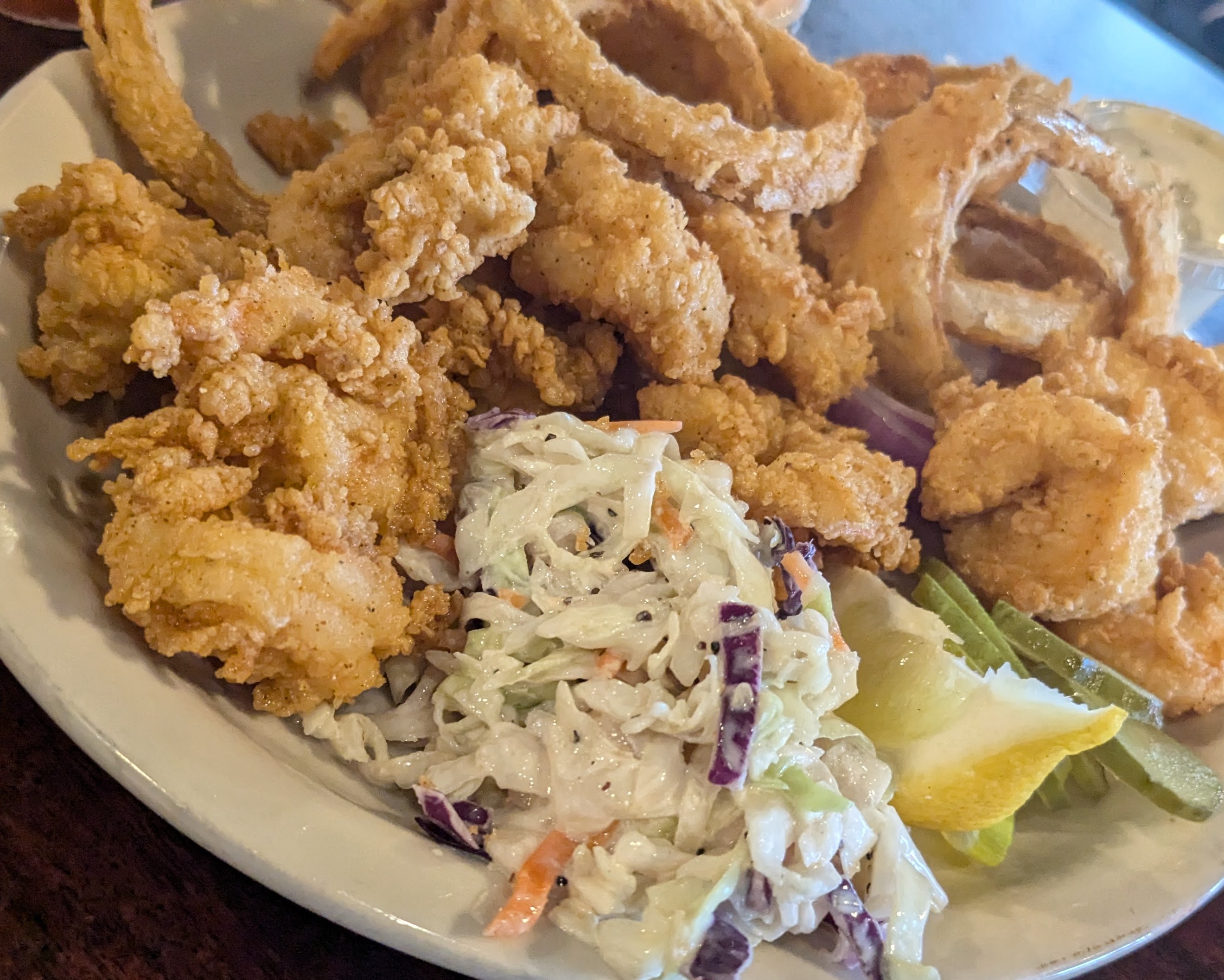
Needless to say, samples all around were willingly shared.

Even though the city lies to the north of what is considered “Cajun Country,” there’s plenty of good Cajun food to be found. Over the course of the next two days, we sought recommendations from everyone we met and were rewarded with a list of options that would satisfy even the most discerning diners. There are fine, upscale restaurants as well. And we understand that food booths and food trucks are there for the festivals.

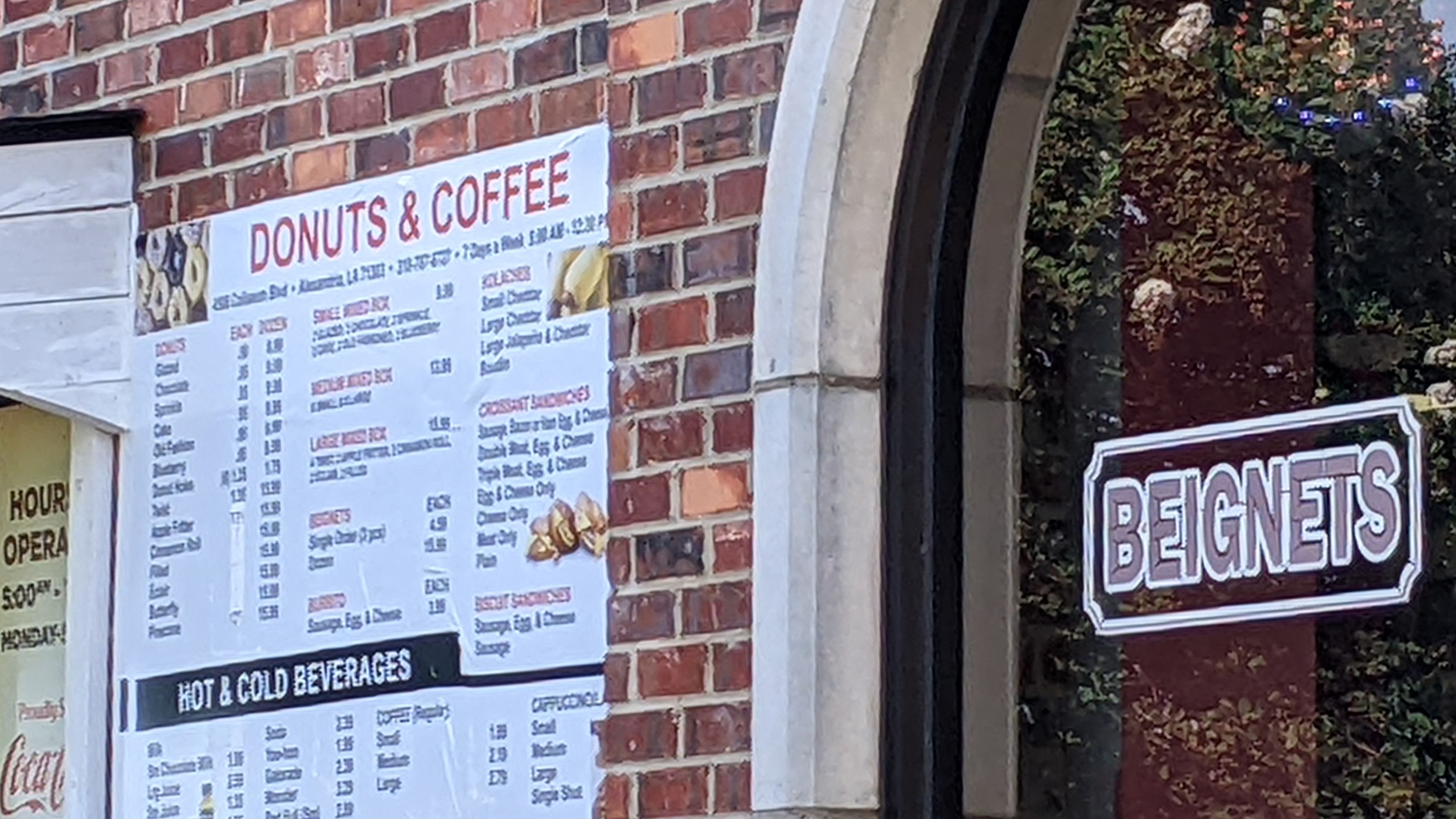
Our final morning came too soon. After leisurely coffee and conversation with our hosts, we made ready to leave. Previously, we had spied a neighborhood Coffee and Donut Shop. We couldn’t resist stopping. Served fresh and piping hot, three to the order, the large beignets drenched in powdered sugar reconfirmed that Louisiana residents definitely know how to enjoy the good things in life. One more reason to return.

On our return trip to Arkansas, we passed through the charming town of Ruston, not quite two hours north of Alexandria. Home to Louisiana Tech University, it seemed a good place to stop for a bite to eat — home was approximately another four hours away. Our friends had recommended Ponchatoulas, with a convenient downtown location. Another chance to sample “the flavor of Louisiana” was tempting, to say the least. We had been forewarned, however, that we might have to wait for a table, and that was the case.

Another quick online search yielded results: Dawg House Sports Grill. It has a tempting menu of burgers and was easy to find. Obviously popular with students and sports fans, there were also a fair number of families there to watch Sunday games. Although tempted by menu items like Boudin Egg Rolls, Fried Green Tomatoes, or a Shrimp Poboy, we settled on a Bulldawg Burger with Onion Strings, after our server’s assurance that it was large enough to share.
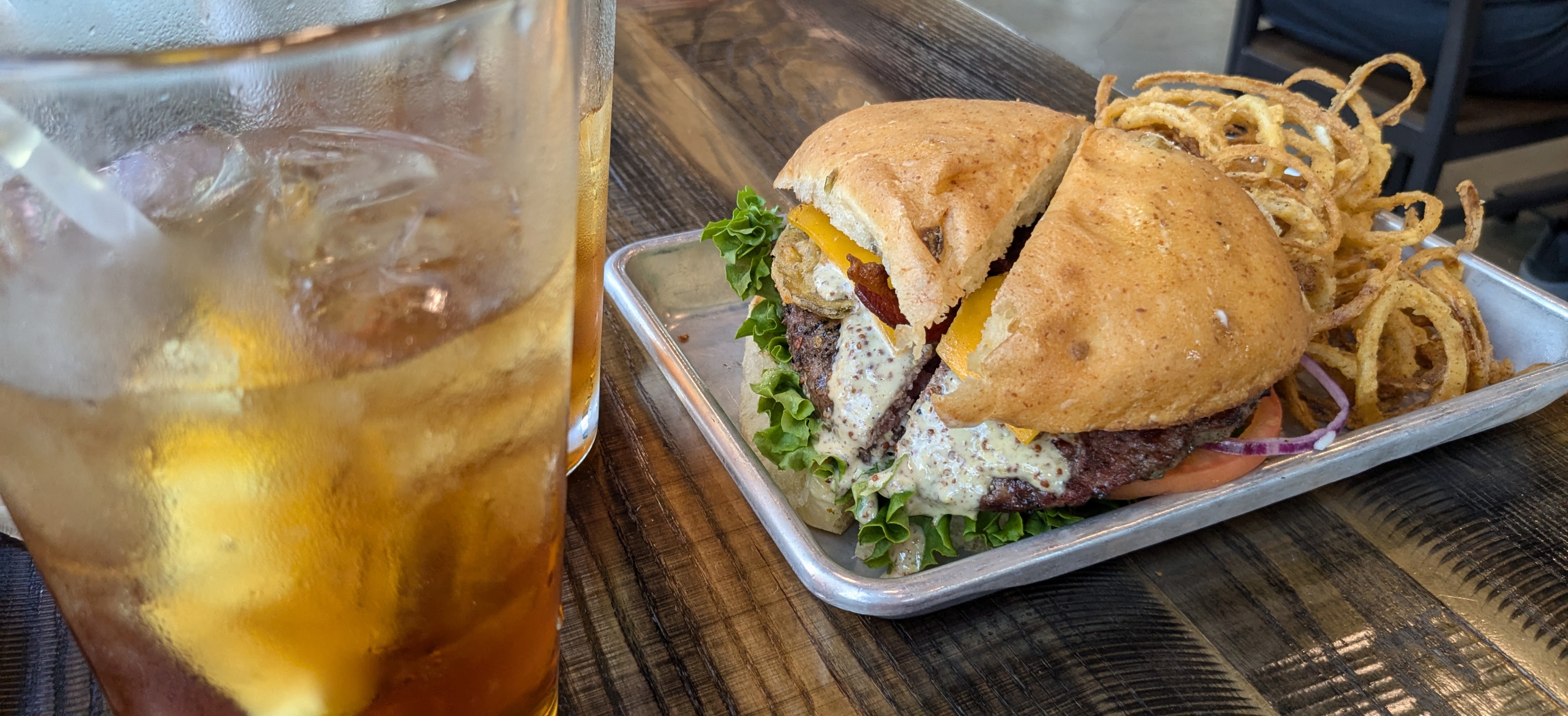
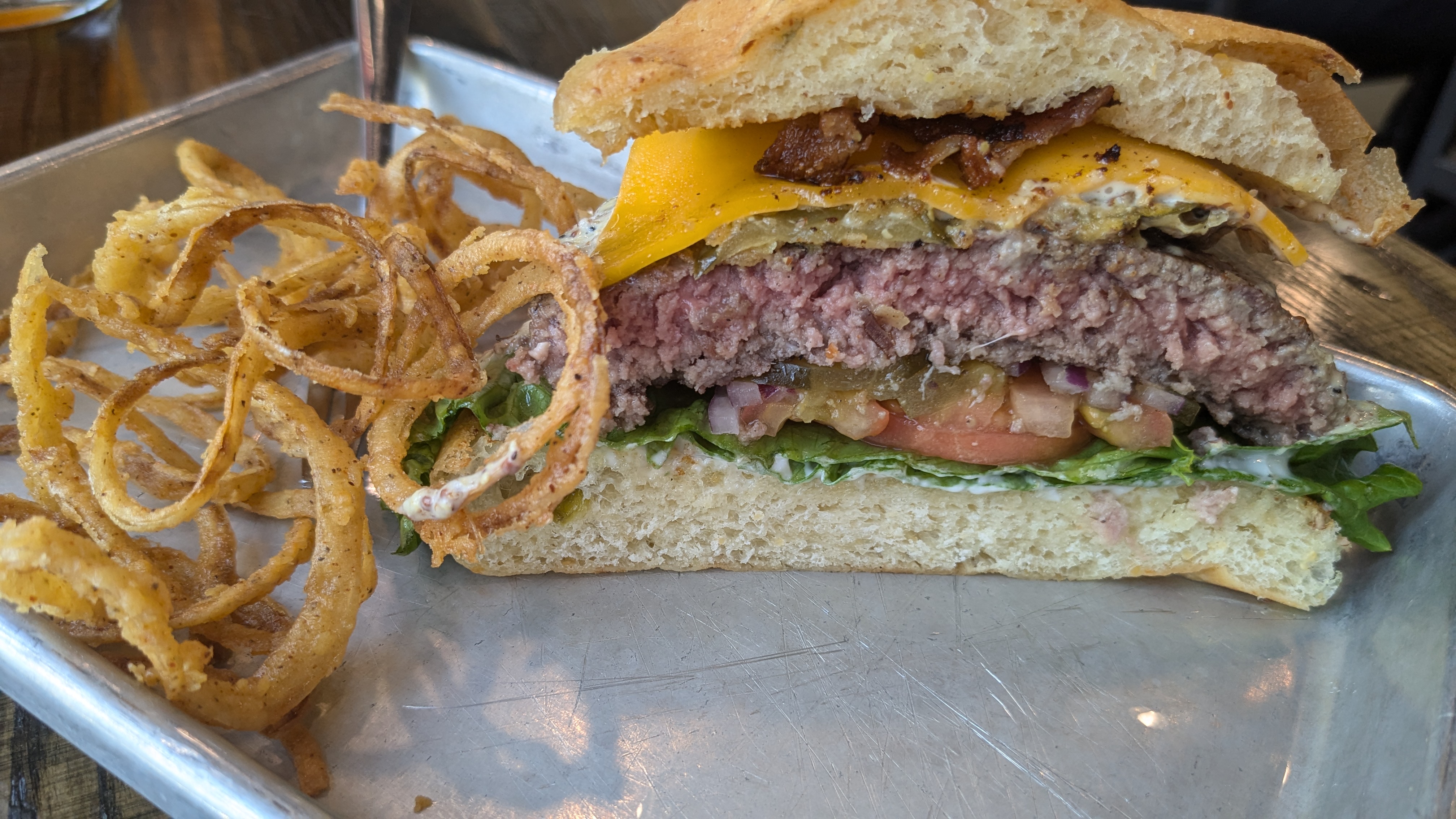
It was indeed! We felt confident we would not have to worry about dinner that evening.

“On the Road” Learning

Driving home, we reviewed everything we had packed into the all-too-brief road trip. Importantly, we had learned that there’s more than food to love about Alexandria, but that food is an important aspect of any good travel experience.

We knew our two-day time frame would allow little time to do more than scratch the surface of Alexandria. We had hoped to explore some of the city’s casual eateries, with the goal of finding, at minimum, interesting food options and Cajun flavors. A variety of Poboy choices and local brews would have satisfied us.

What we found was so much better. We hadn’t expected a food dilemma, but there simply are too many good options, it seems, for the time or appetites we had.

We left wanting to know more about this distinctive Louisiana city. There’s a plantation house that dates to pre-Louisiana purchase days, a grand century-old hotel that must have many stories to tell, a highly-rated zoo and art museum, an undergrad campus of Louisiana State University, and several popular annual celebrations, including Mardi Gras. Alexandria also boasts a fascinating military history. It was near here that thousands of soldiers trained prior to World War II and many different types of aircraft flew out of the former England Air Base that has been “recycled” as a regional international airport.

Alexandria seems like a “happening” place to be, any time of year. It’s now certain that we’ll return.

Strengthening the ties of friendship with former neighbors was important to us, and we vowed not to allow much time to pass before doing it again. Getting away for fresh experiences in unfamiliar places is good for the soul.

And sampling new foods definitely adds spice to life.

Once Upon a Frontier

In December 2023, Old West Magazine published a list of the “The Top 10 True Western Towns of 2024,” as it has annually for nearly two decades.

Cody, Wyoming, topped the list this year, but others include:

  • Miles City, Montana
  • Lubbock, Texas
  • Abilene, Kansas
  • The Dalles, Oregon
  • San Angelo, Texas
  • Deadwood, South Dakota
  • Tombstone, Arizona
  • Fort Smith, Arkansas, and
  • Prescott, Arizona

Some of these Old West towns have made repeated appearances on the magazine’s annual list. I have lived in several of these legendary locations — Santa Fe, NM, Fort Worth, TX, and Miles City, Montana. And I have visited many more.

Many towns across America claim to be throwbacks to earlier times, dripping with the romance and spirit of discovery that characterized a new and uncharted land.

Most have become thoroughly integrated with modern life. The best, however, retain and celebrate their history as towns on the frontier of a fresh and growing America. Their residents may no longer subscribe to the lively lifestyles of the past, but they are also unwilling to completely put the past behind them. I find that refreshing.

The West Lives On

Last month, I visited an Arkansas frontier town, Fort Smith, for the first time.

Fort Smith has also made True West’s list more than once, and its past may be more colorful than most. The facts testify to its importance on the edge of the American frontier.

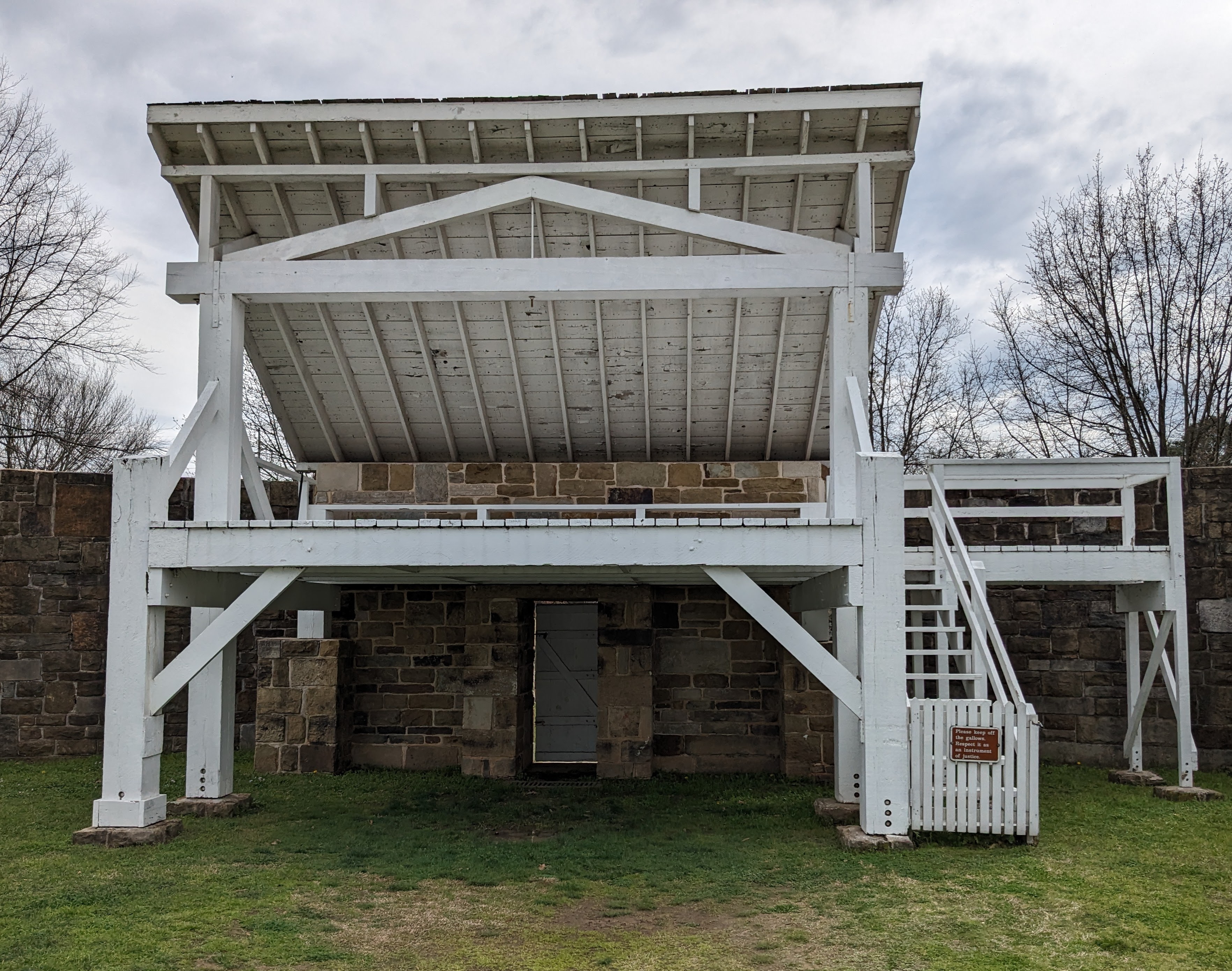
Situated on the banks of the Arkansas River and just a bridge away from Oklahoma, Fort Smith is a small town by any standard, but its history is long and varied. It was where “the Hanging Judge” of Old West renown held court — 83 men were hanged on the orders of Judge Isaac Parker between 1873-1896, and reconstructed gallows now occupy a prominent position at Fort Smith’s National Historic Site. Displays are housed in a former military barracks and the city’s impressive historical museum occupies a one-time Army commissary.
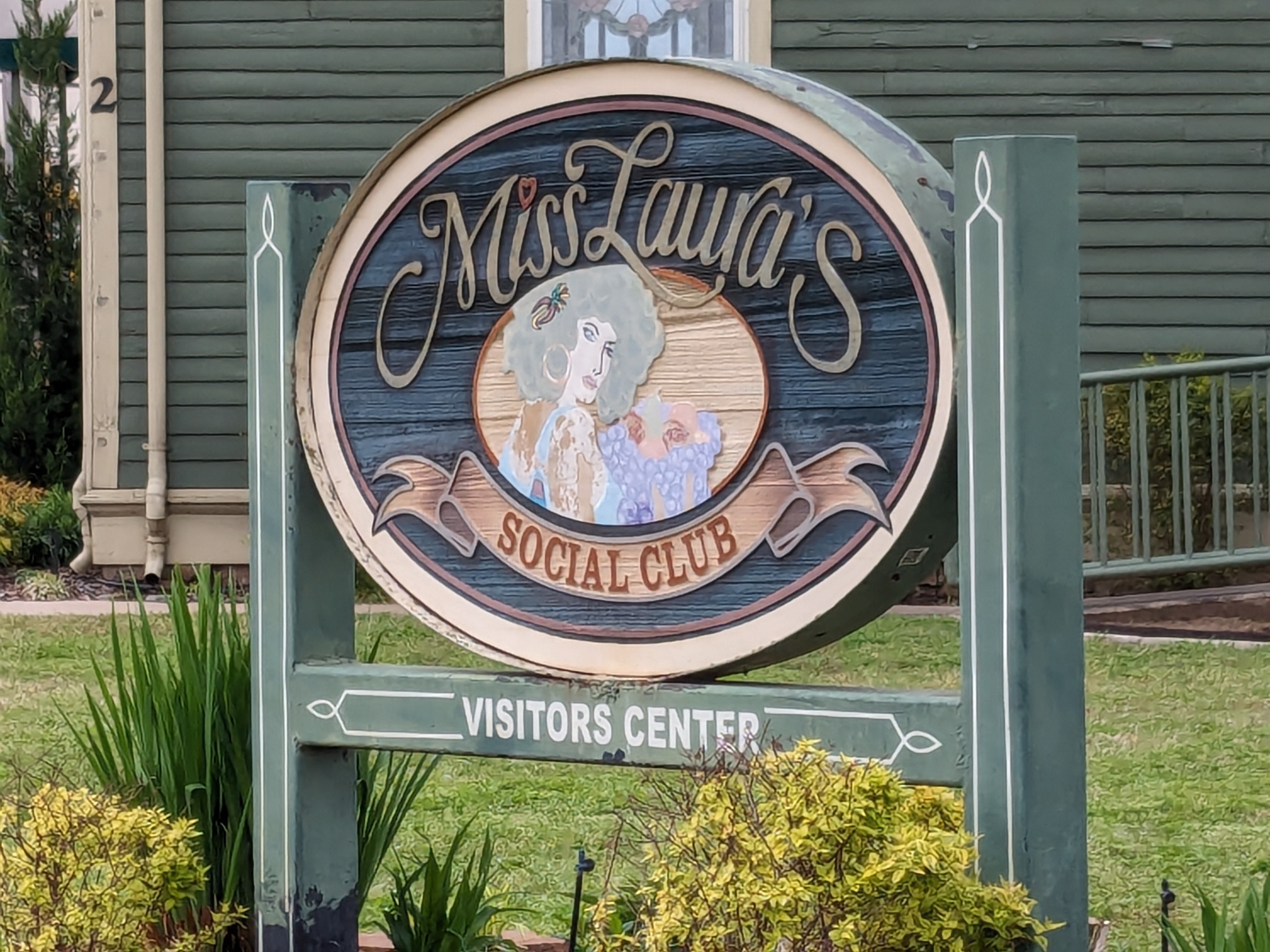
The city’s Visitors Center is currently in a former brothel, Miss Laura’s Social Club, and tours of the restored house are offered to the public on a regular schedule. A modern Visitors Center, however, is slated to open in 2025.

Despite its status as the third most populous city in Arkansas, with approximately 90,000 residents, Fort Smith retains its small-town appeal. Its boundaries encircle an area of about 63 square miles, but its downtown core consists of only a few easily walkable blocks.

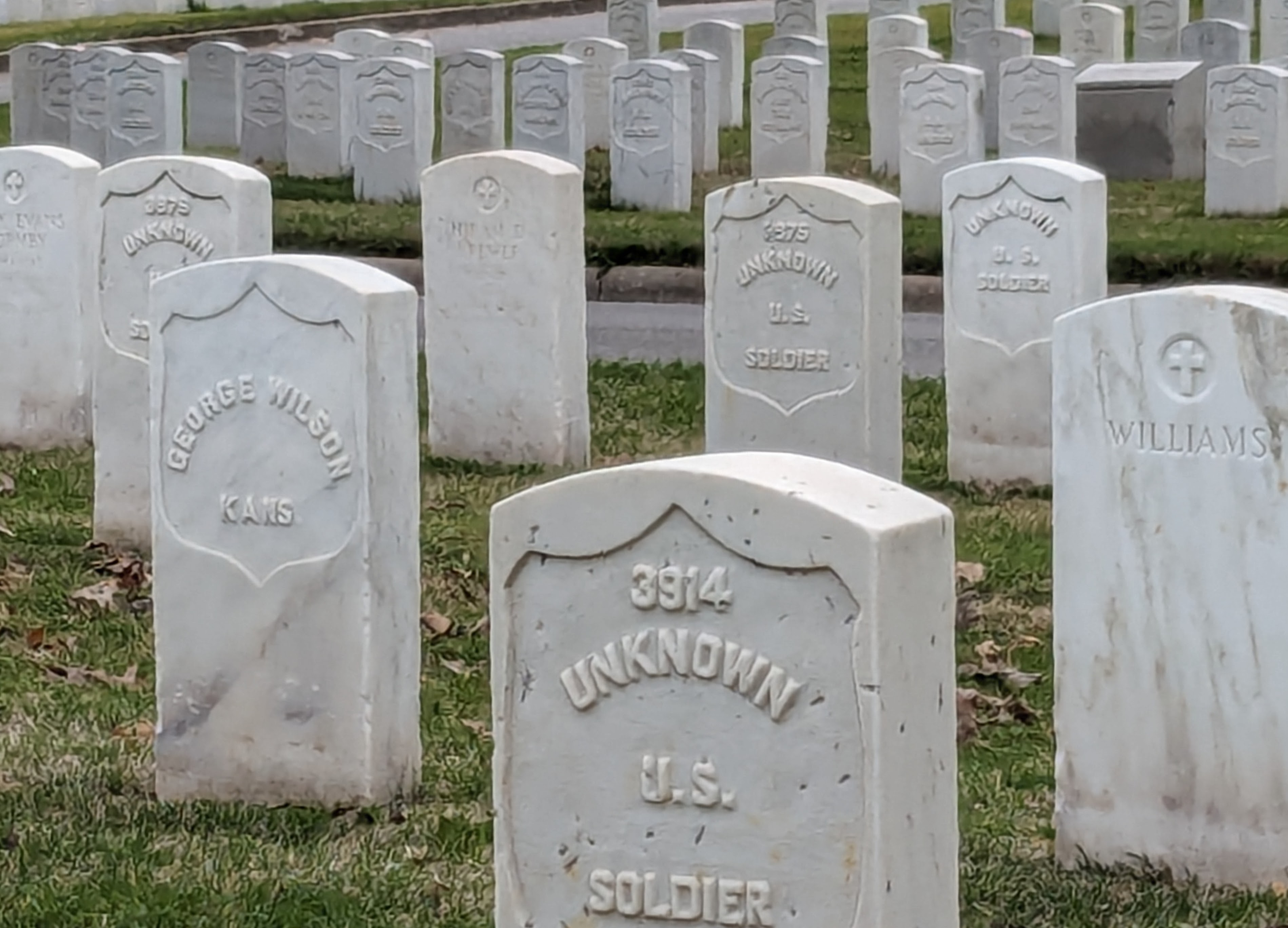
The city played a contested role in the Civil War and fell under the control of both the Confederacy and the Union at different times. Today a National Cemetery is located near the center of Fort Smith’s historic downtown district. Walking among the headstones is an eye-opening lesson in American history.

Building a New History

Present-day Fort Smith also has much to recommend it, not the least of which is the United States Marshals Museum that opened July 1, 2023, after a decade of planning. It occupies a dramatic riverbank site only a mile or so from the city’s historic downtown.

If, like me, most of what you know about U.S. marshals has been gleaned from television and movies, visiting this museum is akin to a refresher course in reality. The modern building at first seems a bit incongruous on the river, sandwiched between a bridge that leads to Oklahoma and an RV campground. One wonders initially what this architecturally stunning building, set starkly between large boulders and clumps of prairie grass, can be. Closer to the bank, a horse and rider seem to stand watch.

Upon approach, however, the steel and glass building morphs into a stylized star – the badge of the U.S. Marshal. A single American flag directs visitors to the building’s entrance.

The museum tells the story of a small band of legendary men and women charged since 1789 with “keeping the peace and carrying out justice” in the United States. And it tells that story in an unparalleled way.

The Trail of Tears

Also in Fort Smith, there is a viewing platform on the river, not far from the city’s modern convention center, that marks the spot where the trail ended for native tribes who were forcibly removed from their lands east of the Mississippi. Although there were several routes to the designated “Indian Lands” in the West, the years-long relocation of thousands of indigenous tribal members is known as the “Trail of Tears.”

For some, that trail ended at Fort Smith. Indian Territory lay just across the Arkansas River, in what was to become Oklahoma. Last year, I stood near the bank of the Mississippi River not far from St. Louis, at a point where a marker now designates a beginning point of the Trail of Tears. Seeing both the beginning and end of that trail was a sobering experience.

My recent travels have opened my mind to the variety and wealth of Arkansas history, and to the reasons for its nickname as the Natural State. One need not travel far afield to learn more about this unique region.

The City That Holds My Heart

Old West towns beckon to me. To this day, each retains a kind of defiant swagger that sets it apart from other historic American cities, and each one has a distinctive mystique.

Some years of my early childhood were spent in Miles City, along with many summer vacations to visit grandparents. Miles City was then, and in some ways still remains a quintessential frontier town. Founded in 1877, the year after the Battle of the Little Big Horn, it was adjacent to Fort Keogh, at the confluence of the Powder and Yellowstone Rivers in eastern Montana. The fort’s reason for being was as a military outpost to urge local tribes — the Lakota and Crow — to resettle on the state’s designated reservations.

As an active military installation, the fort had a storied history up to and including World War II. Miles City in its early days supplied liquor and services for the troops. Allow your imagination free rein; Miles City began life as a rowdy town.

The fort was deactivated in 1924 to become an agricultural research station. Miles City was an early railroad hub, with both the Milwaukee Road and the Great Northern Railway running through the town. And, for decades, motorists on both U.S. Highways 10 and 12 passed through Miles City. But in the latter part of the 20th Century, Interstate 90 and its I94 spur from Billings to North Dakota were constructed. The interstate bypassed Miles City, and it fell into decline as passenger train travel also diminished. The city’s airport had insufficient runway to handle jets, and most reasons for visiting disappeared.

However, to this day, Miles City clings to the pride that perpetuates its rowdy past. Some of that raucous past manifests each spring, during the third full weekend of May, at the legendary Bucking Horse Festival, held since 1951. The weekend celebration is a spirited event that includes horse races, rodeo events, and visits to Miles City’s throwback saloons. It is grounded in the history of the military and westward expansion, and characterized by high spirits and daring antics by contemporary cowboys. It is still a primary source of rodeo stock for the entire country and the annual rodeo and sale is one of those American “folk festivals” that one really must experience in person to believe.

More West to Explore

In just a few days, I will embark on another journey that will take me through several Old West towns in Kansas on the way to a week of R&R at a mountain cabin in Estes Park, CO. 

Kansas is another state with a rich frontier history, and I look forward to exploring a bit more on this quick journey west, visiting Fort Scott, Wichita, and Dodge City along the way. On this road trip, my husband and I will drive a few miles along Route 66 in eastern Kansas, and then return to the past further west as we follow part of what was once the Santa Fe Trail. I wrote before about Kansas in 2022 when I visited several of the small towns in the southeastern corner of the state that we will pass through again on our way west.

On the way back to Arkansas, we plan to revisit Santa Fe, which we called home for nearly two decades, then will see friends in Lubbock and the Dallas/Fort Worth area before returning home. My plan is to return and write more about these legendary Old West towns that are now redefining themselves as unique places in the modern world.

I hope you’ll join me as I continue to travel and find interesting and unusual places to visit. I urge you to venture out on your own as you have time — to your state’s parks, historic sites, regional festivals and the many small towns, lakes, streams, mountains or shores that surround you, wherever you may live.

An Unknown Alaska

The 20th annual conference of the North American Travel Journalists Association, held in Fairbanks, Alaska, in May 2023, ended on a high note, indeed. It represented the culmination of a 16-day journey that included travel by air, cruise ship, bus, and train. The route took me from my home in Arkansas to Vancouver, British Columbia, then north along the inland passage to Alaska’s port cities, and on to Anchorage, Denali National Park and inland Alaska.

At the conclusion of the conference, I was off on another type of adventure — a grueling ride along the Dalton Highway, a mostly unpaved roadway that loosely follows the route of the Trans-Alaska pipeline from just north of Fairbanks to Deadhorse, Alaska, on the Arctic Ocean. It is barren, uninhabited land.

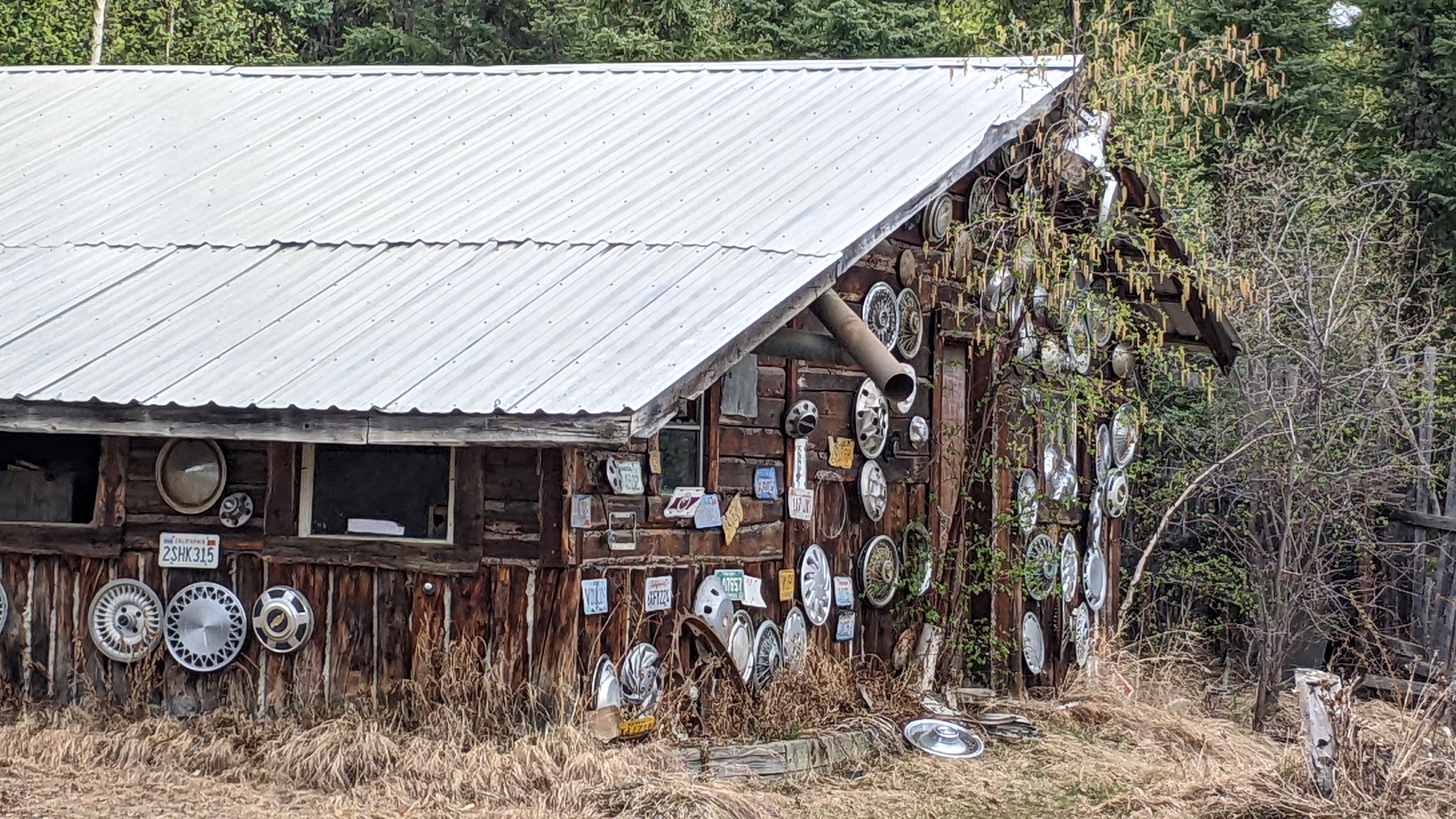
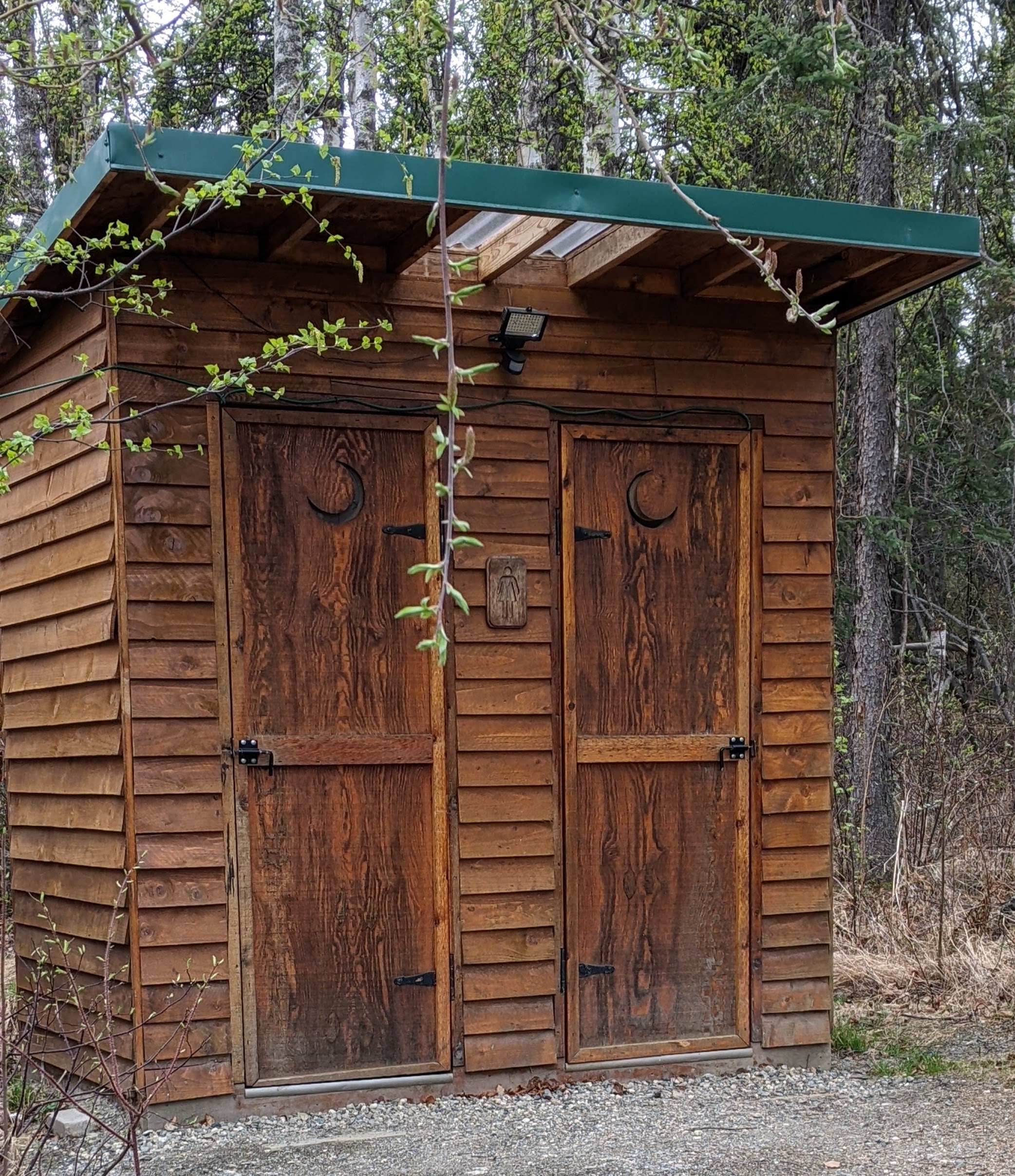
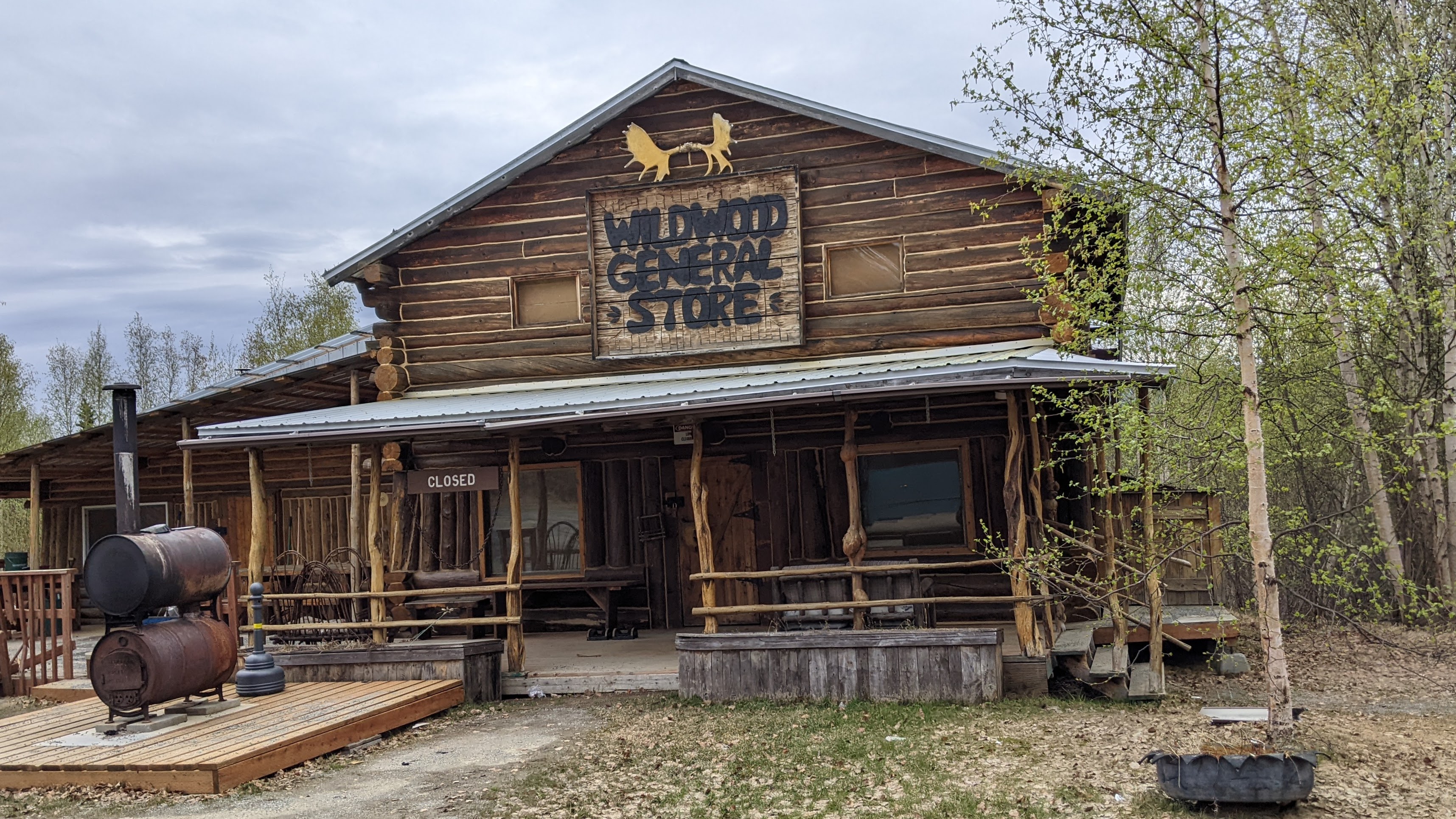
Our guide and driver told us that in the 1980s, a group of homesteaders had formed a small community in an “off-the-grid” location along the route. Today, even they have moved on, with only a handful of buildings as testimony to their former lifestyle. We stopped at what was once the general store in the area, now owned and maintained by the tour company as a convenience stop for participants on the Highway excursions. The site’s several buildings stand empty and unused, but there are clean, well-maintained outhouses, complete with lighting and framed art on the walls. It was not only a welcome rest stop, but the site offered numerous photo ops as well!

Leaving Fairbanks, we traveled along the Stease Highway, then joined the Elliott Highway (roadways in Alaska have names rather than numbers) until we reached the Dalton Highway, made famous by the television show, “Ice Road Truckers,” for the long-haul drivers who bring food and supplies to oil field workers and support crews along Prudhoe Bay.

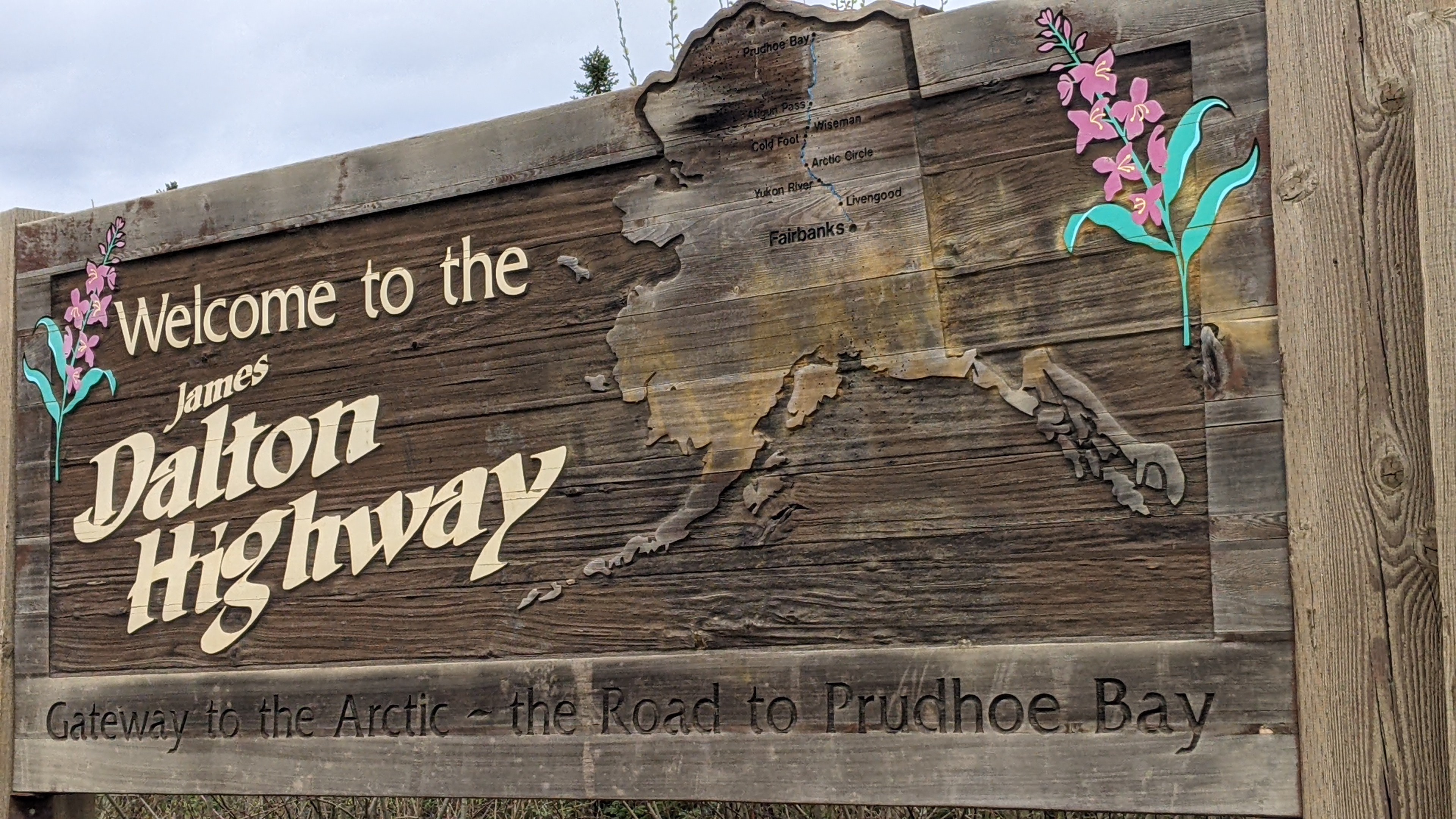
There is a welcome sign where the Dalton Highway begins. At a stop there to take photos, we met a couple of motorcyclists traveling north from California to Deadhorse!

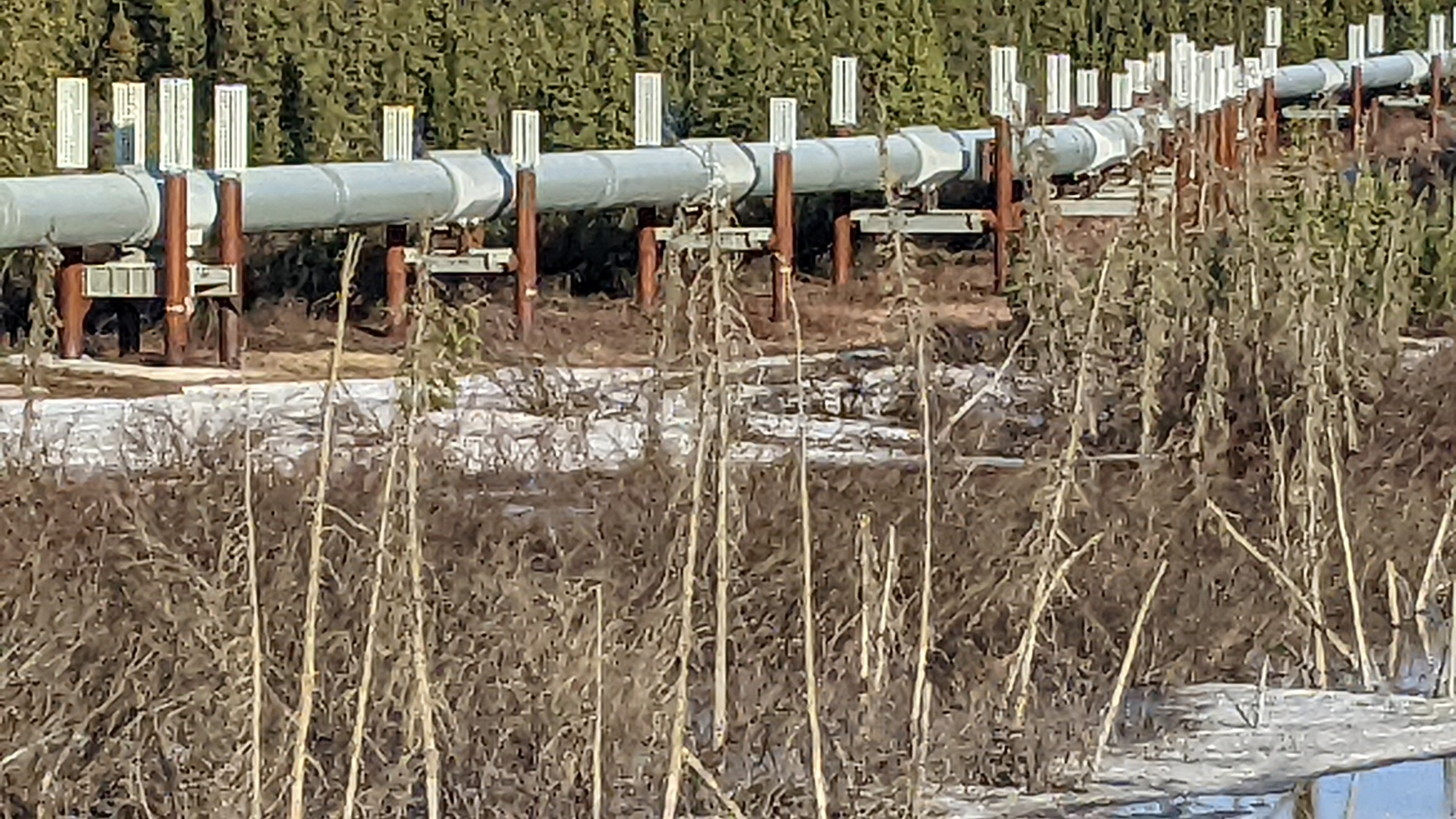
The Dalton Highway stretches 414 miles north from Livengood, a former gold mining town approximately 80 miles north of Fairbanks to Deadhorse, Alaska., at the Arctic Ocean. Originally known as the North Slope Haul Road, it was begun in 1974 and completed in just five months to facilitate pipeline installation. The pipeline itself stretches approximately 800 miles from Prudhoe Bay to its terminus at the ice-free port of Valdez in Prince William Sound. Still a marvel of engineering, the Trans-Alaska pipeline was operational in just 20 months, and began pumping oil in 1977.

The highest mountain in this northern region is just over 3,200 feet (in contrast to Denali’s height of more than 20,000 feet only a few hours to the southwest). The high point on the Dalton Highway is 2,200 feet, but much of this land is above the tree line, and it appears stark, nude, and forbidding in its solitude.

Hilltop Gas Station, 15 miles outside of Fairbanks, is the northernmost source of fuel until drivers reach Coldfoot, on the Yukon River, or the northern terminus of Deadhorse. The power line also ends not too far north of Fairbanks. In a very real sense, this is “the end of civilization.” Pedro Dome, situated northeast of Fairbanks, provides the only Doppler weather radar tracking for the entire state. If it goes down, weather forecasts for Alaska are only guesses.

Our second stop was at Yukon River Camp, where pipeline workers, roadway maintenance crews, and truckers gather. It serves as rest stop, information and communications center, local store, no-frills eatery and is a welcome sight for the few tourists along the lonely road. There is a small village of support personnel, with overnight accommodations available.

Visitors can check the weather, make phone calls, grab a hot cup of coffee, even purchase sweatshirts, postcards, and souvenir magnets. It was here that we once again met the cyclists and wished them well on their continued journey north.

Cities in this northern inland portion of the state are non-existent; even primitive settlements are few and far between. Water, power and fuel do not exist, and travel is treacherous.

Although our excursion traversed not quite half the length of the Dalton highway, we traveled far enough north to literally leave civilization behind. It was a unique experience.

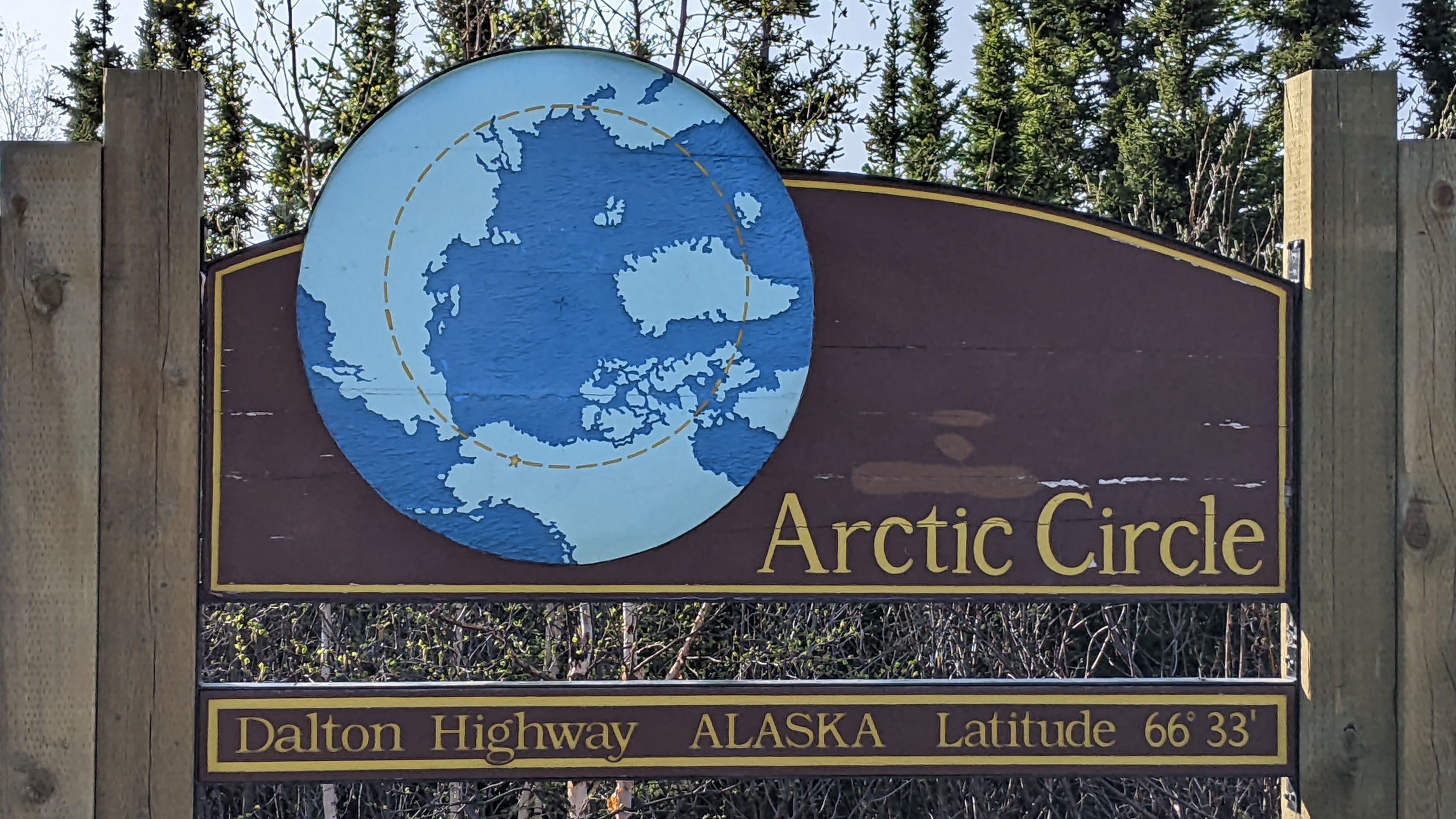
Later, our group stepped across the latitude line (66 degrees, 33 minutes) that marks the Arctic Circle, and we celebrated with “Alaska mud cake” and whipped topping at a picnic table in the forest — under the watchful eyes of curious squirrels and hopeful “thieving birds” perched just above us in the trees. It was there that we picked up a handful of southbound travelers, adventurous souls who had previously ventured further north and would be returning with us to Fairbanks.

On our return south, we stopped again at the Yukon River Camp. But now the kitchen was closed, and the staff had gone to bed. We brought our own sandwiches or microwavable dinners. Water and hot coffee were available to us, but there was little else other than tables, chairs and clean rest rooms. The camaraderie made up for the late-night lack of service.

My colleagues and I — participants in this unique post conference Dalton Highway press trip — discovered the uninhabited, “ungoverned wilderness” of far north inland Alaska. I was overwhelmed by the isolation, and enthralled by the beauty of the land. Only a limited number of participants were chosen for this unique tour offered by the Northern Alaska Tour Company. Another somewhat less-strenuous option offered to Alaska tourists provides an alternative overnight stay near Coldfoot, Alaska, in the Brooks Range, a bumpy hour or so north of the Arctic Circle. On that excursion, travelers can opt to take a morning hike along the Yukon River, followed by a bush-plane flight back to Fairbanks. Fellow journalists who took part in that trip reported that the return flight was spectacular, not to mention a few hours of welcome sleep in a rustic cabin with a comfortable bed!

We traveled through the northern boreal forest that spans the globe from Alaska to Scandinavia. Russia and Asia boast greater biodiversity and life forms; in Alaska, there are only four species of trees that grow in the permafrost: white and black spruce, aspen, and birch trees. Because we were there in spring, we witnessed the aspen and spruce leafing out, even though snow remained on the ground in some areas. We were told that a few weeks earlier, the land was fully blanketed with deep snow. But spring comes quickly to this part of Alaska.

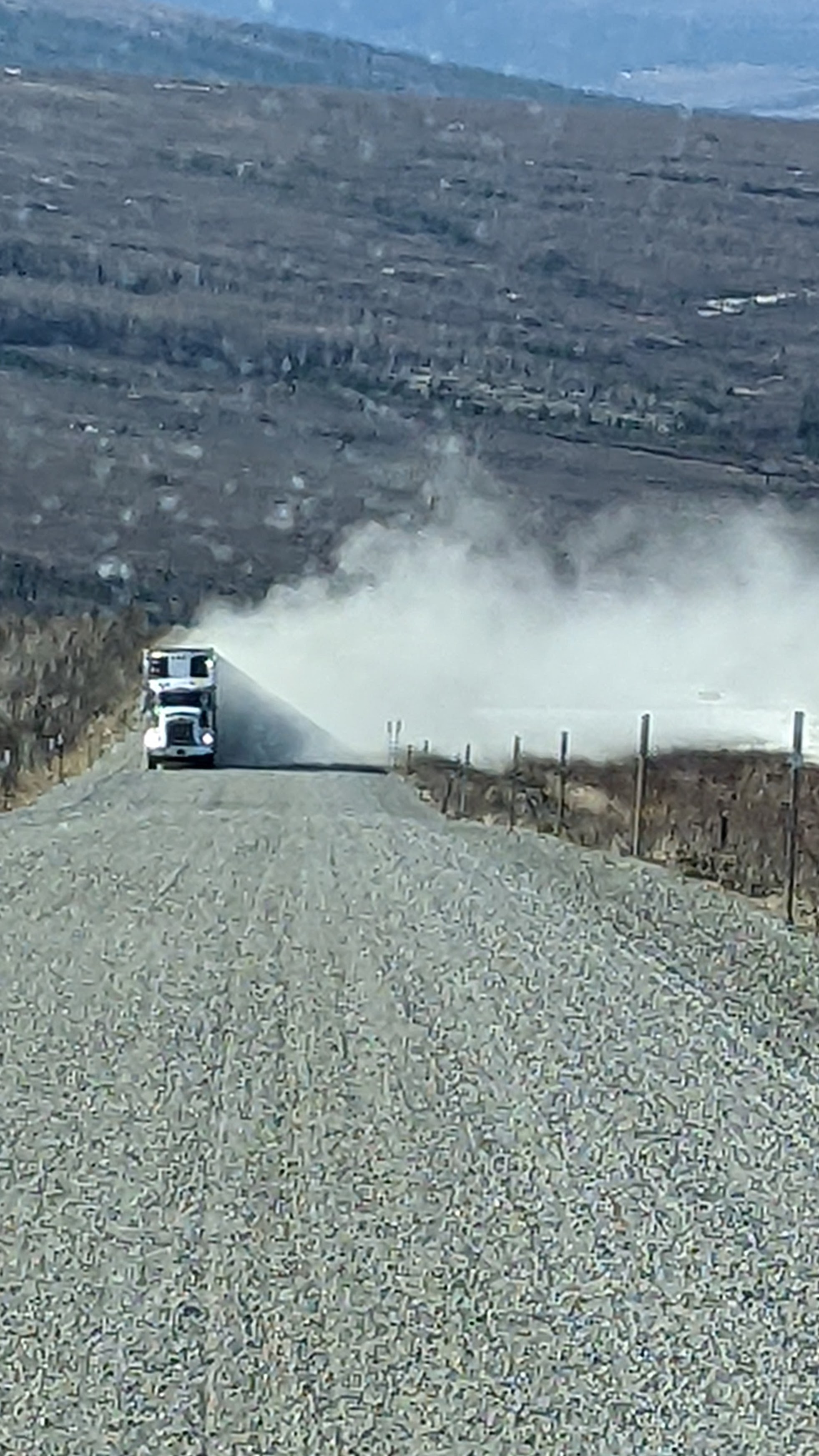
For my part, though, I was grateful for the opportunity to learn from our knowledgeable guide about the history of the Trans-Alaska pipeline and its current upkeep and operation. I was impressed by the ongoing maintenance work along the mostly unpaved roadway, even though construction delays late at night were a bit unnerving! I felt a slight sense of fear, tempered by awe, each time a swirling cloud of dust signaled the approach of a speeding 18-wheeler.

Those long-haul drivers are experienced, professional and, usually, extremely courteous. But it is obvious they operate on an unforgiving timetable, and they simply “keep on trucking.”

I was duly impressed by the sight of the 45-year-old, mostly-elevated oil pipeline as it snakes across the land. For more information about the construction and continuing operation of this engineering marvel, visit TAPS Construction -Alyeska Pipeline.

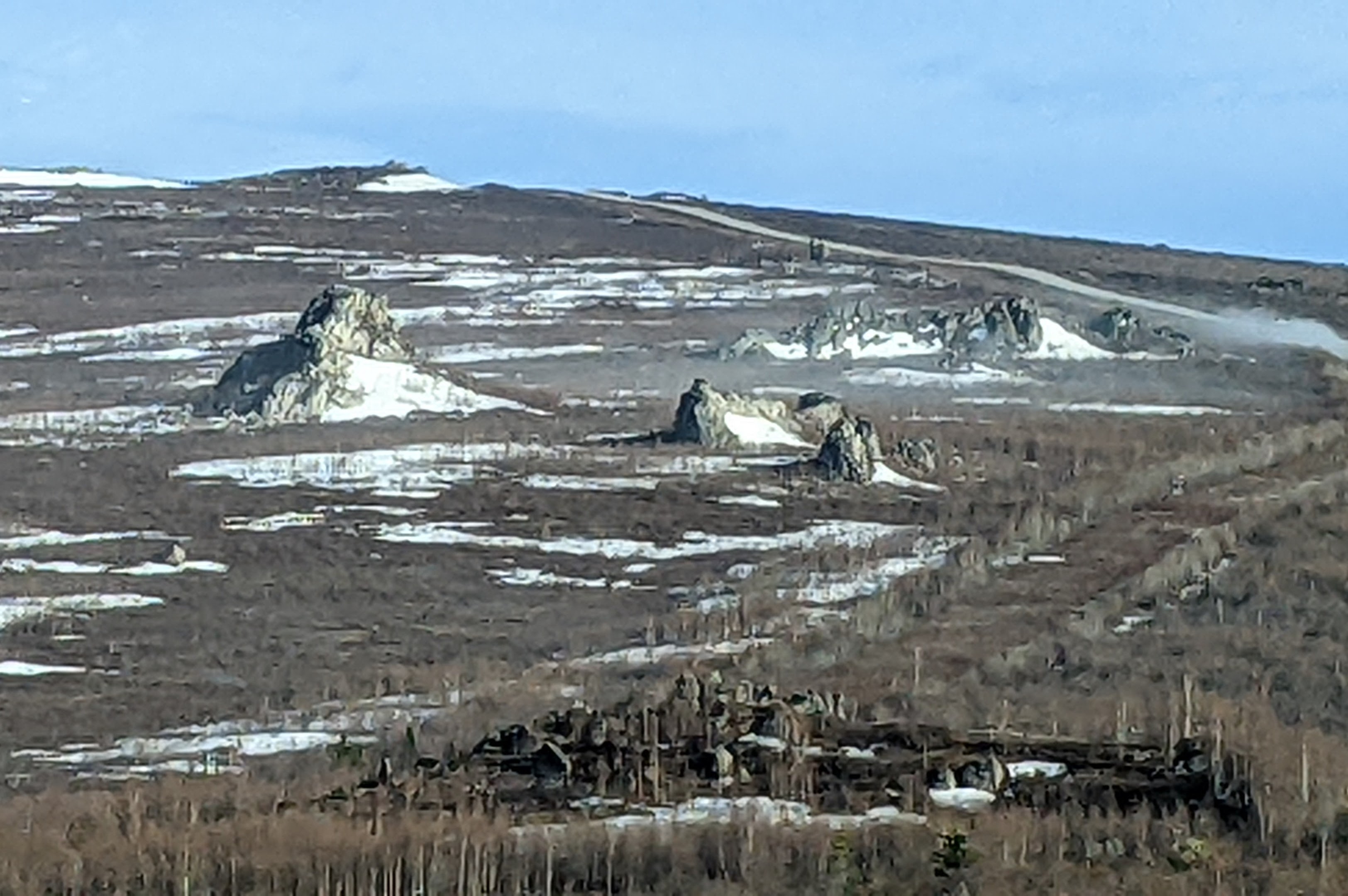
We stopped for a short time at an outcropping of granite tors, huge natural outgrowths that stand like sentinels on the barren land. Much further to the south, there is a 15-mile trail and public campground at another tors site, maintained and administered by the Alaska Division of Parks and Outdoor Recreation.

This trip is by no means an excursion for the faint of heart. But neither was it, as a participant on a tour prior to mine proclaimed, “the worst day of my life.” It was long, yes; cold, drizzly, uncomfortable, and tiring. We returned to our Fairbanks hotel at about 3 a.m. for a few hours of sleep before flying out that afternoon to the Lower 48. Would I do it again? No, but I’m certainly happy to have had the full experience.

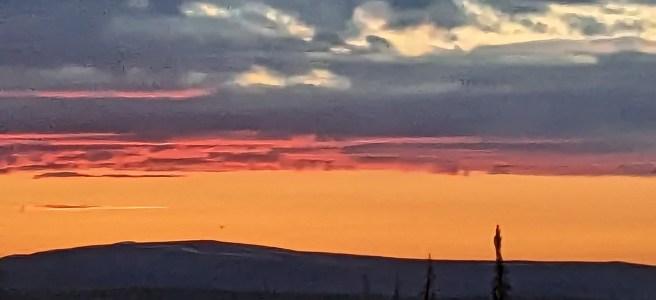
It was a ride I will not soon forget! And the changing hues of blues, pinks, and striated yellow and orange that filled the night sky in those late night and early morning hours will forever color my memories of far north Alaska, a land full of wonders and surprises.

The certificate I was presented proclaims that I crossed the Arctic Circle and “survived an adventurous journey through the Alaska wildnerness.” That says it all!

Where dreams and reality meet . . .

I must confess that the 1962 red Corvette convertible I once owned spawned dreams of taking the ultimate Route 66 road trip. The car didn’t come into my life until years after the TV show ended, but both were classics. And, as they say, old dreams die hard. Sadly, that car and I shared memorable times on other highways and byways, but the cruise along Route 66 never happened. The Corvette was a part of my automotive “stable” for about 15 years, and I fondly remember that first sports car.

I later learned, to my disappointment, that the car used in the television show wasn’t even red. Even so, it was easy to fall into the rhythm and excitement of traveling along the Mother Road, on a press trip in September with fellow travel journalists.

Route 66 was just about 2,450 miles long. It began in Chicago and meandered through eight states on its way to Los Angeles. Only 13 miles were in Kansas, but much of the original Kansas highway remains. What was America’s “first superhighway” opened in 1926 between Illinois and California, and it became a primary “escape route” for those who fled middle America during the Dust Bowl days. It was, at the same time, a symbol of opportunity and the sign of a country that changed rapidly following the war years.

The Way It Was

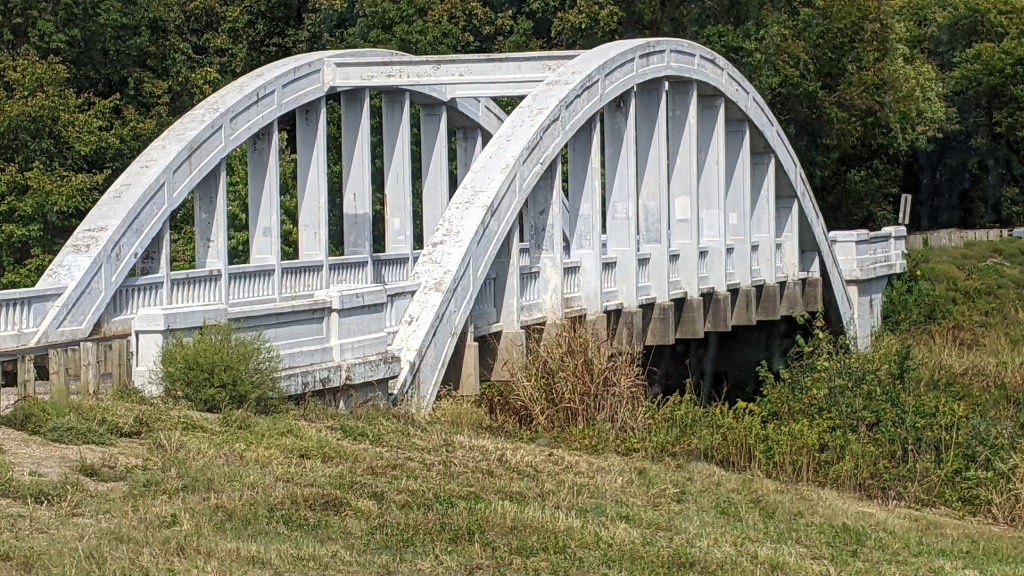
One can still drive across the last surviving Marsh Bridge over Brush Creek, one of three concrete and steel rainbow bridges that once traversed Kansas creeks along Route 66. The bridge now is on a loop road off the thoroughfare, and it’s a favorite destination for photos, picnics, and an occasional wedding. The Route was officially “decommissioned” only in 1985, and it is no longer the highway of choice for modern travelers, other than those who are seduced by its history and its television fame.

Kansas, at least this portion of it, hasn’t changed much visibly over the past several decades, but its people have. Modern highways move vehicles and people faster and more efficiently, but traveling the short stretch of Route 66 is definitely more fun! It’s clear that this section of the historic highway still does what it was designed to do — it “connects the main streets of rural and urban America.” The best part? There are ample opportunities to pull off the road and explore Kansas communities!

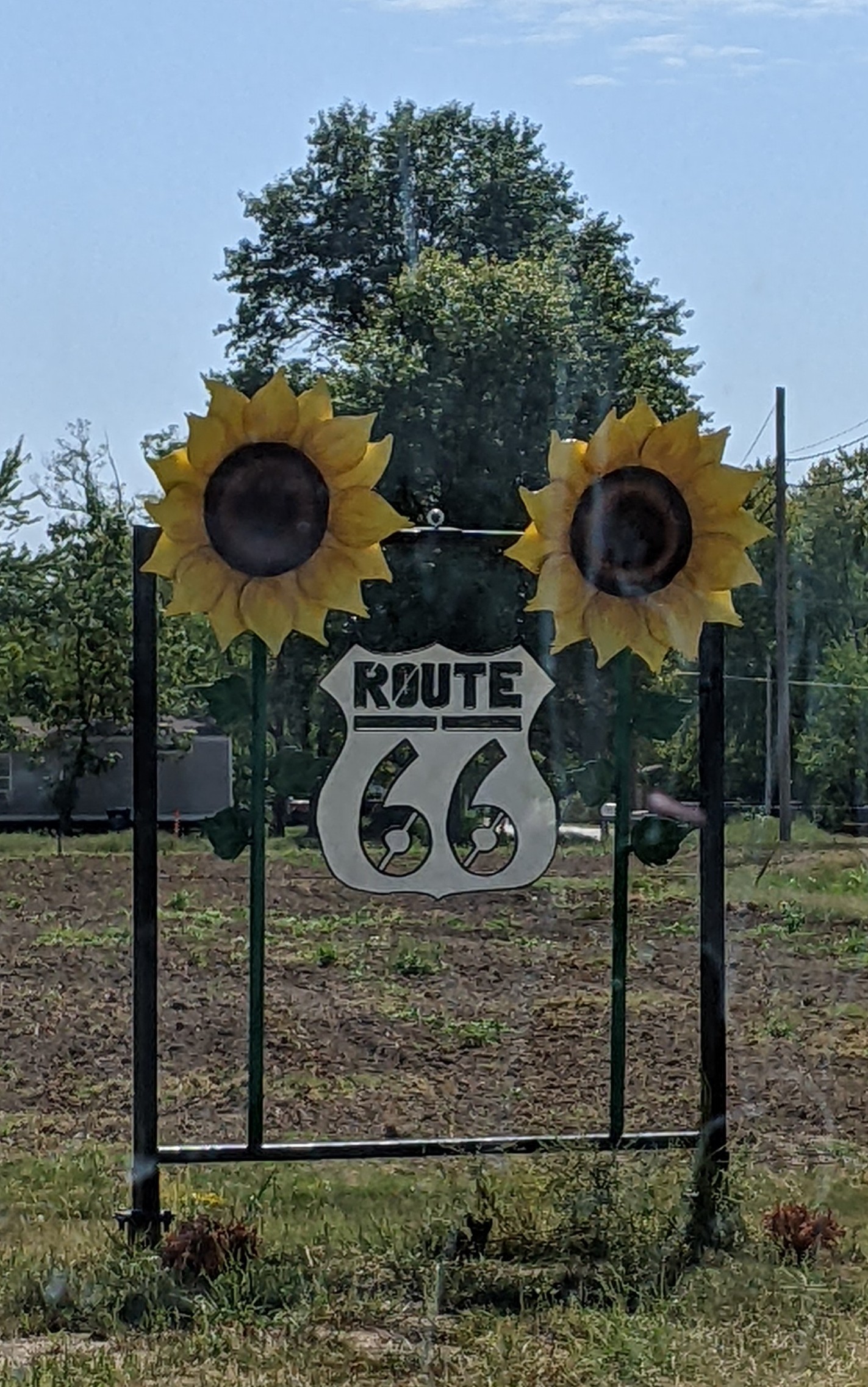
Nostalgic reminders of a very different past are evident along the way. History comes alive when the Route 66 signs appear.

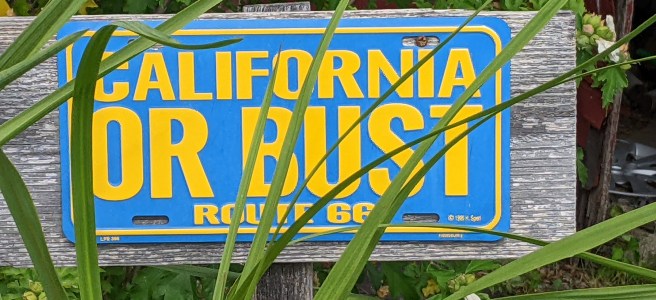
Nelson’s Old Riverton Store has been in continuous operation since 1925. Today, it looks much as it did then, and operates similarly, welcoming locals and tourists alike. It’s worth a visit – try a beet-juice pickled egg or purchase kitchy Route 66 magnets, ball caps, license plates and t-shirts. Why? Just because!

Locals still come to buy a loaf of bread or a can of beans, grab a soda and a sandwich, or just while away the time with friends. It’s that kind of place. It appears to be decades ago that any repairs were made to the building. Wildflowers grow up along the fence line and hanging baskets add color to the scene. Shopkeepers are welcoming and only too willing to share stories with visitors. It’s like stepping back in time.

It’s impossible to escape the influence of the Route in this part of Kansas.

Cars on the Route

Fans of Disney’s “Cars” are in for a treat at Cars on the Route in Galena. Visit the old Kan-O-Tex station and get up close to the rusty boom truck that was the inspiration for Tow Mater in the movie.

Walk down a dusty stretch of road and around a corner to enjoy a sack lunch at rustic picnic tables in the shade of a ramshackle lean-to. Snap some shots of the quirky old photo boards before moving on.

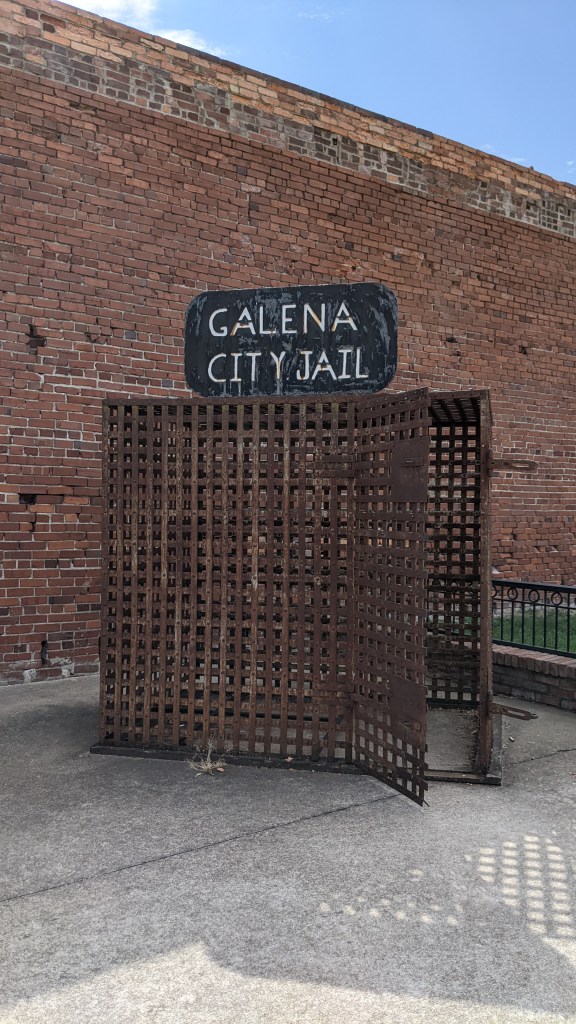
Other attractions in Galena include outdoor art and murals, a Texaco station turned curio shop on Main Street, complete with pumps set to recall the low gas prices of the time. There’s also a rusty old “jail” near the city’s square that provides an irresistible photo op!

We broke for lunch at Bricks & Brews in Baxter Springs, and what a treat that was, with a menu to satisfy any palate and attentive service accompanied by big smiles. We also stopped for an all-too-brief visit at the Baxter Springs Heritage Center and Museum. We had only limited time to spend, but it is a treasure trove of information about the town, the history of Cherokee County and southeast Kansas, the Civil War, and Route 66.

Nature and More

We pushed on to the Southeast Kansas Nature Center/Schermerhorn Park, near Galena. Admission is free, and the hilltop site acts like a magnet for anyone interested in visiting the 32-acre Shoal Creek Wildlife Area. There are wooded hills, streams, and caves to explore; dedicated anglers can even drop lines along a ¼-mile stretch of the creek. Indoor exhibits include live snakes, exploration drawers, plant, animal, and history exhibits, educational films, and the attention of a knowledgeable curator/guide. A bonus was a squirrel that visited the feeding station just outside the one-way glass!     

Add in a visit to Big Brutus, standing tall and proud at an old coal mining site on the Kansas prairie, and we were ready to sample Kansas comfort food — fried chicken with all the fixins at not one, but two, local restaurants with long histories in Pittsburg, Kansas.

I’ll fill you in on the food — and there was lots of it — next time. Our group sampled both downhome dishes — some with a new twist — and culinary delights for sophisticated palates.

Planning a road trip to this part of Kansas from the neighboring states of Missouri, Oklahoma, and Arkansas, or from farther afield, is easy. It seems appropriate to leave the Interstates behind and enjoy the miles of farmland punctuated by picture-postcard views of old barns, fields filled with growing crops that stretch towards the sun, and animals lazily passing the time doing what farm animals do. The route stretches on with gentle curves; small towns are not far apart and each promises a unique and unusual experience.

Be sure to request your Kansas map and state travel guides in advance of a road trip to Kansas. Knowing where you’re going and what there is to see makes a driving trip so much better!

Full Disclosure: This trip was sponsored by Kansas Tourism, and the itinerary was prearranged. But the impressions are mine alone. I want to return, and it’s an easy road trip from my home base in Arkansas. I’ll be writing more about Kansas as well as about other travel to new destinations abroad in 2023. Subscribe to my blog here, or follow me on Facebook and Instagram.

Kansas — living the dream

Today’s Kansas is not the one that Dorothy and Toto might easily recognize. The winds still blow hard across the state’s prairies. No doubt they still have the power to swirl some dirt around and can occasionally cause tall grass to bend almost horizontal to the ground. The state has endured its share of hard weather and hard times over the years, and not only in fiction.

Today, however, Kansas has its eyes on the future, and that future is bright. The past two and a half years of pandemic closures and uncertainty have in some ways been a catalyst for the growth and development that began before the shutdown. Change is “impatient” in the state today.

The focus is forward-facing and the vibe everywhere is hopeful and energetic.

In late September, I participated in a whirlwind three-day tour of southeast Kansas. As the region’s Travel Guide proclaims: “SOUTH of the stars, EAST of the sunset, smack dab in the heart of America.” This is not a part of Kansas I had previously visited, and I didn’t know quite what to expect.

From the air, the state resembles a patchwork quilt of color, with sinewy ribbons of rivers and roads winding across the prairies. Kansas is filled with small farming communities, each with a unique personality. There are many; we flew into Kansas City, visited Fort Scott, Humboldt, Chanute, Galena, Pittsburg, and Baxter Springs, and drove through others without stopping. Although all towns in Kansas are classified as “cities,” only five boast populations of 100,000 or more. Everywhere we went, we met locals who are in the process of redefining their past history and their future in distinctive ways. Make no mistake, history is intertwined with dreams here in southeast Kansas, and that contributes to the region’s infectious vitality.

To be fair, I was not completely unfamiliar with Kansas, known as the Sunflower State. I was grounded at the Kansas City Airport during a snowstorm many years ago — not one of my happier memories. But the flatland prairies calm me, and road trips always are interesting. The Cosmosphere in Hutchinson is not only fascinating but well worth an extended visit. Four years ago, I enjoyed an all-too-short visit to Wichita. I knew about Fort Leavenworth and Fort Riley, but Fort Scott was new to me.

However, I didn’t arrive for my recent visit to this “flyover state” anywhere near as enthusiastic as I was when it came time to leave. The trip was eye-opening, the people welcoming and the sights impressive in unique ways. It was invigorating to spend time on the ground in the heart of America.

I want to return. Sooner rather than someday!    

Today’s winds of change are especially strong in some of the state’s traditional farming communities. The New York Times chose Humboldt as one of its 52 best places to travel for 2022. After being there, I know why! The land may not have changed much, but its inhabitants have. It’s hard not to fall in love with this part of the state. Southeast Kansas is full of pleasant surprises and some quirky attractions, and its people seem to be moving at full throttle into a future even they cannot yet quite imagine.

Travel with me . . .

Over the next several weeks I’ll share more of my thoughts. We’ll start in Fort Scott and the jewel in its crown – the Lowell Milken Center for Unsung Heroes. Then, we’ll move on to the 13 miles of Route 66 that still cross this corner of the state and explore other Kansas byways, ending in Emporia, now the acknowledged center of two thoroughly modern sports – disc golf and gravel bicycle racing. We’ll visit the Martin and Osa Johnson Safari Museum in Chanute, a small city also known for its ties to railroading and early aeronautics.

All along the way, we’ll explore Kansas eateries, sampling traditional “comfort food” and new taste treats served by innovative chefs and restaurateurs. This was a trip that kept us on the move. Despite a rental van glitch that required a delayed start and an initial itinerary adjustment, our group of journalists crammed a week’s worth of experiences into the time we had, thanks to the extraordinary planning of Kansas Tourism and our local hosts.

Join me to learn more about the food we enjoyed along the way — it may surprise you! Then, if you should decide to see southeast Kansas for yourself, know that residents of its many charming communities will show you around and make you feel at home — visitors to Kansas don’t remain strangers for long!

On the road to Toad Suck

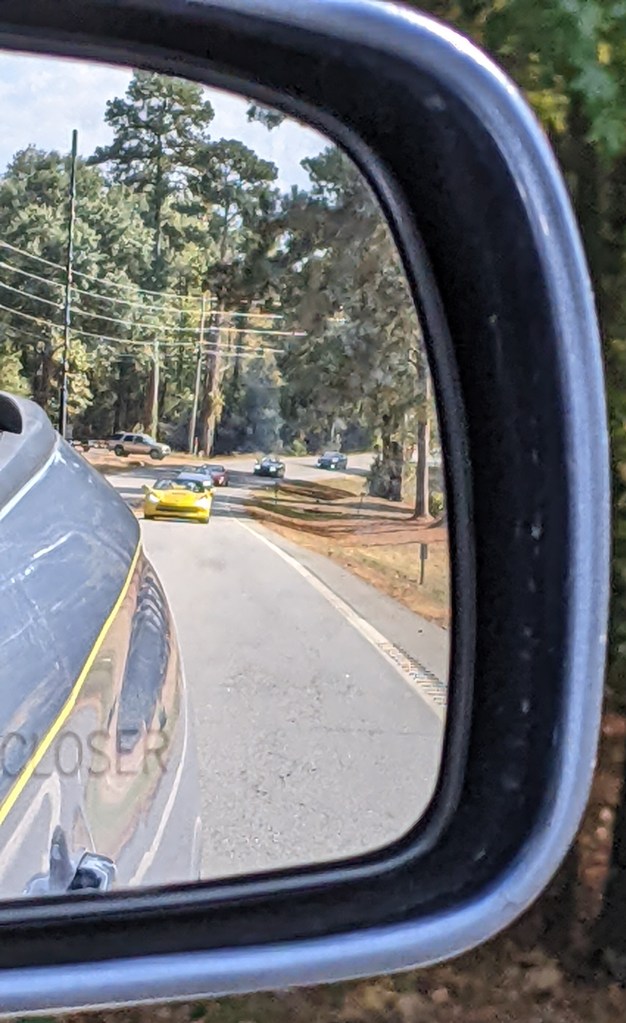
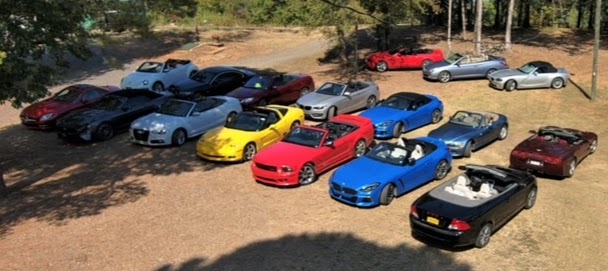
A string of convertibles – all with tops down — left last Saturday morning for a leisurely road trip from Hot Springs Village to Toad Suck, a little town in Arkansas with a name that invariably makes people laugh or shake their heads in disbelief. The excursion was a fall event for members of the loosely organized convertible-owners group “Escape the Gate.”

There may be a few “wannabe convertible owners” among the 190 names on the email list of this group, but on this day 52 people gathered in a parking lot just outside this planned, gated community. We departed in 26 shiny automobiles on an hour-long drive through scenic byways and fall foliage.

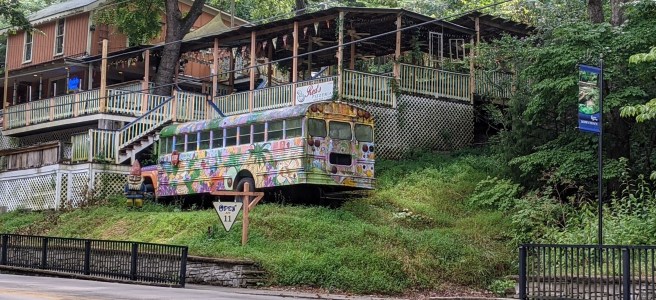
The planned destination was lunch at Toad Suck Bucks, a riverfront steakhouse with its own unique story, situated on a bluff overlooking the Arkansas River not far from the lock and dam that share the name.

The eatery is a lively place from Thursday through Sunday, featuring comfort food and good service, cold beer and good bourbon, as well as pool tables and shuffleboard inside and live music on the patio Friday and Saturday evenings. It’s lively and informal, and everyone there seems to know their neighbors.

Toad Suck Bucks has been drawing a crowd for 23 years. Except for a few more dollar bills stapled to the walls and columns today, it probably hasn’t changed much since it first opened. Toads – what else? – are a décor element.

The owner doesn’t normally fire up the grill until 2 p.m. on Saturday and at 4 p.m. Thursday and Friday.

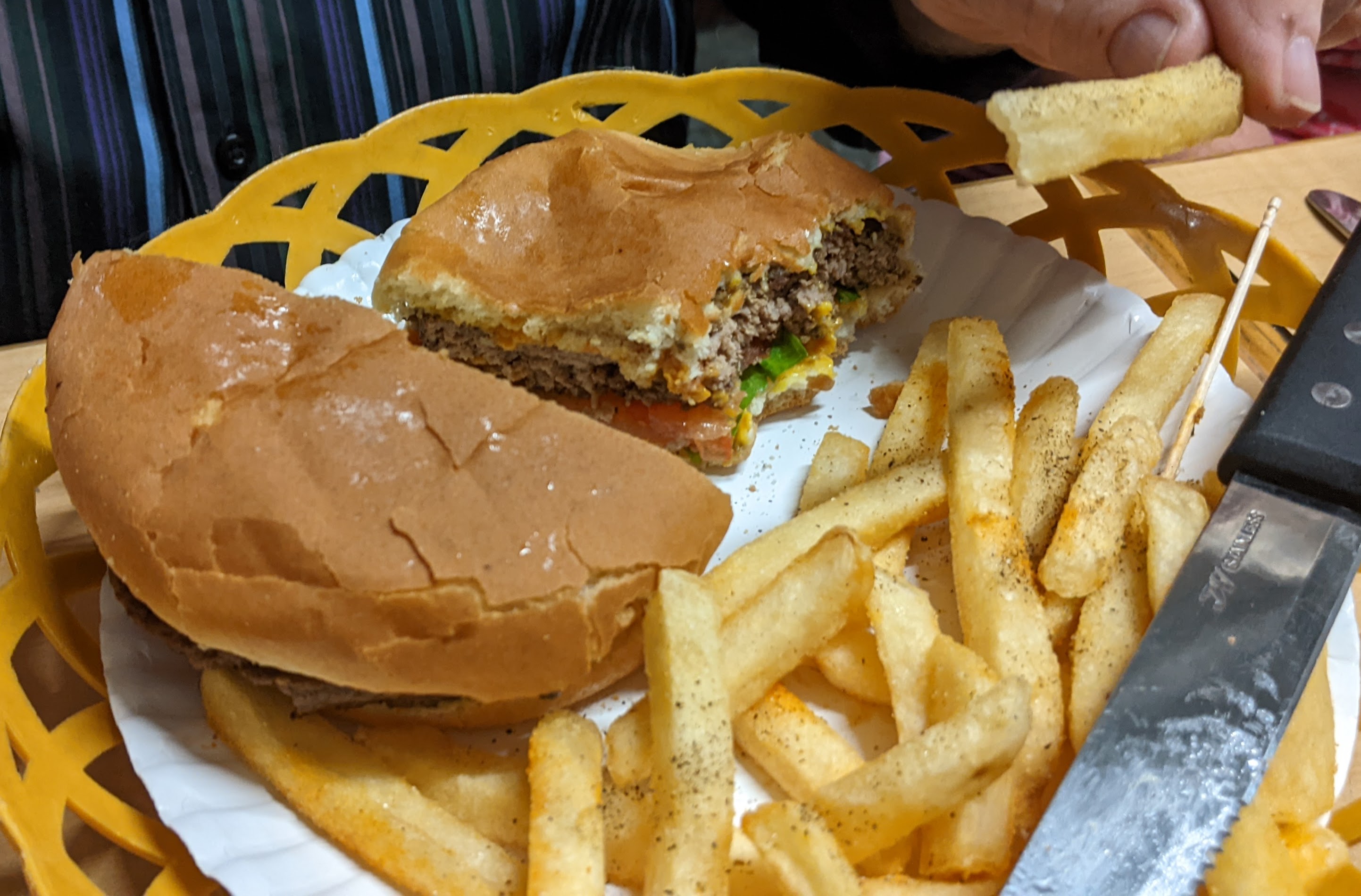
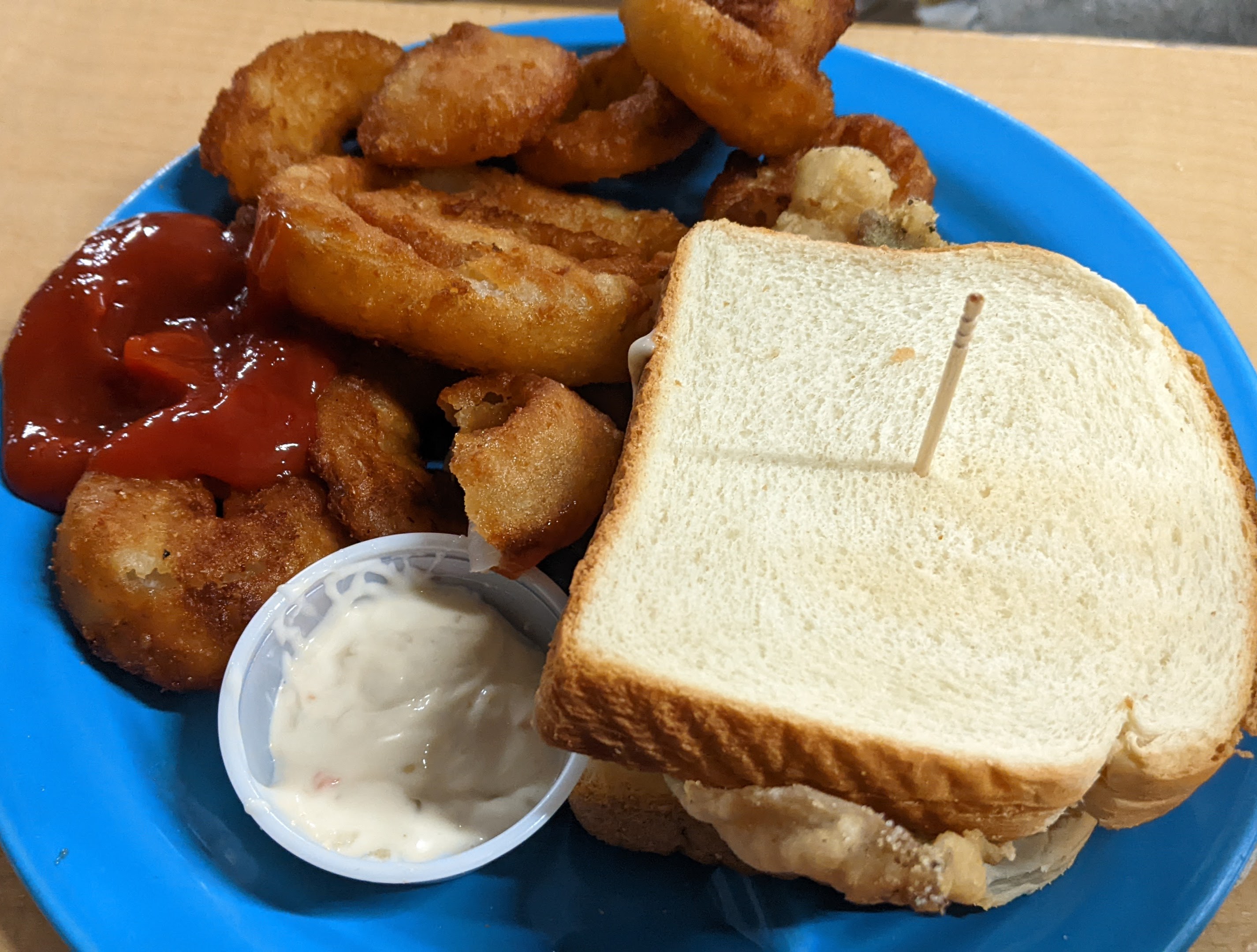
However, owner Ted Buck agreed to be there early to accommodate the convertible crowd on this Saturday. He was in the kitchen turning out burgers and fries, catfish sandwiches and fried bologna sliders, grilled shrimp and pork tamale bites, assisted by his wife and regular crew who pitched in to assure that the people-pleasing quality of this country-favorite diner was intact. Buck still found time to shake hands and explain the history of this quirky Arkansas treasure.

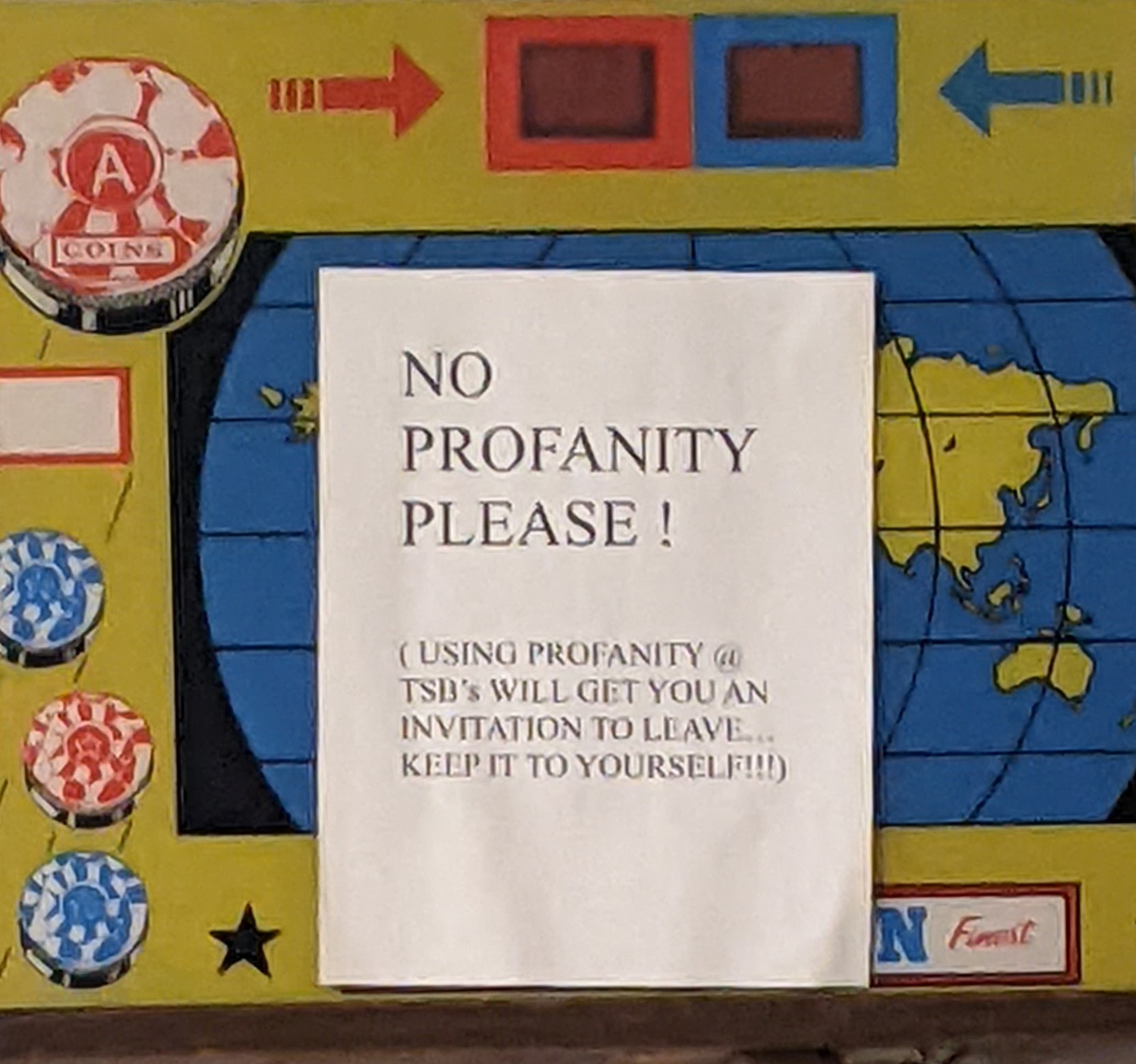
It’s a unique find, but it’s not at all unknown. Toad Suck Bucks boasts a Facebook following of 7.4K, with nearly as many likes! The interior is as quirky as the name, filled with mismatched tables and chairs that can be reconfigured at will to fill any need. There is a sign that proclaims: “No profanity, please,” and another hand-lettered sign hangs from the ceiling near the kitchen as the dessert menu. I’ll bet it changes often, based on what’s in season, or maybe just at the whim of the baker.

Parking isn’t a problem, and it’s obvious that when the weather allows, the “party” naturally spills onto a patio that’s filled with picnic tables and comfortable lawn chairs! Open bulbs are strung for evening illumination and there are no posted closing hours!

Buck returned to his native Arkansas following military service in both the U.S. Navy and Air Force – he laughingly agrees that’s unusual, and he eventually settled on this quiet spot in this peaceful part of the state. A couple of homes and several outbuildings exist on the property today, and a single sign at the head of a long driveway leads newcomers to the site.

He says he operated a flea market in the building that now houses the restaurant, then he bought a pool table to pass the time with friends. One pool table wasn’t enough, so he bought several more, and more friends arrived. Buck once served simple snacks, with BYOB get-togethers the norm. Then, he adds, “Someone suggested we grill some steaks.”

Toad Suck Bucks was born.

Getting there isn’t always easy. No billboards proclaim its existence. There was a several-mile stretch of dirt road that had drivers wondering if we had all taken a wrong turn. Our colorful convoy prompted other drivers to stop, wave, and let us pass as we made our way through small towns and turned across lanes of traffic. I’ll wager we could have asked directions from any one of the residents had we actually thought to do so. Despite the dust, our group arrived intact, and later Buck shared the “easy way” to keep us all on pavement on the way home.

All in all, it was a perfect autumn day for a top-down drive along country roads, an excursion that makes for fond memories. Ken Buck has surely been doing something right for the past couple of decades, and many of our group vowed to return. Add 52 more “likes” to the total!

Big Brutus

It sits today on the Kansas prairie like a kind of mechanical orange dinosaur, but this giant electric shovel was once an operating mining machine used to extract coal from shallow veins that run through surrounding farmland.  In 1963, the parts were shipped on 150 rail cars to be assembled on the site. The behemoth stands 16 stories tall and weighs in at 11 million pounds. Its boom alone is 150 feet long, and each dip of its shovel could hold enough material to fill three rail cars – the equivalent of 90 cubic yards or 150 tons.

Sadly, Big Brutus performed its duties only for 11 years. It was used to unearth shallow veins of coal at depths down to about 65 feet. Smaller equipment was then used to fully extract and move the coal. By 1974, the process was no longer economical, but Big Brutus was left in place, deemed too expensive to move.

It’s not the biggest shovel ever built; the record-holder was three times its size, but Big Brutus is the largest to survive. Donated by the Pittsburg & Midway Coal Mining Company, it forms the core of the mining museum that was established in 1985. In 2018, it was listed on the National Register of Historic Places.

Today, visitors to the site marvel not only at the size of Big Brutus, but also at its story. One could spend several hours to view all the exhibits and actual machinery displayed at the non-profit center. It tells the story of mining in this part of the world, and it is fascinating. It also provides a glimpse into what life was like in Kansas in times past.

It is awesome to stand next to the metal tracks that tower over my head, and know that those gears once moved this machine across the landscape, albeit at a snail’s pace. Visitors may climb up to sit in the cab of Big Brutus, pose for photos on its platforms or in its shovel, and see small-scale models of other mining equipment in action in the Visitor Center. The Visitor Center in West Mineral, Kansas, is open seven days a week, except for Thanksgiving and Christmas.  

It may be an unlikely destination for a family vacation, but it’s captivating, to say the least! The truth is that Big Brutus is equally impressive for adults as for children!

Big Brutus was only one of the destinations that I visited recently on a three-day press trip through southeast Kansas. Read more of my stories and impressions in the coming days. As those of us on the trip agreed, “There’s a lot of Kansas in Kansas.”

Eureka: What an experience

I don’t quite know what to say about Eureka Springs. It’s equal parts history, natural beauty and distinctive character. And for a quick weekend getaway, it’s a delight! There’s a lot to like about this small town (population only about 2,100) in the beautiful Ozark Mountains of northern Arkansas. It’s unique, and in some ways it feels stuck in time. That, too, is part of its mystique. It has charm, for sure.

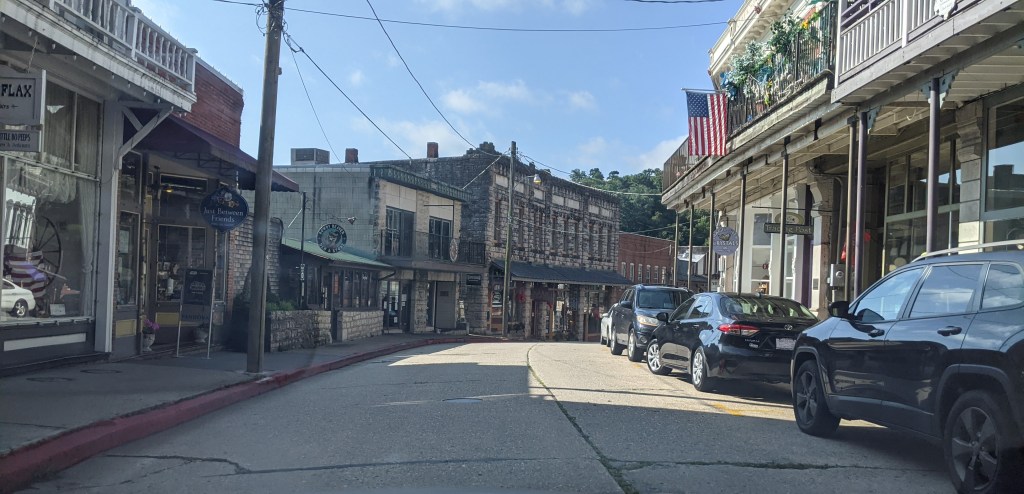
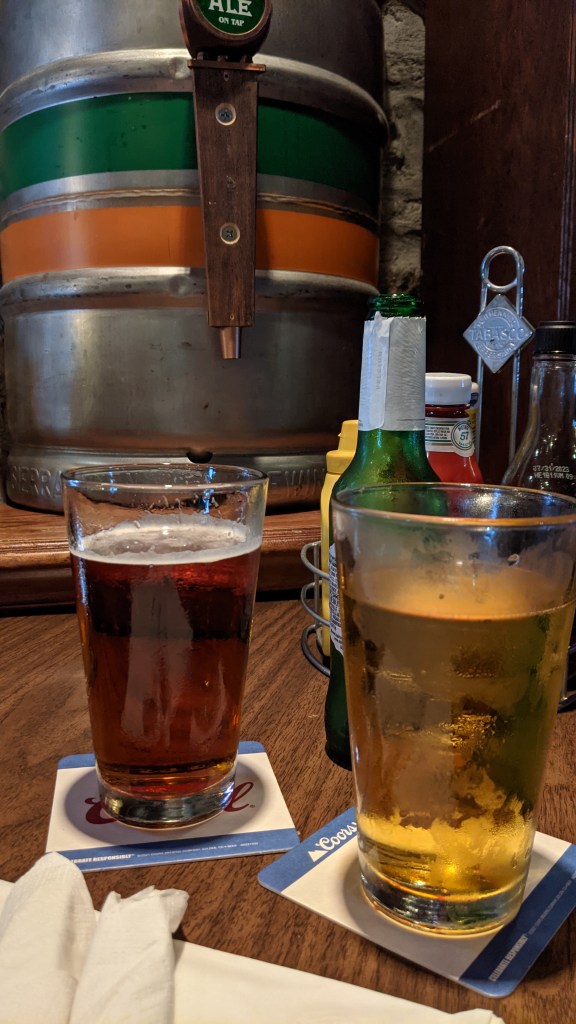
Eureka Springs was first settled in 1879, and named on July 4 of that year. There are wonderful old homes — many of them now B&Bs — that rival San Francicsco’s “painted ladies.” Log cabins, imposing stacked stone family homes and simple, single-story cottages exist along steep inclines and winding lanes. There are pizza places galore. There are casual diners and a few fast-food outlets; there are fine dining places with white linen tablecloths and attentive waiters. Old-fashioned bars attract a biker crowd come to ride the high curves and twisting back lanes. A local brewery and plenty of watering holes with more than their share of character and characters attract lively, friendly crowds.

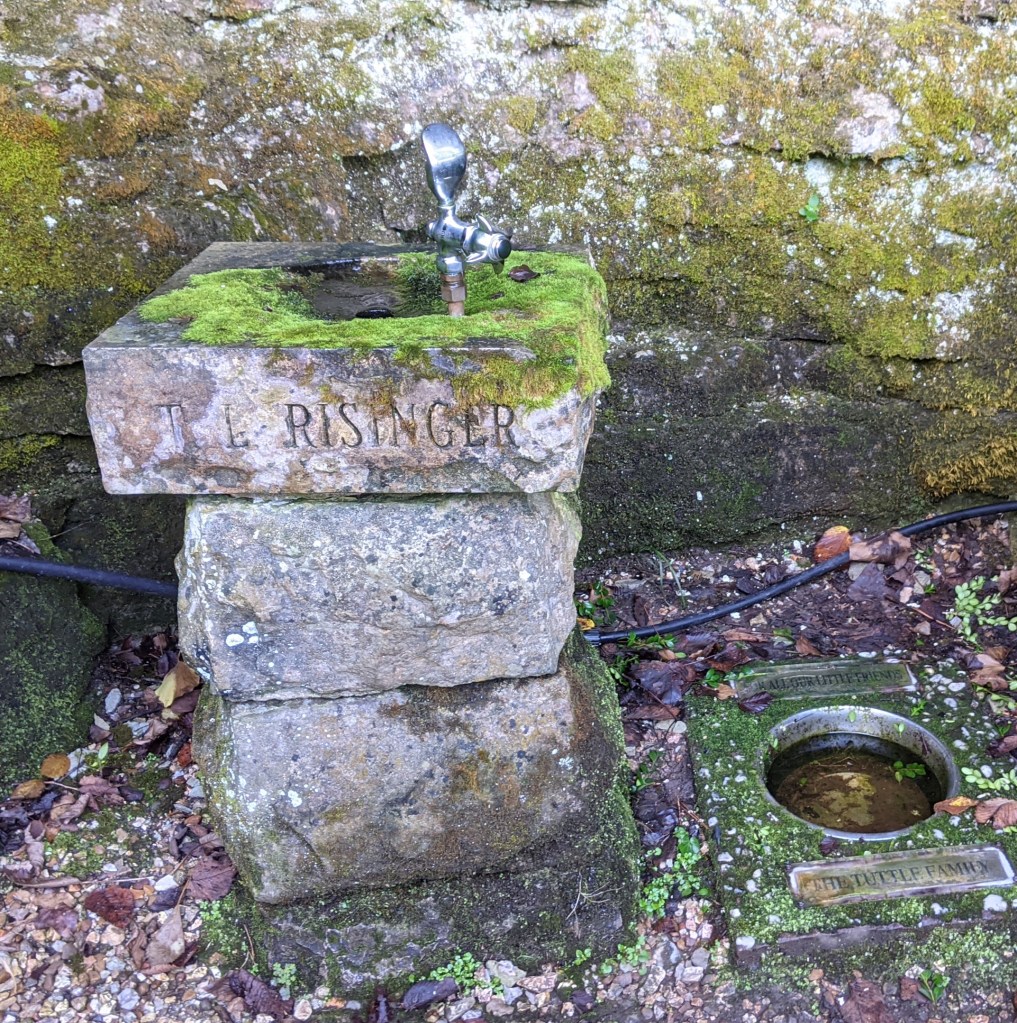
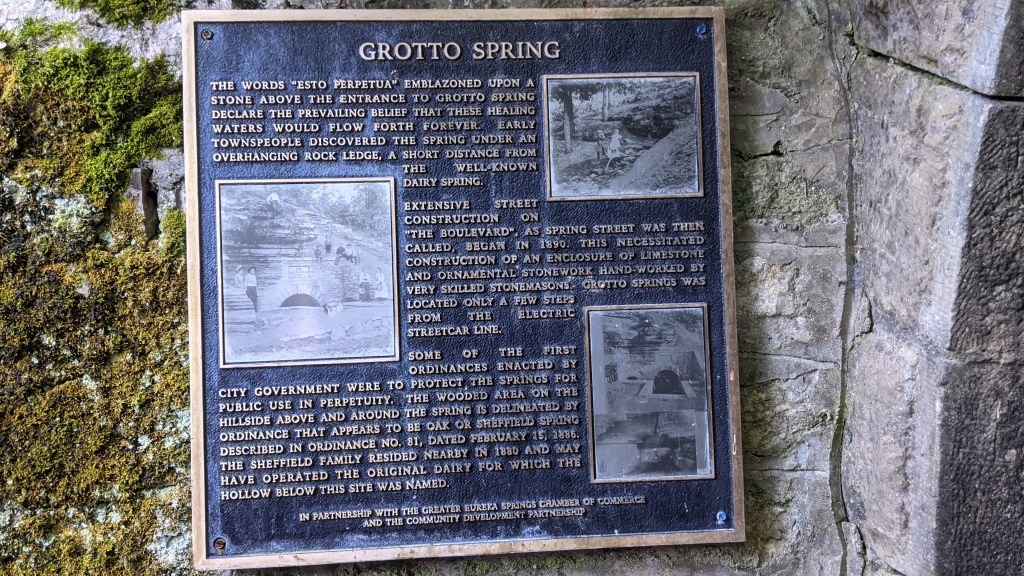
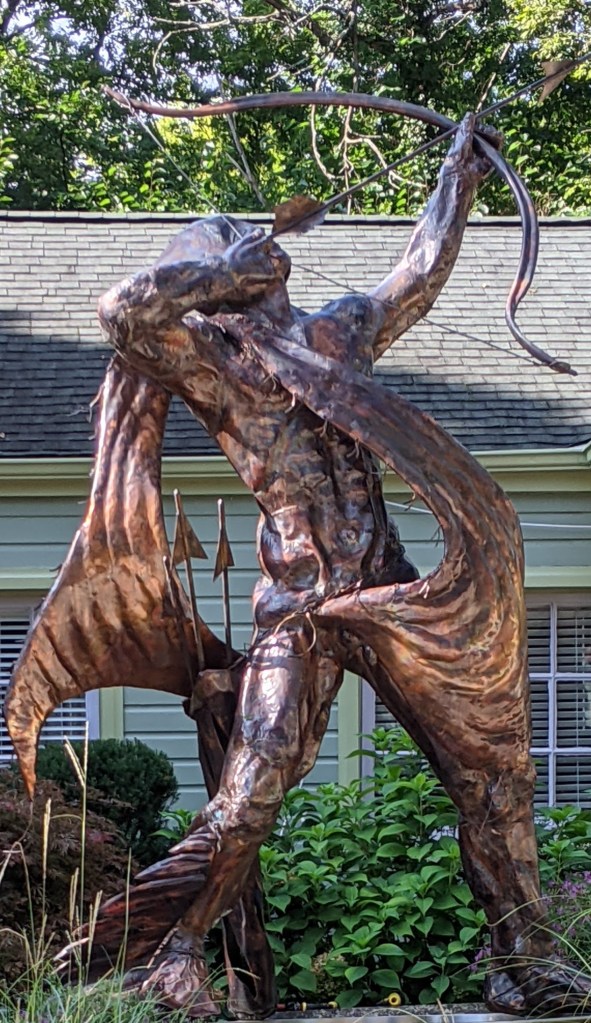
On the labyrinthian streets, you’ll find historic buildings housing trinket and t-shirt shops, underground grottos from which the “healing waters” once flowed freely, an old-time photo parlor that proclaims “Weddings Performed” and distinctive hotels and eateries. Street art and street musicians coexist in the small downtown. Public sculpture and old memorials are much in evidence, as are the public buildings and hotels with historical plaques.

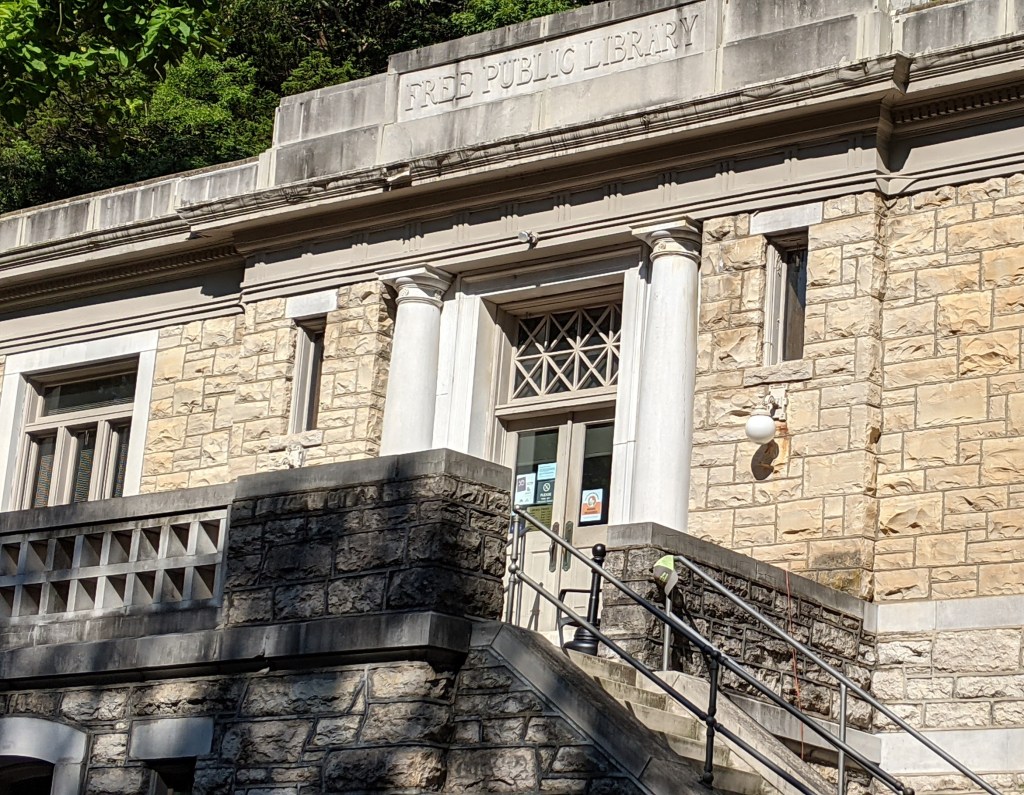
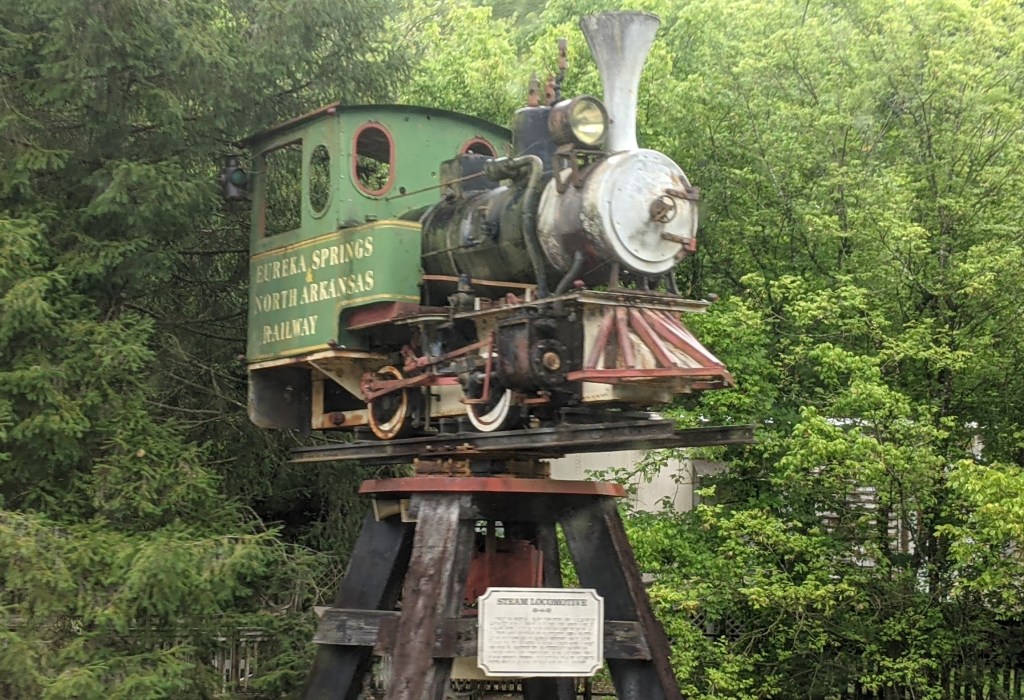
A well-preserved Carnegie Free Library is a commanding presence on one of the main streets, and it’s still in use. The old depot and railroad roundhouse are attractions at the edge of town; a popular excursion takes visitors on a four-and-a-half-hour trip over restored Eureka Springs and North Arkansas track. You can also book a lunch or dinner expedition ride to enjoy a trip into the past in a restored dining car. Along the way are extraordinary scenic vistas.

For a first-time visitor, an orientation ride on the “hop on-hop off” Eureka Springs Transit is a must. Ride the four different routes for an overview of Eureka Springs. It’s as much a local public transportation staple as tourist aid, taking passengers almost anywhere in, and out of, town. Its price is more than reasonable at $6 a day for unlimited time and distance. You’ll rub shoulders with local residents toting grocery bags, and others on their way to work or heading home after a long day.

The varied routes are perfect for exploring at your own pace, and it certainly beats walking up and down steep hills on foot, or trudging long distances in unfamiliar territory.

Drivers are helpful and knowledgeable, even willing to “bend” the schedule a bit so a rider can hop off and grab a free paper, or snap a cell phone photo of a giant sculpture from just the right angle! Stops are plentiful along each route and trams run every 20 to 30 minutes all day long, so there’s ample time to explore a site — or several — should you choose to do so.

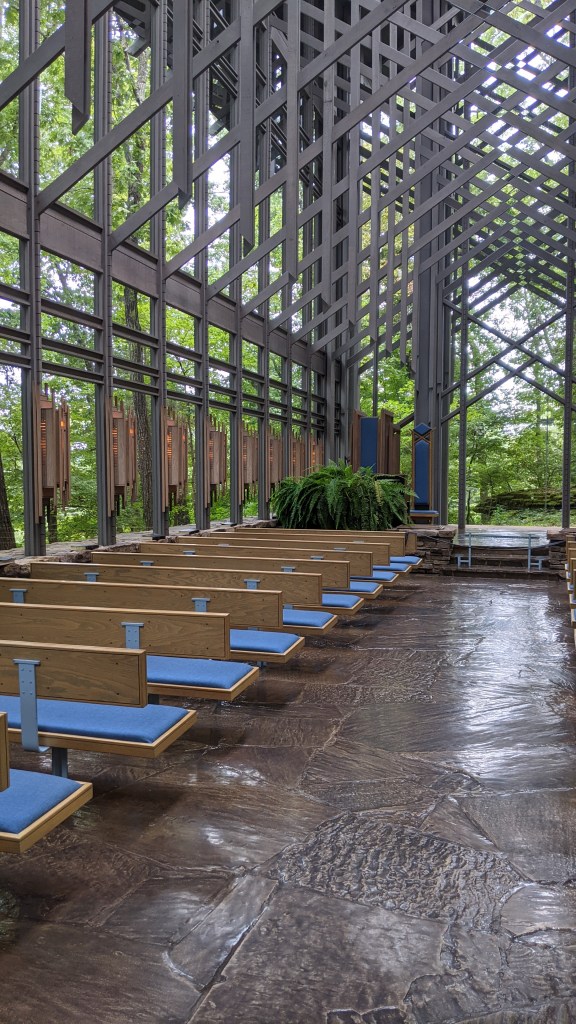
We drove to Eureka Springs — it’s a pleasant four hour trip from our home. We traveled through pretty country on curving two-lane state highways. But, once there, we parked the car and rode the tram. It brought us to Thorncrown Chapel, where we were entranced with the architecture and the story of this inspiring place. The soaring wood and glass structure is perfectly integrated with its natural surroundings. The tram also brought us to the famed Passion Play site, with its recreated ancient Jerusalem stageset and other themed attractions. The 65-foot high Christ of the Ozarks statue, reminiscent of similar works in Rio de Janeiro, Lisbon and Havana, towers above the surrounding forest, but is perhaps more impressive from a distance than it is up close.

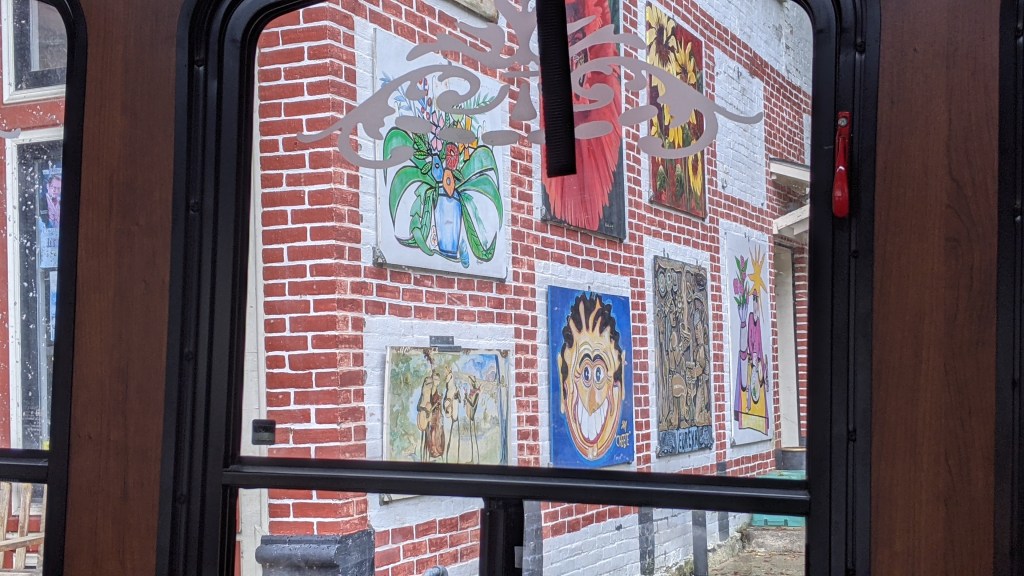
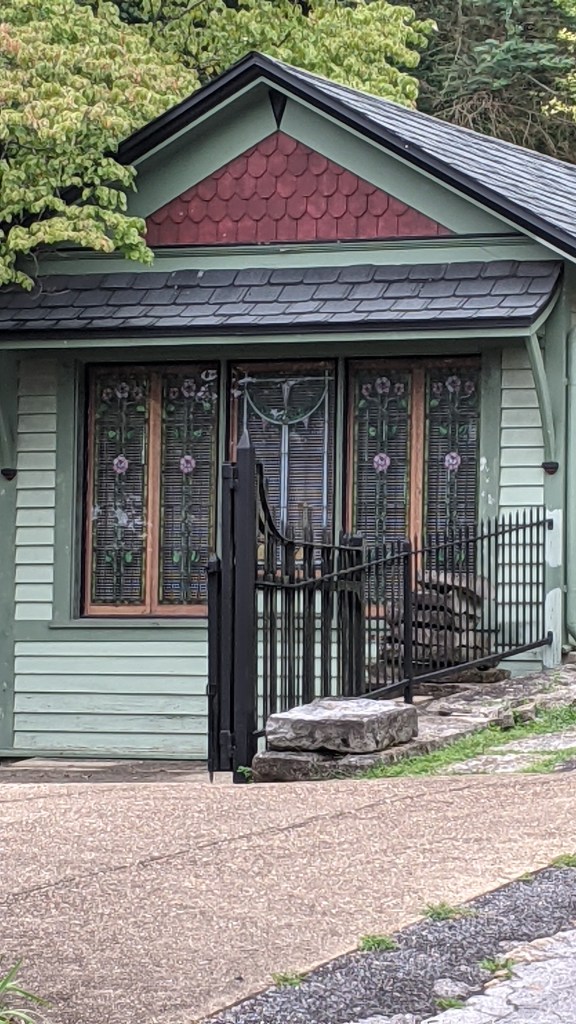
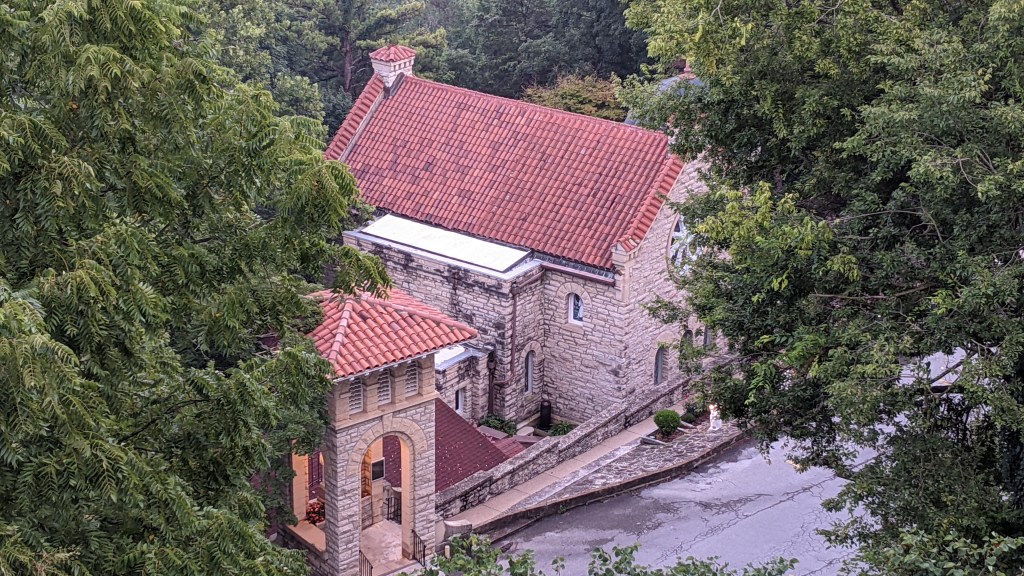
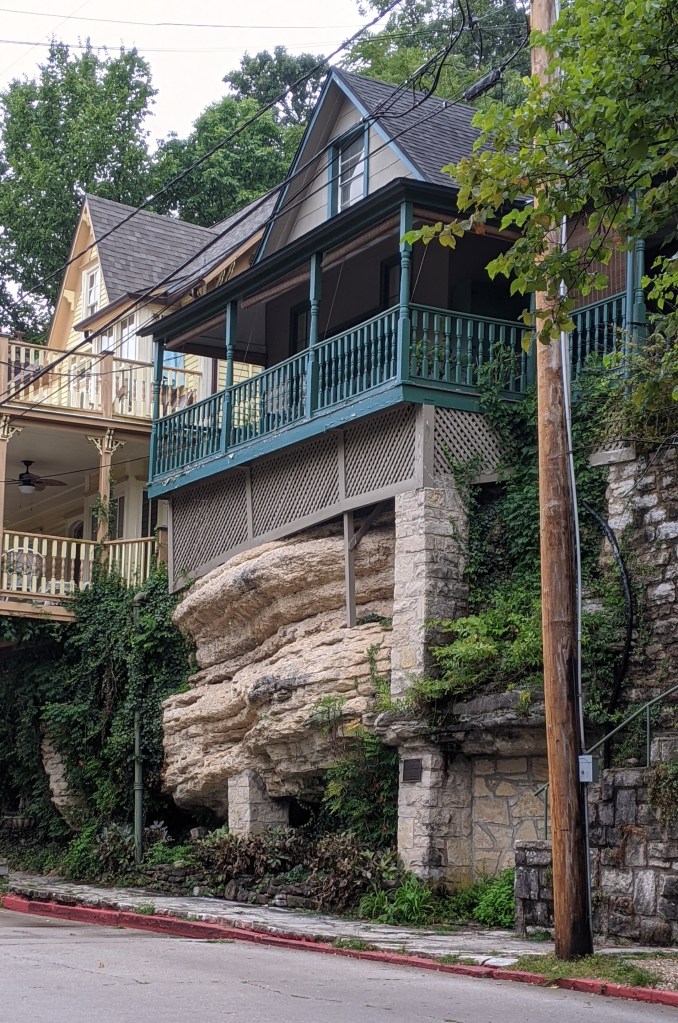
The downtown trolley station is well-situated for a walk around town. Visitors can enjoy lunch, browse funky shops, visit the historical museum or simply admire wall murals and interesting architecture. Spend as long as you like, knowing that another tram will arrive within just minutes. On a walk about town or in any neighborhood, you’ll find something wonderful around almost every corner: a grotto carved into a hillside, an iron fence dripping with flowering vines, the suggestion of a face in a towering old oak, a lush garden with a bubbling fountain, whimsical yard art decorated with strings of lights, or a house clinging to a cliffside over a massive boulder. There is beautiful statuary and whimsical signage.

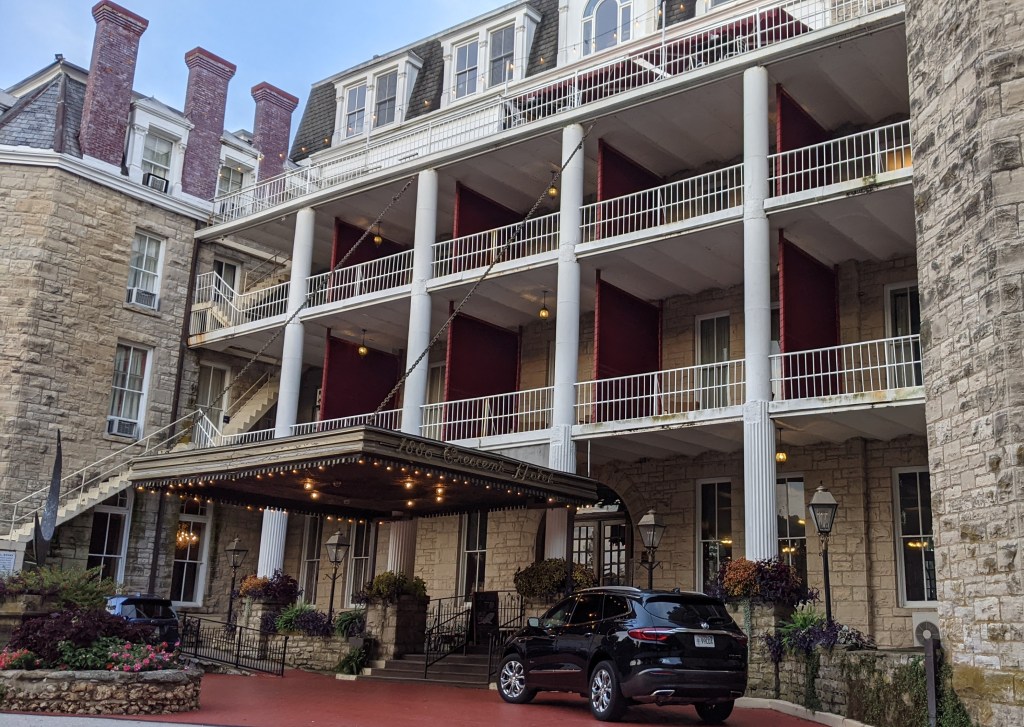
We could have disembarked for a visit to the Crescent Hotel, built in 1884 and known for its resident ghosts and always-fully-booked ghost tours. Its site, at the crest of the highest hill in Eureka Springs, is reason enough to want to spend some time there (which we did, later the same day, when we returned for pizza at the fourth-floor Sky Bar.) The view was mystical, with a haunting landscape of moving mist that shrouded the mountains all about us. Gleaming white in the distance, the Christ of the Ozarks watched over the setting with outstretched arms.

Although experiencing Eureka Springs can feel a bit like entering a time warp, being thrust into the long-ago culture of a small town is magical, if a bit disorienting. Residents insist that everybody knows everyone else, and that no one bothers to lock their doors. We stayed just two nights at The Bridgeford House, a charming B&B conveniently located on Spring Street. Its location put us only a few steps from the trolley stop, and we were greeted by waves from friendly passengers as we enjoyed breakfast on the front porch, served with a smile by Innkeeper Will Lawlor, who is himself a relative newcomer to Eureka Springs. We enjoyed chatting with him, and sharing our impressions of this interesting historic destination.

Is Eureka Springs worth a visit? Absolutely. It’s nothing if not unique!