Capturing a vision of future travel

There are as many travel styles as there are schools of art expression, but rarely does anyone speak of travel as an art form. I have been thinking of that these past few months, as I have left home several times for both business and pleasure, and as the reality of travel has almost returned to the norm of pre-pandemic times.

What strikes me is that taking to the skies and seas and roadways of our globe — just for the fun of it — has indeed become a lost art. In the wake of governmental restrictions and health recommendations, travel requires more thought and planning than it once did. I don’t know if I will ever again feel completely free to set foot out in the world without some serious advance arrangements and a good bit of thought about the details of a trip.

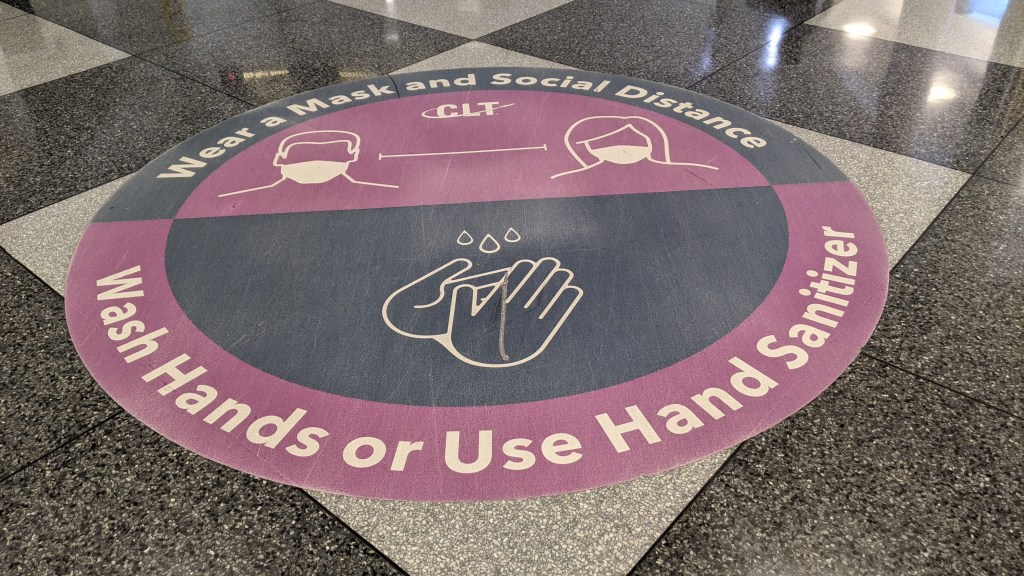
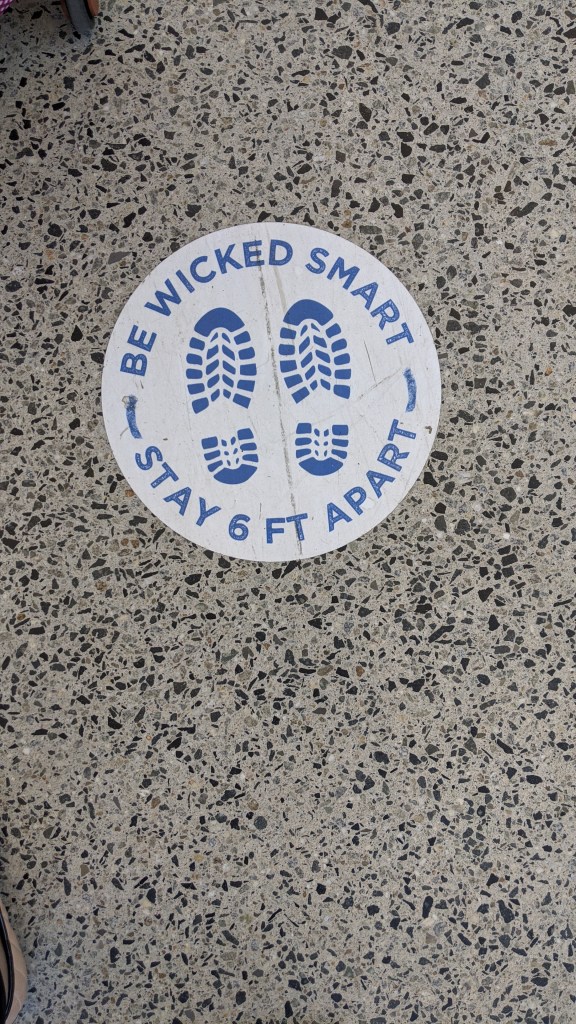
Will vaccination updates, masks, hand sanitizers and health screenings continue? Will we be required to pay heed to worldwide travel advisories as the earth becomes more divided based on nationalities and dogma? Have restrictions become accepted? Just what are the acceptable guidelines for travel? Will health requirements and some form of social distancing become even more stringent? Have we seen an end to overcrowded buses and packed elevators? (I know, some of that may be a good thing!)

What kind of traveler you are has to do with personality, inclination and DNA. There are cautious planners, those who will only travel with a group and a well-planned itinerary, the Jack Kerouac types who prefer to set out for adventure with no destination in mind. There are those who thrive on the sense of freedom that unplanned itineraries provide, and purposeful travelers who have specific goals and seek meaning from every experience. And there are also those who have pretty much given up on travel except when it’s absolutely necessary. Do you know your type? Or do you let the destination dictate the type of journey? Do you agonize over the right degree of preparedness?

Even if you’re a no-fear rambler, it doesn’t hurt to have a game plan before setting out.

New outbreaks of Coronavirus makes it timely to review some basic travel precautions, not all of them health-related. While mandatory quarantine lasting two weeks or longer is certainly unusual anymore, accidents and delays can result in extended time away from home, and incidents, unfortunately, are not that unusual.

The Goal is to Stay Well and Enjoy Life

Staying well while traveling is a primary goal, and following recommended practices should never be optional. But I believe that traveling the world is truly no more hazardous to one’s health or sanity than staying on home turf.

We are all exposed to innumerable unknown viruses every time we venture out in public — to the supermarket, a shopping center, a restaurant or the gas station. If you attend church or visit your child’s school, you are probably at risk. Unfortunately, even the best masks are not 100% effective. Nor will they protect us from all ills. Common colds and flu-like symptoms can, under the right circumstances, become as deadly as COVID-19. Remember the names that plagued us in the past — Legionnaires Disease, norovirus and hepatitis. And before that, there were others — malaria, typhoid, typhus, yellow fever and other mosquito-borne disease, as well as polio, TB, measles and chicken pox.

Humans have been a breeding ground for disease for millennia.

And about the risks travelers face:

Stepping off a curb can result in a sprain and any number of minor mishaps can keep you away from your office, or cut into your fun. Bending over to pick something up can be the cause of a charleyhorse, a cramp or worse.

Those things happen whether you’re at home or out in the world. And that actually might be one of the better reasons to get away as often as possible. A spur-of-the-moment excursion helps keep us all balanced. Even an impromptu picnic in the park is sometimes enough to lift us out of the doldrums and give us a new lease on life when it has become too routine or too tedious.

This is by way of affirming that I will continue to be on the road routinely, in an airplane or on the seas, going where and when I can, for whatever reasons I choose. I will follow any mandated directives in place at the time but I will not stay home simply because I cannot travel in the same manner that I was able to travel yesterday — or five years ago, or when I was 20!

Read the Current Regulations

Governments and healthcare providers are only too willing to recommend “best practices” for future travel. Pay attention. Get those shots, stock up on masks if need be, travel with sanitizers and sterilizers if you must and follow all the guidelines, not only for the next outbreak of a contagious illness, but also to lessen common health risks in the areas you intend to visit. Know before you go if additional vaccinations are required. Ask your medical provider about potential treatments for any situations you anticipate, whether they are motion sickness, sunburn or stomach upset. Travel with the preventive aids that will help keep you fit and well, or make you feel better when necessary.

Prescription Medications

Always travel with an ample supply of those pills and medical aids that you regularly use, even if you only plan to be away overnight. Take extras. For longer, planned getaways, bring copies of actual prescriptions, have your pharmacist or physician prepare a list for you on official letterhead, and keep your pharmacy name and prescribing physician’s name and telephone number handy.

Don’t forget prescription eyeglasses and hearing aid batteries, or spare earpieces, if necessary. A second pair of reading glasses or sunglasses, along with your vision prescription, and an eyeglass repair kit are always handy.

Physical Aids and Implements

Even if you use them only rarely, bring those medical aids that make your life easier. If you use a CPAP machine at night, don’t travel without it. Other items that can be invaluable when traveling include:

  • A folding or telescoping cane; or an umbrella that can double as a walking stick;
  • Compression socks;
  • An emergency tooth repair kit. Speaking from experience, losing a crown in a foreign country is no fun!
  • Band-Aids, eye drops and digestive aids;
  • An all-purpose antiseptic cream.
  • Lemon drops and candied ginger strips — my personal favorites for sudden nausea.

You might have other items that you consider vital, but know that you can always purchase grooming aids, shampoo, or toothpaste anywhere in the world you find yourself. Don’t use valuable space to bring those items from home.

Additional Conveniences

Aside from health needs, there are some other things that can make every trip easier and more pleasant. Whether you plan a long road trip or a long flight, and no matter what season it might be, the following items will serve you well:

  • A lightweight scarf or shawl that can double as a blanket;
  • sunglasses or an eye mask for grabbing quick naps;
  • slipper socks and/or a pair of flip flops;
  • Head covering: A straw hat, a baseball cap or a scarf that be used as a neckband;
  • A plastic poncho or lightweight rain jacket;
  • A tote that folds to the size of a slim wallet, or a mesh bag that can accompany you to an open market or for souvenir shopping.

With the above items tucked into a shoulder bag, and one wheeled carry-on bag, you can get by for days or even weeks on the road. If you’re packing for a cruise, you might want a larger suitcase — but these days, that’s a personal choice as well.If you plan to do a lot of walking, always include at least one extra pair of shoes or lightweight boots. And, give your feet and legs a break by taking regular breaks. Sit with your feet elevated when you have a chance! Don compression socks for long flights or during extended rail or bus trips.

Cultivate Adaptability

Taking flight or taking to the open road means checking the weather so that you have some idea of what to expect. I agree that it’s no fun to sit on the tarmac, but responsible planning allows for weather delays, missed connections, traffic snarls and last-minute route changes. Know your options before the trip begins, and know that well-laid plans sometimes go awry or must be adjusted. It may not always be fun, but don’t let it become disastrous. Practice deep breathing, and simply consider your alternatives.

Old school traveler that I am, I always like to have a paper map of my route or destination city tucked in my carry-on bag. I know that digital connectivity is not always reliable. Maps serve a dual purpose: Even if you don’t speak the language, you can always communicate by pointing to a spot on the map. Trust me, it works!

Create a ‘Most Dreaded’ List

Then plan what you would do, if . . . You might be surprised how confronting your worst fears and considering your options in advance can remove the dread of traveling. Sometimes, acknowledging your fears will help keep them in check.

For instance, if you’re concerned about getting separated from your partner or travel group, arrange in advance to meet in a convenient place at a specific time. Then, if the fear becomes a reality, simply resort to your fallback plan. You may have a great story to tell when you meet up with your companions.

Other travel occurrences can lead to more serious consequences. So, here’s an additional list of wise habits. Not that they cover every contingency, but they might help.

  • Travel with a photocopy of your passport. Include a list of the U.S. embassy or consulate addresses and telephone numbers in the major cities you plan to visit. Snap a photo of the written information and save it to your smart phone. With such information, you can easily replace a lost or stolen passport.
  • If you’re traveling internationally, check your cell phone service for the countries you plan to visit. Pay supplemental fees if necessary to ensure you’ll have basic emergency service, at minimum. Always keep your phone charged, and carry it with you. Investigate other means of communication, like WhatsApp.
  • Try to learn at least a few phrases in the language of the places you’re visiting. Don’t worry about being fluent! Native speakers appreciate your efforts and are more likely to help if you can say please, thank you, or “Where is the toilet?” in their language.
  • Always consider travel insurance. Although you may never submit a claim, the fee you pay will be more than worth it if you become ill, if you have to arrange for emergency repatriation, if you miss a connection and must make new arrangements for lodging, food and travel, or if your luggage is lost and you need to purchase a new wardrobe.

I believe that getting away should always be enjoyable! It’s partly a matter of attitude, but confidence comes from planning. Dedicated homebodies and adventurous souls alike should take the time to consider, in advance, how to eliminate the stress of travel. More than anything else, resolve to cultivate your curiosity. Approach every trip as a learning experience. Strike up conversations with strangers, especially if you face travel delays. Sharing helps make the time pass more pleasantly.

All too often, an unintended travel glitch will become one of your favorite travel stories.

Think of travel as an art form, and explore the different ways it will enrich your life. You’ll arrive home with beautiful memories. Believe it!
Thinking about what lies ahead

Over the past several months — months when I felt increasingly trapped at home due to a virus over which humans seem to have no control — I searched for some sort of meaning to it all. I certainly found it hard to write about travel and good times; I seriously considered renaming my blog.

Good Places in Long Ago Times came to mind, or Distant Memories of the Faraway.

Now that there are some hopeful signs that the world will once again open up, albeit not as quickly or totally as I would wish, I am consumed by thoughts of what the future will hold. Will we, months from now, still be hunkered down, focused on the perils that may await us if we travel too far and too fast, both figuratively and literally?

Have we learned anything over the past 13 months? And just what are the lessons that we could or should learn from this modern-day plague?

I, for one, have learned that being with others is always better than being apart. A year of separation from loved ones has not made us better. If anything, this year has induced in many of us a kind of stupor, a sense of helplessness and hopelessness. Some of those I know truly believe that we will be wearing masks in public for the rest of our days.

Can you imagine not ever again seeing a smile on the face of a stranger?

Others are still filled with fear for themselves, but mostly for loved ones and coworkers — and, yes, fear for the teachers, the caregivers, the first responders. It is a paralyzing thought that keeps them homebound and alone. That is far from the “good life” that I choose to embrace. There is much sadness around us these days.

Bitterness, anger, rebellion, distrust and angst — these are the symptoms of perilous times. There are medical authorities and social scientists who firmly believe that the collateral damage of this pandemic will constitute a growing future crisis of far-reaching proportions.

It was with all that in mind that my husband and I planned an early April visit to see relatives in Maine. I might add that we booked the trip only because we, and those we planned to visit, had been totally vaccinated, and because we had an airline credit that would cover our flight costs. But it had been far too long since we had seen and laughed with our cousins, who are very good friends as well as relatives.

We were all ready for a brief reunion. It has been a difficult year for all of us in individual ways, and we needed some respite in the form of togetherness. The four of us were together nearly two years ago for a glorious two weeks touring Portugal and the Azores, and we were eager to repeat that experience on home turf.

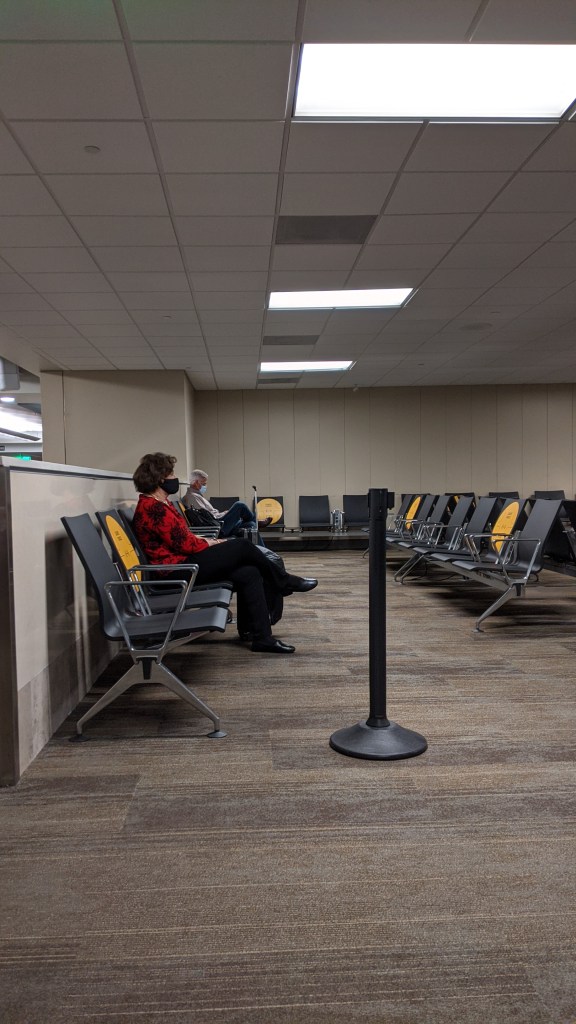
Masked travelers were no surprise; crowded airports were.

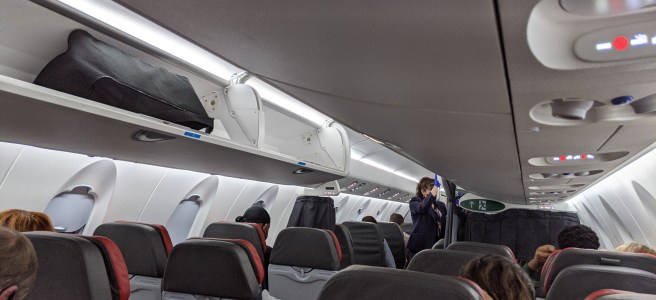
Flying out of Little Rock National at 7 a.m. was easy. There were few flights scheduled, fewer passengers waiting. The plane was small — 2×2 seating and half empty. But changing planes in Charlotte proved to be a totally different experience. Normally a large and busy airport, it was especially chaotic this time. We attributed the crowds to Spring Break and Easter travelers, but still we were surprised that although officials are still warning against unnecessary travel, so many would choose to fly.

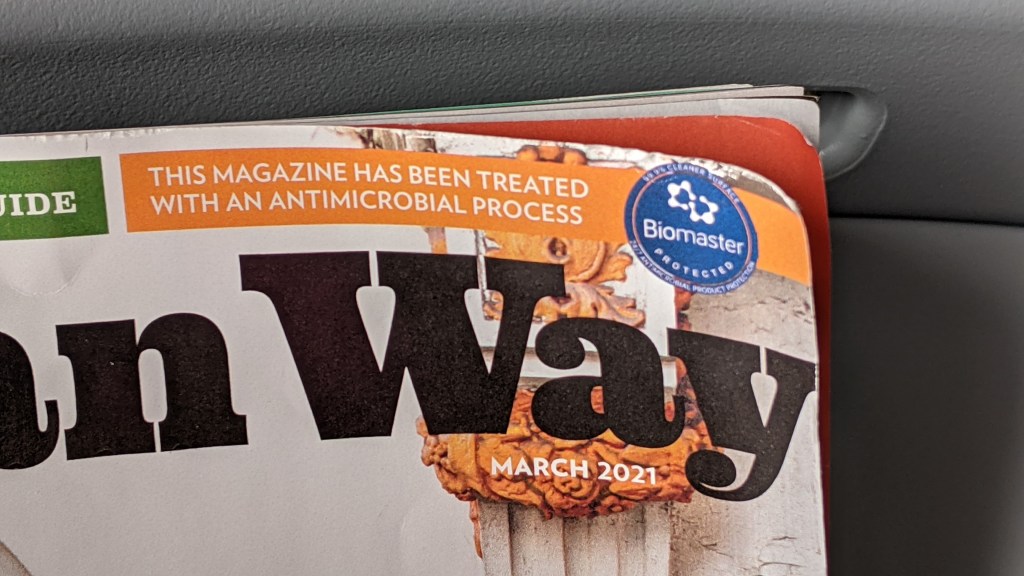
The flight was filled — shoulder to shoulder, middle seats as well. We were greeted with a hand sanitizer packet, offered by a blue-gloved hand, not by smiles and words of welcome. There was to be no beverage service and no snacks. Along with seat belt and emergency oxygen instructions, we were admonished to keep our masks on for the entire duration of the flight. We settled in with our books for the next two and a half hours, noticing that even the in-flight magazine bore a “sanitized” label.

There were no huge crowds in Portland, Maine, our destination; just a steady stream of masked travelers. The mood was quiet, almost somber. Visitors to Maine from beyond the neighboring New England states who are not fully vaccinated still must provide proof of a negative test or undergo a voluntary 10-day quarantine. And masks are required still in all public places.

In our newly-adopted home state of Arkansas, the mask mandate and social distancing were relaxed by the governor effective March 30. However, many local businesses still required masks when we departed. We returned to a different world. Although we still carry our face masks with us, many of the signs have been removed from public places. I attended a meeting this past week that did not require them, and I was able to sit next to friends without three feet of space between chairs.

Coming home to relaxed rules is refreshing

Last night my husband and I joined a friend for dinner at a casual pizza place near our home. All the signs have been removed, and only one or two patrons entered with masks. Even most of the servers were unmasked and smiling. I asked about that, wondering if the younger, unvaccinated employees were nervous about increased exposure.

The answer: “No, not really. But would you like me to put on my mask?” So, the thought is still with us — with us all — that we have not yet returned to normal. More importantly, perhaps, none of us quite knows what normal means anymore. And we still receive somewhat conflicting advice from our leaders. We can’t help but wonder if we are moving too fast, or in the wrong direction as we hear more news reports about growing numbers of infections in other states.

For now at least, each one of us must set personal boundaries. I’m not sure what they will be for me, going forward. What I do know is that seeing the smiles on the faces of friends and family is important. And I look forward to the time when it will no longer be a question of wearing a mask or seeing a smile.

I still hope that the time will come sooner rather than later. I can now believe that the day is approaching when I can book a trip without also having an option if it is canceled. I look forward to making future memories in those faraway places, and to sampling, once again, all the good food that is waiting to be enjoyed.

No, I have decided not to rename the blog, but rather to continue to search out new experiences in interesting destinations.

Looking back . . .

During the past few months, I have spent many hours trying to organize travel photos and make sense of my travel notes and journals.

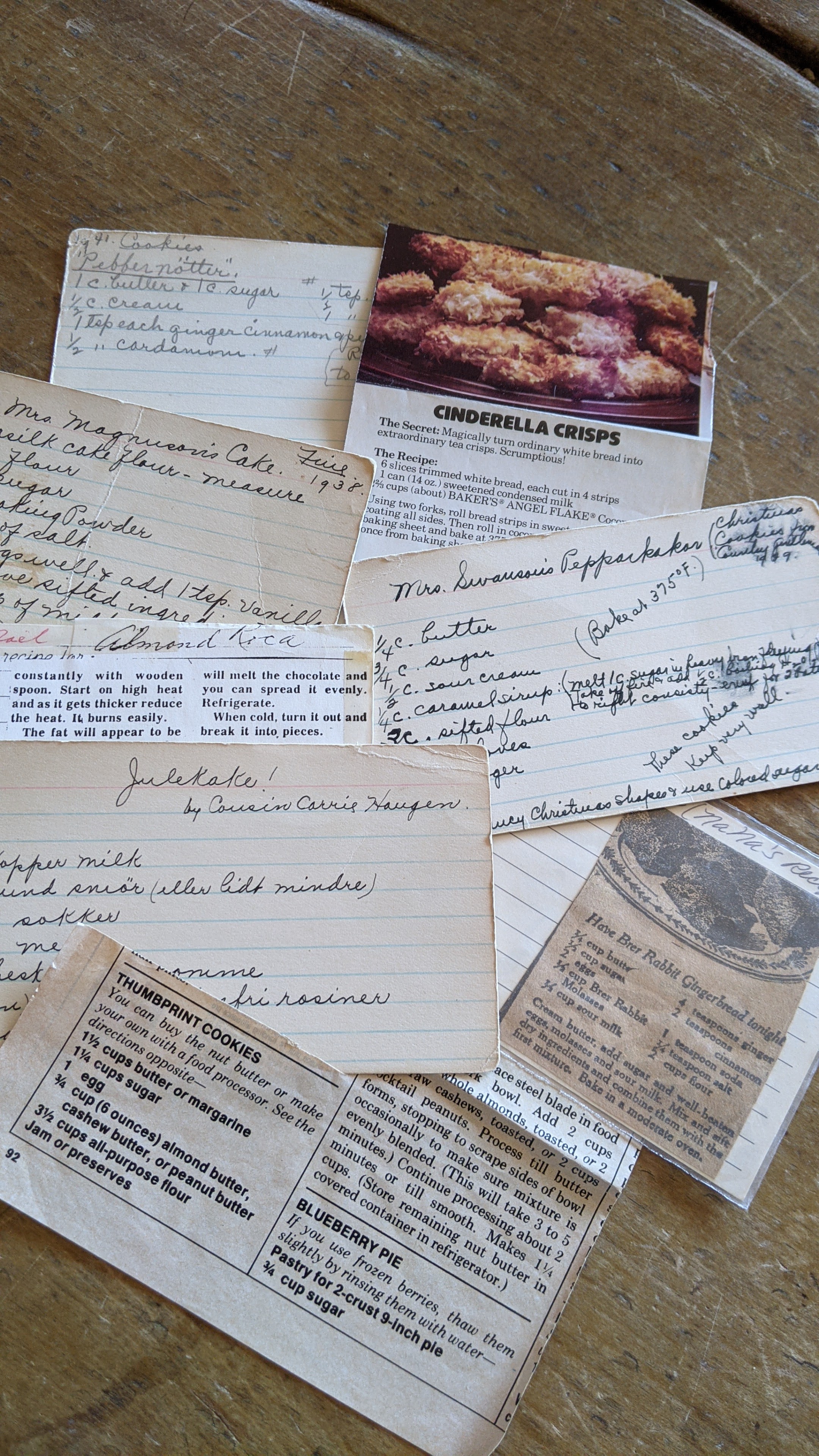
I have also spent hours poring over newly-discovered recipe books and cards saved by previous generations of family. They are nothing if not enlightening, filled with tasty treats meant for celebrating with family and friends, and also packed with ideas about how to “stretch” food enough to get through hard times. Some of them surprised me, and a few made me weep.

One — Fried Oatmeal — brought back childhood memories of what I thought at the time was the best breakfast ever, served hot and crispy from my grandmother’s cast iron frying pan. It was Fried Cornmeal Mush, the leftover raw material from a Sunday cornbread or stuffing dish, or perhaps leftover breakfast grits from a previous morning. Served with butter and syrup, it was a favorite way to start a day. However, cold cereal was much more common!

This particular card — one of a collection of recipes in a box that was obviously a promotional effort for Gold Medal Brands — notes: “This is a good way to use left over porridge.” I could not help but remember my grandmother’s refrain, “Waste not, want not,” as I pored over other cards in the sturdy wooden box.

Interspersed with the printed cards, there are traditional Scandinavian treats, some no doubt passed down from generations past. There are Polish and Russian dishes with beets, cabbages and potatoes. Many are hearty and filling, healthful and full of vegetables, but not overloaded with meat. Some are simple egg dishes. The desserts, I found, tend to be less sugary than today’s versions, and many rely on fresh fruit and spice for flavor and punch rather than chocolate and refined sugar.

There are many recipes for sweets made rich with butter and cream. Some of the old recipes required spending hours in the kitchen and intensive preparations for holiday observances. Others were quick and easy, no doubt meant for times when there were more important things to think about when food counted only as simple sustenance.

Hand-written recipes sometimes had notations — “easy or fine, or from Aunt Ida, or Papa’s favorite,” and I have found interesting notations even in familiar well-used hard-cover cookbooks, the standard reference for any cook back in the day. One made me smile: “Too much work!” Another simply bore a single word: “NO.” Many of these recipes are reminiscent of “Sunday dinners” and holidays, and of life well-lived in small towns or on farms throughout the flyover states. That is my heritage.

Others of those tattered recipe cards, however, bear the stigma of more difficult times, when food and funds were scarce, resources and pantry reserves were slim, and many of the men were off fighting wars in foreign lands. There are notes about sugar substitutes — sugar was one of the first products to be rationed during WWII. But rationing followed in 1943 for meat, butter, margarine, canned fish, cheese, canned milk, fats and oils. Fresh food was often in short supply simply due to the season or to transportation snags.

From the war years, there are numerous ideas for Jello molds, salads, and simple puddings. And there are “ration recipes” for meats.

Celebrations were more somber and homemakers “made do” in innovative ways in an effort to use available food stocks and to preserve a sense of hope during those lean days. Epidemics, wars, weather, the economy, and a shift from farms to cities all seemed to align against a comfortable existence during much of the 20th Century. But family life continued.

A “Hard Times” Recipe for Cinderella Crisps

The Secret: Magically turn ordinary white bread into extraordinary tea crisps. Scrumptious!

The Recipe:

6 slices trimmed white bread, each cut in 4 strips

1 can (14 oz.) sweetened condensed milk

2 2/3 cups (about) Baker’s Angel Flake Coconut

Using two forks, roll bread strips in sweetened condensed milk, coating all sides. Then roll in coconut. Place on well-greased baking sheet and bake at 375 degrees for 8 to 10 minutes. Remove at once from baking sheet. Makes about 24.

I will confess that this is one I have not tried, and probably will not. Please let me know if you do!

Moving on to New Experiences

Today I take it as a personal challenge to try to make healthful, tasty meals out of simple ingredients. I also have some recipe cards that became my “go-to” resource when I was a young bride with little kitchen experience to guide me. Perhaps not surprisingly, I still occasionally refer to them. I read recipe books with as much delight as the latest novels, but I tend to make up recipes as I go along, instead of adhering strictly to the directions. Although I like good food, I do not love spending unnecessary hours in the kitchen.

I collect recipes from my travels and love recreating the tastes of faraway places when I return home. I like to experiment with new flavors and seasonings, and I think meals should look appetizing, smell wonderful and taste great. Most of the time, I think meals should be prepared fresh, not pre-packaged or ordered as take out. I take as much delight in preparing a meal for two as I do planning a holiday open house. Those holiday gatherings have been in short supply this past year, haven’t they?

Perhaps before too many more special days pass, we will once again be able to celebrate together, with hugs and laughter, with old folks and babies, with new-found friends, and especially with family. This pandemic year has taken its toll. Hopefully we will get beyond it and look forward to the good times to come!

For now, it’s enough to remember.

Pushing the Reset Button

I readily admit that I am still not entirely comfortable with wireless technology. I miss long curly telephone cords and purring electric typewriters. They felt solid and grounded, and I felt in control. I still keep track of appointments with a book-like calendar and I make notes on random slips of paper.

Today, I spend undue time worrying that my smart devices will outsmart me. I am uncomfortable with a car that reminds me to buckle my seatbelt, a navigation device that tells me I am not following directions properly, and a cell phone personality that questions my directives.

I am used to being in charge, and I want my technology to obey my commands and respond to my needs without being coddled.

At the very least, I hope to win ongoing battles without the need to call in reinforcements – read “young technicians who make me feel like an idiot because of my inability to solve the problem myself.

I regularly forget that the way to bypass periodic operational hiccups with both my portable devices and my desktop computer is simply to turn them off, wait a few moments and reboot them. It may be akin to sending an unruly toddler to the corner for a time out, but it seems unnatural and unnecessary to me.

Unfortunately, in other areas of life, I also tend to undervalue the power of pushing the reset button.

A Spring Resolution

I recently returned from a quick overnight in Cabo San Lucas at the tip of Mexico’s Baja Peninsula. A short cruise out of Los Angeles offered sun and warmth, gently rolling seas and good companionship. I savored long, lazy days aboard ship with no agenda, no schedule, no daily deadlines – all equally beneficial for body and soul. I was served interesting food and adult beverages, enjoyed good stage shows and movies, caught a few spectacular sunsets, and watched cavorting whales, sea lions, pelicans and gulls.

We strolled the Cabo waterfront, listened to music, sampled local Margaritas and street tacos and thoroughly enjoyed leisurely time ashore.

As a writer, I am acutely aware that creativity is fueled by new experiences, interesting people, beauty, good food, and even a bit of personal indulgence. But the crush of daily life sometimes gets in the way.

Vacations, especially if they are short, simple and relatively unplanned, are invigorating. Even day trips can be memorable. As much as I love exotic destinations. I have come to believe in the restorative benefits of simple getaways. Unfortunately, those simple excursions don’t happen often enough. But they’re an indulgence I have promised myself more frequently this year.

Getting out in the world is – in my universe – the human reset button.

New Spring in My Step!

I returned to my desk this week with a fresh appreciation for the work I do. Freelancing is, in many ways, a dream job. I understand fully that I have the luxury of being able to escape to far horizons on a fairly regular basis. The flip side of that coin is that, more often than not, I take some work with me.

After all, those portable electronic devices have changed my world, for better or worse. Unless I disclose my whereabouts, there is no reason for anyone to know that I am not slaving away at my desk.

But this time, I chose not to work while in Mexico. Other than checking email occasionally, I did not write a single word. I did not check, nor did I post to social media.  But I returned home with a mind alive with ideas, and a determination to work harder to tell the stories that I find interesting.

So, my promise – to myself – is to get back to work with renewed zest and spirit, and then to walk away much more often. That’s motivation I can embrace.

I pushed the reset button!

The open road: Traveling tips

101_2217Fast food isn’t particularly good for the waistline or the pocketbook! And, no matter how familiar, most of it is nothing to write home about.
So, this summer, why not slow down a little to nurture your spirit as well as your body? Whether you take a quick weekend jaunt or an extended trip across the country, here are some good ways to make your next driving trip a memorable one:

Pack a picnic basket

Seriously. There was a time when a wicker basket was a staple in the back seat or the trunk of almost every vehicle. Those were the days when people planned a day’s journey based on the distance between gas stations, and pulled off the road to enjoy a field of flowers or a lakeside vista. Today, with conveniences available at every highway exit, it’s not so necessary to plan ahead, but having a picnic basket full of good food still makes sense.

Fill yours with hard boiled eggs, a package of mini carrots or sugar snap peas, cans of sardines and packets of tuna, a jar of peanut butter, a loaf of crusty French bread, crackers, and homemade granola or trail mix. Bring along either a round of Brie, a wedge of blue, or some string cheese that can stand being out of the refrigerator for a few hours. Include apples, oranges and dried fruit, and maybe some homemade cookies. Pack plastic plates, glasses and silverware, a roll of paper towels and a plastic tablecloth. Include a blanket or quilt for sitting on the ground.

If you’re taking a long trip, restock at a local grocery store; forego the chain restaurants. Forget the cooler full of soda, but bring a large thermos filled with iced tea or lemonade. In cooler weather, fill the thermos with hot chocolate, tomato soup or chicken bouillon. Invest in refillable personal water bottles and fill them with tap water. When you get hungry, get off the road and get out of the car. Park by a stream or find a city park: Walk around, lounge on the grass, walk the dog, and let the kids run!

Get off the road – go local

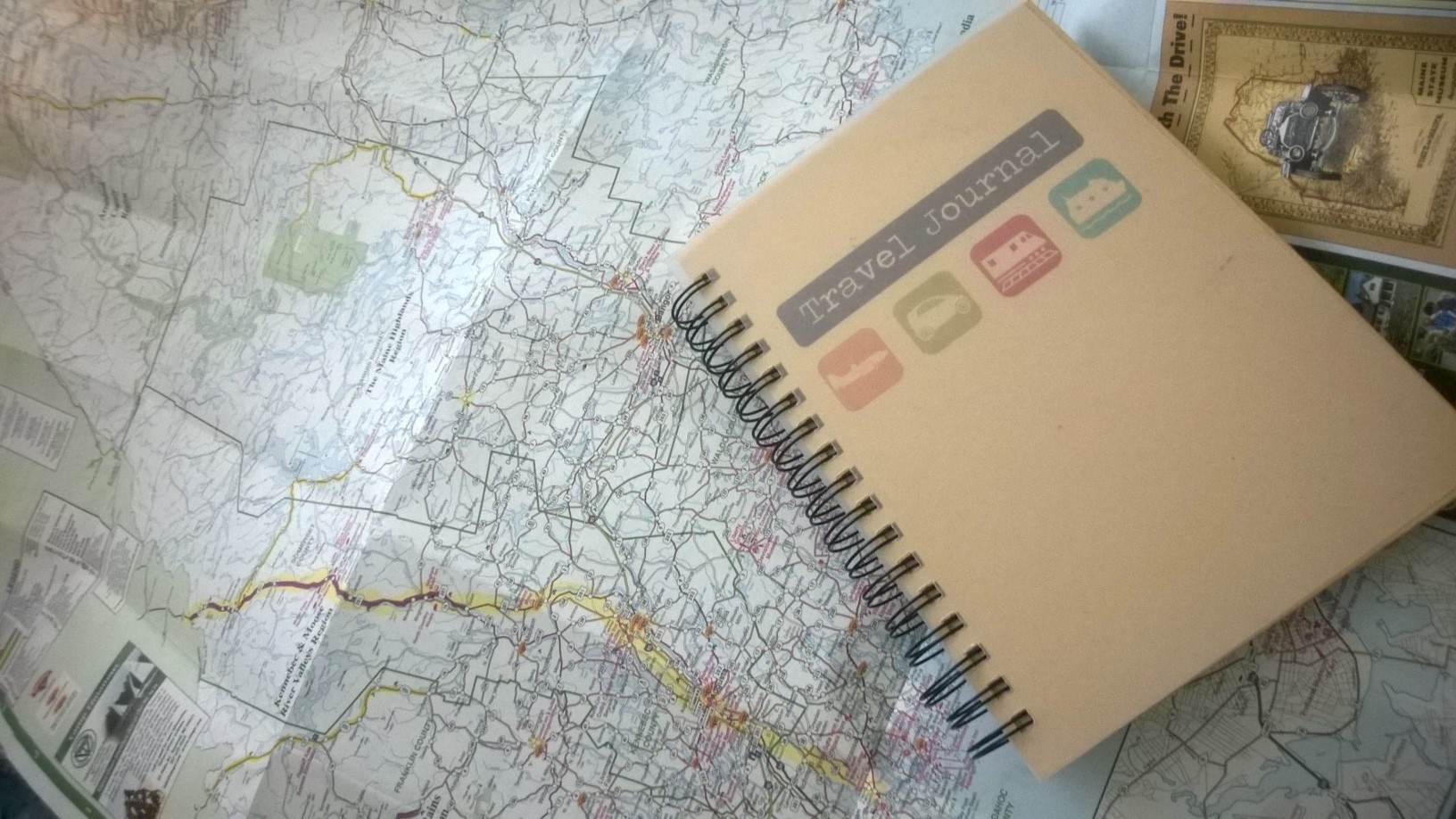
Turn off the interstate occasionally. Even if you want to make good time getting to your destination, you’ll be surprised how invigorating it can be to take a scenic route or venture onto a back road. Forget the GPS and the app, and buy an old-fashioned road map, the paper accordion-folding kind that you spread out on the hood of the car, the kind that shows small towns, county roads, twisting dirt paths, historical sites and topographical features. Then make time to explore.

Leave the smart phone in your pocket and teach your children map-reading skills; get lost on purpose, just so you can find an alternative way back to the highway. Cultivate spontaneity! Take a few chances. Laugh a lot!

The highways were built to move goods and people quickly from place to place, and they do that well. But, any journey can be as interesting as the destination if you take a turn through the countryside and small towns along the way. It’s a whole different world view and one you don’t want to miss. Stop to photograph wild flowers, historical markers, spectacular views, a herd of longhorns, or an old barn. Look for the unusual. Stop at farm stands and “pick your own” orchards. Buy freshly-squeezed orange juice in Florida, fresh shelled pecans in Texas, cherries in Washington or just tapped maple syrup in Vermont. WP_20160508_007 (1)

Keep a travel journal

Don’t worry about the literary quality; just make it personal and it will be memorable. Simply write quick notes to keep in an old three-ring binder and punctuate with doodles, postcards, snapshots or restaurant business cards. Or take notes on your digital device to accompany the pictures you snap: Transfer the notes and photos to an online journal when you return home. Just be sure to date (and place) the entries so that you can look through actual or virtual pages later to recall specific events.

Your kids will love reliving this part of their history, and you can tell friends and relatives about your experiences.  Write about the wild flowers or the weather; the long, boring miles of highway, or the squabbles in the back seat; add anything that describes the moment! And don’t wait for an epic two-week vacation to Europe to begin journaling. You don’t have to be born with a sense of adventure to enjoy travel. You simply have to keep your mind open to possibilities, your heart open to fun and your eyes focused on the new sights all around you.

Slow down and look around

Take advantage of state tourist information centers as you cross state lines. Great sources of information,  they are staffed with knowledgeable volunteers, and often offer snacks, coffee and cool drinks. They also provide a welcome break from sitting! Many states also have upscale, modern rest stops with clean rest rooms, playgrounds and picnic tables.

Turn off the highway and head for a small town square. Look for a local café, or a diner with lots of cars parked outside. Chances are you’ll discover friendly people, good food and good times. Strike up a conversation with your server; ask questions about the area if it’s new to you.

Travel without reservations if you don’t have a deadline, and look for local hotels in small towns rather than chain motels along the highway. Consider it a bonus if you find a charming country inn, a lakeside cottage at a state park, or a historic hotel in the heart of a Midwest city. Another way: Take day trips to other towns in your area. You’ll be surprised at the things you discover!

Walt Whitman said it pretty well:

         “Afoot and light-hearted I take to the open road, 

         Healthy, free, the world before me, 

        The long brown path before me leading wherever I choose.” 

Pleasures and Pitfalls of Olive Oil

Recently, at a local farmers market, I stopped at an olive oil display and was transported – in memory – to my first encounter with the mystique of locally-produced olive oils. I learned that today, in Texas, there is not a “lone olive ranch” in the Lone Star state, but several. It seems this state is better suited for black oil than olive oil, but with time, luck and persistence, some olive ranchers are making a go of it. Texas A&M explains that climate is a limiting factor.

The oil pressed from trees has a long, rich history, and was commonly known as the “gift of the gods” by ancient civilizations. There is a bit of doubt about which gods first introduced olive oil to humans, and where exactly, but no doubt at all about its continuing popularity among Mediterranean peoples. That’s how I first was introduced to its wonders.

It was decades before the Mediterranean Diet became codified; EVOO, at the time, was not in the vocabulary of most chefs. But, even then, olive oil was something special among the “initiated.”

Photo by Adrienne Cohen

I have written about olive oil in terms of its natural properties, and as a regional, historical and cultural component of diet and tradition. The following piece first was published on Yahoo Contributor Network March 3, 2013. It was prompted by a news story confirming the health benefits of olive oil.

I’d like to share it again (with minor changes and updates):

Eating Well, Staying Healthy Are Not Mutually Exclusive

Many years ago, while vacationing at a Caribbean Island resort, my husband and I met a vivacious Italian couple at dinner. They were older, by decades, than we were at the time, but just as active, full of curiosity and fun to be with. They were swimmers, reef explorers and divers, and had come to enjoy the beautiful waters of the Caribbean. We met and talked, and because we had lived in France and traveled in Europe, we shared our experiences with them; they asked us about our life in the United States. We found we had much in common, despite the differences in age and geography.

One night at dinner, we tasted what that Italian gentleman called his “secret of long life.”

Olive Oil

Pressed from olives grown on his trees on his land, and carried from his home in travel flasks, he passed it around the resort’s community table for all to sample, and to savor, with our bread. I still recall the color, the scent and the flavor of that olive oil. The couple was justifiably proud of the golden elixir.

As “20-somethings,” we were enthralled. We were captivated by the setting; by the sun and the sea, by the activities and the bountiful food. We were charmed by the company. This pair

Olive Grove, Tuscany' Photo by Davide Rizzo via Flickr
Olive Grove, Tuscany’
Photo by Davide Rizzo via Flickr

of free-spirited, fit, fun grandparents enjoyed life every bit as much as we did. They were only too happy to meet new friends and share good times, good conversation, good food and abundant wine.

This incident occurred before the current popularity of all things Mediterranean, including the diet. On vacation, we two laid aside moderation: We overdid the activity as well as the food, the sun and the drink; and we paid the price upon our return home.

Not so our Italian friends. They maintained their routine. A simple breakfast of bread, with the requisite olive oil, and cheese; perhaps a soft-boiled egg, and black coffee. For lunch, a simple salad, with fish or fresh vegetables, fruit and bread, with olive oil. Whole olives, too, if they were available.

They walked, they swam, they dove; they relaxed.

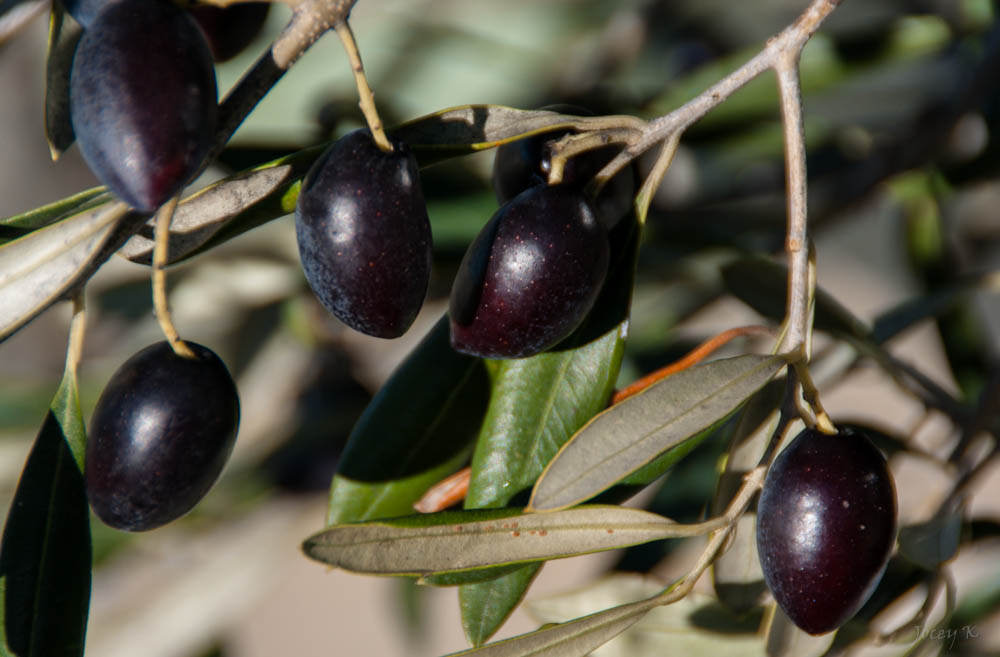
Olives ready to pick Photo by Jocelyn Kinghorn, Flickr
Olives ready to pick
Photo by Jocelyn Kinghorn, Flickr

And then dinner — long, multi-course dinners. Soup, appetizer, entrée, roasted vegetables, salad — and bread. Always with the olive oil. Good conversation, much laughter. Much wine. And then dessert.

No, we never saw them again. But we never forgot that olive oil.

When I heard on ABC News that new findings confirm that the benefits offered by the “Mediterranean Diet,” in particular its emphasis on daily consumption of olive oil, include an astounding 30 percent reduction in heart attack risk, I thought of those Italian friends from long ago. I doubt that they are traveling this earth still, some 30-plus years later. But I would wager that they did so for many years following our meeting, always with enthusiasm, with smiles and laughter, and with olive oil.

Note: Now that I have discovered, and confirmed, that olive trees grow in Texas, I am planning an upcoming visit to the groves. I’m really looking forward to exploring the modern process of producing that “divine” oil.