Where dreams and reality meet . . .

I must confess that the 1962 red Corvette convertible I once owned spawned dreams of taking the ultimate Route 66 road trip. The car didn’t come into my life until years after the TV show ended, but both were classics. And, as they say, old dreams die hard. Sadly, that car and I shared memorable times on other highways and byways, but the cruise along Route 66 never happened. The Corvette was a part of my automotive “stable” for about 15 years, and I fondly remember that first sports car.

I later learned, to my disappointment, that the car used in the television show wasn’t even red. Even so, it was easy to fall into the rhythm and excitement of traveling along the Mother Road, on a press trip in September with fellow travel journalists.

Route 66 was just about 2,450 miles long. It began in Chicago and meandered through eight states on its way to Los Angeles. Only 13 miles were in Kansas, but much of the original Kansas highway remains. What was America’s “first superhighway” opened in 1926 between Illinois and California, and it became a primary “escape route” for those who fled middle America during the Dust Bowl days. It was, at the same time, a symbol of opportunity and the sign of a country that changed rapidly following the war years.

The Way It Was
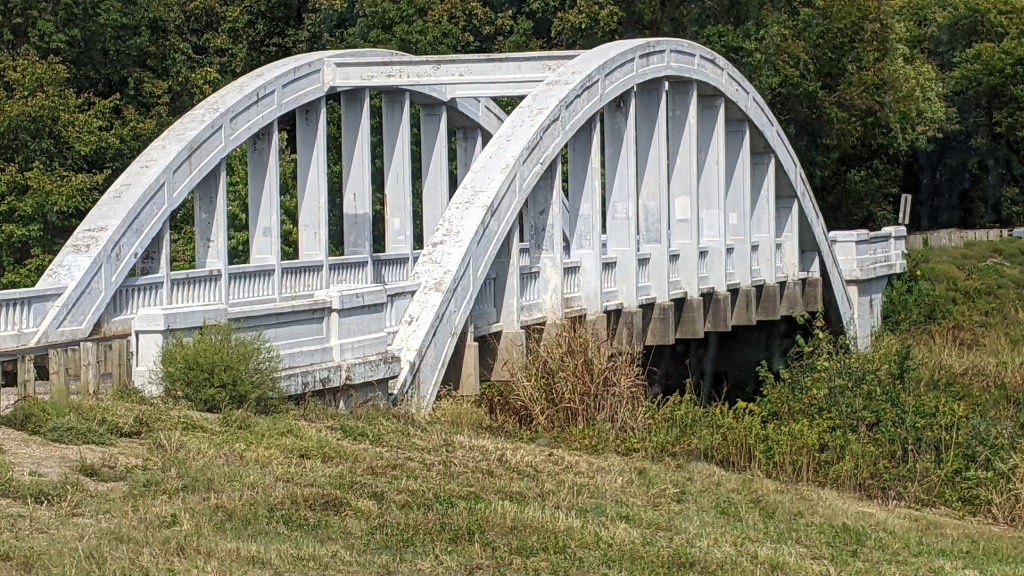
One can still drive across the last surviving Marsh Bridge over Brush Creek, one of three concrete and steel rainbow bridges that once traversed Kansas creeks along Route 66. The bridge now is on a loop road off the thoroughfare, and it’s a favorite destination for photos, picnics, and an occasional wedding. The Route was officially “decommissioned” only in 1985, and it is no longer the highway of choice for modern travelers, other than those who are seduced by its history and its television fame.

Kansas, at least this portion of it, hasn’t changed much visibly over the past several decades, but its people have. Modern highways move vehicles and people faster and more efficiently, but traveling the short stretch of Route 66 is definitely more fun! It’s clear that this section of the historic highway still does what it was designed to do — it “connects the main streets of rural and urban America.” The best part? There are ample opportunities to pull off the road and explore Kansas communities!

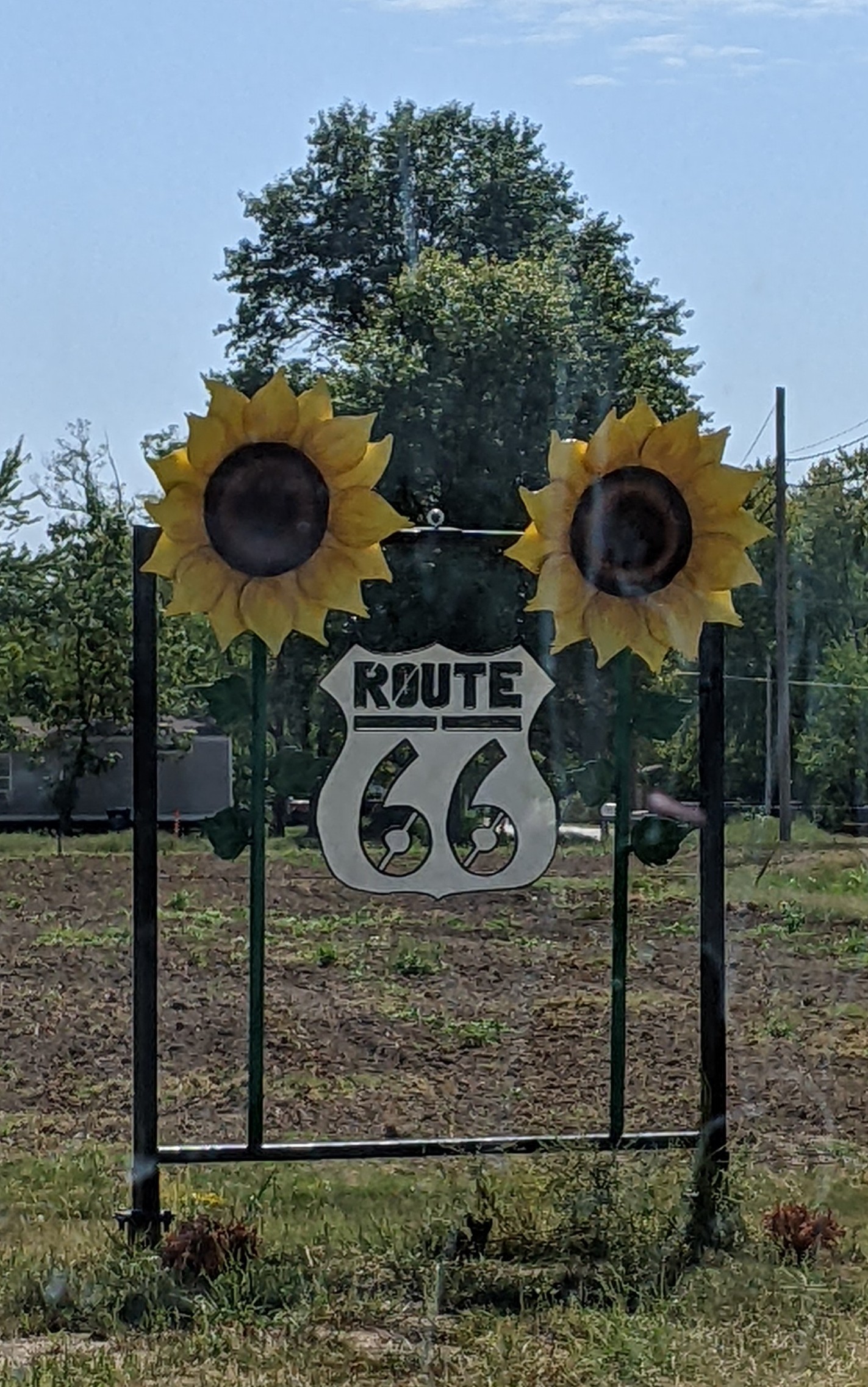
Nostalgic reminders of a very different past are evident along the way. History comes alive when the Route 66 signs appear.

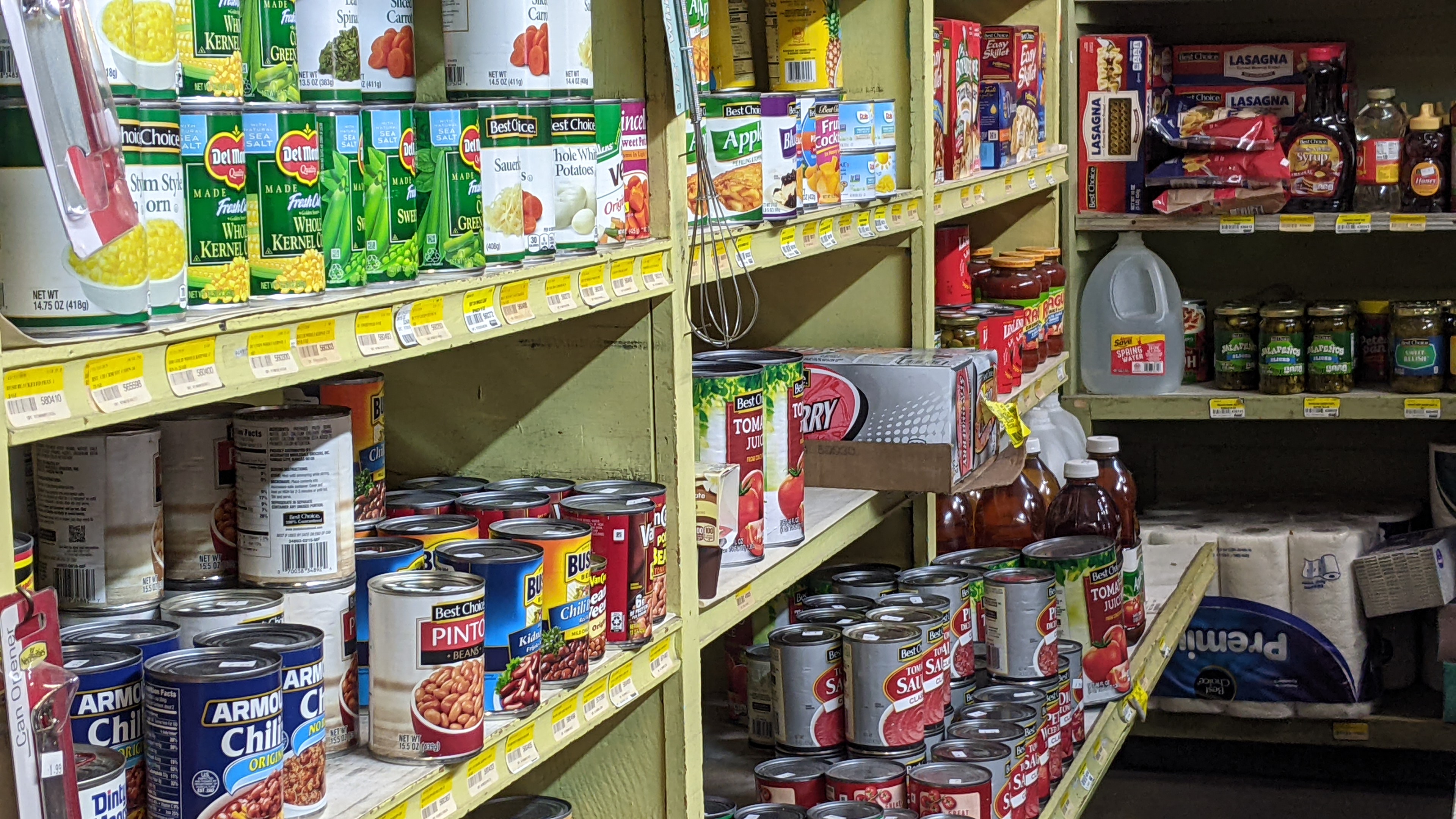
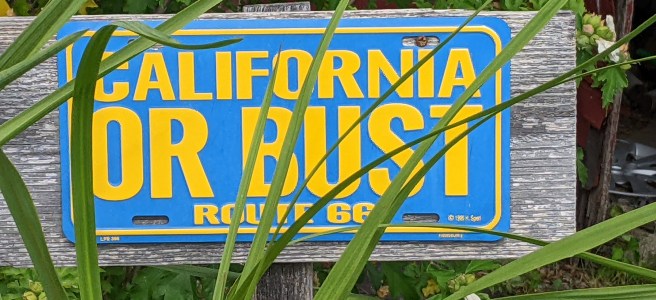
Nelson’s Old Riverton Store has been in continuous operation since 1925. Today, it looks much as it did then, and operates similarly, welcoming locals and tourists alike. It’s worth a visit – try a beet-juice pickled egg or purchase kitchy Route 66 magnets, ball caps, license plates and t-shirts. Why? Just because!

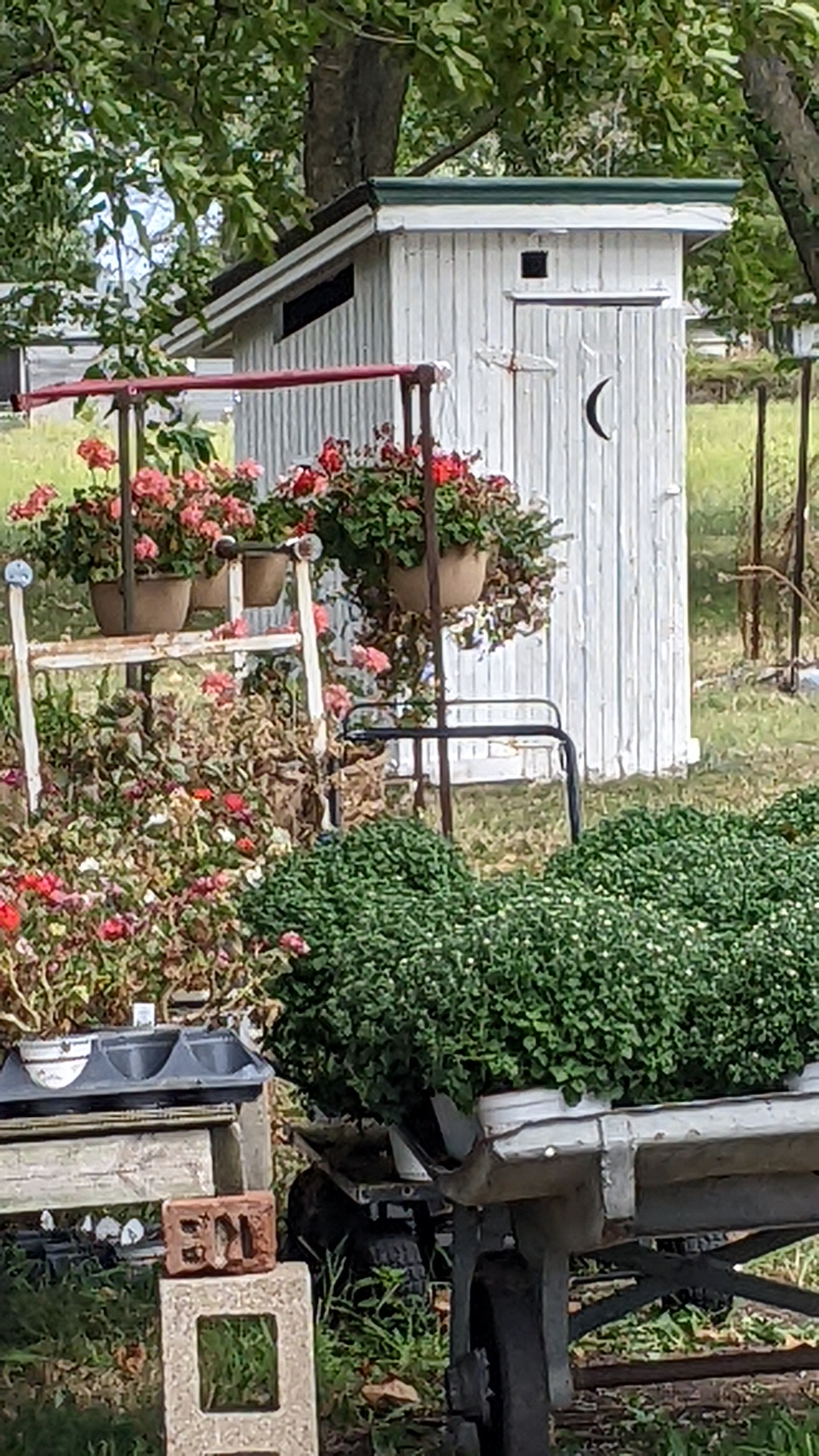
Locals still come to buy a loaf of bread or a can of beans, grab a soda and a sandwich, or just while away the time with friends. It’s that kind of place. It appears to be decades ago that any repairs were made to the building. Wildflowers grow up along the fence line and hanging baskets add color to the scene. Shopkeepers are welcoming and only too willing to share stories with visitors. It’s like stepping back in time.

It’s impossible to escape the influence of the Route in this part of Kansas.

Cars on the Route

Fans of Disney’s “Cars” are in for a treat at Cars on the Route in Galena. Visit the old Kan-O-Tex station and get up close to the rusty boom truck that was the inspiration for Tow Mater in the movie.

Walk down a dusty stretch of road and around a corner to enjoy a sack lunch at rustic picnic tables in the shade of a ramshackle lean-to. Snap some shots of the quirky old photo boards before moving on.

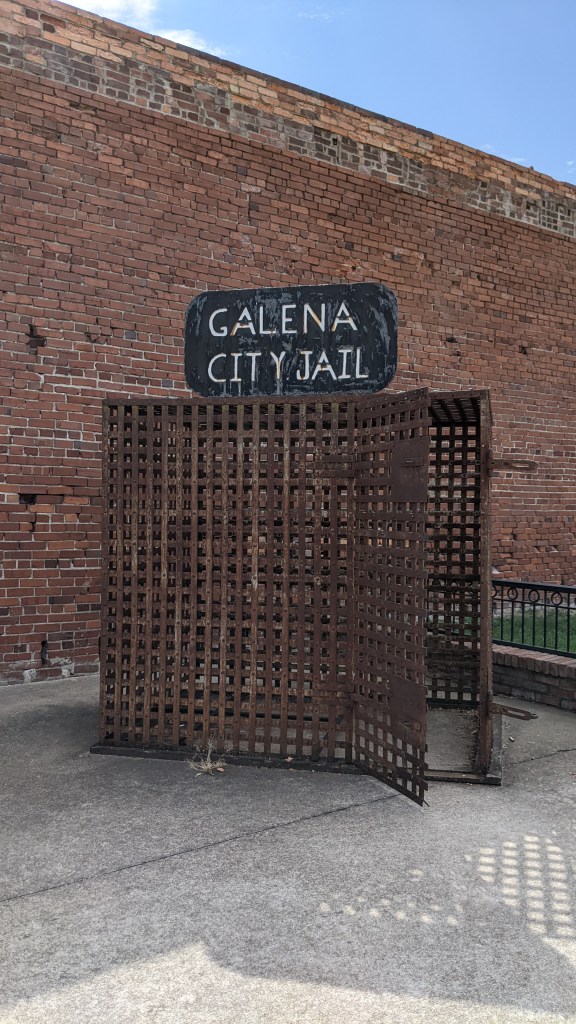
Other attractions in Galena include outdoor art and murals, a Texaco station turned curio shop on Main Street, complete with pumps set to recall the low gas prices of the time. There’s also a rusty old “jail” near the city’s square that provides an irresistible photo op!

We broke for lunch at Bricks & Brews in Baxter Springs, and what a treat that was, with a menu to satisfy any palate and attentive service accompanied by big smiles. We also stopped for an all-too-brief visit at the Baxter Springs Heritage Center and Museum. We had only limited time to spend, but it is a treasure trove of information about the town, the history of Cherokee County and southeast Kansas, the Civil War, and Route 66.
Nature and More

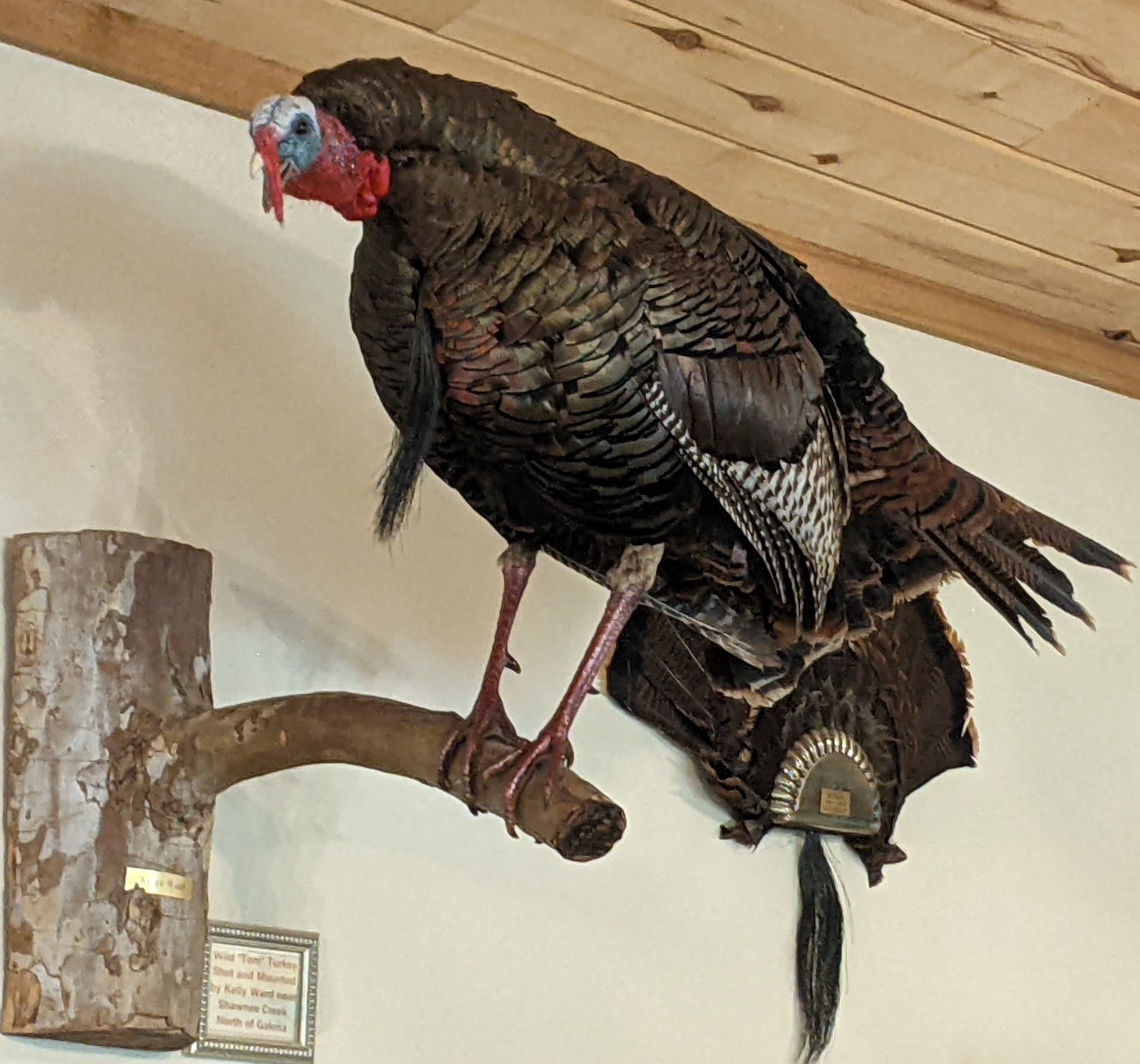
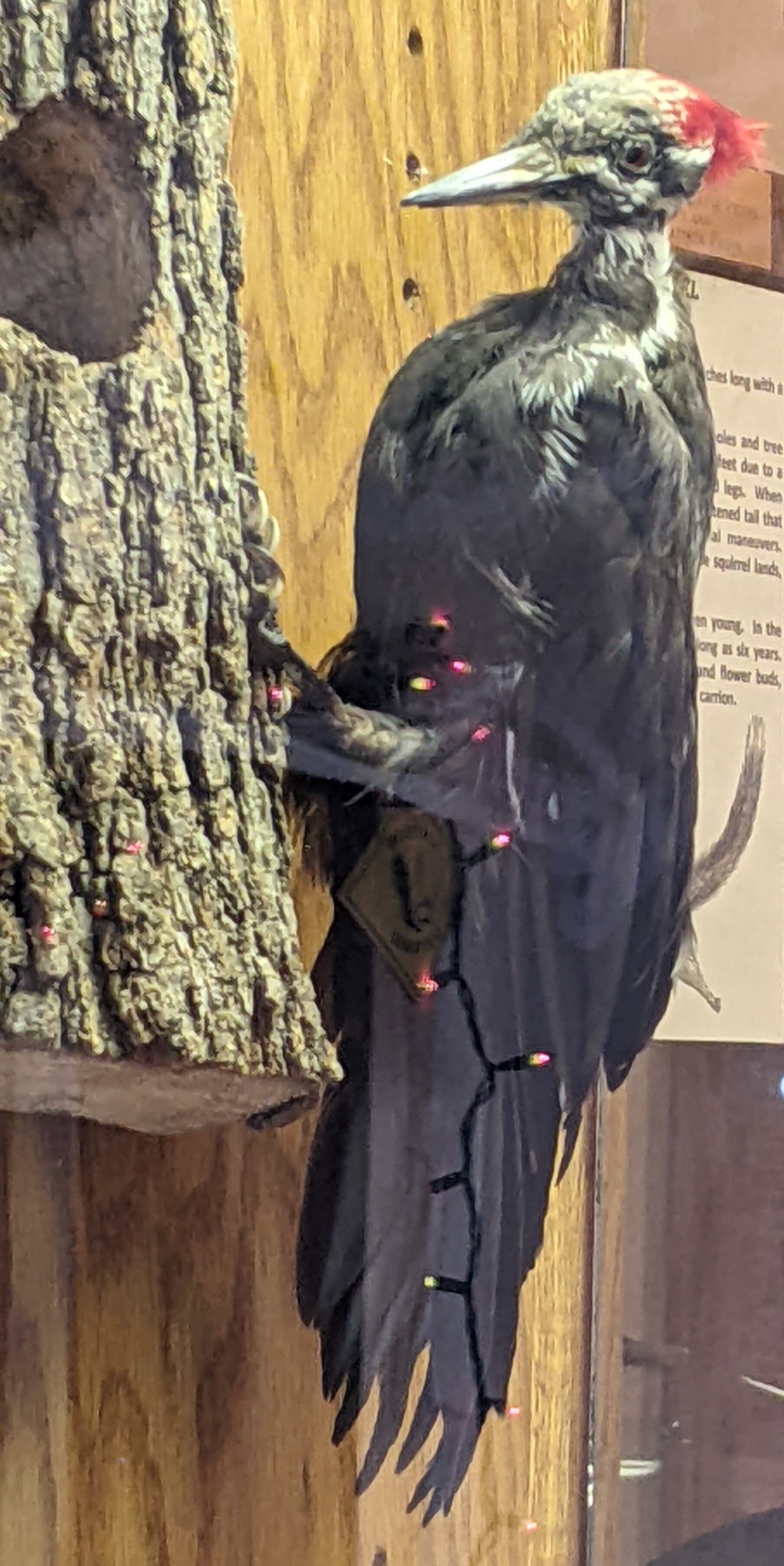
We pushed on to the Southeast Kansas Nature Center/Schermerhorn Park, near Galena. Admission is free, and the hilltop site acts like a magnet for anyone interested in visiting the 32-acre Shoal Creek Wildlife Area. There are wooded hills, streams, and caves to explore; dedicated anglers can even drop lines along a ¼-mile stretch of the creek. Indoor exhibits include live snakes, exploration drawers, plant, animal, and history exhibits, educational films, and the attention of a knowledgeable curator/guide. A bonus was a squirrel that visited the feeding station just outside the one-way glass!     

Add in a visit to Big Brutus, standing tall and proud at an old coal mining site on the Kansas prairie, and we were ready to sample Kansas comfort food — fried chicken with all the fixins at not one, but two, local restaurants with long histories in Pittsburg, Kansas.

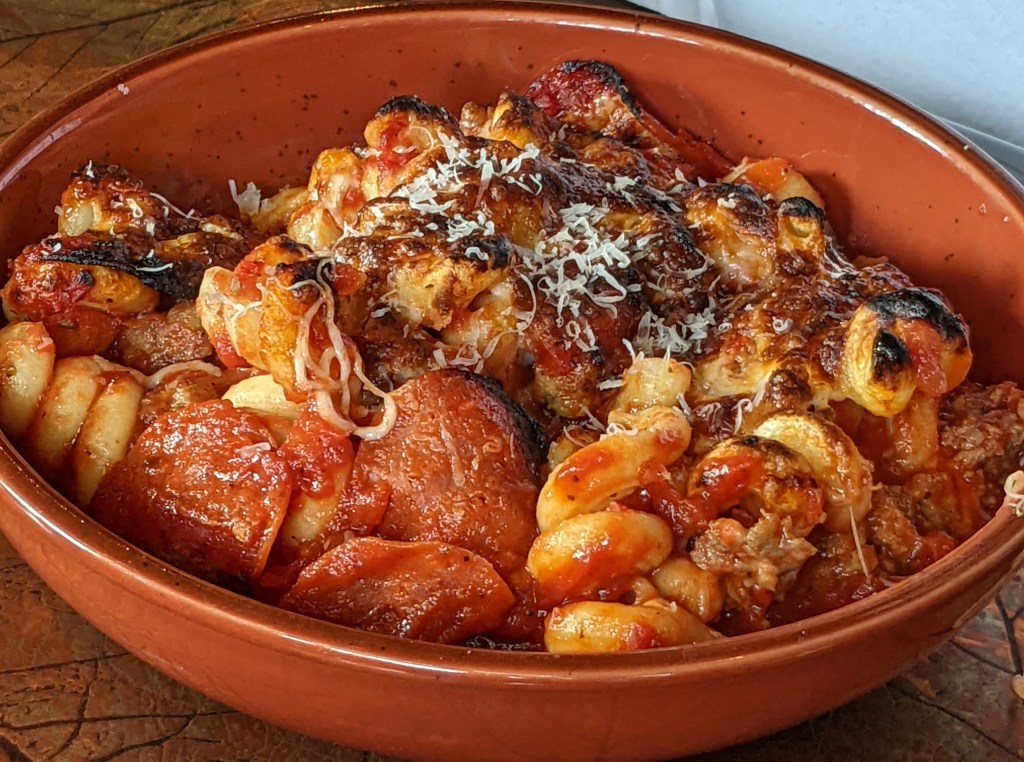
I’ll fill you in on the food — and there was lots of it — next time. Our group sampled both downhome dishes — some with a new twist — and culinary delights for sophisticated palates.

Planning a road trip to this part of Kansas from the neighboring states of Missouri, Oklahoma, and Arkansas, or from farther afield, is easy. It seems appropriate to leave the Interstates behind and enjoy the miles of farmland punctuated by picture-postcard views of old barns, fields filled with growing crops that stretch towards the sun, and animals lazily passing the time doing what farm animals do. The route stretches on with gentle curves; small towns are not far apart and each promises a unique and unusual experience.

Be sure to request your Kansas map and state travel guides in advance of a road trip to Kansas. Knowing where you’re going and what there is to see makes a driving trip so much better!

Full Disclosure: This trip was sponsored by Kansas Tourism, and the itinerary was prearranged. But the impressions are mine alone. I want to return, and it’s an easy road trip from my home base in Arkansas. I’ll be writing more about Kansas as well as about other travel to new destinations abroad in 2023. Subscribe to my blog here, or follow me on Facebook and Instagram.

The Lowell Milken Center: Recognizing Unsung Heroes

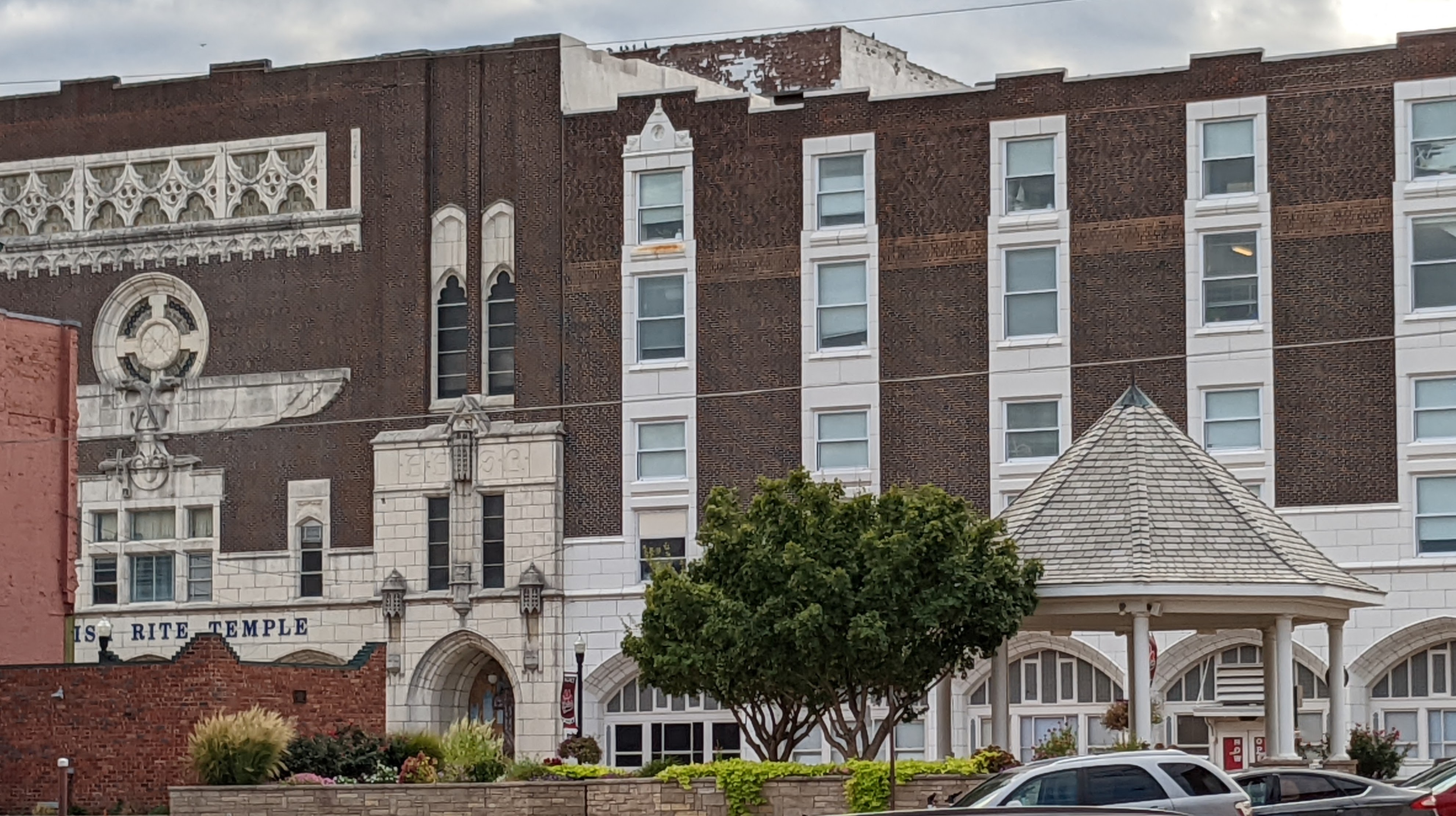
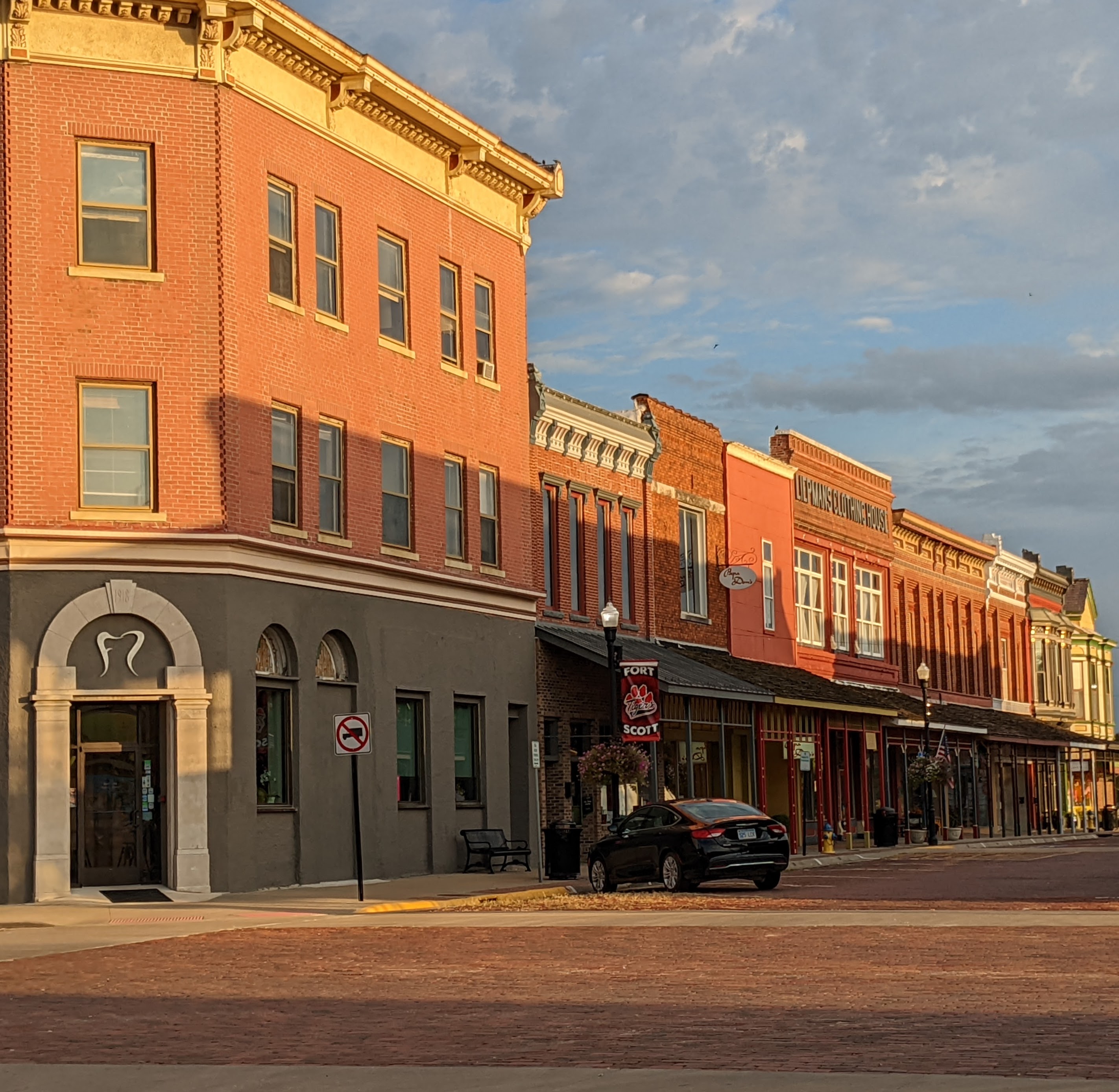
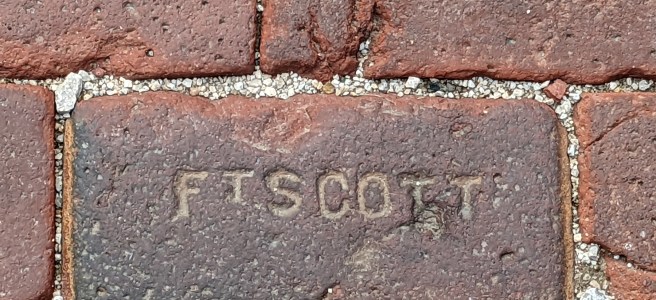
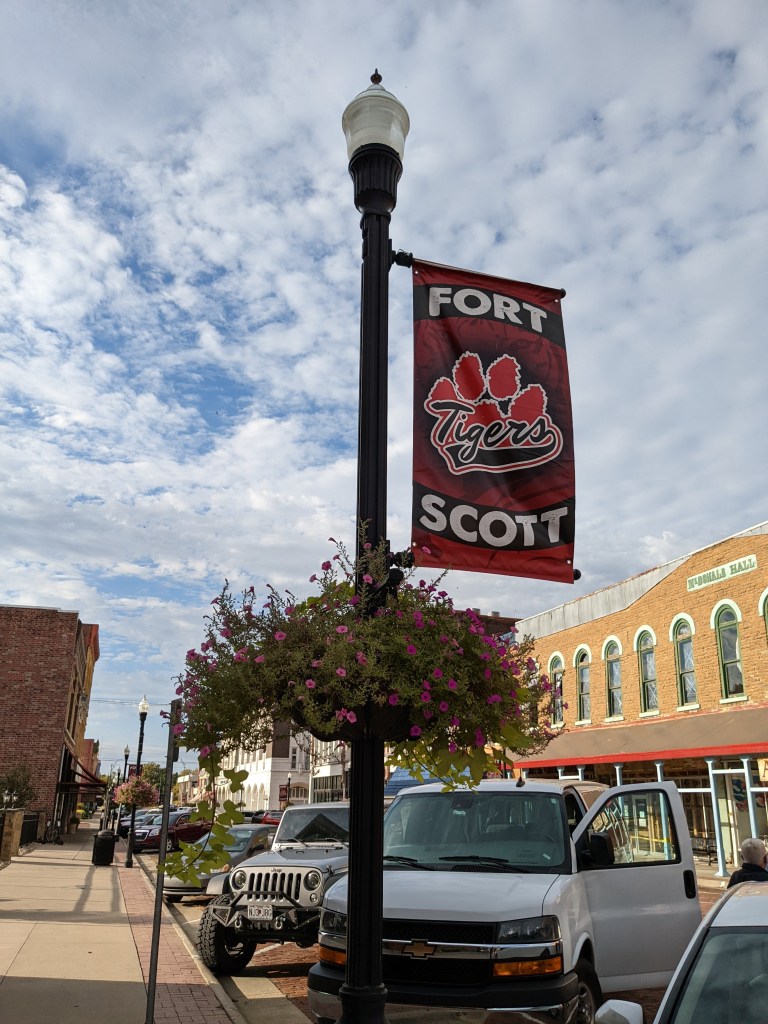
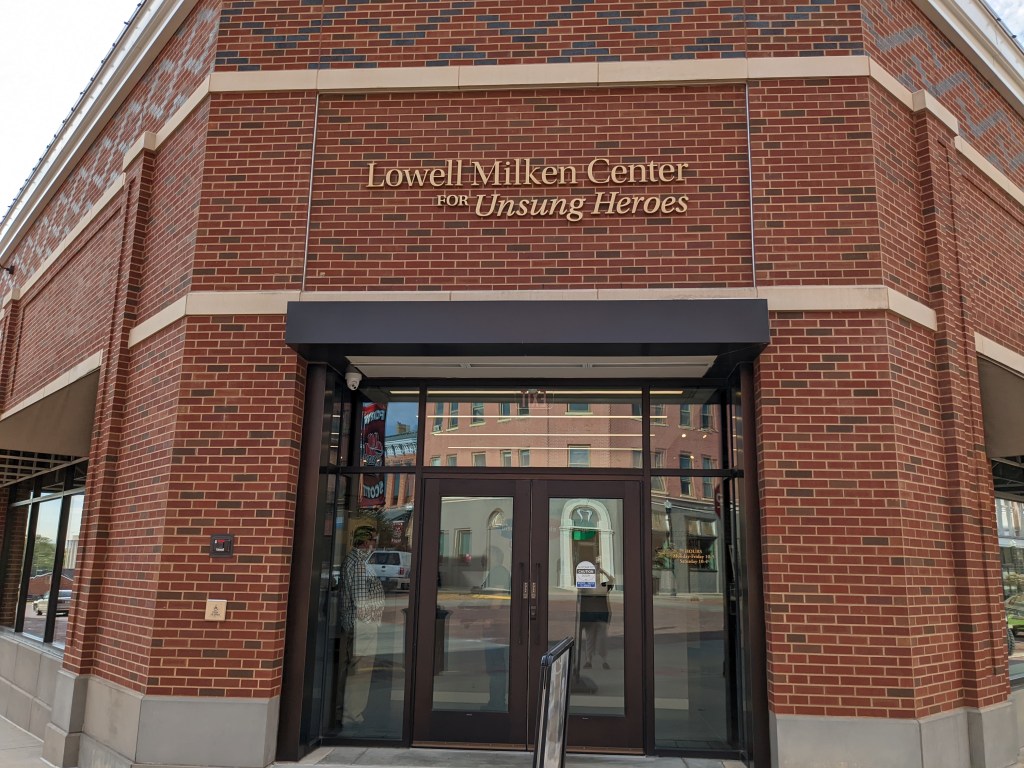
The Lowell Milken Center for Unsung Heroes occupies one of the newer buildings in Fort Scott, Kansas, situated across the street from its original location. Several century-old historic buildings in downtown Fort Scott, Kansas, were destroyed by fire in 2005 and have since been rebuilt. An adjacent outdoor park opened earlier this year and is a contemporary urban delight. The downtown still retains its former character, with traditional brick buildings and brick-paved streets, but the city’s history is being written with renewed vigor.

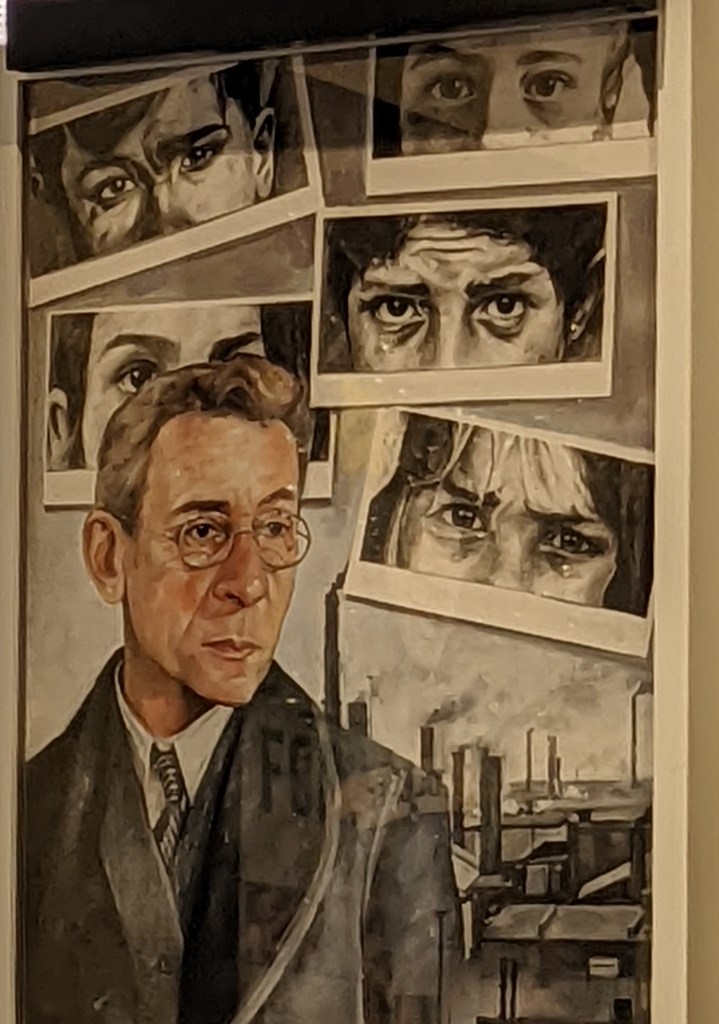
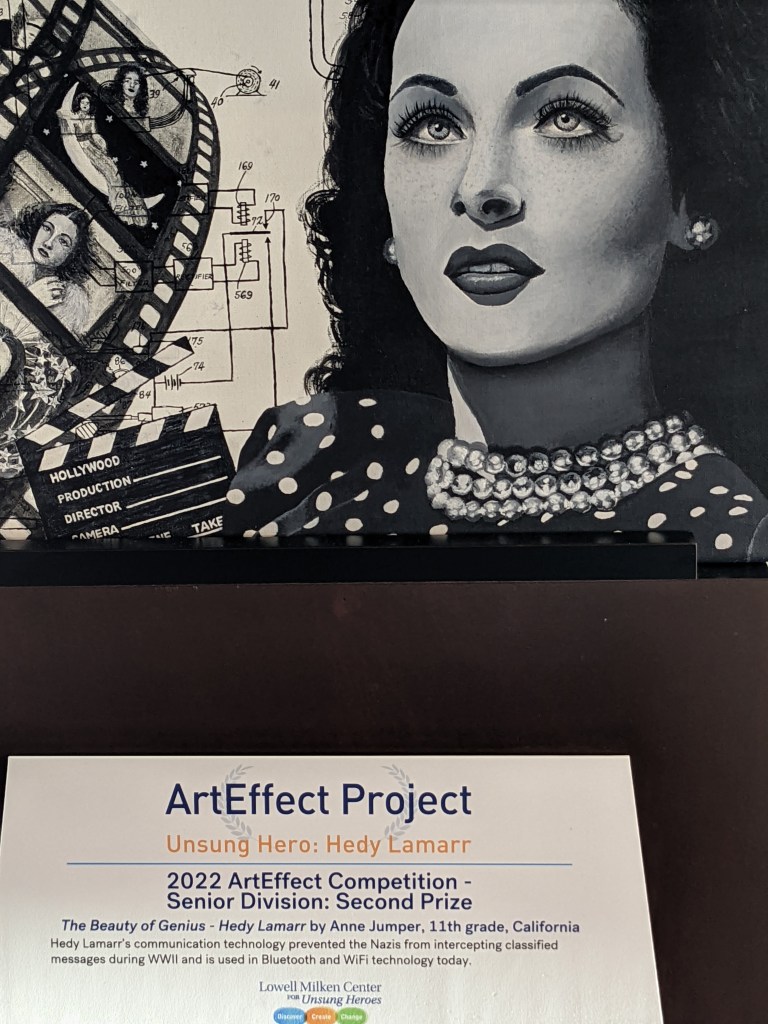
Stories told at the Center are larger than life, brought to life in a way that is truly remarkable. The history of the Milken Center is as awe-inspiring as the lives of the featured heroes. Visitors are introduced to real people who lived seemingly ordinary lives, playing largely unknown and unrecognized roles in history. Their stories have been uncovered, researched, and retold by students, through art and drama, photographs and videos, essays and interactive displays. Their truths are as thought-provoking as they are disturbing. The history of the Milken Center is as awe-inspiring as the lives of the featured heroes.

In 1999, Norm Conard was a social studies teacher at Uniontown High School in rural Kansas. He had given his class a History Day assignment. One of his student teams learned of Irena Sendler, a Polish Catholic social worker who was instrumental in rescuing children from the Warsaw Ghetto during World War II. She buried the names of rescued children in milk jars hidden under a tree. It was, and still is, quite a story. Read a more detailed account here. The students found that Sendler was alive and living still in Poland. In 2001, Conard accompanied a group of students to Poland to meet with her. Several other trips followed, until she passed away in 2007. The student-written play about her deeds, “Life in a Jar,” has been performed more than 350 times, and it continues to be be staged in the U.S and Europe.

During his tenure at Uniontown High School, Conard’s students created more than 85 projects, telling the stories of other common people who performed uncommon acts. Those stories are now the focus and backbone of the Center for Unsung Heroes. New heroes continue to be identified by groups of students — from fourth grade through high school — who have been inspired to dig deep into history and to move far beyond the obvious.

Today, Norm Conard serves as chief executive officer of the Center and is also the director of the Life in a Jar Foundation. It was, after all, his classroom motto for the History Day project in 1999 that gave birth to the idea. That motto? “He who changes one person, changes the world entire.” The Lowell Milken Center was founded with the goal of creating ripples of influence that will engage even more educators and students in an effort to change the world. Megan Felt, one of the students who first identified Irena Sendler, is the center’s program director.

Plan to spend longer than you may originally intend at the Milken Center. It is no ordinary museum. It’s a place to discover the true meaning of heroes in a time when that word is often overused. It’s mesmerizing and unforgettable.

But the Milken Center isn’t the only reason to visit Fort Scott.

Before Kansas was even a territory, Fort Scott was a military outpost. It was established on the frontier in 1842 but the Army abandoned the garrison in 1853. The city was chartered in 1860, one year before Kansas became a state. Today, it’s the only such town to survive. Its military cemetery, one of 12 originally designated by President Abraham Lincoln, is listed as U.S. National Cemetery #1.

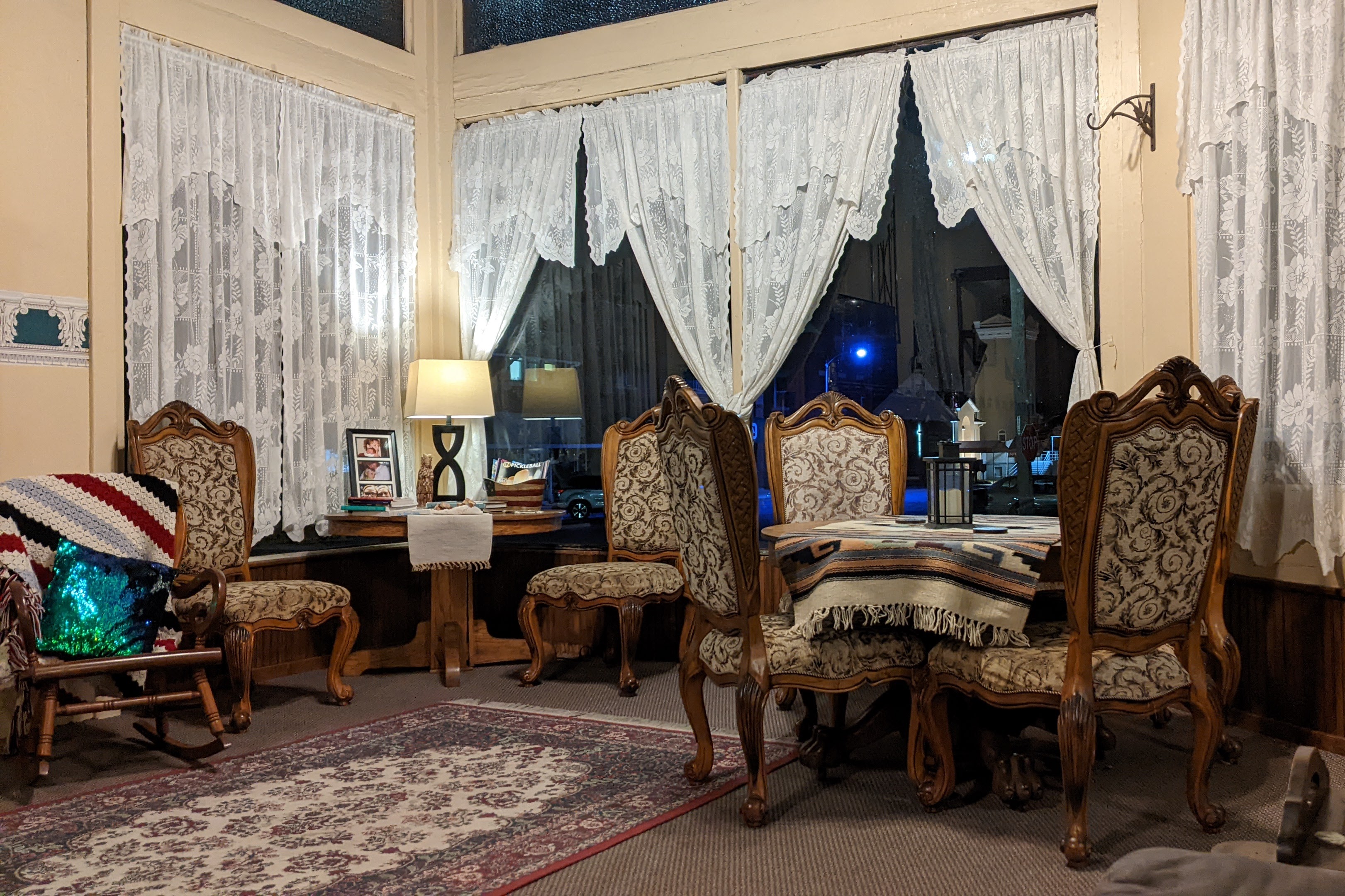
Our group spent that first night in Kansas at the Courtland Hotel and Day Spa. Situated in a building that dates to 1906, it was once a bustling laundry with a boarding house on its upper level. Proprietor Frank Adamson, a Fort Scott native, is only too happy

to offer insights into city history! He and his wife, a massage therapist, purchased the building as a location for her to open a day spa. They remodeled a portion of the main floor for the spa, with refurbished guest rooms on the second floor. Today, each room in the hotel is distinctive, filled with antiques and period decor to complement the architecture and honor the building’s history. A main floor lobby, office area and dining room retain the period charm of the past, and serve as a gathering spot where Adamson regales guests with stories of Fort Scott’s past.

A center of pre-Civil War turmoil between slavery proponents in nearby Missouri and local anti-slavery forces, this part of of the state was known as “Bleeding Kansas” until the end of the Civil War, even though Kansas entered the union as a free state in late January 1861, before the war began. As the U.S. Army’s district Headquarters, Fort Scott was a quartermaster supply depot, training center, and recruitment station.

At one time, it was a noted frontier city, one of the largest in eastern Kansas, and it rivaled Kansas City as a railroad center. All that now remains of that time is the original, restored Old Fort building, now relocated to the town square. But the stories that date to those times are fascinating, and visiting Fort Scott is like stepping back in time to a simpler era. Brick-paved streets, sturdy brick buildings, and stately period lamp posts reflect its history, but its people have their sights set on the future, and they’re doing their best to integrate the two.

We left Fort Scott and headed for Route 66 — The Mother Road. Only 13 miles of the unique highway traversed a corner of the state, but it’s impossible to escape the influence of the Route in this part of Kansas. Come along next Wednesday as we recreate a legendary road trip. We had great fun along the way and discovered more unique attractions in Southeast Kansas!

Kansas Part 2 — Comfort food and much more

I first met two of my traveling companions for this trip at the Kansas City Airport. We had arrived at approximately the same time from our starting points in Arkansas, Boston and Michigan. We did the only thing possible: we found a comfortable table in an airport eatery and proceeded to get to know one another until our host could pick us up.

After ordering coffees and ice water, we browsed a menu of mostly uninspired airport dining options. We did not know when we would rendezvous with our other four traveling companions, nor did we know exactly what our schedule had in store for later in the afternoon. However, we did know that we were destined for dinner at a barbecue restaurant in Fort Scott that evening. After some discussion, we decided to try the airport version of local barbecue. And we were pleasantly surprised! The three of us shared an order of barbecue pork sliders — one for each of us — ample small bites that were quite tasty.

If there’s a single universal impression of Kansas food, it’s probably of “comfort food,” and what’s more comforting to a Midwesterner than barbecue and fried chicken? More about that later.

Following an Uber ride and another round of introductions, our group was complete. We settled into our rental van for the drive from Kansas City to Fort Scott.

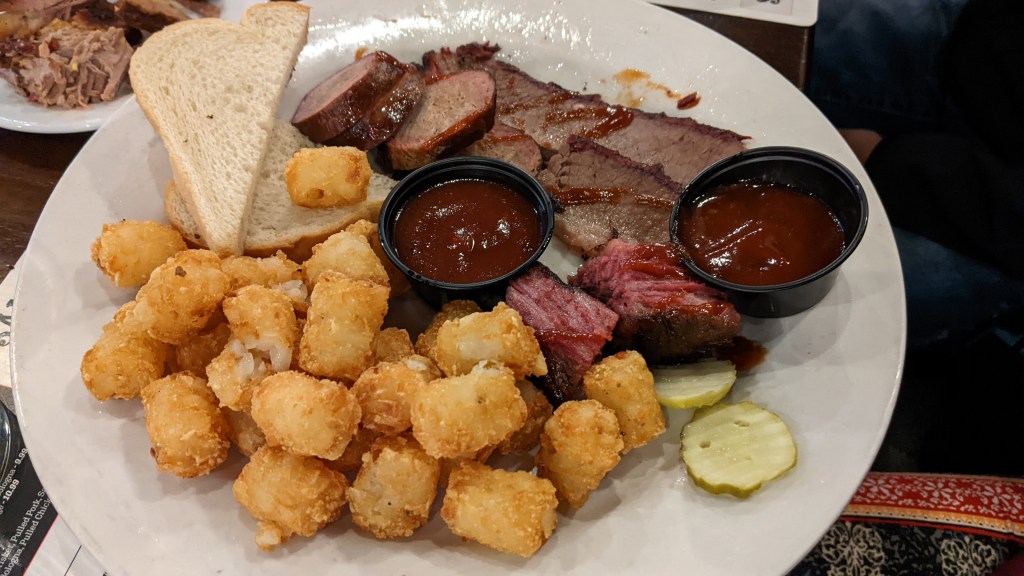
It was at dinner that first evening in Fort Scott that we were introduced to a great variety of barbecue options. The tagline on the menu at Luther’s BBQ, which opened in 2019 just prior to the pandemic, was “good food and plenty of it!” We were to find that could well be a statewide slogan.

The restaurant, housed in an historic brick building in the heart of Fort Scott, offered an extensive menu with much to sample — all simple food as it turned out. We enjoyed tasty deviled eggs and a variety of meats and cheeses — the best kind of finger foods, and delightful drink options, including a Bloody Mary that exceeded all expectations and was “write-home-about-good!”

Sadly, I must end my report about the meal we had at Luther’s, because a message on my computer lists the restaurant as “closed permanently.” I believe that Fort Scott residents were hoping it would be another success story in the city’s planned rejuvenation. Maybe it still will be. But, for now, the website is down, and the phone goes unanswered.

The only thing I regret? I didn’t get a “doggie bag” to take with me.

We spent the night at the historic Courtland Hotel in Fort Scott. My plate was full again the next morning with oversized breakfast burritos and specialty coffees from Common Ground Coffee Co., served picnic-style at the Lowell Milken Center for Unsung Heroes. It was another treat in the lineup of Kansas attractions that awaited our group.

The second full day in Kansas was jam-packed with new sights and experiences.

It began at the Milken Center and continued with a drive along the stretch of historic Route 66 that still runs through the state. Kansas, at least this portion of it, hasn’t changed visibly over the past several decades. In many ways, that’s comforting. You know what they say — “The more things change . . . ” Well, yes, much does remain the same.

But change is in the air and there’s a lot more to come!

Big Brutus

It sits today on the Kansas prairie like a kind of mechanical orange dinosaur, but this giant electric shovel was once an operating mining machine used to extract coal from shallow veins that run through surrounding farmland.  In 1963, the parts were shipped on 150 rail cars to be assembled on the site. The behemoth stands 16 stories tall and weighs in at 11 million pounds. Its boom alone is 150 feet long, and each dip of its shovel could hold enough material to fill three rail cars – the equivalent of 90 cubic yards or 150 tons.

Sadly, Big Brutus performed its duties only for 11 years. It was used to unearth shallow veins of coal at depths down to about 65 feet. Smaller equipment was then used to fully extract and move the coal. By 1974, the process was no longer economical, but Big Brutus was left in place, deemed too expensive to move.

It’s not the biggest shovel ever built; the record-holder was three times its size, but Big Brutus is the largest to survive. Donated by the Pittsburg & Midway Coal Mining Company, it forms the core of the mining museum that was established in 1985. In 2018, it was listed on the National Register of Historic Places.

Today, visitors to the site marvel not only at the size of Big Brutus, but also at its story. One could spend several hours to view all the exhibits and actual machinery displayed at the non-profit center. It tells the story of mining in this part of the world, and it is fascinating. It also provides a glimpse into what life was like in Kansas in times past.

It is awesome to stand next to the metal tracks that tower over my head, and know that those gears once moved this machine across the landscape, albeit at a snail’s pace. Visitors may climb up to sit in the cab of Big Brutus, pose for photos on its platforms or in its shovel, and see small-scale models of other mining equipment in action in the Visitor Center. The Visitor Center in West Mineral, Kansas, is open seven days a week, except for Thanksgiving and Christmas.  

It may be an unlikely destination for a family vacation, but it’s captivating, to say the least! The truth is that Big Brutus is equally impressive for adults as for children!

Big Brutus was only one of the destinations that I visited recently on a three-day press trip through southeast Kansas. Read more of my stories and impressions in the coming days. As those of us on the trip agreed, “There’s a lot of Kansas in Kansas.”