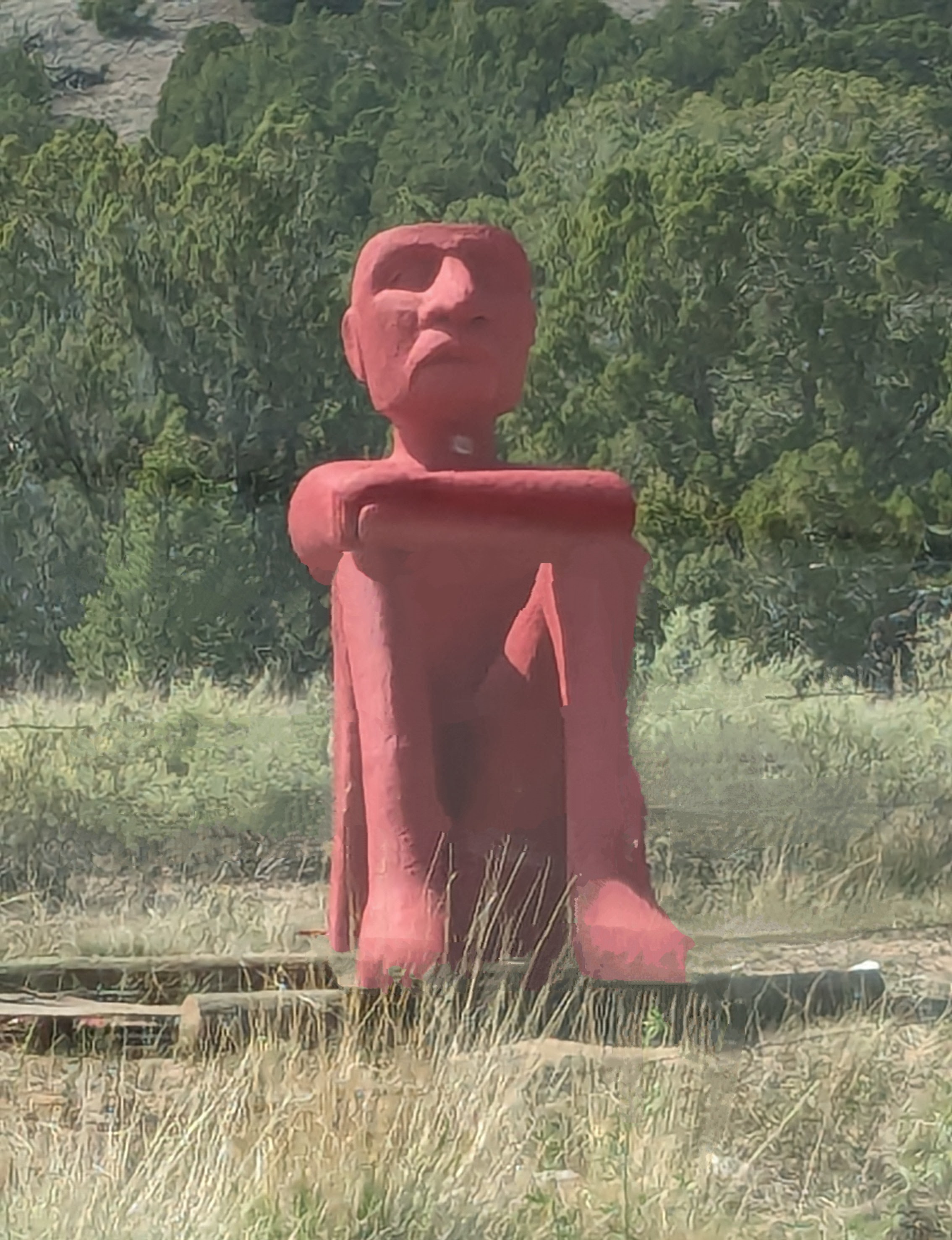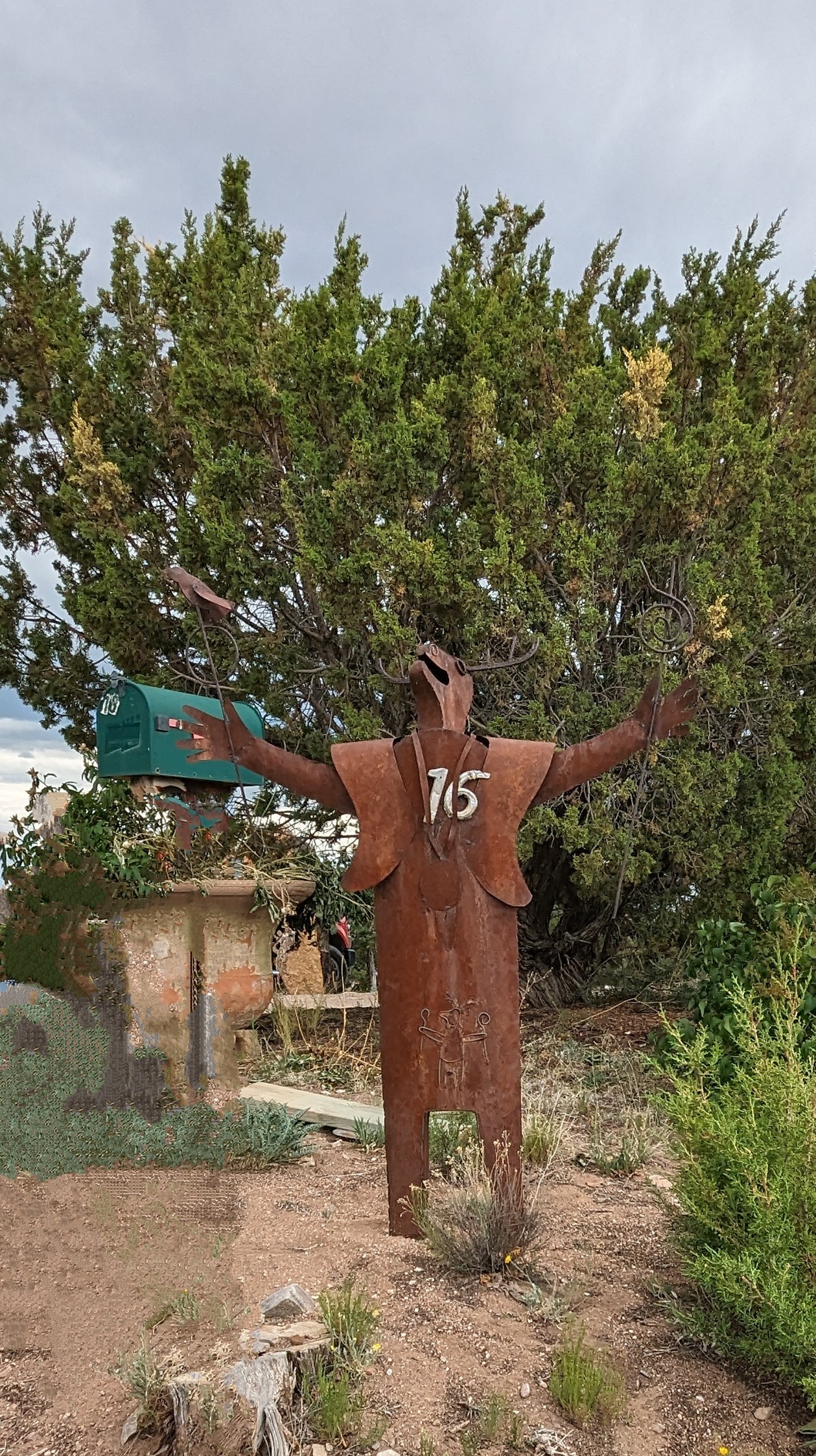
Santa Fe: Getting to Know The City Different

It has been more than a decade since I lived in Santa Fe. But it’s a city one cannot easily forget. In many ways, it’s a city that I will always miss. I fell in love with Santa Fe the first time I visited, about 1975, and I still cherish the years that I lived and worked there.  

Long described by both residents and visitors as “The City Different,” Santa Fe was known by its earliest inhabitants as “The Dancing Ground of the Sun.” Those of us who arrived to become new residents when it was still a relatively small town were attracted by its culture, its lifestyle, the spectacular sunsets, and the people. We were mesmerized by the changing seasons, the landscape, the diversity, and by city’s traditions and timeless quality. We hoped it would remain so forever.

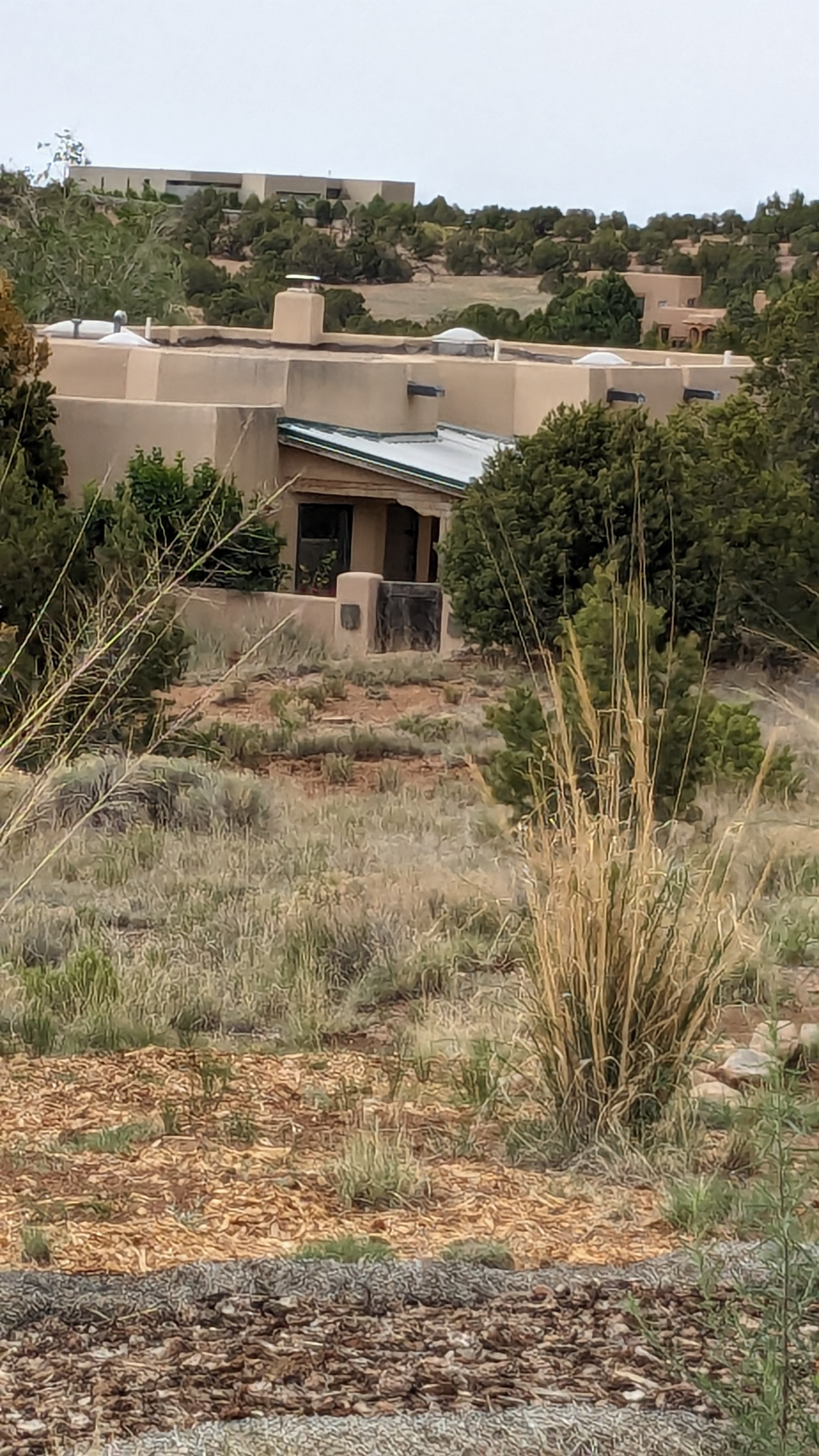
But change is inevitable, and Santa Fe’s growth and growing popularity prompted many changes, some of them good and some not so well received. Over a span of nearly 20 years, the population grew by more than 20,000, with new residents from every state and many other countries. No longer was it a quaint New Mexico town with a predominantly Hispanic and Native American population. It became much more cosmopolitan, and more complex.

Prices increased, of course, not only for housing, but for all goods and services. New businesses opened, and new philosophies of growth, development, and government were born. Tourism thrived, and Santa Fe became an increasingly popular destination. Some “old-timers” feared then that Santa Fe would lose its appeal and become “not so different” from other prominent tourist destinations around the world.

Change and Growth Are Not Always Negative

Recently, my husband and I revisited Santa Fe. Our time was limited, but we made the most of the opportunity to see old friends, neighbors and business associates. We found, happily, that Santa Fe’s charm has not been diminished. The opposite is true.
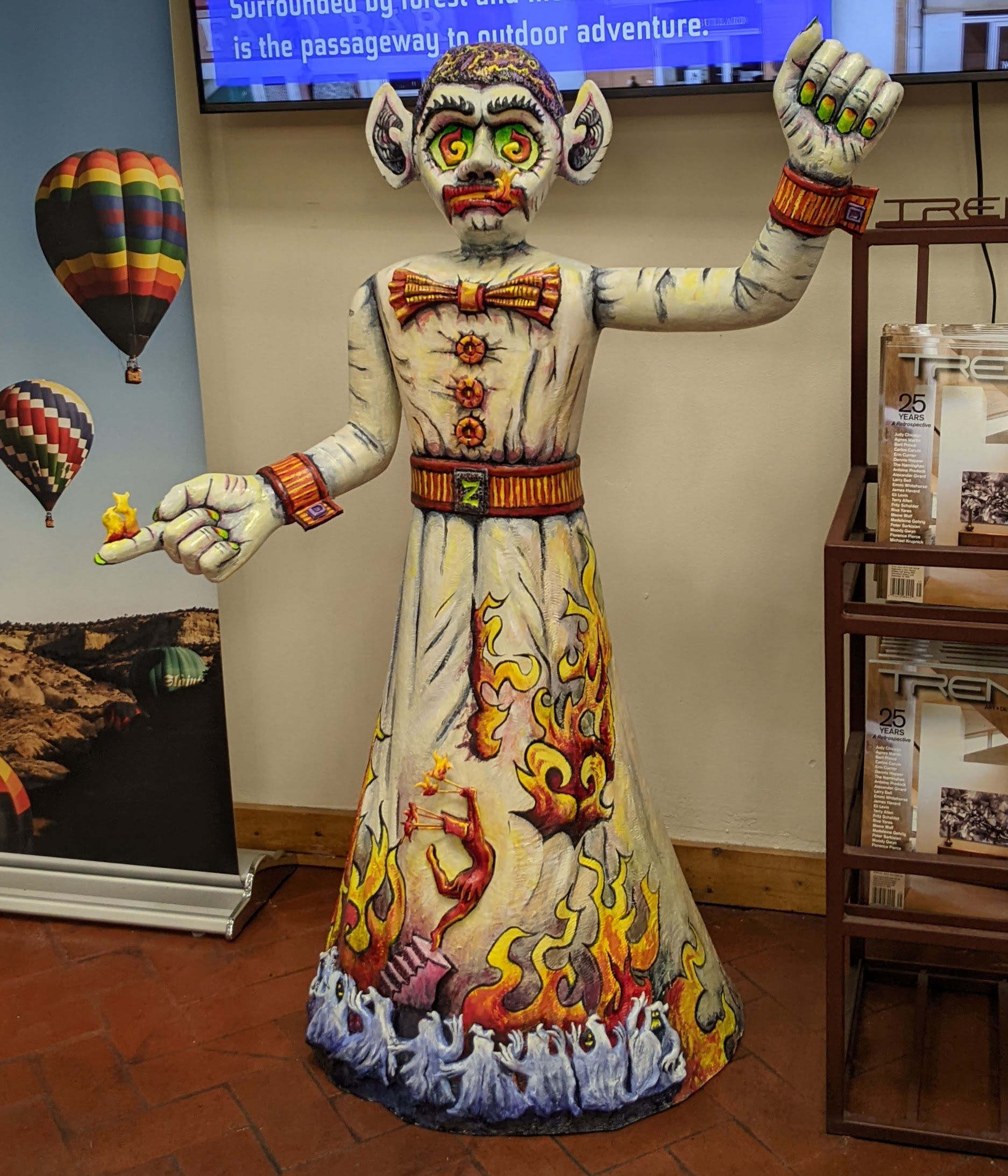
Surprises still exist seemingly around every corner. Some of our favorite restaurants and old “haunts” have disappeared, but many are still there. New ones have opened and become popular, adding a new dimension. Annual celebrations and the festivals that we loved so much are still on the calendar — Summer’s Wine and Chile Festival, the traditional Spanish and Indian Markets, and the annual burning of Zozobra. This year marked the 72nd year of Spanish Market in July, and more than 1,000 artists from 200 tribes were featured at the 102nd Indian Market, held mid-August. But now, there are festivals and markets year round. The Holiday Folk Art Market complements summer’s International Folk Art Market, and popular Artists Markets are held near the Railyard Saturdays from May through December.

We found a large and lively market with fresh vegetables and crafts, much to our delight, when we visited, and our friends touted the appeal of new galleries, Meow Wolf, local pubs and breweries, and additional public art installations.

Historic buildings, parks, galleries, and art dominate the Santa Fe scene. New streets and highways make it easier to get around — and to get lost. We thought it would be easy to revisit our favorite places. Time and memory seem to have altered our perceptions. We found it difficult at times to even navigate to the addresses we once called home.

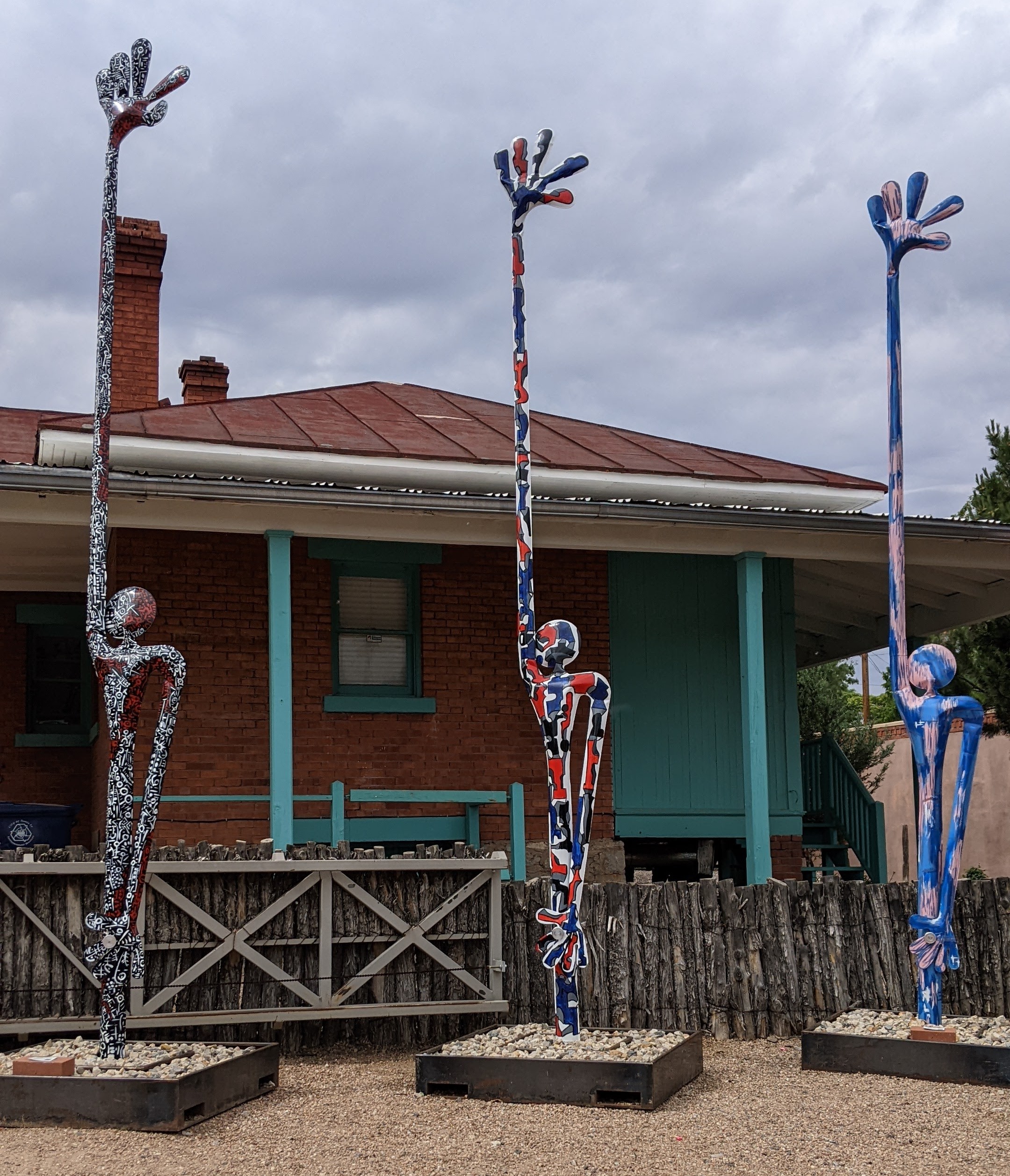
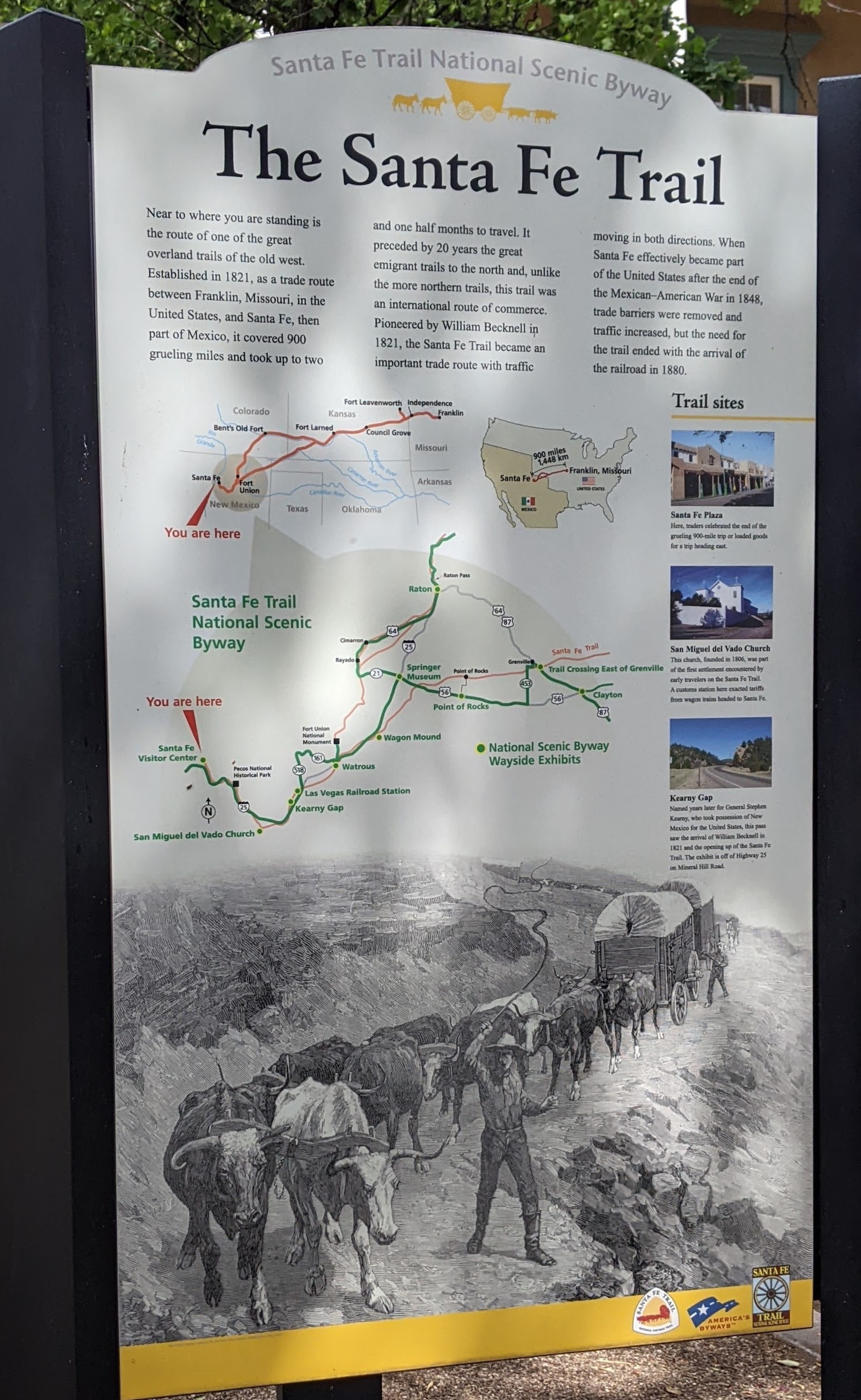
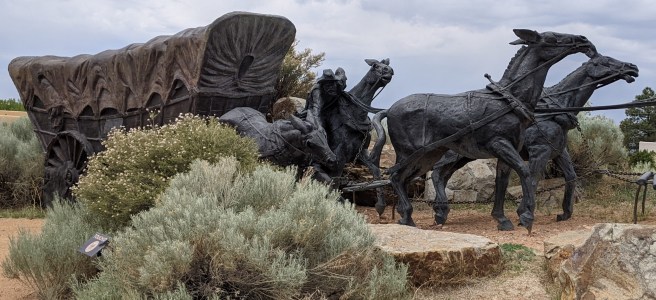
Santa Fe still proclaims itself The City Different and it remains unlike most other vacation destinations. There is a special vibe that’s difficult to resist, with much to see, do and learn in and around Santa Fe. Three historic travel routes converge in the city. It’s the end of the 900-mile Santa Fe Trail that began in Missouri and traversed the Great Plains, allowing goods and settlers to move westward. The pre-1937 Route 66 ran through Santa Fe on its path from Chicago to California, and the 1,600 mile route linking Mexico City, Spain’s colonial capital at the time, to its northern outpost at Santa Fe, was designated as an historic trail — El Camino Real de Tierra Adentro — by the U.S. National Park Service in 2000.

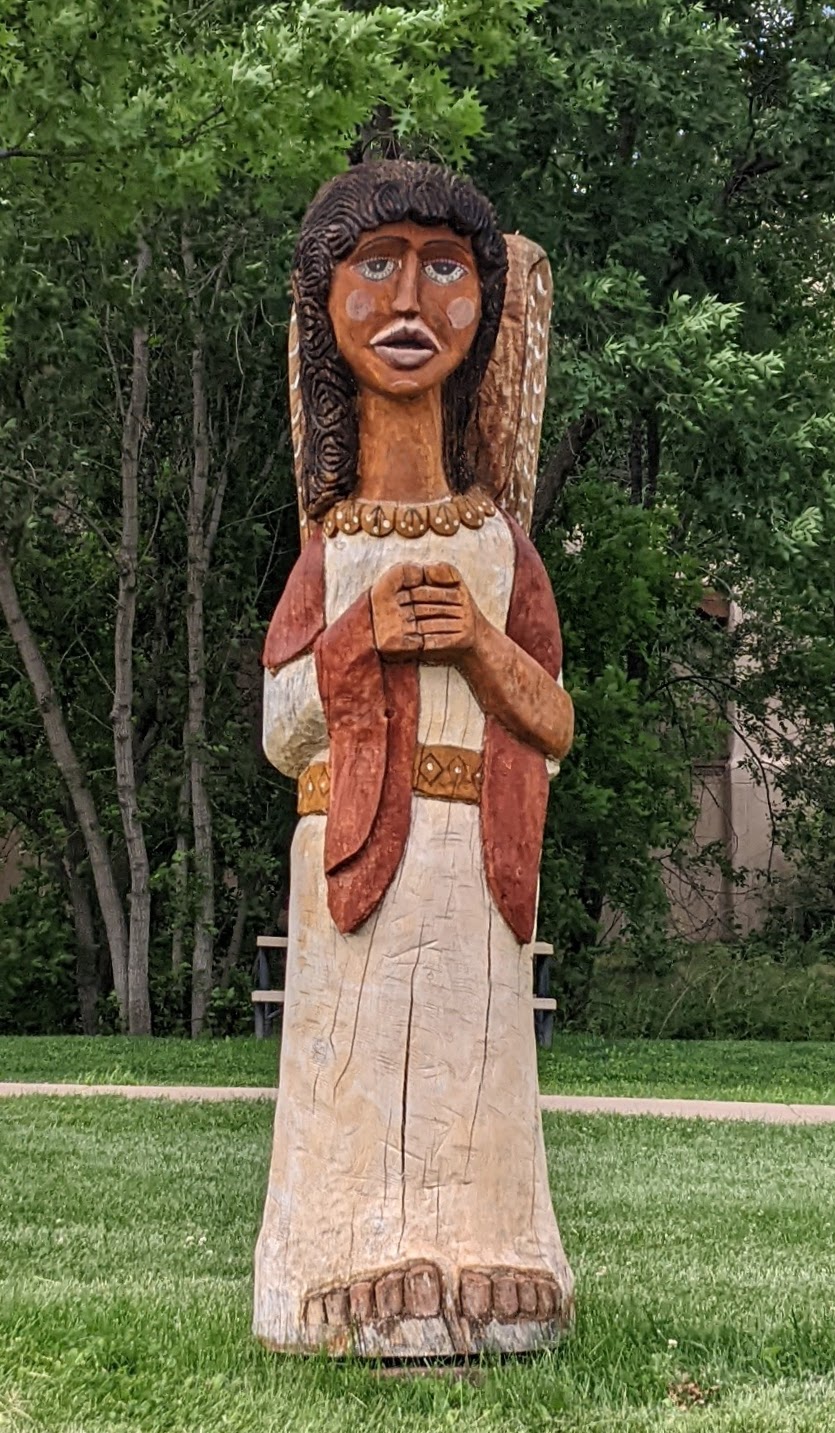
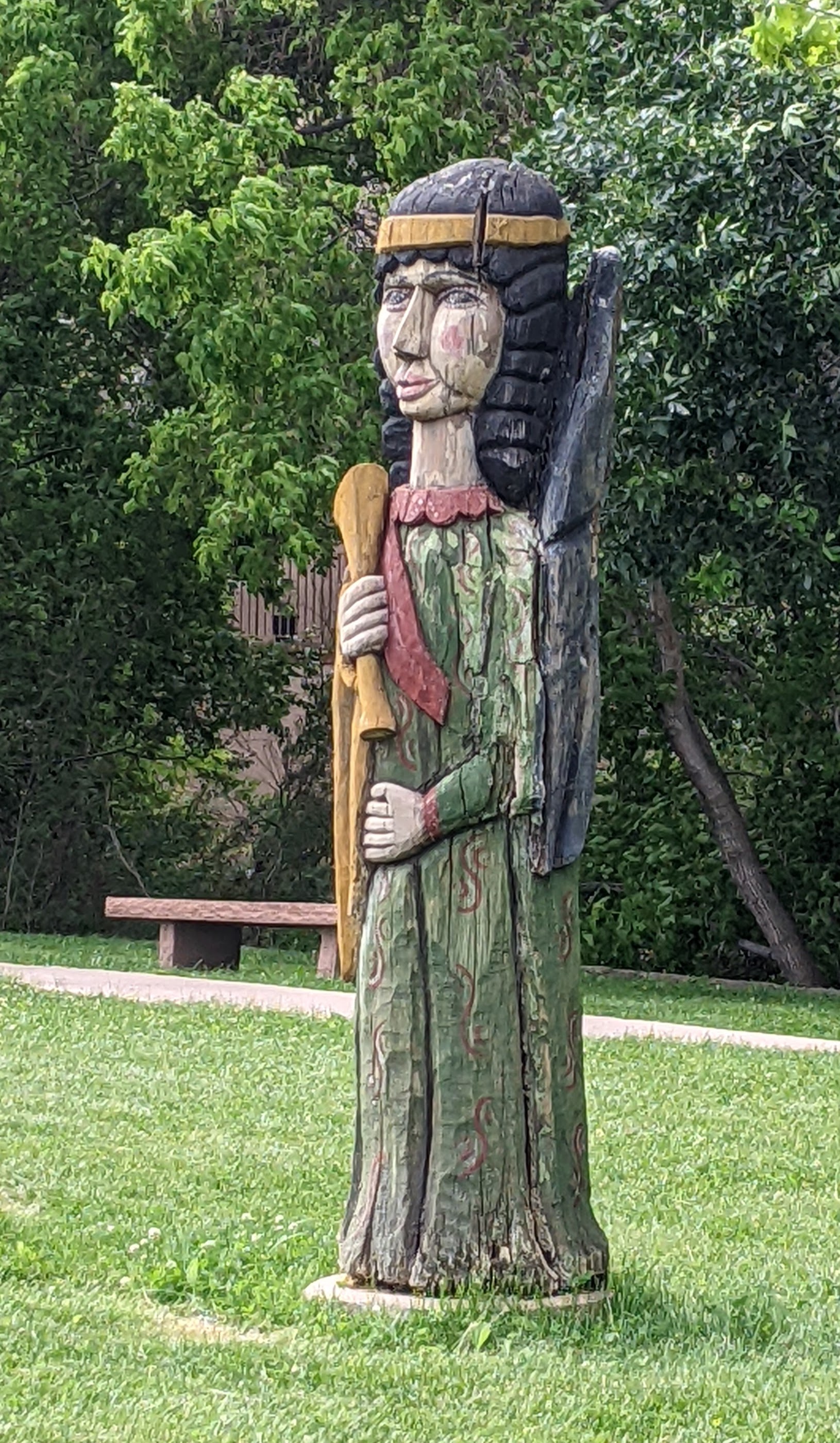
The city resonates with history, art that is sometimes quirky, and charm, and you’ll find wonderful food and a distinctive cultural experience no matter what time of year you visit the city.

What to Do in and Around Santa Fe

Whether you go to Santa Fe for two days or two weeks, there’s plenty to keep you busy.

Visit museums and art galleries, weekend markets, downtown shops and the stunning open-air Opera House just outside of town. Savor local food specialties. Talk with shopkeepers, artists, bartenders and street vendors. Purchase art and jewelry from galleries or directly from artist studios. Talk with the artists and artisans who sell their creations from the portal at the Palace of the Governors. Attend a service at the Cathedral, or step inside the 400-year-old San Miguel Chapel, known as “the oldest church.” Visit the Georgia O’Keefe Museum. Explore Santa Fe’s distinctive neighborhoods.

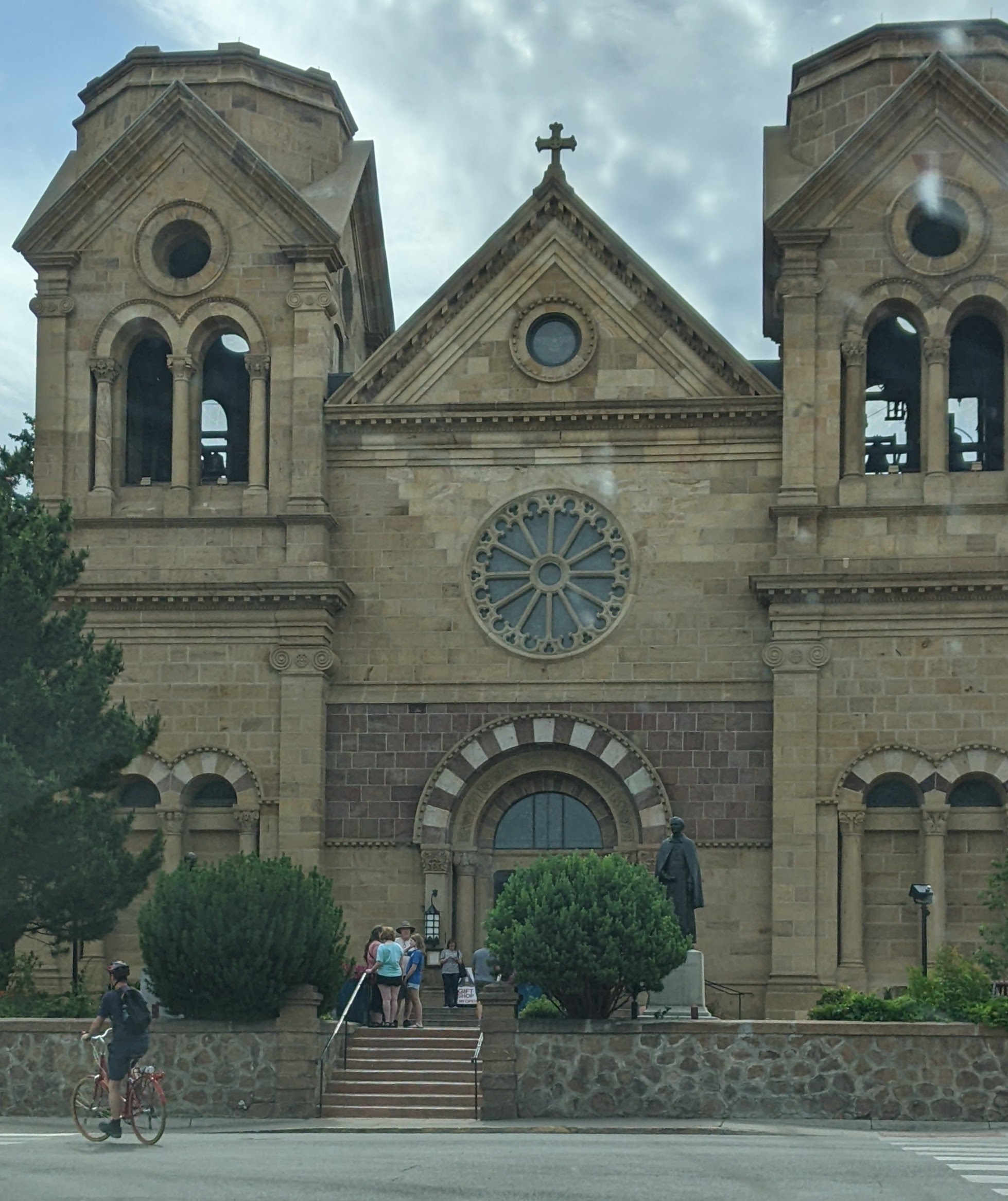
Stroll the Plaza and Canyon Road. Be awed by the imposing Cathedral Basilica of St. Francis of Assisi and the impressive and mysterious staircase at Loretto Chapel. Have a drink or a meal at the sprawling Hotel La Fonda, which is conveniently located at one corner of the city’s downtown Plaza. Embrace the weather, the sights, the history, Pueblo and Territorial architecture, the scents of pinon or roasting chiles in season. Bask in the natural beauty of the site and breathe fresh mountain air.

Take the “white knuckle” drive up the winding road to the Ski Basin. Nearby Chimayo, Los Alamos, La Cienega, Las Vegas (yes, New Mexico), and Madrid are worth a day trip. See ancient pueblo cliff dwellings at Bandelier National Monument or go fishing at Cochiti Lake or along the Rio Chama. Hike the Sangre de Cristo or Jemez Mountains in the summer. Ski or snowmobile on mountain trails in the winter.

Learn about Santa Fe’s history, and visit a nearby Pueblo, especially if there’s a celebration or special ceremony scheduled. Most welcome visitors, but be respectful of their customs and regulations. Schedule a spa treatment or soak under the stars in a hot tub at 10,000 Waves. Sample street food or pub fare. Enjoy it all. Santa Fe is unique in any season.

Next week I’ll write more about where to stay, where to “play” and where and what to eat while in The City Different. Follow me to receive timely email notifications about future posts.

Getting to Santa Fe

Despite its popularity as a tourist destination, getting to Santa Fe, and getting around the city once you’re there, can be problematic. Public transportation is, for all practical purposes, non-existent. Unless you stay in the heart of the city, you will want a car.

You can fly into Santa Fe; there are direct flights from Houston, Denver, Phoenix, and Dallas. If you fly into Albuquerque, you can rent a car there — it’s an easy drive to Santa Fe and will take little more than an hour. There’s a train that runs between the cities, and it’s an interesting ride, but it’s better as an excursion than as a comfortable, reliable way to arrive in the city for vacation.

Finally, most tourism guides will warn you that lodging and meals are expensive in Santa Fe. And they can be. But more modest accommodations are available, including B&B’s or private “casitas,” and it can be worth the effort to search them out. Also, be sure to ask for dining recommendations from shopkeepers or guides. Savor delightful breakfast places and long-established local favorites for distinctive dishes and ethnic specialties. Learn what “Christmas” means when asked how you want your burritos served.

Santa Fe Today

Santa Fe has become a cosmopolitan city with an estimated 2024 population of just under 90,000, but its soul is still “small town,” rooted in the traditions of its more than 400-year history. It was originally established in 1610 as the capital of Nuevo Mexico, a province of New Spain. That was 13 years before Plymouth Colony in Massachusetts was settled by pilgrims who arrived on the Mayflower. Its history, however, began long before that.

Santa Fe boasts not only the oldest public building in the United States, the Palace of the Governors, but also the oldest community festival, first celebrated in 1712 to commemorate the Spanish reconquest of New Mexico in 1692. This year’s Fiesta de Santa Fe is scheduled August 31 through September 11. The city was built on the ruins of an earlier Indian Pueblo, and it’s not only the earliest European settlement west of the Mississippi but also the oldest state capital in the United States.

Want information about things to do in Santa Fe? Here are some specific suggestions, whether your interests are primarily arts and culture, outdoor activities, foodie experiences, or shopping. You might also want to order a copy of the Official Visitors Guide to help plan your trip. And when you’re in town, stop by TOURISM Santa Fe, located downtown at 201 W. Marcy St., for the best up-to-date information about local special events and exhibitions.
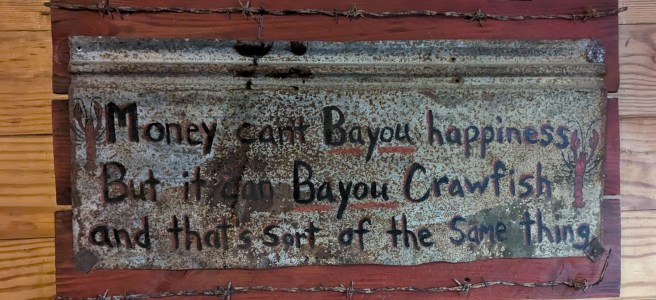
Alexandria Adventure: Savor the Flavor of Cajun Country

Daylight lasts longer in the summer and weather is typically more predictable, even if it’s predictably hot. Close-to-home day trips or spur-of-the-moment, loosely-organized one or two-night excursions, are a welcome treat. Getting away, particularly to someplace new just seems easier, not to mention more fun. The goal, of course, is to choose a destination that promises captivating sights, provocative activities, stimulating people, and, of course, a local food adventure.

My husband and I found all that and more just a few hours from our home. Our destination — Alexandria, Louisiana — is a relatively small city in a state just to the south of Arkansas. We planned our route along a scenic highway. No interstates to navigate. Minimum traffic to contend with. As much as we enjoy road trips, we wanted this drive to be easy. The bonus? Close friends had recently relocated to Alexandria from our community in Arkansas. We missed them. After helping them pack boxes before their departure, we wanted to see them settling into their new home. We were curious.

Although we were happy to accept the offer of a guest room, we stipulated only hot coffee in the morning. We wanted to sample local eateries, and requested no homemade meals.

Finding Distinctive Local Food

Our first impression, as we drove into town, was positive, but our first decision involved food. We had skipped breakfast that morning, opting instead for take-along coffee and a relatively early start to our journey. When we arrived, we were ready to quell our growing hunger pangs, so the priority became food over friendship.

A quick online search yielded a convenient address and favorable customer reviews.

Spirits Food & Friends

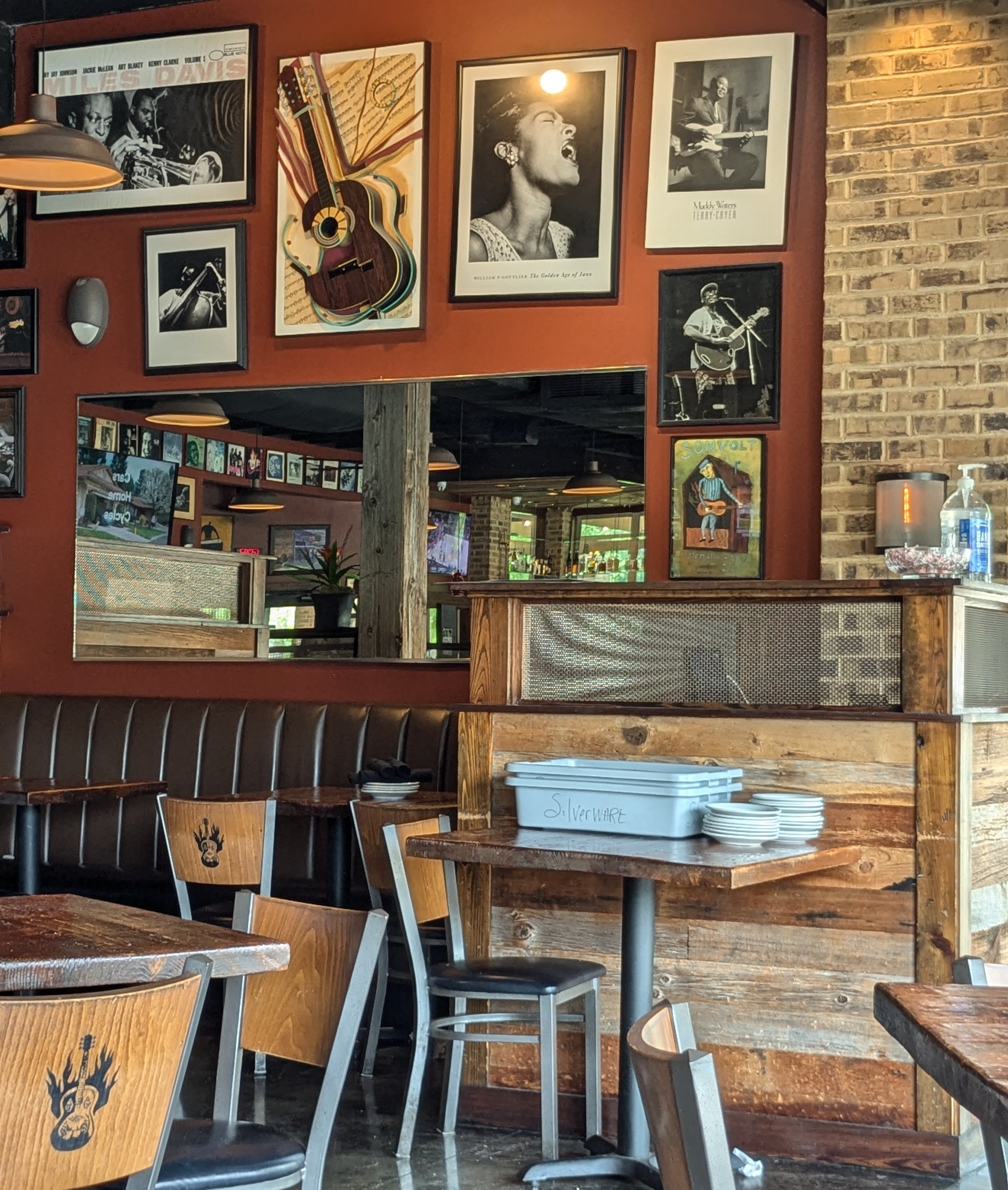
The dining area was far from filled in the early afternoon, but our initial impressions of Alexandria were boosted immeasurably by the “look and feel” of this eatery. Other diners seemed to be having a good time. An amiable and informative waiter greeted us warmly and seated us promptly.

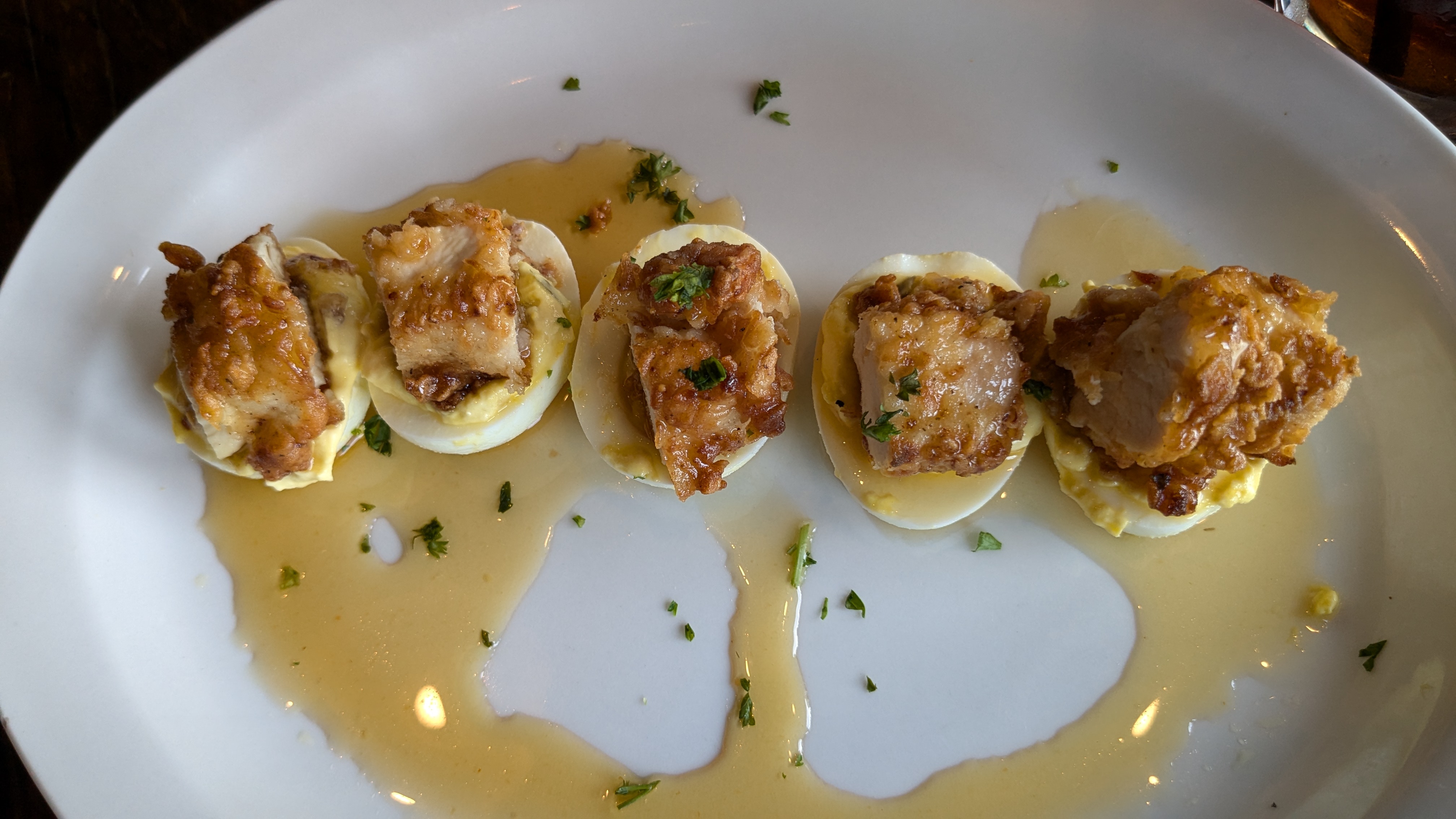
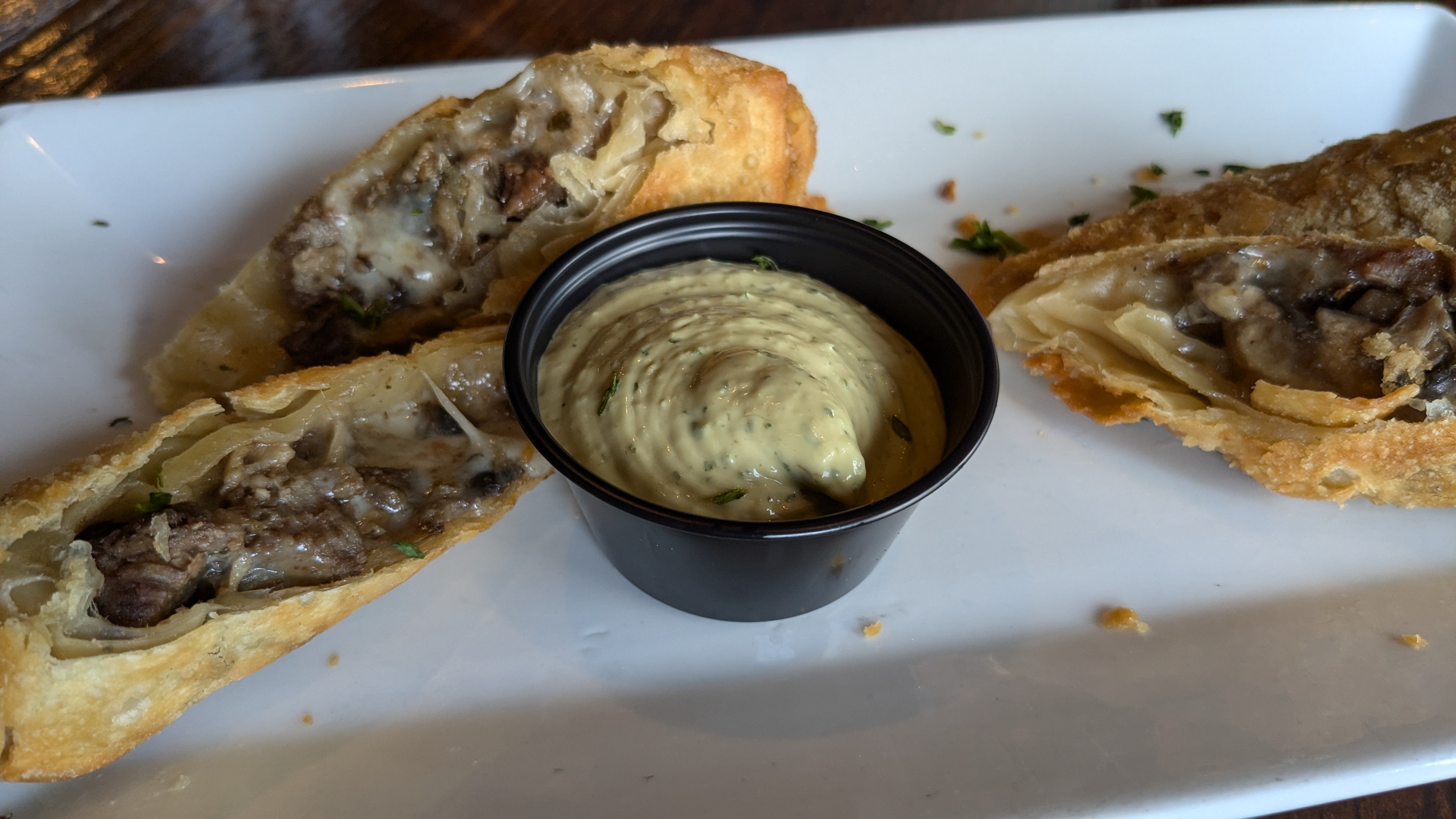
We chose not to order a complete meal, but instead selected appetizers to share from the extensive menu. An order of “Which Came First” Deviled Eggs, topped with fried chicken bites, bacon jam and sweet chili sauce, combined both breakfast and lunch in a unique way, and unusually good Philly Cheesesteak Eggrolls with creamy avocado ranch dressing more than satisfied our hunger.

Our server kept our glasses of iced tea and lemonade full, and he answered all our questions about things to do and places to go in the city. We chatted about the history and growth of the “family-owned, Alexandria-grown” establishment.

We were captivated by our first taste of local food and hospitality and more than pleased with our choices. We also asked for suggestions about where to dine that evening, and were treated to a “mini-course” in local culture and history.

Our visit to Alexandria was off to a great start. We were beginning to understand the reasons our friends had chosen this city on the banks of the Red River as their new home. Cajun food and culture are certainly part of the appeal. But, as we discovered, there’s much more to savor about Alexandria.

The Cottage

Another day — another lunch. The Cottage proved to be another delightful surprise.

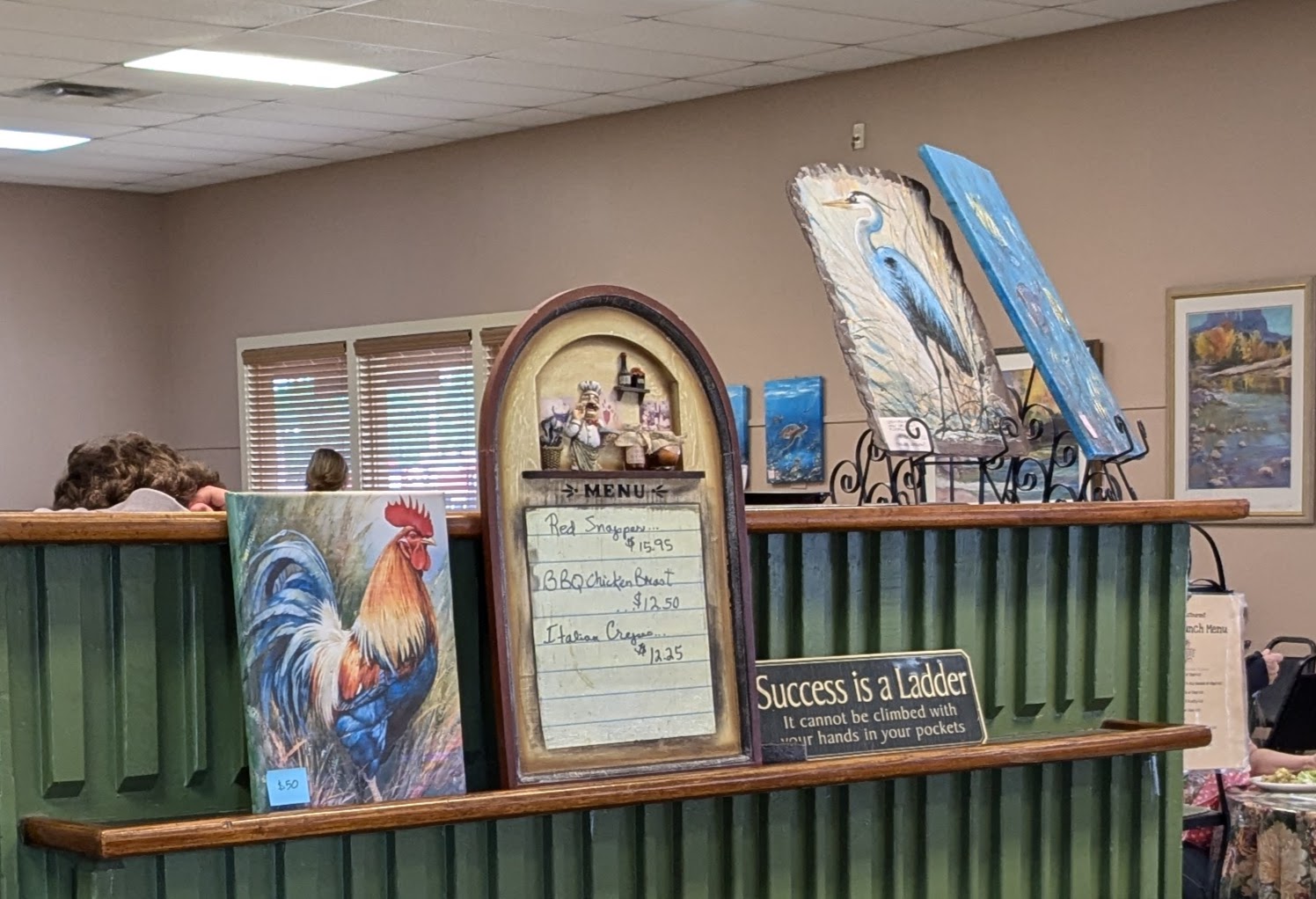
Renowned for its specialty cream of shrimp soup available in sizes from a “demi” cup to a large bowl, The Cottage features daily luncheon specials. Although the compact lunch-only spot looks somewhat like a ladies’ tea room, its clientele runs the gamut from suited businessmen to golfing foursomes to families with children. Personalized service is one key to its popularity, but the food lives up to the reputation it has built. Dishes are full of fresh flavor and served with flair.

Just one note of caution. A special of fresh fish with spinach salad and cottage potatoes had been listed online at a price substantially lower than the price that was charged. We noted the discrepancy with great surprise when the bill was presented. Although restaurant staff honored the lower (and incorrect) online price, it is probably always a good idea to confirm special prices before ordering.

Beer and wine are available, but the specialty almond iced tea was exceptional. We didn’t try any of the homemade dessert offerings, but I’m willing to bet they’re wonderful as well. Next time, I’ll have a hard time deciding between a Strawberry Crepe and the P-Nutty Oreo Pie.

Know that The Cottage is only open from 11 a.m. to 2 p.m. Monday through Saturday. Would we return? Absolutely!

Tunk’s Cypress Inn

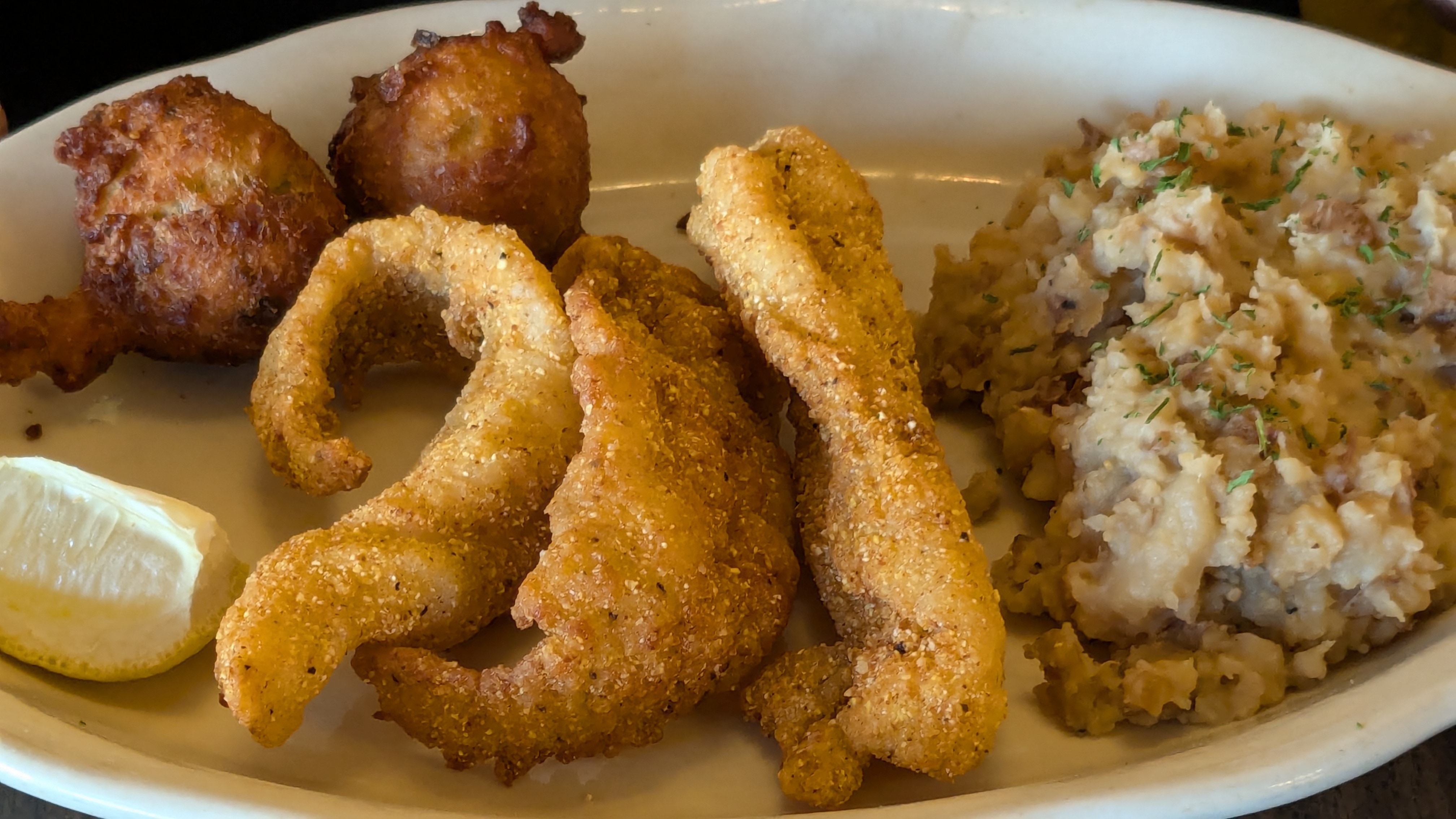
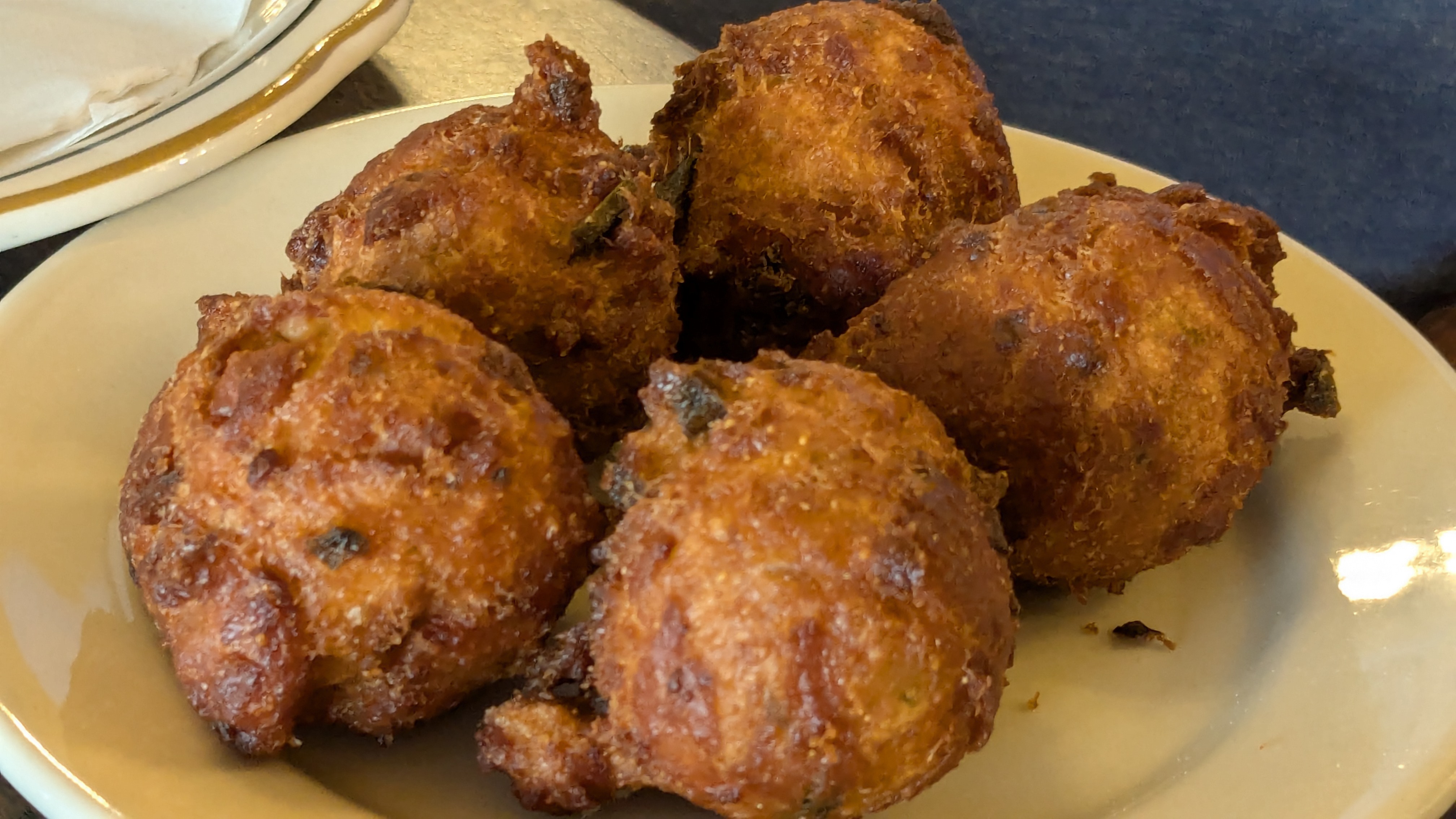
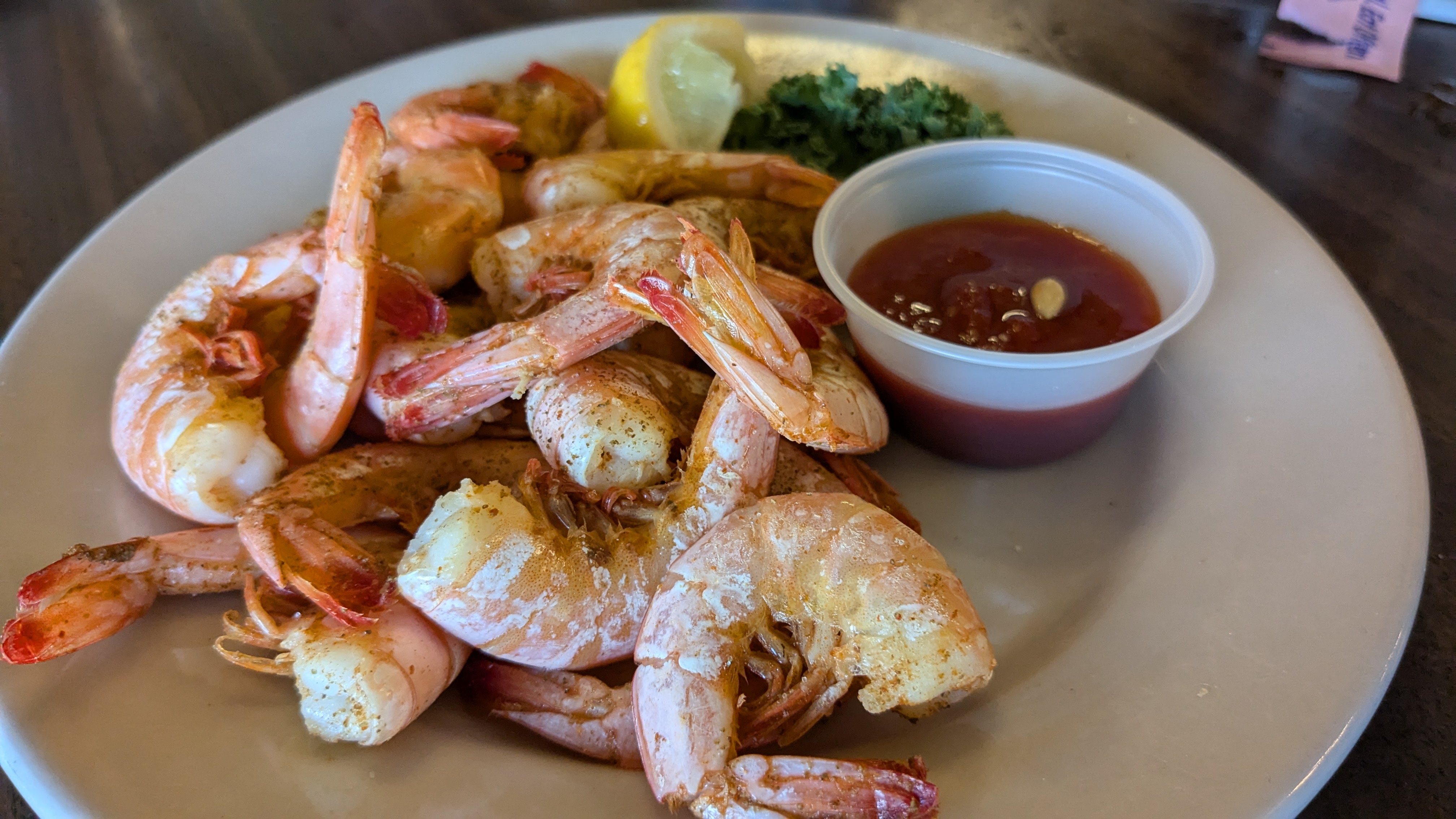
It would be worth visiting Tunk’s Cypress Inn & Oyster Bar just to sit on the deck with a cool drink while gazing at the serene view. However, to miss the food would be almost criminal. The Oyster Bar, right at water level, even features a choice of Po-boys as a Thursday night special. We missed that, but what we had — shrimp-topped fried green tomatoes with basil pesto cream sauce, boiled shrimp, fried catfish, seafood gumbo, and hush puppies — more than compensated for any disappointment we felt about missing the Poboy Special.

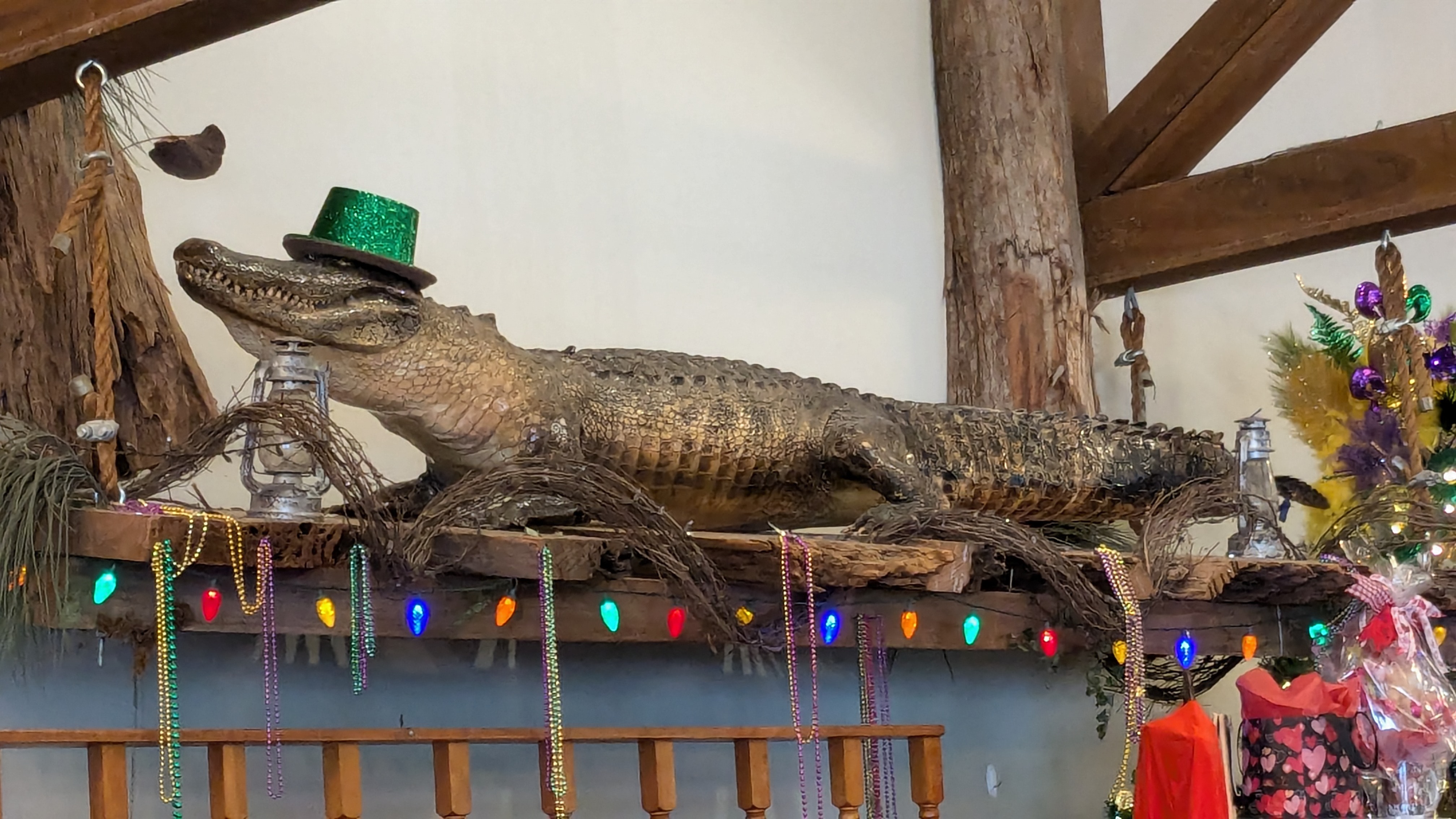
In case you’re wondering, the alligator, dressed in Mardi Gras finery, oversees the dining room on a perch adjacent to a pine tree trimmed in traditional purple, green and gold. And “the good times roll” here, we’re sure, all year long.

Mardi Gras colors, along with beads and memorabilia, are not necessarily limited to Tunk’s. You’ll find reminders of the “good times” throughout Alexandria. It’s part of Louisiana’s mystique, along with Cajun and Creole food and music.

Rosie Jo’s

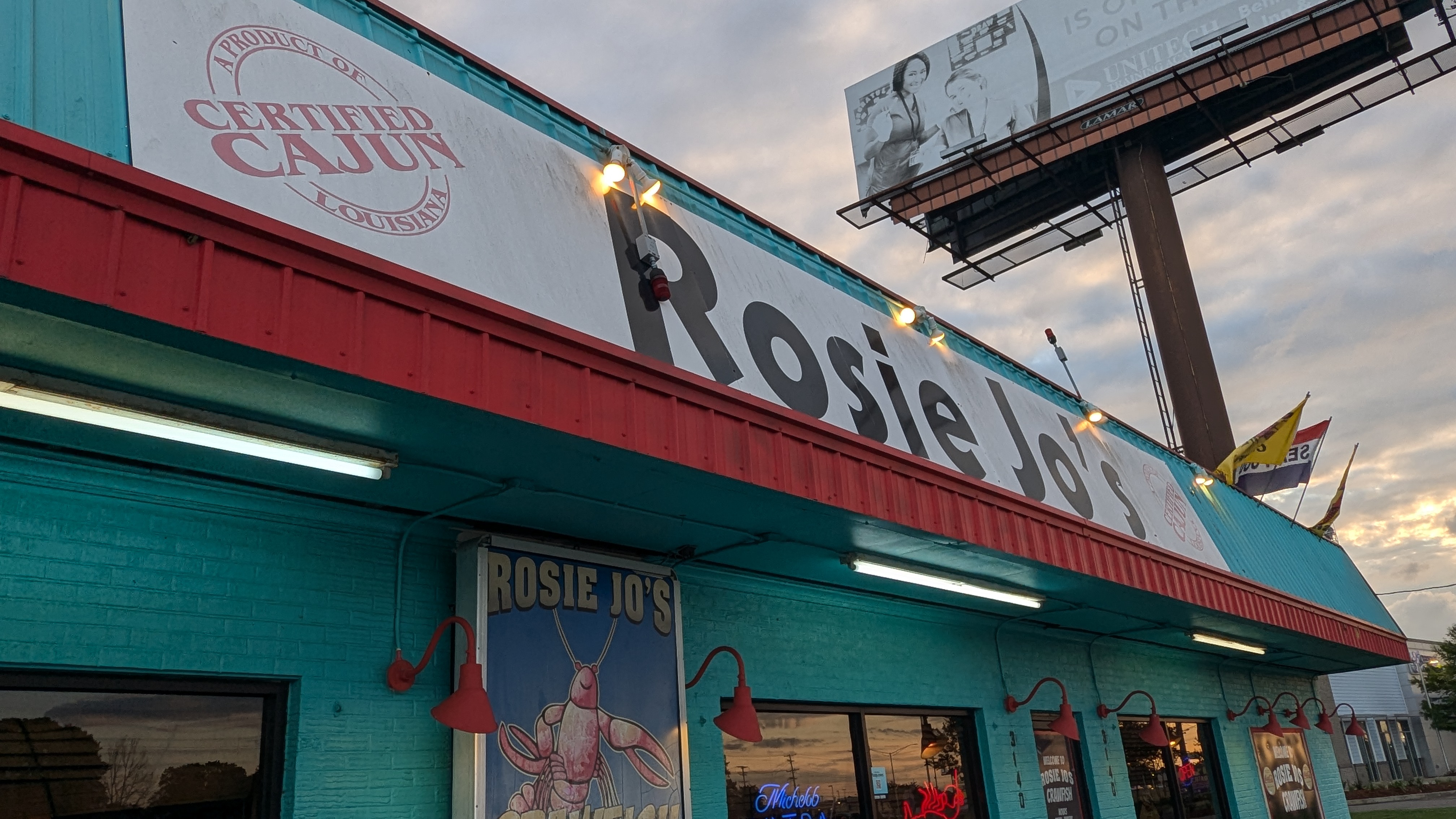
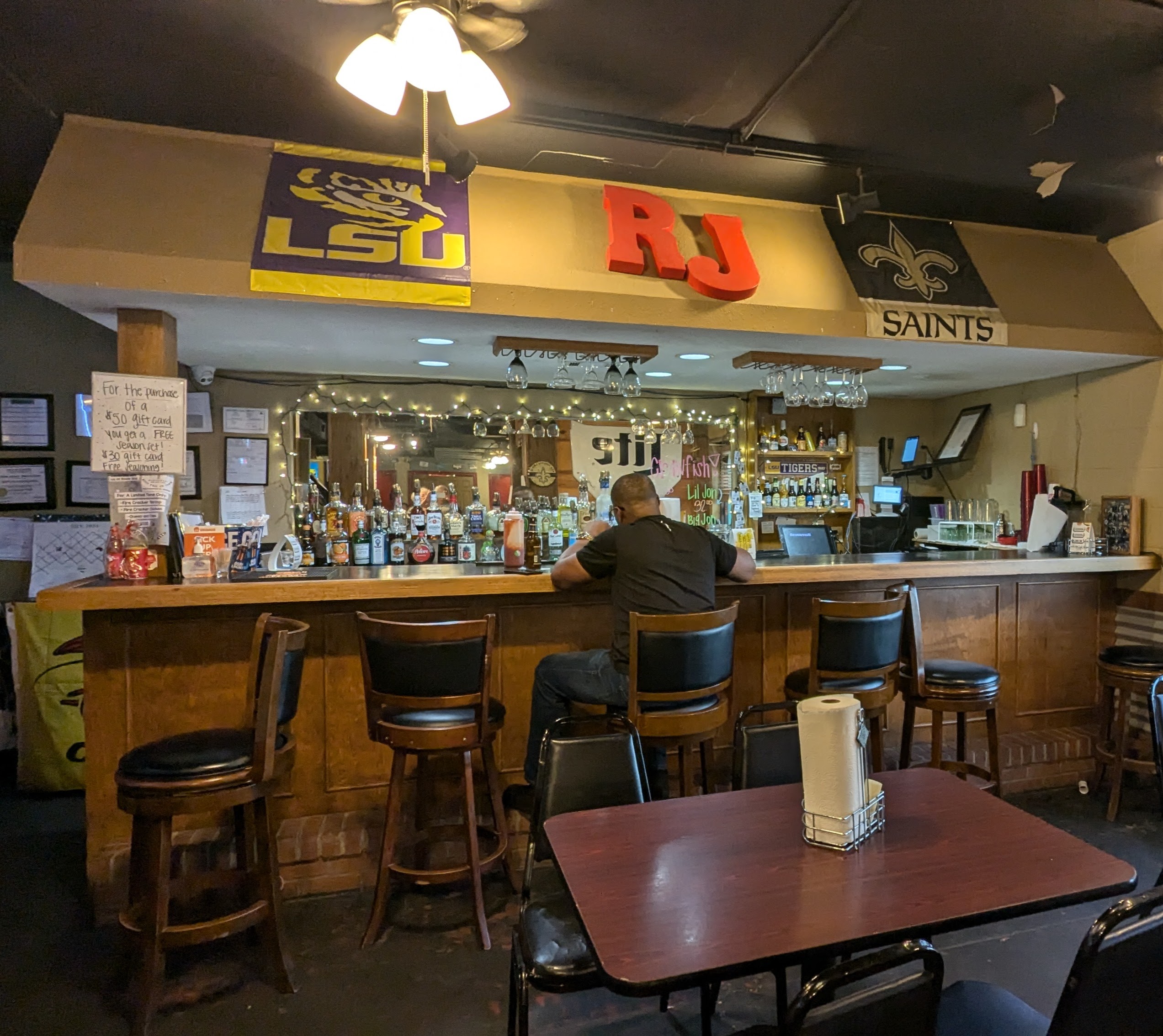
Rosie Jo’s looks like a roadside diner from the outside, and the interior has some of the ambience of an after work watering hole, or a late night honky-tonk. But don’t let that keep you from going. It’s hip, friendly, busy, and fun. And the food — everything we ordered — was well-prepared, hot, and delicious. Service was on point, as well. So, for the pure fun of it, as well as the quality, we heartily add our names to the list of local recommendations we received about Rosie Jo’s.

We visited Rosie Jo’s during crawfish season and and, even though we didn’t order a bucket to share, plenty of other diners did! As I looked around, I realized that not many crawfish go uneaten! If you go, you might want to time your visit so that you can have the experience!

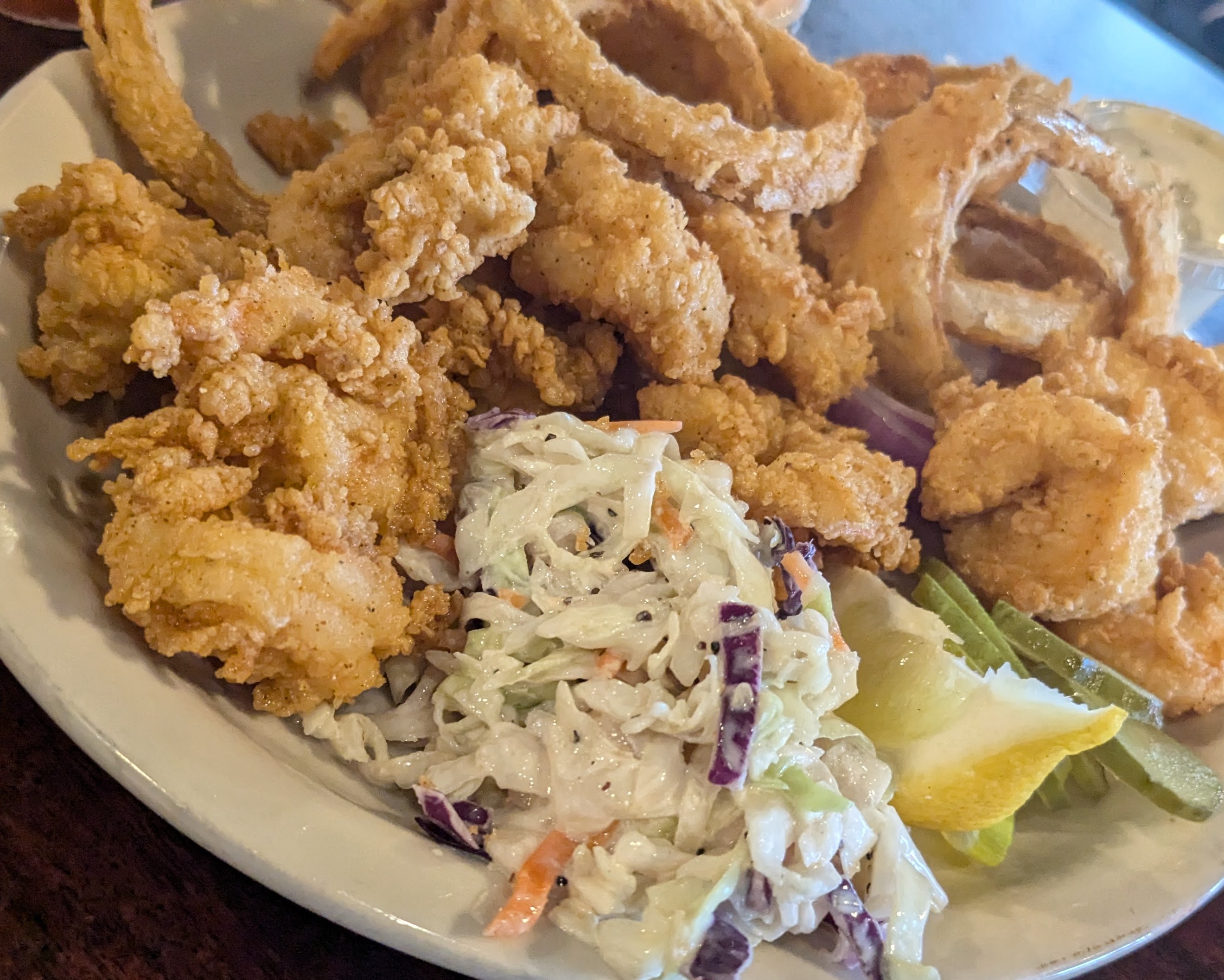
We thoroughly enjoyed what we did order. I’m not sure I wouldn’t choose the hearty Shrimp and Grits again, but it’s a large order, suitable for sharing. Others in our group chose Fried Shrimp, complete with onion rings and coleslaw, and Pistolettes, fried pockets of dough stuffed with boudin and covered in shrimp etouffee.

Needless to say, samples all around were willingly shared.

Even though the city lies to the north of what is considered “Cajun Country,” there’s plenty of good Cajun food to be found. Over the course of the next two days, we sought recommendations from everyone we met and were rewarded with a list of options that would satisfy even the most discerning diners. There are fine, upscale restaurants as well. And we understand that food booths and food trucks are there for the festivals.

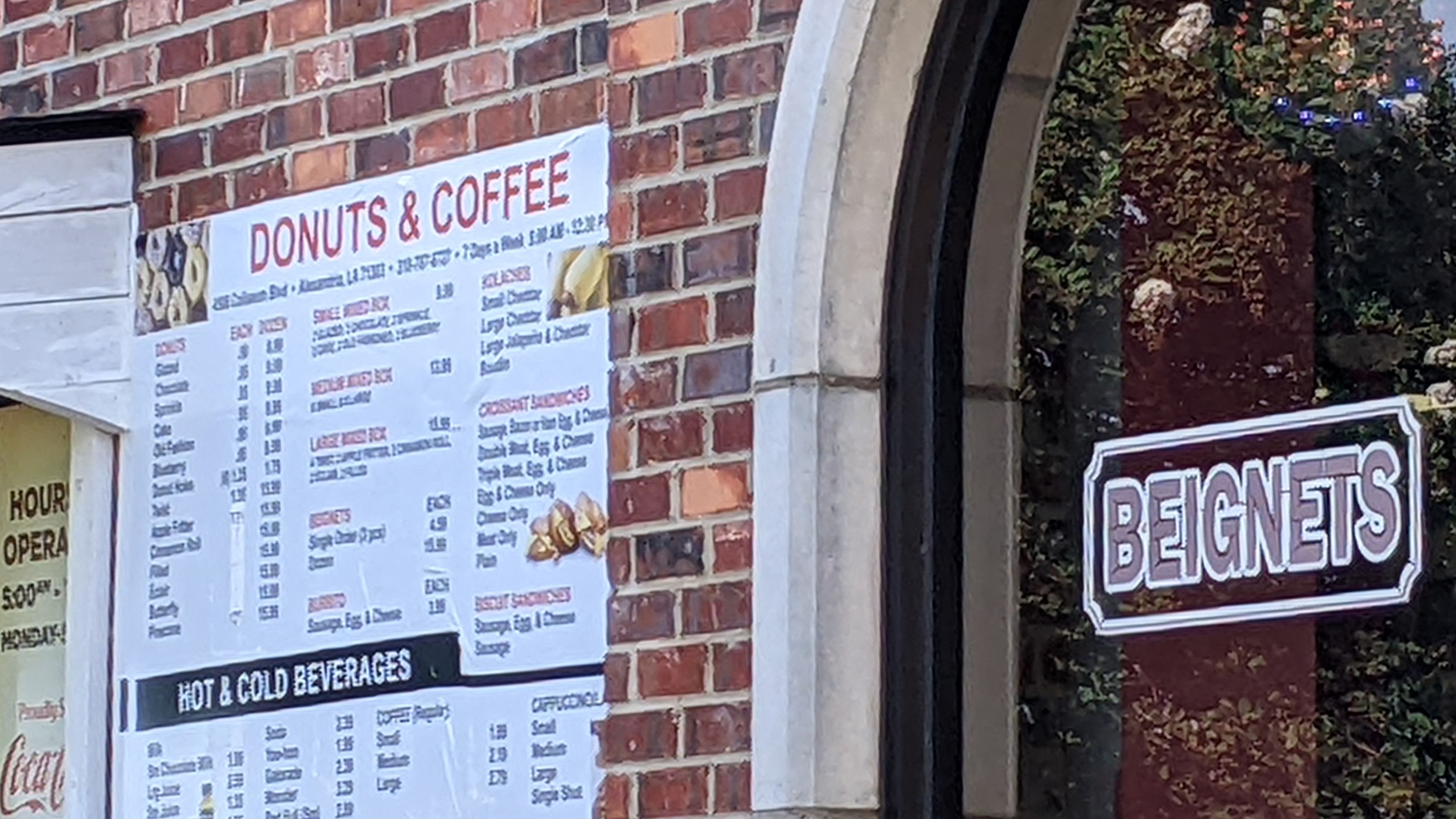
Our final morning came too soon. After leisurely coffee and conversation with our hosts, we made ready to leave. Previously, we had spied a neighborhood Coffee and Donut Shop. We couldn’t resist stopping. Served fresh and piping hot, three to the order, the large beignets drenched in powdered sugar reconfirmed that Louisiana residents definitely know how to enjoy the good things in life. One more reason to return.

On our return trip to Arkansas, we passed through the charming town of Ruston, not quite two hours north of Alexandria. Home to Louisiana Tech University, it seemed a good place to stop for a bite to eat — home was approximately another four hours away. Our friends had recommended Ponchatoulas, with a convenient downtown location. Another chance to sample “the flavor of Louisiana” was tempting, to say the least. We had been forewarned, however, that we might have to wait for a table, and that was the case.

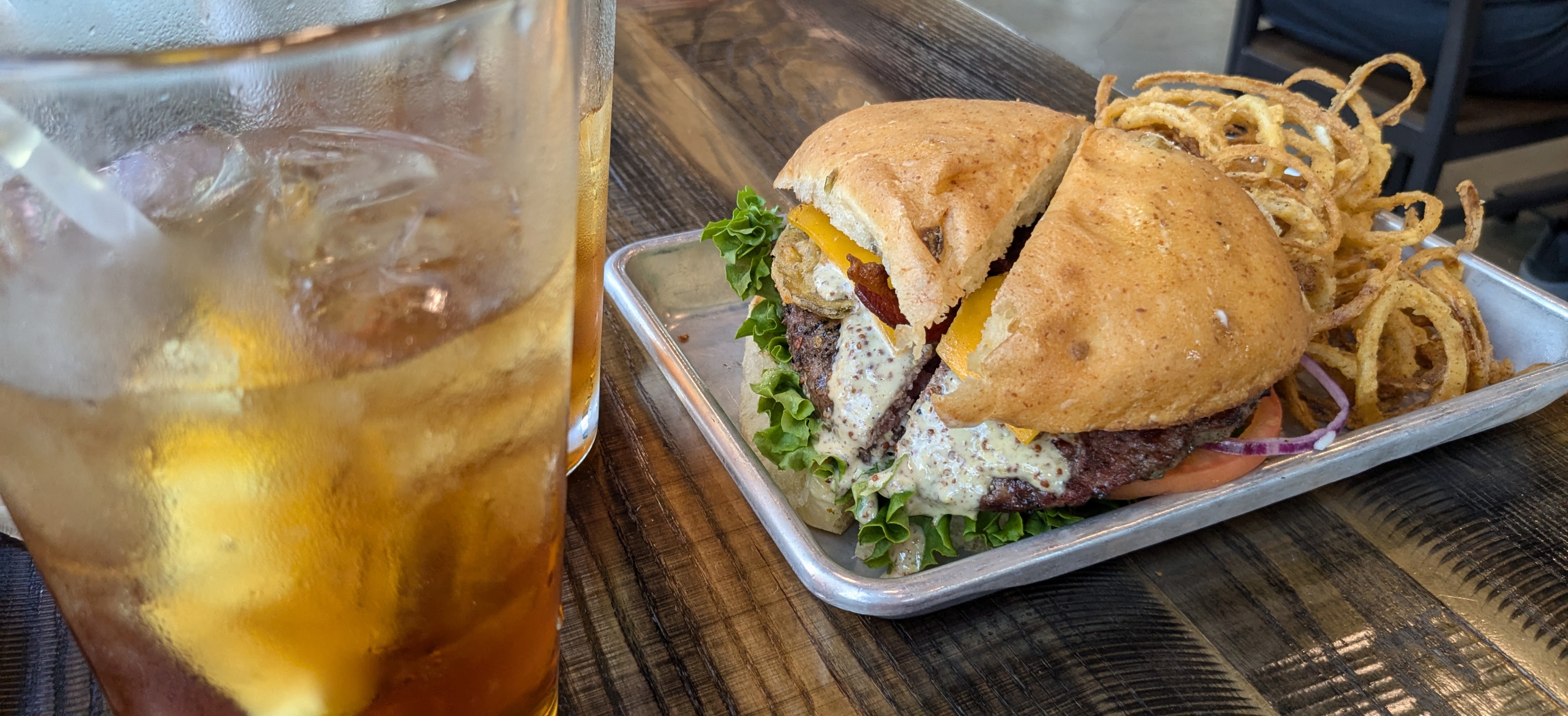
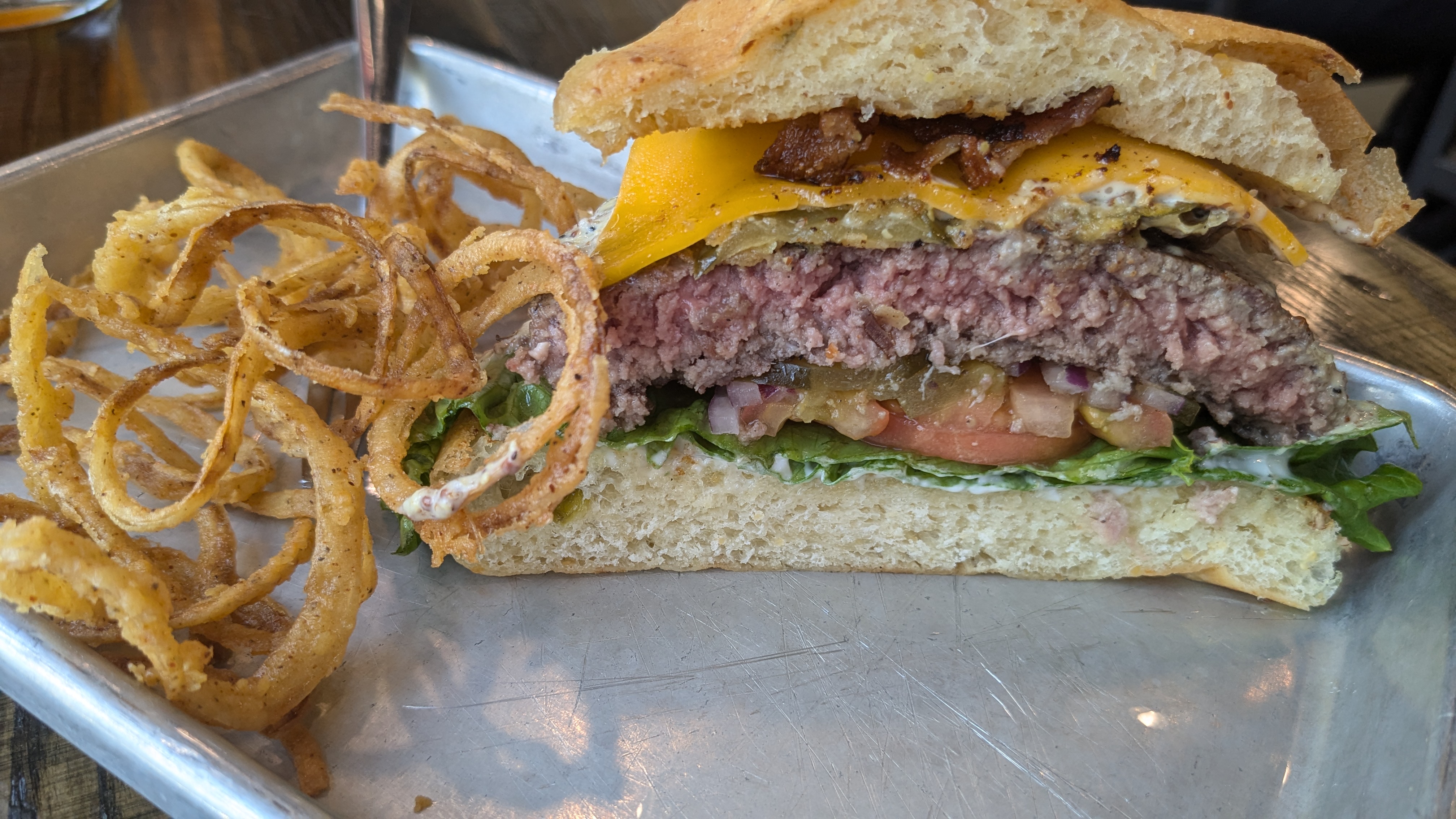
Another quick online search yielded results: Dawg House Sports Grill. It has a tempting menu of burgers and was easy to find. Obviously popular with students and sports fans, there were also a fair number of families there to watch Sunday games. Although tempted by menu items like Boudin Egg Rolls, Fried Green Tomatoes, or a Shrimp Poboy, we settled on a Bulldawg Burger with Onion Strings, after our server’s assurance that it was large enough to share.

It was indeed! We felt confident we would not have to worry about dinner that evening.

“On the Road” Learning

Driving home, we reviewed everything we had packed into the all-too-brief road trip. Importantly, we had learned that there’s more than food to love about Alexandria, but that food is an important aspect of any good travel experience.

We knew our two-day time frame would allow little time to do more than scratch the surface of Alexandria. We had hoped to explore some of the city’s casual eateries, with the goal of finding, at minimum, interesting food options and Cajun flavors. A variety of Poboy choices and local brews would have satisfied us.

What we found was so much better. We hadn’t expected a food dilemma, but there simply are too many good options, it seems, for the time or appetites we had.

We left wanting to know more about this distinctive Louisiana city. There’s a plantation house that dates to pre-Louisiana purchase days, a grand century-old hotel that must have many stories to tell, a highly-rated zoo and art museum, an undergrad campus of Louisiana State University, and several popular annual celebrations, including Mardi Gras. Alexandria also boasts a fascinating military history. It was near here that thousands of soldiers trained prior to World War II and many different types of aircraft flew out of the former England Air Base that has been “recycled” as a regional international airport.

Alexandria seems like a “happening” place to be, any time of year. It’s now certain that we’ll return.

Strengthening the ties of friendship with former neighbors was important to us, and we vowed not to allow much time to pass before doing it again. Getting away for fresh experiences in unfamiliar places is good for the soul.

And sampling new foods definitely adds spice to life.

Foodie’s Delight: Roadside Treasures and Unexpected Destinations

I am apt to brake quickly when driving along the byways of this country.

I’m always on the lookout for distinctive photo ops, and I can’t resist interesting signs (especially unique place names like Toad Suck and Smackover in Arkansas,) decaying fences, old churches and cemeteries, or American flags painted on the sides of old barns and brick buildings. As my husband notes, I am sometimes a pain in the neck, but I try not to be too demanding about those stops.

Most of the time, at least.

However, I also have been known to request, if not demand, a “slow down and turn around” when I spy a roadside vegetable stand or come upon a weekend farmers market. There’s something appealing about buying produce direct from the source. It’s gratifying to meet the people who grow our food. That food, whether just-ripened berries, plump tomatoes, or recently-picked apples and pears, always tastes better somehow.

At times, as I willingly admit, I can be insistent.

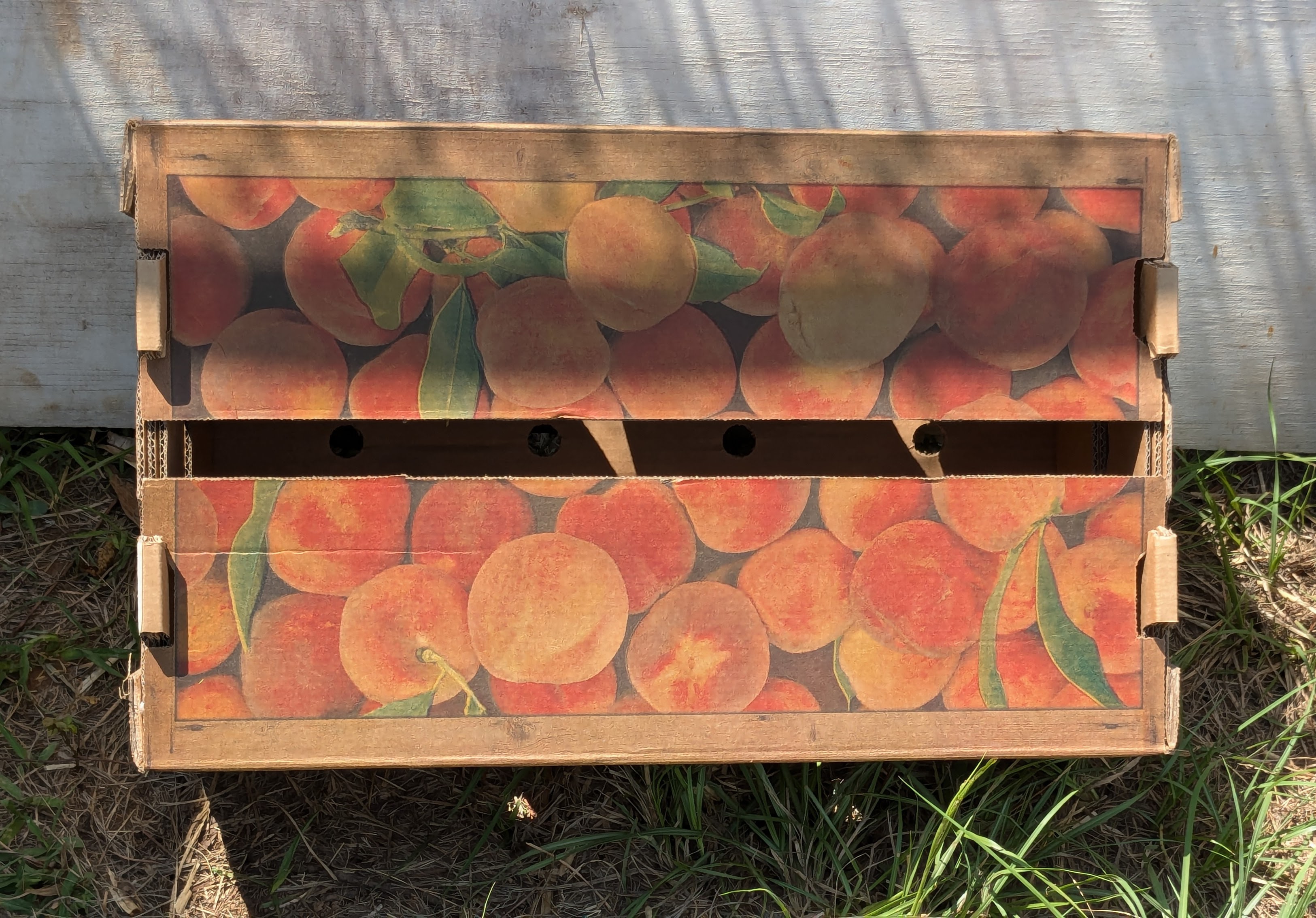
What’s better than cutting into a fresh peach and tasting it as its proud grower looks on approvingly? Typically, I don’t mind when the juice drips down my chin and onto my shirt! It’s all about the flavor, the freshness, and the fun.

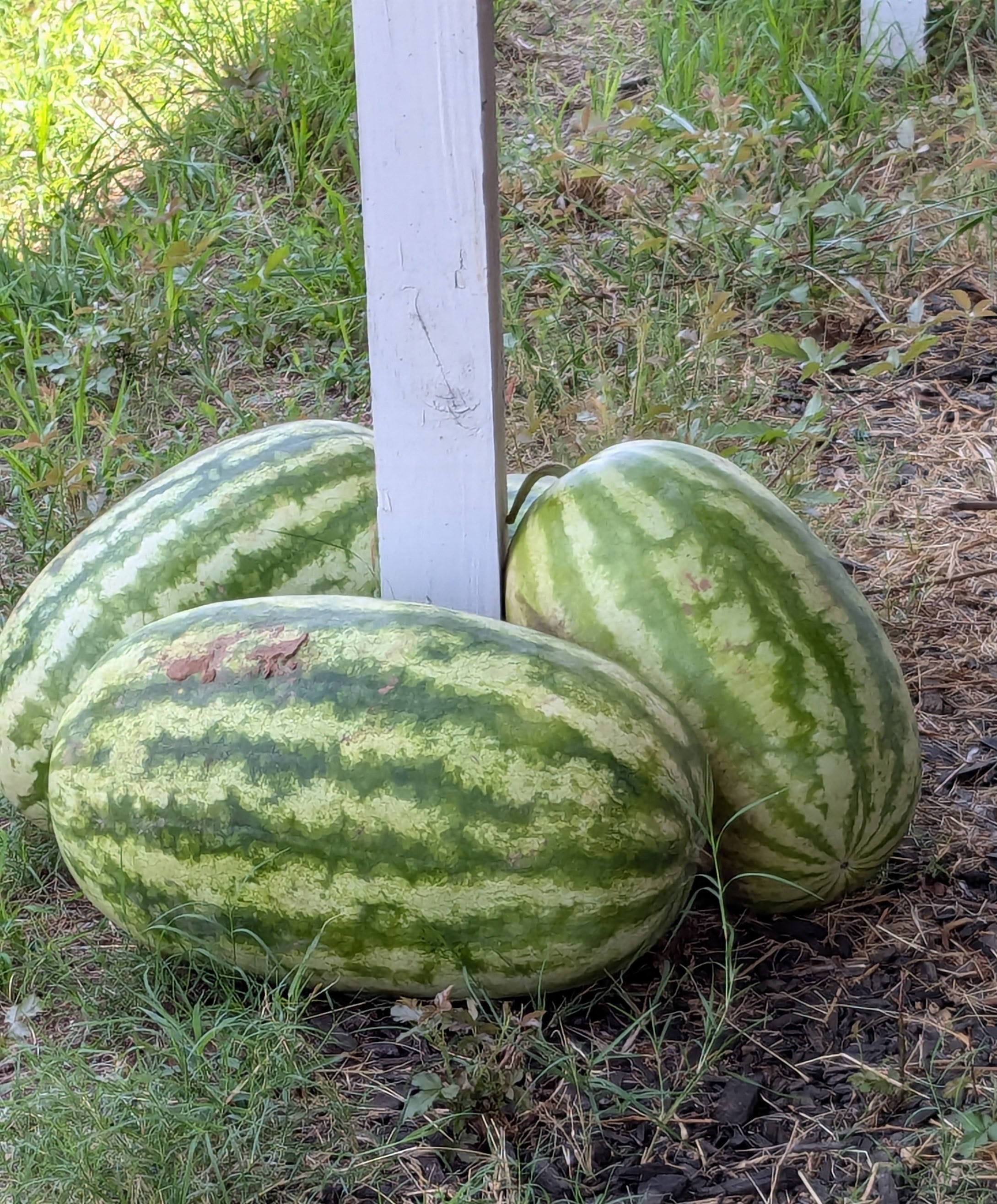
Seasonal specialties like fresh melons and sweet corn, pumpkins and apples or the products made from a fresh harvest — pickles, preserves and jams, sauces, or homemade breads — often seem irresistible. In states where it’s possible to buy fresh pecans and freshly roasted peanuts, we brake for those too. And, occasionally, for just-picked bouquets of daffodils, tulips, or chrysanthemums.

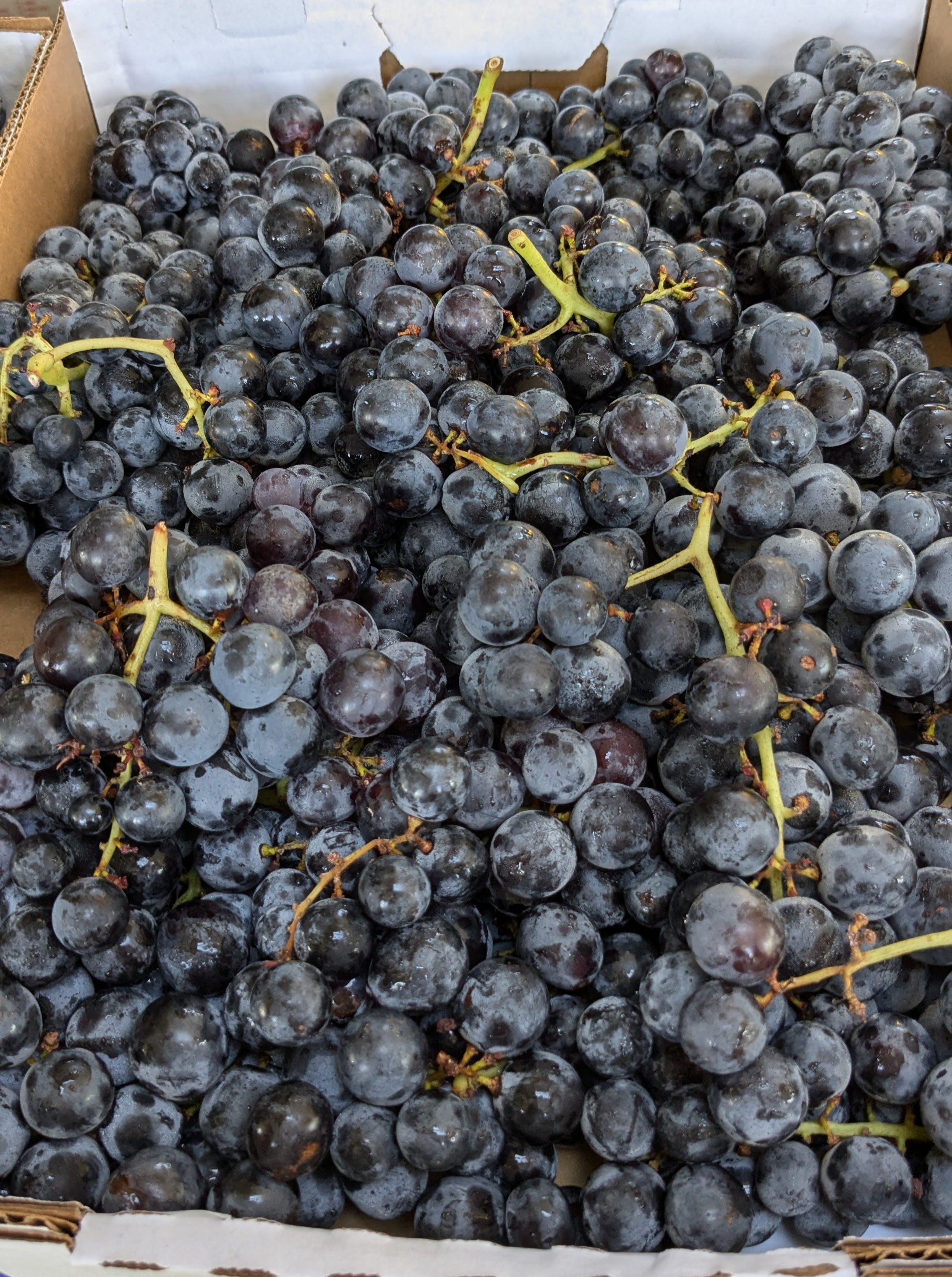
On an impromptu weekend excursion with friends the last weekend of July — destination: the 41st Annual Grape Festival in Altus, Arkansas — we happened upon a farmstand, and it was the prospect of fresh peaches that clinched our decision to stop.

Farm Stands and Festivals

Luckily, everyone was willing, even though this became one of those turn-around-and-go-back moments. It didn’t take long. Nor did it take long to fill several plastic bags with juicy peaches, plump red tomatoes, and vine-ripened sweet grapes. We chatted a bit with the owners of the farm stand. Then, satisfied that we had made a good decision, we loaded our treasures into the back of the SUV and hastened on down the road, eager to get to the festival.

Truth be told, I’m a huge fan of quirky local festivals all across America. It helps to have a willing partner, and my husband and I have made special efforts to visit more than a few of them, including The Goat Festival in Perryville, AR, held annually on the first Saturday of October. We plan to be there again this year and have already ordered our t-shirts. Who can resist the prospect of a fashion show that features young kids in pajamas? The second weekend, on October 12, we plan to attend the 15th annual Sorghum Festival in nearby Mt. Ida, AR, sponsored by Heritage House Museum.

In Arkansas, it seems there are enough festivals and small town celebrations to keep me on the road all year long.

Following the grape festival, we planned to stop for a picnic on the way home. We opted for Paris.

Arkansas, not France.

Small Town Discoveries

The Olympic Games were slated to begin that very day in the “real” Paris across the pond. We had heard that the townspeople of Paris, Arkansas had decorated the 25-foot-tall replica Eiffel Tower that stands in the town square with iconic colored rings, symbol of the Games. It seemed only fitting that we stop there.

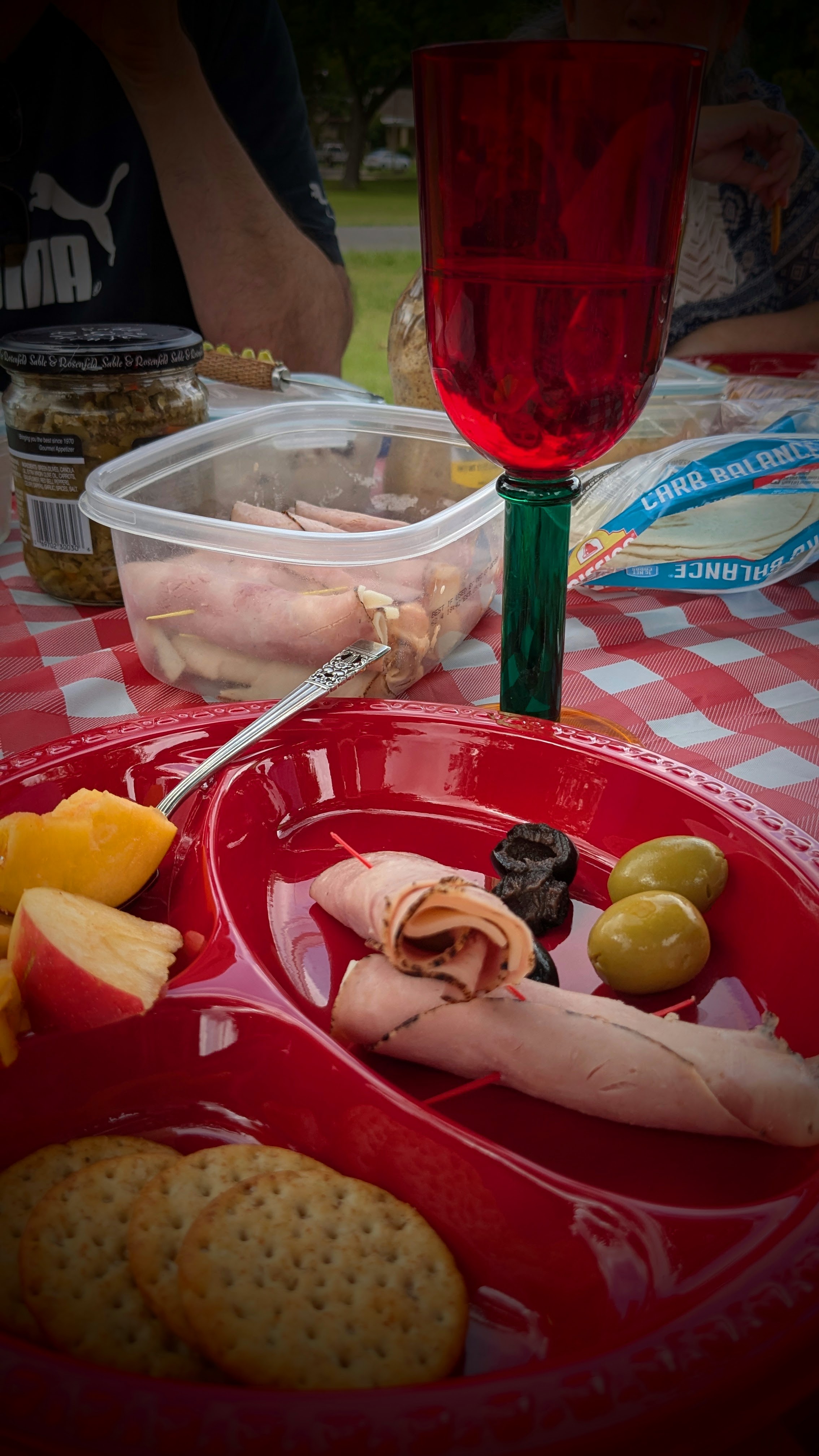
We had packed a picnic basket with bread, crackers and cheese, chicken salad, sliced ham, olives and pickles, cookies, fudge, and lemonade. And we had peaches from the farmstand, a bonus. Leaving Altus, we made a brief stop at Wiederkehr Village, which now also includes a tasting room and restaurant. Johann Andreas Wiederkehr, who arrived in the area in late 1880 from Switzerland, founded the family winery that is now the oldest continually operated winery in the state.

We planned to drink a small toast to the start of the Games. By the time we reached Paris, the air had cooled a bit and we found a picnic table in a city park. Large trees offered shade as we unpacked our picnic basket.

Small Town Delights

Traveling the back roads to Paris took us across rolling hills and along picturesque fields and pastures in this Ozark Mountain valley. It is rural, to be sure. Although I acknowledge that there are valid reasons to travel Interstate routes across the United States, country roads just seem more interesting.

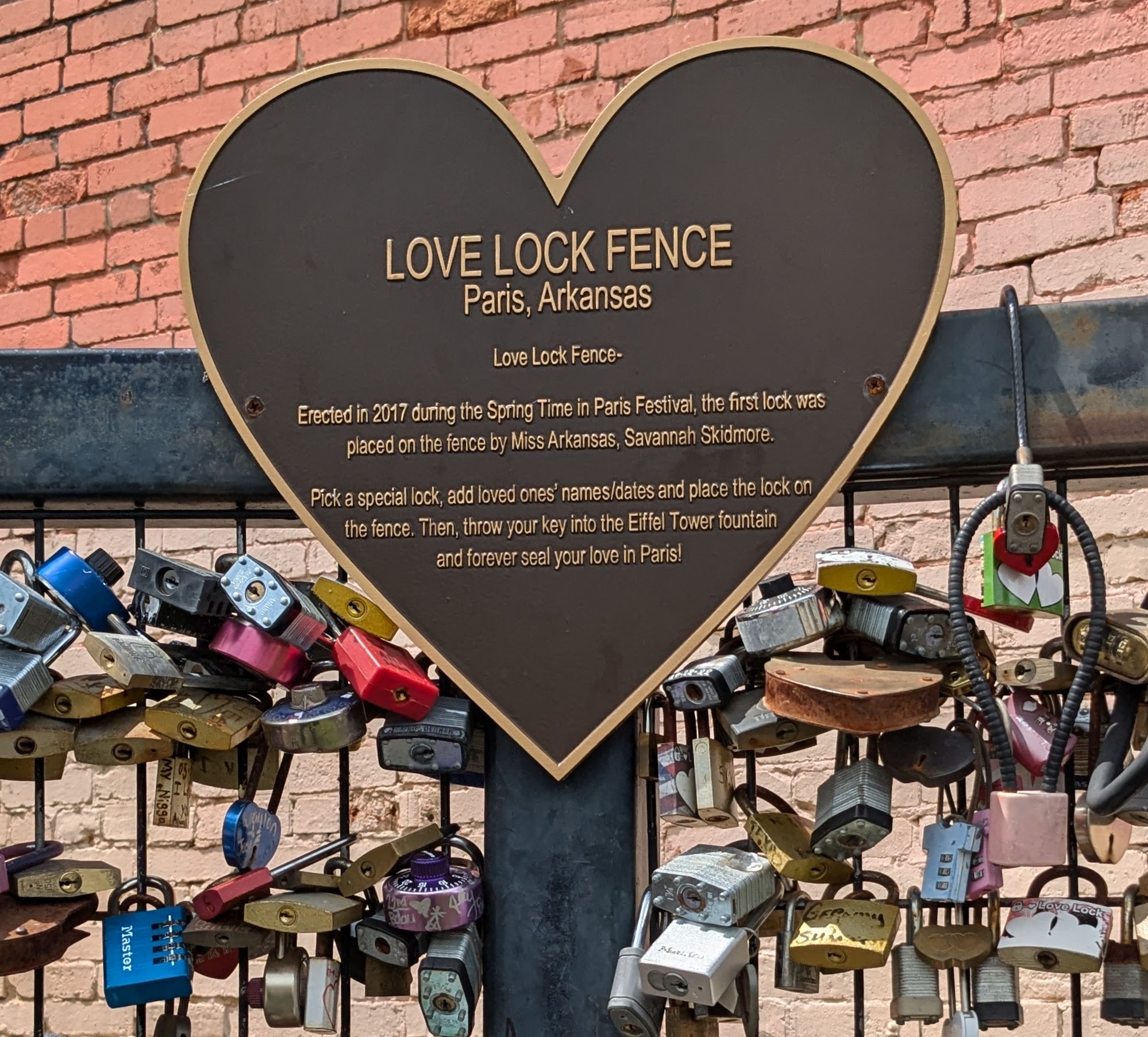
That was the certainly the case for our drive to Paris, and I now have a full handful of reasons to return. In addition to finding the Eiffel Tower, we were intrigued by the adjacent Love Lock Fence, and spent a fair amount of time reading the names and dates on the locks.

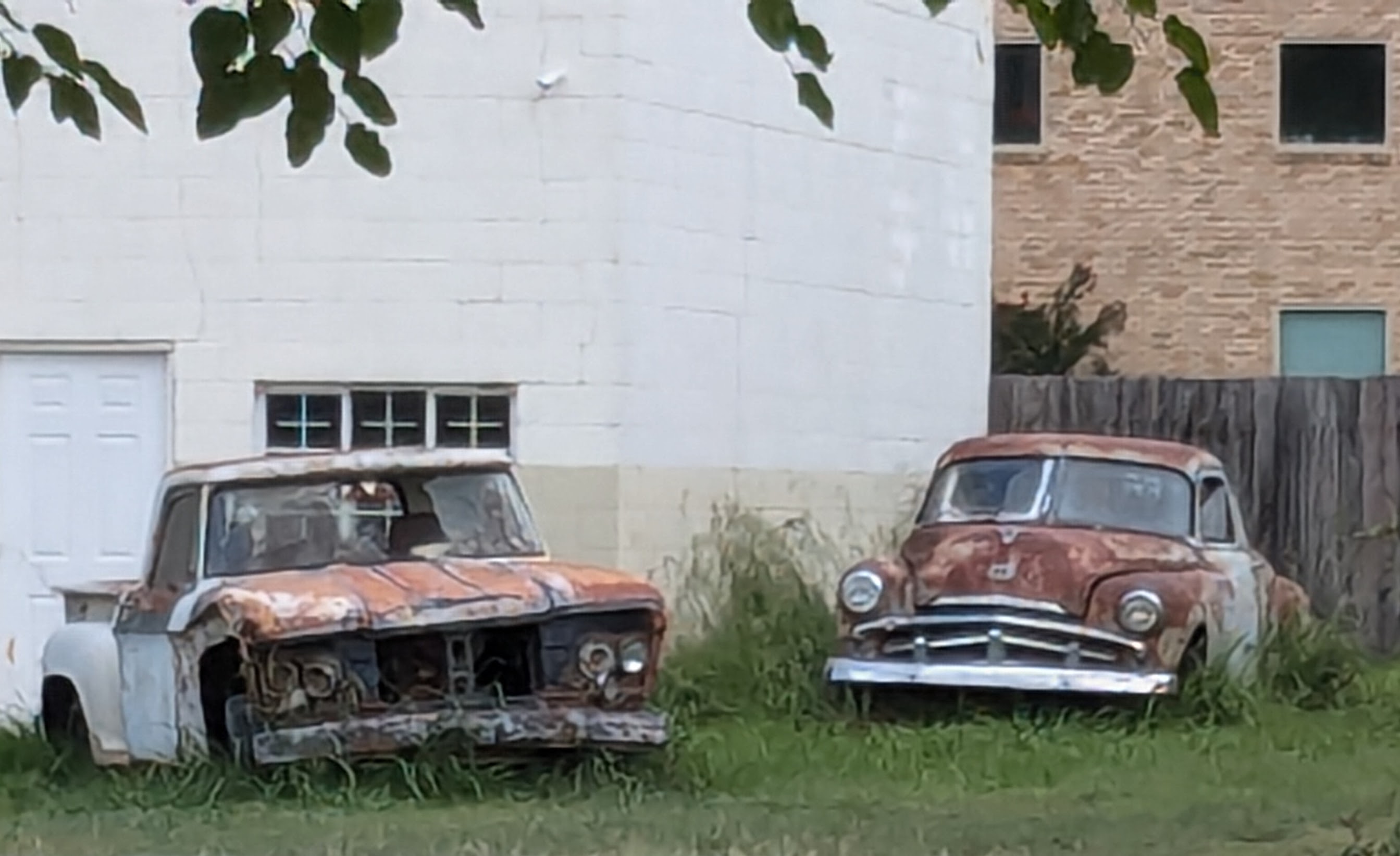
There are well-maintained public buildings, stately old homes, towering shade trees, and flowers seemingly everywhere in Paris. I savored the sight of vintage automobiles resting aside old buildings as much as the flower-filled baskets hanging from the light posts.

I longed to visit the charming shops in the downtown area, and to walk through gardens filled with colorful flowers. I vowed I would return to visit the “Old Jail” Museum, the Coal Miners Museum, a wine museum, and Subiaco Abbey, a “working” Benedictine monastery founded in 1878. The monks there produce a hot sauce known as Monk Sauce, made from Habanero Peppers grown in the Abbey gardens.

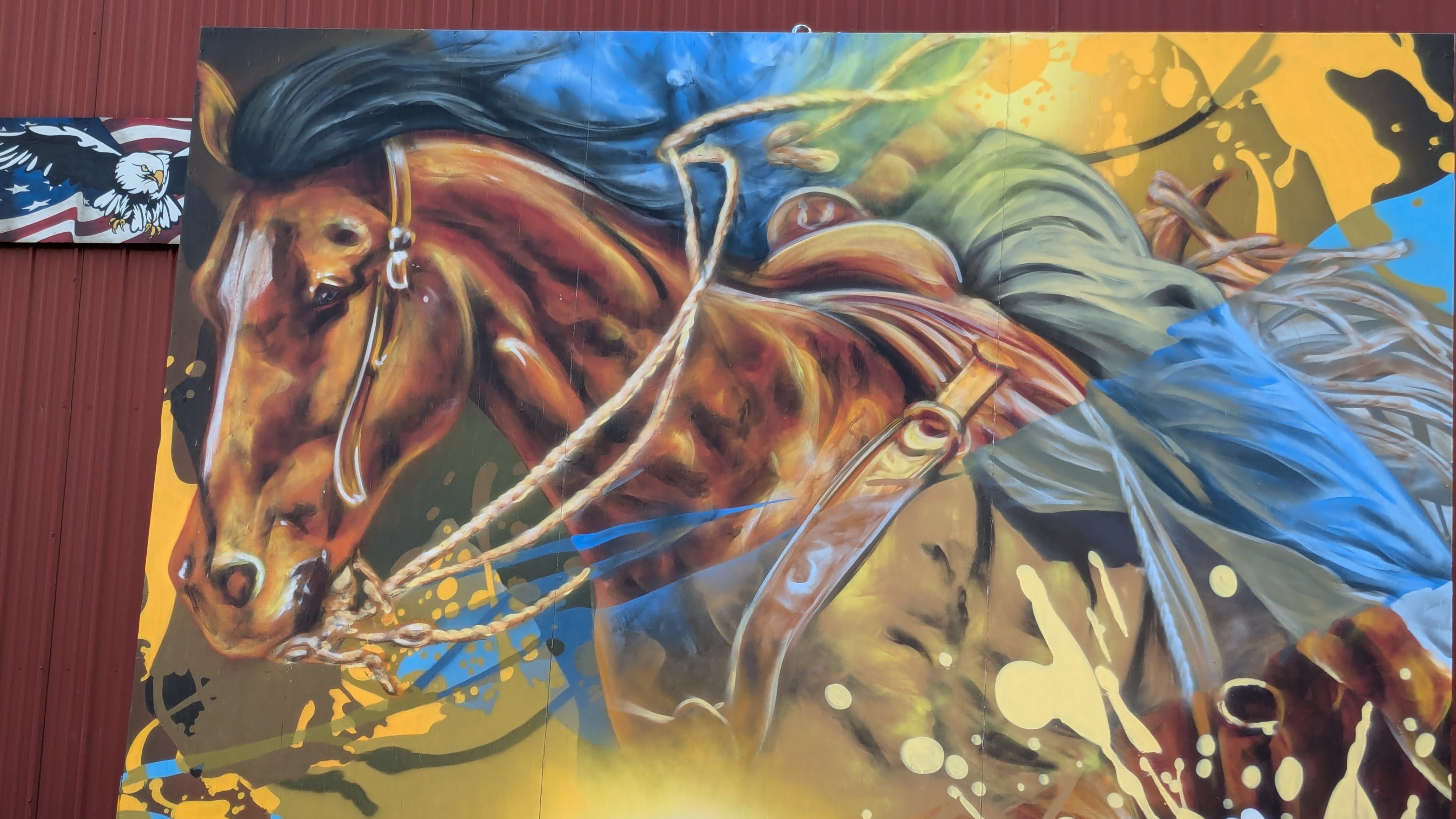
And the murals! The street art and murals in this small town are exceptionally varied and striking, as unexpected as they are enchanting.

Paris is a small town with a population just slightly over 3,200 and a distinctive history. The city was incorporated in 1879, but a settlement had been established there five years earlier. Once the heart of an agricultural area, it has also been a railroad town and a coal mining center. We had too little time to explore fully, but I would like to learn more about life there, for it seems to “live larger” and have a more intriguing story than one would expect.

Escape the Bounds of Earth: Visit Space Center Houston

On April 12, 1961, Soviet Cosmonaut Yuri Gagarin became the first person to fly in space. The event not only made world news, but it reinforced American fears about being left behind in the technological competition with the Soviet Union.

Two and a half years earlier, the Soviet satellite Sputnik 1 had circled the planet for approximately three months before burning up as it re-entered Earth’s atmosphere. That was followed by dogs in space, a fly-by of the moon, a crash of the Soviet Luna 2 probe onto the surface of the moon, and the first photos of the dark side of the moon. All were Soviet accomplishments.

John F. Kennedy was elected President in November 1960. At the time, it seemed as if the Soviet Union had beat the U.S. into space before the term “space race” had even been voiced.

Then, in an address to Congress and the Nation on May 25, 1961, President Kennedy proclaimed: “I believe that this nation should commit itself to achieving the goal, before this decade is out, of landing a man on the moon and returning him safely to the earth.” 

At the time, it seemed an audacious, if not impossible, dream. But the mood of the nation was energized and hopeful.

Plans were made for two new rocket launch complexes north of Cape Canaveral in Florida, although construction of the enlarged Launch Operations Center wouldn’t begin until November 1962. Land was set aside near Houston for what was to become NASA’s Mission Control Center. The new president wasn’t about to let the other side gain further advantage. The National Aeronautics and Space Administration had already established the Marshall Space Flight Center (MSFC) in Huntsville, Alabama.

The Race to Space Had Begun

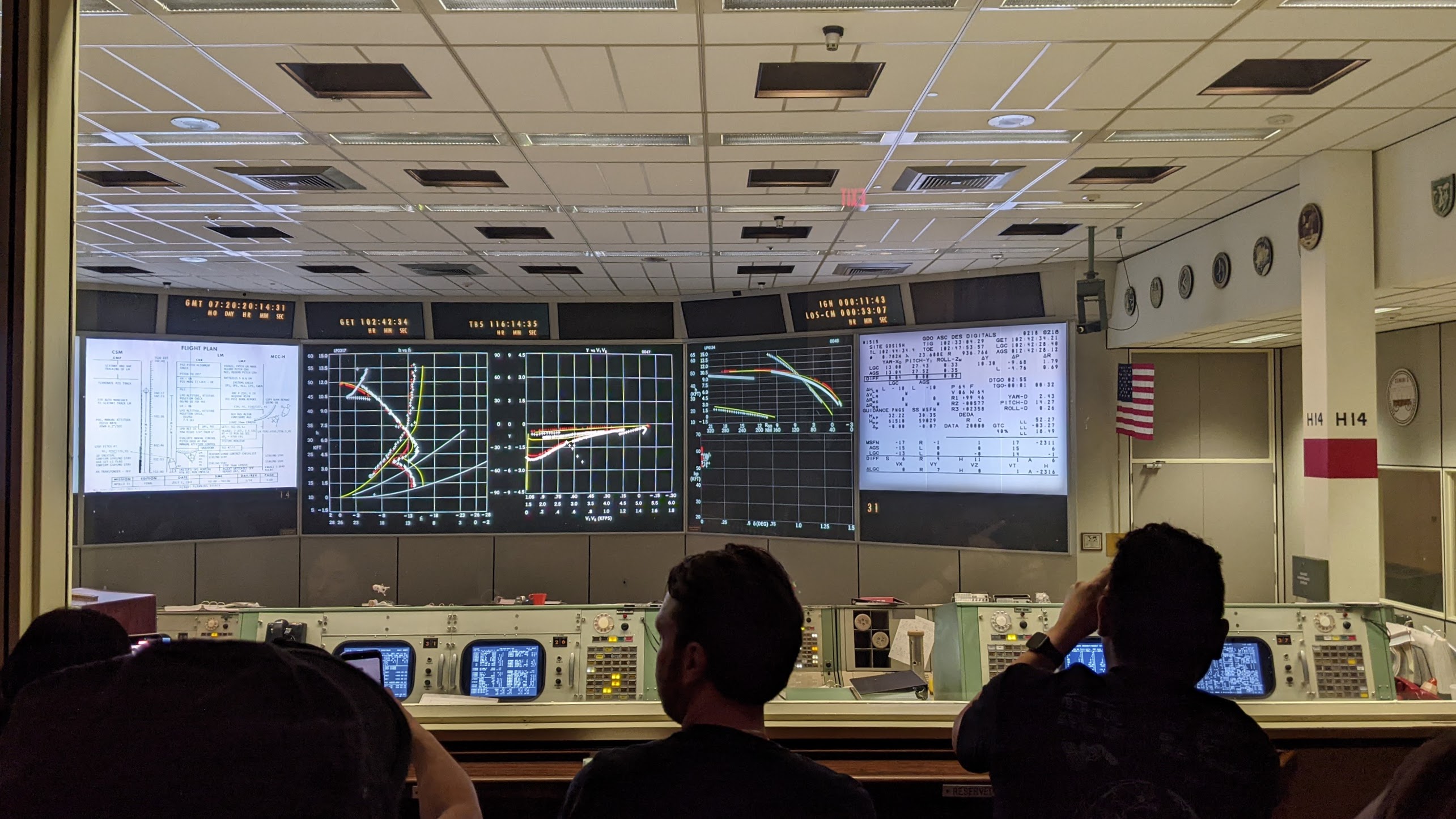
My visit to Space Center Houston included a tour of the Mission Control Center in use for most of the country’s early space flights, including the first moon landing in 1969. It has been preserved as it was then — down to cigarette butts in ashtrays, Styrofoam coffee cups amidst the banks of monitors and scattered about on the floor, a few black desktop telephones with curly cords, and bulky vintage computers.

Today, the room looks somewhat like a movie set. Stadium seating behind a wall of glass allows visitors to see the array of desktops and equipment. For those of us who watched that first landing in real time, it was eerily familiar.

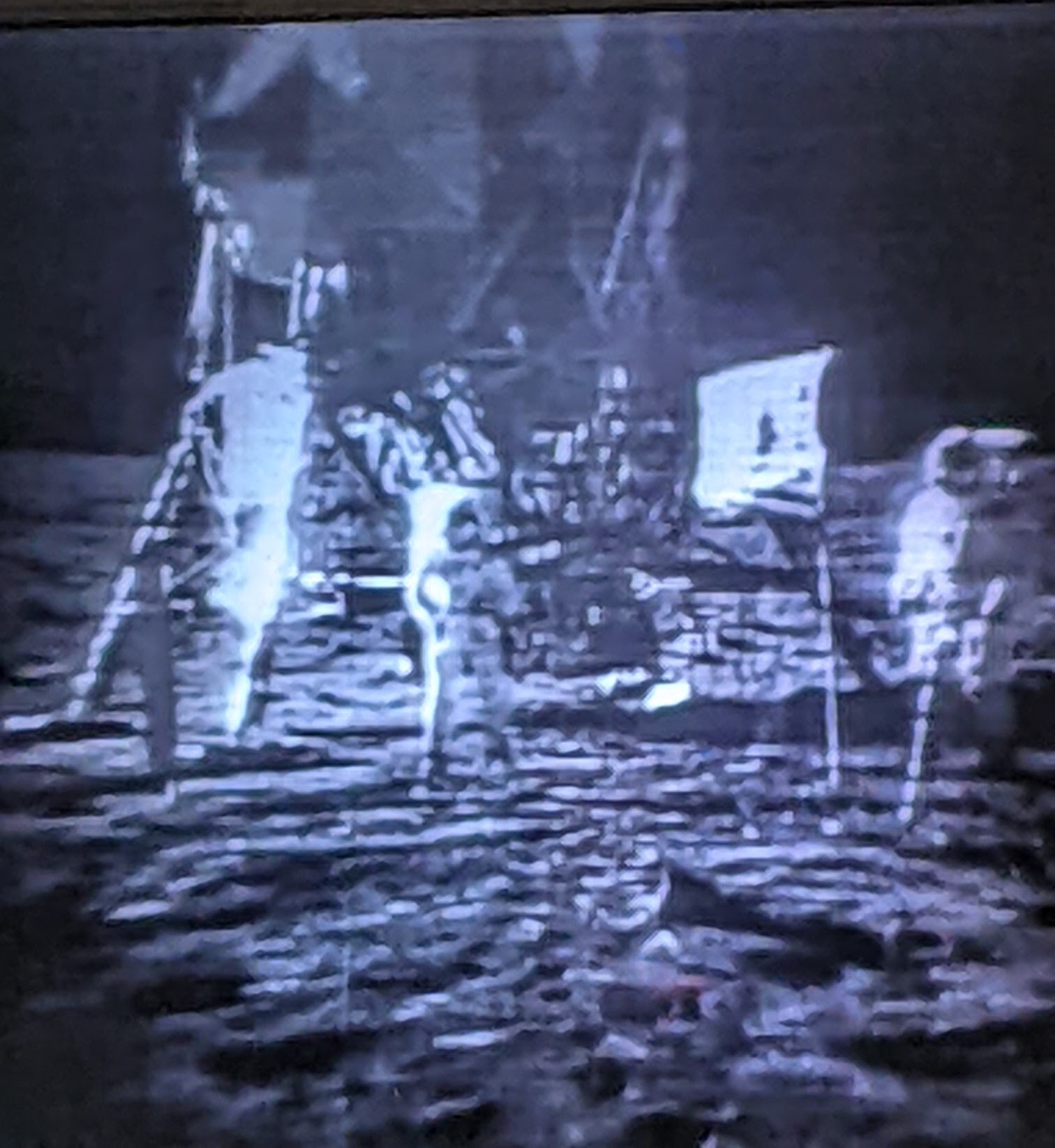
Visitors watch the broadcast tape from July 20-21, 1969, replayed on a wall-mounted TV screen. Listening to the raspy voices of mission control directors and news reporters, I was transported back to that time. I nearly teared up once more as veteran television commentator Walter Cronkite appeared overcome with emotion. I couldn’t resist mouthing the words: “The Eagle has landed.”

First Men on the Moon

In quick sequence, I relived the disbelief, the awe, and then the jubilation of that July day. I almost forgot that it had happened 55 years ago.

The first words spoken by Neil Armstrong were unclear: “One small step for . . .”  Did he say man or a man? And then, “One giant leap for mankind.”

Astronaut Buzz Aldrin followed Armstrong, stepping out of the lunar lander onto the moon’s surface approximately 20 minutes later. The lander itself was an odd sort of taxi from the orbiting Apollo spacecraft to the moon’s surface. With spindly “toothpick” legs, it seemed held together by aluminum foil and chewing gum. Pilot Michael Collins remained aboard the Apollo command module Columbia in orbit around the moon.

The lunar lander was on the surface of the moon for about 21 hours, and the two astronauts didn’t venture far from the landing site, dubbed “Tranquility Base” by Armstrong. They did, however, plant the first American flag on the surface and they collected more than 45 pounds of moon rocks before reboarding Eagle.  When they returned to Columbia with their payload, the lander was jettisoned to fall back onto the surface of the moon.

The Apollo 11 mission that brought these first humans to the moon was just the fifth crewed mission of the Apollo program.  Six Apollo missions actually included moon landings, and Armstrong and Aldrin were the first of only 12 men to step onto the moon’s surface.

Ever!

The final moon landing was a 12-day Apollo 17 mission in December 1972, just a little over three years after Apollo 11.

NASA Today

The current mission control center is still located in the same building at Johnson Space Center, just a floor or two below the original. Our group did not visit, but I expect it is sleekly outfitted with an updated array of wireless communication technology necessary to monitor today’s space launches and landings.

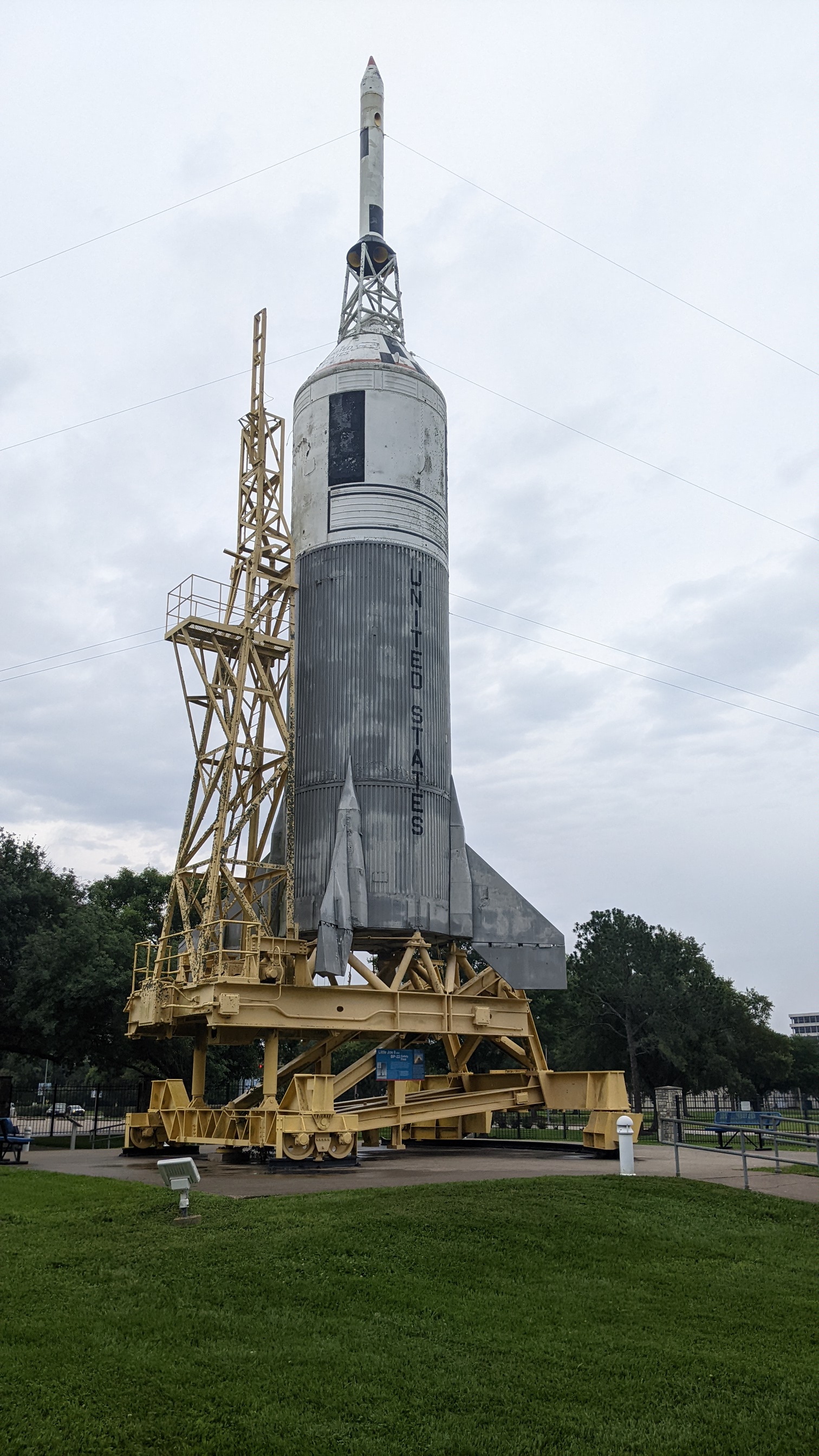
The grounds of Johnson Space Center, however, are “littered” with reminders of early American space exploration.

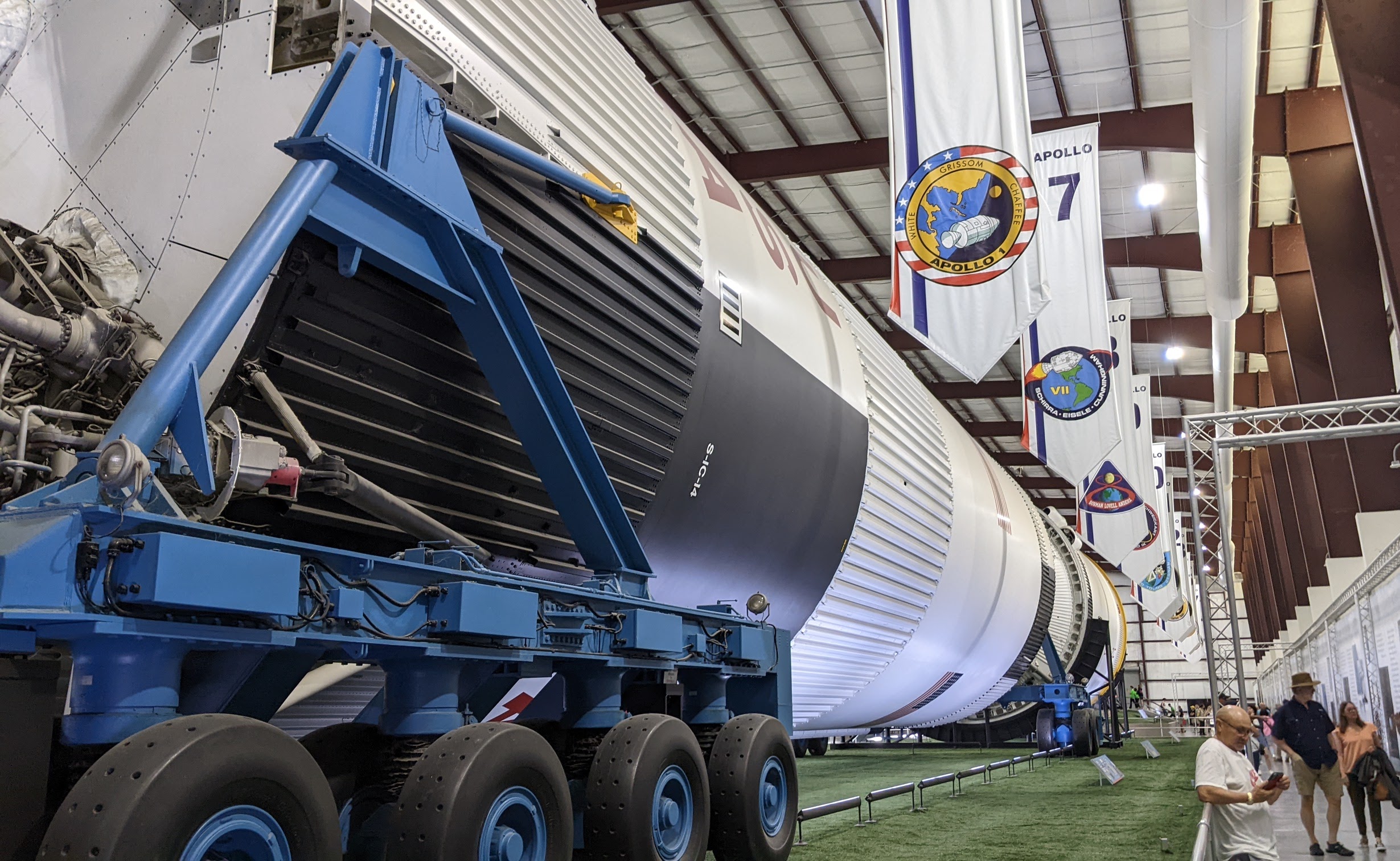
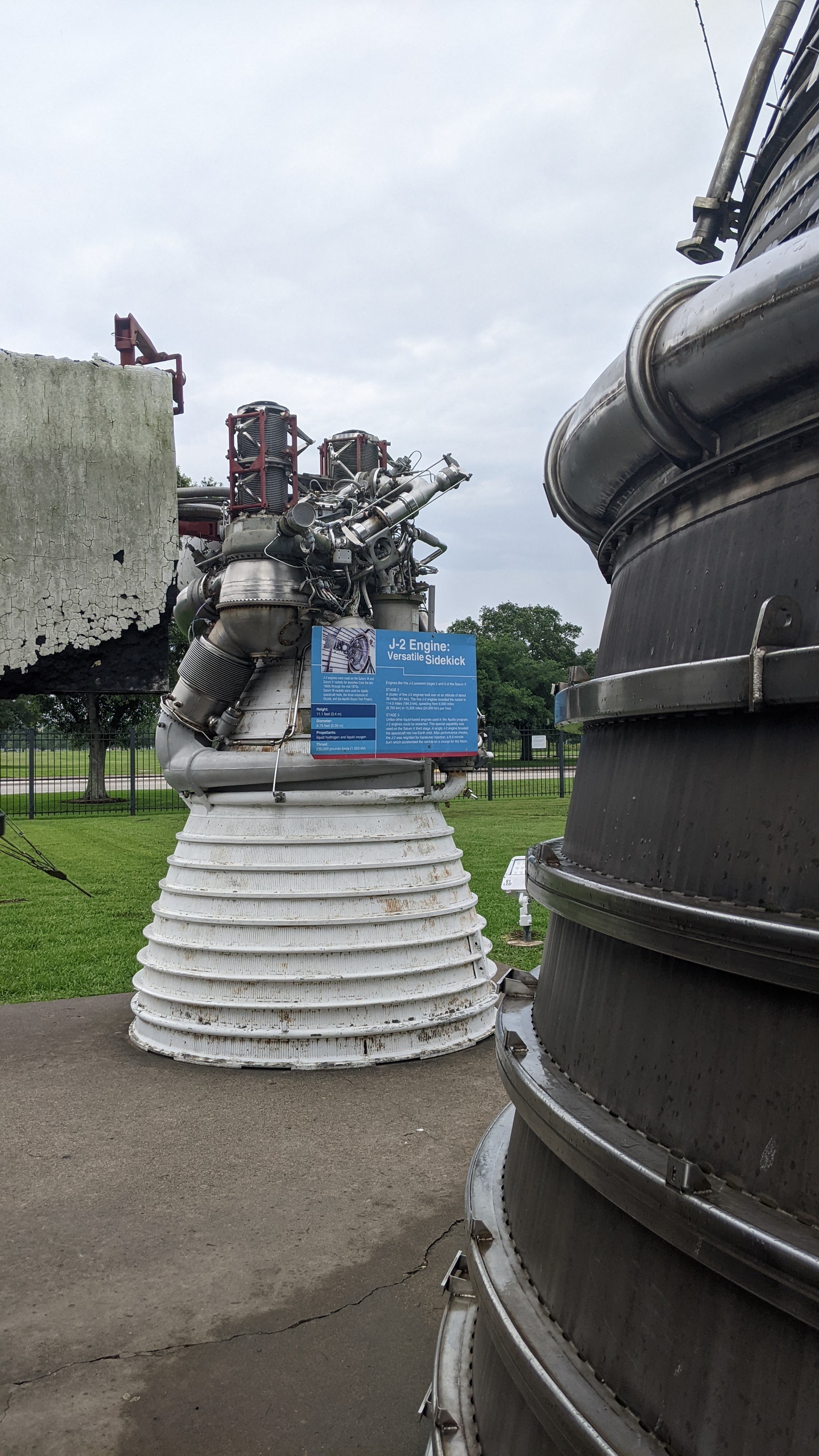
Marvel at the immense Saturn rocket that carried Apollo astronauts into space. The 30-story tall rocket was displayed outside and upright for two decades, but it suffered “weather abuse,” so it has been restored and is now displayed horizontally in a specially constructed building.

I gasped at the size of the five immense thrusters on the Saturn V. It is one of three intact Saturn V rockets that still exist, and it stretches for what seems like blocks, while flags and story boards chronicle NASA’s 17 Apollo missions, both the successes and the tragic failures. It’s a sobering experience.

Learn the history, from initial pre-orbital flights through later missions used to transport men and supplies to the orbiting Skylab, launched into orbit in 1973.

Then, move on to the space shuttle era. 

Between 1981 and 2011, American shuttles successfully completed 135 missions and carried 355 astronauts from 16 countries. My husband and I were observers twice for shuttle launches, including the last flight of Space Shuttle Discovery in February 2011. Discovery was the third of five shuttles built, and the first to be retired.  The U.S. shuttle program was discontinued later in 2011, with the final flight of Shuttle Atlantis.

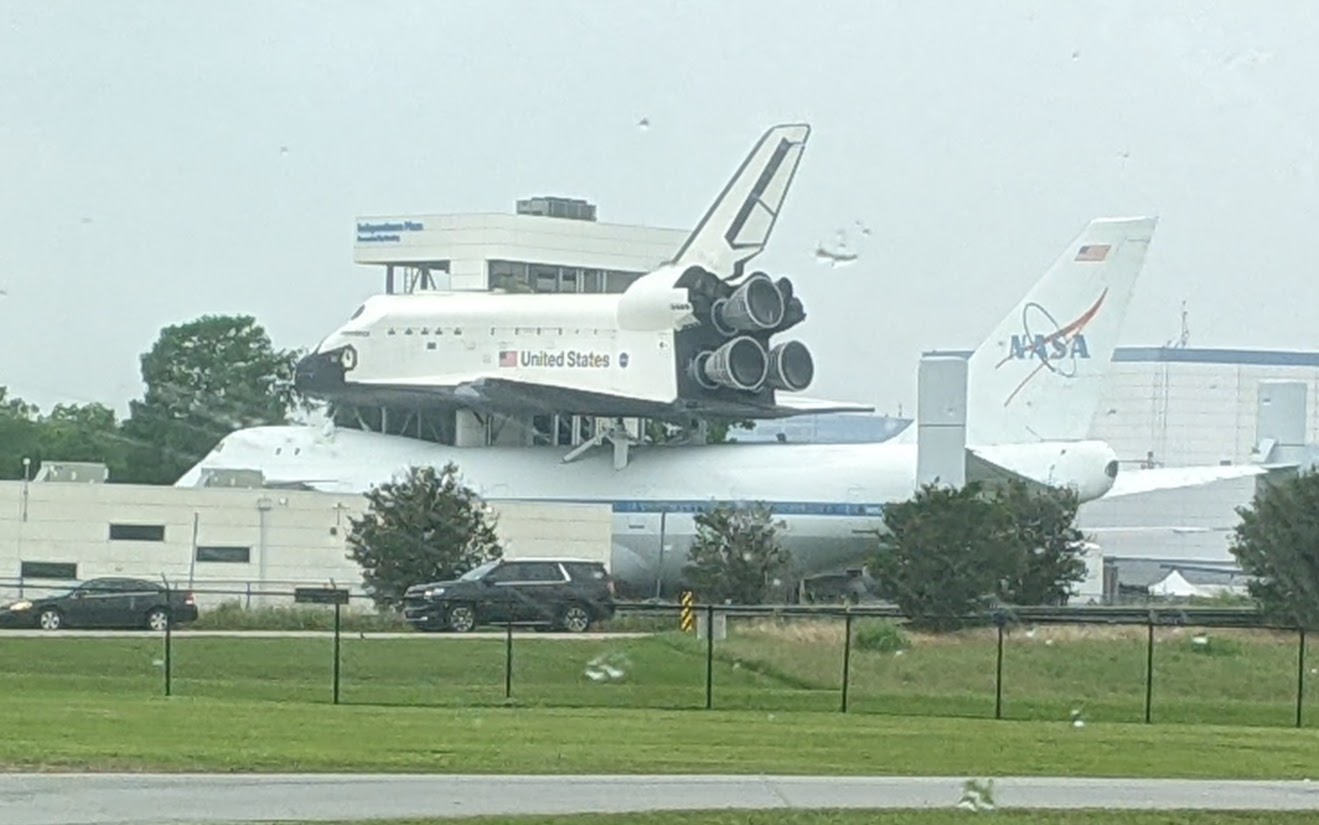
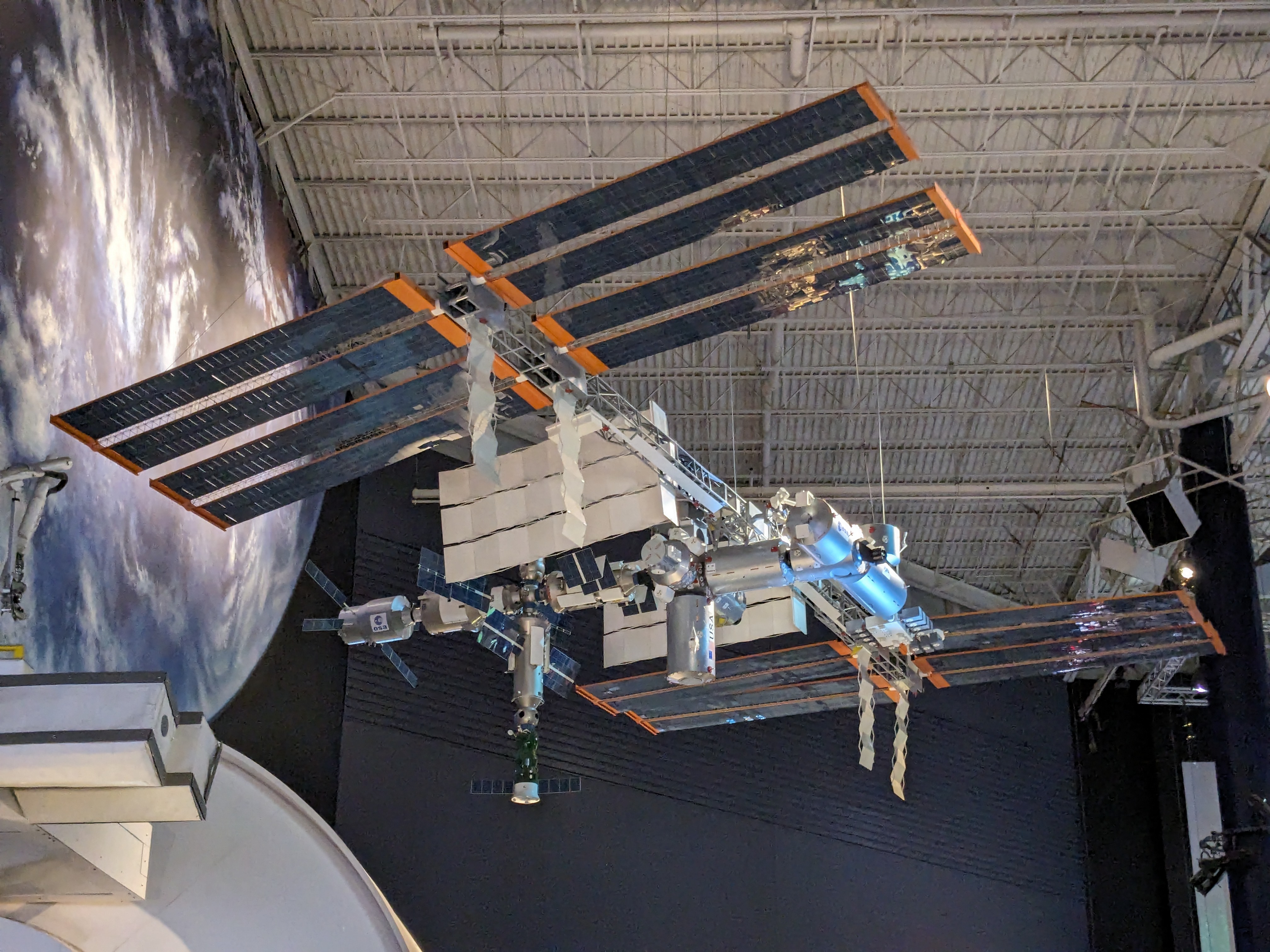
Get close to a full-size Boeing 747 aircraft with a sleek white space shuttle on its back. It rests in a peaceful field, adjacent to a herd of grazing Longhorn cattle. The reusable, winged spacecraft was designed to carry large payloads and crew into orbit. It was instrumental in the development, initial outfitting, and staffing of the International Space Station (ISS). Crews have lived and worked aboard the ISS continuously since the year 2000. Today, however, NASA cooperates with other nations and private companies to transport crews and supplies to the space station.

Walk through the outdoor “rocket garden,” then spend as much time as you wish in the Space Center Museum to learn about NASA’s past and future missions. Make time to visit interactive exhibits or to attend a lecture. I found it interesting to learn about meal preparation in space.

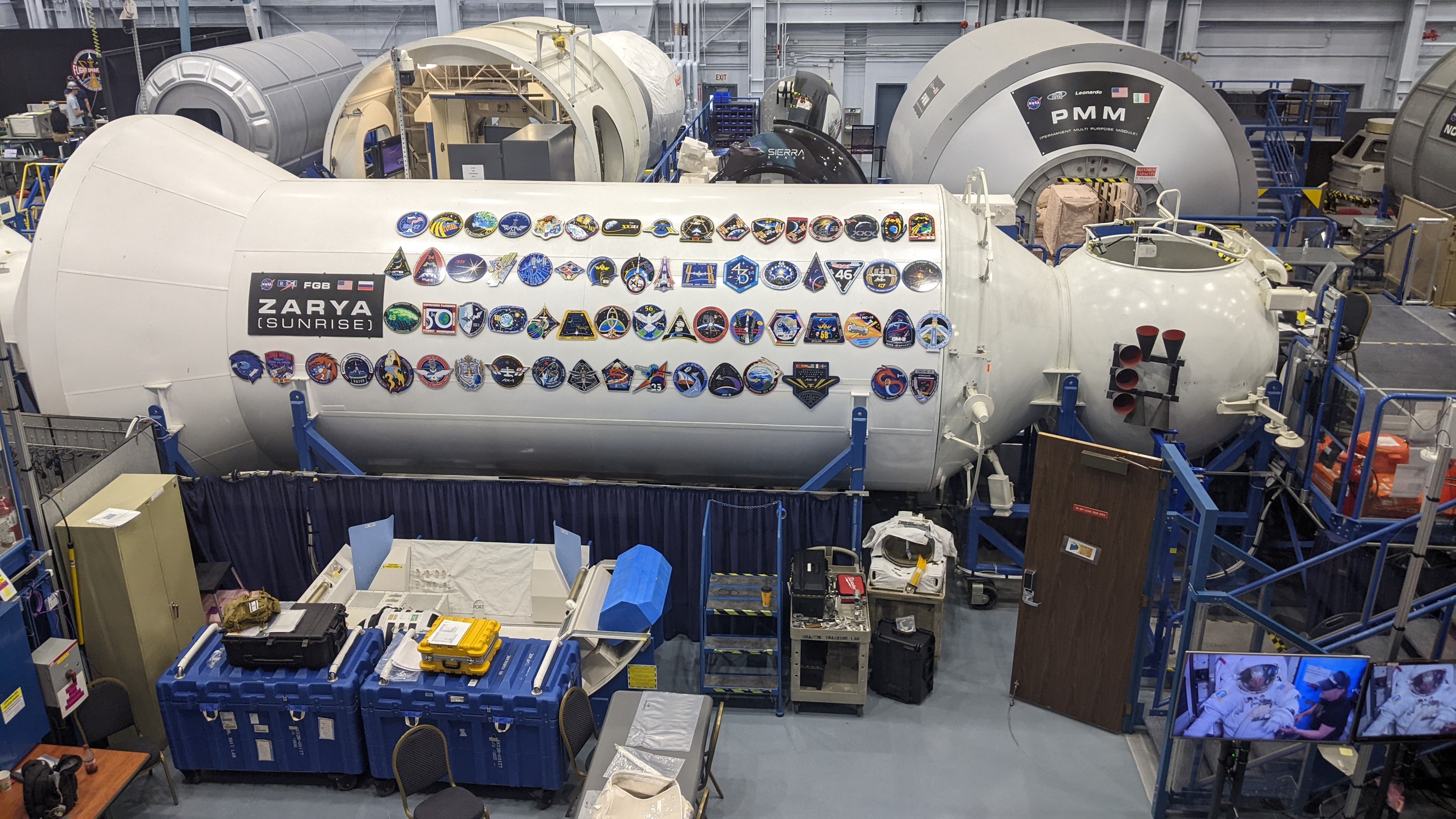
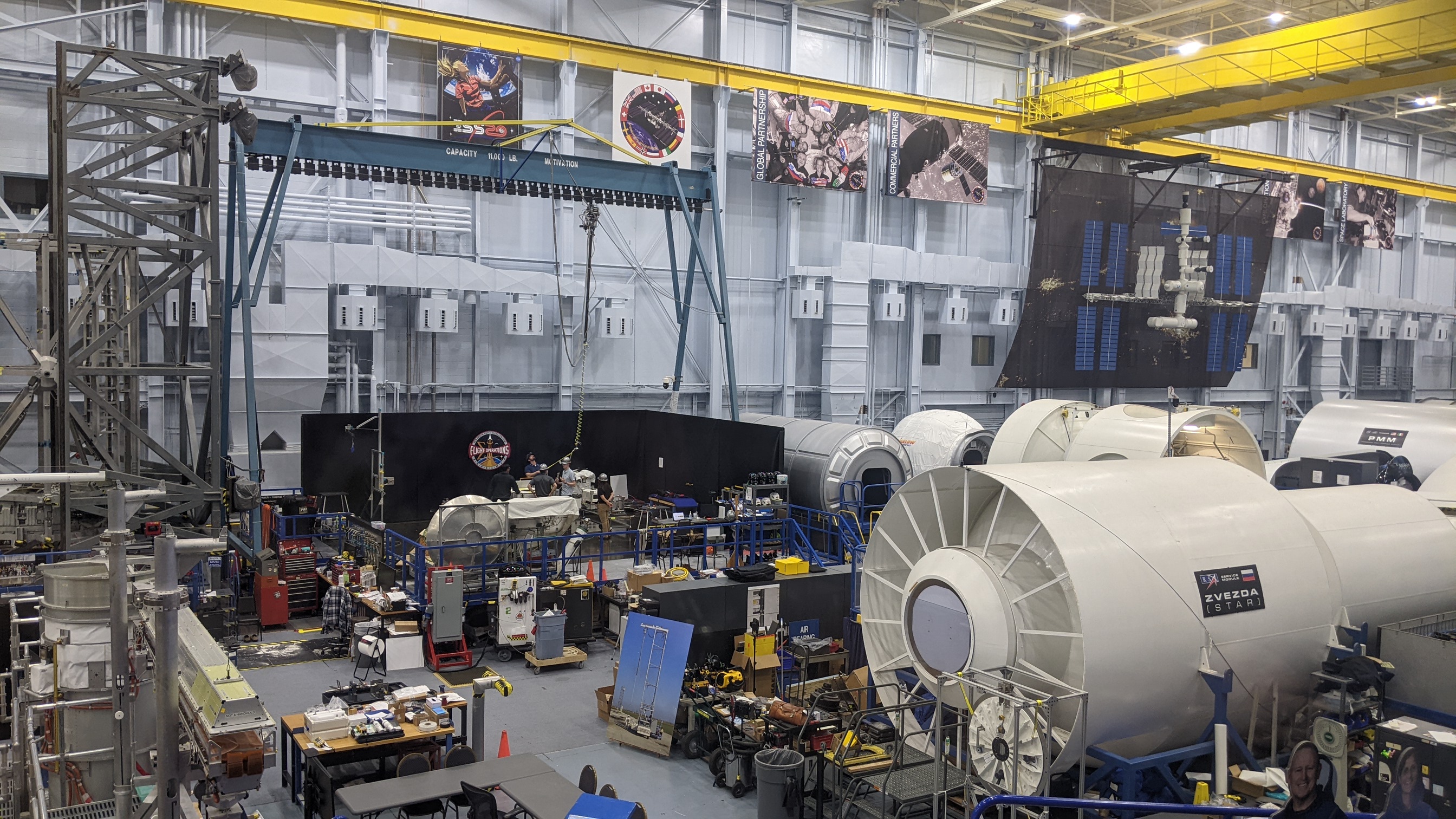
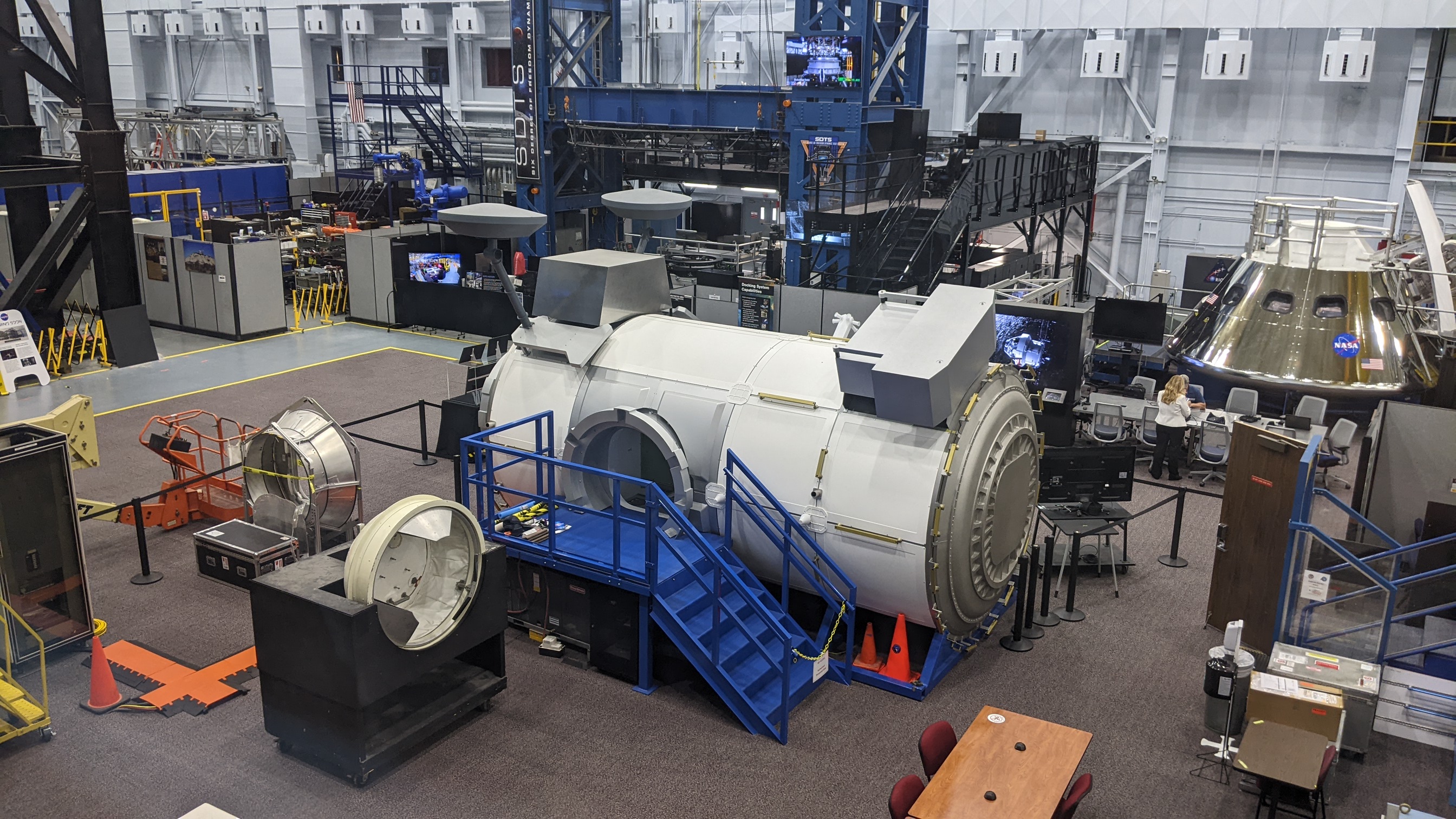
My tour also included a walk along a raised catwalk to peer down at the floor of a huge astronaut training center with full-size replicas of space station modules and transport capsules that journey to and from the space station. Although I am certain it can become a hub of activity at time, it appeared quiet and relaxed the day we visited.

Anticipate Future Exploration

Many more space missions are planned, but they will be very different.

First, according to NASA, the United States will return to the moon, perhaps as early as 2026. The ISS is set to be “retired” and dismantled by 2030, replaced by two or more international orbiting space stations, likely to be commercial or privately financed ventures. Then, American astronauts and the international community will turn their sights towards Mars and beyond.

The Artemis Accords, a set of principles designed to foster international partnerships for space exploration, were conceived and signed by representatives of eight nations, led by the United States, in 2020. To date, 42 countries have signed the voluntary agreements.

At Home on the Prairie

The NASA site is well-integrated with its Texas prairie roots. The agency has been working on sustainability projects in one form or another for more than 20 years. In addition to the Longhorns that share the 1,600-acre campus, the Johnson Space Center hosts a Houston Zoo program dedicated to increasing the population of endangered Attawater Prairie Chickens. The birds are bred in onsite field pens in an area that resembles their native habitat.

Another unique feature offers employees free access to more than 300 bicycles while on site to provide emission-free alternatives to driving while on the campus that’s adjacent to Clear Lake, which flows into Galveston Bay. During heavy rain, flooding and associated pollution can occur, so the space center has installed mitigation measures to alleviate potential problems and avoid disruption of operations. While NASA continues to have its sights set on space missions, it is also serious about protecting the home planet.

Visiting the Space Center

Space Center Houston is said to be the Number 1 attraction for foreign visitors to the Houston area. Leave plenty of time for your visit. There is much to see. One could easily spend an entire day in the exhibit hall, and tram tours of the 1,600-acre campus are offered. 

The center brings alive the history of American space efforts, from the first sub-orbital flight of Alan Shepard in 1961 and John Glenn’s three orbits around the Earth in 1962, to future planned Mars missions.
It is affiliated with the nation’s Smithsonian Institution and is one of several locations where visitors can learn about the U.S. space program. Visitor centers are located throughout the country, including Kennedy Space Center in Florida and the Marshall Space Flight Center in Alabama. A Space Camp is also held at Marshall.
If you’re interested in the full story of flight, the National Air and Space Museum in Washington, D.C, should be on your list. And, if you’re visiting the Midwest, a side trip to the Cosmosphere in Hutchinson, Kansas, is well worth a visit. There, you can see a full-size Blackbird spy plane and “Liberty Bell 7,” the Mercury capsule that sank in the Atlantic upon splashdown after a successful 15-minute sub-orbital flight in 1961. The accident almost killed Astronaut Gus Grissom, the second man in space. The account of its retrieval and restoration is legendary.