

Roatan is a beautiful, small island, with clear water and friendly people. On previous cruise visits to the tiny island of Roatan off the coast of Honduras, my husband and I had seldom ventured far from the port and nearby beaches. We had occasionally talked about returning to the island to spend a week at a local hotel, but that idea had never matured. So, once again, we were on a Gulf of Mexico cruise that included this port call. This time, we were determined to venture beyond the “tourist trap” at the end of the pier. I use that term in the sense of a protected enclave that offers short-term visitors an opportunity to purchase local crafts and souvenirs.
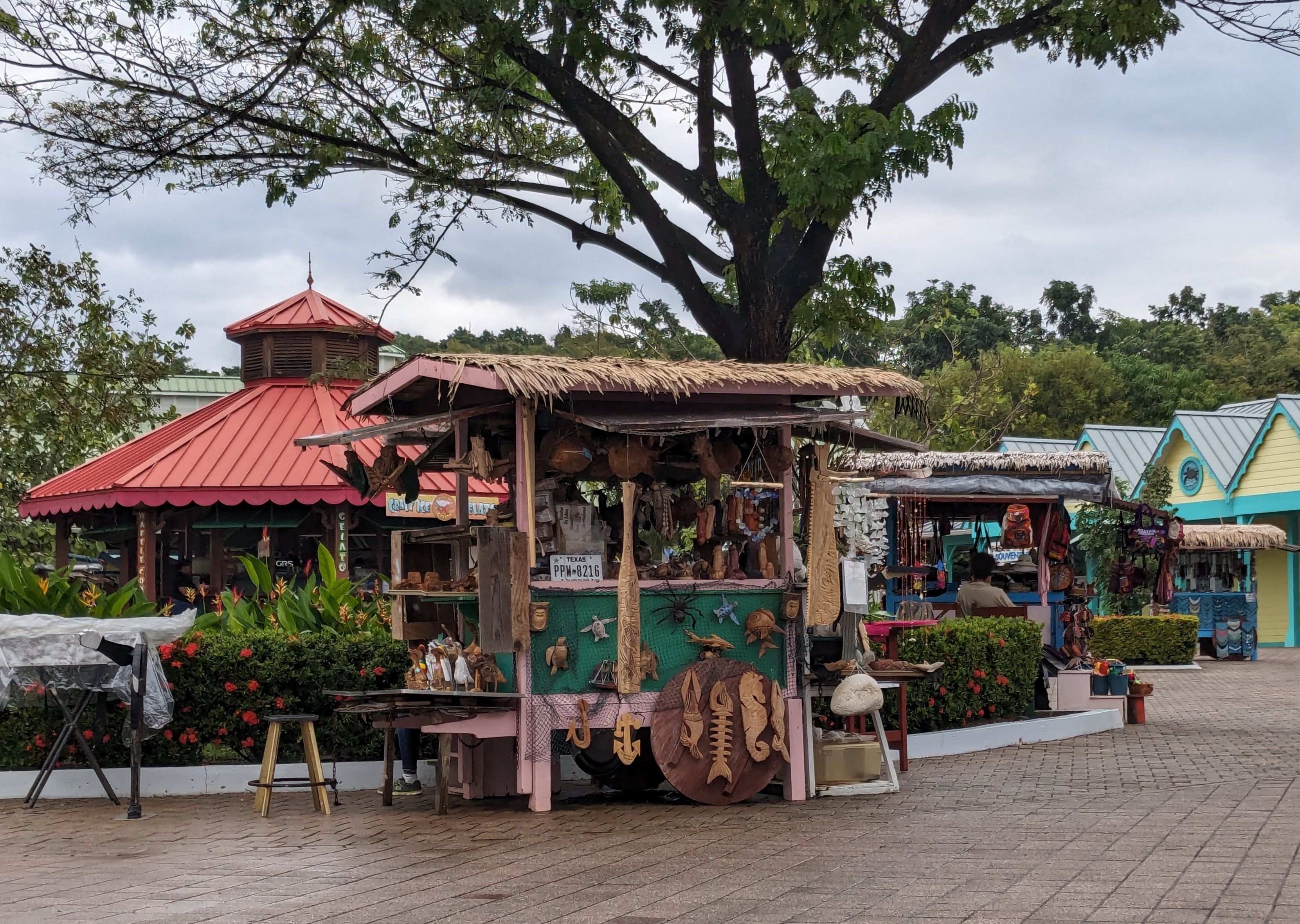
I am sorry this has become the norm in so many cruise ports throughout the world. These shopping and entertainment enclaves offer visitors only a filtered view. They are filled with chain shops and eateries, even though they often feature local entertainment and crafts. They are pleasant enough to visit, but they are in no way the same as visiting the country. Sadly, my husband and I had fallen victim to a skewed vision of Roatan, based on previous short visits. But this trip changed all that. We considered spending the day at a local beach. Instead, I found and booked a private tour of the island through Get Your Guide and its local affiliate, Roatan Trips and Tours.
It was an eye-opening experience, against which I will be likely to judge future tours in other destinations. I may not return to Roatan, but I will hold memories of this experience dear, and I have unique photos of our visit as well as mind pictures etched deep in my consciousness.

That’s the joy of travel — stumbling into situations that alter one’s perceptive, right?
Our four-hour tour stretched beyond the stated time constraints, but we weren’t watching the clock. I found the time spent with Jorge, our personable local guide, invigorating, enriching, and rewarding, and he had promised to return us to the dock before our ship was scheduled to sail. He did just that. The tour more than fulfilled my expectations, and my husband and I left believing that we had made a new friend who would welcome us back to Roatan should we choose to return. It pinpoints what is missing from many shore tours — the personal connection.
Let me explain.
Exploring Local Culture
We docked early the morning of February 1 at Mahogany Bay, while the mist was still clinging to the folds in the forested slopes that extend down to the sea.
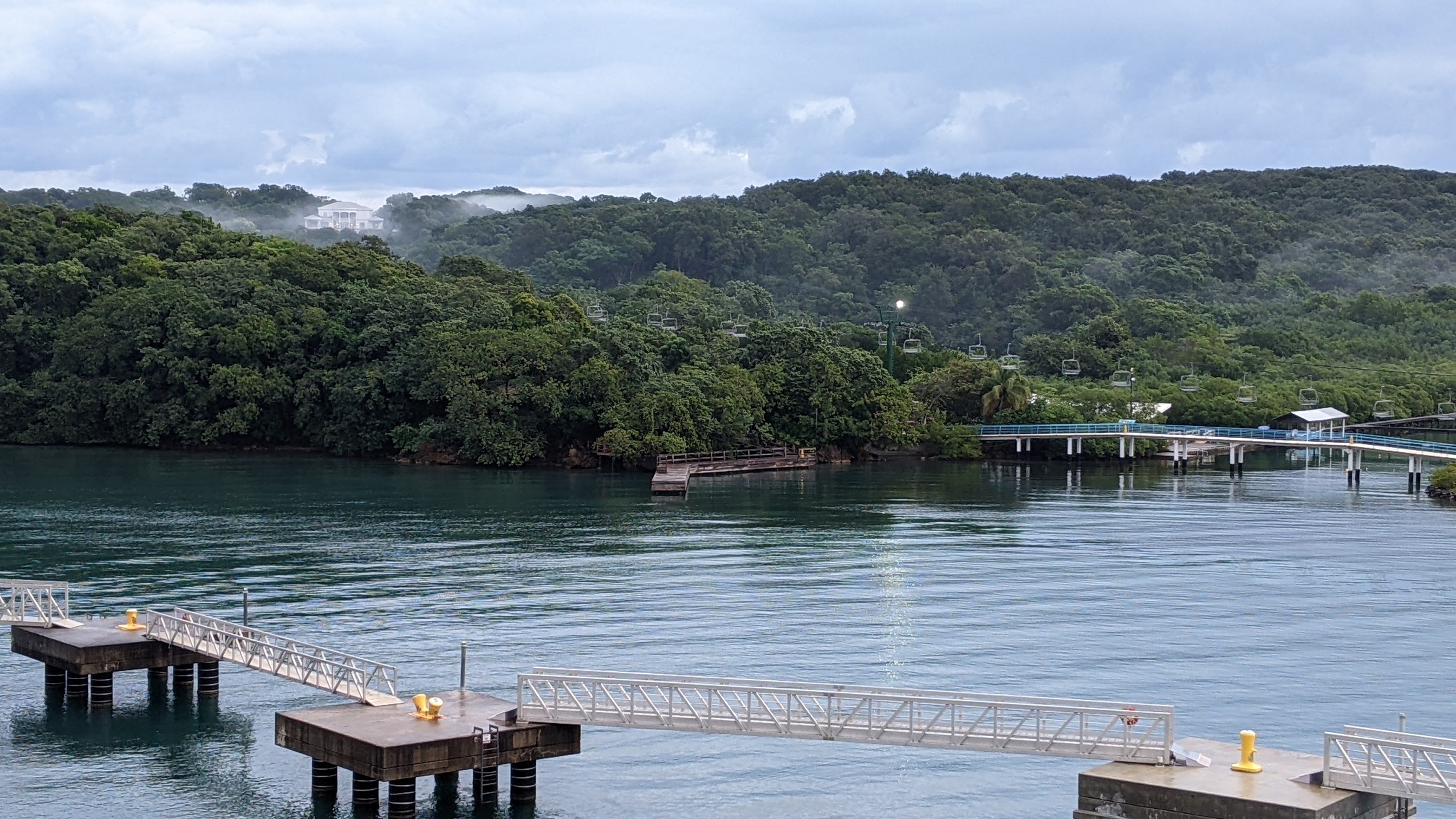
Used almost exclusively by Carnival Corporation, Mahogany Bay boasts an aerial tram that runs from the port to a nearby beach for a nominal fee. We disembarked in time to stroll leisurely through the port enclosure. Even though our ship, the Regal Princess, was the only one in port that day, the area already seemed alive with both locals and visitors.
The island’s larger dock is known as the Port at Town Center, situated further west along the coast, adjacent to Coxen Hole, Roatan’s major city. It is used by almost all other cruise lines and can accommodate three large ships at a time, one alongside the dock and two at anchor. The port area is currently being enlarged and improved; construction activity is expected to continue through 2024; perhaps longer. Royal Caribbean’s Wonder of the Seas was alongside the dock at Town Center.
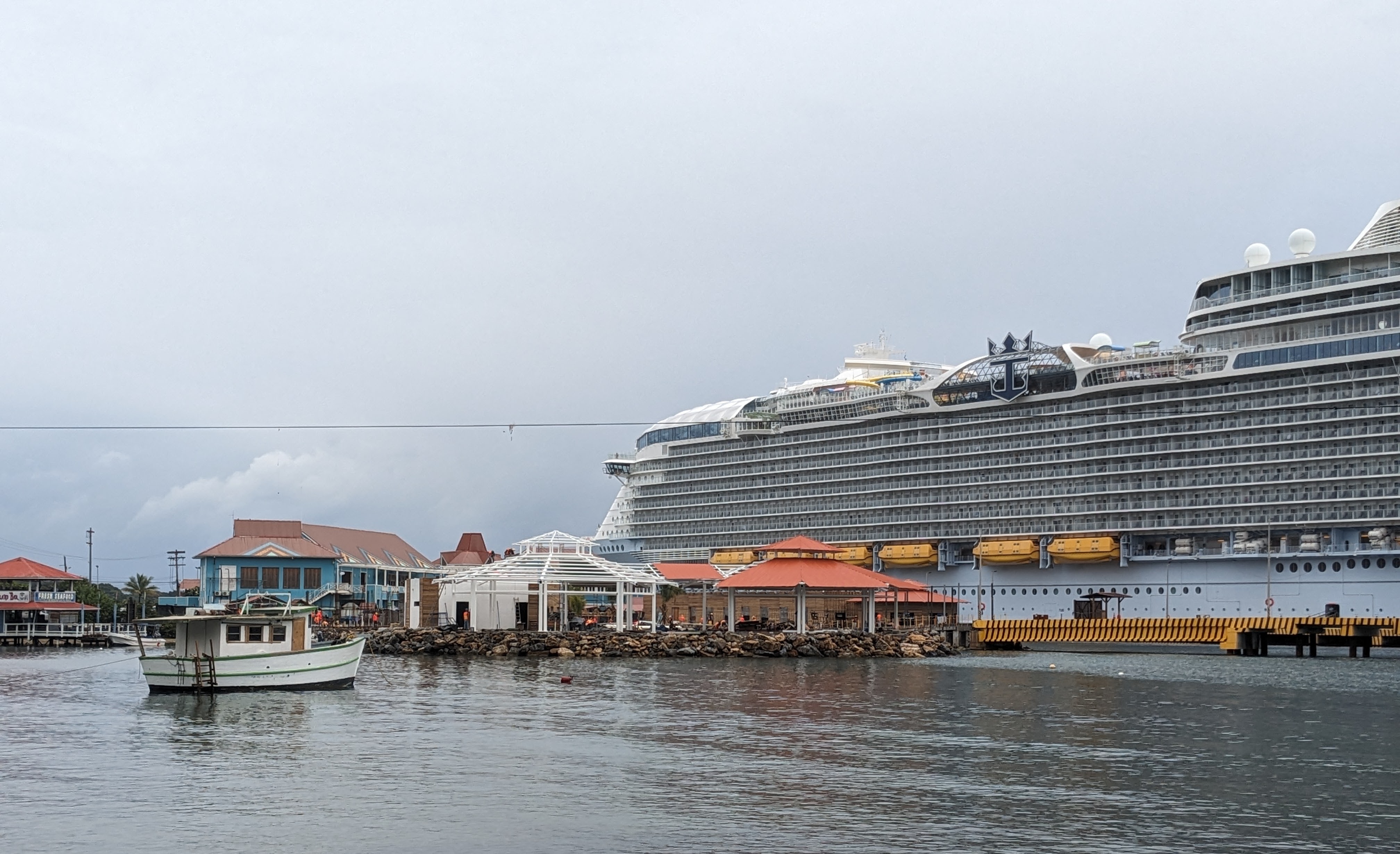
Icon of the Seas, Royal Caribbean’s newest vessel and the largest cruise ship currently sailing, was scheduled to make an inaugural call there on March 4. It officially entered service on January 27, 2024, with the ability to carry 7,600 passengers and more than 2,500 crew members. I found myself wondering if tiny Roatan could handle that many additional cruise passengers, particularly if other ships were also in port.
On the day we visited, it is probable that cruise visitors numbered upwards of 5,000.
We typically disembark and explore port cities on our own, walking or riding local buses. We sometimes hire a cab driver for an hour or two. Less often, we join a planned excursion. Before this trip, we had debated whether we would disembark at all in Roatan. I could have canceled our excursion at the eleventh hour, but we’re happy we chose to take the tour. We count the time we spent with our guide as one of the highlights of our cruise, and I readily admit that Roatan has much to offer beyond the port facilities.
When we disembarked, we walked to the far side of the port compound and then took a brief jitney ride to the designated meeting point outside the port area. The fee was minimal. Guides from multiple companies waited there to ferry passengers to local beaches or other island destinations. We visited with local tour operators and fellow cruise passengers as we awaited our driver/guide.
He arrived, apologetic that he had been delayed by traffic. The excursion had been billed as a “design your own” tour, offering options to visit local beaches, go snorkeling or sailboarding, shop if we wished to do so, spend some time at a chocolate factory or a monkey or sloth sanctuary, and several other possibilities. We told our guide, Jorge (or George), that we wanted him to show us his island, and asked only if there might be a restaurant with a water view where we could stop for a simple lunch.
Jorge agreed, and we set off.
Learning About “Jorge’s Island”
Like many islands, Roatan is a land of contrasts. The island has a rich history, some of it very different from the history of mainland Honduras. Once a British colony, 17th Century Roatan boasted a population of about 2,000 pirates with more than 500 houses in the northern city of Port Royal. That city is now in ruins, and the island’s resorts exist primarily at the other end of the skinny, curving island, congregated in West End and West Bay. The first language of native islanders is English, although in recent decades, increasing numbers of Spanish-speaking residents have made their homes on Roatan.


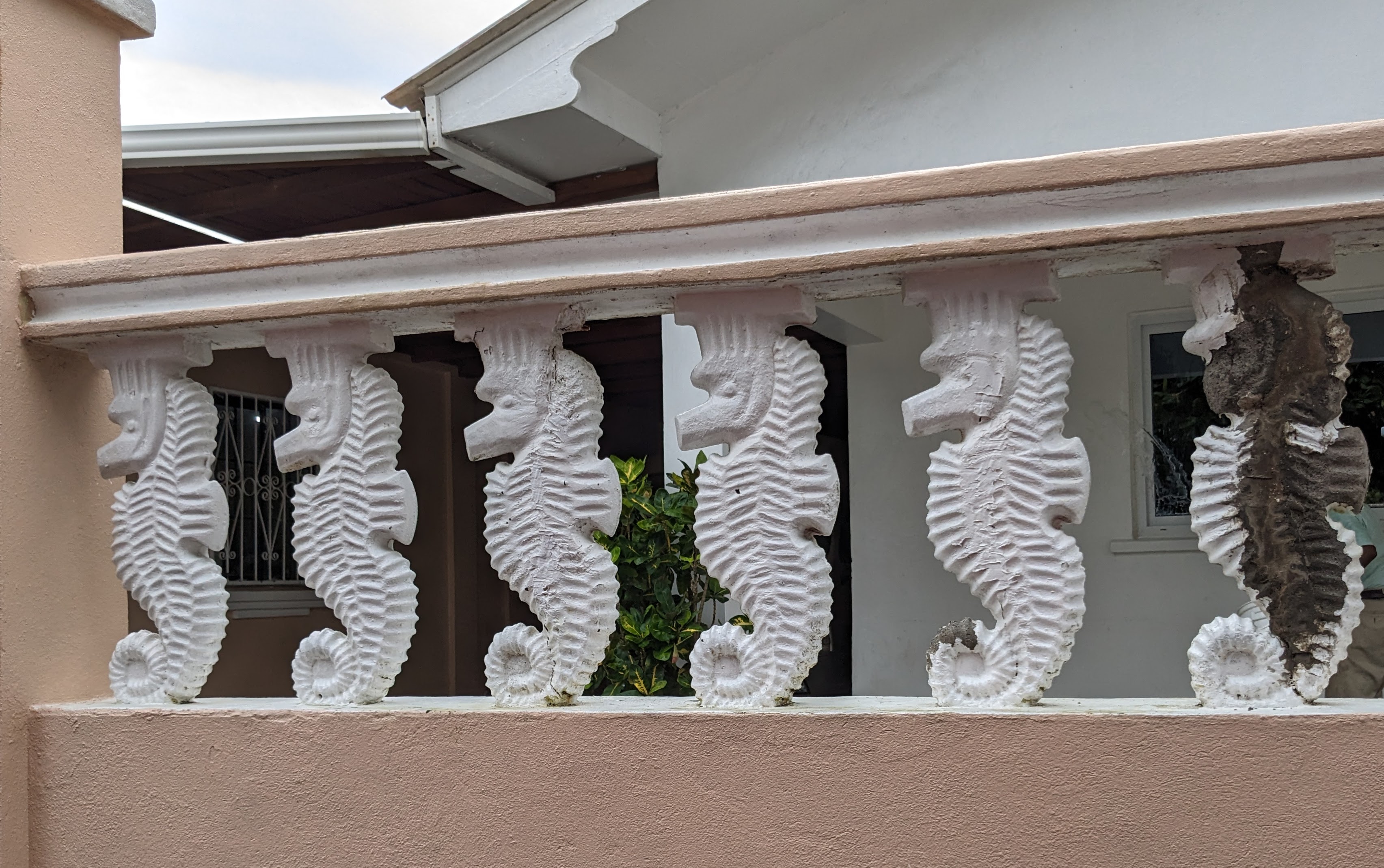


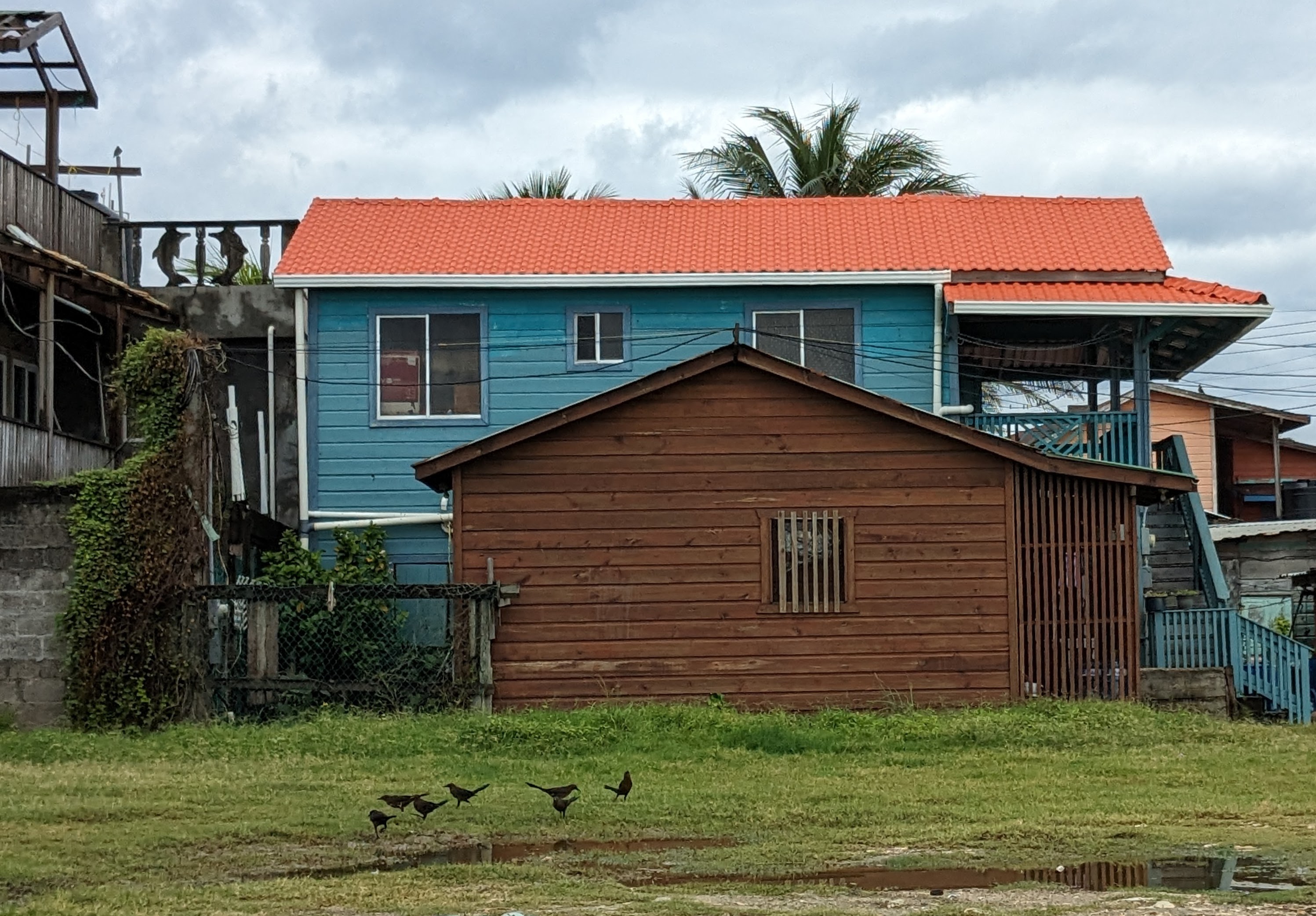

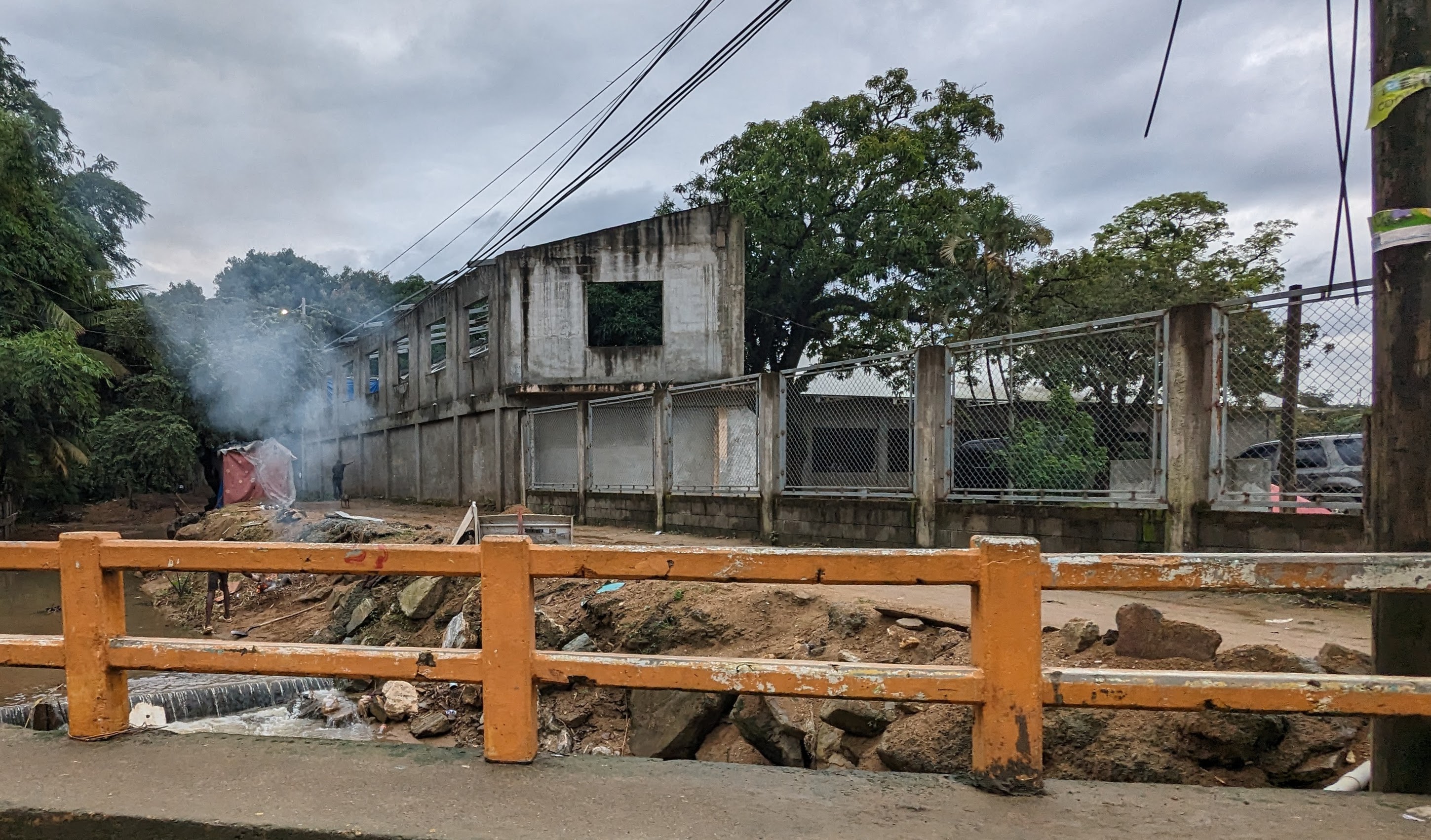
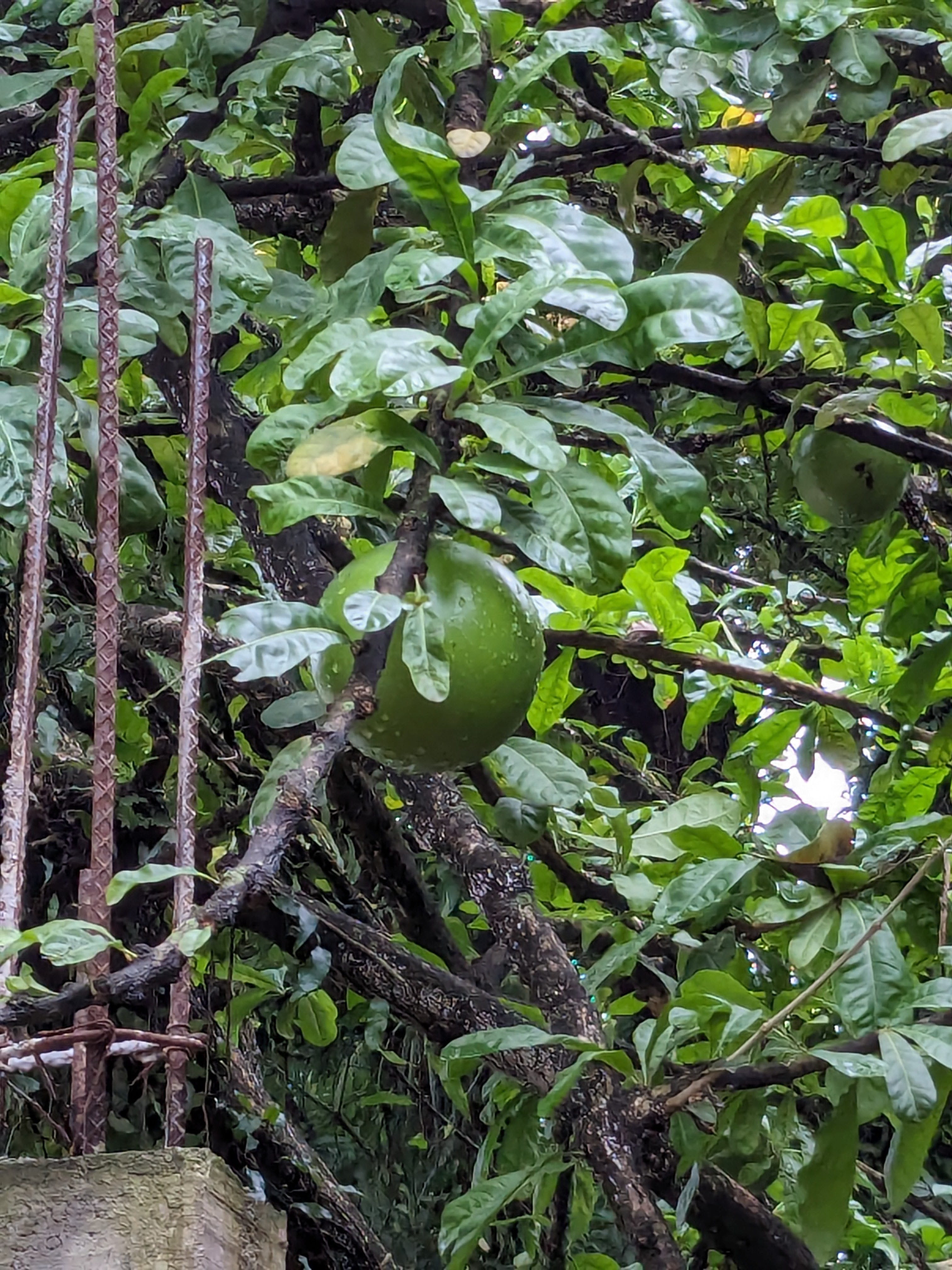

During the next several hours, we saw much of Roatan, including some areas where day visitors do not normally venture. Roatan is the largest of a group of seven islands located about 40 miles off the northern coast of Honduras. But it is a small island, measuring approximately 48 miles long and varying from one to five miles wide.
The Meso-American Barrier Reef, the second-largest in the world, surrounds Roatan and is known for its biodiversity and extraordinary reef diving. Daily flights arrive from Miami, Houston, and Phoenix at the airport that lies between the two cruise ports. It is estimated that upwards of 1.6 million tourists visit Roatan annually.


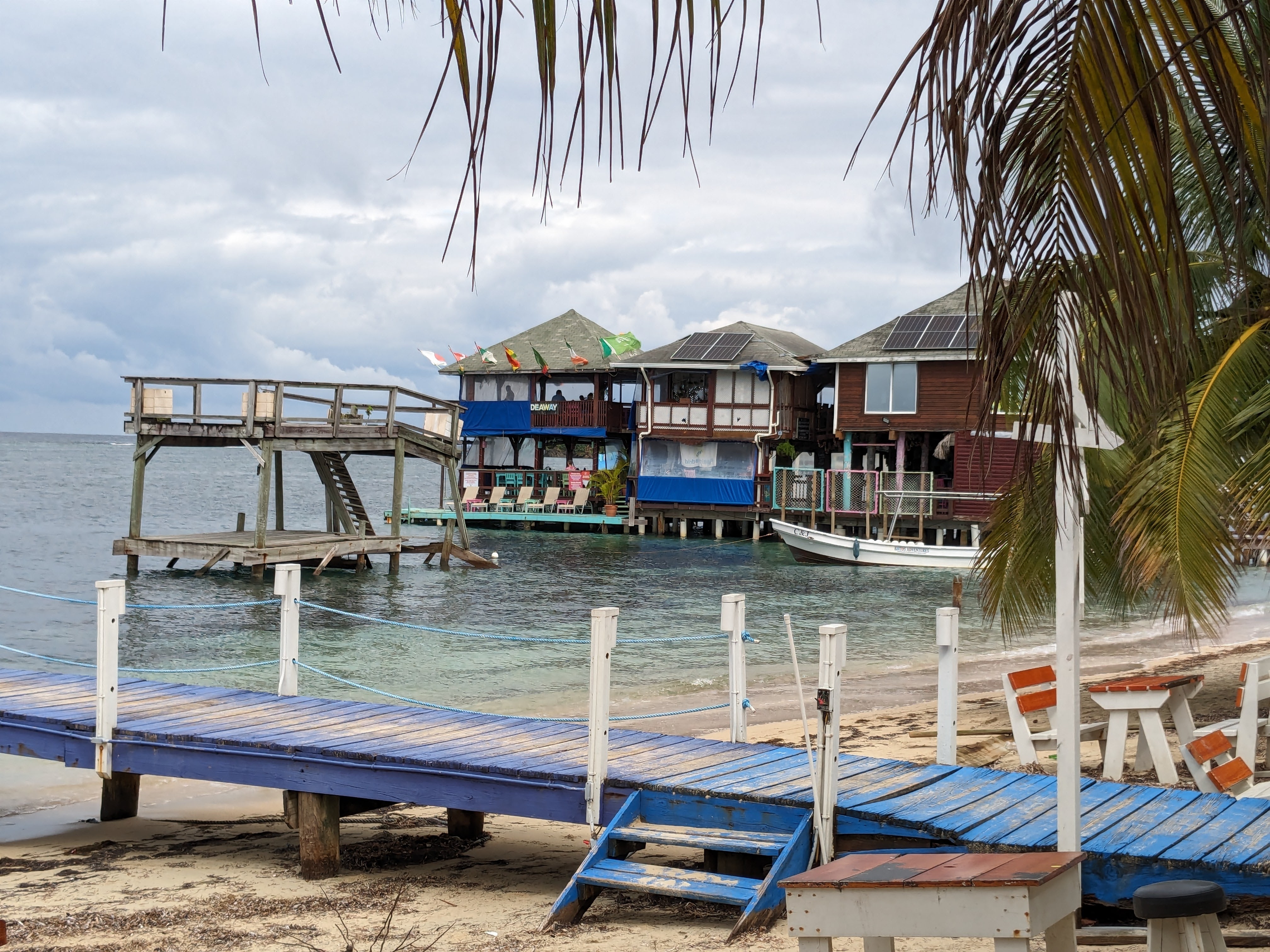
We drove past tony all-inclusive resorts on this beautiful spit of land, many with private beaches and over-the-water bungalows, some hidden behind iron gates and lush greenery. There are no high-rises, but inland some new multi-story condos and rental apartments are under construction, some with incredible views.
We passed waterside restaurants and bars, and numerous piers boasting fishing, diving, or snorkeling expeditions. Roatan boasts some of the clearest water and best beaches in the Gulf, and it is renowned for its diving and snorkeling possibilities. We saw local homes, both large and small, in small communities and near the water.


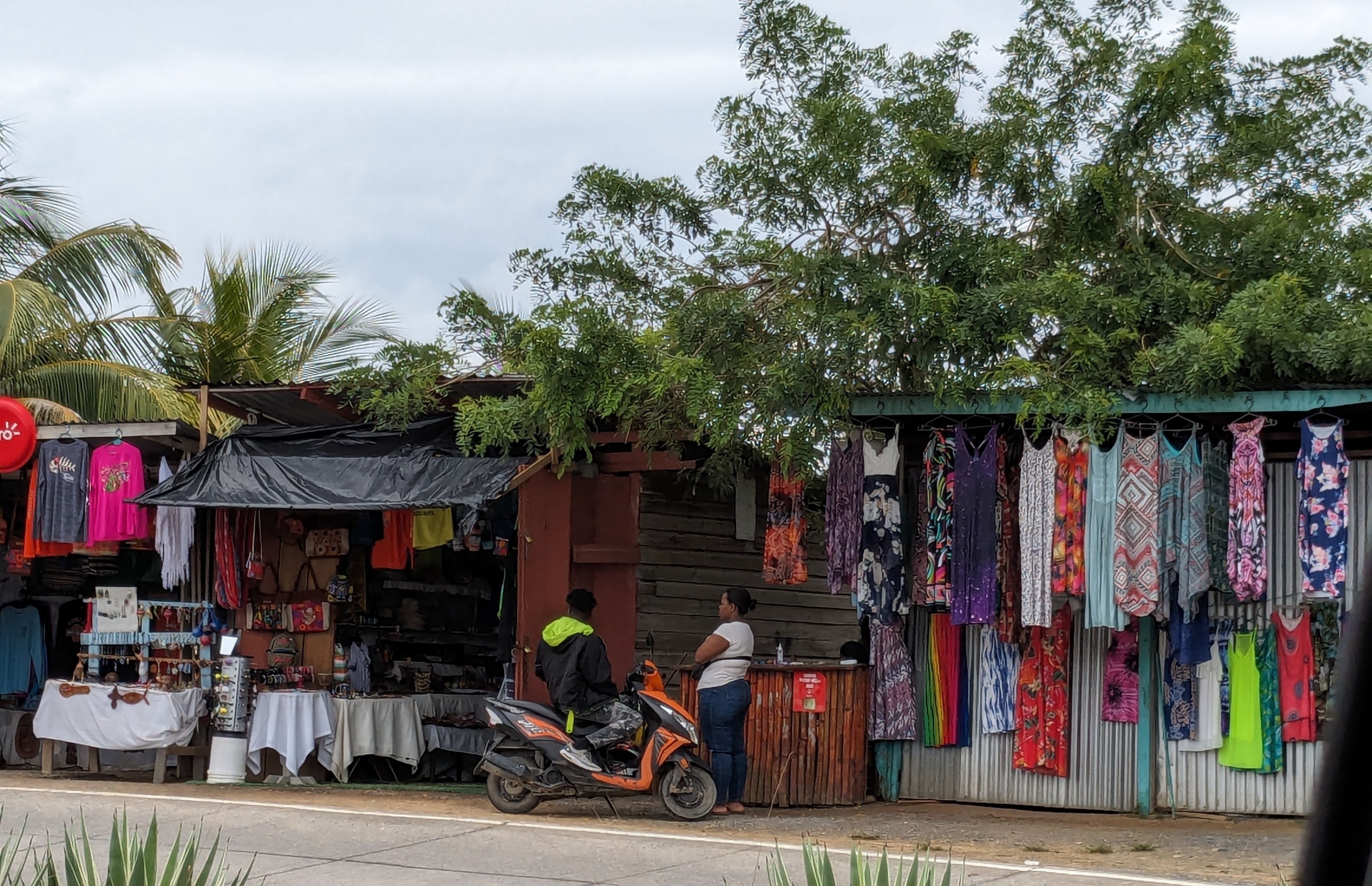
We encountered roadside vendors selling fresh fruit and other wares, and we saw local shopping centers, and even a casino!
We turned off the main highway and followed dirt roads to shorelines devastated by recent storms. Some buildings and playgrounds have not been rebuilt since the last hurricane passed through. We drove through small local communities and slowed to allow groups of young children to move out of our path. They smiled, and we waved.


A Story of Growth and Development
There is evidence of growth and development everywhere, from road building and infrastructure to modern offices, warehouses, shopping areas, and condos. But much of the island is old, and many of its residents are poor. Many homes and buildings are in need of repair.

Jorge pointed out an impressive columned mansion that belonged to Roatan’s former Mayor Dale Jackson, an island native who amassed a fortune from his fishing business. He also showed us grocery stores and shopping centers, factories, homes and apartments, and tumbling-down old structures that seem beyond repair. He showed us schools and children at play, and we drove through neighborhoods and business districts where people invariably greeted us with smiles.
We drove past modern “mini-malls,” and stopped at a small shopping center to visit a chocolate factory. I was enthralled to see how cacao beans are processed. I followed the multi-step process from bean to chocolate bar, and watched as cocoa butter was processed in a blender. The scent alone made me want to taste the chocolate. We were offered samples and could not resist purchasing several different varieties of Honduran chocolate to take home.
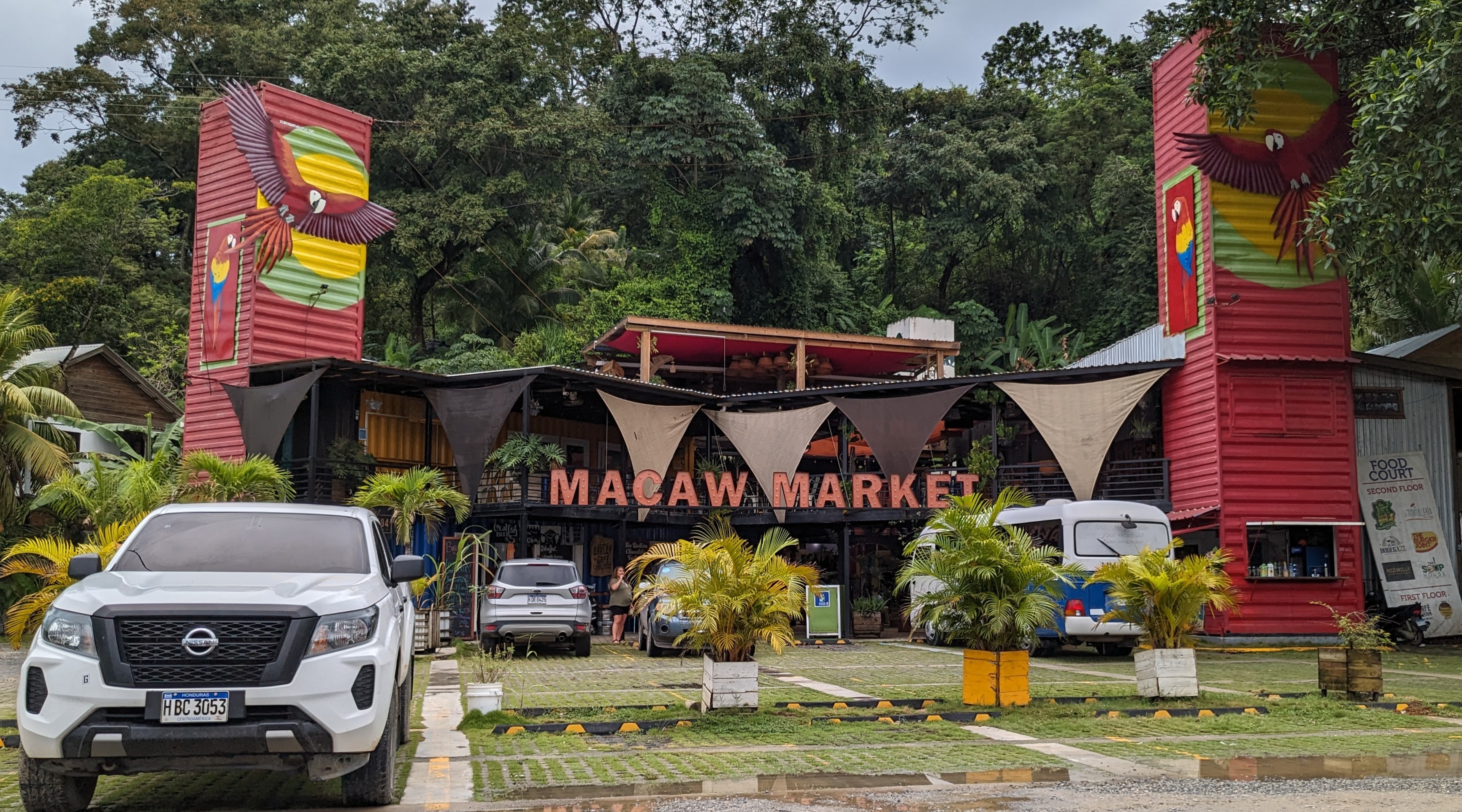


Jorge told us about his family, about the realities of life on a small island, about the Honduran economy, taxes, government, medical care, education, and business. We asked how life on Roatan differs from life on the mainland. He smiled and explained that living on the island is good, despite the hardships. Life on the mainland, he said, is “not so good.” We asked about his past and his hopes for the future. Although medical care is available on the island, he noted, residents must travel to the mainland for a complete physical exam. He told us he had just been to the mainland for his annual physical, and he was happy to be home with a clean bill of health.

He gave us each a paper bill — Un Lempira — each worth about four U.S. cents, explaining that Honduras recently phased out its coins. Today all the currency is paper. I bought a keepsake magnet that shows some of the now retired coins.
We asked about local housing and food. Jorge pointed out some newer condos and vacation homes under construction. We wondered about the pricing. Suffice it to say that waterfront properties are expensive, as in any prime vacation market, and larger homes on waterfront property can range into the millions in U.S. dollars.
Jorge answered all our questions, and we gained a better understanding of the Honduran economy, local issues, and island culture than we could have learned from a guidebook or a printed brochure. We tried to answer his questions about our life in the United States as honestly as he had shared information about his homeland.
Feasting on Island Specialties


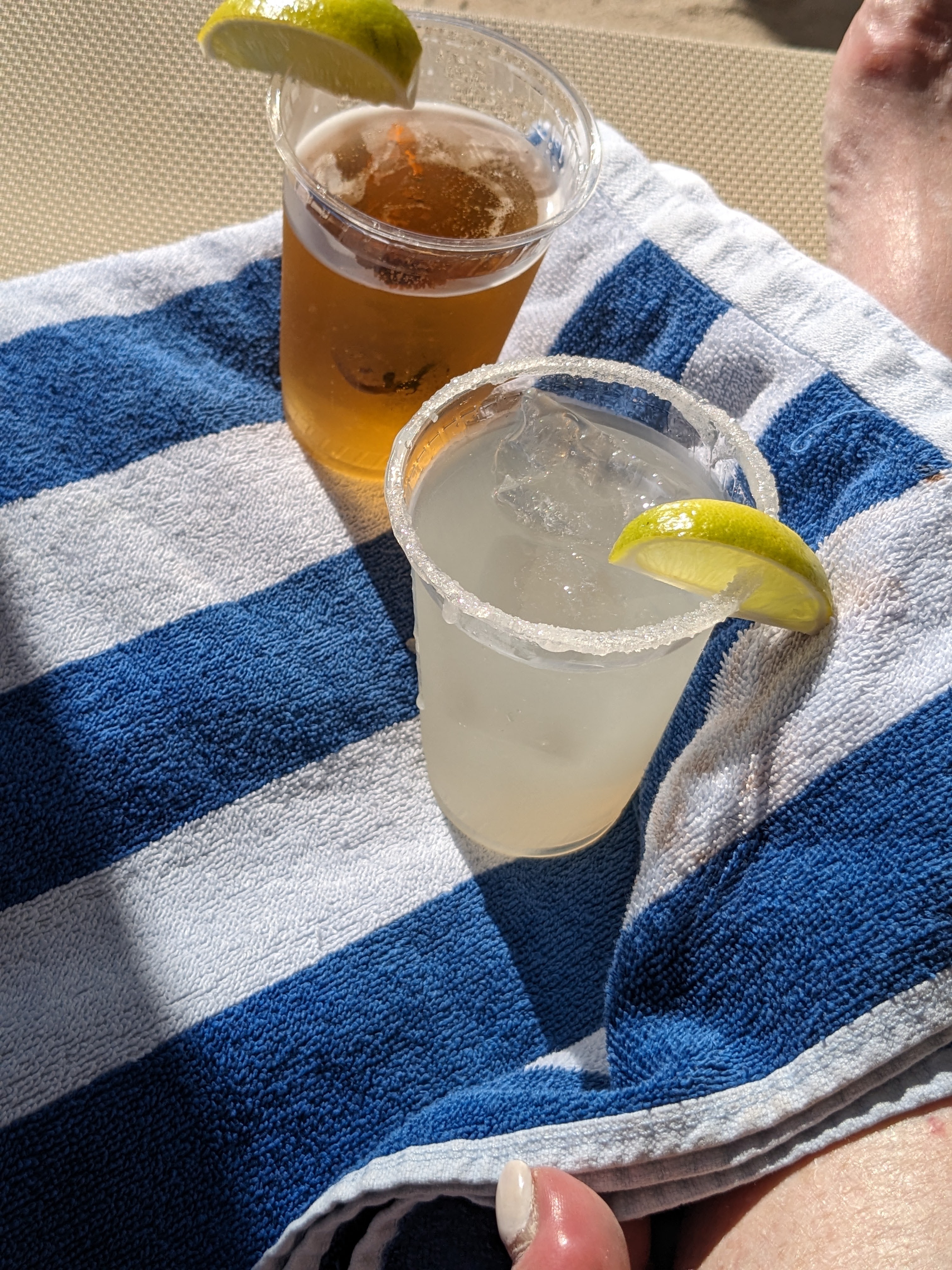
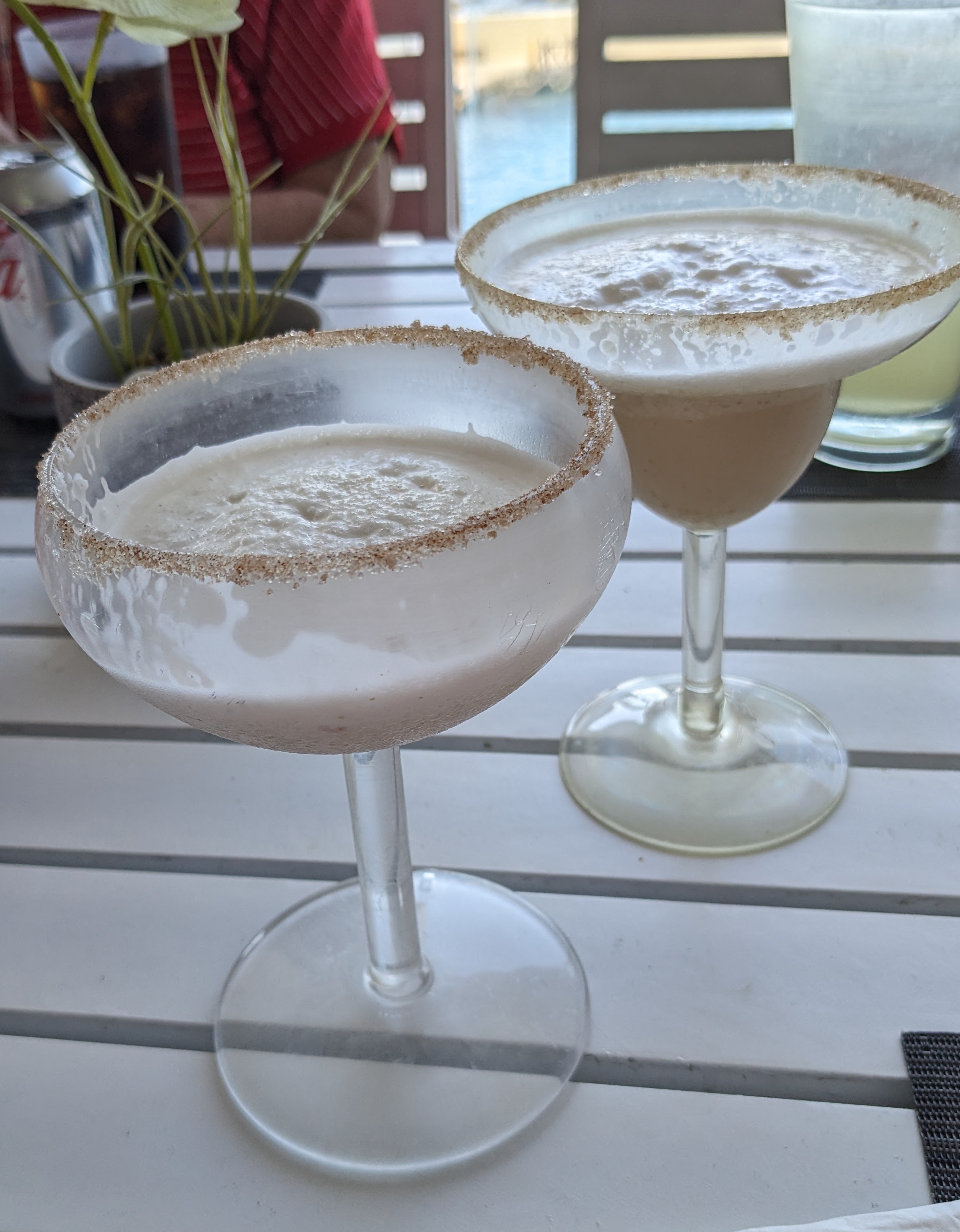
Then, Jorge steered us to a beachside cabana with a rustic bar and a few picnic tables. We sat looking out at the gentle waves and watched children and adults play in the surf while we sipped cooling drinks and asked more questions about life in Roatan. Jorge talked about his family, his wife, and his sons who work in the construction field.
It was a peaceful interlude. I had not realized that there is so much for tourists to see and do on the island. I was more than pleased that we had this relaxing time to share with Jorge.


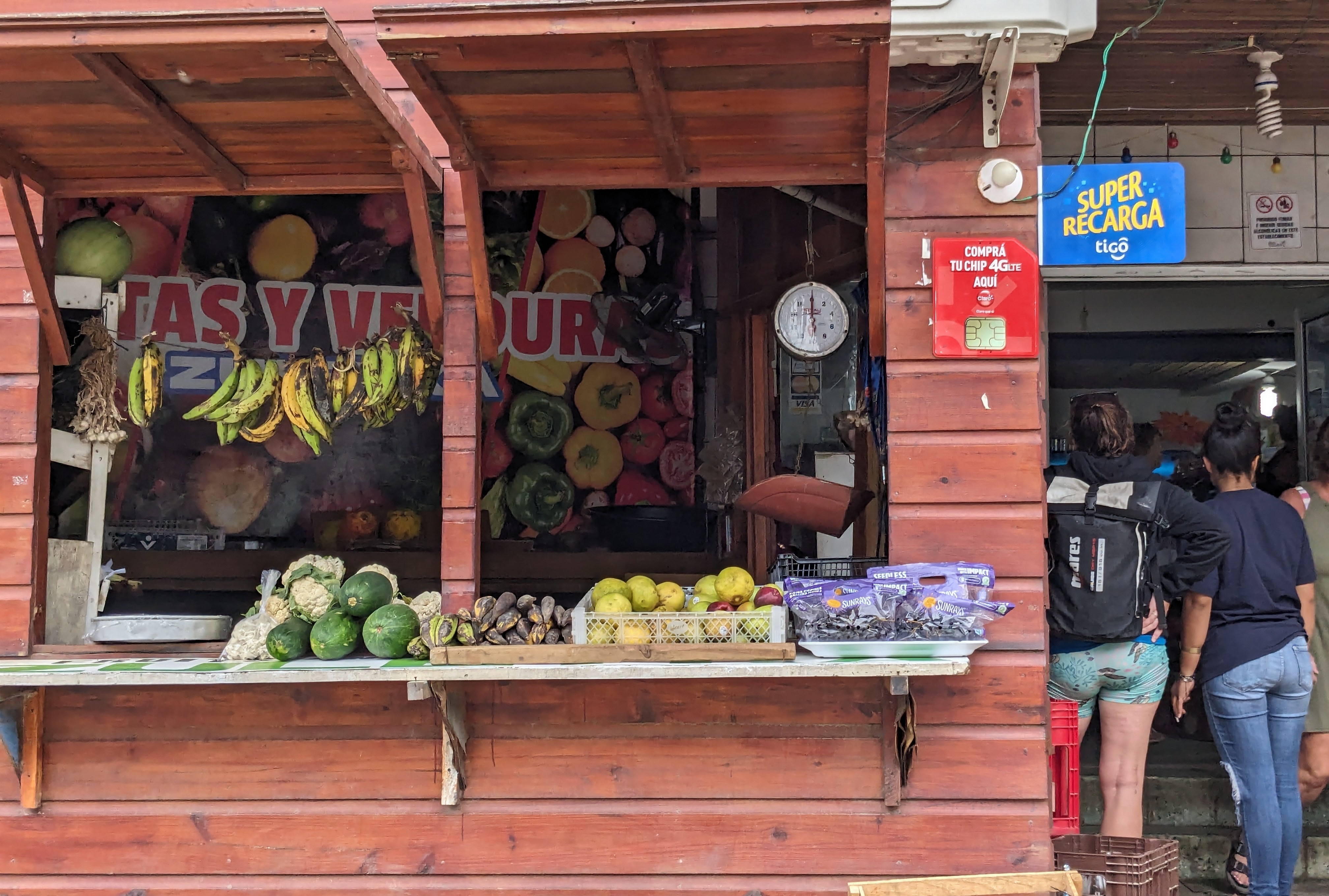
I asked about restaurants and his food favorites, and a few minutes later, he stopped his car outside a bustling food bazaar. Jorge left us for a few moments, quickly returning with what he called the “Honduran cheeseburger.” It’s delicious! A soft warm tortilla filled with beans, cheese, and a dollop of sour cream. The humble baleada may also be filled with additional ingredients — scrambled eggs, grilled meat, onions, or avocado, upon request — to make this simple street food a hearty breakfast or a tasty lunch treat.


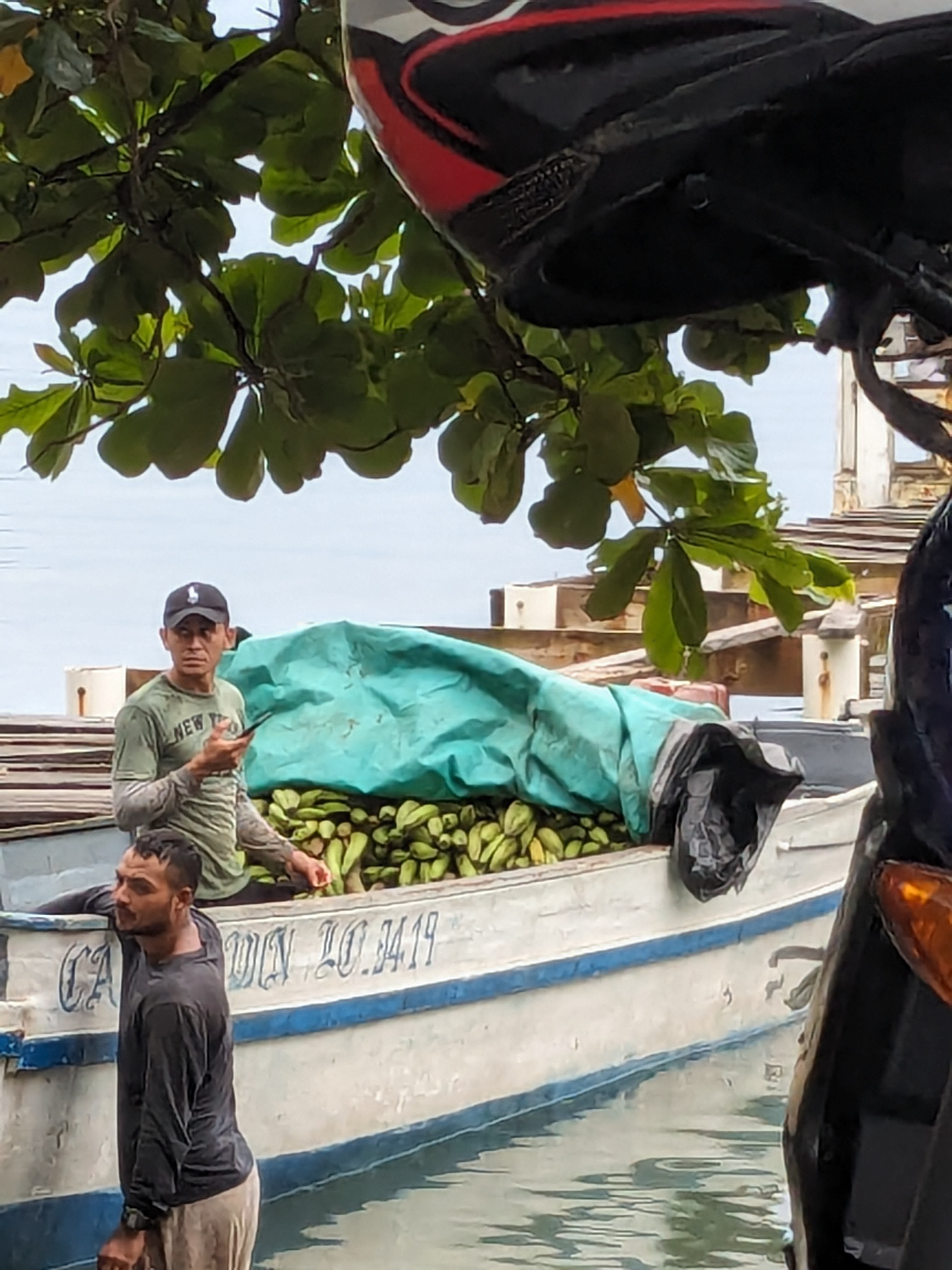
The next time you visit a foreign destination, take the time to interact with local people. All-inclusive resorts, luxury hotels, fine dining, and secluded beaches certainly have their place, but it’s frequently the unexpected encounters with ordinary residents that leave the most indelible impressions on the heart and mind. That’s the gift that Jorge gave us on this tour.
Now, About Lunch
Jorge had not forgotten our earlier request for a simple lunch. After confirming that we had little interest in cuddling a sloth or interacting with parrots, he steered us toward French Harbor, a well-known and popular part of the island. He promised us a view, and a meal, that we would remember. After only a little coaxing, he agreed to join us.
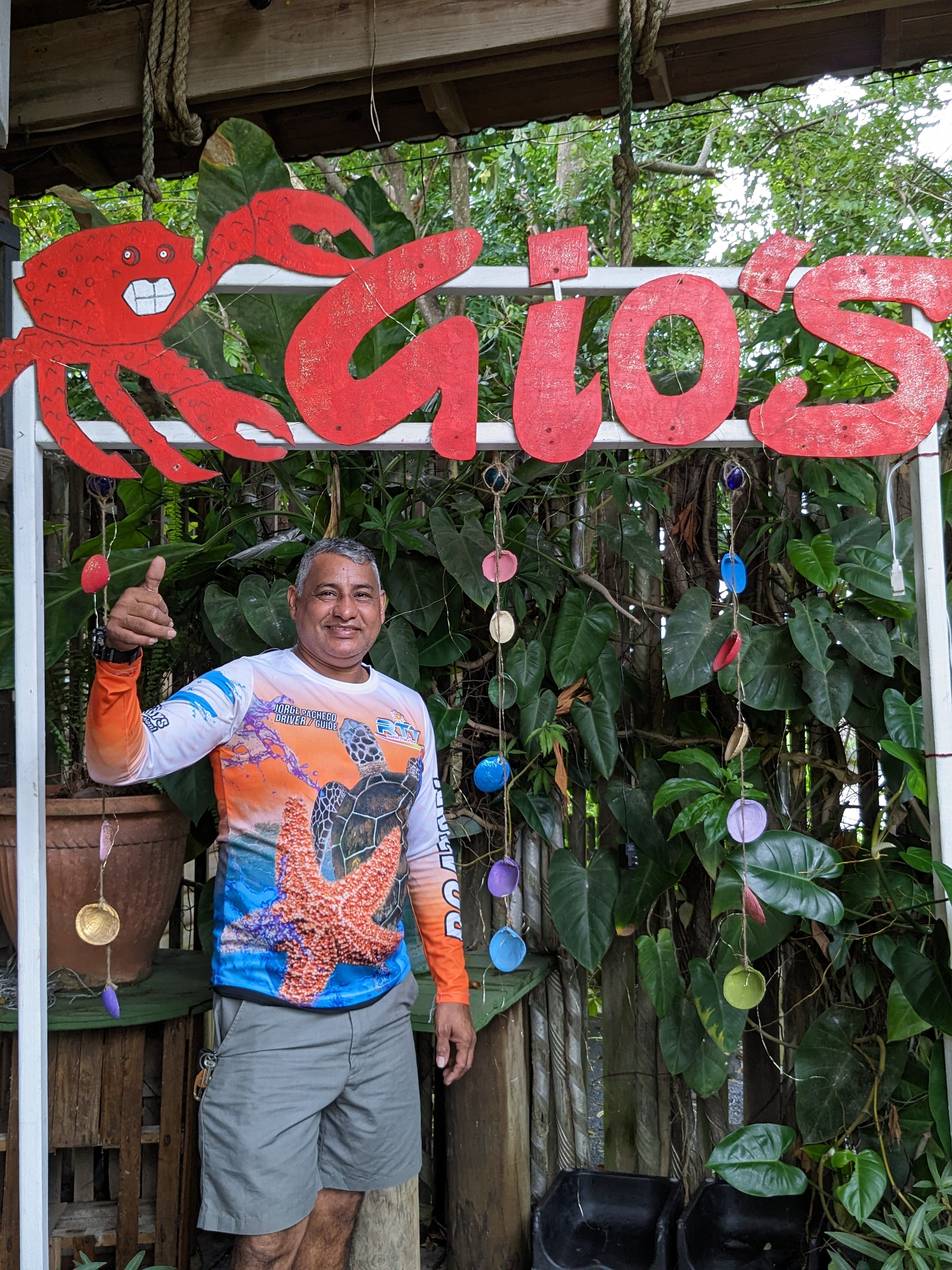


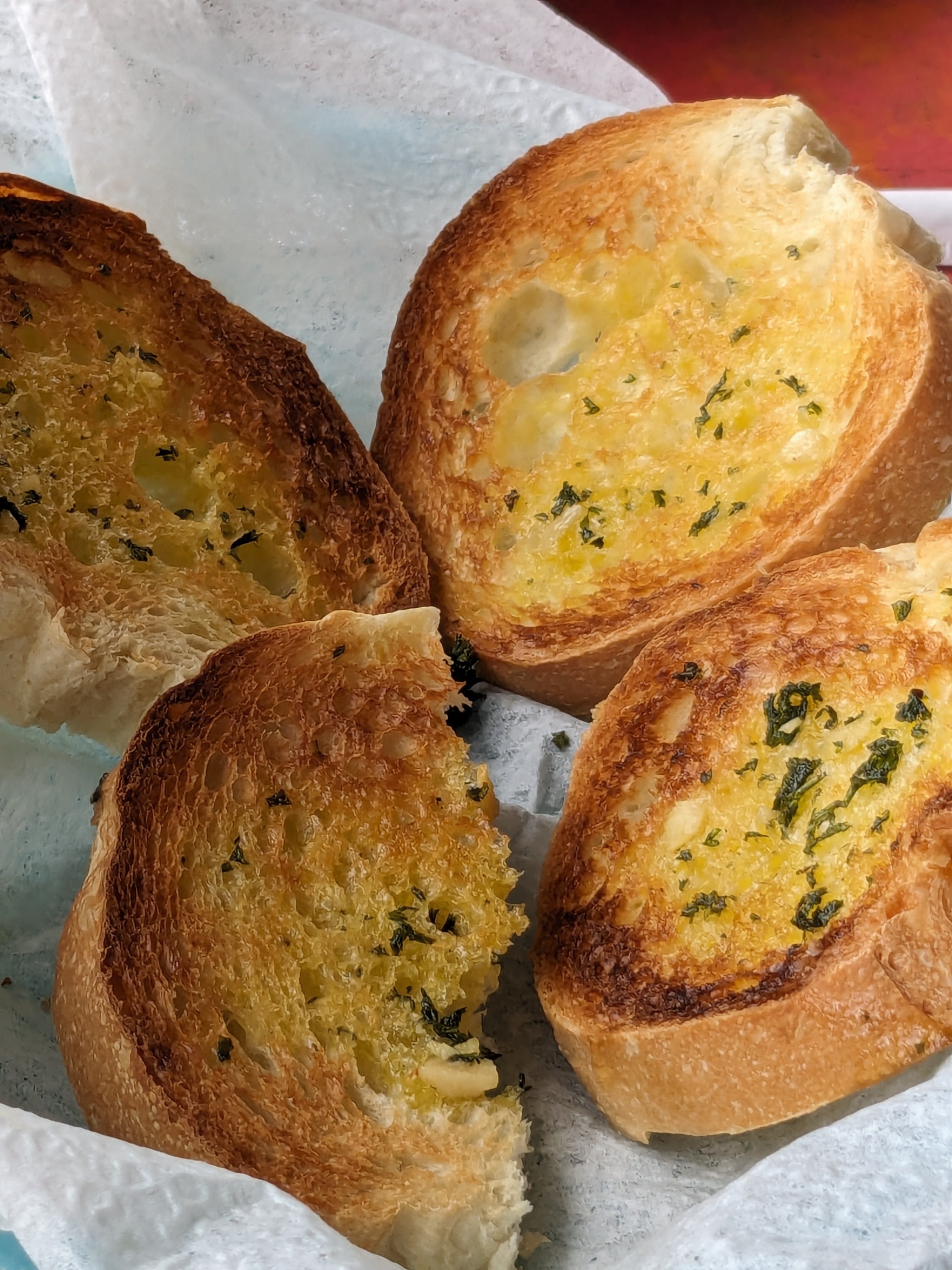
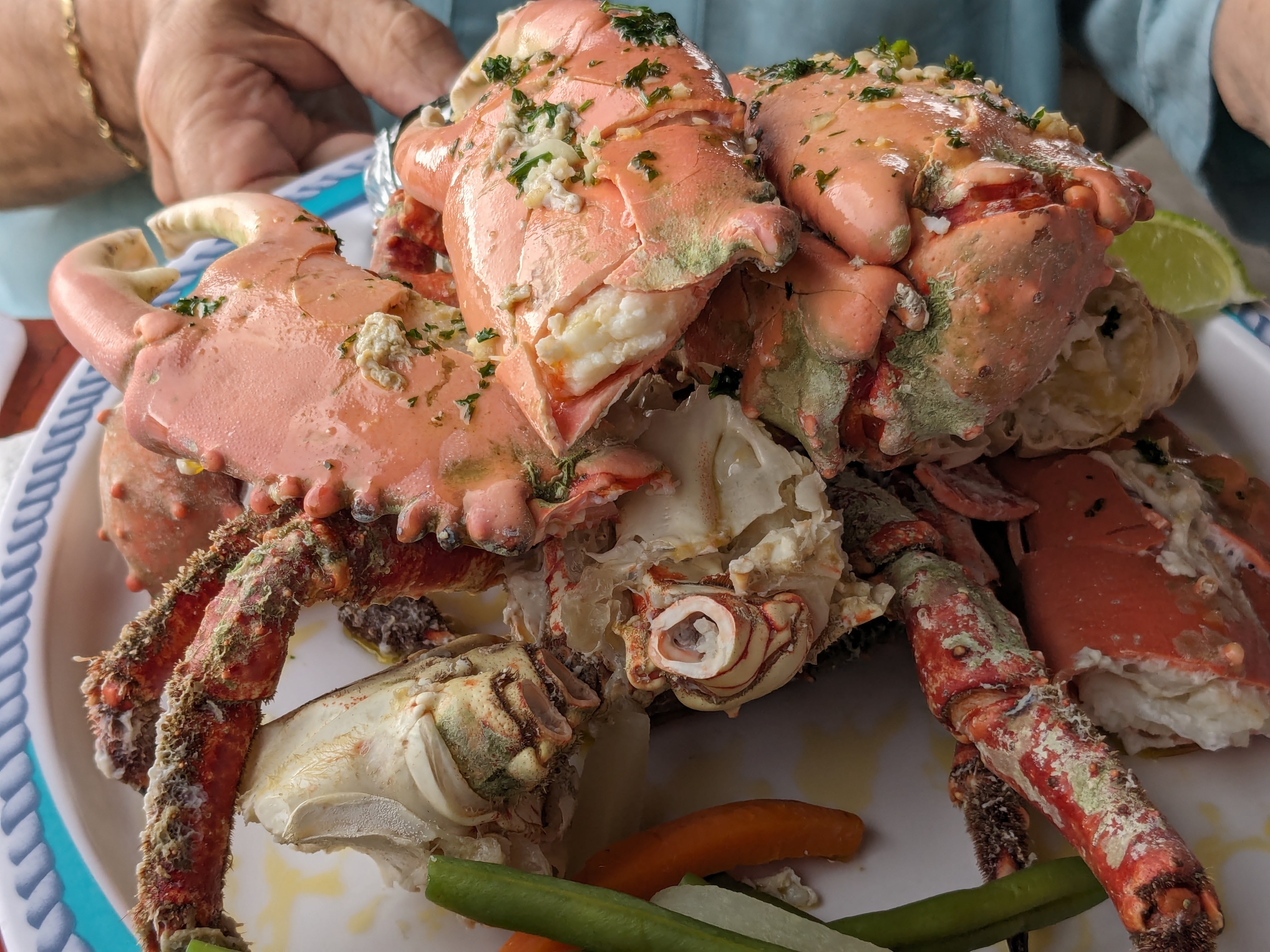


Gio’s is a popular and well-known Roatan establishment that has operated in the same location since 1994. Tourists and islanders alike tout it for the friendly service, the food, the panoramic views, and the laid-back atmosphere. The specialty of the house is Spiny Caribbean King Crab, so that’s what my husband ordered. I ordered what I thought would be a sampler plate of fried plantains and other appetizers. We planned to share. Jorge chose beef and vegetables (perhaps, because he lives on the island, he has his fill of seafood and fish?) In any case, we all were happy!
The meal served as a memorable conclusion to our day on the island. With full bellies and more-than-satisfying memories of time spent on an island we now know and understand a little better, we were saddened at the thought of saying goodbye to a new friend. He dropped us back at Mahogany Bay. We could not say goodbye, however, without snapping a few pictures and exchanging heartfelt hugs.
We carry the memory of a few hours spent in Roatan with Jorge as one of the true pleasures to be found through travel.





















 Good Food and Faraway Places