A special angel at the airport . . .

On the morning of January 17, 2023, we drove to Clinton National Airport in Little Rock. We were filled with anticipation. The skies were clear and the sun was shining. Despite an itinerary that included two plane changes before we would board our international flight in Miami, we believed we were well prepared for all contingencies and that our long-awaited trip to South America would be without incident. We were filled with anticipation.

Little did we realize then just what an experience awaited us. Our long-awaited journey had been on hold since before COVID. The trip itself had morphed from a relatively simple desire to sail around Cape Horn at the southern tip of Argentina — once an itinerary of between 10 and 14 days — to a trip that included not only Chile and Argentina, but also the Falkland Islands. The journey had stretched to 22 days. Our expectations had also become greater!

Travel plans sometimes take on lives of their own — that had certainly happened this time.
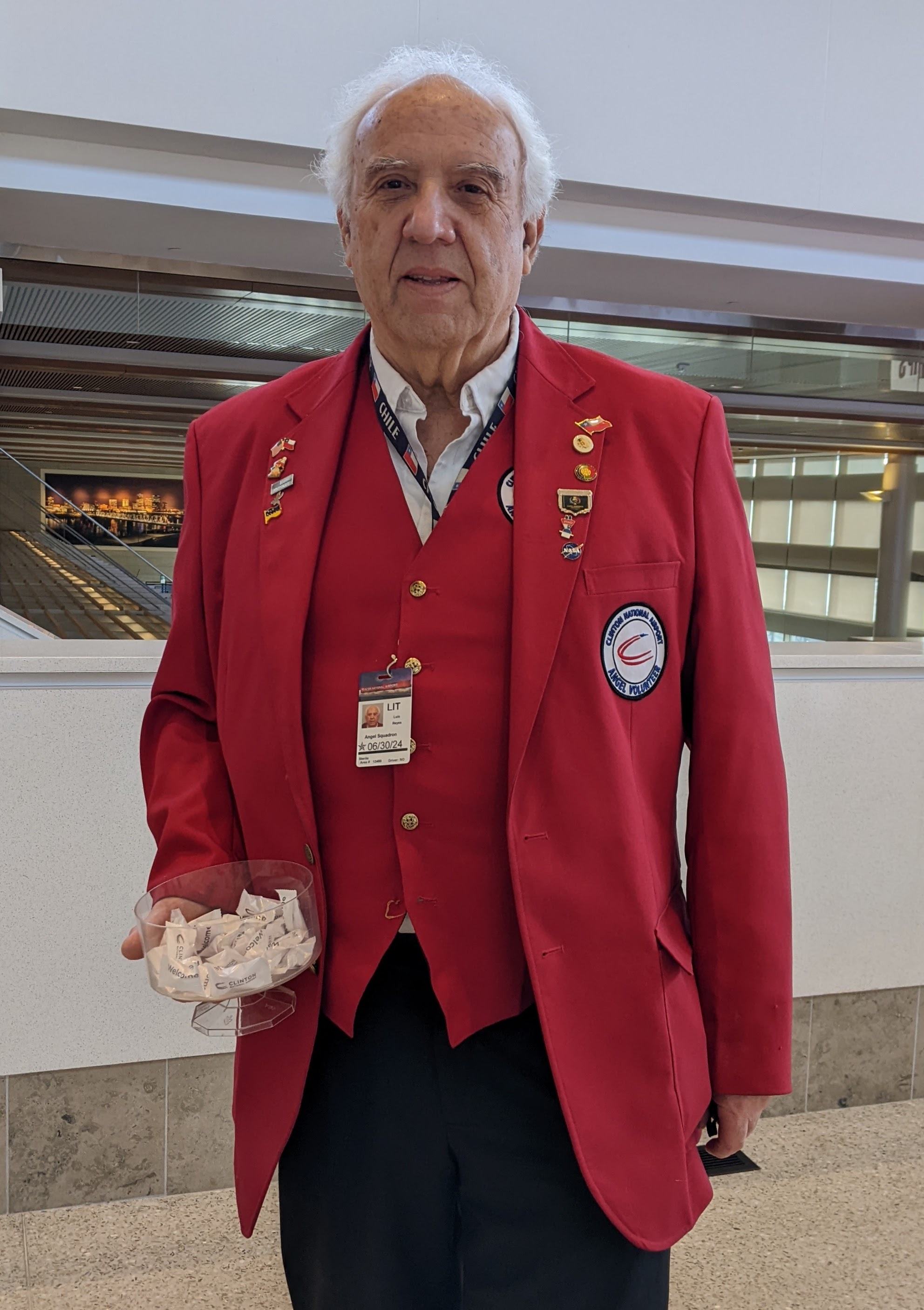
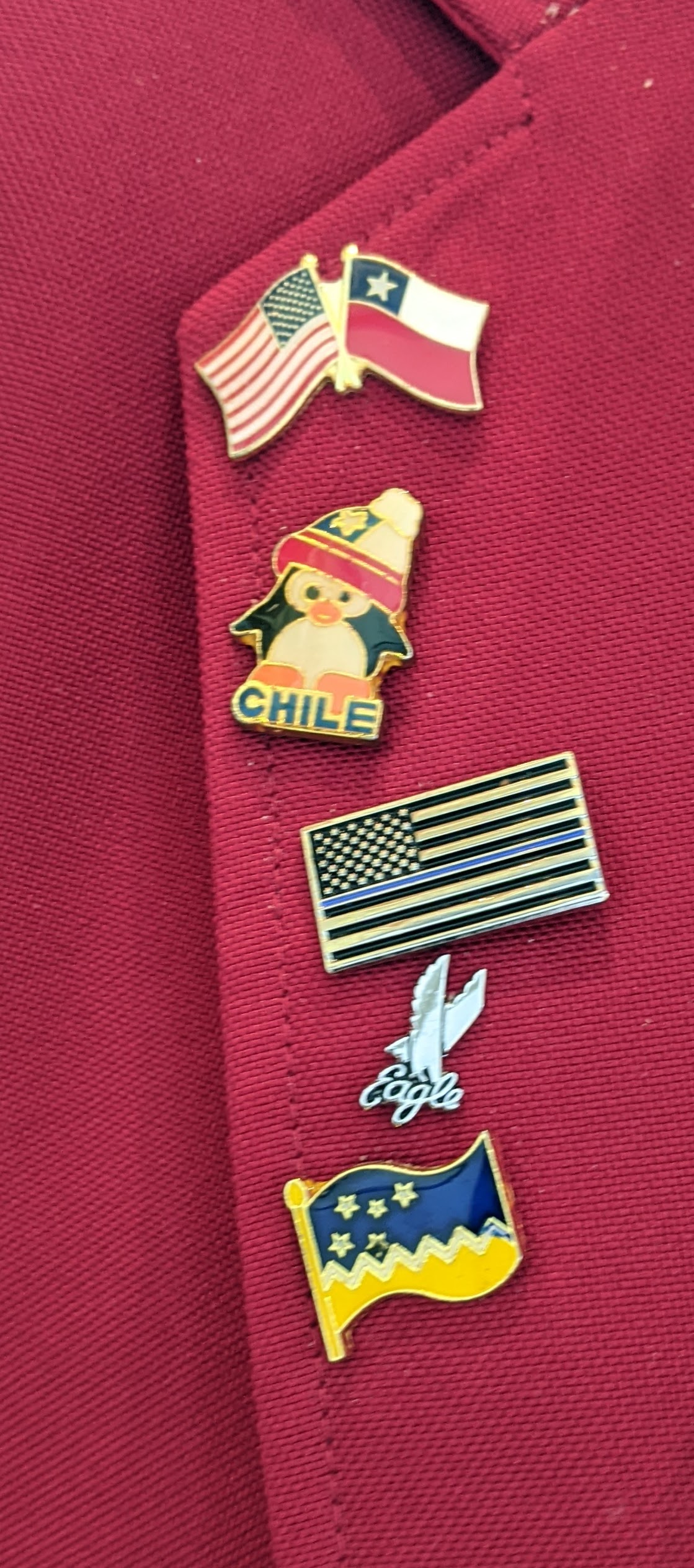
Check- in was swift and painless; a friendly American Airlines agent tagged our bags and placed them on the conveyor belt. We proceeded up the escalator, stopping at the top to chat with an Angel Squadron volunteer at the Airport. His name tag identified him as Luis Reyes. His red vest and a jacket adorned with colorful pins from different states and countries were as welcoming as his smile. I told him that my husband and I were traveling to Santiago, Chile, but would also be visiting Argentina during a 16-day cruise. We talked about the ports we would visit — Punta Arenas as well as Ushuaia at the southern tip of the continent, and then Buenos Aires.

His eyes sparkled and he was more than happy to share information about Chile, his native country. He told us about growing up in Punta Arenas, and how the city overlooked the Strait of Magellan at the southern gateway to Patagonia and Paine Towers National Park. He offered suggestions about where to go, and what to see and do during our short visit there, and he shared his recommendations for local food and drink. He promised that we would want to return.

Reyes also told us about how he and his wife had met, and how he came to be in Arkansas. I asked him if he liked living in Little Rock. He smiled again and said, “Yes, it’s my home now.” And, laughingly, he explained the similarities between the flag of Texas and that of Chile. “We had it first,” he noted. We laughed together.
We considered meeting this unlikely angel a good omen, and we promised to enjoy the delights of his native country and his boyhood home. He wished us a safe journey and we walked on, eager to board our first flight of the day.

Our travel adventures had only just begun! Sadly, our flight plan did not unfold as planned, and we were rerouted through Dallas-Fort Worth instead of Miami. We actually arrived in Chile a bit earlier than planned, and watched a spectacular sunrise over the Andes as our flight landed in Santiago.

After spending two days in that uniquely interesting city, we transferred to Valparaiso, a port city on Chile’s coast, to board our cruise ship bound for Punta Arenas. Again, weather and other circumstances intervened, and that port call was canceled.

Not long ago, returning to Little Rock Airport from another trip, my husband and I once again encountered Luis Reyes at the top of the escalator. He greeted us warmly. We told him how disappointed we were that we had not had an opportunity to visit the city in January. Nonplussed, he didn’t miss a beat! “You’ll just have to return,” he answered. We chatted for a few more minutes, about his summer here in Arkansas, about the trip we had just completed, and about our future travel plans. As we walked on, he called out to us: “I’ll hope to see you again soon,” he said.

Meeting him was one of those chance encounters that served as a prelude to the interesting people we would meet throughout our travels in South America. Once again, it’s the people one meets while traveling, not the places you go, that are the most memorable! Volunteers at major airports throughout the world are there to help travelers. Take advantage of the services if you need help, and get to know the volunteers who give of their time and energy to make travel as pleasant as possible for us all!

As I embark on other travel adventures, I hope this engaging angel will once again be waiting at the top of the escalator in Little Rock. If you happen to meet him, take the hard candy he offers. Ask for his assistance if necessary. Take some time to visit with him. And be sure to tell him hello from me!

And, if you don’t happen to meet Luis Reyes, I hope you meet another angel!

Wanderlust — Montenegro Dreams

As a child, I was captivated by people who lived lives very different from my own, and by the sounds of words spoken to a different cadence. The pull of the unfamiliar was strong. I do not remember a time when I didn’t want to experience far away places.  I never outgrew the wanderlust. Today, the rhythm of a foreign language is music to my ears and the promise of a trip is reason enough to pack up.

And those strange-sounding names; oh, yes!

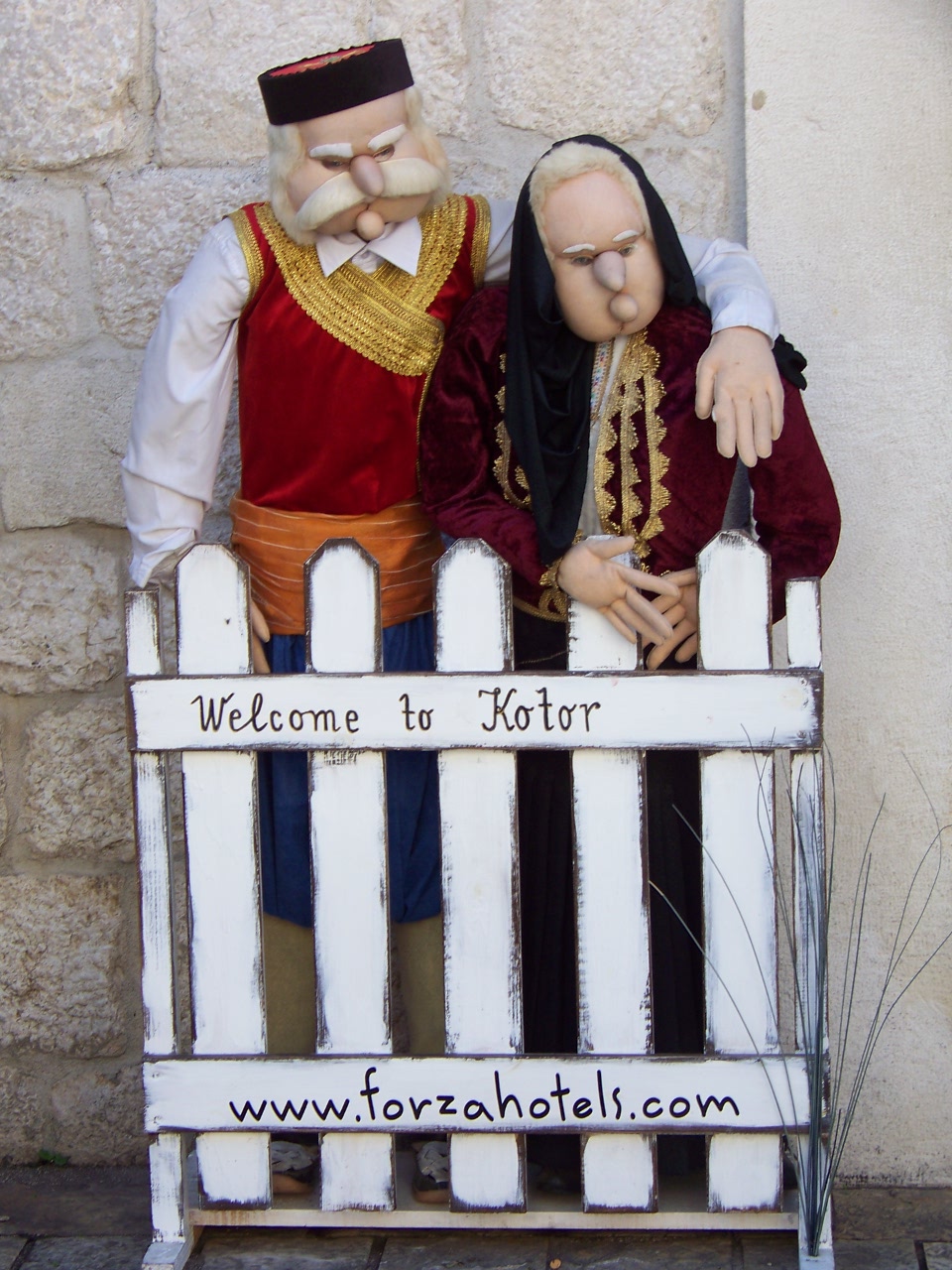
The pull of unknown places is strong. So, when Kotor, Montenegro, was one of the ports on a Princess cruise itinerary, it was almost impossible to resist. I knew next to nothing about Montenegro; in fact, I had to pull out my atlas to locate it.

We were in port for only one day. That was 2017, in the fall. Today, as I think about that visit, I find it hard to believe that all those good memories were formed in the course of one afternoon. Now I want to return again!

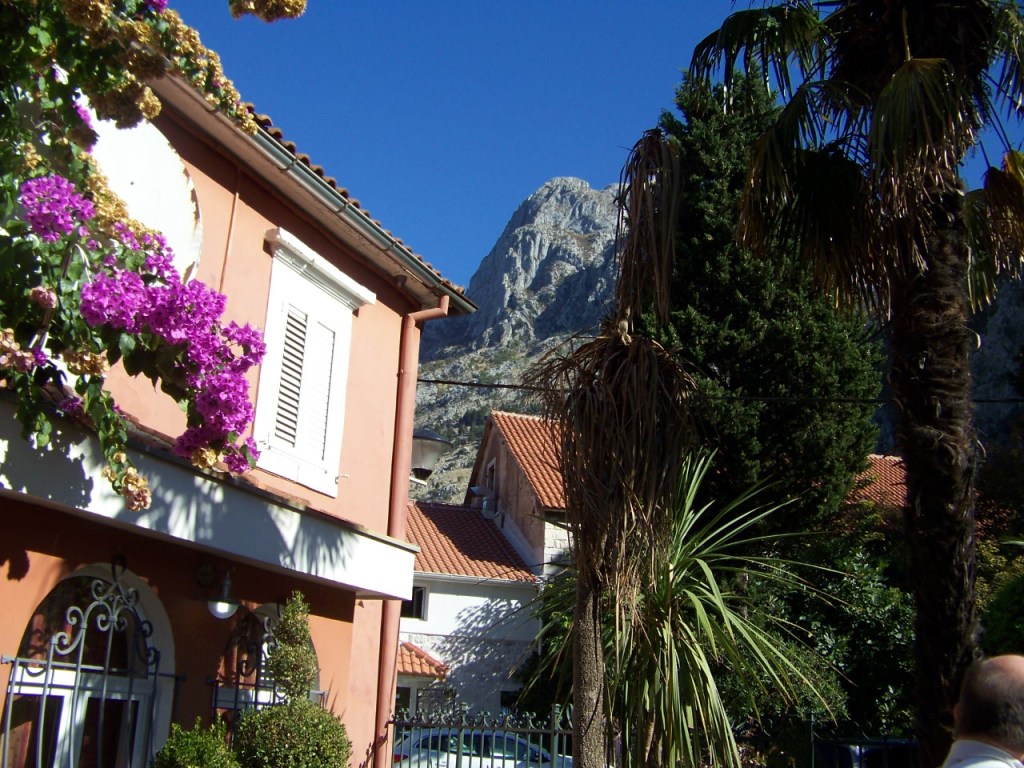
The place, the people, the history speak loudly of life well-lived and fine experiences just waiting to be had. Even more seems promised on a second visit than I experienced during the original. But that first visit could hardly have been better! The scenery, both the ancient city buildings and the surrounding limestone cliffs, is stunning, with hand-built stone walls stretching for more than three miles above the town. The scene is both awesome and forbidding.

Arriving in the City

Our day began with a quick tender ride between our ship and the city dock. Once on land, we were efficiently directed to a guide who was to accompany us on a stroll through Kotor’s marketplace prior to joining a local chef to hear about traditional Montenegrin dishes. We were to sample a variety of regional favorites.

We don’t normally sign up for ship’s tours — we don’t do groups well, preferring instead to walk at our own pace and make our own discoveries. But this one was different.

The stroll turned out to be more of a brisk walk as our group skirted the walls of the ancient city before arriving at the

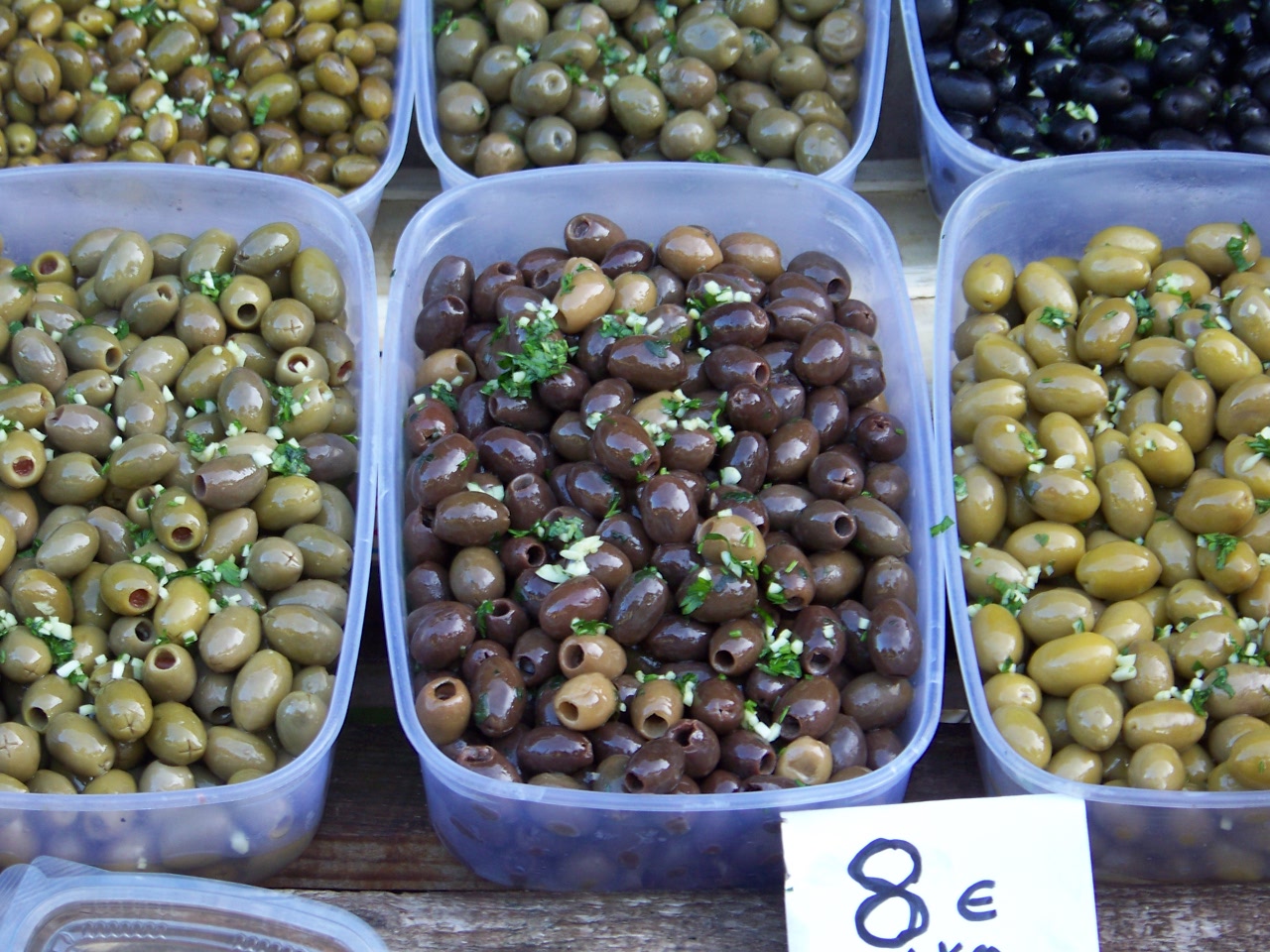
market. Stalls were filled with olives and cheeses, figs and dried apricots, colorful produce, plump breads, pastries and chocolates, sausages, ham and fresh fish – vendors offered samples, encouraging us to try unfamiliar fruits, to sample various figs and olives, to buy spices and olive oil. It was tempting, to be sure.

Welcome Freely Offered

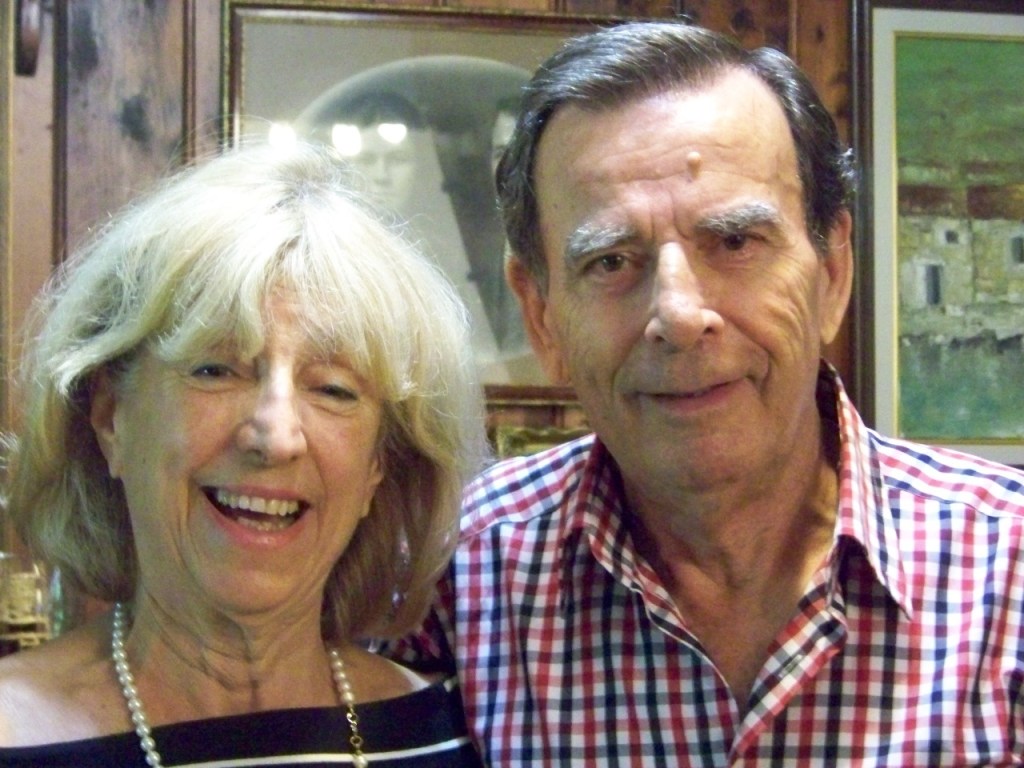
But, we had a schedule to keep, and we pushed on to the end of the harborside thoroughfare before taking a turn onto a tree-lined lane bookended with private gardens. While our group had envisioned gathering in a local café, we were delighted to be ushered through a courtyard and into a cozy home, greeted by a vivacious blonde who wore pearls with her casual slacks and tee.

She greeted us warmly in only-slightly accented English, and introduced her husband, a former sea captain, who stood ready to pour each of us our choice of strong aperitif even though it was not quite 10 a.m. But, when one is on vacation and a guest in someone’s home . . .

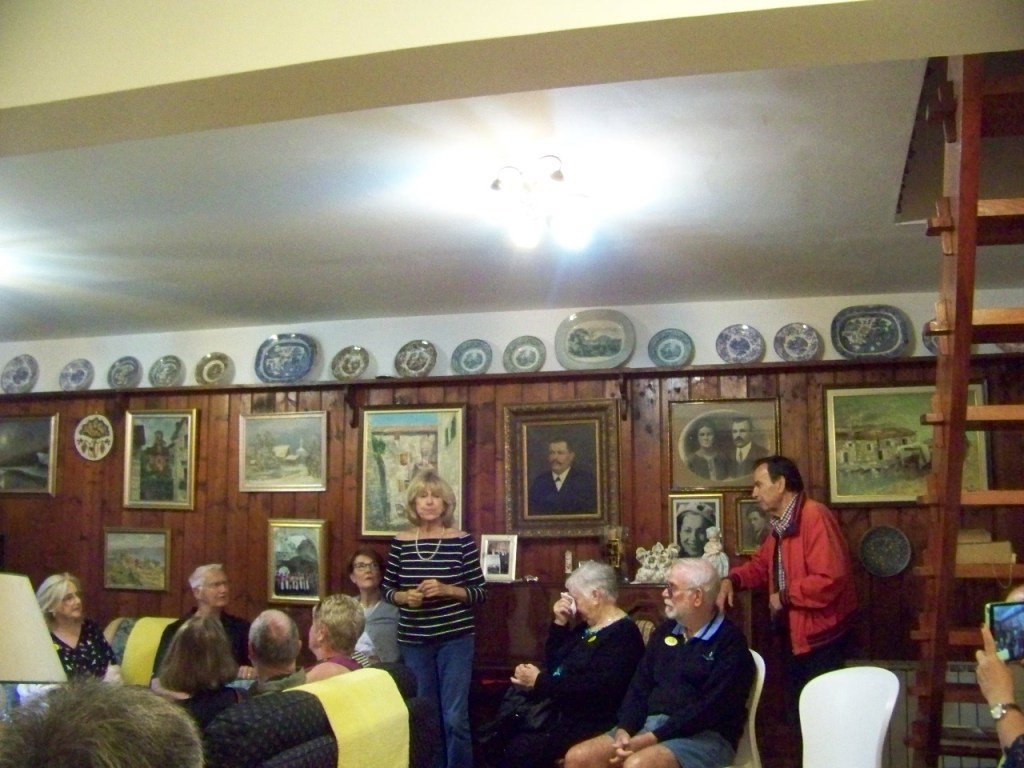
Each of us accepted a glass, then followed our hostess’s lead and raised our glasses in a mutual toast — to new friendships, good food and good times. She encouraged us to feel at home in her home. Each of us found a comfortable seat in the art and antique-filled sitting room. I chose a spot around a diminutive lace-draped round table.

We learned about the life experiences of this lady and her husband. Her many-faceted career, as author, cook, lecturer, tour guide, and who knows what else, was a bit of a surprise, proving that reinventing oneself knows no cultural or geographic boundaries. We also learned about her husband’s exploits at sea and of his ancestors whose portraits hung on the walls.

After a bit, she disappeared for a few moments into the kitchen. We were invited to take seats at a long banquet table that nearly overfilled a well-proportioned dining room with a view of the garden.

Sharing Food, Building Bridges

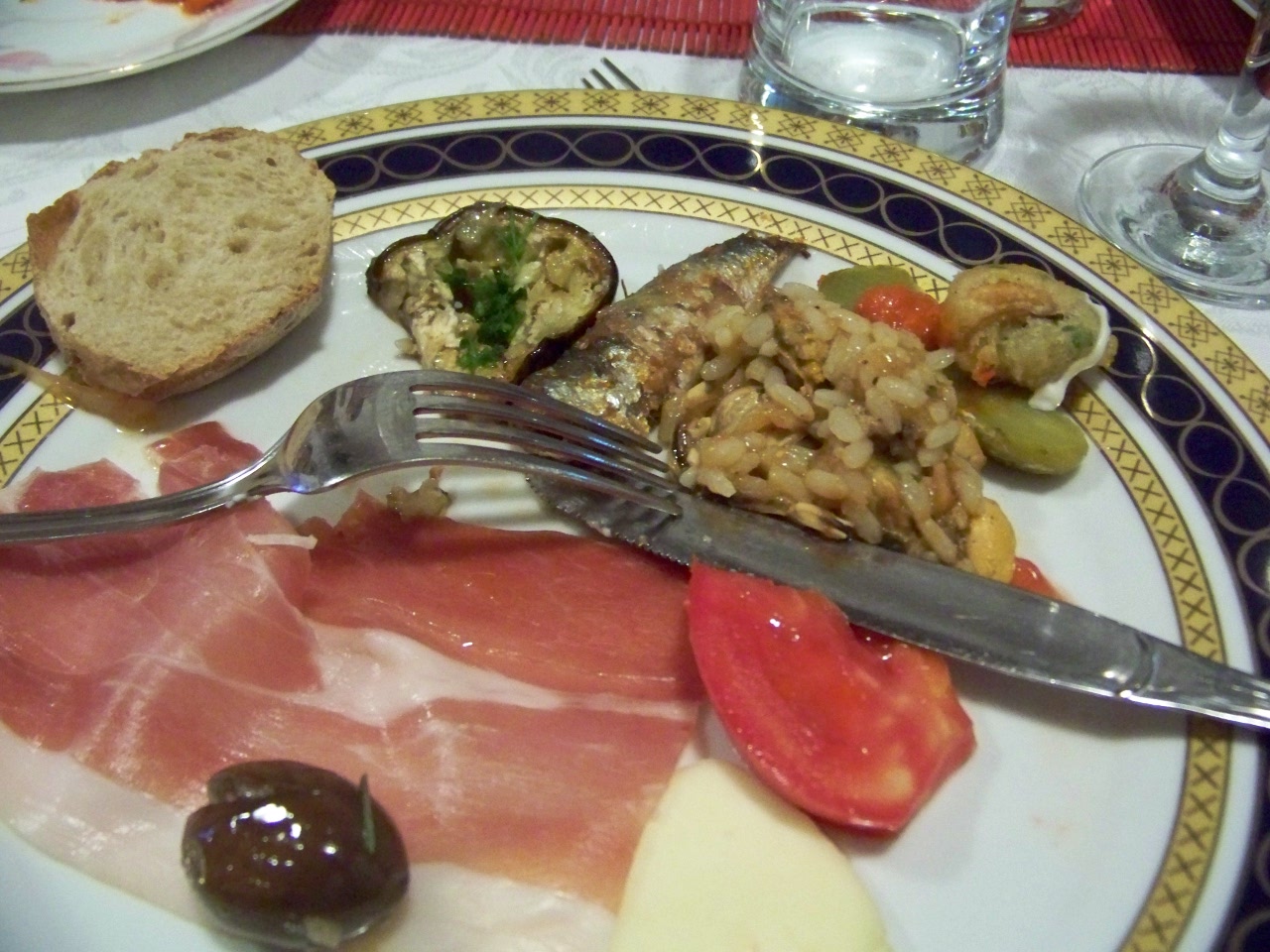
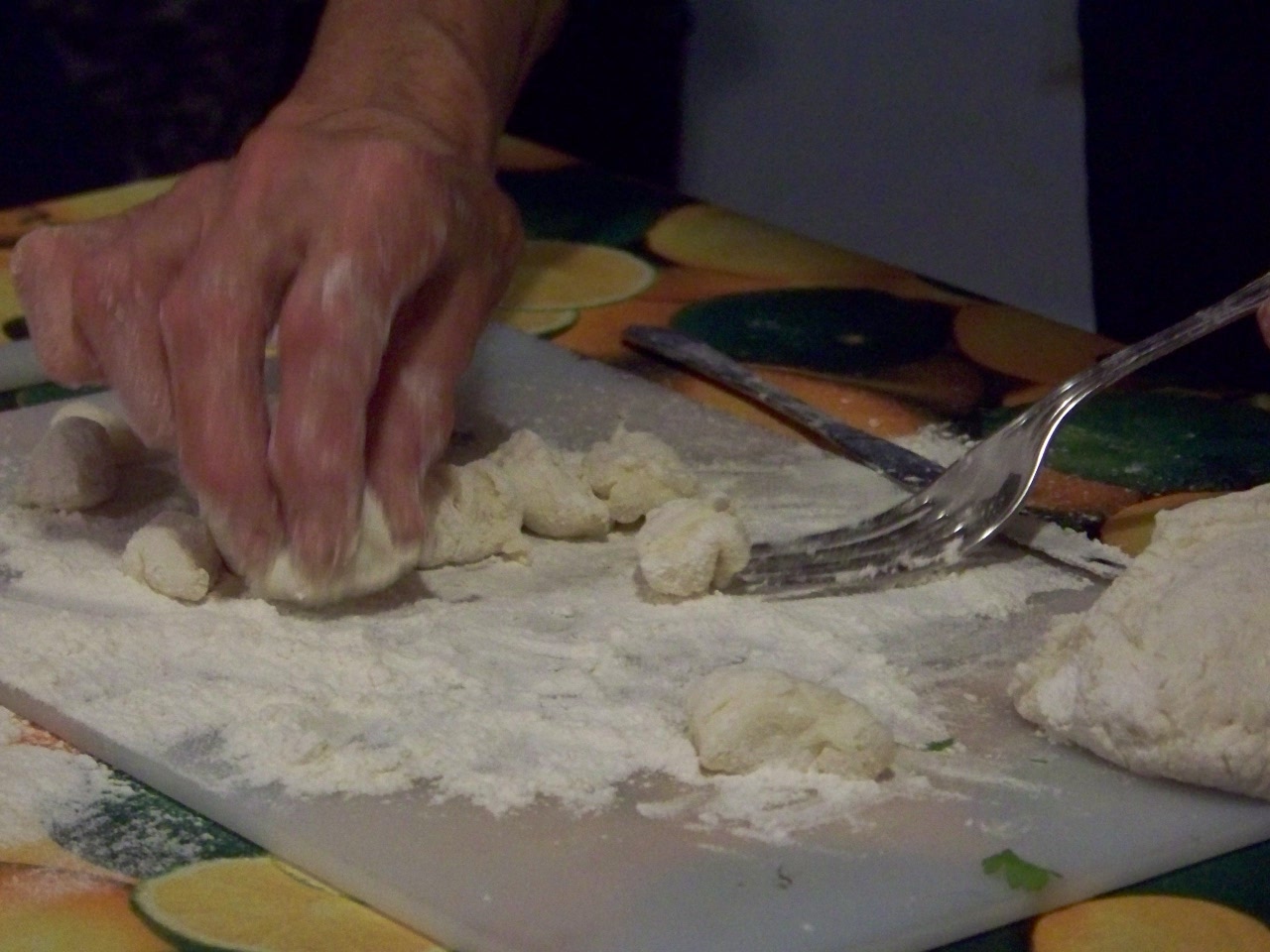
Treated like honored guests, we sampled plate after plate of appetizers, a delicious soup, a traditional entree, and, finally, a rich dessert, all accompanied by a parade of local wines. We listened with rapt attention as she demonstrated how to prepare a traditional Montenegrin recipe.

We were not really prepared for Montenegro. Yes, we knew some of the history: Kotor is a unique medieval fortress town, with an array of buildings that span from the 12th through the 16th Centuries. It’s impossible to walk through the old town without visualizing pirates along with priests, noblemen and beggars, monks and blacksmiths, painters and writers, physicians and printers.

The small city, with a population of approximately 13,000, is situated in a secluded portion of the long Bay of Kotor on Montenegro’s Adriatic Coast. Less than 1,000 people actually live within Kotor’s historic walls, and its earliest history is a bit muddied; it is first mentioned in ancient literature in about 168 BC, but some authorities believe it was founded as early as the 5th Century BC. It was known at one point in history as Acruvium, part of the Roman province of Dalmatia. No matter the date, Kotor now holds the status of a UNESCO World Heritage Site, and the city’s fortifications testify to a succession of foreign occupations and battles. Once allied with Dubrovnik, it gained independence from Byzantium until it was later occupied successively, and repeatedly, by the Serbian Empire, the Republic of Venice and the Ottoman Empire, the Hapsburg Monarchy and, finally, the Napoleonic Kingdom of Italy. It played significant roles in both World Wars.

After 1918, the city that saw some of the fiercest battles of the war became part of Yugoslavia, and gained its new name of Kotor. It was not until 2006, however, that Montenegro, part of the former Yugoslav Republic, become truly independent

With that much turmoil and turnover in its history, it may be surprising that Kotor endured. But endure it did, and today it boasts one of the best-preserved old towns in the region, along with its impressive fortified old city walls and its stunning Cathedral, built in 1166.

The Cathedral of Saint Tryphon is a major tourist site, one of two cathedrals in this unique small city that was formerly known as Cattaro. Saint Tryphon has a collection of beautiful art and artifacts, in addition to its notable architecture.

What else sets Kotor apart from its neighbors? There is a distinguished maritime museum and the Kotor Festival of Theater for Children has attracted throngs of visitors from throughout Europe for the 30 years it has been held. Citizens of Kotor are also protective of their cats, symbols of the city. Food and water, along with boxes that serve as shelter, are left throughout the city. Kotor Kitties is a chartable services that provides spay and neutering services in an attempt to limit the population, but the cats are as much a part of the city as the smiles of its citizens. Don’t miss Cats’ Square if you visit, and be sure to take home a cat-themed souvenir.

I hold fading memories of the cats, the cathedral, the city walls, and the sparkling sea. But I have a clear recollection of the taste of fresh olives and figs from a vendor in the city’s market, and of the stories told and the laughter shared around a dining table in the home of a charming couple in Kotor!

Rollin’ on the river . . .

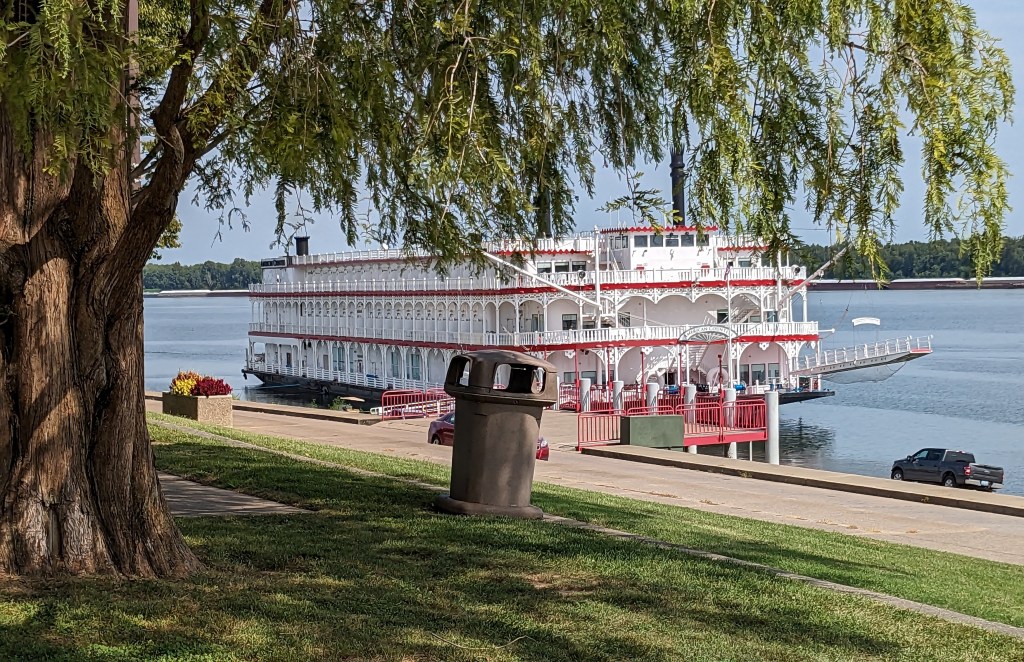
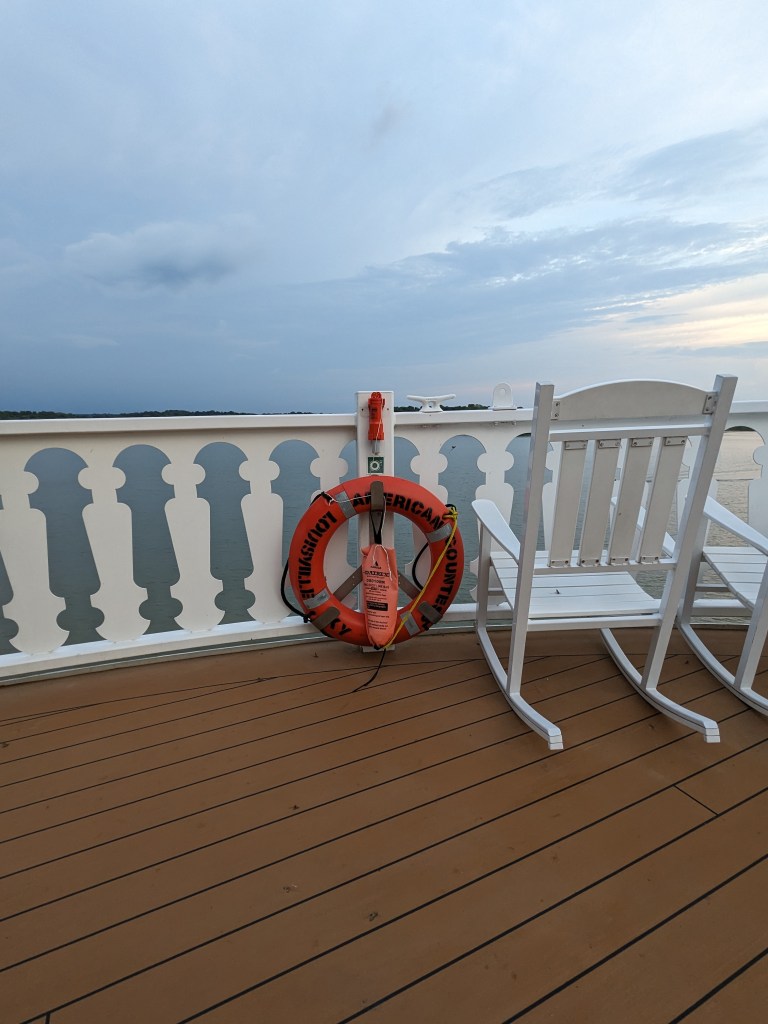
I returned home three days ago from a journey along the Ohio and Mississippi Rivers aboard American Countess, a traditional riverboat sternwheeler with upscale features to rival any ocean-going vessel. With fewer than 250 passengers and more than 90 friendly crew members to cater to every need or request, this was a luxury journey that fostered new friendships and a sense of camaraderie.

Guests were encouraged to submit their personal photographs during the voyage, with winners announced at the end of the week. I was surprised and delighted that my photograph of the American Countess’s iconic twin red paddlewheels was chosen as first-place winner!

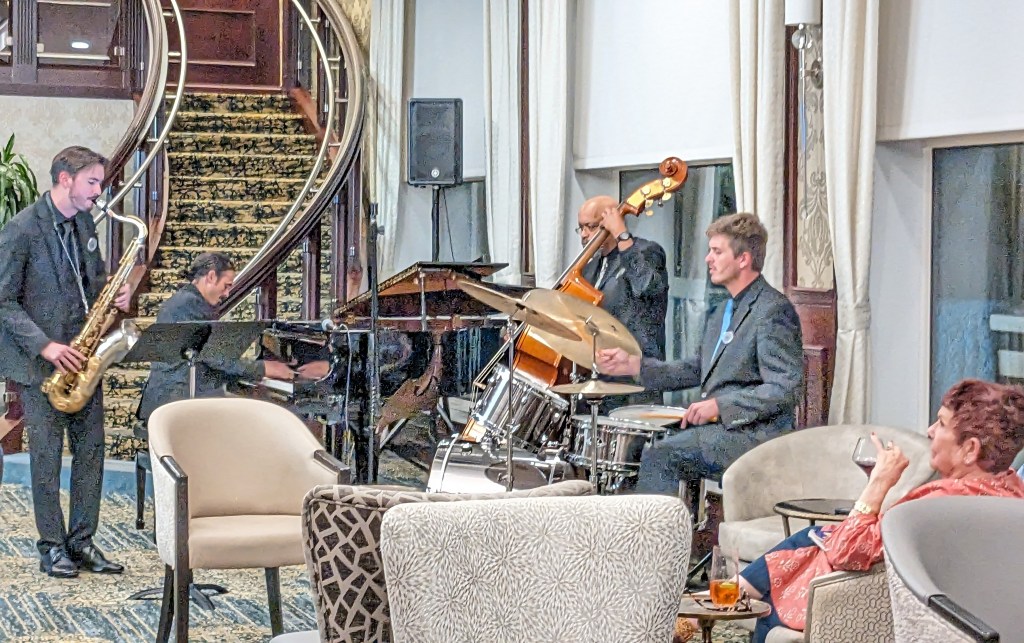
River cruising represents slow-paced travel at its best, with new and impressive sights around every bend, abundant food and drink, a slate of charming towns to visit, excursions designed to appeal to diverse interests, and onboard entertainment, music and activities almost non-stop.

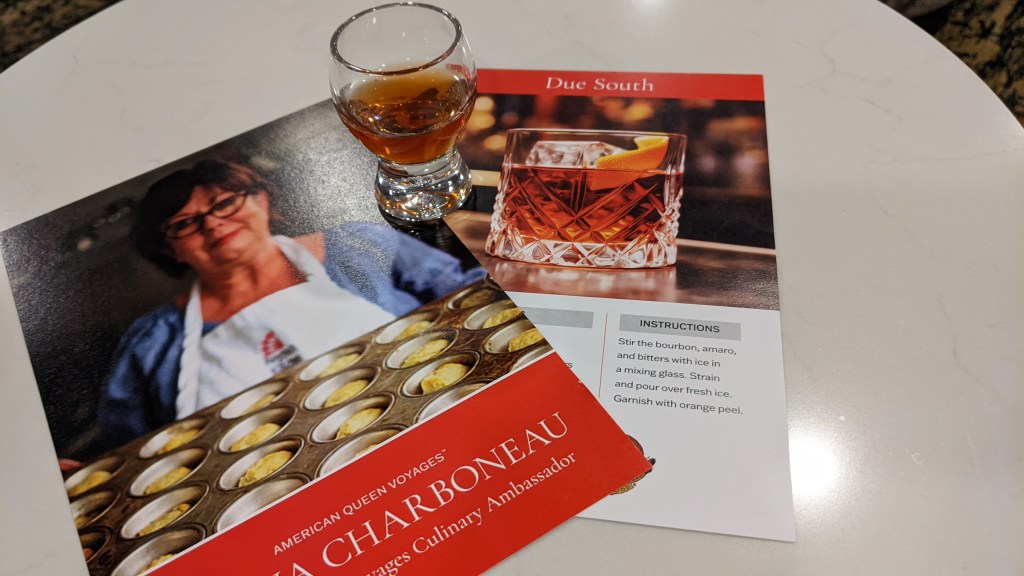
I was one of a group of four writers chosen to participate in a press trip on this Bourbon-themed voyage. Not only did the agenda include seven history-rich river cities, but Bourbon expert Michael Veach, a noted authority on the history of this strictly American whiskey, was aboard to present a series of lectures and complimentary bourbon tastings.

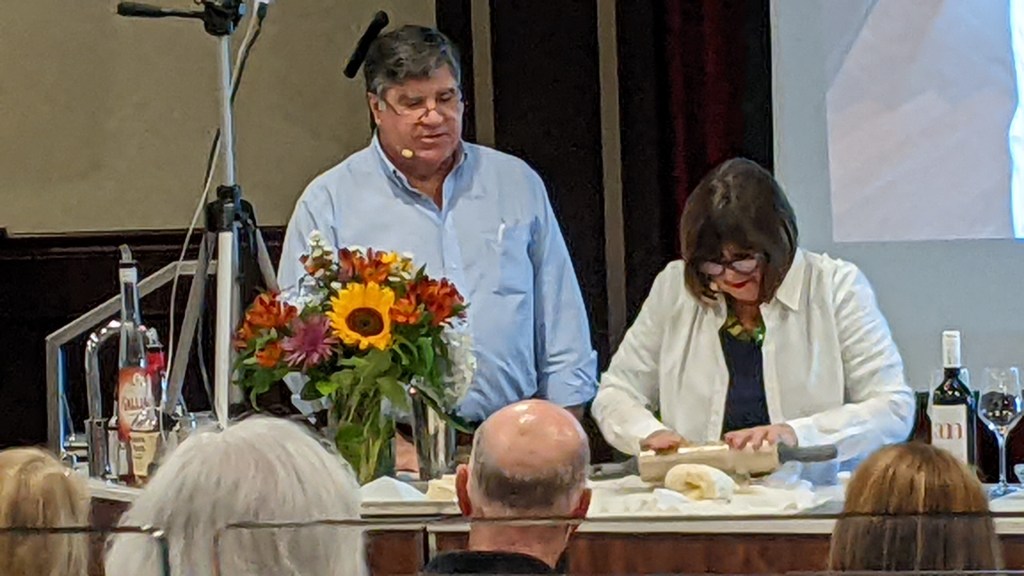
This particular voyage boasted a decidedly “good food and spirits” orientation, with multiple options for brewery tours and tastings along the route. American Queen Voyages President Cindy D’Aoust and Vice President of Marketing Angela Composto joined the cruise for the first few days. Special guests were Dickie Brennan, chef-owner of New Orleans’ landmark Bourbon House restaurant, and noted restaurateur and cookbook author Regina Charboneau, who serves as the cruise line’s Culinary Ambassador, and the pair joined up for a cooking demonstration in the boat’s theater one afternoon.

As a Matador Creator, I was privileged to participate in this unique press trip. There are many stories to tell about the distinctive “flavor” of cruising American rivers, especially on a themed cruise like this one, and I will recount some of my experiences in future posts. Also, look for my article on Matador Network in the near future.

What an amazing treat it was, from a pre-cruise stay at The Brown Hotel in Louisville, Kentucky, to disembarkation in Alton, Illinois, just across the Mississippi from St. Louis, followed by quick, efficient bus transfer to the St. Louis Airport.

This post is simply meant to be a visual “teaser.” Visit American Queen Voyages to learn more about various itineraries, or to take advantage of special incentives for future cruise bookings. If you’ve never before considered an American riverboat vacation, I can highly recommend it as an experience you won’t soon forget!